Comte Cheese: A Journey into France’s Iconic Mountain Gem and the Jura Region
If there is one French cheese that truly deserves your attention and admiration, it is undoubtedly Comte. This is not an exaggeration; it’s a sincere testament to a cheese deeply rooted in centuries of history, nurtured by a strong sense of community, and celebrated for its unparalleled depth of flavour. Imagine receiving a sudden invitation to fly to France, with the enticing prospect of spending two glorious days solely dedicated to tasting exquisite cheese and fine wine. The only logical response is an enthusiastic “YES!” followed immediately by a frantic effort to clear your calendar. After all, who could possibly resist such a captivating culinary adventure?
The Allure of France: A Lifelong Fascination with French Culture and Cuisine
Despite residing merely a short drive from France, my personal exploration of this magnificent country had, until recently, been quite limited, primarily consisting of just two visits to the vibrant capital, Paris. However, my heart has always yearned for the authentic, rural charm and understated elegance that defines so much of France beyond its bustling metropolitan areas. The dream of immersing myself in a simpler, more rustic existence, sustained by the sublime trinity of artisanal cheese, crusty fresh bread, and exquisite local wine, has been a cherished aspiration for as long as I can recall.
My profound passion for France truly blossomed during my high school and university years, where I diligently delved into the intricacies of the French language and its rich literary heritage. Immersing myself in the works of literary giants like Victor Hugo, Guy de Maupassant, and Honoré de Balzac ignited a deep appreciation for French history, its artistic expression, and the very essence of its national identity. To describe myself as a “proper French geek” is hardly an exaggeration; I genuinely adore every facet of this remarkable country, from its complex history to its world-renowned culinary traditions.
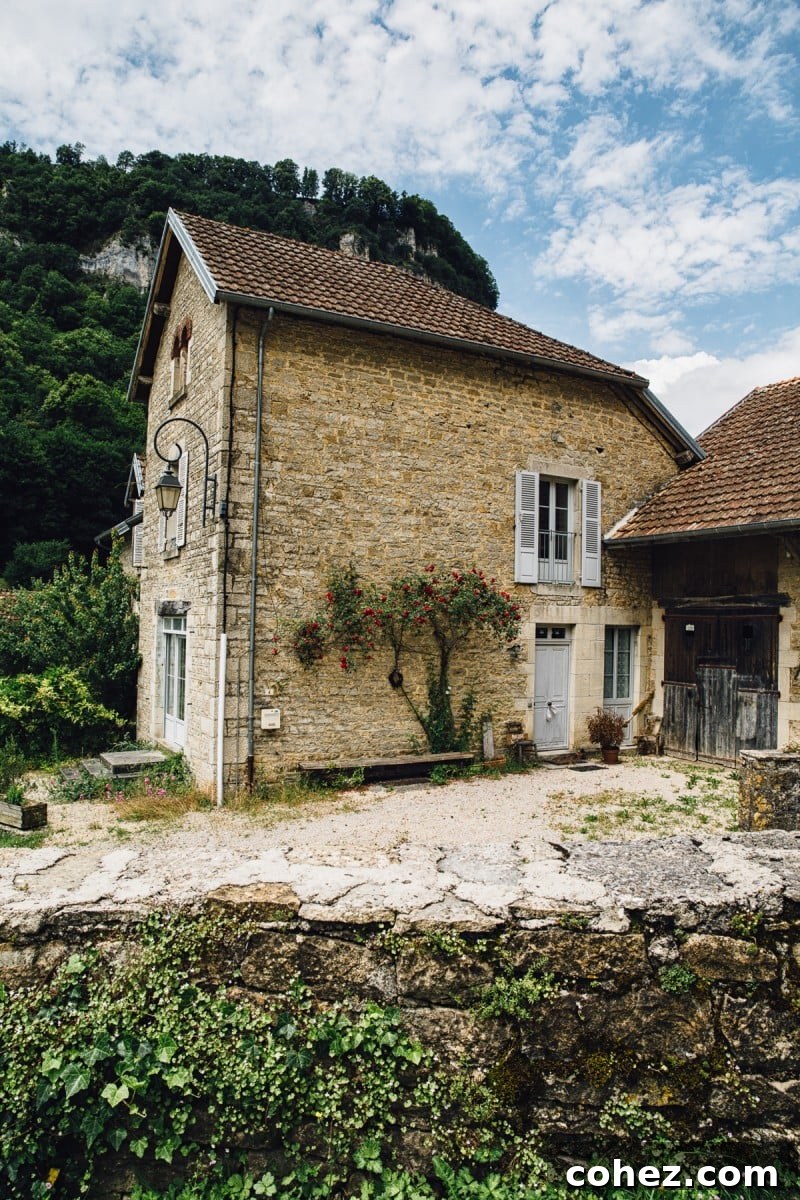
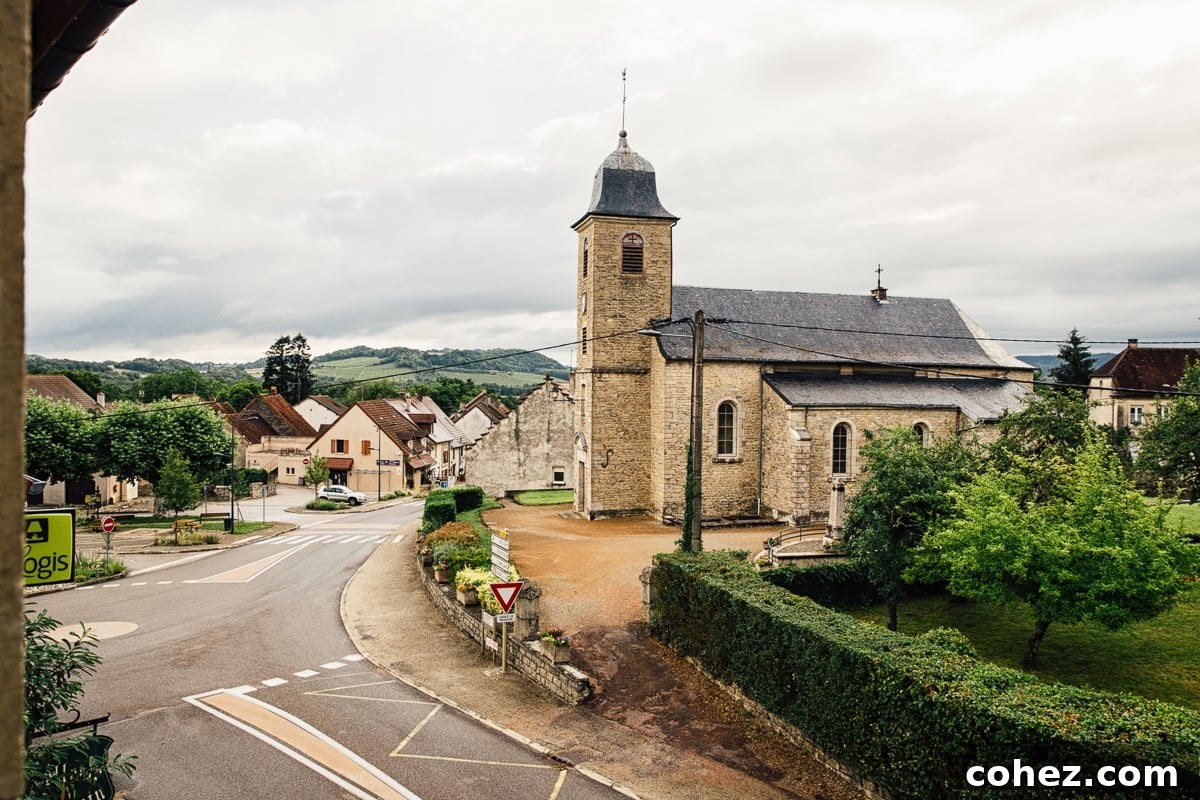
Consequently, when the invitation to explore the captivating Jura region arrived, my excitement soared. While my prior knowledge of Jura was admittedly focused, primarily revolving around its most celebrated exports—Comte cheese and the distinctive Yellow Wine (Vin Jaune)—the mere prospect of visiting the heartland of such revered culinary masterpieces was immensely thrilling. I was already a devoted fan of Comte, having frequently incorporated its rich, complex flavor into various recipes shared on my blog, including delightful dishes like Rosemary Potatoes au Gratin and gourmet Truffled Egg Soldiers. I cherished its exquisitely creamy texture and its characteristic sharp, nutty notes that elevate any dish. At that point, however, I, like many, harbored a common misconception: I believed Comte to be a commercial cheese brand, perhaps the product of a large, impersonal corporation.
The True Spirit of Comte: Community, Cooperation, and Unwavering Tradition
My initial perception of Comte could not have been further from the profound truth. Far from being owned by a solitary, wealthy individual or a corporate giant, Comte cheese truly belongs to its people – the diligent, hard-working farmers and the skilled, dedicated cheesemakers who are meticulously organized into centuries-old cooperatives. This unique, collective ownership imbues Comte with a deeply republican spirit, beautifully reflecting the democratic ideals and communal values that define France itself. Beyond its exquisite and unforgettable taste, it is precisely this unique origin, coupled with its steadfast commitment to cooperative production and artisanal integrity, that I find most utterly captivating and inspiring about Comte cheese.
A Legacy Forged by Necessity and the Spirit of Solidarity
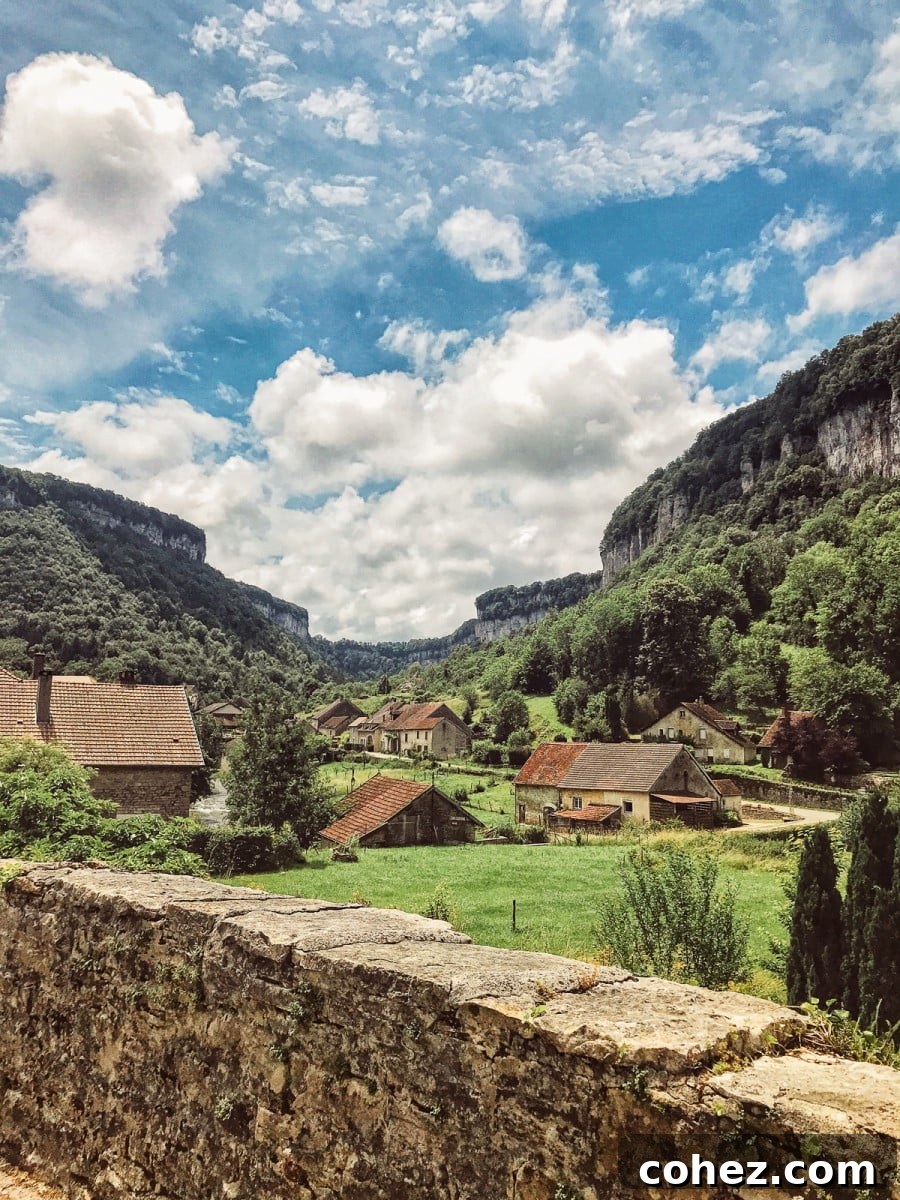
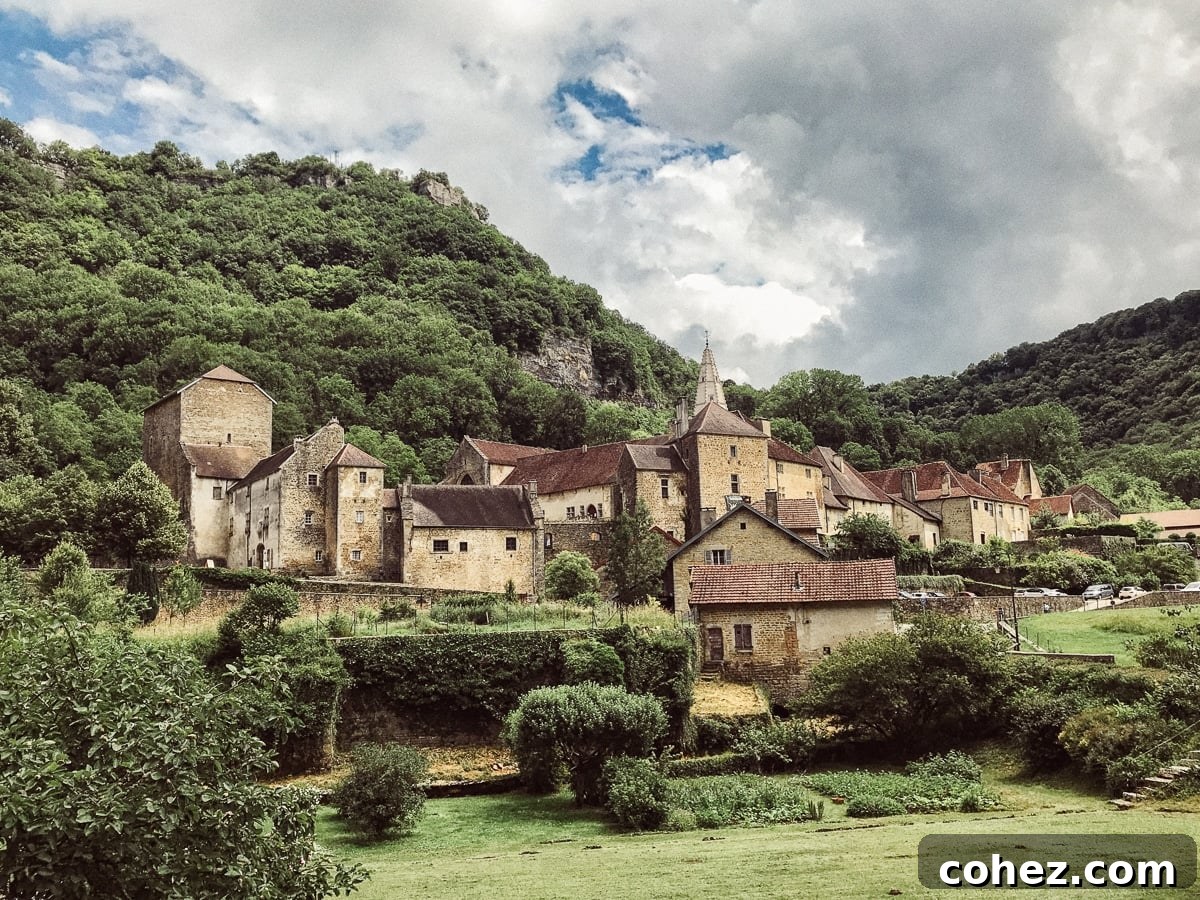
The remarkable history of Comte cheese production stretches back many centuries within the rugged Jura region, initially born out of the practical and vital need to preserve milk. A quick glance at any geographical map instantly reveals the dramatic and challenging landscape of Jura: a mountainous area characterized by intensely hot summers and brutally cold, snow-laden winters. Centuries ago, especially during the unforgiving depths of winter, the region would have been largely isolated, with treacherous, winding roads making travel to and from the outside world a perilous and often impossible undertaking. For the inhabitants, self-reliance for food was not merely a convenient choice but an absolute, undeniable necessity for survival.
This challenging yet stunningly beautiful environment did not deter; instead, it spurred innovation and fostered an incredibly strong sense of community. This collective spirit led directly to the development of one of France’s most renowned cheeses, alongside its equally exceptional wines. The very foundation of Comte cheese production rests firmly on the principle of solidarity, a concept that might initially seem out of place in the context of a modern food industry, yet it holds a beautiful, profound, and absolutely essential place in Comte’s enduring narrative.
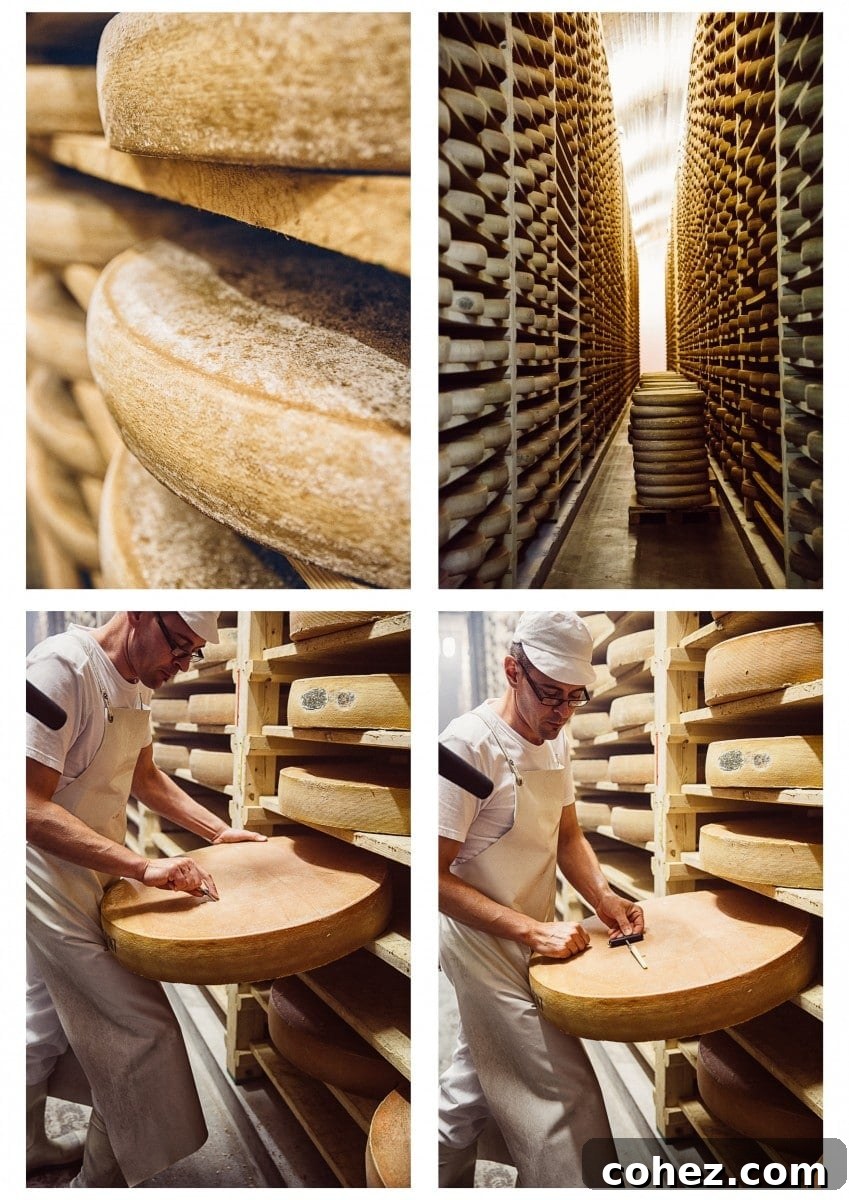
Crafting a single, massive 40kg (approximately 80lb) wheel of Comte cheese demands an extraordinarily substantial amount of milk. Historically, no individual farm possessed enough cows to consistently supply the required volume. This critical constraint led farmers to pool their valuable milk resources, forming what are affectionately known as “fruitières” – communal cheese-making cooperatives. Their shared objective was simple yet vital: to create a high-quality product that could be stored and would keep through the long, harsh winters, thereby ensuring sustenance for their entire community. These cooperatives, remarkably, have undergone very little change over the centuries, preserving a timeless tradition of collective effort, mutual support, and shared prosperity. I was genuinely astonished and profoundly impressed to discover that the fundamental, intricate process of crafting Comte has remained largely unaltered through generations. In fact, a meticulously designed system of stringent regulations is vigorously enforced to guarantee that this beloved cheese maintains its authentic character, consistent quality, and distinctive flavour across the ages.
The Rigors of PDO: Guaranteeing Authenticity, Terroir, and Unrivaled Excellence
Comte cheese proudly holds the highly esteemed PDO (Protected Designation of Origin) status, a prestigious certification that speaks volumes about its unwavering authenticity, geographical exclusivity, and traditional methods. Much like how genuine Champagne can only originate from the Champagne region of France, true Comte cheese can only come from the specifically delineated area within the picturesque Jura region. This coveted designation is far more than just a mere label; it serves as a powerful promise of profound heritage, uncompromised quality, and an unbreakable link to its unique terroir.
The PDO restrictions for Comte delve even deeper, meticulously dictating every single aspect of its production to rigorously safeguard its unique and celebrated characteristics:
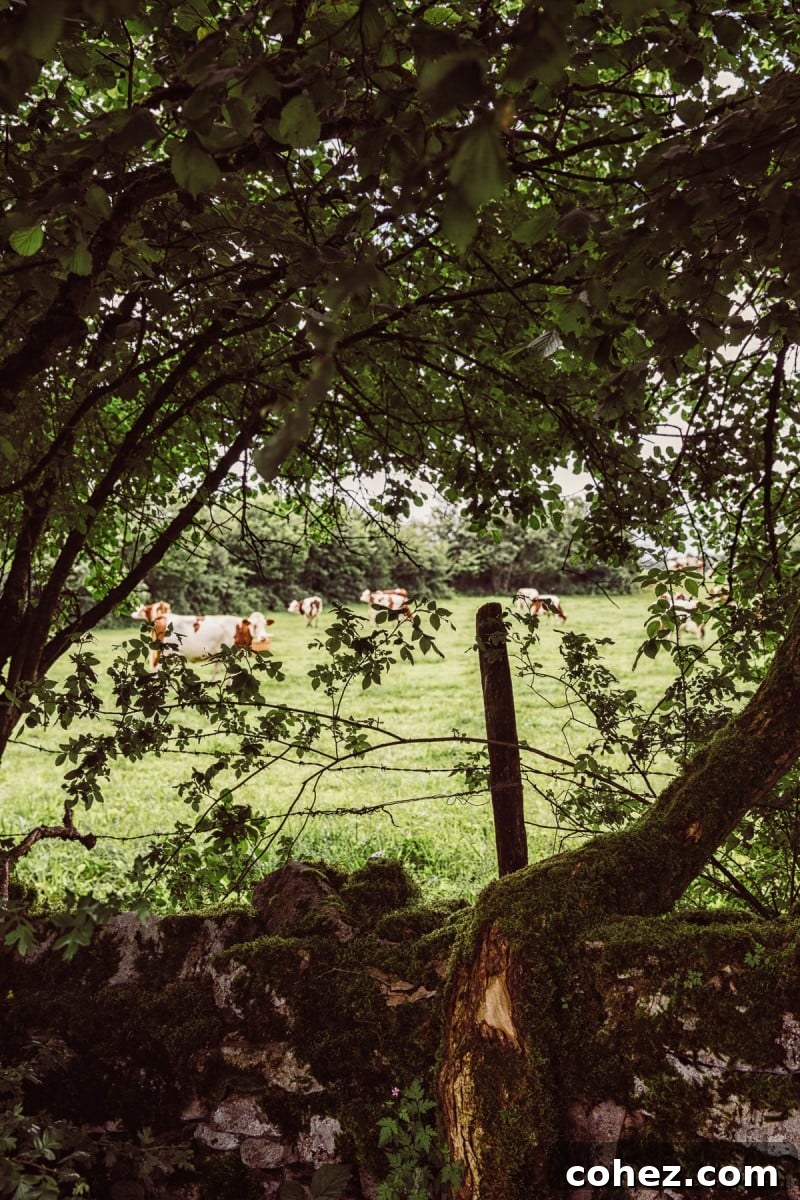
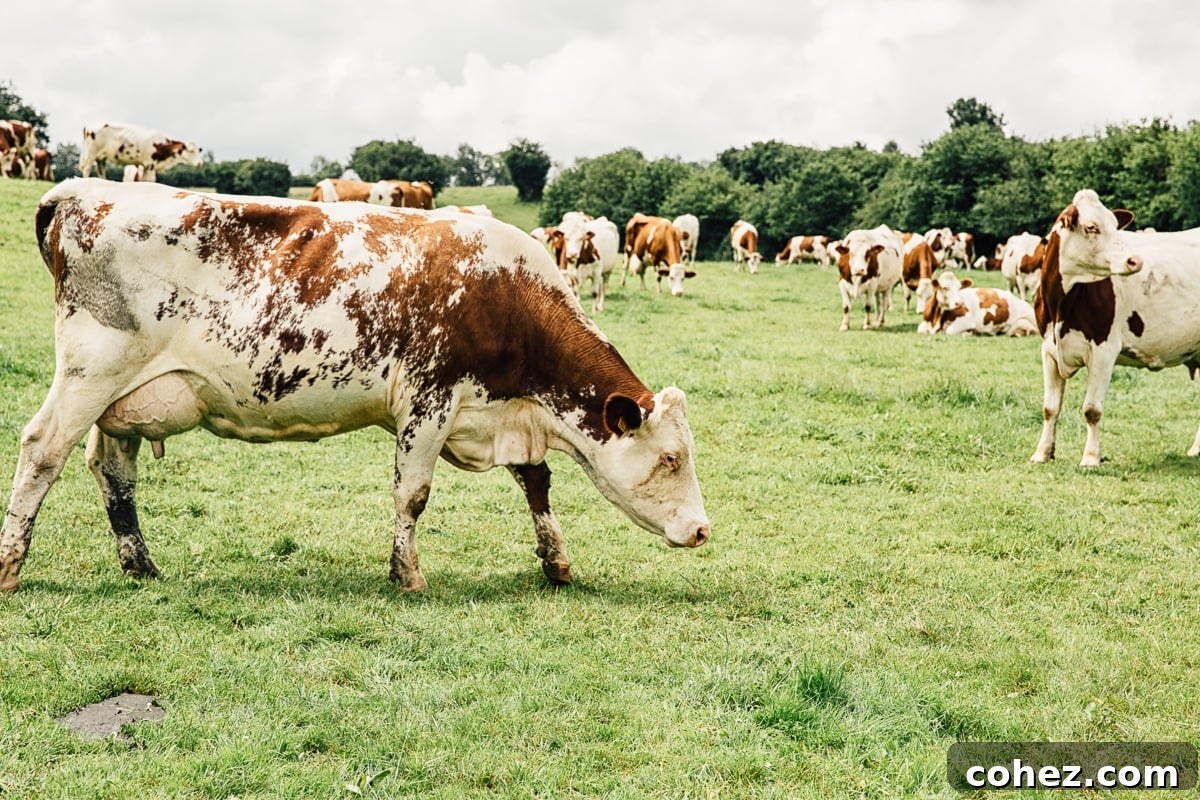
- Specific Breeds: Only milk from two specific local cow breeds – the iconic brown-and-white Montbéliarde and the resilient French Simmental – is strictly permitted. These particular breeds are uniquely adapted to the challenging Jura landscape and produce milk of ideal composition for Comte.
- Strict Dietary Standards: The cows’ diet is meticulously controlled and prescribed. They must graze on natural pastures teeming with a diverse range of indigenous grass species during the summer months and be fed locally harvested hay in winter. Crucially, the use of silage and any genetically modified feeds is absolutely forbidden. The superior quality and natural diversity of their diet directly influences the milk’s richness, which in turn imparts the distinctive and nuanced flavours to the cheese.
- Raw Milk Production: Comte is exclusively crafted from raw, unpasteurized milk. This essential practice preserves the natural microflora that are absolutely critical for developing its extraordinarily complex aromatic profile during the lengthy aging process.
- Salt Application: Salt is only applied by hand to the surface of the entire cheese wheels, never added directly to the milk or curd, allowing for gradual absorption and flavor development.
- Aging Requirements: Each meticulously crafted wheel of Comte must undergo a minimum aging period of four months in special cellars. However, the aging process can extend significantly, sometimes for as long as 36 months, during which it develops an incredibly vast spectrum of sophisticated flavors and textures, ranging from delightfully mild and fruity to intensely nutty and wonderfully crystalline.
Every single Comte cheese wheel undergoes rigorous and continuous quality checks throughout its entire production journey. Only after successfully passing these stringent assessments is it finally adorned with the famous green label and assigned a unique identification number. This number is absolutely crucial for complete traceability, allowing each individual wheel of Comte to be traced back to its specific fruitière (cheesemaking cooperative) and ensuring unwavering accountability for its consistently exceptional quality. This meticulous and dedicated process ensures that whether you savor a young, creamy Comte or a deeply mature, robust one, you are experiencing a cheese of uncompromised excellence, a true reflection of its heritage and terroir.
The Art of Tasting Comte: A Sensory Revelation and Unique Experience
From the very outset of our immersive tour, we were strongly advised to approach Comte cheese tasting with the same reverence, discernment, and deliberate concentration that one typically applies to the appreciation of fine wine. This insightful instruction quickly proved its profound validity, for it became immediately clear that no two wheels of Comte taste precisely alike; each is a unique and individual masterpiece, boasting its own subtle nuances, distinct characteristics, and evolving flavour profile. Our intensive two-day tasting marathon, complete with shared notes, lively discussions, and profound revelations, was an utterly incredible, enlightening, and unforgettable sensory experience.
The flavour profile of Comte is remarkably diverse and wonderfully complex, evolving significantly with age. Younger Comte, typically aged between 4-8 months, often presents with delightfully creamy, milky notes, delicate hints of fresh butter, and subtle, bright fruity undertones. As it matures, reaching 12-18 months of age, deeper, more complex and robust flavours begin to emerge: rich roasted nuts, notes of sweet caramel, hints of toasted bread, and even a delicate touch of spice or fruit rind. Very old Comte, aged for 24-36 months, can develop an appealing crystalline texture, an intense nuttiness that lingers on the palate, and intriguing notes of dried fruit, supple leather, or even a slight, piquant oniony quality. The texture also varies wonderfully, from supple and yielding in younger cheeses to firm, crumbly, and beautifully flaky in older, more mature ones. Engaging all senses—sight, smell, touch, and ultimately taste—is absolutely key to fully appreciating the rich, intricate tapestry of exquisite flavours that Comte so generously offers.

Sustainable Practices and Global Recognition: A Vision Ahead of Its Time
Comte proudly stands as France’s largest PDO cheese, boasting an impressive annual production volume of approximately 1.6 million tonnes. Yet, despite this considerable scale, it is remarkable that only a modest 12% of this production is allocated for export, a clear testament to its immense and enduring popularity within France itself. What truly distinguishes Comte, however, is the profound commitment to maintaining artisanal methods and traditional craftsmanship, even amidst such large-scale operation.
The deep-rooted connection between the diligent cheesemakers and the fertile land remains one of the most vital and cherished principles of Comte production to this very day. This commitment extends comprehensively to responsible environmental stewardship, including dedicated efforts to significantly reduce their carbon footprint, and a strict, unyielding prohibition on the use of any additives, GMOs, or harmful pesticides. Farmers with whom we spoke shared candid stories of how, for many decades, their unwavering adherence to traditional, time-honoured methods—rather than succumbing to the allure of industrial shortcuts—was often met with skepticism, and even gentle amusement, from the broader outside world.
Today, the narrative surrounding Comte cheesemakers has dramatically shifted. Far from being ridiculed, these visionary artisans are now widely applauded, deeply respected, and even emulated globally for their uncompromising standards, unwavering ethical integrity, and exemplary sustainable practices. Their foresight and steadfast dedication to preserving a heritage-rich, naturally produced product have positioned them as true pioneers in a modern food landscape that increasingly values authenticity, environmental responsibility, and genuine, handcrafted quality.
Beyond Comte: Exploring the Diverse Culinary Riches of Jura
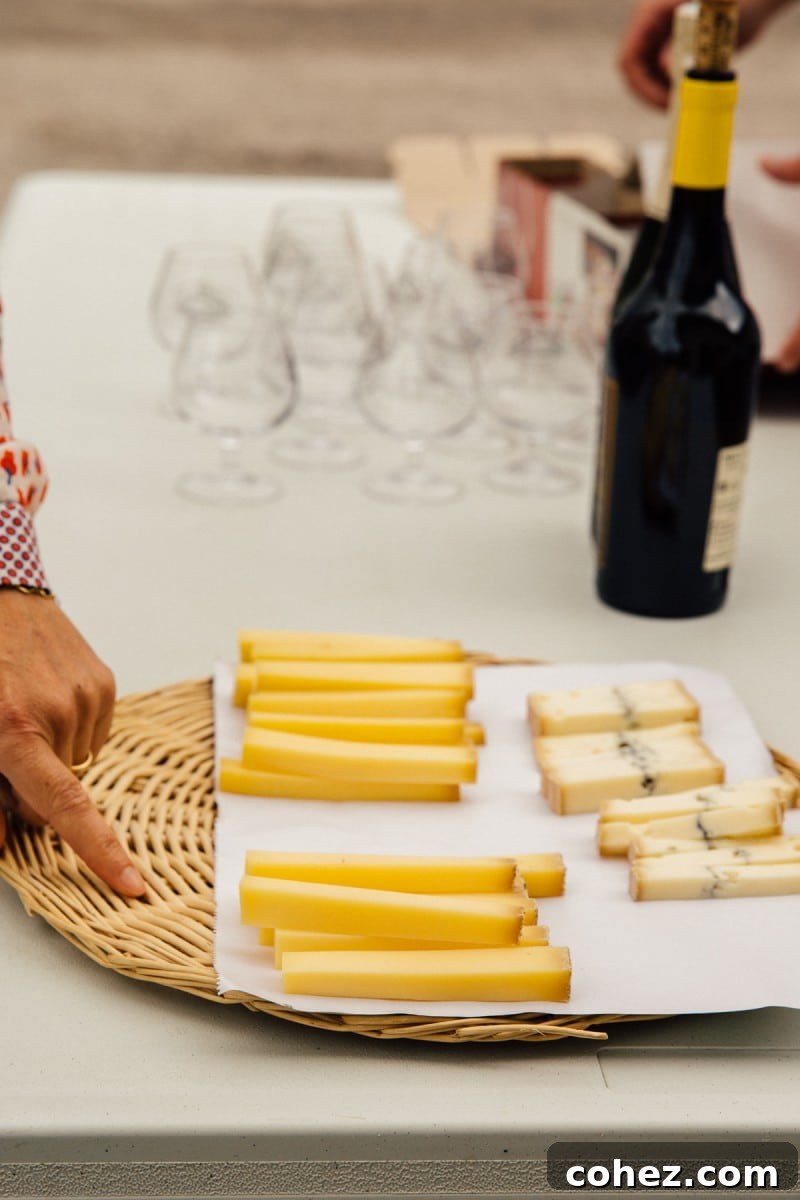
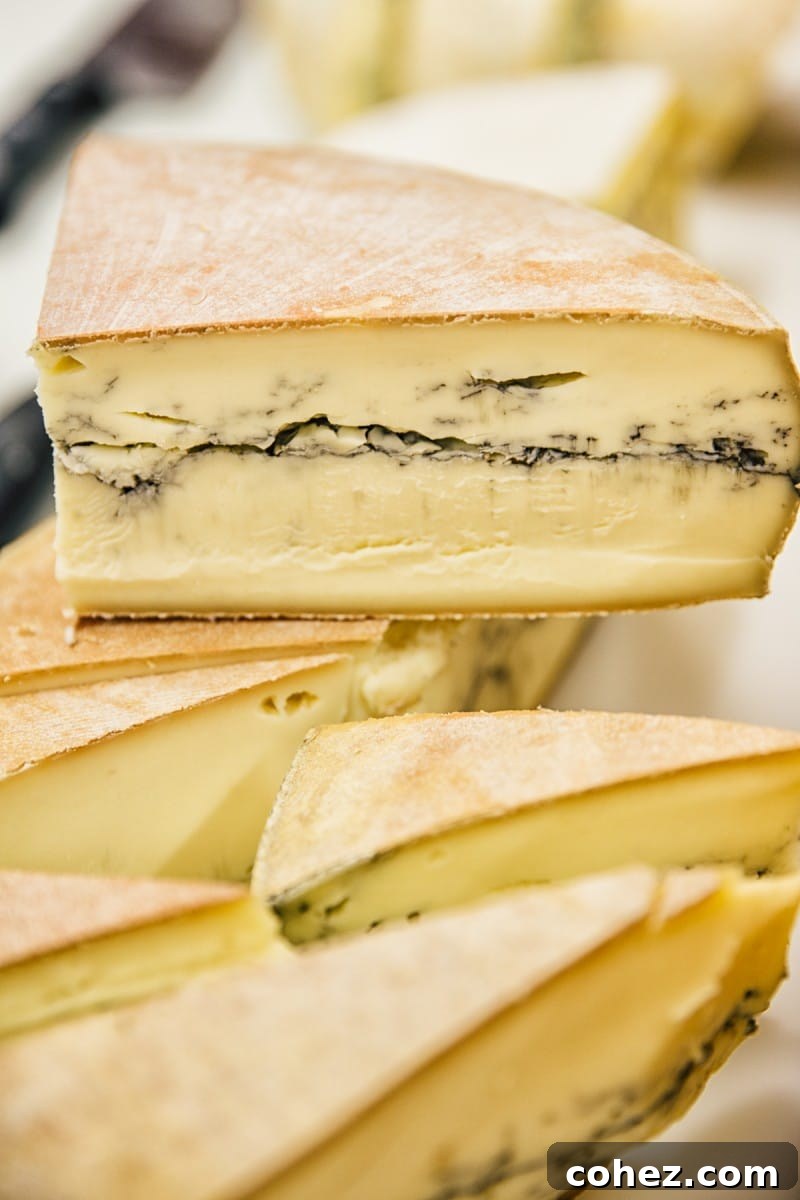
While Comte cheese deservedly takes center stage in the Jura region, it is essential to acknowledge that this charming area boasts a rich tapestry of other culinary delights that are equally deserving of attention and exploration. Among these regional treasures are Morbier cheese, easily distinguishable by its distinctive layer of vegetable ash running horizontally through its middle, and the robust, flavorful Marteau sausage. And, of course, no truly comprehensive visit to Jura would be complete without extensively exploring its exceptional and utterly unique wines.
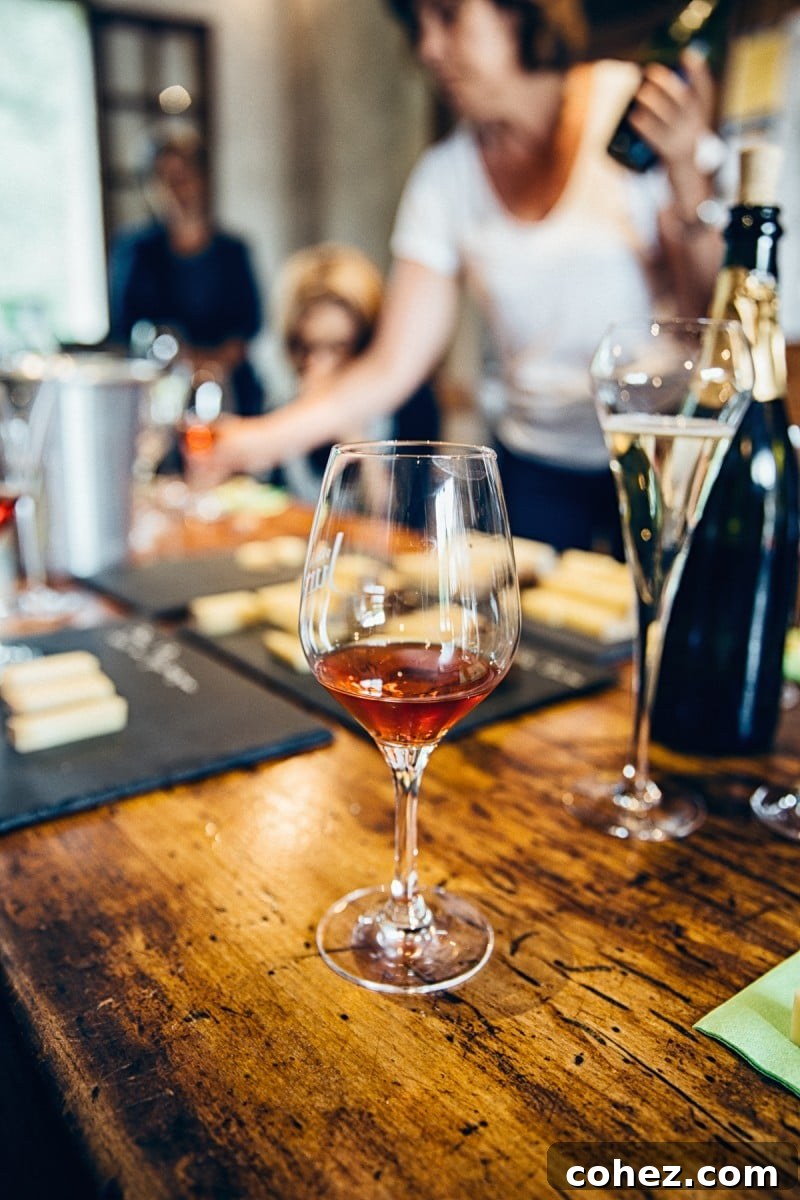
It felt perfectly fitting and wonderfully poetic to conclude our intensive two-day gastronomic immersion with a harmoniously paired tasting of Comte cheese and exquisite Jura wines at the picturesque Domaine de Montbourgeau vineyard. This memorable experience truly encapsulated the harmonious and symbiotic relationship between the region’s fertile land, its incredible produce, and its dedicated people.
The Enigmatic Vin Jaune: Jura’s Liquid Gold and a Wine Like No Other
Among the many exquisite wines I had the privilege of sampling, and which I secretly wished I could somehow spirit back to London, one truly stood out as extraordinary: Vin Jaune, or the “Yellow Wine” of Jura. This oxidative wine is utterly unique in the world of viticulture, renowned for its distinctive nutty, curry-like, and intriguing apple notes. Its singular character is a result of being aged for a minimum of six years and three months in oak barrels, specifically under a veil of naturally forming yeast (known as ‘flor’), without the barrels being topped up. This deliberate exposure to oxygen, moderated by the flor, creates a complex, intense, and utterly captivating flavour profile. Its rarity and profound complexity make it a truly sought-after treasure for wine connoisseurs, and I am already diligently searching online, determined to locate and acquire this liquid gold for my own collection.
A Lasting Impression: The Unforgettable Beauty of Jura and Its Dedicated Artisans
My intense two-day visit to the captivating Jura region, while perhaps one of the most concentrated periods of discovery in my life, left an indelible mark upon me and instilled a profound sense of awe for the dedicated and passionate makers of Comte cheese. Their unwavering commitment to meticulously preserving the cherished traditions passed down through countless generations of fathers and grandfathers, coupled with the immense pride and integrity with which they craft and present their exceptional product, is genuinely remarkable and deeply inspiring. It stands as a powerful testament to the enduring value of heritage, authenticity, and human connection in an increasingly fast-paced and rapidly changing world.
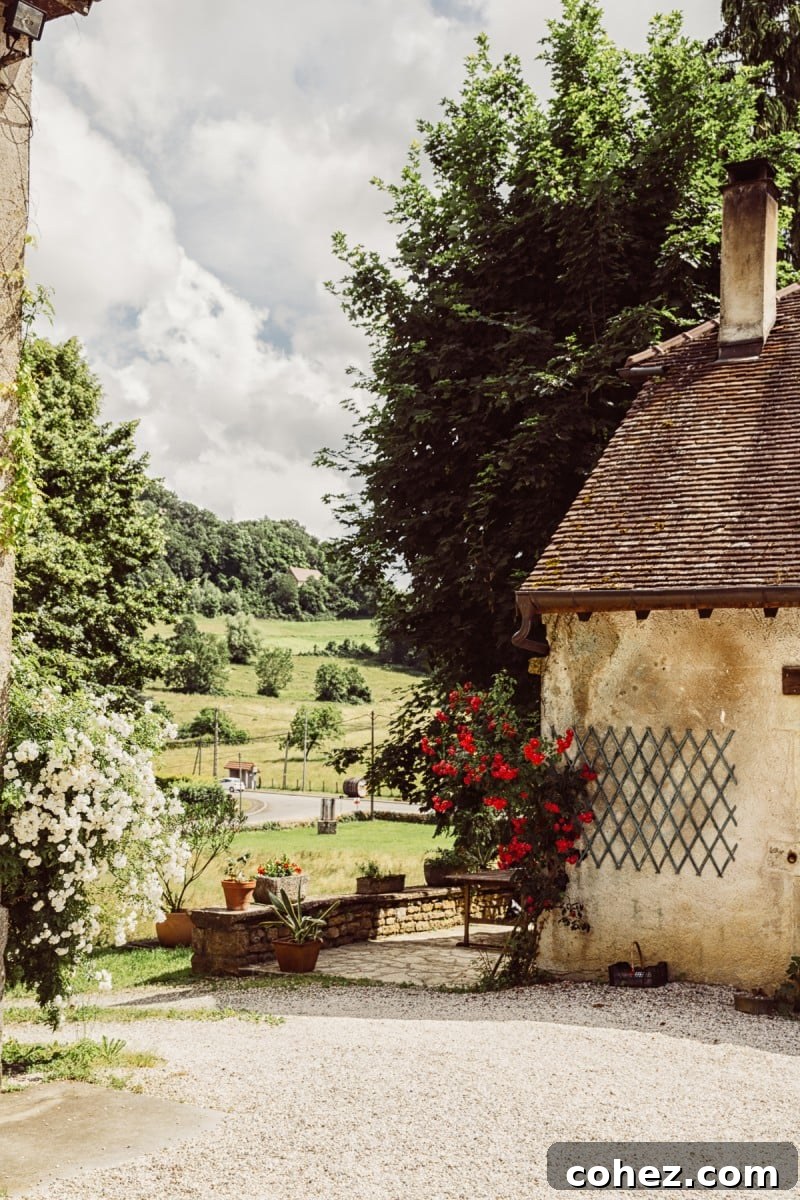
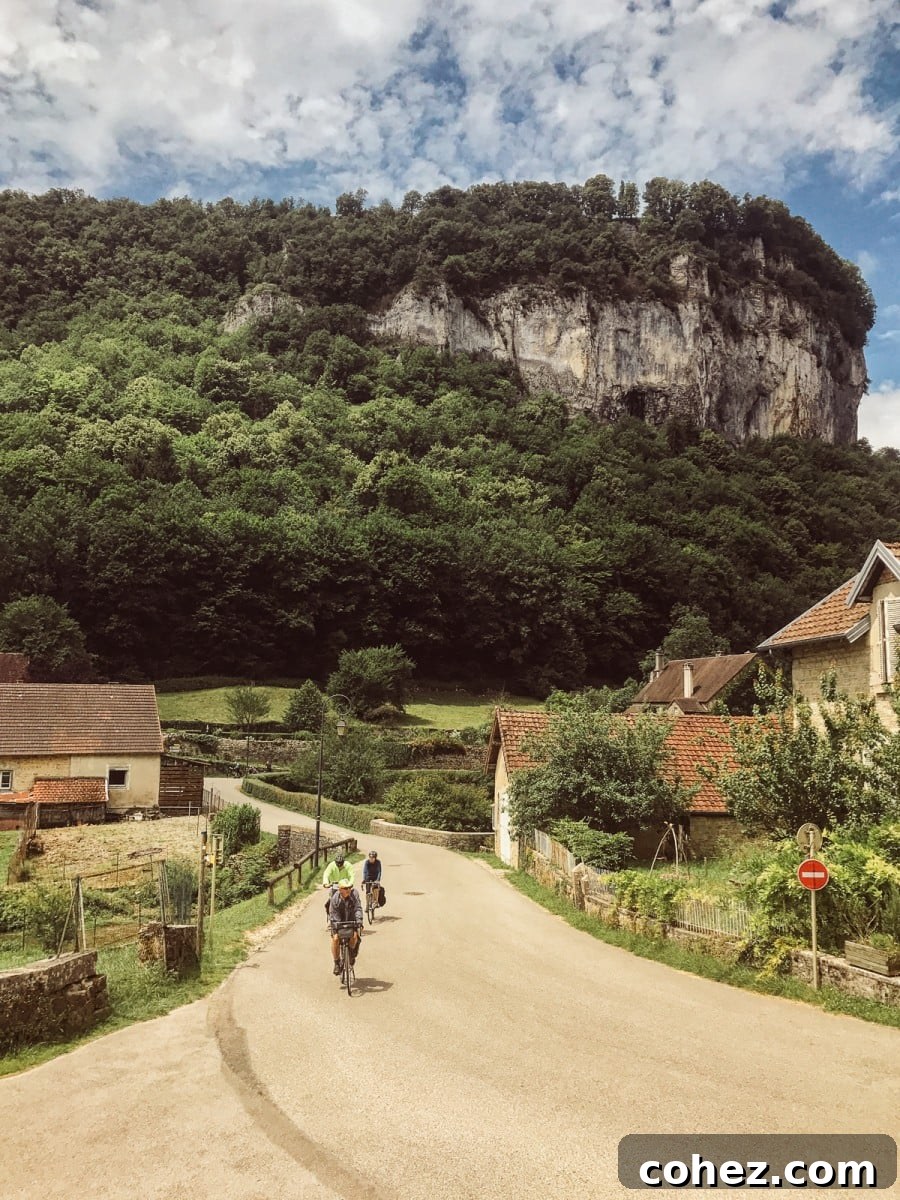
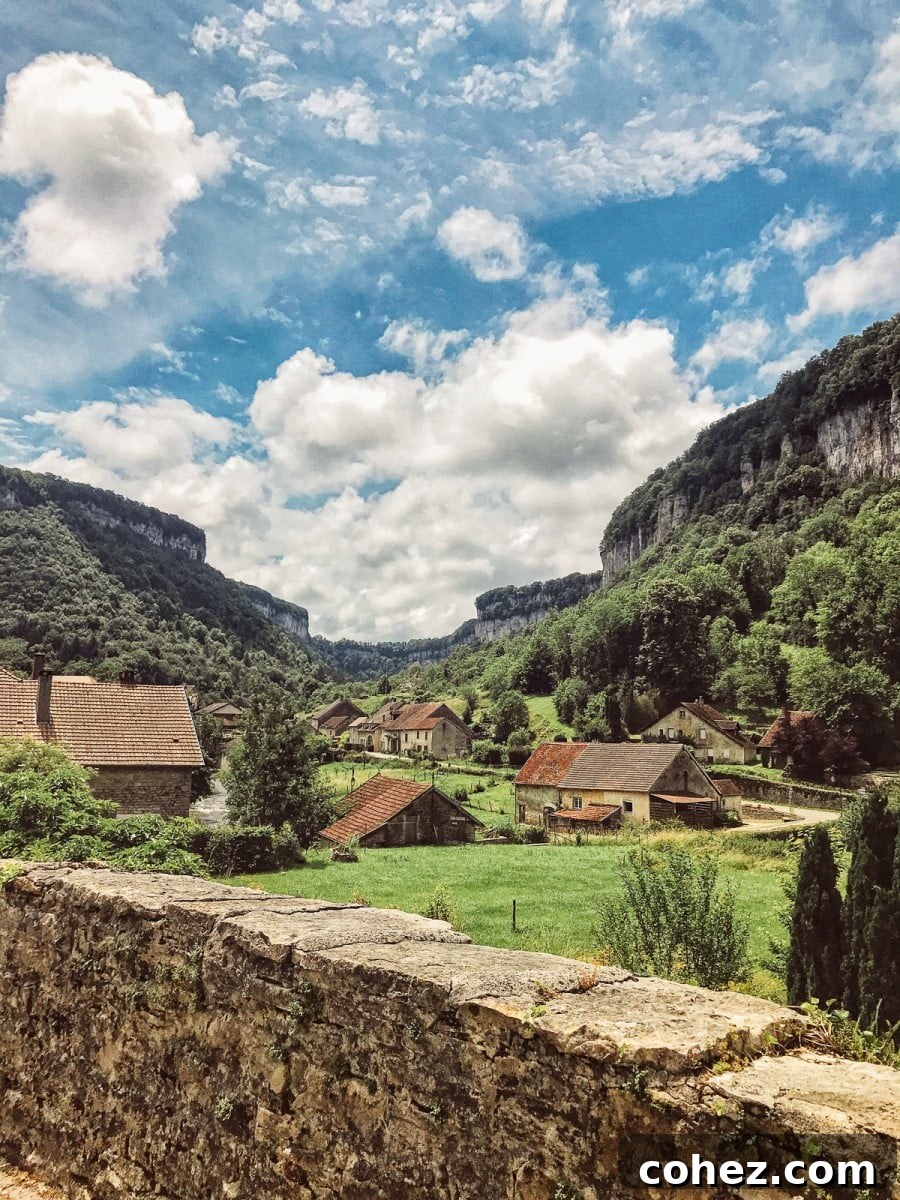
The Jura region itself is breathtakingly beautiful, with its dramatic, undulating landscapes, verdant, sprawling pastures, and serene, charming villages nestled amidst the mountains. It was an absolute joy and a profound privilege to discover this magnificent, somewhat hidden gem of France, and I eagerly anticipate the wonderful opportunity to return, perhaps next time with my family, to explore its many wonders further and once again revel in the extraordinary, delicious world of Comte cheese.