
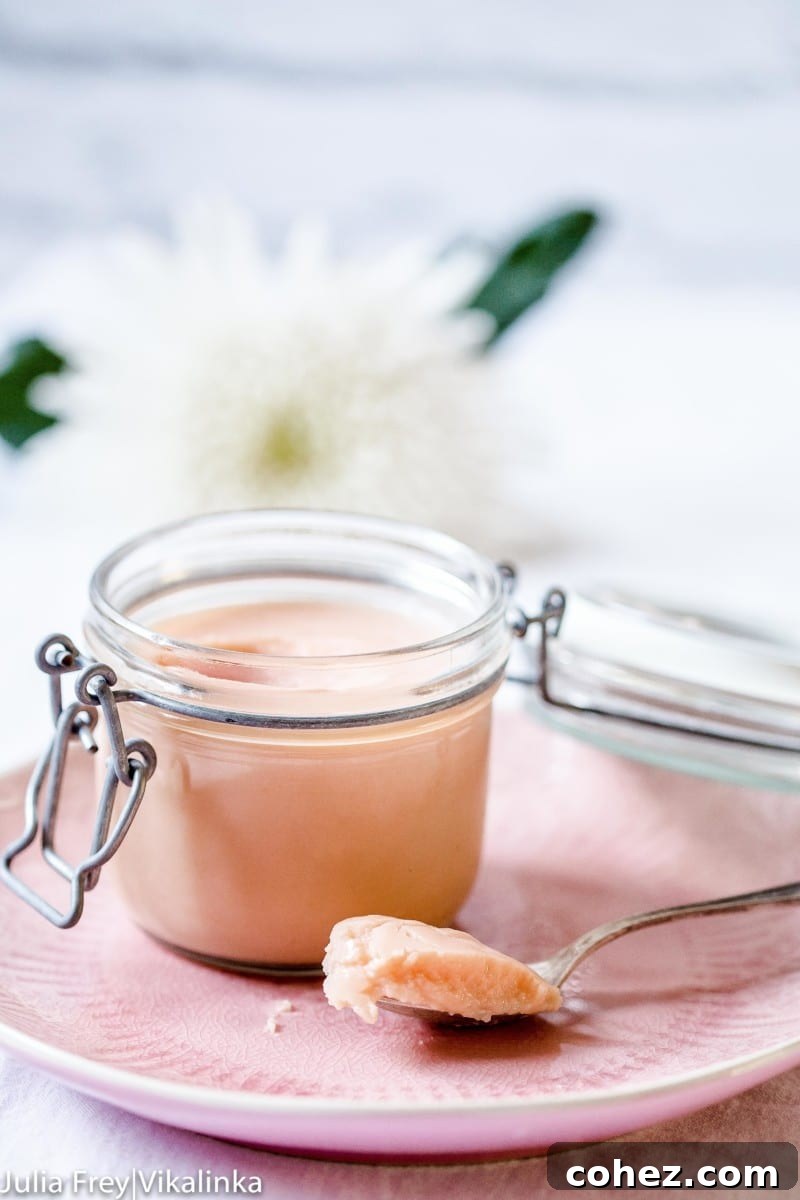
Homemade Rhubarb Curd: A Zesty, Velvety Spring Delight
If you are a fan of the bright, zesty tang of traditional lemon curd, prepare to be absolutely captivated by this incredible homemade rhubarb curd! It’s not just remarkably easy to make and utterly delicious, but its vibrant, refreshing flavor and luxuriously smooth texture make it a true celebration of spring. Move over, lemon – rhubarb is here to claim its spot as your new favorite fruit curd, offering a unique twist that’s both familiar and exciting.
For those eager to explore more refreshing rhubarb creations, be sure to also try a Rhubarb Moscow Mule – another fantastic way to enjoy this versatile seasonal ingredient.
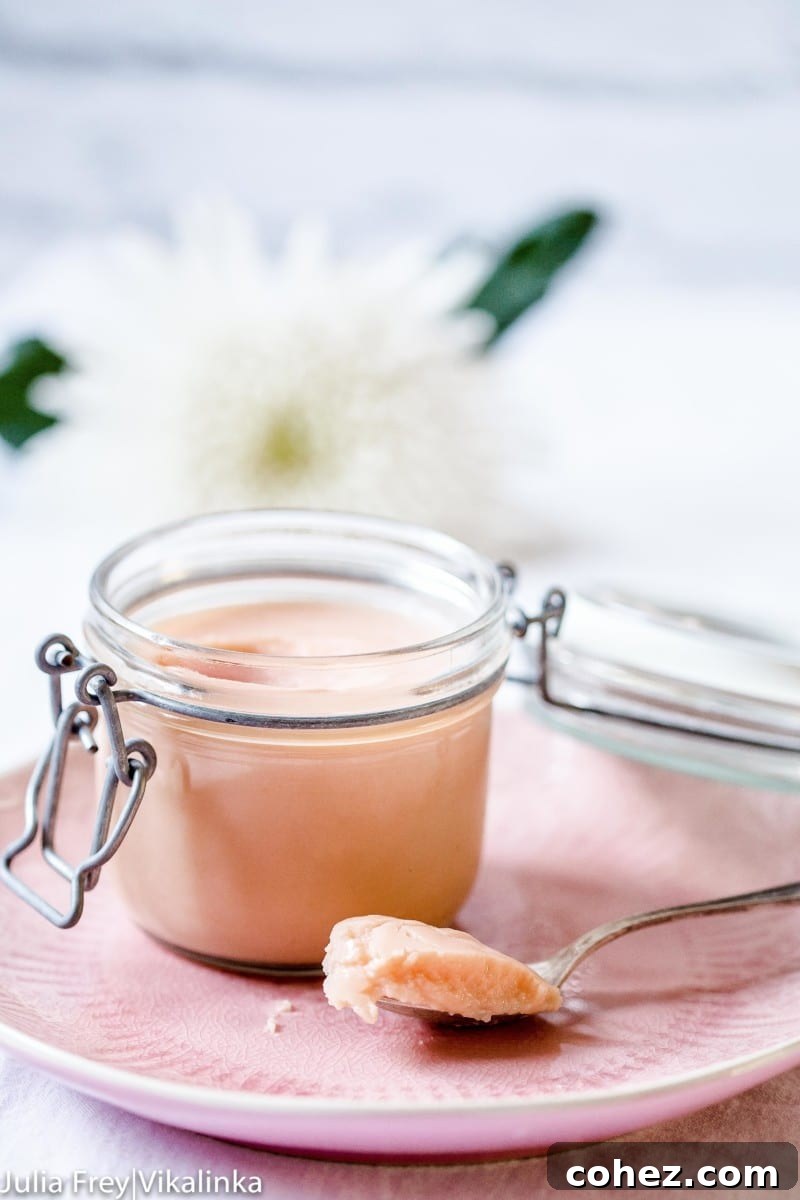
Embracing the Best of Rhubarb Season
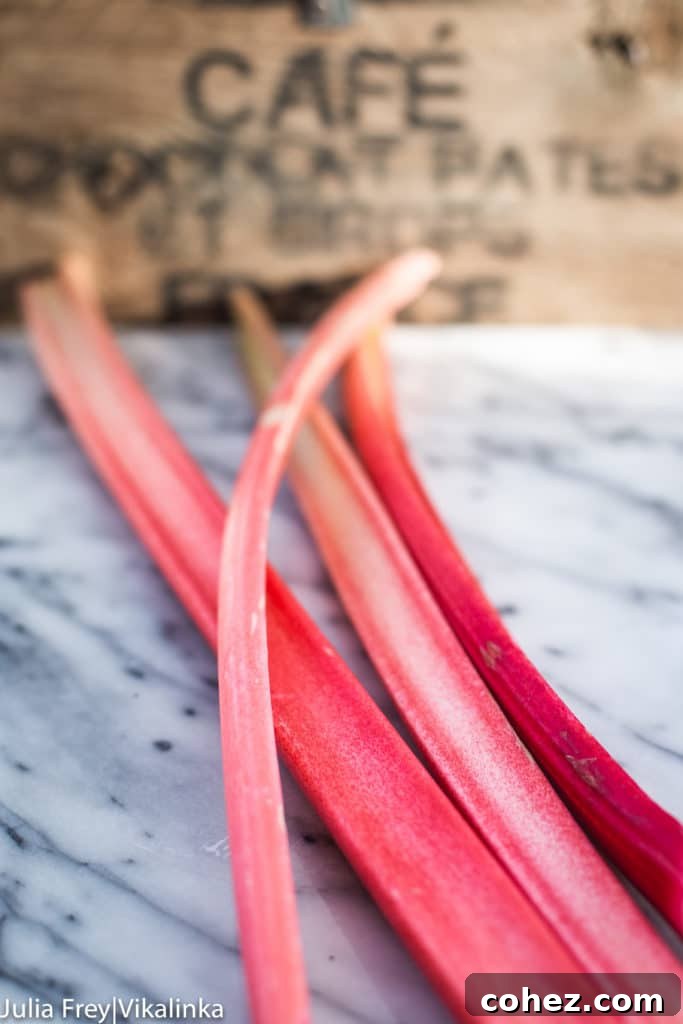
As the chill of winter recedes and the days grow longer, the arrival of rhubarb season is always a highlight in my kitchen. Each year, I eagerly anticipate harvesting or buying abundant quantities of these wonderfully tart and distinctly fragrant shoots. Their unique flavor profile, a perfect balance of sour and subtly sweet, makes them incredibly versatile for a wide array of culinary applications. From comforting crumbles and delightful pies to vibrant sauces and elegant tarts, rhubarb offers endless possibilities. If you share my passion for this exquisite seasonal ingredient, I encourage you to delve into the extensive collection of rhubarb recipes available on my blog for further inspiration.
The Enduring Allure of Fruit Curds
Much like many home cooks and dessert enthusiasts, my family – particularly my son and my cherished mother-in-law – holds a deep affection for classic lemon curd. There’s an undeniable charm to its bright citrus notes and sumptuously velvety texture that makes it a universally beloved spread. Indeed, England has long been renowned for perfecting the art of fruit curds, making them readily accessible in charming patisseries and specialty food shops throughout the country. There’s an inherent sense of luxury and simple indulgence associated with a impeccably crafted curd, a sensory experience that few other sweet spreads can truly rival.
My only real “dilemma” when it comes to fruit curds lies in their utterly irresistible nature. Once a jar has been opened, the temptation to grab a spoon for a spontaneous, unadulterated taste is almost impossible to resist. This delightful predicament was precisely my experience when I first embarked on making this very rhubarb curd. Each spoonful I savored was a moment of pure, unadulterated bliss, a brief yet profound escape. And I can honestly attest that not a single flicker of guilt accompanied that indulgence. On the contrary, it brought a profound sense of happiness and contentment, unequivocally confirming that this homemade rhubarb curd is truly something extraordinary – a special treat deserving of every delighted spoonful.
Crafting Your Own Rhubarb Curd: Simplicity and Speed Combined
You might be pleasantly surprised to discover just how effortlessly and quickly you can create a truly luscious, vibrant fruit curd right within the comfort of your own kitchen. For many years, I, too, operated under the misconception that the often-high prices of gourmet curds found in shops were a direct reflection of a lengthy, intricate, and complicated preparation process. However, the reality of homemade curd making is wonderfully different and far more accessible! Crafting your own exquisite batch of rhubarb curd requires surprisingly little hands-on time – typically just about 30 minutes from start to finish. This makes it an entirely achievable and rewarding culinary project for home cooks of all skill levels, dispelling the myth of its complexity.
Essential Tools for a Smooth Curd
While the diligent art of making rhubarb curd by hand is certainly possible and yields satisfactory results, the entire process becomes significantly smoother, quicker, and more efficient with the invaluable assistance of a food processor. This versatile and indispensable kitchen appliance streamlines two particularly critical stages of curd preparation: firstly, it expertly extracts the vibrant, tart juice from raw rhubarb stalks with minimal effort, and secondly, it effortlessly blends the remaining key ingredients into a perfectly homogenous and lump-free mixture. A good quality food processor can transform what might otherwise be a somewhat tedious and time-consuming task into a mere few pulses, ensuring you begin with a consistent and impeccably smooth base for your delectable curd.
Once your ingredients are meticulously prepped, precisely measured, and thoroughly combined, the true magic of curd-making unfolds gently in a saucepan over a consistently low heat. The absolute key to success at this stage is a combination of unwavering patience and a steady, attentive hand. This process involves continuous, gentle heating and constant stirring until the mixture undergoes a beautiful transformation, evolving into that perfect, silken, and spoonable consistency that defines a superb curd. A common and often disheartening pitfall for aspiring curd makers is the powerful temptation to accelerate the process by turning up the heat. It is imperative to resist this urge at all costs! Applying high heat will almost invariably lead to the undesirable outcome of a grainy, curdled texture, or even worse, scrambled eggs within your curd – a disappointing result that can be effortlessly avoided by diligently maintaining a gentle, consistently low temperature throughout the cooking phase.
Expert Tips for Crafting a Perfect Rhubarb Curd
- Leverage Your Food Processor: As highlighted, a food processor is an invaluable asset. It drastically simplifies the initial steps of extracting rhubarb juice and blending the eggs, sugar, and cornflour, leading to a much easier and significantly faster preparation time.
- Patience with Gentle Heat: Always warm your ingredients over a consistently low heat. Rushing the cooking process by increasing the temperature is the most common cause of a curdled mixture and an undesirable grainy texture. Embrace patience for a truly smooth, velvety finish. Constant stirring is also crucial to prevent sticking and ensure even cooking.
- Strain for Unmatched Smoothness: For a curd that boasts an incredibly silky, luxurious texture, it is highly recommended to pass the cooked mixture through a fine-mesh sieve before chilling. While this step is optional, it effectively removes any tiny lumps of cooked egg or fibrous rhubarb particles, guaranteeing a superior and professional-quality mouthfeel.
- Enhance Tartness and Color Post-Cooking: The naturally vibrant pink hue of rhubarb can sometimes subtly fade during the cooking process. To counteract this and to boost its refreshing tartness, consider stirring in a small amount of the reserved raw rhubarb juice at the very end, once the curd is removed from the heat. A tiny drop of pink food coloring can also be incorporated if you desire a more intensely vibrant color, adding to its visual appeal.
- Mastering the Consistency (The “Nappe” Test): The curd is ready when it is thick enough to coat the back of a spoon. A classic test, known as the “nappe” stage, involves running your finger across the back of the coated spoon; if it leaves a clear path that doesn’t immediately run back together, your curd has reached the perfect thickness. Remember, it will continue to thicken considerably as it cools and chills in the refrigerator.
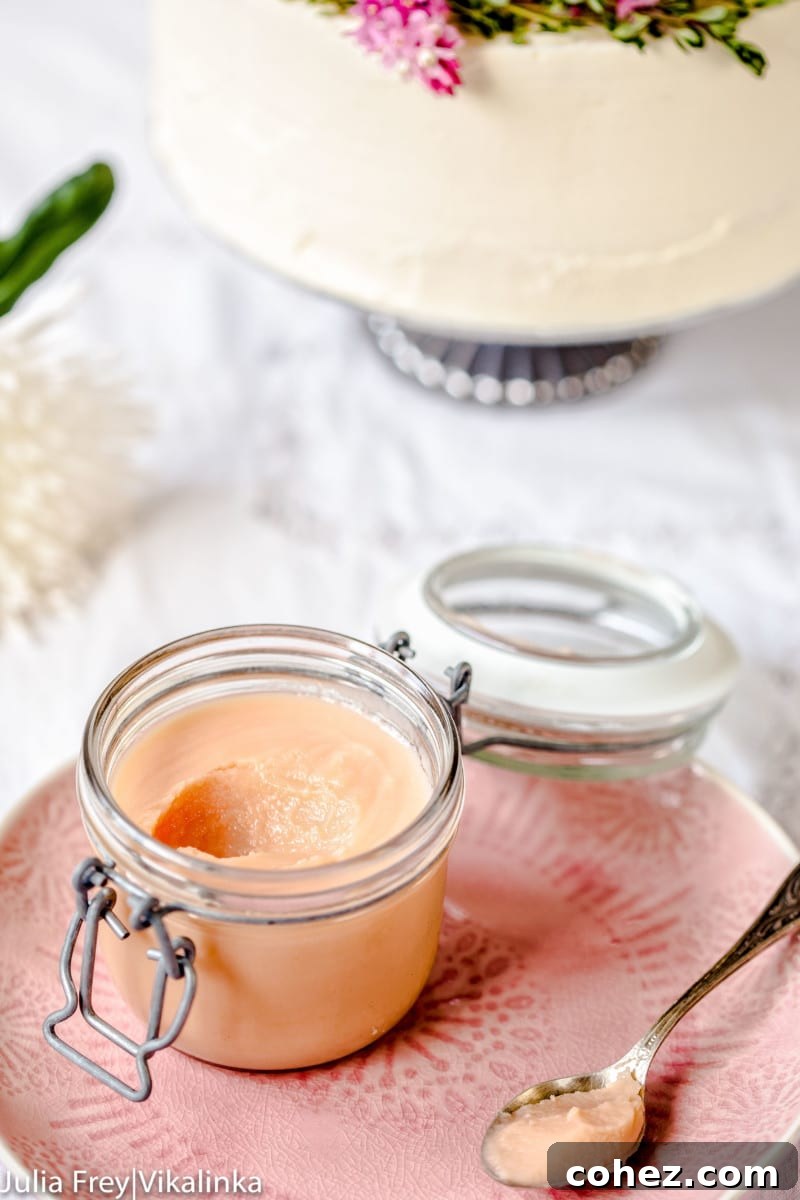
Creative Serving Suggestions for Your Homemade Rhubarb Curd
Once your exquisite rhubarb curd has chilled to perfection, it transforms into an incredibly versatile ingredient, ready to elevate a myriad of dishes with its bright, tangy flavor and delightfully creamy texture. It’s far more than just a simple spread; it’s a gourmet component that can enhance both sweet and savory applications. Here are some truly delectable ways to enjoy your homemade creation:
- Classic Breakfast & Brunch Enhancements: Generously dollop this delicious rhubarb curd onto warm, fluffy scones fresh from the oven, light and airy pancakes stacked high, toasted crumpets with melting butter, or simply spread it thickly on your favorite piece of artisan toast. It has the power to transform an ordinary breakfast into an extraordinary gourmet experience.
- Elegant Dessert Fillings: Elevate your home baking to a new level by utilizing this luscious curd as a sophisticated filling. Imagine the delightful contrast in a beautifully baked vanilla sponge cake, where layers are generously filled with this vibrant rhubarb curd. The tartness cuts through the sweetness of the cake, creating a perfectly balanced and utterly unforgettable dessert. It also performs exceptionally well as a filling for individual tart shells, delicate cupcakes, or even classic French éclairs.
- Wholesome Yogurt & Oatmeal Topping: Stir a spoonful or two into your morning Greek yogurt, creamy plain yogurt, or warm oatmeal for a refreshing burst of bright, fruity flavor that invigorates your palate.
- Irresistible Ice Cream & Sorbet Swirl: For a delightful treat, gently swirl the chilled rhubarb curd into homemade vanilla ice cream, a rich custard ice cream base, or even a tangy lemon sorbet to create beautiful ribbons of contrasting flavor and texture.
- Gourmet Dessert Topping: Use it as an elegant and vibrant topping for classic cheesecakes, delicate meringues like pavlovas, or simply serve it alongside a medley of fresh seasonal berries for a minimalist yet incredibly sophisticated dessert.
- Creative Baked Goods: Incorporate it as a tangy center for thumbprint cookies, swirl it into muffin batter, or use it as a flavorful layer in various dessert bars and squares.
- A Thoughtful Edible Gift: Package your homemade rhubarb curd in beautiful sterilized jars with pretty labels and ribbons. It makes a truly thoughtful and much-appreciated edible gift for friends, family, or hostesses, sharing the taste of homemade goodness.
Optimal Storage for Maximum Freshness and Flavor
Proper storage techniques are paramount to maintaining the vibrant freshness, delightful flavor, and smooth texture of your homemade rhubarb curd. When stored correctly, you can extend its enjoyment well beyond its immediate creation, allowing you to savor the unique taste of spring long after the rhubarb season has passed.
- Refrigeration Guidelines: Once the rhubarb curd has completely cooled to room temperature, transfer it into impeccably clean, airtight containers or sterilized glass jars. It’s best to ensure there is minimal air space at the top of the container to prevent oxidation. When stored this way, your homemade rhubarb curd will keep safely and deliciously in the refrigerator for up to one week. Always remember to use a clean spoon each time you scoop out a portion to prevent the introduction of bacteria and maintain its freshness.
- Freezing for Extended Shelf Life: For significantly longer storage, rhubarb curd freezes exceptionally well, preserving its quality and flavor for months. Pour the fully cooled curd into freezer-safe containers, leaving approximately half an inch of headspace at the top to accommodate for any slight expansion during freezing. It can be confidently frozen for 2 to 3 months without any significant loss of its desirable texture or vibrant taste. To use, simply transfer the frozen curd to the refrigerator and allow it to thaw gently overnight. After thawing, give it a gentle stir to restore its perfectly smooth and creamy consistency before serving.
Common Rhubarb Curd Issues and Practical Troubleshooting
Even seasoned bakers can occasionally encounter minor hiccups when crafting delicate recipes like fruit curds. Don’t be discouraged if your first attempt isn’t absolutely perfect! Here’s a practical guide to address some common rhubarb curd problems and straightforward tips on how to either avoid them or, in some cases, effectively fix them:
- Curd is Too Thin or Not Thickening: This is a very common issue and usually indicates that the curd hasn’t been cooked long enough to allow the eggs and cornflour to fully activate their thickening properties, or that the heat used was consistently too low. To remedy this, simply return the curd to the saucepan over very low heat and continue stirring constantly. Maintain patience; it will gradually thicken. Remember that the curd will also firm up considerably as it cools and chills in the refrigerator, so don’t expect it to be jelly-like on the stovetop.
- Curd Appears Lumpy or Grainy: The most frequent cause of a lumpy or grainy curd is cooking the mixture over too high a heat, which can cause the egg proteins to seize and partially scramble, creating small, undesirable clumps. While vigorous stirring can sometimes help to break down very small lumps, the best solution for a noticeably lumpy curd is to pass it through a very fine-mesh sieve immediately after cooking and before chilling. This will separate out any cooked egg bits or unblended cornflour, ensuring a silky-smooth texture.
- Eggs Have Scrambled: If you observe distinct, visible bits of cooked egg resembling scrambled eggs within your curd, it’s a clear sign that the heat was much too high at some point, or the mixture was not stirred constantly enough. Unfortunately, once the eggs have visibly scrambled to this extent, there’s no way to salvage the batch. The best course of action is to discard it and begin anew, paying extremely close attention to maintaining a consistently low heat and stirring continuously from the moment the pan is on the stove.
- Curd Lacks Vibrant Color: While rhubarb naturally boasts a beautiful pink hue, this color can sometimes diminish or become somewhat muted during the cooking process. This is an entirely aesthetic issue and is easily remedied. To restore or enhance the vibrant pink, simply stir in a few drops of high-quality pink food coloring at the very end, after the curd has been cooked and removed from the heat, until you achieve your desired intense and appealing hue.
More Delicious Rhubarb Recipes to Explore
If you’ve fallen head over heels for the wonderfully tart and sweet flavor of rhubarb in this creamy curd, you’ll be thrilled to further explore its incredible versatility across a wide spectrum of desserts. Rhubarb lends its unique character beautifully to countless sweet treats. Here are a few more rhubarb-centric recipes to inspire your culinary adventures and keep the spirit of spring alive in your kitchen:
- Rhubarb Crumble: A timeless and beloved classic, featuring tender rhubarb beneath a sweet, buttery oat topping. It’s absolutely perfect served warm with a generous scoop of vanilla ice cream or a drizzle of fresh cream.
- Rhubarb Cobbler: A delightful baked dessert that combines juicy, stewed rhubarb with a sweet, fluffy biscuit topping. It’s rustic, comforting, and utterly delicious.
- Roasted Rhubarb Bakewell Tart: An elegant and sophisticated twist on a traditional British favorite. This tart showcases beautifully roasted rhubarb, enhancing its natural sweetness, nestled within a rich almond frangipane.
- Rhubarb Slab Pie: Ideal for feeding a crowd or for easy entertaining, this generously sized pie is packed with abundant tart rhubarb goodness, all encased in a flaky, golden crust. It’s a fantastic option for potlucks or large family gatherings.
Rhubarb Curd Recipe
By Julia Frey of Vikalinka
Prep: 20 mins |
Cook: 20 mins |
Total: 40 mins
Yield: Approximately 2.5 cups (600ml)
Experience the joy of making velvety homemade curd using the finest seasonal rhubarb. This recipe delivers a perfectly balanced sweet and tart flavor, perfect for enhancing your favorite desserts and breakfast treats.
Equipment
- Food processor (highly recommended for efficiency)
- Fine-mesh sieve
- Medium saucepan
- Whisk
- Airtight glass jars or containers for storage
Ingredients
- 400g fresh rhubarb, approximately 4 long stalks
- 3 large eggs
- 170g / 3/4 cup unsalted butter, cubed
- 3 tsp cornflour / corn starch
- 150g / 3/4 cup caster sugar / granulated sugar
- A drop of pink food colouring, optional, for more vibrant color
Instructions
- Prepare the Rhubarb Juice: Wash the rhubarb stalks thoroughly and cut them into approximately 2-inch sections. Place the cut rhubarb into the bowl of a food processor and process until it forms a fine, pulpy consistency.
- Extract the Juice: Transfer the rhubarb pulp into a fine-mesh sieve that is set over a clean bowl. Using the back of a spoon, firmly press down on the pulp to extract as much juice as possible. Discard the remaining fibrous pulp. You should aim to collect about 300 ml (approximately 1 1/4 cups) of vibrant rhubarb juice.
- Combine Remaining Ingredients: In a separate bowl (or a clean food processor/blender), combine the large eggs, caster sugar (or granulated sugar), and cornflour (corn starch). Whisk or blend these ingredients thoroughly until you achieve a completely homogenous mixture with no lumps remaining. This ensures a smooth base for your curd.
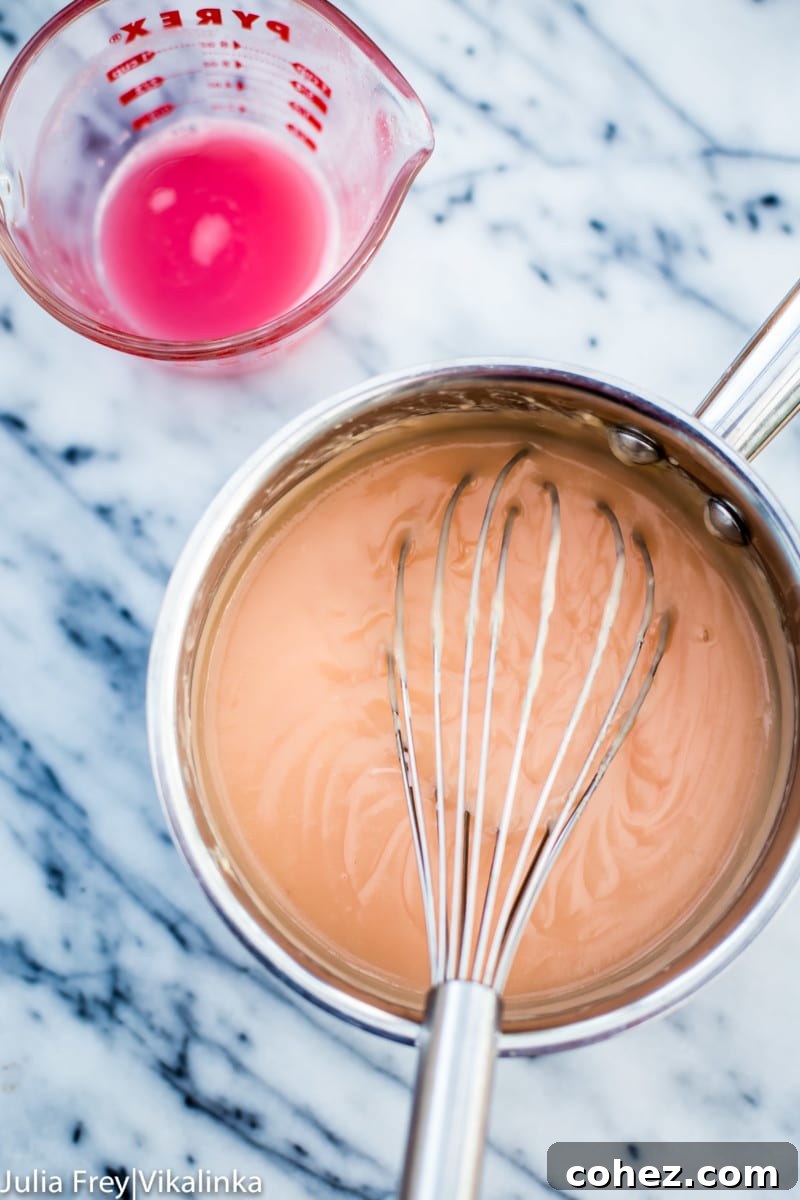
- Begin Gentle Cooking: In a medium saucepan, combine 1 cup of the extracted rhubarb juice (reserve any leftover juice), the egg, sugar, and corn starch mixture, and the cubed unsalted butter. Place the saucepan over consistently low heat. Begin cooking the mixture while continuously stirring with a whisk. This constant agitation is crucial to prevent the eggs from scrambling and to ensure a smooth, even texture as the butter melts and the curd begins to thicken. Do not increase the heat, as high temperatures will cause the eggs to cook too quickly and create lumps.
- Thicken to Perfection: Continue to cook and stir on low heat until the butter has fully melted and the curd thickens to the consistency of thick sour cream or a thin custard. It should be thick enough to coat the back of a spoon, and when you run your finger across the spoon, it should leave a clear path (the “nappe” stage). Remove the pan immediately from the heat once this consistency is achieved.
- Finish and Flavor (Optional): For an extra silky-smooth curd, you may push the warm mixture through a fine-mesh sieve one more time. Now, stir in any remaining rhubarb juice to intensify the tart flavor of the rhubarb if desired. If the curd has lost some of its vibrant pink color during cooking, add a tiny drop of pink food coloring to achieve your preferred hue.
- Chill for Setting: Transfer the warm curd into sterilized jars or an airtight container. Allow it to cool completely at room temperature, then transfer it to the refrigerator. Chill for at least 3 hours, or ideally, overnight. The rhubarb curd will continue to thicken significantly as it chills, developing its luxurious, spoonable texture and full flavor.
Notes
This recipe yields approximately 600 ml (2.5 cups) of delicious homemade rhubarb curd.
For the best results, always use fresh, firm rhubarb stalks that show a good balance of pink and green color. The riper the rhubarb, the more vibrant the color of your curd might be naturally.
Nutrition Information (Approximate Per Serving)
Per serving (based on 24 servings):
- Calories: 262 kcal
- Carbohydrates: 45g
- Protein: 8g
- Fat: 8g
- Saturated Fat: 4g
- Polyunsaturated Fat: 1g
- Monounsaturated Fat: 2g
- Trans Fat: 0.2g
- Cholesterol: 36mg
- Sodium: 43mg
- Potassium: 2457mg
- Fiber: 15g
- Sugar: 16g
- Vitamin A: 1074 IU
- Vitamin C: 68mg
- Calcium: 736mg
- Iron: 2mg
Nutrition information is automatically calculated and provided for informational purposes only. It should be considered an approximation due to variations in ingredients and preparation methods.
Tried this delightful recipe? We’d love to hear how your homemade rhubarb curd turned out! Share your experience and any tips in the comments below.