
Easy Homemade Flatbread Recipe: No Yeast Required!
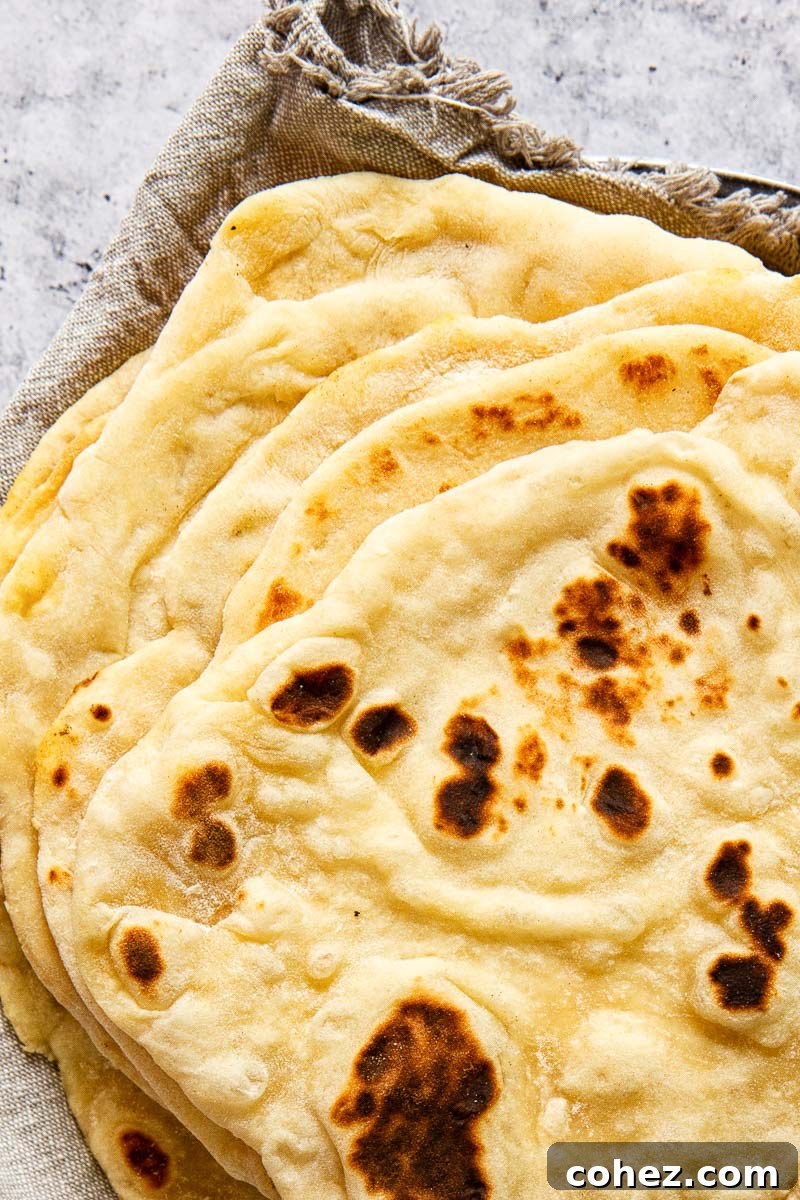
Discover how to make the most delicious homemade flatbread with this incredibly simple recipe! Requiring no yeast, no special equipment, and absolutely no advanced baking skills, these soft, pliable, and flavourful flatbreads can be prepared with just 30 minutes of active effort. Best of all, their versatility means you’ll find endless ways to enjoy them, transforming everyday meals into extraordinary culinary experiences.
These quick flatbreads are an absolute game-changer for countless dishes. Imagine wrapping them around succulent Chicken Souvlaki, serving them alongside juicy Chicken Shawarma, or even using them as a base for a gourmet pizza. The possibilities are truly limitless, and once you try them, you’ll wonder how you ever managed without this recipe!
The Joy of Homemade Bread and Why Flatbread Shines
In recent years, many of us have found solace and a new passion in the art of bread making. What started as a quest for a rewarding new hobby during quieter times has blossomed into a cherished skill for countless home cooks. For a while, mastering complex recipes like sourdough and rich rye bread became a personal culinary challenge, offering a deep sense of accomplishment with each successful loaf. However, once those foundational skills were honed, a new, equally satisfying pursuit emerged: the effortless elegance of homemade flatbread.
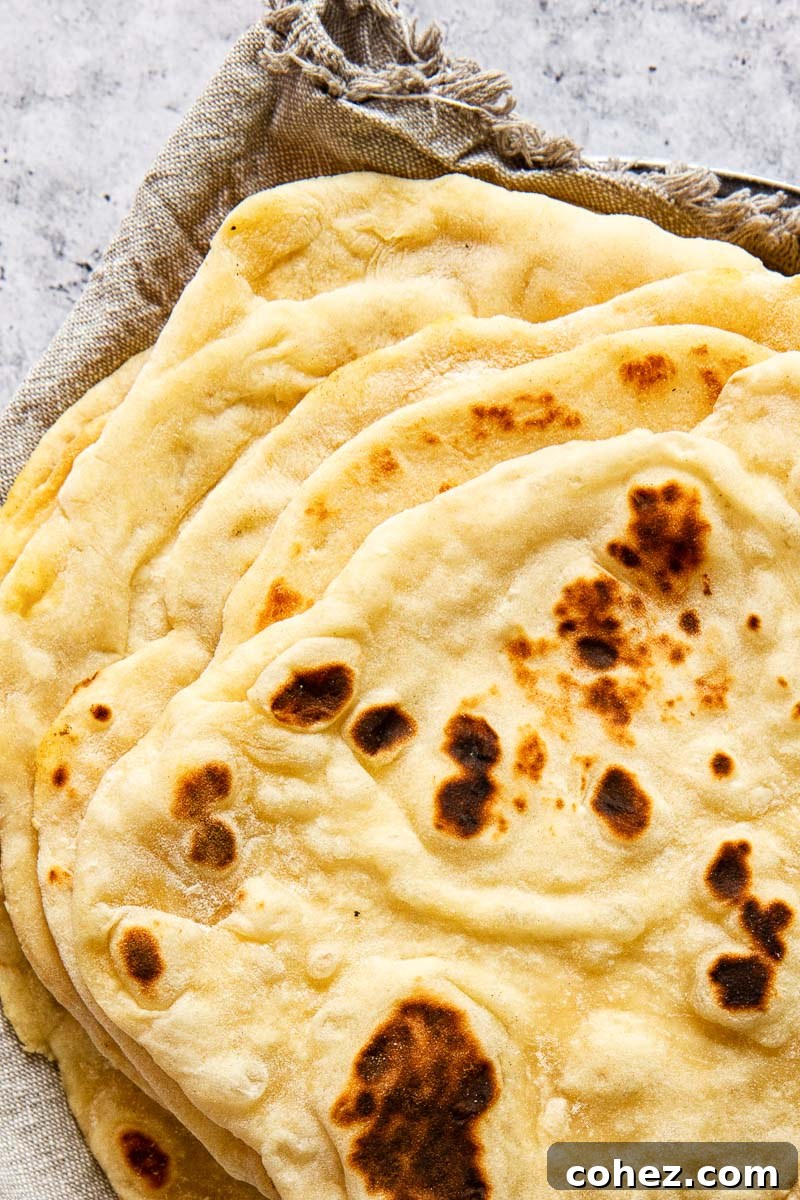
Contrary to popular belief, perfecting a delicious flatbread is surprisingly simple. My initial attempts yielded fantastic results, and with just a few small refinements, I achieved a consistency and flavor profile that truly astonished me. The beauty of this recipe lies in its speed and remarkable quality. Forget the often-dry, bland, and overly processed flatbreads found in grocery stores. This homemade version offers a taste and texture that is miles ahead, delivering a warm, fresh, and incredibly satisfying experience every single time.
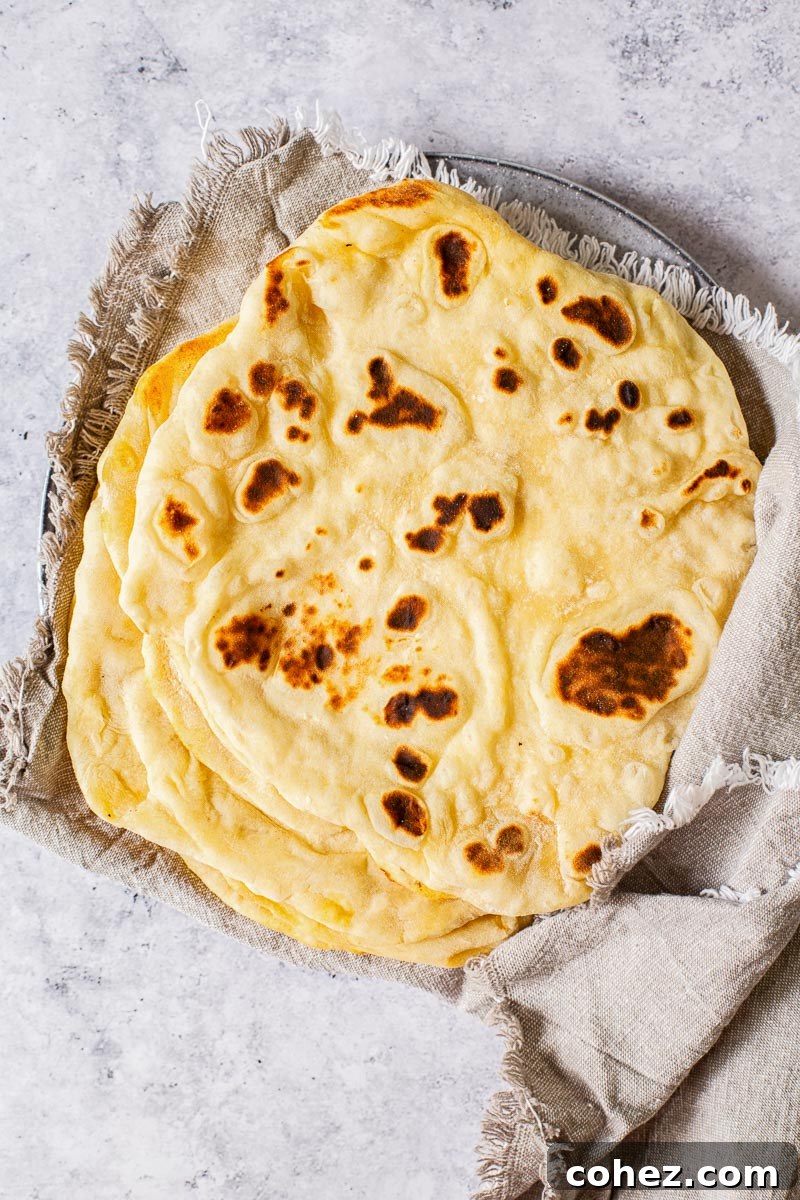
What makes this flatbread so exceptional? It’s light, wonderfully flaky, and bursts with subtle flavor. The immediate gratification of serving bread straight from the skillet, still warm and slightly puffed, is unparalleled. This recipe was born from a desire to share that sheer delight, especially after receiving numerous requests from friends and followers eager to replicate its magic in their own kitchens. So, get ready to elevate your meals with this fantastic, easy-to-make homemade flatbread!
The Secret to No-Yeast Flatbread: Softness and Flavor
The world of flatbreads is vast and diverse, encompassing beloved varieties like pita, naan, lavash, roti, and chapati, each with its unique preparation methods. The particular recipe we’re exploring today stands out for its incredibly quick dough, which skips the traditional yeast entirely. Now, before you imagine a dense, tough, or lifeless result, let me assure you: this no-yeast flatbread is anything but. It defies expectations by being wonderfully soft, exceptionally pliable, and delightfully flaky.
The true “secret ingredient” behind this remarkable texture is plain, full-fat yogurt. Yogurt works wonders by tenderizing the dough, imparting a subtle tang, and contributing to that desirable softness and pliability. Alongside the yogurt, baking powder acts as our leavening agent, providing just enough lift to create those signature, irresistible bubbles that form as the flatbread cooks. These bubbles are a clear indicator of a perfectly executed flatbread, ensuring a light and airy bite rather than a heavy one.
As you cook these flatbreads on a screaming hot skillet, you’ll witness the mesmerizing transformation firsthand. The dough puffs up, forming large, beautiful pockets of air, a testament to the powerful combination of yogurt and baking powder. This simple yet effective method ensures that even without yeast, you achieve a flatbread that is full of character, tenderness, and an inviting texture that rivals any yeast-risen counterpart.
How to Make These Easy Homemade Flatbreads: Step-by-Step
The process for creating this incredible flatbread dough is refreshingly straightforward, making it accessible for even novice bakers. If you opt for self-rising flour, which already contains both baking powder and salt, your ingredient list shrinks to just two items: self-rising flour and plain yogurt. However, I often prefer to use plain bread flour or all-purpose flour. This allows me to precisely control the amount of leavening agent (baking powder) and salt in my recipe, tailoring the flavor and texture to perfection. The choice of flour is entirely yours; this recipe is forgiving and works beautifully with all-purpose, bread, or even whole wheat flour if you prefer a heartier option.
The method itself is incredibly simple:
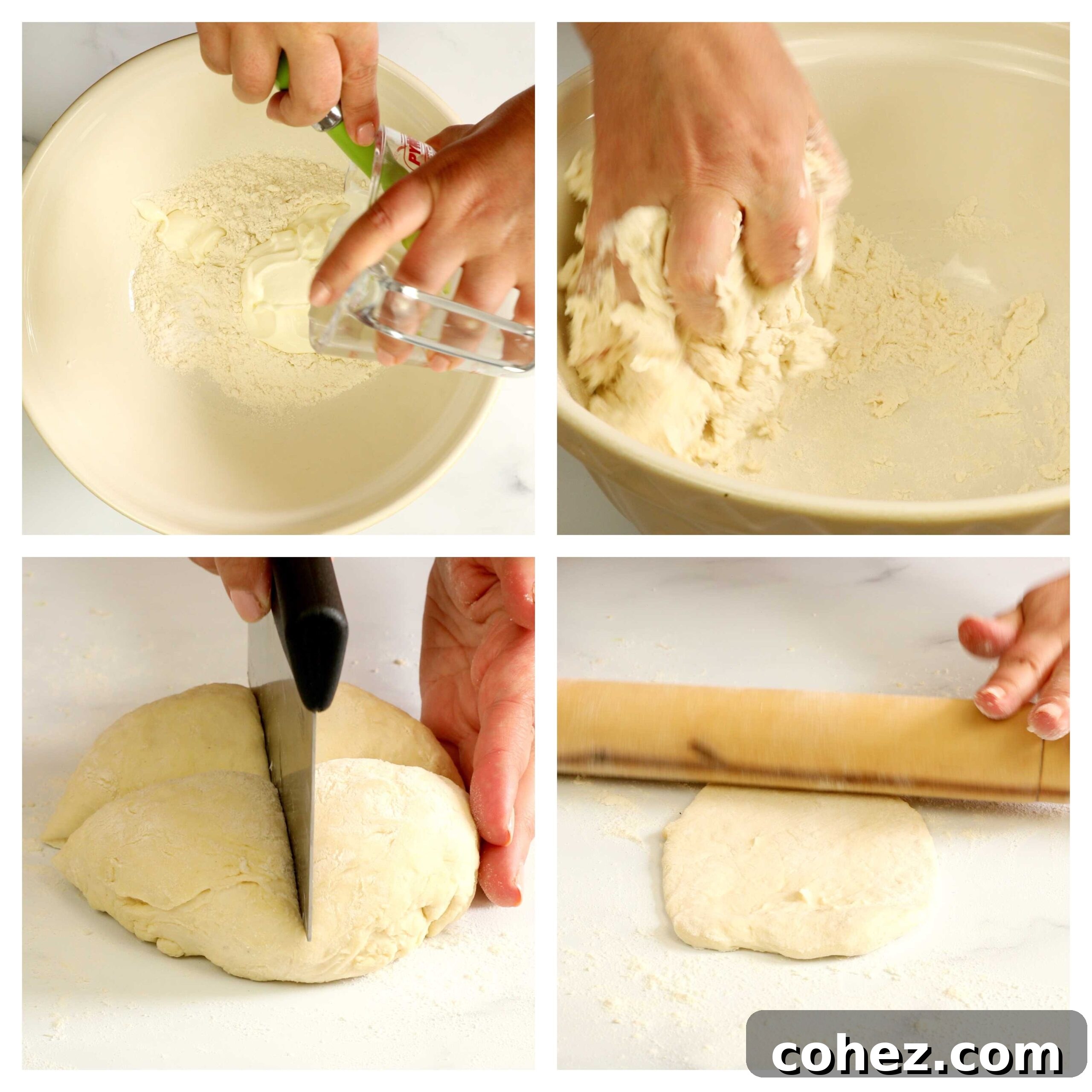
- **Combine Ingredients:** Begin by mixing all the dry ingredients (flour, baking powder, salt if using plain flour) with the plain yogurt in a large bowl. Mix until a cohesive dough forms. Avoid overworking it; a light knead is all that’s needed.
- **Rest the Dough:** Cover the dough with a clean tea towel and let it rest for a minimum of 30 minutes. This crucial step allows the flour to fully hydrate and the gluten to relax, resulting in a more pliable dough that’s easier to roll and a softer final product.
- **Divide and Roll:** After resting, divide the dough into 6-8 equal portions. Lightly flour your work surface and each dough ball, then use a rolling pin to roll each portion into thin, round flatbreads. Aim for an even thickness for consistent cooking.
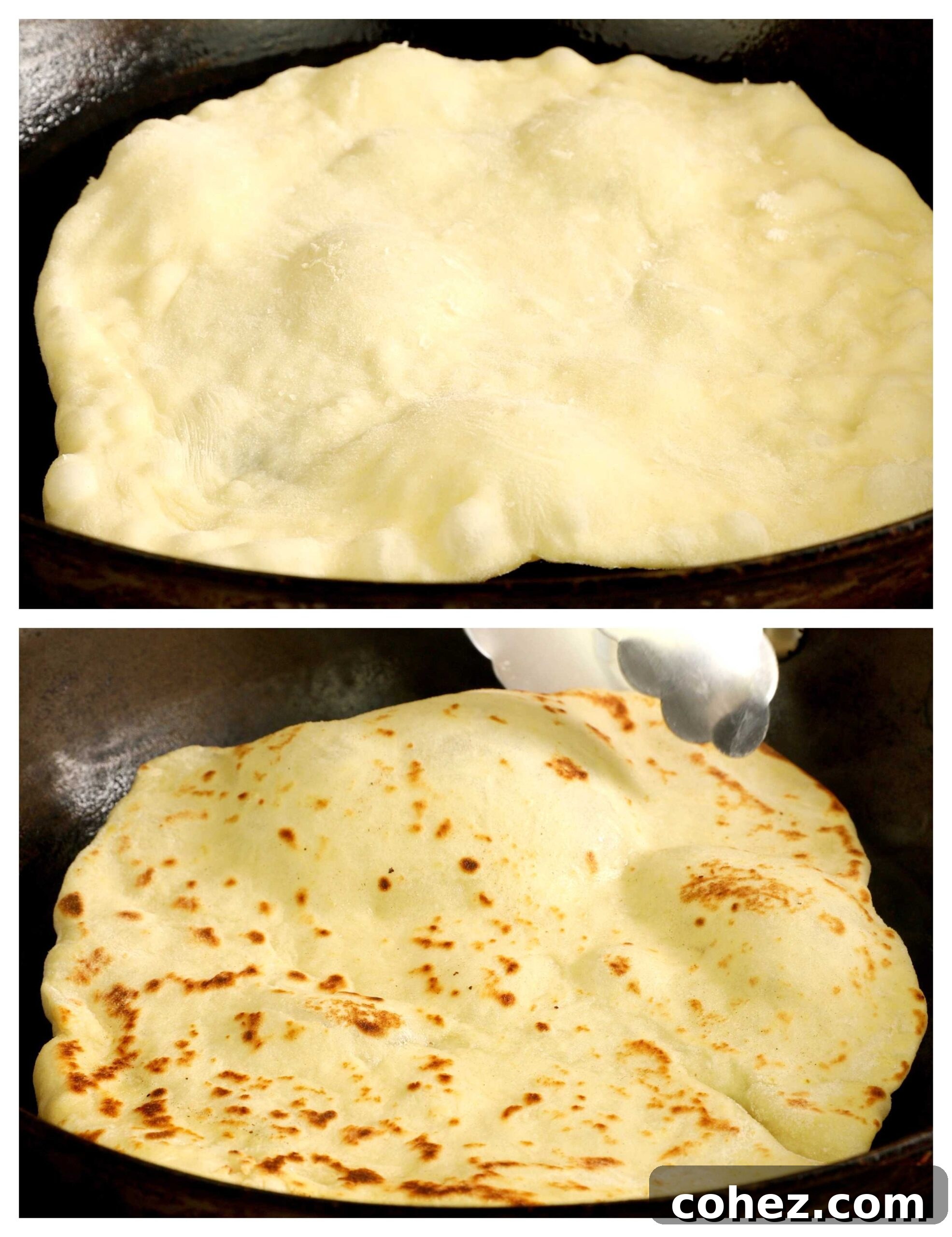
- **Cook on a Hot Skillet:** Preheat a frying pan (cast iron or non-stick works best) over high heat until it’s smoking hot. Before cooking each flatbread, lightly oil the pan by dipping a bunched-up paper towel into a little vegetable oil and quickly rubbing the pan surface.
- **Cook to Perfection:** Place a rolled-out flatbread onto the hot skillet. Cook for about 60 seconds, or until you see large bubbles forming and the underside is golden brown. Flip the flatbread and cook for another 20-30 seconds on the second side, until it’s also lightly browned and cooked through. Repeat with the remaining dough.
For an extra burst of flavor, brush the freshly cooked, warm flatbreads with melted butter combined with pressed garlic and finely chopped fresh herbs like parsley, cilantro, or tarragon. This simple addition elevates the taste beautifully and adds a delightful aroma.
Expert Tips for Perfect Flatbread Every Time
- **Handle Sticky Dough with Care:** The dough will naturally be sticky, and you’ll definitely need extra flour when you roll it out into thin rounds. However, I implore you: **DO NOT** add extra flour into the dough when you are mixing it initially. This is a common mistake that will result in a tougher, denser, and less enjoyable flatbread. Trust in the process; I’ve tested this recipe extensively and made these mistakes so you don’t have to!
- **Pan Temperature is Key:** Preheat your frying pan over high heat until it’s visibly smoking hot before you start cooking the flatbreads. This high heat is essential for creating those beautiful bubbles and achieving a perfectly golden, slightly charred exterior without drying out the interior.
- **Oil Smartly:** Use vegetable oil for frying instead of olive oil, as olive oil has a lower smoke point and can burn. Dip a bunched-up sheet of paper towel into a small amount of vegetable oil and lightly rub the pan surface before cooking each flatbread. This ensures a consistent non-stick surface and even browning.
- **Yogurt Type Matters:** Always use plain, full-fat yogurt (not Greek yogurt). Greek yogurt is much thicker and has less moisture, which will significantly alter the dough’s consistency and result in a drier, less pliable flatbread.
- **Flour Choice for Self-Rising:** If you opt to use self-rising flour, remember to omit the baking powder and salt from the recipe, as these are already included in self-rising flour.
- **Choose Your Pan Wisely:** I achieved excellent results using a cast iron pan, which retains heat beautifully and promotes even cooking. A non-stick frying pan will also work very well. Avoid stainless steel pans, as the flatbread is much more likely to stick and cook unevenly.
- **Even Rolling for Even Cooking:** Strive for a consistent thickness when rolling out your flatbreads. Uneven thickness can lead to some parts cooking faster and burning, while others remain undercooked.
Versatile Serving Suggestions for Your Homemade Flatbread
This easy flatbread recipe is incredibly versatile, making it suitable to serve alongside an astounding variety of dishes from diverse cuisines. Its neutral yet delicious flavor profile allows it to complement almost anything. Here are some fantastic ways to enjoy your freshly made flatbread:
- **Mediterranean and Middle Eastern Delights:**
- Use it as a delightful pita bread for our authentic Greek Souvlaki recipe, perfect for scooping up tender chicken and tzatziki.
- It’s the ideal accompaniment for Grilled Chicken Kebab or vibrant Grilled Shrimp Kebab, providing a soft base for flavorful meats.
- Serve it as the foundational bread for Chicken Musakhan, soaking up all the delicious sumac-infused juices.
- Pair it with my gorgeous Mediterranean Salad with Hummus and Fried Halloumi for a fresh and satisfying meal.
- **Indian-Inspired Pairings:**
- This flatbread can perfectly substitute chapatis when enjoying my rich Indian Meatballs with Curry Sauce, ideal for scooping up the luscious sauce.
- **Dipping & Spreading:**
- It’s particularly good when you have something utterly dippable! Think creamy Classic Hummus, garlicky baba ghanoush, or even the flavorful yogurt and eggs of Turkish Eggs (Cilbir).
- **Wraps & Sandwiches:**
- Use it as a wonderfully soft wrap with all your favorite sandwich fillings. Whether it’s deli meat, fresh vegetables, cheese, or a zesty sauce, this flatbread makes for a superior handheld meal.
- **Soups & Stews:**
- Tear it into pieces and use it to accompany hearty soups and stews, providing a delicious way to soak up every last drop.
- **Homemade Flatbread Pizza:**
- For a quick and customizable meal, try using this flatbread as the base for homemade pizza! As I did with my 15 Minute Pizza, you’ll find it creates a lovely, fluffy crust. Top it with marinara sauce, cheese, mushrooms, pesto, sausage, or any other pizza toppings that strike your fancy for an instant weeknight dinner.
Storage and Leftovers: Keeping Your Flatbread Fresh
One of the many advantages of making your own flatbreads is how well they store, ensuring you can enjoy that fresh-baked taste even days later. These delicious flatbreads will stay fresh and soft for a couple of days when stored properly at room temperature. Simply place them in an airtight container, wrap them tightly in plastic wrap, or seal them in a Ziploc bag to prevent them from drying out.
When you’re ready to enjoy them again, reheating is a breeze! You can quickly warm them in a toaster, a microwave, or gently heat them in a preheated oven (around 350°F / 175°C) for a few minutes until they are soft and warm. They’ll taste almost as good as freshly made.
For longer storage, these flatbreads are also excellent for freezing. Make a double batch and freeze them for busy days or unexpected cravings. Simply stack them with parchment paper in between to prevent sticking, then place them in a freezer-safe bag or container. They will keep beautifully in the freezer for up to 6 months. When ready to use, thaw them at room temperature or reheat them directly from frozen in the oven or on a skillet until warm and pliable.
Enjoy the convenience and incredible taste of your homemade flatbreads, whether fresh from the pan or reheated!
More Delicious Bread Recipes to Explore
- 2 Hour Hamburger Buns: Perfect for your next BBQ.
- Garlic Butter Dinner Rolls: A fragrant and comforting side dish.
- Honey Buckwheat Soda Bread: A wholesome and rustic loaf.
- Rye Bread: For those who love a dense, flavorful European-style bread.
Easy Flatbread Recipe
Julia Frey of Vikalinka
10 minutes
20 minutes
1 hour
8
Equipment
-
Non-stick frying pan
-
Cast iron pan
Ingredients
-
300g/2⅓ cup plain flour -
200g/scant 1 cup plain yogurt (not Greek), full fat -
3/4 tbsp baking powder -
1/2 tsp salt -
1 tbsp vegetable oil , for frying
Instructions
-
Combine the flour, yogurt, baking powder, and salt in a large bowl. Mix well and then knead lightly until a soft dough forms. Avoid over-kneading. Cover the bowl with a clean tea towel and let the dough rest at room temperature for 30 minutes. This resting period is crucial for the dough’s texture and ease of handling.
-
After resting, divide the dough into 6 to 8 equal portions. On a generously floured surface, take one portion and roll it out thinly with a rolling pin into a round shape, about 6-8 inches in diameter. The thinner you roll it, the crispier it will be; a medium thickness yields a softer, chewier flatbread.
-
Preheat a heavy-bottomed frying pan (cast iron or non-stick) over high heat until it’s smoking hot. Dip a bunched-up paper towel into about 1 tbsp of vegetable oil and quickly rub the hot pan with it to lightly grease the surface.
-
Carefully place one rolled-out flatbread onto the hot skillet. Cook on high heat for approximately 45-75 seconds, or until large bubbles begin to form on the surface and the underside is nicely golden brown with a few charred spots. The exact cooking time will depend on your pan’s heat and the thickness of your flatbread.
-
Flip the flatbread and cook on the other side for an additional 20-30 seconds, or until it is also lightly browned and cooked through. Remove the cooked flatbread from the pan and immediately place it in a clean tea towel to keep it warm and soft while you cook the remaining portions. Repeat the oiling and cooking process for each flatbread. Serve warm and enjoy!
Video
Notes
- The dough will be quite sticky initially, and this is perfectly normal. You will need additional flour on your work surface and rolling pin when shaping the dough into thin rounds. However, it’s crucial not to add extra flour into the dough mixture itself during the initial mixing process, as this will lead to a tough and dense flatbread.
- Make sure to use plain, full-fat yogurt and specifically avoid Greek yogurt. Greek yogurt has a much thicker consistency and lower moisture content, which will negatively impact the dough’s hydration and the final texture of your flatbread.
- Achieving the right pan temperature is vital for success. Preheat your frying pan until it’s smoking hot before you begin cooking the flatbreads. Also, always use vegetable oil for frying instead of olive oil, due to olive oil’s lower smoke point. Lightly oil the pan before cooking each flatbread by rubbing it with a paper towel dipped in vegetable oil.
- If you choose to use self-rising flour, please remember to omit both the baking powder and salt from the ingredient list, as these are already incorporated into the flour mixture.
Nutrition
Carbohydrates: 30g |
Protein: 5g |
Fat: 3g |
Saturated Fat: 2g |
Cholesterol: 3mg |
Sodium: 159mg |
Potassium: 193mg |
Fiber: 1g |
Sugar: 1g |
Vitamin A: 25IU |
Vitamin C: 1mg |
Calcium: 85mg |
Iron: 2mg
Nutrition information is automatically calculated, so should only be used as an approximation.
Tried this recipe?Let us know how it was!