
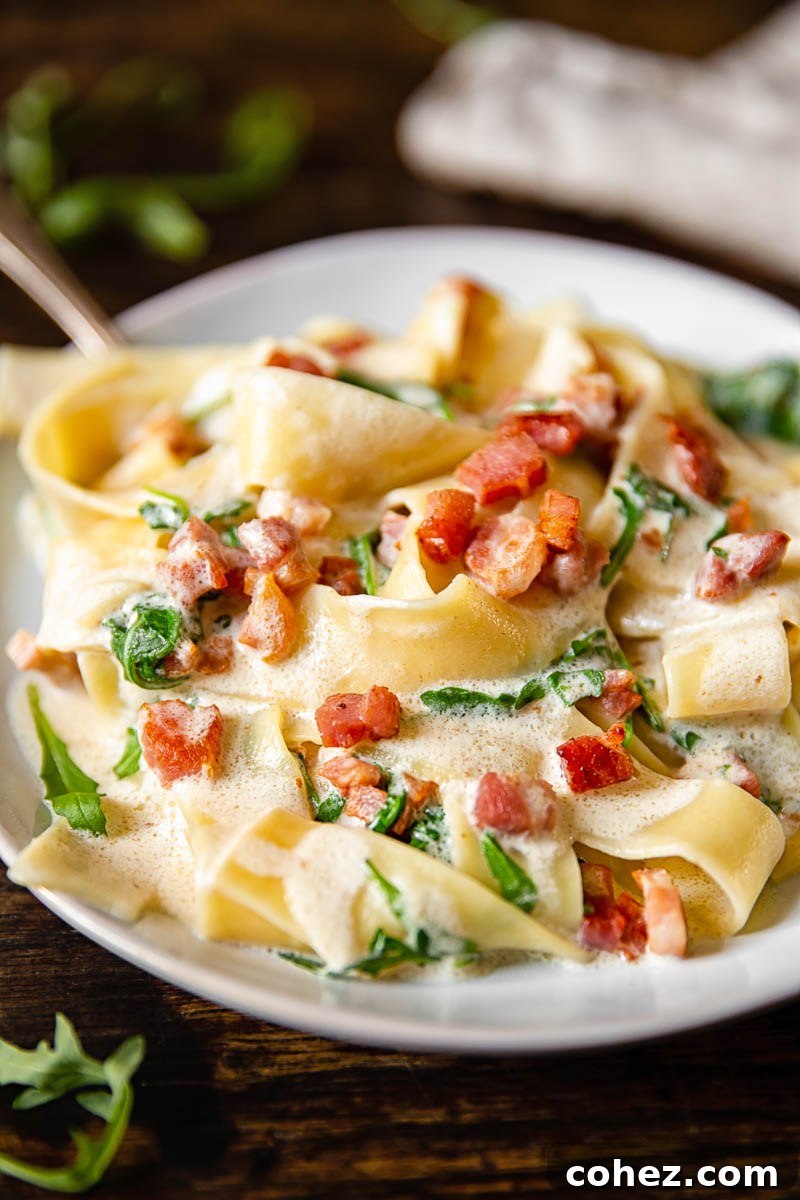
Transform your weeknight dinner routine with this exquisite Pappardelle Carbonara, featuring a fresh twist of vibrant arugula for a meal that’s both quick and extraordinary.
For those seeking the revered classic, dive into our ever-popular Spaghetti Carbonara recipe, a timeless Roman delight that truly embodies the dish’s legendary origins!
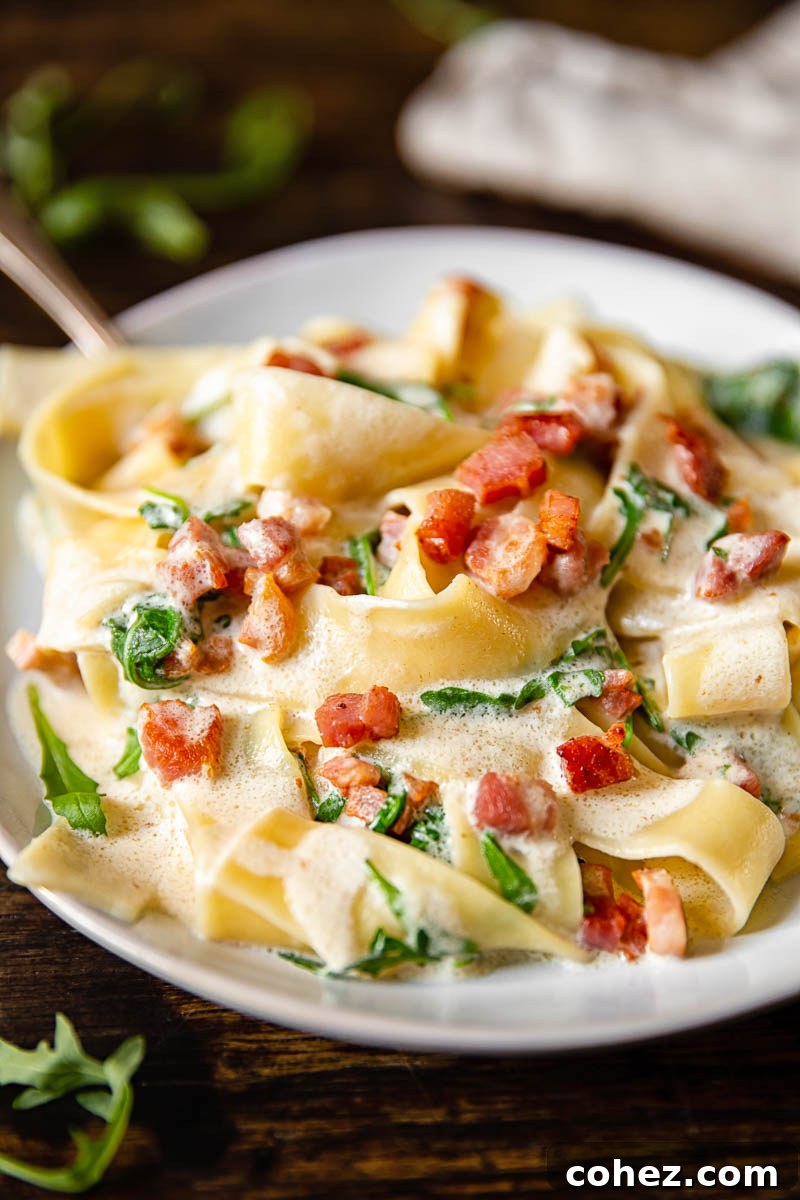
The Art of the Speedy Supper: Why Quick Dinners Matter
As much as I adore the culinary journey and find solace in my kitchen, I often marvel at how I would manage without an arsenal of super-speedy recipes that materialize in a mere 10-15 minutes. Pasta carbonara, in its glorious simplicity and rapid preparation, stands out as a true beacon among these time-saving culinary heroes. It’s the kind of dish that rescues you after a demanding day, proving that gourmet flavors don’t have to be laborious.
My foundational understanding of this iconic dish, and indeed much of Italian cooking, comes from my dear friend Angela, a proud and passionate Italian. The most profound lesson she imparted was that the true essence of mastering Italian cuisine lies in its twin pillars: improvisation and simplicity. These aren’t just techniques; they are a philosophy that transforms basic ingredients into something truly special.
Crafting a proper pasta carbonara perfectly embodies these principles. It’s a dish born from necessity, often conjured when refrigerator contents are sparse, yet it never fails to impress. Economical, effortlessly cooked, and remarkably forgiving of rigid formulas, its magic truly unfolds with a dash of creative flair and an appreciation for high-quality, uncomplicated components.
In adherence to this beautiful Italian culinary wisdom, I am thrilled to share with you this wonderfully improvised take on carbonara, a recipe that promises to deliver on flavor, speed, and genuine satisfaction.
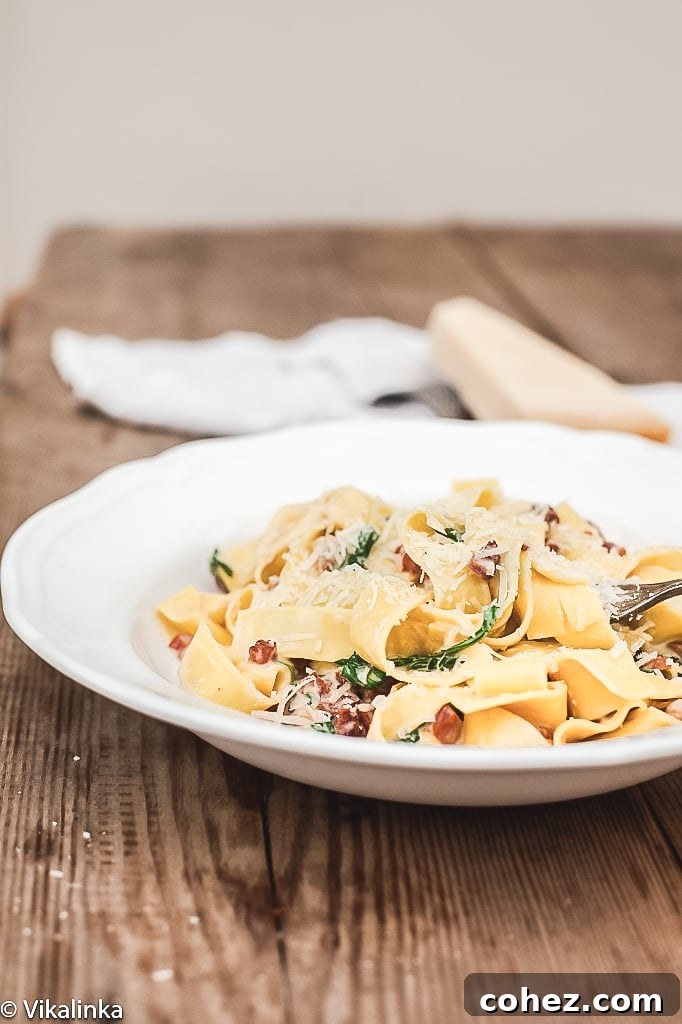
A Pasta Dinner Born from Inspiration: The Story Behind This Recipe
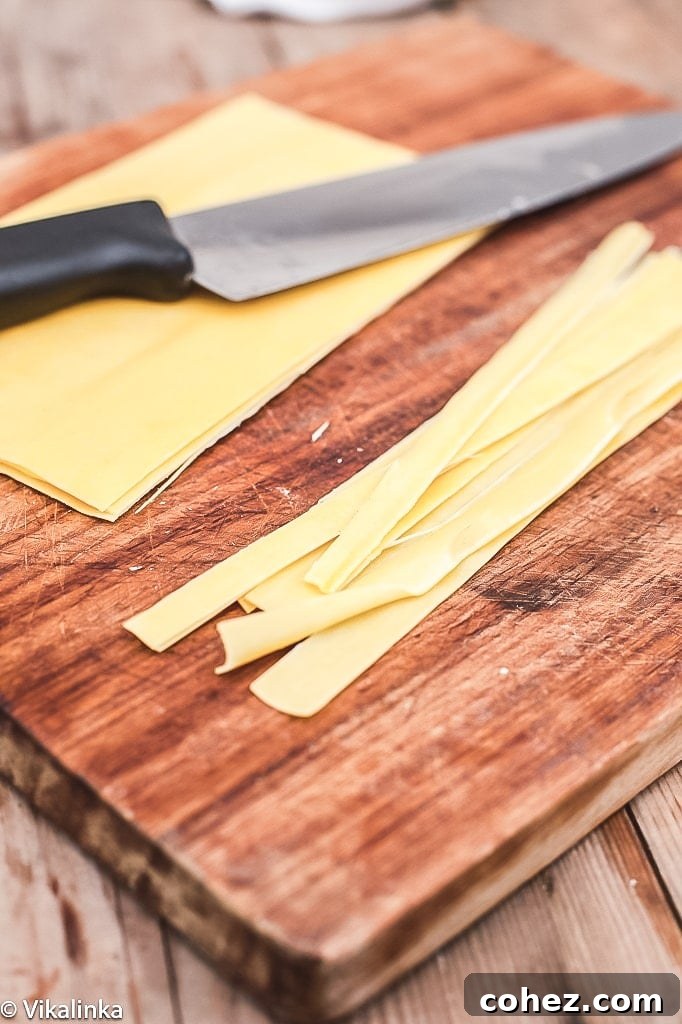
This particular rendition of carbonara came to life through a happy confluence of circumstances, a testament to the power of improvisation in the kitchen. I found myself with a generous amount of leftover egg wash after a session of making delicious sausage rolls, and the thought of letting it go to waste was simply unthinkable. Simultaneously, nestled in my fridge were four fresh lasagna sheets, a quantity far too small for a traditional lasagna but too precious to discard.
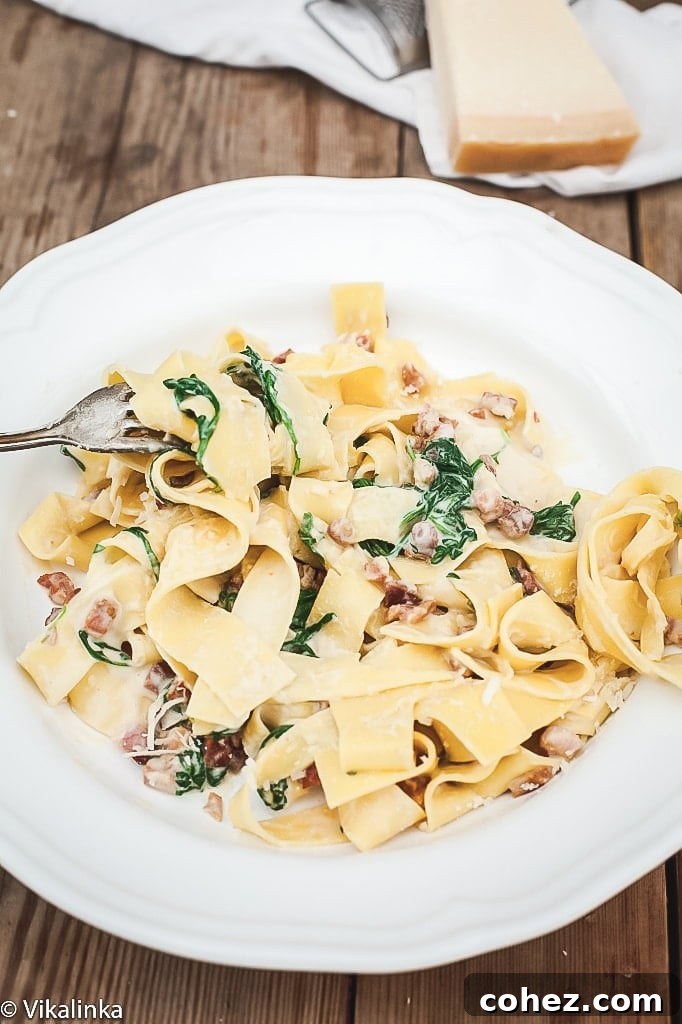
A spark of culinary insight ignited, leading me to cut these versatile lasagna sheets into broad, elegant strips, roughly mirroring the delightful shape of pappardelle. Coupled with the egg whites from the wash, some savory pancetta, a good grating of Parmesan cheese, and a handful of peppery arugula (known as rocket in the UK) that I conveniently had on hand, all the essential elements for a truly magnificent carbonara were assembled! It was a moment of culinary alchemy, turning potential waste into a delectable feast.
This experience beautifully illustrates why mastering simple, unfussy recipes like carbonara is so incredibly valuable. Their straightforward nature makes them an ideal canvas for culinary spontaneity. They don’t demand strict adherence to every detail, but rather invite you to play, experiment, and make them your own. By beginning with the foundational structure of a traditional carbonara, you unlock a world of possibilities. Feel free to explore different pasta shapes, incorporate seasonal vegetables, or add unique protein sources. The only true boundary is the extent of your culinary imagination!
Recipe Tips and Notes for Perfect Carbonara
- Fresh vs. Dried Pasta: If you opt for fresh pasta, remember it typically cooks in just 2-3 minutes, making this entire dish incredibly fast – sometimes as little as 10 minutes from start to finish. If using dried pasta, simply follow the package instructions for al dente perfection.
- Salt Your Pasta Water Generously: This is a non-negotiable step for truly flavorful pasta. The water should taste like the sea. Properly salted boiling water infuses the pasta with flavor from within, creating a much more delicious base for your carbonara.
- Reserve Your Pasta Water: Don’t toss all that starchy goodness! A splash or two of reserved pasta water is your secret weapon for achieving that silky, emulsified carbonara sauce. It helps bind the sauce to the pasta and adds an extra layer of creamy texture without using actual cream.
- The “No Cream” Rule: Authentic carbonara relies solely on eggs, cheese (typically Pecorino Romano or Parmesan), and rendered pork fat for its rich, smooth, and luscious sauce. This makes it taste significantly lighter and more nuanced than many restaurant versions that often include heavy cream. Embrace the authentic method for a truly superior flavor and texture.
- Prevent Scrambled Eggs: The cardinal rule of carbonara is to prevent the eggs from curdling into scrambled eggs. The trick is to remove the pan from the heat *before* mixing in the beaten egg and cheese mixture. The residual heat from the pasta and pan, combined with the hot pasta water, will gently cook the eggs into a velvety, glossy sauce, not a clumpy scramble. This results in a truly heavenly, restaurant-quality dish at home.
- Arugula Alternatives: While arugula (or rocket) provides a wonderful peppery bite and fresh green element, feel free to substitute with fresh spinach for a milder flavor and similar color. Wilt the spinach in the pan with the pancetta for the last minute or so.
The Essential Ingredients of Carbonara
While simplicity is key, the quality of your ingredients in carbonara makes all the difference. Let’s break down the core components:
- Pasta: Traditionally, spaghetti is used, but as this recipe beautifully demonstrates, pappardelle offers a fantastic surface for the sauce to cling to. Other long pastas like bucatini or linguine also work wonderfully. Fresh pasta is a game-changer for speed and texture.
- Pancetta or Guanciale: This is where the magic starts. Authentic Roman carbonara uses guanciale (cured pork jowl), which renders fat beautifully and has a unique depth of flavor. Pancetta (cured pork belly) is a widely available and excellent substitute, providing that crucial salty, savory base. Bacon can be used in a pinch, but ensure it’s unsmoked and cut into small lardons.
- Eggs: The creamy emulsified sauce is created by eggs, specifically a combination of whole eggs and often an extra yolk for richness. These, when combined with the hot pasta and starchy water, form the signature velvety coating.
- Cheese: Pecorino Romano, a sharp, salty sheep’s milk cheese, is the traditional choice, lending a distinct Roman flavor. High-quality Parmesan (Parmigiano-Reggiano) is also a fantastic option, offering a slightly milder, nutty profile. A blend of both is often sublime.
- Black Pepper: Freshly ground black pepper is essential. Its pungent, aromatic kick balances the richness of the dish and is a defining characteristic of carbonara. Don’t skimp on this!
- Arugula (Rocket): Our special addition! Arugula adds a delightful peppery flavor and a refreshing, slightly bitter counterpoint to the rich pasta, cutting through the savory notes and adding a vibrant splash of green.
Why Pappardelle and Arugula? Elevating a Classic
Choosing pappardelle for carbonara is a conscious decision to enhance the dish’s textural experience. These broad, flat ribbons of pasta offer a generous surface area, allowing the luxurious, creamy sauce to truly envelop each strand. The result is a more substantial and satisfying bite compared to thinner pastas like spaghetti. The robust nature of pappardelle also stands up beautifully to the richness of the pancetta and egg sauce, creating a harmonious balance in every forkful.
The addition of fresh arugula is where this recipe truly distinguishes itself. While traditional carbonara is undeniably perfect in its pure form, incorporating arugula introduces a welcome layer of peppery freshness and a slight bitterness that beautifully cuts through the inherent richness of the dish. It prevents the carbonara from being overly heavy, adding a lively, verdant dimension that brightens the entire meal. Beyond taste, the vibrant green leaves introduce a visual appeal, making the dish even more inviting. This subtle twist elevates the classic, proving that sometimes, a little improvisation can lead to extraordinary results.
More quick pasta recipes to inspire your cooking:
- Mushroom Carbonara: A delightful vegetarian twist on the classic, packed with earthy flavors.
- 5-Minute Ravioli Sauce: Effortless elegance for a rapid yet rewarding pasta experience.
- Creamy Pasta Sauce (No Cream): Discover how to achieve richness without heavy cream in this versatile recipe.
- Creamy Mustard Chicken Pasta: A comforting and savory dish that comes together quickly for a fulfilling meal.
Fresh Pappardelle Carbonara with Arugula
Pin
Ingredients
- 200 g / 7oz pappardelle or any other pasta, fresh or dry
- 1 tbsp This is an affiliate link.olive oil
- 50 g / 1/4 cup pancetta or cubed bacon
- 1 tbsp single cream/half and half
- 1 egg
- 20 g / 1 cup arugula/rocket
- Salt to taste
- 2-3 tbsp This is an affiliate link.parmesan cheese, grated
Instructions
-
Begin by cooking your chosen pasta in a large pot of generously salted boiling water. Follow the package directions carefully, aiming for an al dente texture – firm to the bite.
-
While the pasta boils, heat the olive oil in a separate large skillet or pan over medium heat. Add the pancetta (or cubed bacon) and fry until it is crispy and its fat has rendered. In the last minute of cooking the pancetta, add the fresh arugula, stirring just until it begins to wilt. Remove the skillet from the heat and set the pancetta and wilted arugula aside. In a medium bowl, beat the egg with a fork until well combined, then stir in the grated Parmesan cheese.
-
Before draining the pasta, reserve about 1/2 cup of the starchy pasta water. Drain the cooked pasta thoroughly and immediately transfer it to the skillet with the cooked pancetta and arugula. Place the skillet back over very low heat for just a moment. Add the spoonful of single cream/half and half (if using, for a slightly richer touch) and a pinch of salt, tossing everything gently to coat the pasta evenly. The goal here is just to warm the pasta and ingredients through, not to cook them further.
-
Crucially, remove the pasta skillet completely from the heat before adding the egg and cheese mixture. Pour the egg and Parmesan mixture over the pasta and toss vigorously and continuously with tongs or a large spoon. The residual heat from the pasta and pan will gently cook the egg into a smooth, creamy sauce, preventing it from scrambling. If the sauce seems too thick, add a splash of the reserved pasta water, one tablespoon at a time, while continuing to toss, until it reaches a wonderfully runny, emulsified consistency. The sauce should coat the pasta beautifully without it “swimming” in liquid. Serve immediately with an extra generous sprinkle of freshly grated Parmesan cheese and a grind of fresh black pepper.
Nutrition
Nutrition information is automatically calculated, so should only be used as an approximation.
Tried this recipe?Let us know how it was!
Frequently Asked Questions About Carbonara
What is the difference between carbonara and other creamy pasta dishes?
The key distinction of authentic carbonara lies in its reliance on eggs, hard cheese (Pecorino Romano or Parmesan), cured pork (guanciale or pancetta), and black pepper. Unlike many other creamy pasta dishes, traditional carbonara does NOT use heavy cream. The creamy texture comes from the emulsification of the egg mixture with the rendered pork fat and starchy pasta water, creating a velvety sauce that coats each strand of pasta beautifully.
Can I make carbonara vegetarian?
While traditional carbonara is inherently meat-based due to the guanciale/pancetta, you can certainly create a delicious vegetarian version. Instead of pork, consider using smoked mushrooms, sun-dried tomatoes, or even roasted asparagus to add savory depth. You’d still use eggs, cheese, and pasta water for the sauce, adapting the flavors to complement your chosen vegetables. It won’t be “authentic” carbonara, but it can be a delightful dish inspired by its principles.
What kind of pasta is best for carbonara?
Traditionally, long pastas like spaghetti, bucatini, or rigatoni are favored. Spaghetti carbonara is arguably the most famous. However, thicker, broader pastas like pappardelle are excellent as they provide a larger surface area for the rich sauce to cling to, resulting in a more satisfying bite. Ultimately, any good quality pasta, fresh or dried, that you enjoy will work, as long as it’s cooked perfectly al dente.
How do I prevent my carbonara sauce from scrambling?
The secret to a silky, unscrambled carbonara sauce is temperature control. Always remove the hot pasta from direct heat before adding the egg and cheese mixture. The residual heat from the pasta and pan, combined with a splash of hot, starchy pasta water, will gently cook the eggs to a perfect creamy consistency without turning them into scrambled eggs. Continuous tossing is also crucial to distribute the heat evenly and prevent localized cooking.
Can I add other vegetables to carbonara?
While the purest form of carbonara is minimalist, additions like arugula or fresh spinach (as in this recipe) are wonderful for adding freshness and a subtle peppery or earthy note without overpowering the dish. Other light vegetables like peas or thinly sliced asparagus can also be briefly blanched and added at the end for color and texture, aligning with the Italian spirit of improvisation.
Savor the Simplicity and Speed
This Fresh Pappardelle Carbonara with Arugula is more than just a quick meal; it’s an invitation to embrace the joyful, unfussy spirit of Italian cooking. It proves that extraordinary flavors don’t require hours in the kitchen, and that with a few quality ingredients and a willingness to improvise, you can create a truly memorable dining experience. Whether you’re a seasoned chef or a busy weeknight cook, this recipe is sure to become a cherished addition to your culinary repertoire. Enjoy the rich, comforting embrace of this unique carbonara twist, and let it transport you straight to the heart of Italy, one delicious forkful at a time.