Only have four days to explore the enchanting City of Lights? With so much captivating history, art, and romance packed into every arrondissement, a well-structured plan is essential to maximize your Parisian adventure. This comprehensive guide offers a curated itinerary and invaluable tips to help you make the most of every precious moment.
If you love discovering vibrant European capitals, you might also enjoy our guides to Visiting Vienna and exploring Vienna’s Magical Christmas Markets.
Paris is, without a doubt, a truly fantastic city. Its global reputation as a hub of culture, fashion, and unparalleled beauty is exceptionally well-earned. It consistently ranks high on any discerning traveler’s list of must-see European destinations, drawing millions with its iconic landmarks and romantic allure.
However, the city’s immense popularity also means it can be vast, bustling, and, at times, overwhelming for first-time visitors, especially those on a tight schedule. Navigating its grandeur, costs, and the sheer volume of tourists requires a degree of preparation. Even with just four days in Paris, strategic planning will profoundly enhance your experience, ensuring you capture the essence of this magnificent city without feeling rushed or exhausted.
Fortunately, even a concise four-day itinerary allows you to immerse yourself in a selection of Paris’s most famous sites while still venturing into charming, less-traveled corners. The key lies in forward-thinking and smart choices. This guide distills hard-earned advice into an actionable plan, designed to help you savor every moment, even if your visit is limited to just four days in Paris.
Maximize Your Trip: Setting Priorities for 4 Days in Paris
Paris truly offers an endless array of sites that demand your time and attention. Attempting to see absolutely everything in just four days is an impossible feat and will likely transform your dream vacation into an exhausting checklist. It’s often said that it’s better to see a city well than to try and see it all. This means accepting that you might miss a few attractions to ensure you deeply appreciate the very best ones. Overloaded feet and minds quickly lose their capacity to truly absorb and enjoy the sights.
Of course, your travel style might lean towards packing in as much as possible, and you’re absolutely encouraged to customize this itinerary to your preference. We’ll list a few additional ideas at the end that you might consider weaving into your schedule.
For visiting major landmarks like the Eiffel Tower, Arc de Triomphe, and the Louvre, arriving early is crucial. This strategy allows you to beat the densest crowds, secure the best photo opportunities, and experience these magnificent places with a greater sense of serenity. While no popular Parisian site will ever be completely empty, a little proactive planning can significantly mitigate the busiest times, making your visit far more enjoyable and memorable.
Day One: Iconic Landmarks and Parisian Charm
Kickstart your Parisian adventure bright and early. After a quintessential French breakfast of coffee and croissants, head straight to the Arc de Triomphe. Arriving shortly after opening will allow you to explore its impressive architecture and ascend to the viewing platform for stunning panoramic vistas of the city, including the Eiffel Tower, without the peak crowds. Afterward, if time permits and you wish to experience the famed luxury, take a brief stroll down the iconic Champs-Élysées. However, be mindful that shopping and dining here can be significantly overpriced – a lesson learned from a memorable, albeit expensive, orange juice purchase years ago!
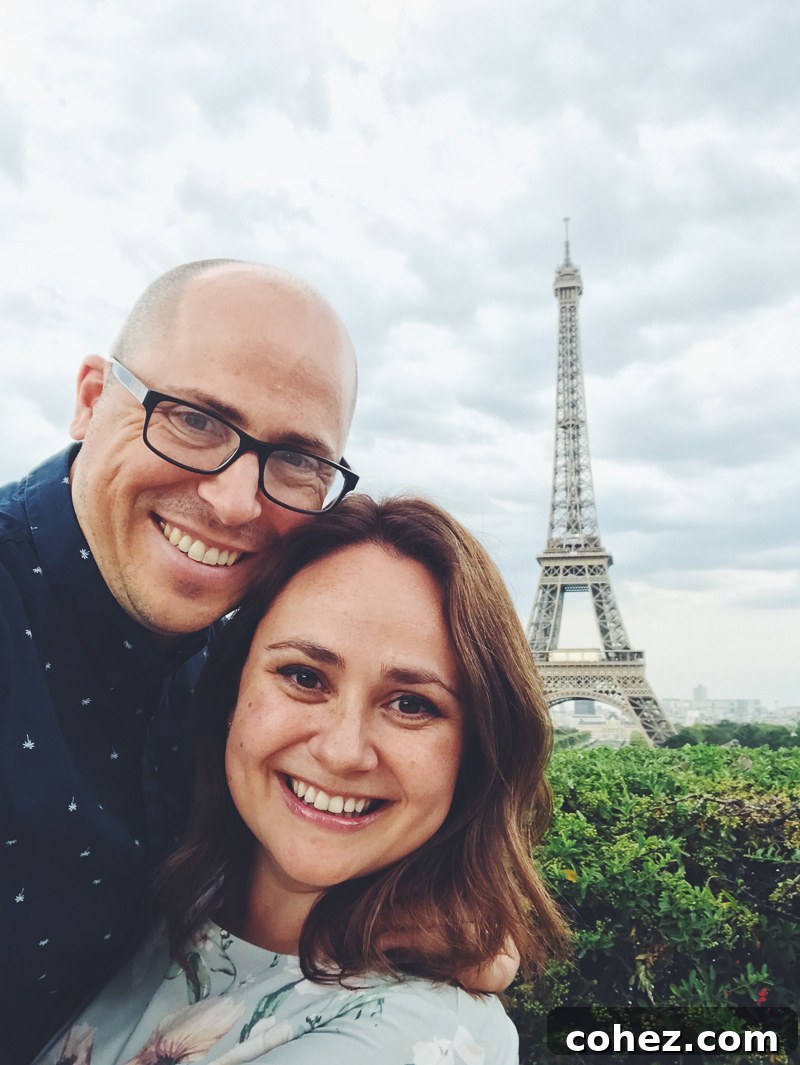
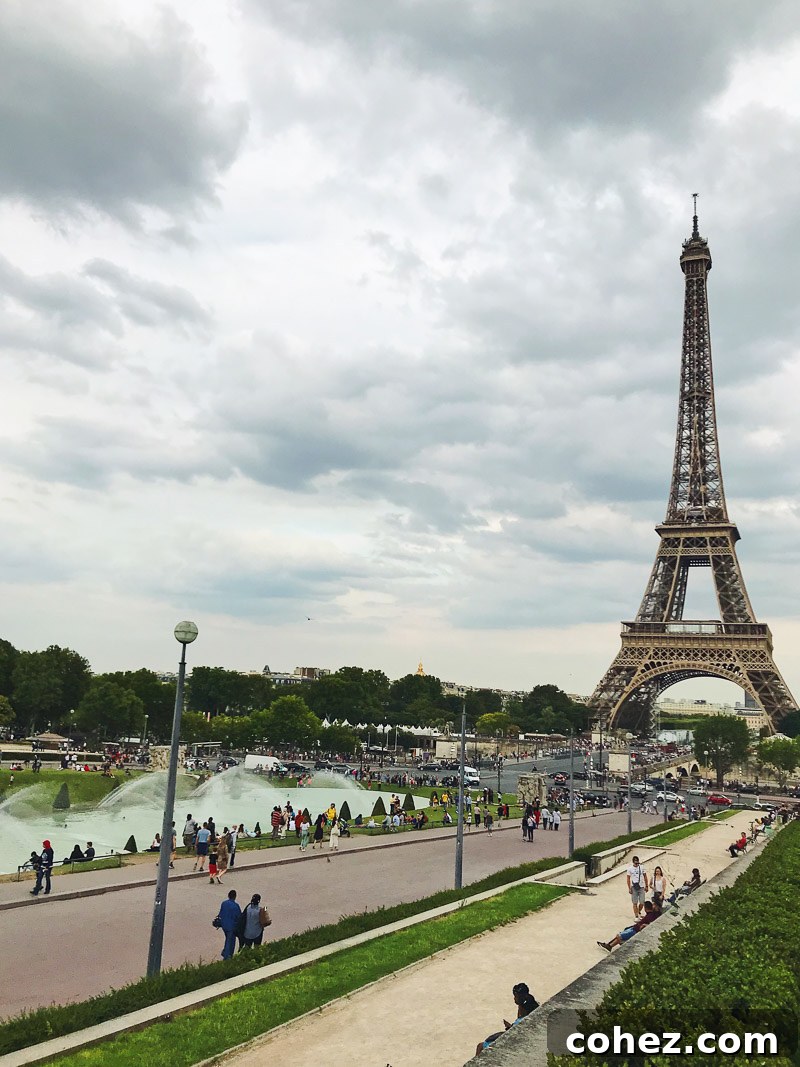
A more rewarding direction is a pleasant 20-30 minute walk towards the Jardins du Trocadéro. This elevated vantage point is synonymous with the most classic, postcard-perfect views of the Eiffel Tower, making it a mandatory stop for any visitor. Continue your walk to the sprawling green expanse of the Champ de Mars, offering a different, equally breathtaking perspective of the Iron Lady from its base, ideal for a more relaxed moment.
Should you wish to ascend the Eiffel Tower, always book your tickets well in advance online. Various options are available, depending on your desired height and preference for stairs versus elevators. Consider a visit around late afternoon to transition into an evening experience.
When hunger strikes for lunch, you’ll find numerous eateries in the surrounding areas. Take your time to select a place that truly prides itself on serving authentic French cuisine, rather than falling into a tourist trap. Seek out a charming bistro slightly off the main thoroughfares for a more genuine culinary experience.
Conclude your first day with a visit to the magnificent Musée d’Orsay. Housed in a former Beaux-Arts railway station, this gallery is home to an extraordinary collection of Impressionist and Post-Impressionist masterpieces, making it an unmissable cultural highlight. Remember that it is closed on Mondays and typically closes by 6 PM every day, except Thursdays when it remains open later, so plan your visit accordingly to allow ample time for exploration.
For the evening, the area around the Musée d’Orsay offers plenty of activity. Consider a leisurely stroll towards Les Invalides or along the picturesque banks of the Seine as dusk settles. For dinner, make your way to the historic Latin Quarter, renowned for its vibrant atmosphere and diverse range of restaurants catering to every taste and budget. If you’re a fan of late-night jazz, this district is rumored to host several excellent venues where you can enjoy live music and soak in the Parisian night.
Day Two: Royal Grandeur at the Palace of Versailles
Dedicate your entire second day to a captivating excursion to the Palace of Versailles, the opulent former residence of French kings and a breathtaking testament to extravagant baroque architecture and landscaping. While undoubtedly worth the journey, anticipate significant crowds. The queues for entry can be formidable and exposed to the elements, so strategic planning is paramount.
A timed entry ticket is not just advised, it’s virtually essential. Although this theoretically locks you into a specific time slot, in our experience, we were often allowed in slightly earlier without issue. The investment in a timed entry booking is invaluable for bypassing the lengthy general admission lines, offering a deeply satisfying feeling as you glide straight through the front doors, often catching envious glances from those still waiting. Remember to book these well in advance, as they sell out quickly.
Unfortunately, the crowds often continue inside the palace itself, particularly in the most famous rooms like the Hall of Mirrors. Be prepared to navigate through bustling corridors and embrace the shared experience of this historic site.
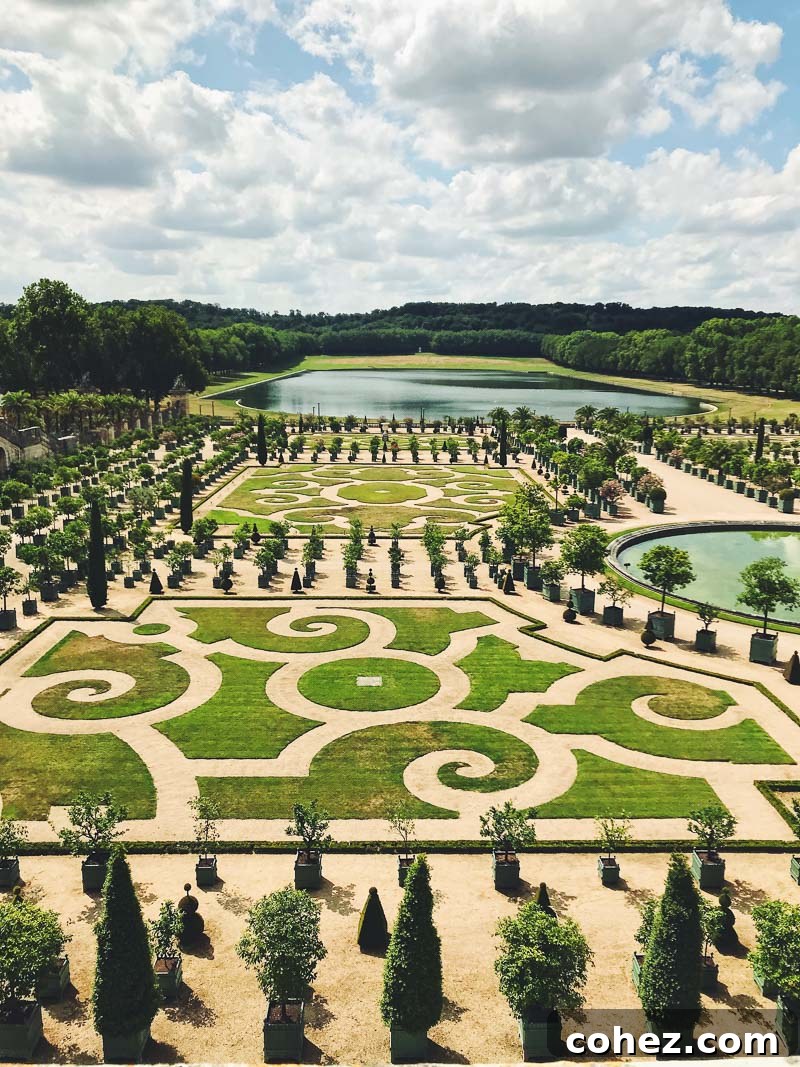
Regardless of how much time you spend marveling at the palace interiors, reserve ample time and energy for exploring the truly spectacular Gardens of Versailles. These sprawling, meticulously designed gardens are a masterpiece in their own right, featuring fountains, sculptures, and vast parterres. There is an abundance to discover, so allow yourself to wander leisurely and soak in the serene beauty and grandeur.
Walk all the way through the gardens to find delightful lunch options near the Grand Canal. While these eateries might not offer the pinnacle of French haute cuisine, they provide a convenient and moderately priced respite in an unparalleled setting, perfect for recharging after extensive walking.
Once refreshed, continue your exploration (or consider renting a golf cart for a fun alternative!) to visit the less-frequented but incredibly elegant Grand Trianon, Petit Trianon, and the charming Queen’s Hamlet. All of these are typically included with your timed entry ticket for the domain. As significantly fewer visitors venture this far, these quieter, more intimate sections of the Versailles estate often become the most cherished part of the visit. It certainly was for us, offering a tranquil escape from the main palace’s bustle.
A day at Versailles is wonderfully immersive but also quite demanding. I wouldn’t recommend planning anything overly ambitious for the evening. Instead, this could be the perfect opportunity to visit a Parisian neighborhood where tourists are a bit rarer, like the lively Bastille district, for a relaxed dinner and a casual evening stroll, experiencing a more local side of Paris.
Day Three: Art, Gardens, and Latin Quarter Vibes
Begin your third day bright and early with a visit to the world-renowned Louvre Museum. Given its immense size and countless treasures, it’s wise to plan ahead and identify the specific wings or artworks you most wish to see to maximize your time. Arriving shortly after opening will significantly reduce queuing times and allow for a more serene experience, particularly around famous pieces like the Mona Lisa. After your museum exploration, don’t miss a leisurely walk through the elegant Jardin des Tuileries, leading you towards the historic Place de la Concorde.
Place de la Concorde is not only a convenient hub with a metro station but also holds profound historical significance as the site of the infamous guillotine during the French Revolution, making it a powerful landmark to witness.
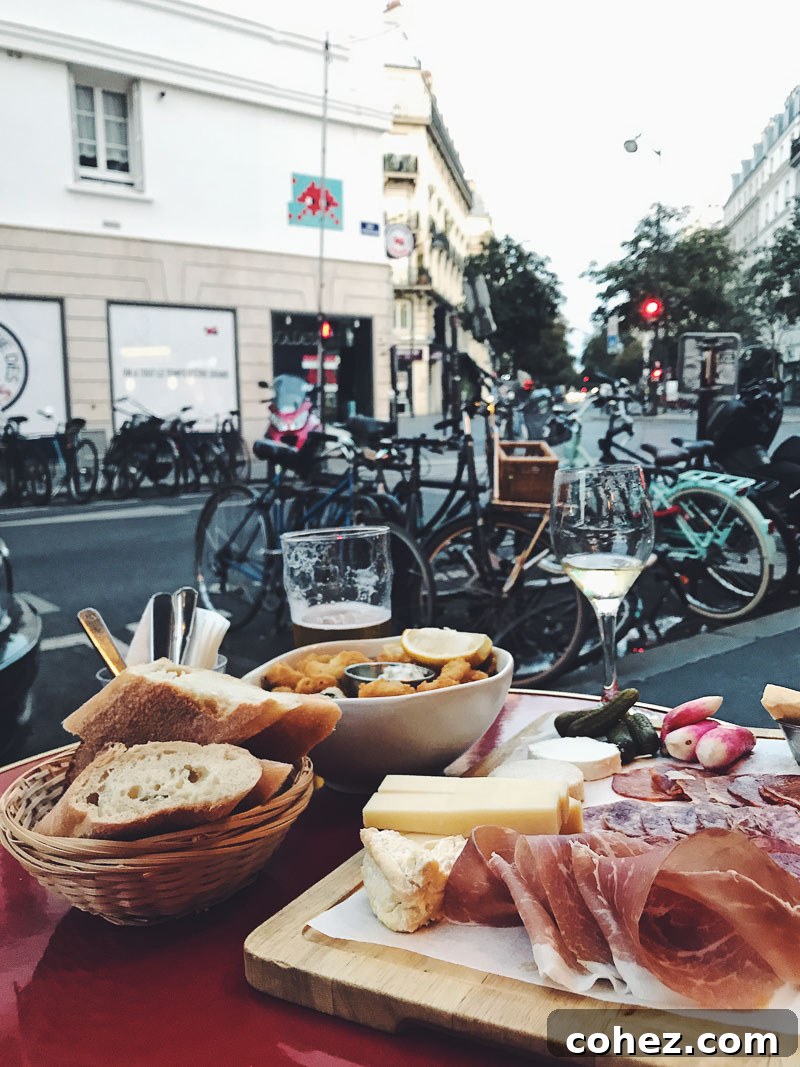
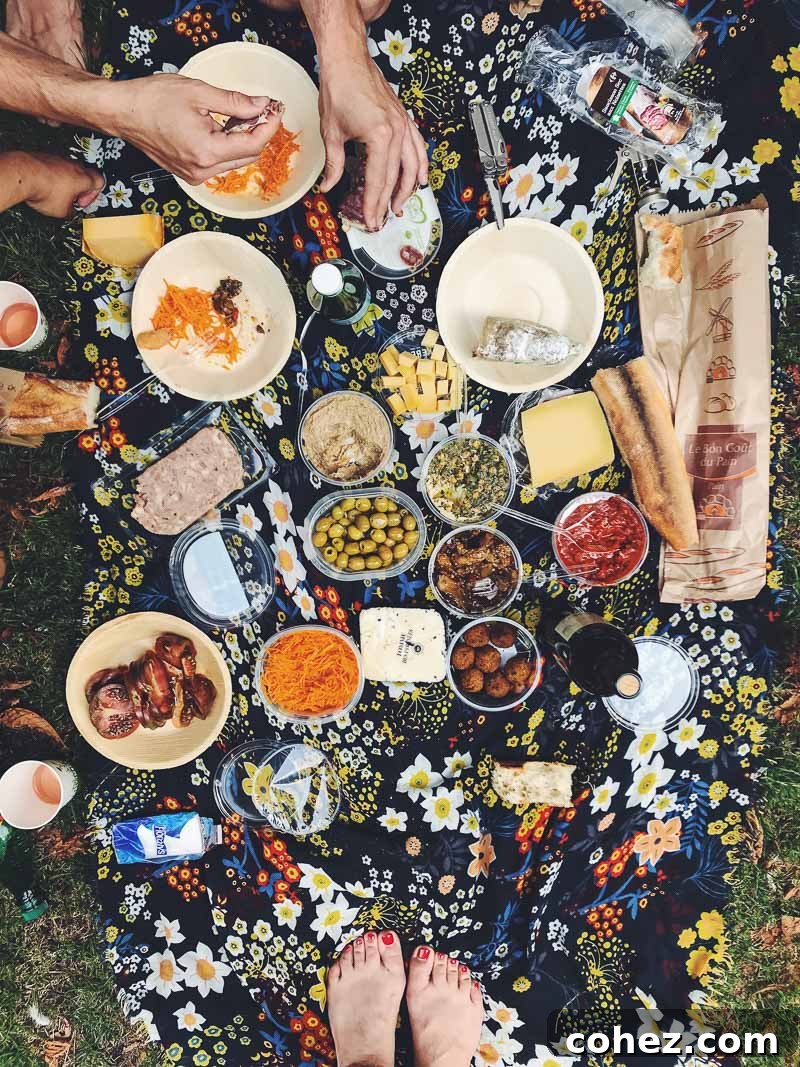
For lunch, embrace a truly Parisian tradition: a picnic! Pick up some fresh bread, exquisite cheeses, charcuterie, and a bottle of wine from a local boulangerie and fromagerie. Then, head to the magnificent Jardin du Luxembourg. Yes, you are permitted to enjoy wine in public parks in Paris! This park is not only stunningly beautiful with its grand palace, serene fountains, and vibrant flowerbeds, but it’s also wonderfully relaxed and family-friendly. Take your time to unwind, people-watch, and simply soak in the atmosphere before continuing your day.
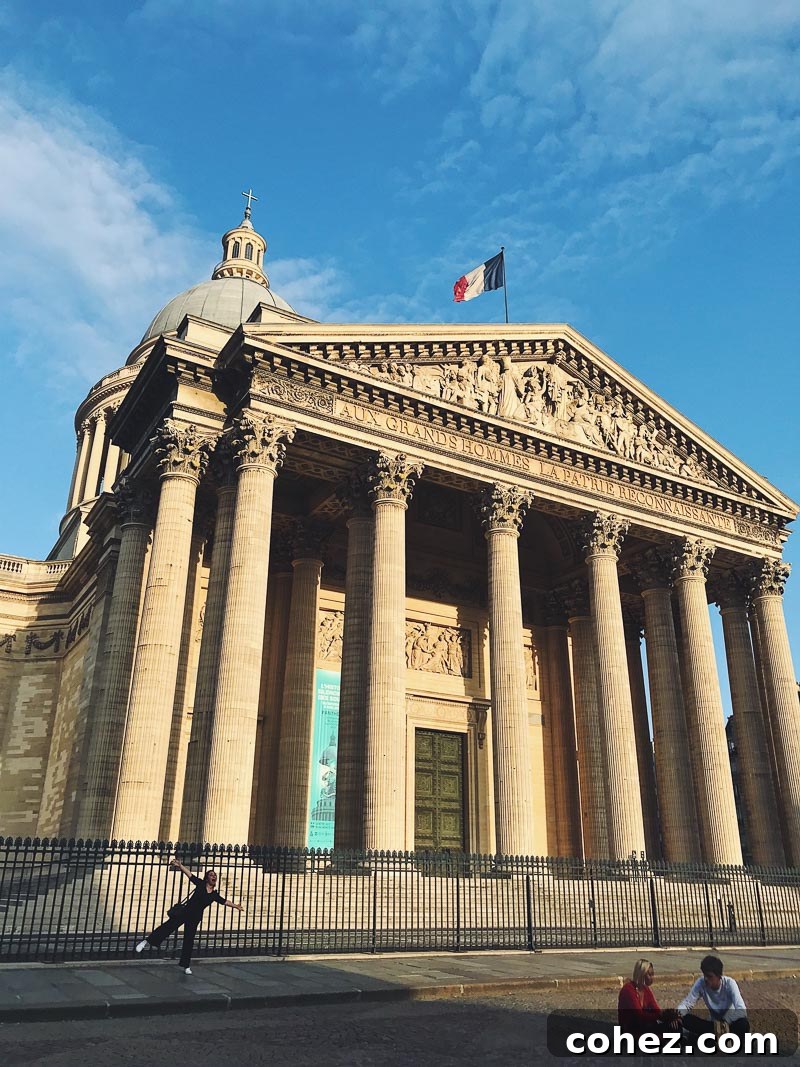
After your relaxing interlude, it’s time to truly get a feel for the city by strolling along the scenic banks of the Seine and delving deeper into the charming Latin Quarter. Make a significant stop at the Panthéon, a neoclassical marvel that serves as a mausoleum for distinguished French citizens. Ascend to its dome for remarkable views across Paris. If you crave a bit more greenery, the extensive Jardin des Plantes, Paris’s main botanical garden, is just a short walk away.
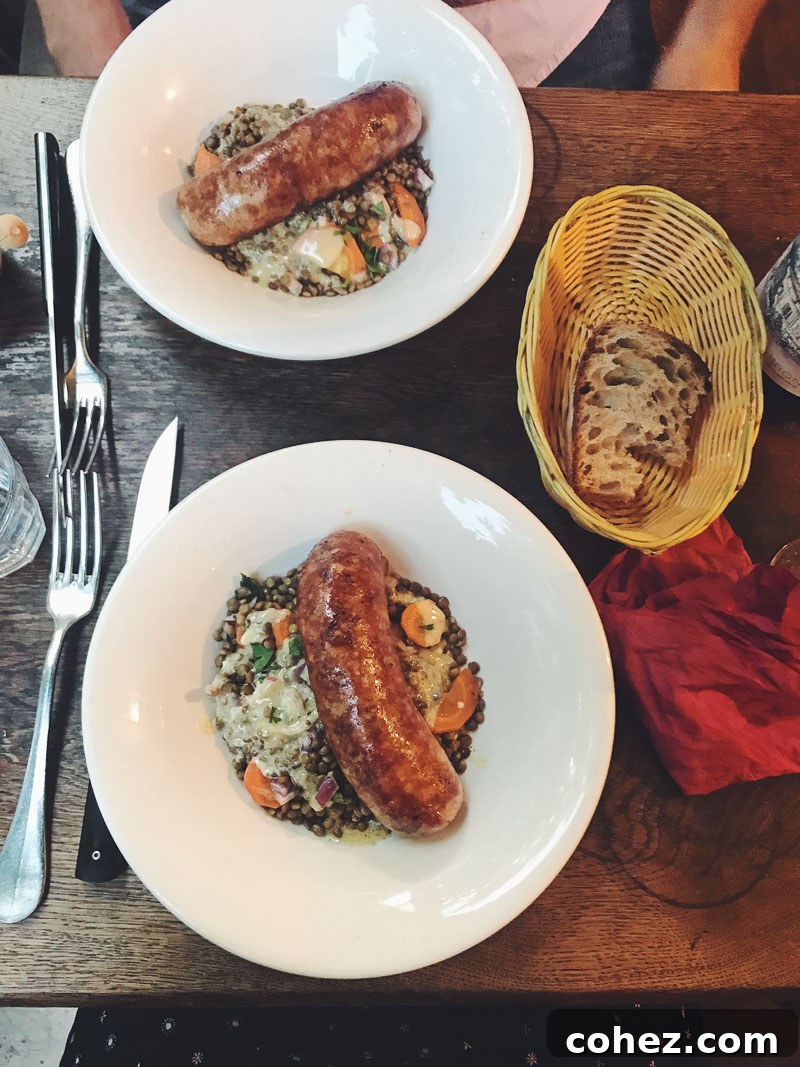
By now, you will undoubtedly have worked up a thirst and appetite. Head over to Place de la Contrescarpe, a lively square known for its bustling energy and numerous bars and restaurants. It’s an ideal spot to soak in the local buzz. Just a short, atmospheric walk from here is our personal favorite, Café de la Nouvelle Mairie. This hidden gem offers the perfect setting for a late, authentic Parisian dinner. The food here is classic French, unpretentious yet made with high-quality ingredients that allow each dish to shine. It’s a place where locals linger, chat, and savor the moment, inviting you to do the same without feeling rushed.
Day Four: Bohemian Montmartre and Farewell to Paris
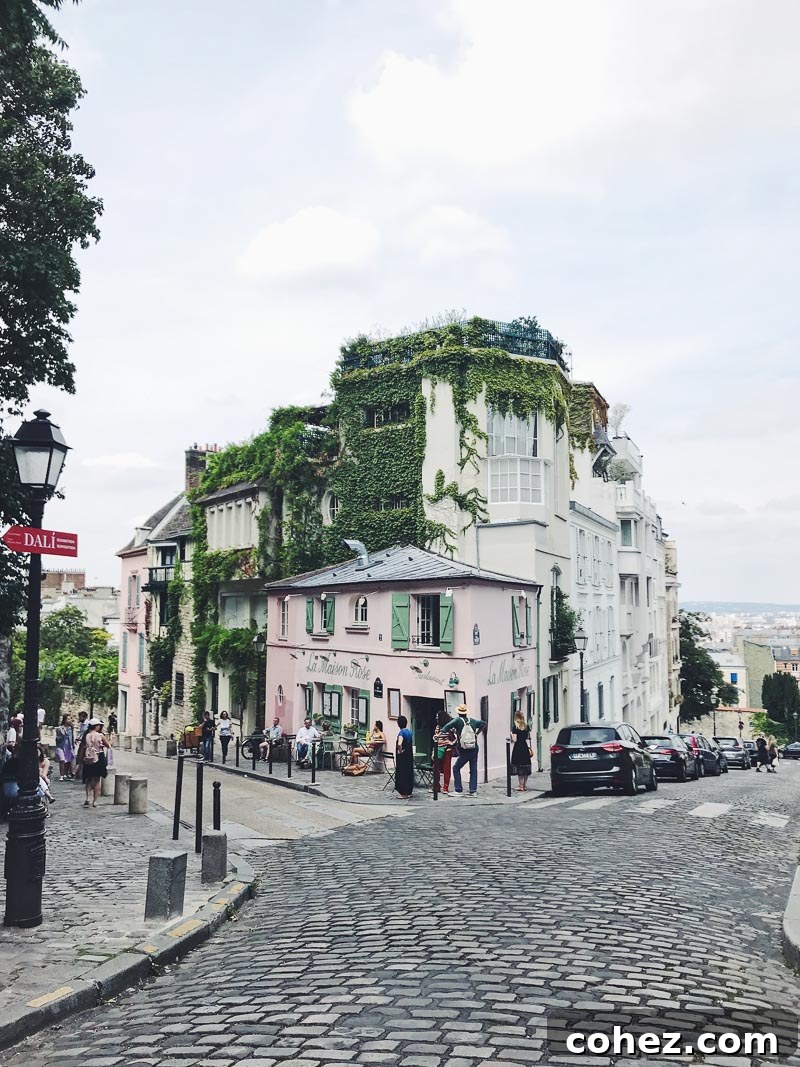
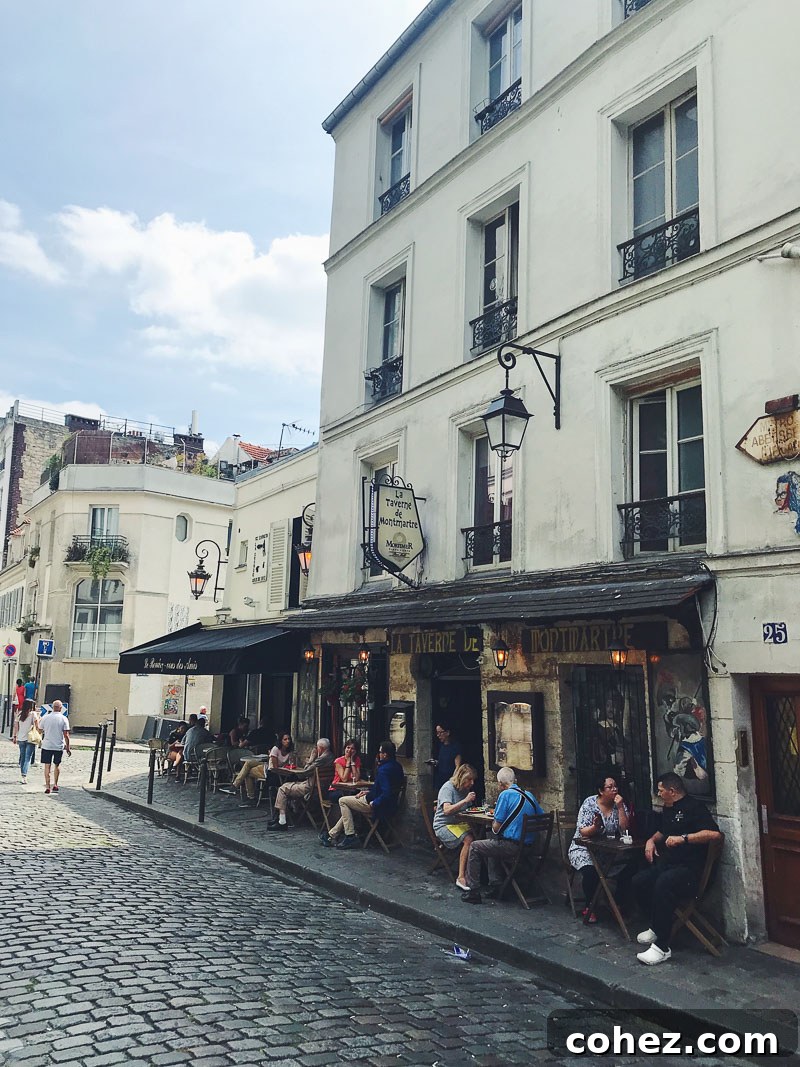
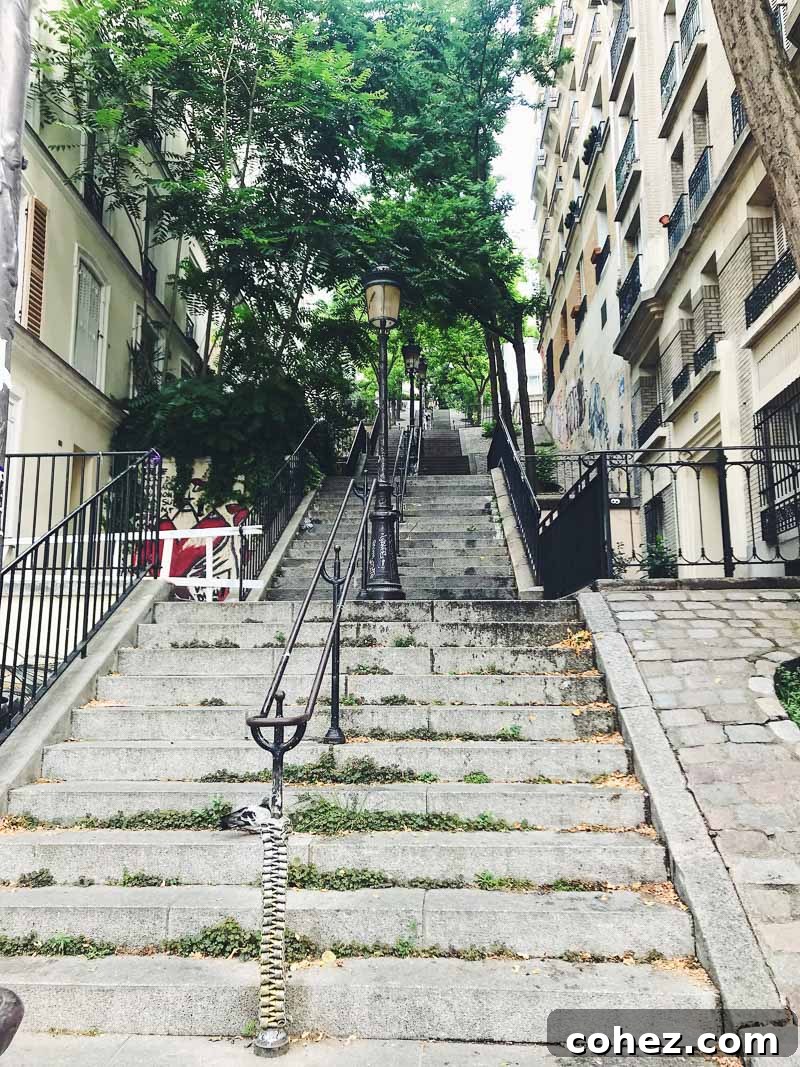
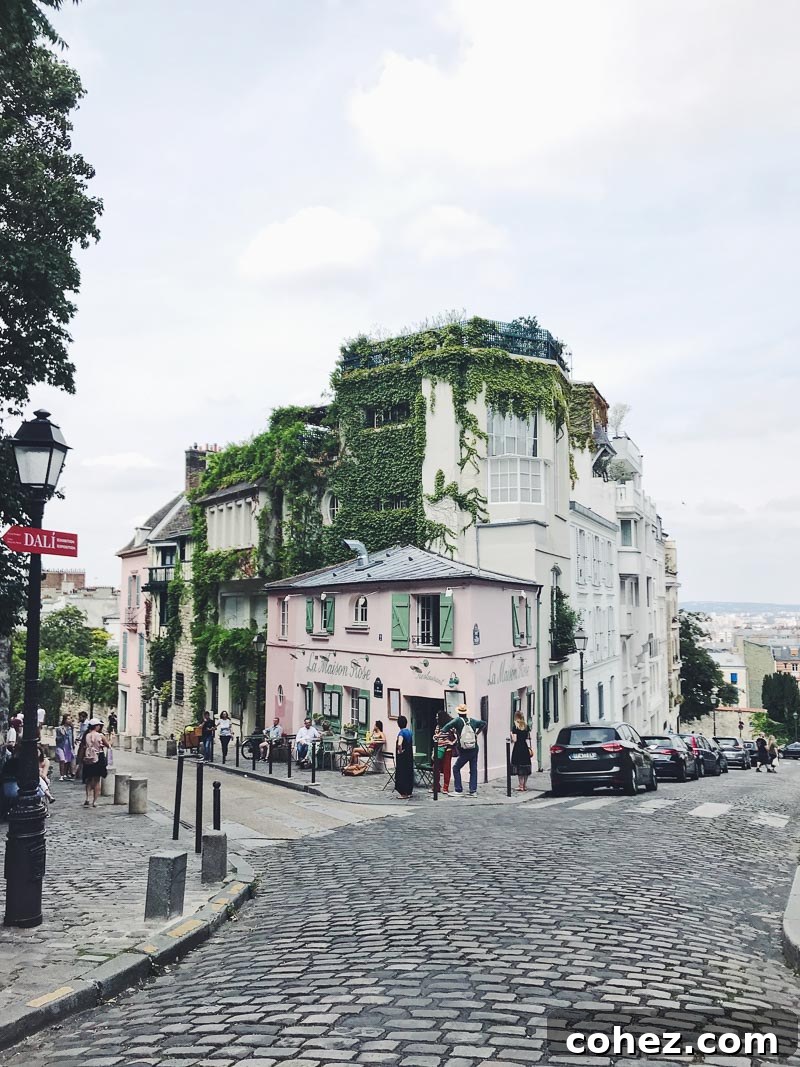
On your final day, start early once again to avoid the crowds, making your way to the artistic and bohemian district of Montmartre. This charming neighborhood, perched on a hill, offers a unique side of Paris. Be sure to visit the iconic Moulin Rouge (from the outside) and then ascend to the magnificent Sacré-Cœur Basilica. The views from the basilica’s steps are simply breathtaking, offering one of the most expansive panoramas of the entire city. Wander through the picturesque streets, perhaps stopping to admire the local artists at Place du Tertre.
Once you’ve explored Montmartre to your satisfaction, make your way to Galeries Lafayette, an architectural marvel known for its stunning Art Nouveau dome. Whether you’re indulging in high-end shopping or simply enjoying some window shopping, the experience itself is a visual treat.
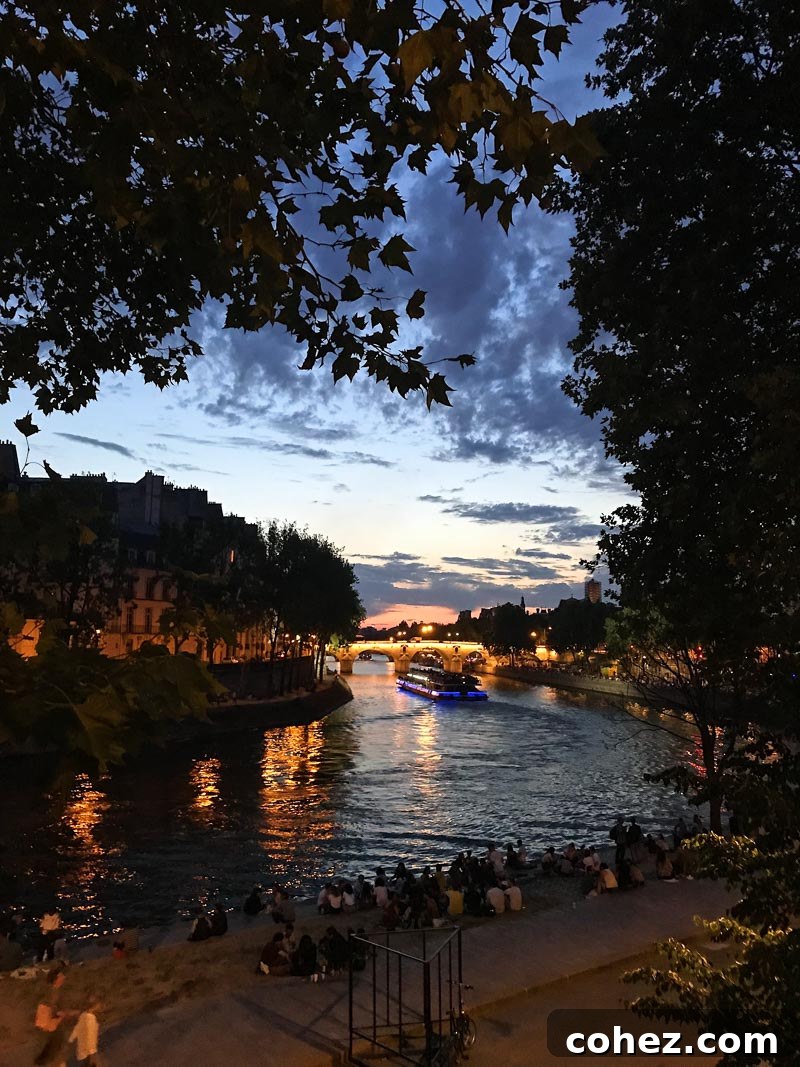
There’s still time for another museum if your artistic inclination calls. However, this is also a beautiful opportunity to bid adieu to Paris by immersing yourself in an evening along the Seine. Join the many Parisians who stroll, picnic, and relax with friends along the riverbanks, especially around Île de la Cité. It’s an incredibly charming experience that offers a glimpse into a very special, authentic facet of Parisian life, often removed from the usual tourist bustle.
Ensure you pay your respects to Notre-Dame Cathedral. While extensive reconstruction is still ongoing and much of the exterior remains obscured, its enduring presence and historical significance make it a profoundly special landmark that’s simply too important to miss, even from a distance. Witnessing its resilience is a poignant reminder of Paris’s rich history.
Paris, of course, has far more to offer than can be contained in any four-day itinerary. If you find yourself with extra energy or specialized interests, there’s a wealth of additional experiences awaiting. The fascinating and somewhat eerie Catacombs might warrant a place on your list for those intrigued by subterranean history.
Alternatively, if the crowds at the larger museums are unappealing, the remarkable and perfectly “bite-sized” Musée de l’Orangerie made a deep impression on a recent visit, particularly its two dedicated rooms showcasing Claude Monet’s breathtaking Water Lilies murals – a truly immersive and peaceful artistic experience.
The truth is, there’s always more to see and do than any single visit to Paris can accommodate. But whether you have four days or forty, any amount of time spent in this magnificent city will be deeply worthwhile. See the main sites, certainly, but always remember to carve out moments to experience the city through the eyes of its locals. This might mean purposefully stepping off the most well-trodden tourist paths. Paris, after all, has an undeniable way of getting under your skin and captivating your soul, if only you let it!
Essential Paris Travel Tips for a Seamless Trip
Whether you’re planning an intense four days in Paris or a more leisurely stay, these practical travel tips are designed to ensure your visit is as smooth and enjoyable as possible:
- Get Up Early: Beat the Crowds and Capture the Magic
The most popular Parisian attractions, including the Louvre, Eiffel Tower, and Versailles, become incredibly crowded as the day progresses, leading to notoriously long lines. By setting an early alarm, you can bypass the worst of the rush, enjoy a more peaceful experience at these iconic sites, and capture stunning, less-obstructed photos. If you only have four days in Paris, you won’t want to waste precious hours waiting in queues! - Walk Extensively: Discover Hidden Gems and Local Life
Much of central Paris, particularly around its major sites, is incredibly walkable. Embracing walking allows you to truly immerse yourself in the city’s atmosphere, stumble upon charming cafes, discover picturesque side streets, and encounter unexpected architectural details or local boutiques that you might otherwise miss. It’s the best way to feel the pulse of the city and find those unique, personal moments. - Utilize the Metro: Efficient and Convenient City Navigation
When walking isn’t feasible or you need to cover longer distances quickly, Paris’s extensive and efficient Metro system is your best friend. Trains are frequent, clean, and the network conveniently connects you to almost every significant destination. Upon arrival, consider purchasing a “carnet” of ten tickets (which are also valid for buses and the RER suburban trains) for around €14.50. This is often more economical than buying individual tickets. Explore other ticket options, like multi-day passes, if you anticipate heavy use. For real-time navigation, the CityMapper app is highly recommended for its accuracy and ease of use. - Smart Accommodation Choices: Value Beyond the City Center
Given Paris’s excellent public transport network and its walkability, you don’t necessarily need to splurge on expensive accommodation right in the absolute center to enjoy the city fully. On our inaugural trip, we found a very affordable hotel further out in the suburbs. While not ideal for a spontaneous late-night stroll, it proved that visiting Paris on a tighter budget is entirely possible, with easy RER train connections quickly bringing us back to the heart of the city. Consider neighborhoods slightly outside the most central areas for better value. - Plan Your Meals Wisely: Savor Authentic Parisian Cuisine
To experience the best food and value, venture slightly off the main tourist paths. Restaurants immediately surrounding major attractions tend to be pricier and often offer lower quality fare. Seek out authentic bistros and brasseries in local neighborhoods – this requires a little more planning but promises a far more rewarding culinary experience. The cost of a good meal out in Paris is generally comparable to other major European cities, but the quality difference in non-touristy areas is substantial. - Observe Parisian Meal Times: Dine Like a Local
Be aware that many Parisian restaurants close in the mid-afternoon, typically between 2:30 PM and 7:00 PM, after the lunch rush and before dinner service. Plan your dining stops accordingly to avoid disappointment. Additionally, Parisians tend to eat dinner fairly late, often starting around 8 PM or even later. If you want to experience a restaurant with a lively, authentic buzz, be prepared for a slightly later mealtime. - Dress Comfortably Yet Chic: Embrace Effortless Parisian Style
Don’t let Paris’s reputation as a fashion capital intimidate you. While Parisians certainly possess an innate sense of style, their everyday attire actually trends towards casual elegance rather than high fashion. The key is to dress comfortably for extensive walking while still looking put-together. Think well-fitting jeans, stylish sneakers or comfortable boots, layers, and classic pieces. There’s no need for shabby attire, but equally, your wardrobe shouldn’t be a source of stress. Confidence and comfort are truly chic in Paris.
Traveling with kids? Here are our hard-earned tips on making that a great experience for the whole family!