
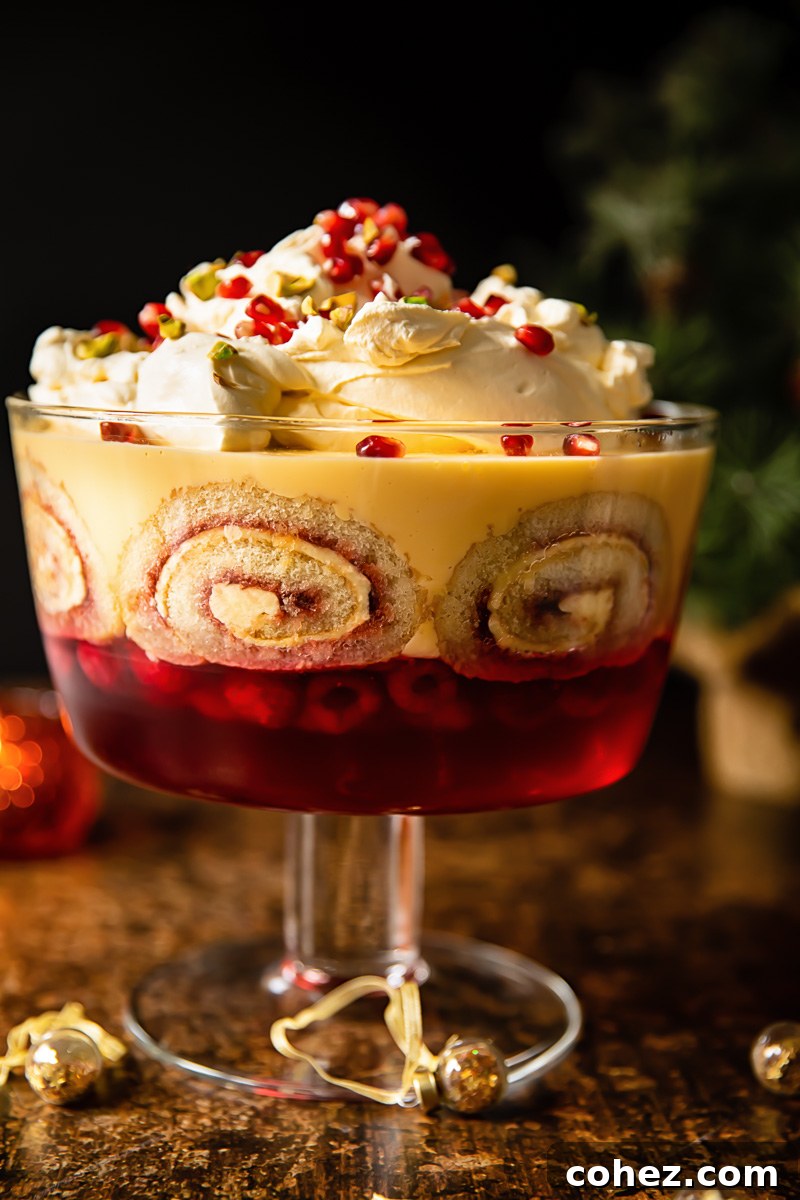
The Ultimate Guide to Traditional English Trifle: An Easy Make-Ahead Dessert
Prepare to enchant your taste buds and impress your guests with this authentic traditional English trifle recipe. A true showstopper that effortlessly combines delightful flavors and textures, this layered dessert is surprisingly easy to make and relies mostly on readily available cupboard staples. Its versatility makes it a perfect centerpiece for any celebration, from the festive cheer of Christmas dinner to the light refreshment of a summer garden party. Designed for convenience, it’s an ideal make-ahead dessert, allowing you to enjoy your event without last-minute culinary stress.
Should you wish to explore alternative flavor profiles, be sure to try our Blueberry Limoncello Trifle for a zesty, fruity twist!
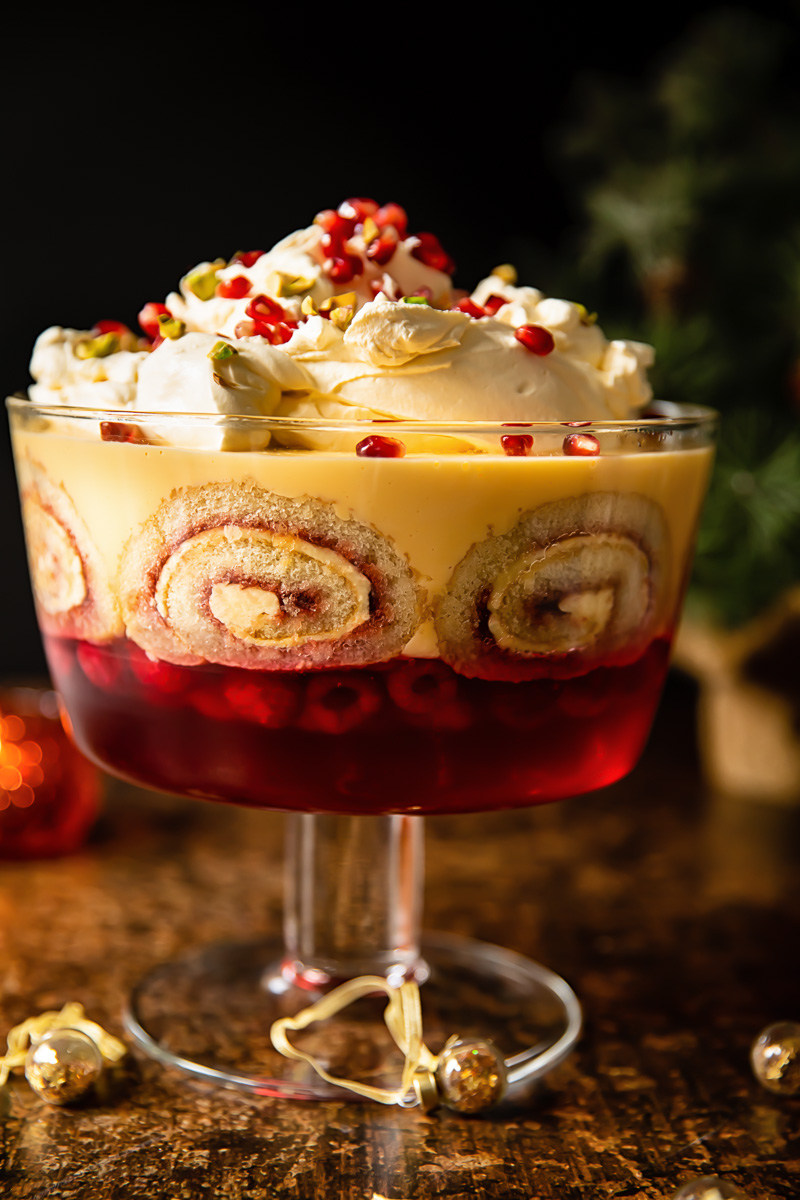
The Enduring Charm of English Trifle
For many in England, it’s simply unimaginable to conclude a Christmas dinner without the grand presentation of a festive trifle. Whether served on Christmas Day itself or reserved for the relaxed celebrations of Boxing Day, this iconic dessert consistently makes a cherished appearance. Its vibrant layers and comforting richness have solidified its place as a quintessential holiday treat.
However, the trifle’s appeal extends far beyond the winter months. Personally, I find myself drawn to creating a lighter summer trifle, especially when fresh, ripe berries are in their prime. It’s a fantastic way to capture the essence of the season’s bounty. This leads one to ponder: is there truly an inappropriate time to serve such a delightful confection?
While the trifle wasn’t a staple in my own childhood traditions, my English granny-in-law introduced me to its wonders. Her generous spirit often meant we were treated to a magnificent trifle whenever we visited, regardless of the season. It was through her that I learned to appreciate the endless possibilities and comforting charm of this beloved dessert.
Decoding the Traditional English Trifle
If you’re searching for *the* definitive traditional English trifle recipe, you might be surprised to learn that such a singular formula doesn’t exist. The true beauty of the trifle lies in its remarkable adaptability. Far from being rigid, it’s a dessert that thrives on variation, with virtually every household boasting its own cherished version, passed down through generations or lovingly perfected over time.
Despite this wonderful flexibility, certain foundational principles guide the creation of a proper English trifle. These aren’t strict rules, but rather common components that ensure a recognizable and delightful experience. At its heart, a trifle should always feature at least three distinct layers. The most universally recognized and “canonical” layers include a cake base, a vibrant fruit and/or jelly (Jell-O in the US) layer, a thick, creamy custard, and a generous topping of whipped cream.
The Layered Anatomy of a Classic Trifle
- The Cake Base: Typically a sponge cake, ladyfingers, or even leftover pound cake, providing a soft, absorbent foundation.
- Fruit and Jelly (Jell-O): A layer of fresh fruit, often combined with fruit-flavored jelly, adding sweetness, tang, and a delightful texture contrast.
- Rich Custard: The creamy, comforting core of the trifle, often vanilla-flavored, that brings everything together.
- Whipped Cream: A luxurious, airy topping that provides a beautiful finish and a final touch of indulgence.
There’s an ongoing, good-natured debate among trifle enthusiasts regarding the inclusion of jelly. Some purists argue against it, believing it to be a more modern addition. However, historical culinary records indicate that jelly has been a part of trifle recipes as far back as the 1700s, suggesting its place is indeed traditional. Personally, I wholeheartedly embrace jelly in my trifles. Its light, refreshing texture and bright fruity flavor provide a crucial counterpoint to the richness of the creamy custard and decadent whipped cream, creating a perfectly balanced dessert experience.
Ultimately, as long as you incorporate some form of cake, custard, and whipped cream, artfully arranged in layers within your chosen trifle bowl, you’re undoubtedly on the right path. These classic elements serve as your canvas, inviting you to experiment with flavors and tailor them precisely to your personal preferences and the occasion at hand.
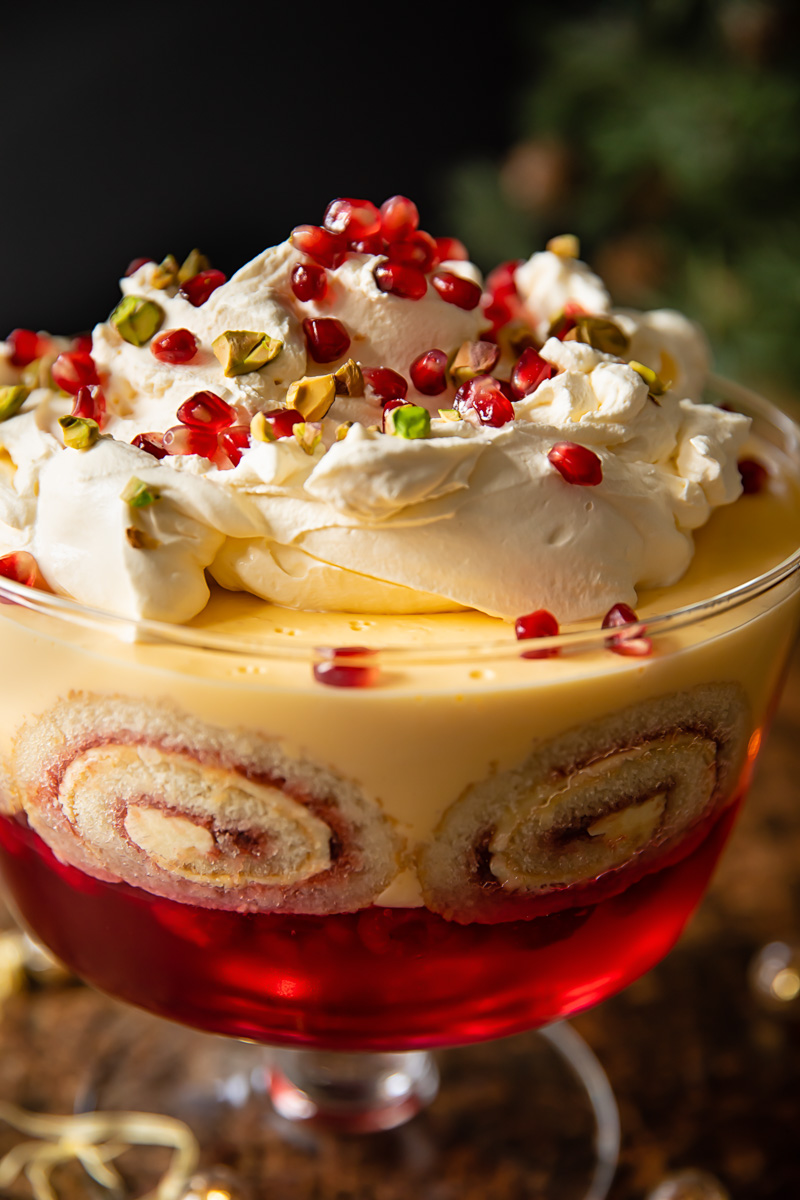
Why This Easy Trifle Recipe Will Become Your Favorite
Beyond its undeniably divine taste, there are two compelling reasons why this particular trifle recipe is destined to become a staple in your dessert repertoire. It offers both an effortless path to elegance and the invaluable benefit of stress-free, make-ahead preparation.
Effortless Elegance: No Baking Required
Firstly, this recipe delivers an exceptionally beautiful and impressive dessert with remarkable ease, requiring nothing more than simple assembly. That’s right – no baking is necessary! While the idea of making custard from scratch might seem daunting to some, you’ll find it incredibly straightforward when using ready-made custard powder, a staple in many kitchens. This approach drastically simplifies the process without compromising on flavor or texture, making it accessible even for novice bakers.
The Beauty of Make-Ahead Preparation
Secondly, the trifle is a dessert that genuinely benefits from time, allowing its flavors to meld and its layers to set beautifully. Although the assembly itself isn’t difficult, patience is key. Each layer needs several hours to firm up before the next can be added. This sequential process transforms trifle making into a wonderfully relaxed, stress-free experience. A trifle is always made in advance, making it the ultimate holiday or special occasion dessert. You can prepare it a day or two before your event, meaning you’ll have absolutely nothing to do on the day of your big meal, freeing you up to enjoy your guests and the celebration itself. Believe it or not, the stunning trifle you see photographed here was prepared a full two days before its photoshoot, proving its incredible resilience and ability to shine even after extended refrigeration.
Secrets to an Effortless Trifle: Elevating Store-Bought Staples
While the prospect of assembling a trifle might initially appear intimidating due to its multiple layers, rest assured, it truly doesn’t have to be. Since no baking is involved, your primary requirement is simply patience as you bring together this spectacular dessert. The single most important piece of advice is to allow each layer ample time to set completely before proceeding to the next. This ensures clean, distinct layers and a stable structure for your masterpiece.
A well-made trifle is a symphony of diverse flavors and textures, making every spoonful an exciting treat. While I would champion making custard and jelly from scratch if they were to be served as standalone desserts, in the context of a trifle, convenience often reigns supreme! There is absolutely no shame in utilizing packaged jelly and custard powder, especially when your goal is a delicious, fuss-free holiday dessert. However, I’m delighted to share some clever tips that will make these convenient ingredients taste as if they were lovingly prepared from scratch.
Once you’ve mastered these fundamental techniques, you’ll feel confident experimenting with less traditional flavor combinations, just as I did with my Pumpkin Mousse Trifle!
Expert Tips for Trifle Perfection
- Plan Ahead: For the best results, begin preparing your trifle at least one full day before you intend to serve it. This crucial lead time allows for thorough chilling and ensures the jelly has at least 5-6 hours (or ideally overnight) to set firm.
- Enhance Packaged Jelly: While using packaged jelly (Jell-O) is perfectly fine for convenience, significantly boost its flavor by incorporating fresh fruit. For instance, if using raspberry jelly, fresh raspberries are an excellent choice. Strawberries or mixed berries also work beautifully.
- Prevent Fruit from Sinking: To ensure your fresh fruit is suspended beautifully throughout the jelly layer rather than sinking to the bottom, chill the prepared liquid jelly in the refrigerator for about 1 hour. At this point, it should be thick and syrupy, but not fully set. Gently fold in the berries, and they will remain suspended as the jelly continues to set.
- Infuse with Alcohol (Optional): Traditionally, sherry is used to moisten the cake layers in trifles, imparting a distinct flavor. If you prefer to avoid sherry or alcohol altogether, simply omit it or use a flavored syrup. For this raspberry-flavored trifle, I opted for Chambord, a raspberry liqueur, which beautifully complements the raspberry cream sponge roll.
- Luxurious Custard Hack: To elevate the taste of packaged custard powder to a rich, luxurious creaminess that rivals homemade, replace a quarter of the milk specified in the custard powder instructions with double cream (or heavy cream). This simple trick makes a significant difference.
- Achieve Firm Layers: For a trifle where the layers hold their shape impeccably, I prefer my custard to be a little firmer. To achieve this, I add an extra tablespoon of custard powder beyond the package instructions.
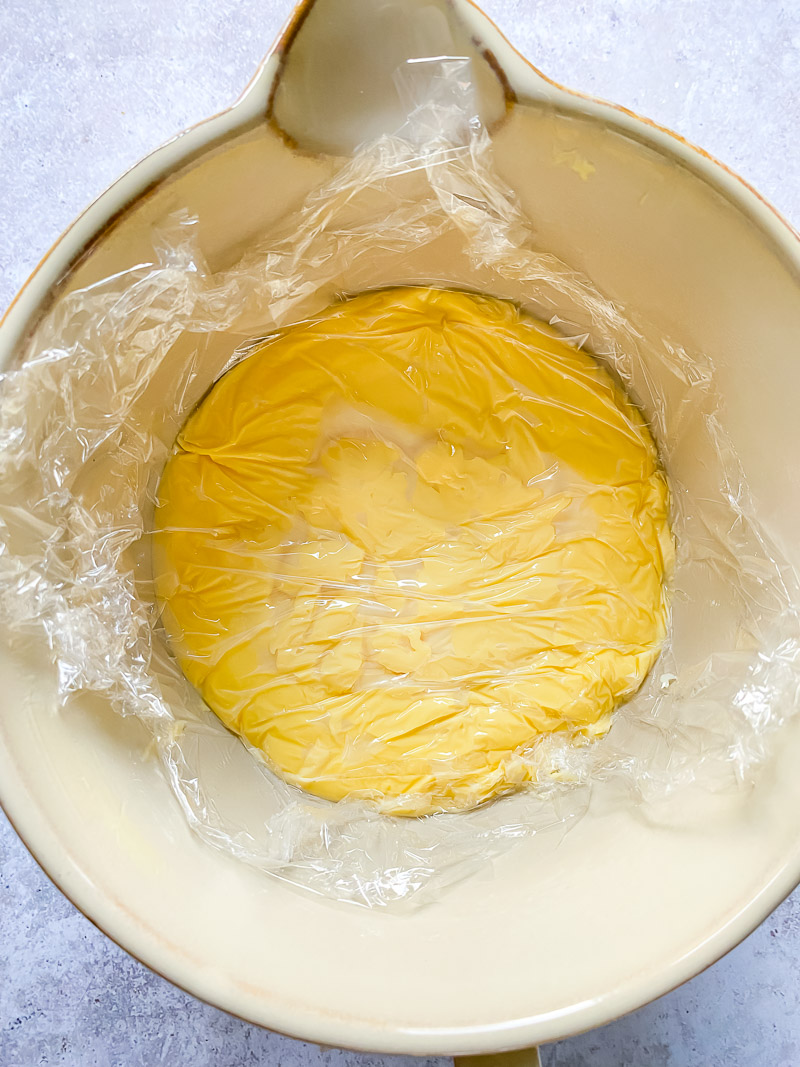
- Avoid Custard Skin: After cooking, let the custard cool for approximately 15 minutes. During this time, immediately place plastic wrap directly onto the surface of the custard. This prevents an undesirable “skin” from forming.
- Perfect Custard Pour: When pouring the cooled custard over the cake layer, ensure it is still pourable. It should be able to flood every little crevice and gap created by the sponge roll, creating a seamless layer. If you wait too long, the custard will begin to set, making it thicker and less likely to flow evenly.
- Overnight Chill: Once the custard layer is poured, cover the trifle bowl securely with plastic wrap and refrigerate overnight, or for a minimum of 24 hours. This prolonged chill time is essential for all layers to fully set and for flavors to meld.
- Garnish Just Before Serving: Whip the double or heavy whipping cream until soft peaks form. Spoon it generously over the chilled trifle. Decorate with fresh pomegranate seeds, chopped pistachios, or additional fresh raspberries just before serving for the freshest appearance.
Customizing Your Trifle: Endless Possibilities
One of the most appealing aspects of the English trifle is its incredible versatility. The core structure is stable, but the flavors within each layer are ripe for experimentation. Don’t hesitate to adapt this recipe to your preferences, dietary needs, or whatever ingredients you have on hand. Here are some delicious substitution and variation ideas:
Cake Base Variations
- Custard Powder Alternatives: While Bird’s custard powder is a common staple in the UK and Canada, it might be harder to find elsewhere. In such cases, a good quality vanilla pudding mix can be used as a suitable substitute.
- Sponge Cake Choices: I particularly love the elegant look of sponge rolls in my trifles, creating beautiful spirals along the edges. However, using ladyfingers (savoiardi biscuits) or slices of pound cake are equally traditional and delicious options, especially common in the US.
Fruit and Jelly Combinations
- Frozen Berries: If fresh berries are out of season or unavailable, frozen berries can be used effectively. Just remember to slightly reduce the amount of water you add when preparing the jelly/Jell-O to account for the extra moisture released by frozen fruit.
- Beyond Berries: While raspberries and strawberries are classic, consider other fruits like peaches, mangoes, or even roasted plums for unique flavor profiles.
- Additional Layers: Introduce extra layers of flavor with ingredients like fruit jam, lemon curd (for a bright, tangy note), or even a thin layer of chocolate ganache for a richer dessert.
Custard and Cream Enhancements
- Dairy-Free Options: For those with dietary restrictions, many plant-based milks and creams (such as oat milk or coconut cream for whipping) can be successfully used to make both the custard and whipped cream layers.
- Flavored Custards: Infuse your custard with a hint of almond extract, orange zest, or even a touch of coffee for a more complex flavor.
Alcoholic and Non-Alcoholic Options
- Alcohol Choice: Traditionally, sherry or fruit-flavored liqueurs (like the Chambord I used) are essential for soaking the cake layers, adding depth and a touch of sophistication.
- Non-Alcoholic Soak: If you prefer to avoid alcohol, simply substitute it with a flavored syrup (such as raspberry or elderflower syrup), fruit juice, or even strong brewed tea, ensuring the cake still gets a moist, flavorful boost.
Storage and Leftovers
One of the many advantages of trifle is how well it keeps. Any leftover trifle can be stored in the refrigerator for 3-4 days. Over time, the ingredients will continue to meld, and the cake will absorb more liquid from the jelly and custard, resulting in a slightly softer texture. However, the flavors will deepen and often taste even more fantastic the next day!
To preserve its freshness and prevent it from absorbing refrigerator odors, keep the trifle well-sealed in an airtight container or tightly covered with plastic wrap.
It’s important to note that trifle is not suitable for freezing. The custard and cream layers are prone to separating and developing an undesirable texture once thawed, which would compromise the dessert’s delightful consistency.
Essential Equipment for Your Trifle
To create a truly stunning trifle, having the right tools can make all the difference. Here are a few pieces of equipment that will help you achieve perfection:
- Trifle bowl: A clear glass bowl is ideal for showcasing the beautiful layers.
- Sieve set: Essential for ensuring a perfectly smooth, lump-free custard.
- Large mixing bowls: For preparing the custard and whipping cream.
- Whisk (wire whisk or electric mixer): For stirring custard and whipping cream.
- Spatula or spoon: For layering and smoothing.
- Sharp knife: For slicing the sponge cake.
Easy English Trifle Recipe Card
By Julia Frey of Vikalinka
Prep Time: 30 mins
Cook Time: 10 mins
Total Time: 6 hrs 40 mins
Servings: 10
Recipe Summary
Prepare a traditional English trifle for dessert this Christmas. A true showstopper, that is made mostly using cupboard staples and requires no baking, just simple assembly.
Ingredients
- 135g / 2 cups raspberry jelly (Jell-O), such as Hartley’s Raspberry jelly.
- 125g / 1 cup fresh raspberries (can use frozen, but reduce water added to jelly slightly).
- 500g / 17 oz raspberry or strawberry cream sponge roll.
- 1½ UK pints / 3½ US cups whole milk (plant-based milk can be used).
- ½ UK pint / ½ US cup double cream / heavy whipping cream (plant-based cream can be used).
- 6 tbsp Bird’s custard powder (heaping tablespoons).
- 6 tbsp white sugar.
- 2 tsp vanilla extract.
- 400ml / 1½ cups double / whipping cream (for topping).
- 4 tbsp icing (powdered) sugar (for topping).
- 1 tsp vanilla extract (for topping).
- 4 tbsp pomegranate seeds (for decoration).
- 2 tbsp pistachios, chopped (for decoration).
- Optional: 2-4 tbsp raspberry liqueur (e.g., Chambord) or sherry.
Instructions
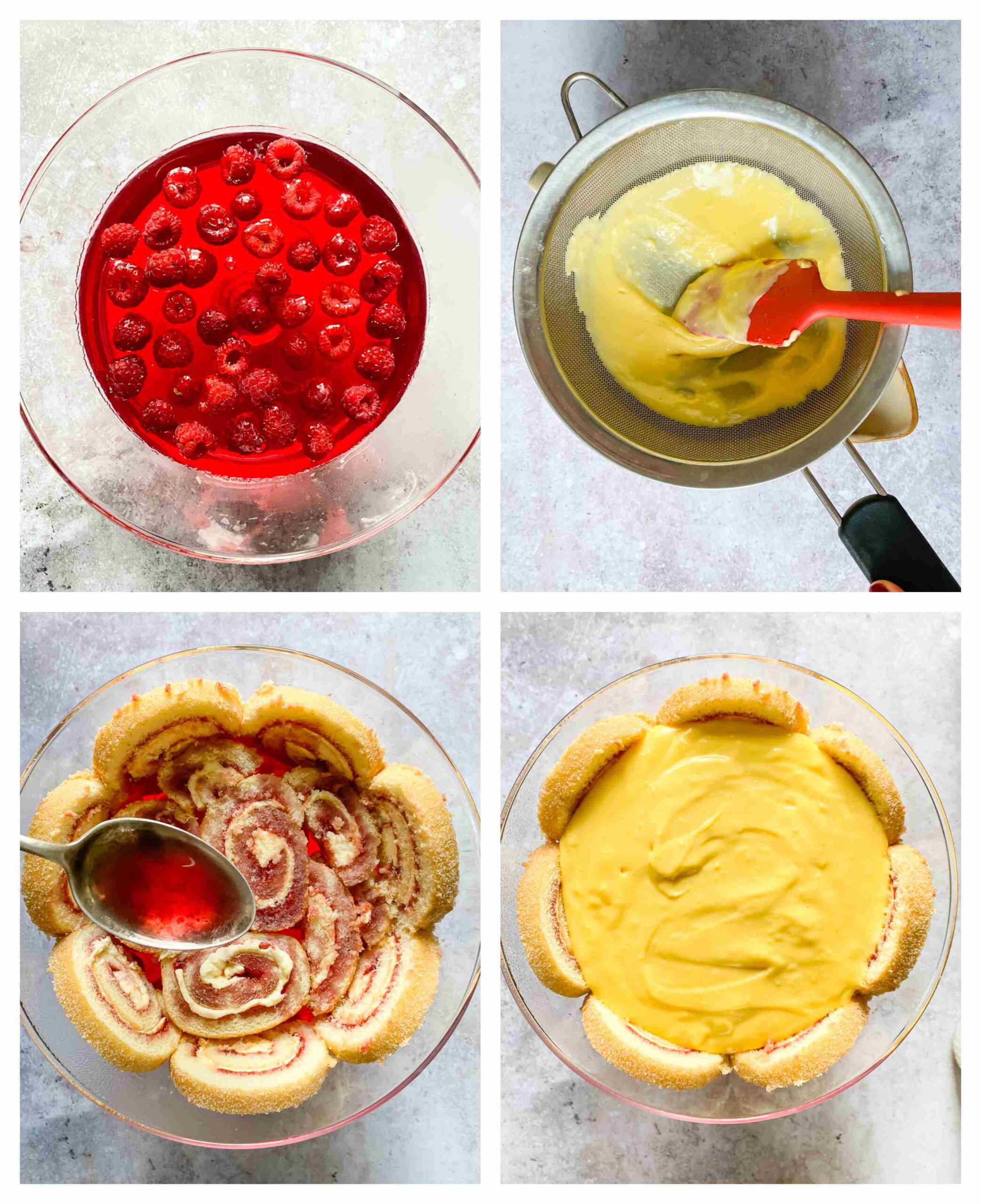
- Prepare the jelly (Jell-O) according to package instructions. Pour it into your trifle bowl and let it cool for about 20 minutes at room temperature. Then, transfer it to the fridge for 1½ hours. Remove from the fridge; the jelly should now be thick and syrupy. Gently drop the fresh raspberries into the jelly, ensuring they are suspended, and return the bowl to the fridge until the jelly is fully set, which will take 4-5 hours or overnight.
- While the jelly sets, prepare the custard. In a saucepan, combine the whole milk, double/heavy cream, custard powder, white sugar, and vanilla extract. Cook over low heat, stirring continuously with a wire whisk to prevent lumps, until the custard thickens to your desired consistency. For an extra smooth texture, push the cooked custard through a sieve. If lumps do form, use a blender or immersion blender to smooth it out. Place plastic wrap directly onto the surface of the custard to prevent a skin from forming and let it cool slightly for about 15 minutes.
- Meanwhile, slice the sponge roll into even pieces. Arrange some slices along the sides of the trifle bowl, creating a decorative border. Then, use the remaining slices to cover the bottom of the set raspberry jelly layer. You might need to cut some pieces to ensure a snug fit. If using alcohol, sprinkle the raspberry liqueur (or sherry) evenly over the bottom pieces of cake only, avoiding the side pieces so they don’t become too soggy.
- Once the custard has cooled slightly (but is still pourable), carefully pour it over the cake layer in the trifle bowl. Ensure it completely covers all the sponge roll pieces, flowing into every crevice and filling the space between the side pieces. Allow the trifle to come to room temperature for about 30 minutes, then cover the bowl with plastic wrap and chill in the fridge for a couple of hours, or ideally overnight, to allow the custard to set firmly and flavors to meld.
- Just before serving, prepare the final layer. In a clean bowl, whip the remaining double/heavy cream with the icing sugar and vanilla extract until soft and floppy peaks form. Spoon this whipped cream generously over the set custard layer. Decorate your trifle with fresh pomegranate seeds, chopped pistachios, or additional fresh raspberries for a beautiful presentation. Serve chilled.
Notes
- Yield Differences: US and UK pint measurements differ, but this recipe accounts for these variations. The key is to follow the package instructions for both jelly and custard powder to ensure proper setting.
- Make-Ahead Advantage: This trifle is best prepared a day before serving. The jelly needs at least 5-6 hours to set completely.
- Fruit Placement: Add fresh fruit to the jelly only after it has chilled for an hour and thickened to a syrupy consistency. This prevents the berries from sinking to the bottom.
- Custard Richness: Substituting a quarter of the milk with double/heavy cream for the custard significantly enhances its richness.
- Firm Custard: Adding an extra tablespoon of custard powder ensures a firmer custard, which helps the layers hold their shape better.
- Custard Skin Prevention: Always cover cooling custard with plastic wrap directly on its surface to prevent a skin from forming.
- Pourable Custard: Ensure the custard is still pourable when adding it to the trifle. If it sets too much, it won’t fill the cake crevices as effectively.
Nutrition Information (Approximate Per Serving)
Calories: 495kcal | Carbohydrates: 62g | Protein: 8g | Fat: 25g | Saturated Fat: 14g | Polyunsaturated Fat: 1g | Monounsaturated Fat: 6g | Cholesterol: 143mg | Sodium: 403mg | Potassium: 324mg | Fiber: 1g | Sugar: 41g | Vitamin A: 1011IU | Vitamin C: 4mg | Calcium: 200mg | Iron: 2mg
Nutrition information is automatically calculated and should be used only as an approximation.
We hope you thoroughly enjoy creating and sharing this wonderful traditional English trifle. Its delightful layers and comforting flavors are sure to bring joy to any table!
Explore More Christmas Dessert Recipes
- Brown Butter White Chocolate Hazelnut Blondies
- Chocolate Thumbprint Cookies
- English Fridge Cake (No Bake)
- Homemade Chocolate Truffles