
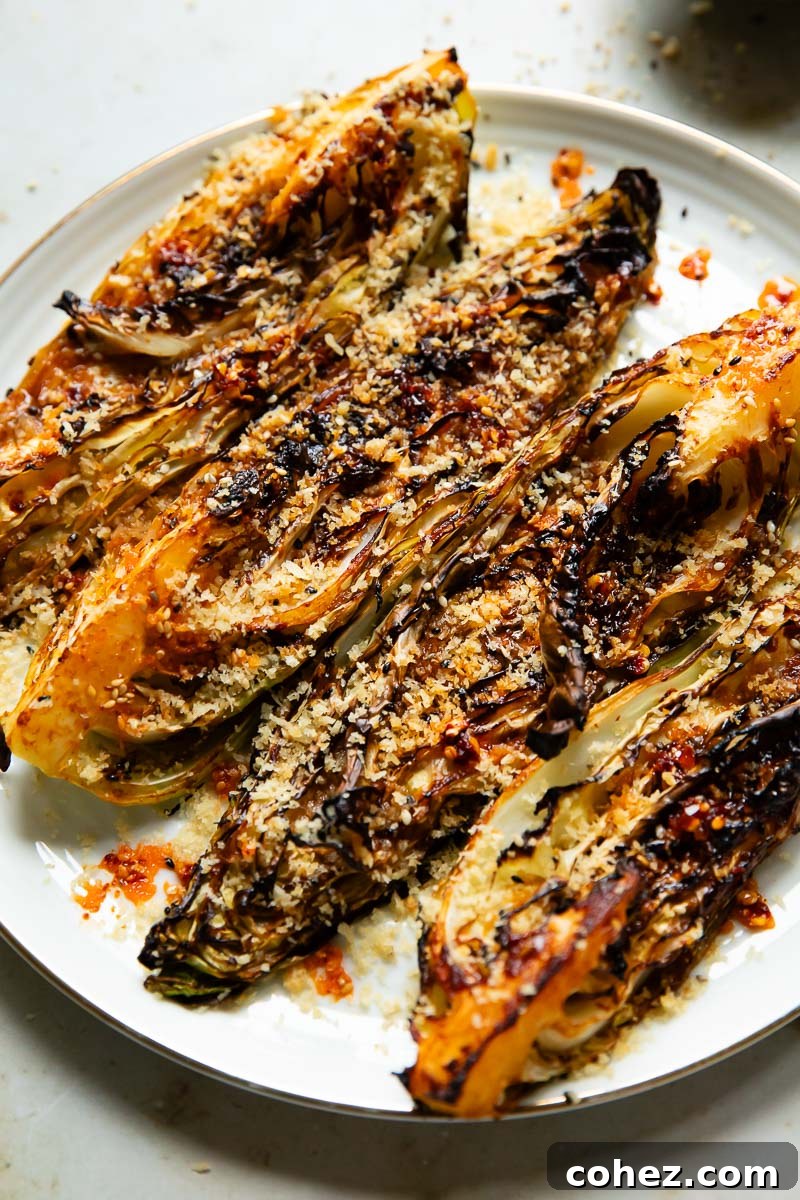
Gochujang Roasted Cabbage with Crunchy Breadcrumb Topping: An Unexpected Flavor Journey
Discover an extraordinary vegetable side dish that unites two often underestimated ingredients: vibrant gochujang paste and humble cabbage. This easy-to-make recipe transforms simple cabbage quarters into a symphony of flavors, with hints of smoky chili spice elegantly blended with butter, drenching sweet, tender, oven-roasted cabbage. Finished with an irresistible crunchy breadcrumb topping, this dish is perfect alongside rich red meat main courses or hearty vegetarian options like mushroom or legume stews. Prepare to elevate your weeknight meals with this uniquely flavorful and texture-rich creation.
Unlock the Flavor Potential of Gochujang
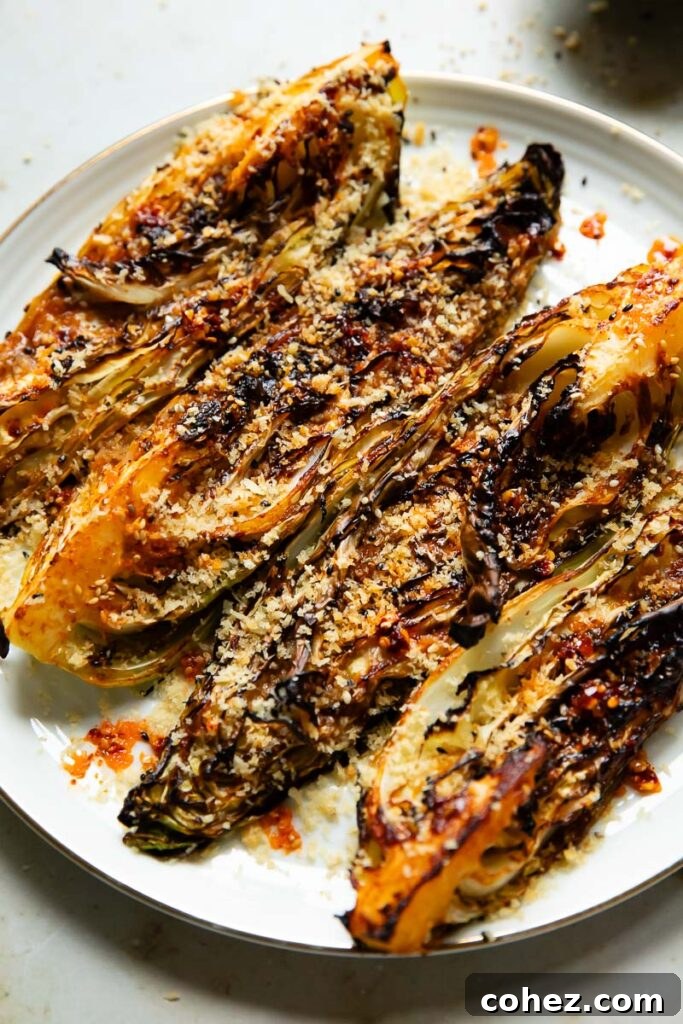
If you’ve recently purchased a jar of gochujang, don’t let this versatile Korean chili paste languish forgotten in the back of your refrigerator! Gochujang is a foundational ingredient in Korean cuisine, prized for its complex flavor profile that delivers a harmonious blend of savory, sweet, and spicy notes, along with a distinctive umami depth. It’s much more than just a heat source; its fermented qualities add incredible richness to any dish it graces. While it’s fantastic in recipes like these gochujang short ribs, offering a slow-cooked, fall-off-the-bone experience with an Asian flair, its application extends far beyond traditional Korean fare.
This paste, typically made from gochutgaru (Korean chili powder), glutinous rice, fermented soybeans, malt barley powder, and salt, can truly transform everyday ingredients into culinary masterpieces. Its vibrant red hue promises a kick, but the heat is often balanced by a subtle sweetness, making it accessible to a wide range of palates. Incorporating gochujang into simple vegetable preparations, like this roasted cabbage, is an excellent way to explore its dynamic character and add an exciting twist to your meals. Don’t be shy; a little goes a long way in imparting a profound layer of flavor.
The Underrated Charm of Roasted Cabbage Wedges
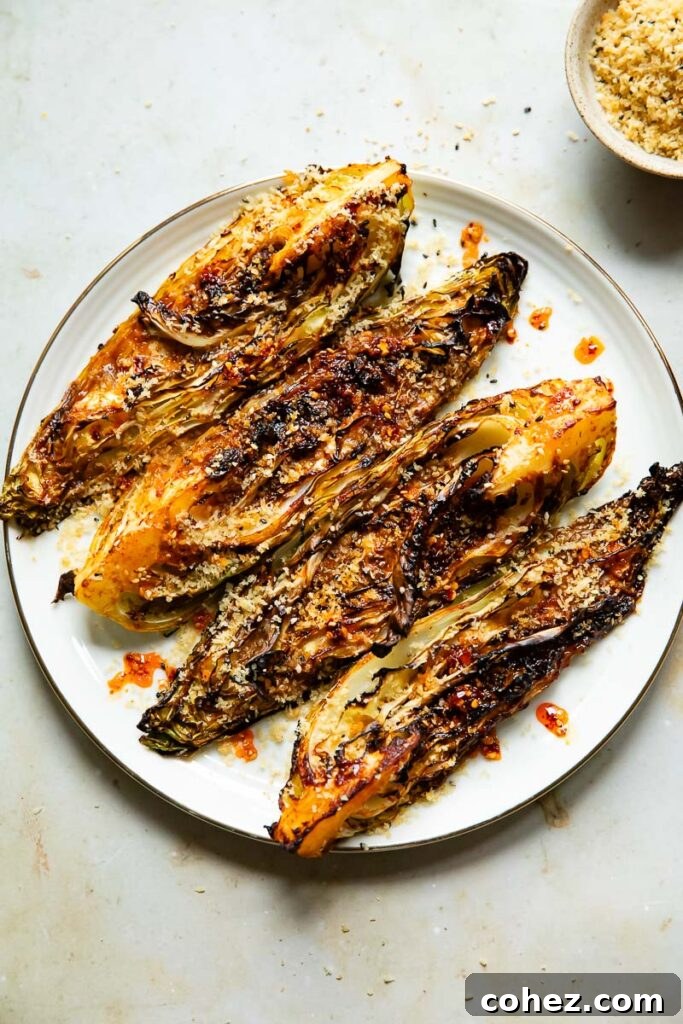
Cabbage, often unfairly overlooked due to its humble reputation and affordability, is a truly nutrient-rich and versatile vegetable. While it’s a staple in many cuisines globally—from authentic cabbage rolls to vibrant slaws—it truly shines when given the star treatment, especially through roasting. Forget bland, boiled cabbage; roasted cabbage is an entirely different experience altogether.
The roasting process works wonders, transforming the firm texture and sometimes sharp flavor of raw cabbage into something remarkably tender, sweet, and nutty. The high heat of the oven caramelizes the natural sugars within the leaves, creating a depth of flavor that boiling simply cannot achieve. The inner leaves soften to a silky texture, while the outer layers become gently singed and delightfully crispy, offering a pleasing textural contrast with every bite. This method not only enhances its taste but also locks in its nutritional value, making it an incredibly healthy and satisfying addition to your diet.
Choosing the Best Cabbage for Roasting
For optimal results when roasting, a “sweetheart” cabbage (also known as pointed or Hispi cabbage in the UK, or conical cabbage in other regions) is highly recommended. Its distinct conical shape and compact size make it ideal for cutting into perfect, individual wedges. Sweetheart cabbage is known for its delicate, smooth, and buttery flavor, which complements the robust gochujang sauce beautifully. Beyond this particular recipe, it’s also mouthwatering when prepared with a miso butter glaze, proving its versatility.
If a sweetheart cabbage isn’t available, a round savoy cabbage makes for an excellent substitute. Savoy cabbage is equally sweet but brings a subtle earthy and peppery undertone, adding another layer of complexity. Since savoy cabbages are generally much larger and have more ruffled leaves than the sweetheart variety, they are best sliced into circular “steaks” rather than wedges to ensure even cooking. Regardless of the type you choose, roasting unlocks a potential in cabbage that few other cooking methods can.
Essential Tips for Perfect Gochujang Roasted Cabbage
- **Select the Right Cabbage:** While any cabbage can be roasted, a small sweetheart (Hispi or pointed) variety is ideal. Its inherent sweetness and manageable size yield perfect, individual servings when quartered. If you opt for a larger, denser cabbage like Savoy, slice it into thinner, circular “steaks” to ensure it cooks through evenly.
- **Monitor Roasting Time:** The cooking duration can vary significantly based on the density of your cabbage. A more tightly packed cabbage might require up to 35 minutes in the oven, whereas a looser one could be done in 20-25 minutes. Keep an eye on it to achieve that perfect balance of tender interior and crisp exterior.
- **Embrace the Char:** Don’t be alarmed if the outer leaves develop a slight char or crispiness. This is a desirable outcome, adding a pleasant smoky flavor and an inviting caramelized note to the dish. These crispy edges contribute significantly to the overall texture and taste.
- **Don’t Skip the Breadcrumbs:** Although the gochujang roasted cabbage is delicious on its own, the crunchy breadcrumb topping is highly recommended. It provides an essential textural contrast – a buttery, toasted crunch that elevates the entire dish. This simple addition turns a great side into an unforgettable one.
- **Even Coating:** Ensure each cabbage wedge is thoroughly coated with the gochujang butter mixture. This allows the flavors to deeply penetrate the cabbage and promotes even caramelization during roasting.
Serving Suggestions for Your Umami Cabbage Wedges
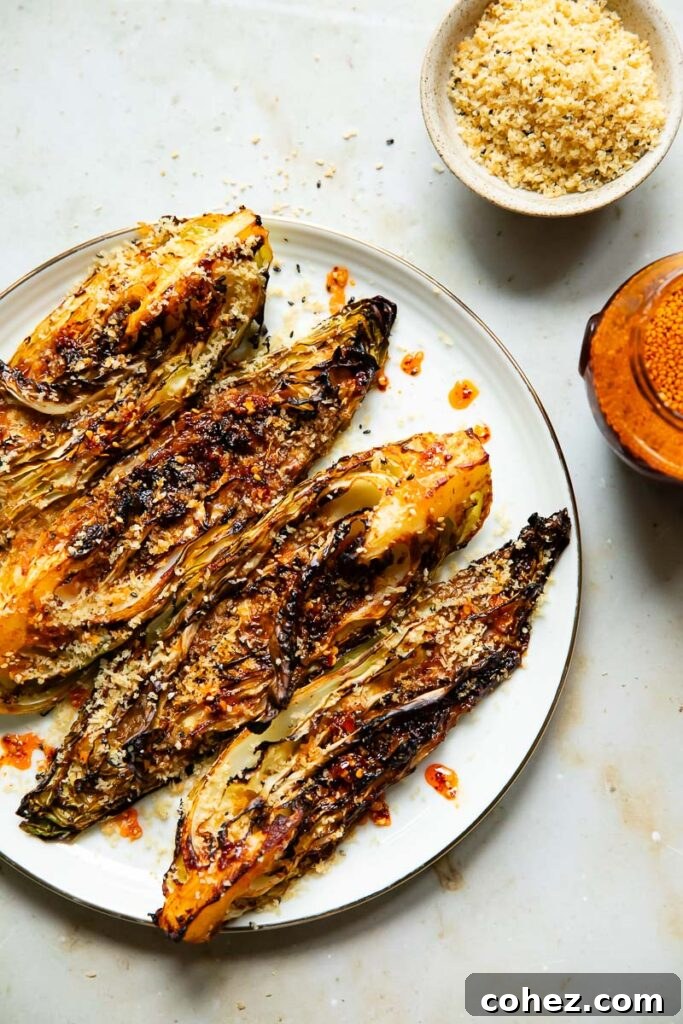
While this is undeniably an Asian-inspired cabbage recipe, thanks to the gochujang, you shouldn’t feel restricted by culinary or cultural boundaries. These savory, umami-rich cabbage wedges are incredibly versatile and can be served whenever the craving strikes! The gochujang flavor profile, with its deep savory and slightly spicy notes, pairs exceptionally well with a variety of dishes, particularly rich red meats.
Imagine serving it alongside a fancy filet mignon with mushroom Marsala sauce for an upscale dinner, or to add an exciting kick to a comforting, humble classic meatloaf. Its robust flavor can stand up to and complement hearty dishes without being overpowering.
Furthermore, because gochujang has a fermented bean base, this dish is naturally plant-based diet friendly. It truly shines when paired with earthy mushrooms, making it an excellent accompaniment to a rich vegetarian mushroom Bolognese or a decadent mushroom Wellington. The umami from the gochujang and the mushrooms creates a depth of flavor that is incredibly satisfying.
If you prefer to maintain a more cohesive Asian theme, these cabbage wedges are a fantastic addition to a meal featuring beef yakisoba or a flavorful hoisin glazed crispy tofu. The subtle smokiness and chili spice of the cabbage will harmonize beautifully with other Asian-inspired flavors, creating a well-rounded and exciting meal experience. Don’t hesitate to experiment; this dish is a delicious bridge between different culinary traditions.
Storage and Enjoying Leftovers
The magic of this gochujang roasted cabbage lies in the delightful contrast of textures: the crispiness of the charred outer leaves and the fresh crunch of the Panko breadcrumb topping. For this reason, it is always best enjoyed immediately, straight from the oven, when it’s at its peak deliciousness. The warm, tender interior combined with the crispy exterior is truly tantalizing.
That being said, if you happen to have any leftovers, they can be stored quite well. Simply transfer the cooled cabbage wedges to an airtight container and refrigerate for 3 to 4 days. While the crispy elements might soften slightly upon storage, the flavors will meld beautifully, often tasting even richer the next day.
To reheat, you can gently warm the cabbage in a microwave, but for the best texture, place it on a baking sheet in a preheated oven (around 350°F / 175°C) for 10-15 minutes until heated through. This method will help revive some of the crispiness, especially if you add a fresh sprinkle of breadcrumbs at the end. For those feeling adventurous, shredded leftover gochujang cabbage can be incorporated into a spicy bubble and squeak for a unique and flavorful breakfast dish, or added to fried rice for an extra punch of umami and spice. Don’t let a single delicious bite go to waste!
More Delicious Side Dishes to Try
- Moong Dal Tadka: A flavorful and comforting Indian lentil dish.
- Braised Cabbage and Beets with Bacon: A hearty and earthy side with a smoky twist.
- Brussels Sprouts Gratin with Breadcrumbs: A cheesy and crispy way to enjoy Brussels sprouts.
- Whole Roasted Cauliflower with Romesco Sauce: An impressive and flavorful vegetarian centerpiece.
Gochujang Roasted Cabbage with Crunchy Breadcrumb Topping
Ingredients
- 3 tbsp butter, divided
- 1 tbsp Gochujang paste
- 1 sweetheart (hispi) cabbage, pointed cabbage in US, cut into 4 wedges
- 40g / 1/4 cup Panko breadcrumbs
- 1/4 tsp garlic powder
- 1/2 tsp white sesame seeds
- 1/2 tsp black sesame seeds
- 1 tsp chilli oil, optional
Instructions
-
Preheat the oven to 200C/400F. Cut the cabbage into quarters.
-
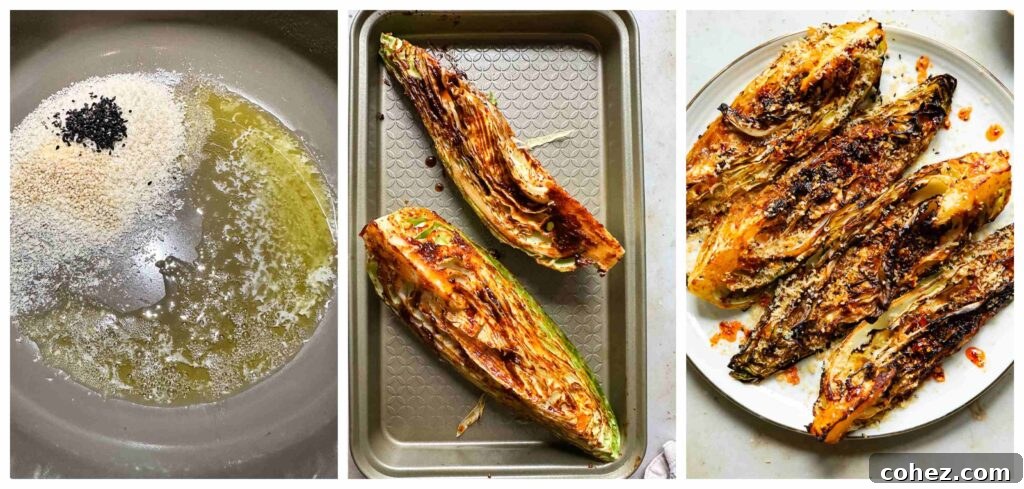
Mix 2 tbsp of the softened butter with the Gochujang paste and brush on the cabbage quarters all over, including the bottom. Place the cabbage wedges on a baking sheet and roast in the preheated oven for 20 minutes until charred on the outside and still slightly crispy. (If your cabbage is more dense, it might take up to 35 minutes)
-
While the cabbage is roasting, make the breadcrumbs. Melt the remaining tablespoon of butter in a pan, then add the breadcrumbs, the garlic powder, black and white sesame seeds. Toast while stirring continuously to avoid burning until golden, then remove from the pan immediately. This should take a couple of minutes.
-
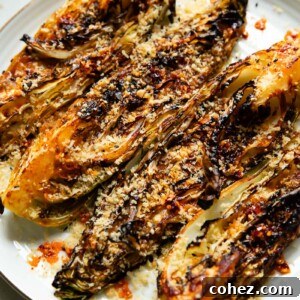
Sprinkle the cabbage with the breadcrumbs and chilli oil before serving.
Notes
- I recommend using a small cabbage such as a sweetheart variety for any cabbage wedge recipe. They are sweet tasting and quarter into the perfect individual serving.
- If you can’t find a sweetheart, a round savoy will do. In this case, slice the cabbage into circular steaks instead of wedges. Cut them slim enough to cook through.
- The time in the oven will vary depending on how loose or tight the leaves are lying. A tighter packed cabbage might take up to 35 minutes roasting time.
- Breadcrumbs are not essential to the recipe but do add a toasted, buttery crunch.
Nutrition
Carbohydrates: 4g |
Protein: 1g |
Fat: 10g |
Saturated Fat: 6g |
Polyunsaturated Fat: 1g |
Monounsaturated Fat: 3g |
Trans Fat: 0.3g |
Cholesterol: 23mg |
Sodium: 96mg |
Potassium: 30mg |
Fiber: 0.3g |
Sugar: 1g |
Vitamin A: 271IU |
Vitamin C: 1mg |
Calcium: 15mg |
Iron: 0.3mg
Nutrition information is automatically calculated, so should only be used as an approximation.