
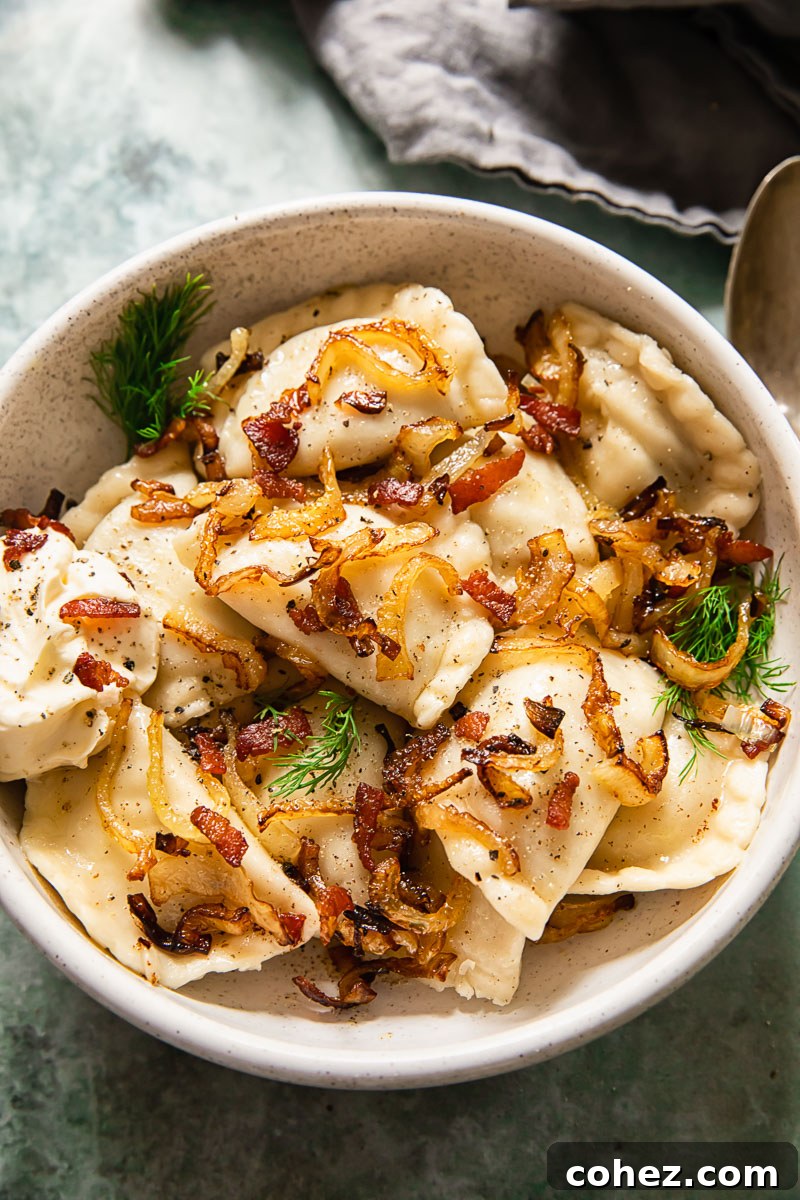
Discover the heartwarming world of Vareniki, classic Ukrainian dumplings that are a true embodiment of comfort food. Often likened to their Polish cousins, pierogi, these tender pockets of joy are traditionally filled with a delightful medley of ingredients. In this cherished recipe, we celebrate the rich flavors of creamy potato, sweet caramelized onion, and savory bacon, creating an irresistible culinary experience.
The culinary landscape of Eastern Europe boasts an incredible array of dumplings, each with its unique charm and history. Beyond vareniki, you might explore the rich flavors of Russian meat dumplings like Pelmeni, or venture into other regional specialties. This article focuses on vareniki, an essential part of Ukrainian heritage, offering a detailed guide to crafting these delectable treats in your own kitchen.
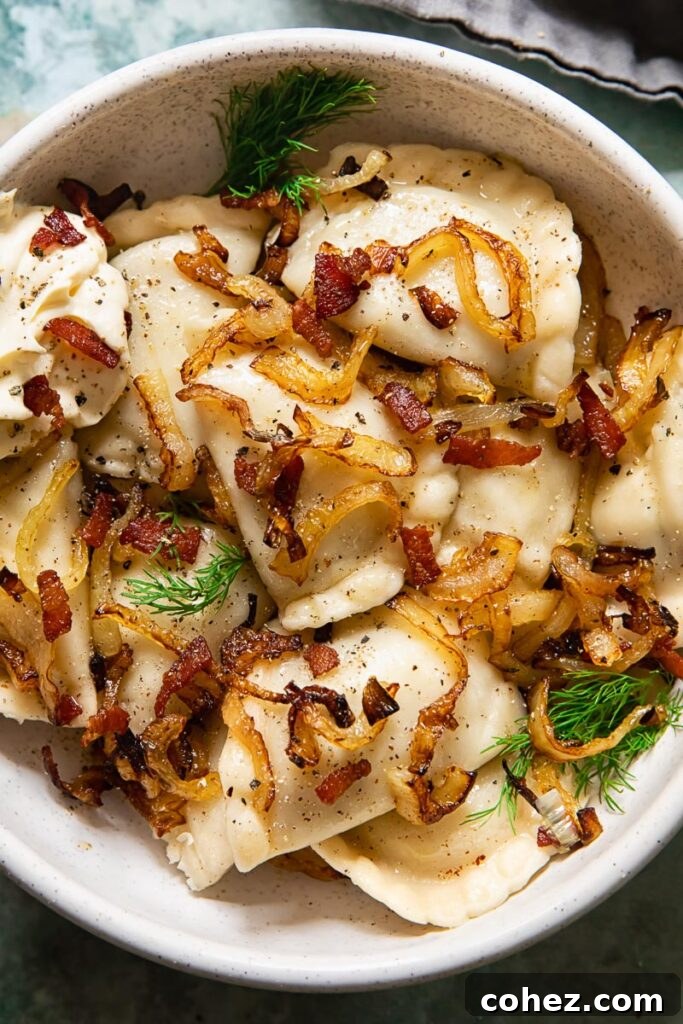
Allow me to formally introduce you to Vareniki, the beloved Ukrainian dumplings that have captured hearts for generations. While many might recognize them as “pierogi,” especially in North America, Vareniki are distinctly Ukrainian. They share a common ancestry and many similarities with Polish pierogi, leading to frequent comparisons. But what truly sets them apart? While the names differ across borders, the core concept of a dough pocket filled with deliciousness remains universally appealing.
The distinction between Vareniki and pierogi often lies more in regional culinary traditions and the specific fillings favored by families and cooks, rather than a rigid set of rules. For instance, the fillings can vary wildly from savory potatoes to sweet fruits, making a definitive general difference difficult to pinpoint. My personal journey with these delightful dumplings began unexpectedly when I moved to the United States for college. It was there, through my Canadian husband, that I first encountered “pierogi” as a popular comfort food. What struck me as particularly interesting was that in Russian cuisine, “pirogi” (note the different spelling) refers to a completely different type of dish – baked, often savory, filled pastries, more akin to stuffed buns.
This linguistic and culinary crossover can certainly be confusing for the uninitiated! However, the ultimate truth is that regardless of their name or origin, these stuffed dumplings are always a culinary delight. They embody the very essence of comfort food, bringing warmth and satisfaction with every bite. The act of making and sharing them is a cherished tradition, a testament to their enduring appeal across cultures.
The Versatile World of Vareniki Fillings
One of the most exciting aspects of making vareniki is the endless creativity allowed in their fillings. Across different regions of Ukraine and within individual families, you’ll find a myriad of approaches to what goes inside these delicious dough pockets. For this particular recipe, we focus on a classic and incredibly satisfying savory combination: creamy mashed potatoes, deeply flavorful caramelized onions, and crispy fried bacon. Enhanced with a generous knob of butter, along with salt and pepper, this filling is rich, comforting, and utterly delicious.
For those seeking a vegetarian option, a simple yet effective modification is to substitute the bacon with sautéed mushrooms, or to omit meat entirely, creating delightful potato and caramelized onion pierogi. To add a vibrant, tangy note that cuts through the richness, consider incorporating sauerkraut into your potato mixture. This adds an authentic Eastern European flair that many adore. But these suggestions are merely the starting point; the filling is truly where your imagination can soar!
Whether you choose a traditional savory filling or embark on a new flavor adventure, always remember a crucial tip: season your potatoes generously! Bland potatoes will result in bland vareniki, so be bold with your salt and pepper, and don’t hesitate to add herbs or spices that complement your chosen ingredients. The filling is the heart of the vareniki, so ensure it sings with flavor.
Beyond savory options, vareniki can also be transformed into a wonderful sweet treat. Imagine a delicate dough wrapped around farmers’ cheese or cottage cheese, sweetened and bursting with fresh blueberries, cherries, or plums. These fruit-filled vareniki are particularly popular in the summer months when berries are at their peak sweetness and ripeness, turning them into a light and refreshing dessert. This versatility is what makes vareniki a staple in Eastern European households, suitable for any meal or occasion.
The Unmatched Joy of Homemade Vareniki
There’s a significant difference between store-bought, frozen dumplings and those made from scratch. While frozen options offer convenience, they simply cannot compare to the unparalleled taste and texture of homemade vareniki. The magic truly begins with the dough.
Commercially produced frozen dumplings often require a thicker, more robust dough to withstand processing and freezing, which unfortunately compromises its delicate quality. Homemade dough, on the other hand, can be rolled much thinner, resulting in a softer, more pliable, and ultimately more delicious outer layer that perfectly complements the filling. This thinness allows the flavors of the filling to truly shine through, without being overwhelmed by a dense casing.
Furthermore, making vareniki at home gives you complete control over the quality and quantity of the fillings. Store-bought versions can sometimes be disappointingly sparse in their premium ingredients, often overstuffed with plain potato and lacking the vibrant flavors that make vareniki so special. With homemade vareniki, you can ensure a generous and perfectly seasoned filling every single time, tailored exactly to your preference.
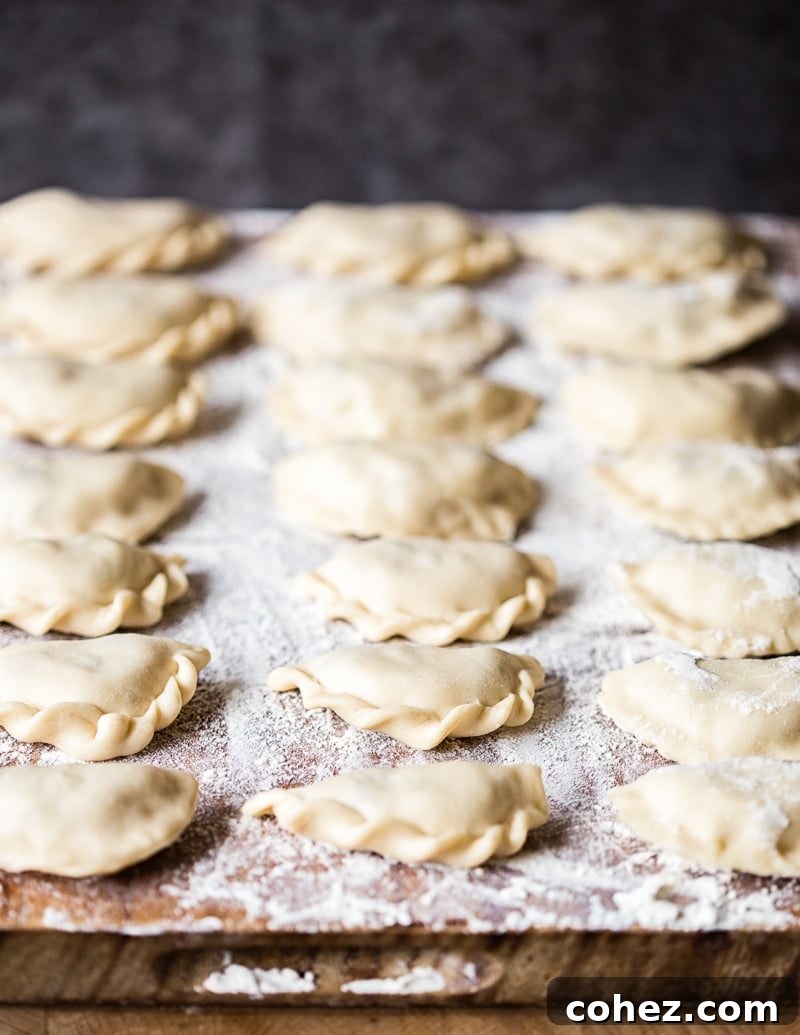
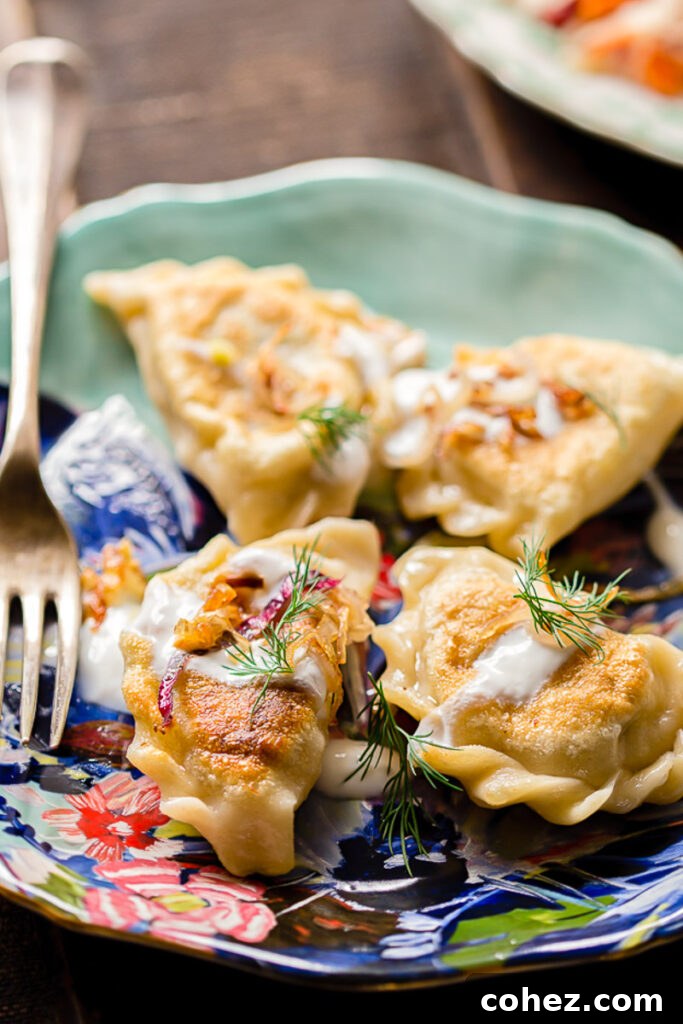
It goes without saying that homemade vareniki are absolutely fantastic. Traditionally, they are served pan-fried in butter until golden, often adorned with crispy onions and a dollop of cooling sour cream. While undeniably indulgent, the effort is well worth it. These are not exactly diet food, but for a special treat made perhaps once every few years, it’s an occasion to savor every single bite without holding back! I also find that a side of homemade sauerkraut, with its pleasant acidity, wonderfully balances the richness of the vareniki. If you’re inspired to make your own, my sauerkraut recipe is easy to follow and highly recommended!
Economical and Abundant: The Affordability of Vareniki
Beyond their incredible taste, one of the most appealing aspects of vareniki is how surprisingly economical they are to make. These delightful dumplings utilize simple, inexpensive ingredients that stretch to feed a crowd. It’s a testament to traditional peasant cooking, where ingenuity and basic staples create hearty, satisfying meals. This makes them a perfect choice for family dinners, gatherings, or simply stocking your freezer with wholesome food.
A little truly goes a long way with vareniki, as they are incredibly filling. Consider this: a modest amount of flour – just 3 cups or 360g – combined with 5 potatoes, can yield an impressive batch of approximately 65 vareniki! This generous quantity is more than enough to satisfy 8 hungry people, making it an ideal dish for entertaining or ensuring you have plenty of leftovers for future meals. The cost-effectiveness of vareniki makes them not only a delicious choice but also a smart one for any budget-conscious cook.
Don’t be intimidated by the idea of making dumplings from scratch; the process is incredibly rewarding and simpler than you might think! If you’re new to dumpling making, I’ve shared extensive tips and detailed photos on the process when I prepared my Meat Dumplings Pelmeni. That recipe provides a fantastic foundation and visual guide to the general techniques involved in crafting perfect dough pockets. Feel free to explore it for additional insights and confidence before diving into your vareniki adventure.
For a visual step-by-step guide, you can also watch this helpful video to learn how to make them:
Expert Recipe Tips and Notes
- Seasoning is Key: Ensure your potatoes are well-salted during preparation, and always cook your vareniki in a large pot of generously salted water. This is crucial to prevent the dumplings from tasting bland.
- Vegetarian Adaptation: For a delicious vegetarian option, simply swap the bacon in the filling for an equal amount of sautéed mushrooms. The earthy flavor of mushrooms pairs beautifully with potato and caramelized onion.
- Sealing Made Simple: You don’t need intricate crimping to make perfectly sealed vareniki. Just fold the dough over your filling to form a half-moon shape and pinch the edges firmly with your fingertips. For a more decorative, ruffled edge, go over the pinched seam a second time, gently twisting with your fingers and thumb.
- Creative Pairings: Vareniki are incredibly versatile. Serve them alongside one of these vibrant Russian salads for a balanced meal, or for a heartier dish, pan-fry them with sliced sausages to create a delicious Pierogi and Kielbasa inspired meal.
Elevate Your Vareniki: Perfect Serving Suggestions
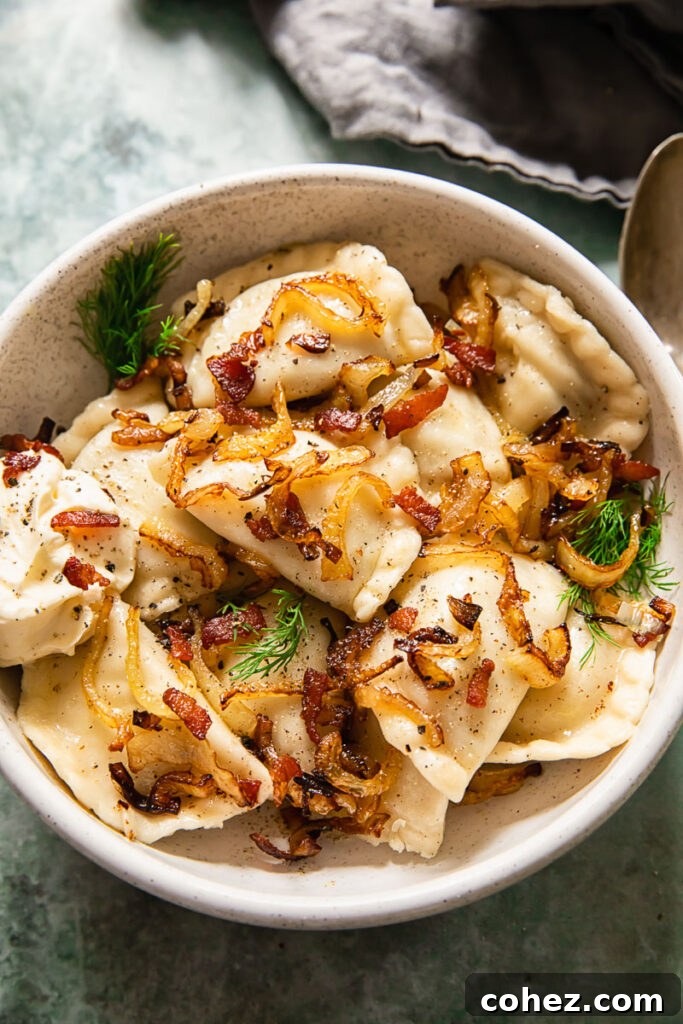
Serving vareniki is an art form in itself, with traditional accompaniments designed to enhance their rich, comforting flavors. A generous sprinkling of fresh dill adds a burst of herbaceous freshness, while a dollop of cooling sour cream provides a creamy, tangy contrast that perfectly complements the savory filling. Golden, crispy fried onions or shallots are a must for adding textural contrast and an extra layer of sweetness. Finally, a dash of freshly ground black pepper can elevate the overall taste profile, bringing a subtle warmth to each bite.
Due to their substantial nature and incredible richness, vareniki are best served as a hearty main course rather than a side dish. You’ll be pleasantly surprised by how quickly these flavorful dumplings can fill you up, making them a satisfying meal on their own. Consider pairing them with a light, crisp salad or a tangy side of sauerkraut to balance the meal and refresh the palate.
Storage and Leftovers: Enjoying Vareniki Anytime
One of the many reasons vareniki have remained a beloved staple in Eastern European cuisine is their exceptional storability. I vividly recall community gatherings where families would come together, often dedicating entire days to making vast quantities of vareniki in bulk. These batches were then carefully stored, ensuring a ready supply of this comforting dish for the colder months ahead. This tradition highlights their enduring popularity and practicality.
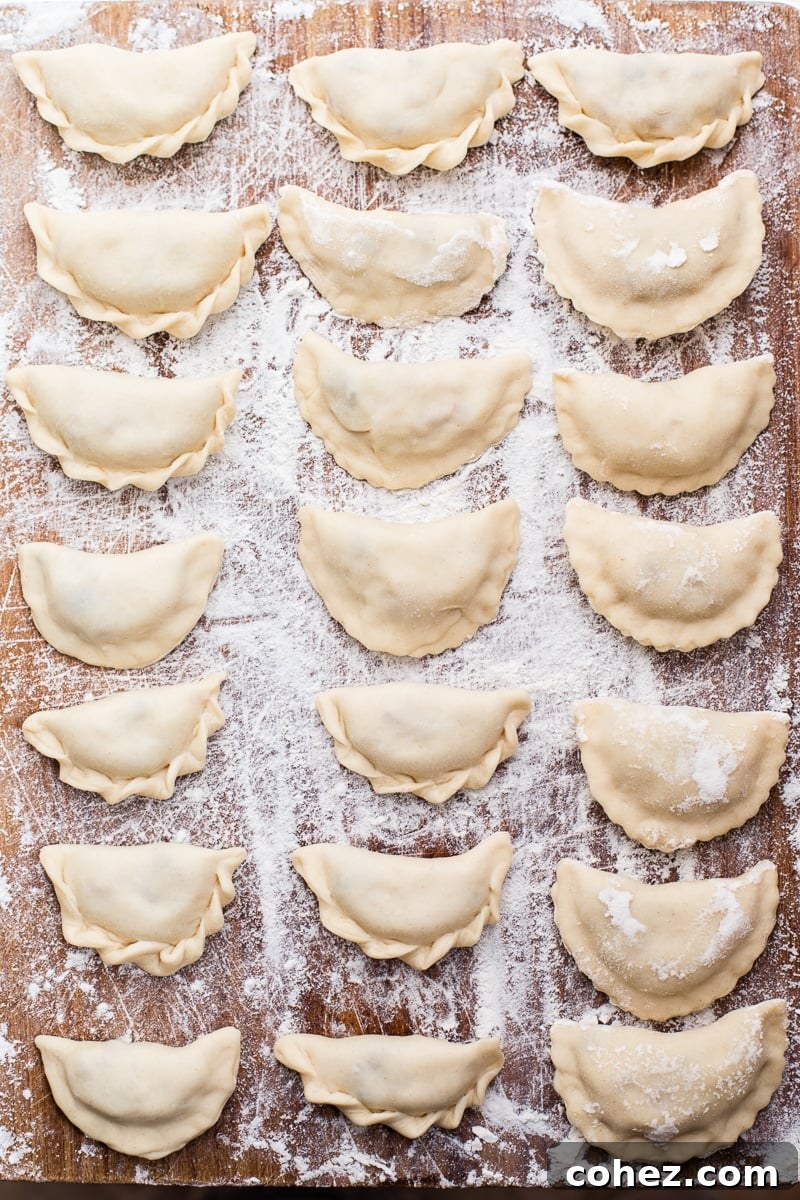
Vareniki can be stored in the freezer for up to 3 months, offering incredible convenience. The key to successful freezing is to arrange them in a single layer on a baking sheet until they are solid. Once frozen, you can transfer them to a sealed container or freezer bag, ensuring they don’t stick together. Alternatively, a light dusting of flour before freezing can also prevent them from clumping. It is crucial to freeze vareniki before they are cooked for best results.
When you’re ready to enjoy them, frozen vareniki can be cooked directly from the freezer. The cooking method remains the same as for fresh vareniki – simply boil them in salted water – though they will require a slightly longer boiling time to ensure they are thoroughly heated through. This makes them an ideal make-ahead meal for busy weeknights or unexpected guests.
For shorter-term storage, cooked vareniki can be kept in the refrigerator for up to 5 days. Ensure they are placed in an airtight container to maintain their freshness and prevent them from drying out. Whether fresh, frozen, or as leftovers, vareniki remain a delicious and versatile dish ready to bring warmth to your table.
Explore More Classic Eastern European Recipes:
- Beef Stroganoff
- Borscht
- Russian Blini
- Sweet and Sour Beef Stew (Solyanka)
Potato, Bacon and Caramelised Onion Dumplings (Vareniki)

Craving more delicious recipes? Sign up for our newsletter to get new recipes delivered to your inbox every week!
Ingredients
For the Dough
- 3⅓ cups / 400g all-purpose flour
- 1 tsp salt
- 1 large egg
- 1 cup / 250ml cold water
For the Filling
- 5 medium potatoes
- 2 tbsp unsalted butter
- 5 strips bacon, approximately 100g
- 1 large onion, finely chopped
- Salt and freshly ground black pepper to taste
Instructions
-
Begin by peeling your potatoes and boiling them in a large pot of generously salted water until they are fork-tender. While the potatoes are cooking, proceed with preparing the dough.
-
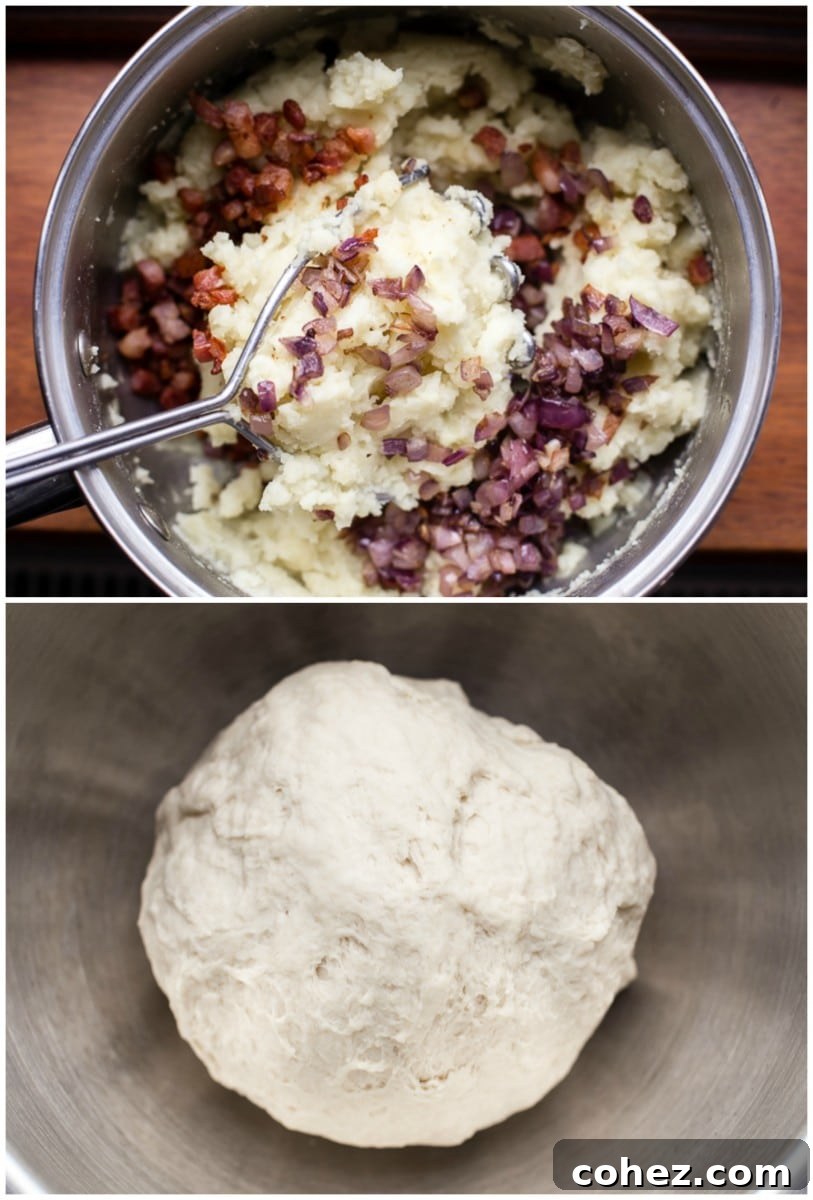
In a food processor, combine the flour and salt, pulsing briefly to mix. With the motor running, gradually add the large egg through the feed tube, followed by the cold water. Continue processing for about one minute until a cohesive dough forms around the blade. Transfer the dough to a bowl, cover it with a clean tea towel, and allow it to rest for at least 30 minutes. This resting period helps develop the gluten, making the dough more pliable.
-
While the dough is resting, prepare your delicious filling. Fry the bacon strips until they are crispy, then remove them from the pan and chop them into small pieces. Keep the rendered bacon fat in the pan. Add the chopped onion to the pan with the bacon fat and cook over very low heat for approximately 20 minutes, stirring occasionally, until the onions are beautifully caramelized and sweet. Once the potatoes are cooked, mash them thoroughly. Incorporate the butter, chopped crispy bacon, and caramelized onions into the mashed potatoes. Mix everything well, then season generously with salt and pepper to taste, ensuring the filling is full of flavor.
-
Divide the rested dough into four equal portions and gently form each into a ball. Take one dough ball and roll it out on a lightly floured surface into a thin sheet, aiming for about 1/16 inch (1.5 mm) in thickness. Keep the remaining dough covered with a tea towel to prevent it from drying out.
-
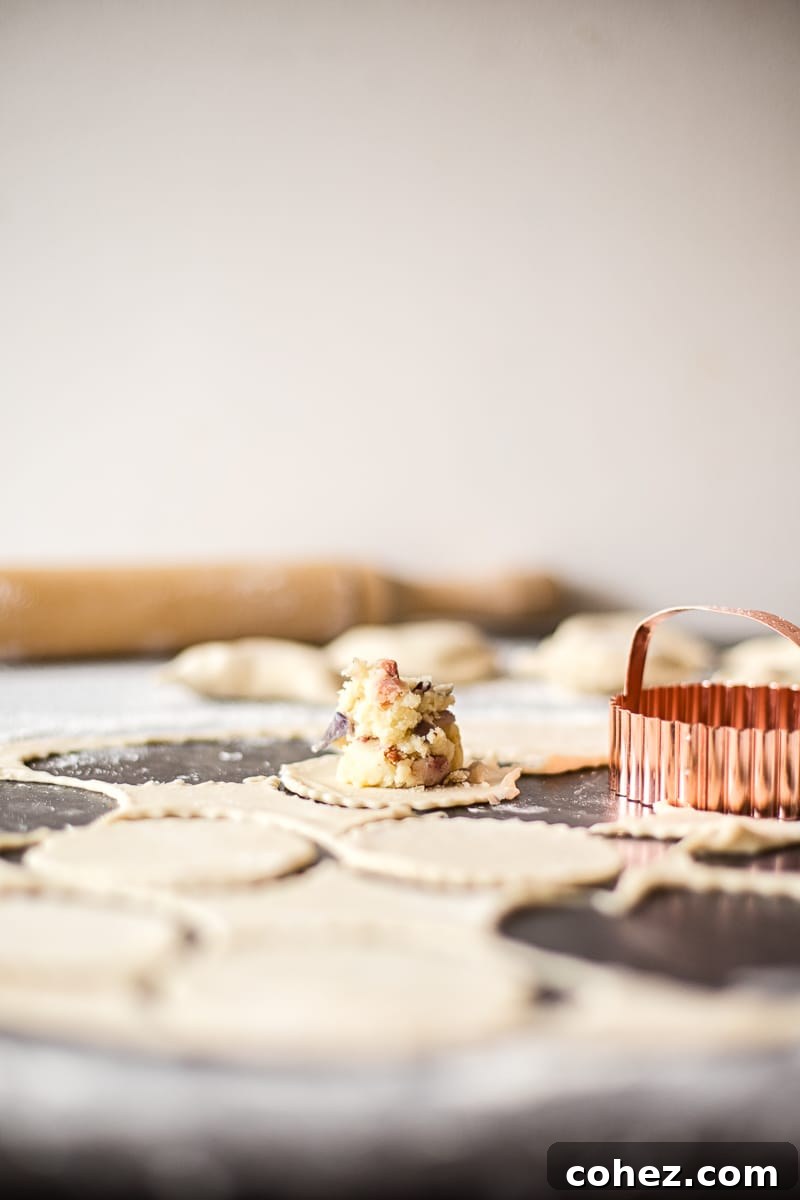
Using a 2 to 3-inch (5 to 7.5 cm) cookie or scone cutter, cut out circles from the rolled dough. Place about a teaspoon of the potato filling slightly off-center on each dough circle. Fold the dough over the filling to create a half-moon shape. Firmly pinch the edges together with your fingertips to seal them securely. For a more decorative finish, you can go over the pinched edge once more, using two fingers and your thumb to gently twist and crimp the edge, creating a lovely ruffled pattern.
-
Continue this process with the remaining dough circles and filling until all ingredients are used. You should yield approximately 65 vareniki from this recipe.
-
Set aside the desired amount of vareniki for immediate dinner. To freeze the rest, arrange them in a single layer on a well-floured baking sheet and freeze until solid. Once frozen, transfer them to an airtight container or freezer bag, ensuring they do not stick together.
-
To cook, bring a large pot of salted water to a rolling boil. Carefully drop the vareniki (fresh or frozen) into the rapidly boiling water, stirring gently to prevent them from sticking to the bottom. Once they float to the surface, allow them to cook for another 2-3 minutes (longer for frozen). Drain them thoroughly. For an even more delicious finish, pan-fry the drained vareniki in butter over medium heat until they are golden brown and slightly crispy on both sides.
-
Serve your freshly cooked vareniki hot, garnished with fresh dill, a generous dollop of sour cream, and crispy fried onions or shallots.
Notes
Nutrition
Nutrition information is automatically calculated, so should only be used as an approximation.
Tried this recipe?Let us know how it was!