
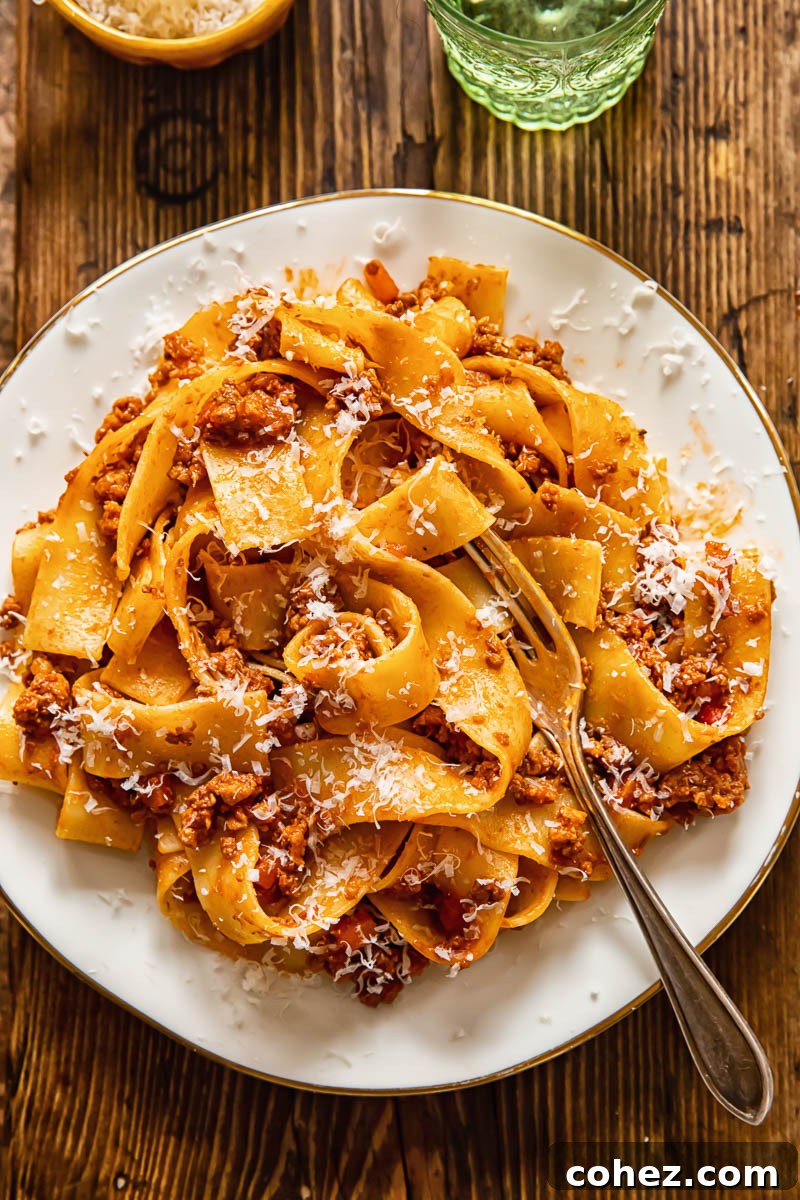
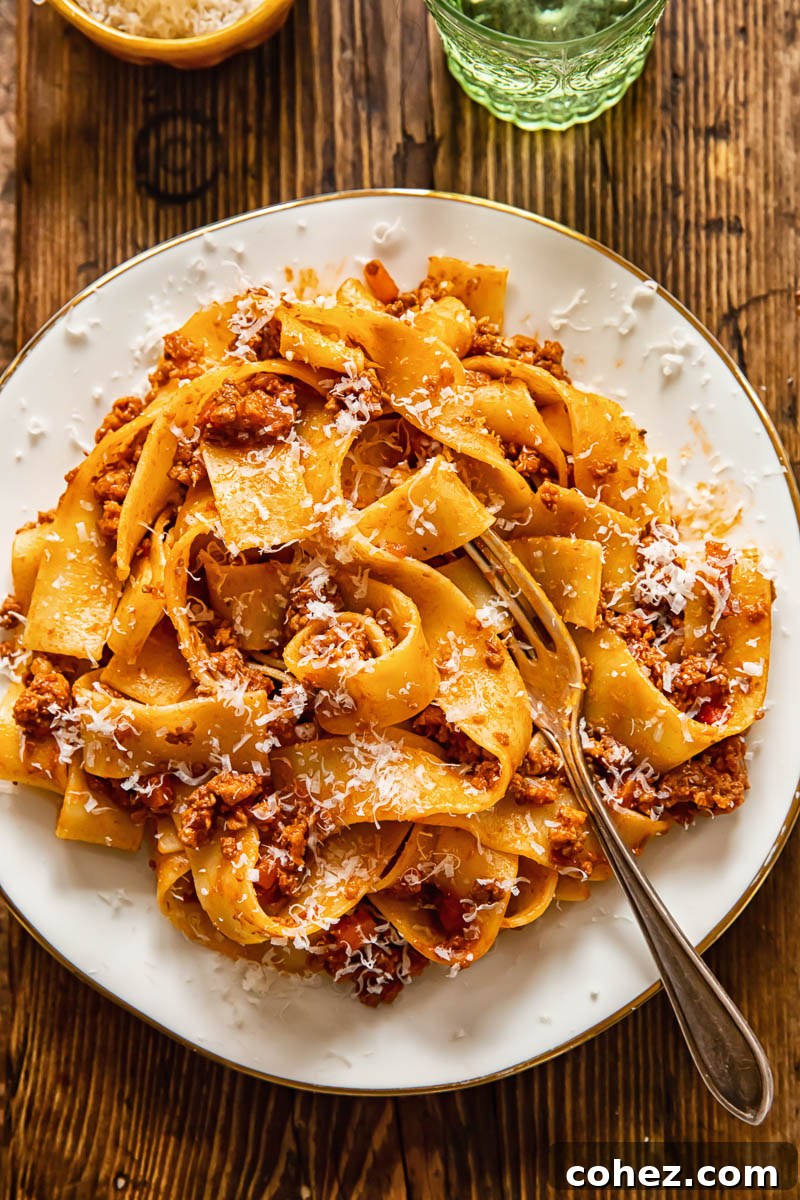
Embark on a culinary journey to the heart of Italy, the Renaissance capital, with this exquisite Tuscan Ragu. Rich in sun-ripened tomatoes, magnificently meaty, and the quintessential partner to hearty pasta, this authentic recipe invites you to create your own culinary masterpiece.
Complement your meal with other regional delights like a refreshing Tuscan Panzanella Salad or delightful Mushroom Crostini.
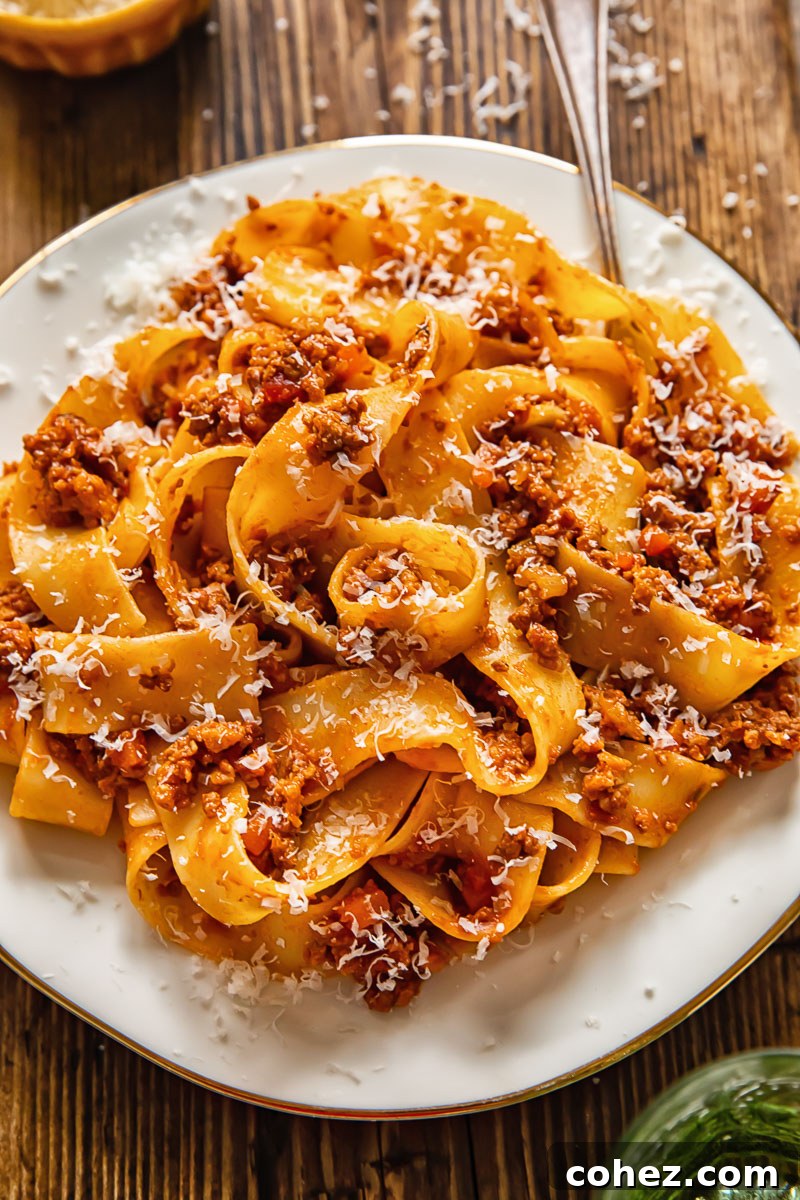
Unveiling the Soul of Tuscany Through Its Ragu
Tuscany, a name that instantly conjures dreamy landscapes of rolling hills, bathed in golden sunshine. It’s a region synonymous with inspiring artistry, profound history, and an unparalleled gastronomic tradition. Imagine cypress-lined avenues leading to vineyards heavy with plump grapes, olive groves glistening under the Mediterranean sun, and platters of artisanal cured meats and cheeses, perfectly paired with local wines and breathtaking views. This isn’t just a place; it’s a fresh produce paradise where every ingredient tells a story.
For those moments when a physical return to Tuscany isn’t possible, this authentic Tuscan Ragu recipe offers a vivid sensory passport. It’s more than just a meal; it’s an experience that transports you straight to the rustic kitchens and vibrant tables of central Italy.
What Exactly is Ragu? A Deep Dive into Italian Meat Sauces
Let’s clarify a common misconception with a simple riddle: Ragu is not Bolognese, yet Bolognese is a type of Ragu. How is this possible? For those familiar with Italian language or, more importantly, Italian cuisine, the answer becomes clear rather quickly, or as Italians say, pronto!
Ragu is a broad Italian term that literally translates to “meat sauce.” It serves as a delicious umbrella term covering a diverse array of slow-cooked meat-based sauces. Bolognese, on the other hand, is a specific type of ragu originating from Bologna, a city in the Emilia-Romagna region. While all Bolognese is ragu, not all ragu is Bolognese! This distinction is crucial, and attempting to order “spaghetti bolognese” in Italy might be met with a confused stare, as the pairing of delicate spaghetti with a heavy meat sauce is far from traditional in Italy.
The type of meat used in ragu can vary dramatically from one Italian region to another, reflecting local culinary traditions and available ingredients. For instance, my Venetian ragu recipe uses tender chicken thighs, a delightful twist on the traditional Venetian version, which often features rich, succulent duck. Each region prides itself on its unique ragu, showcasing the diverse flavors of Italy.
This particular Tuscan ragu sauce recipe artfully blends ground beef and flavorful pork sausage. This combination is not only widely accessible but also a consistent family favorite, offering a deeply satisfying and complex flavor profile. However, for those seeking a more adventurous ragu di carne experience that truly embodies the Tuscan spirit, consider incorporating game meats like rabbit or even wild boar. These robust variations are highly typical of the Tuscan region and offer an authentic taste of its culinary heritage, bringing a distinct wildness to the rich sauce.
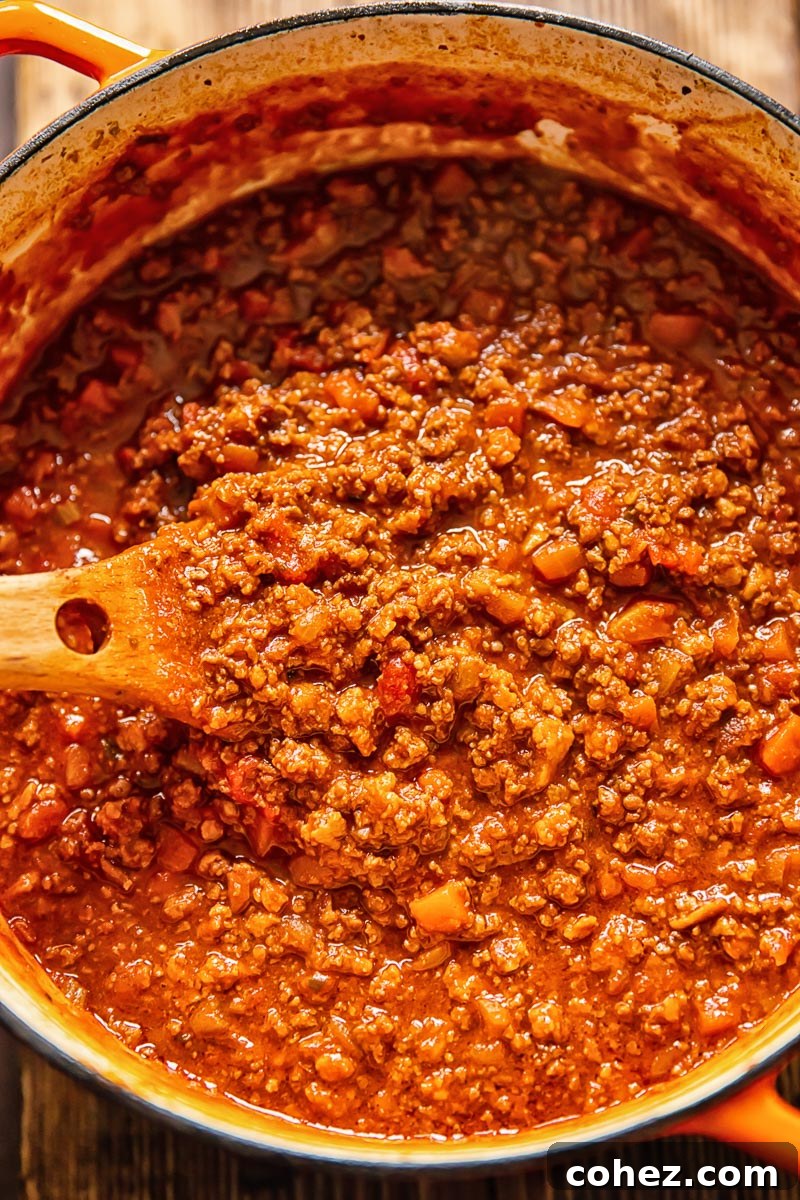
Beyond the choice of meat, two other elements are absolutely fundamental to any authentic ragu: soffritto and an abundance of patience.
Soffritto, meaning “slow fried,” is the invisible trinity at the heart of countless Italian dishes. This aromatic base, comprised of finely diced onion, carrot, and celery, is slowly sautéed in olive oil until incredibly tender and sweet. It forms the flavor foundation for many tomato and meat sauces, hearty stews, or comforting soups like Pasta e Fagioli. It’s also a cunning way to sneak in essential vegetables for even the pickiest eaters, adding depth without an overt vegetable presence.
And then there’s patience. A true ragu simply cannot be rushed. It demands time – a leisurely, gentle simmer that allows the individual flavors of the meat, vegetables, aromatic herbs, and wine to intertwine, meld, and deepen. This slow process is the only path to achieving the profound intensity, nuanced complexity, and velvety texture that define a truly authentic Tuscan ragu. Resist the urge to turn up the heat; good things, especially good ragu, come to those who wait.
Embracing Authentic Tuscan Flavours: Beyond the Plate
Imagine summer days in Tuscany, averaging 11 hours of glorious sunshine. This abundant light and warmth create an agricultural wonderland, nurturing an incredible bounty of produce. Think of glistening, intensely flavored olives, deep garnet-colored sun-dried tomatoes, the distinctive, leafy cavolo nero (Tuscan kale), and vibrant, fragrant basil. And of course, the region is famed for its hearty beans, rich Pecorino cheese, exquisite Chianina steak, and world-renowned wines. Tuscan cuisine is a testament to the freshness and quality of its native ingredients.
Tuscan fare is characterized by its freshness, heartwarming honesty, and robust simplicity. It’s no wonder that countless recipes have been created, passed down through generations, each celebrating the land’s generosity. If your appetite for Tuscan delights is piqued, I encourage you to explore my blog for more inspiration, perhaps starting with a comforting bowl of Tuscan Chickpea Soup.
The Perfect Pasta Pairing: Pici and Pappardelle
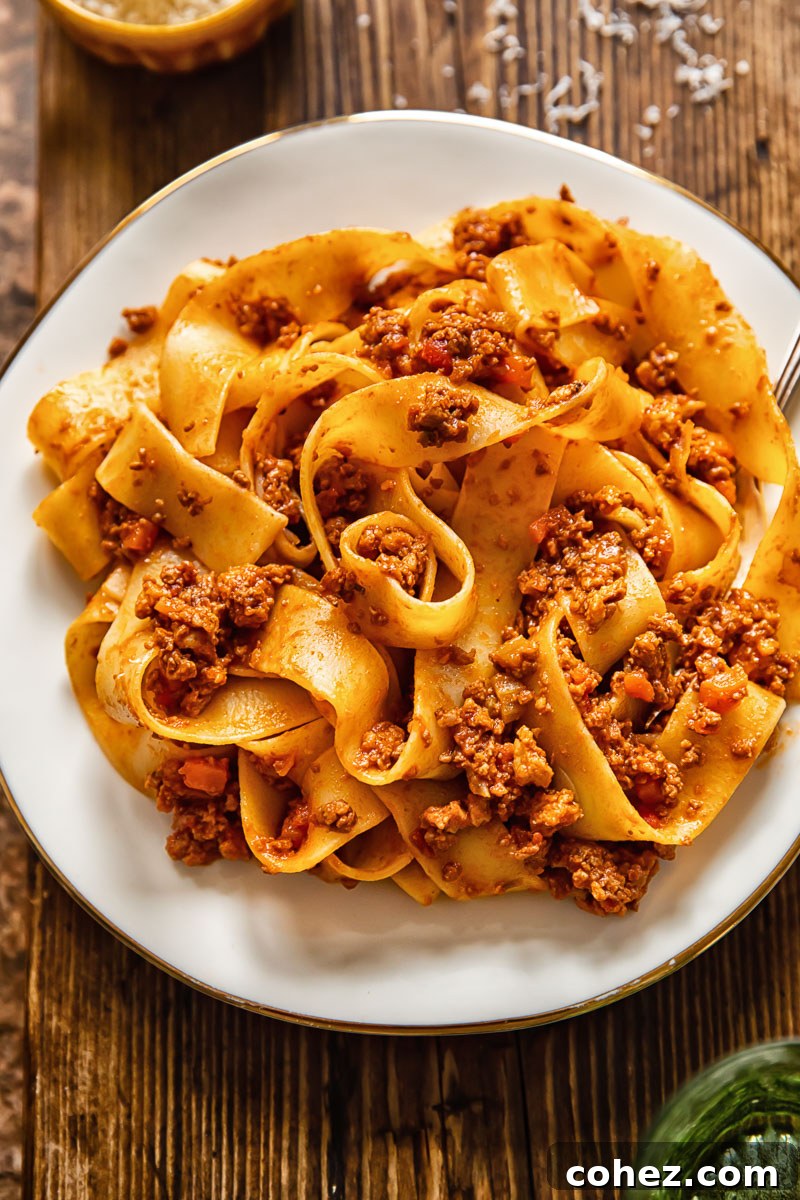
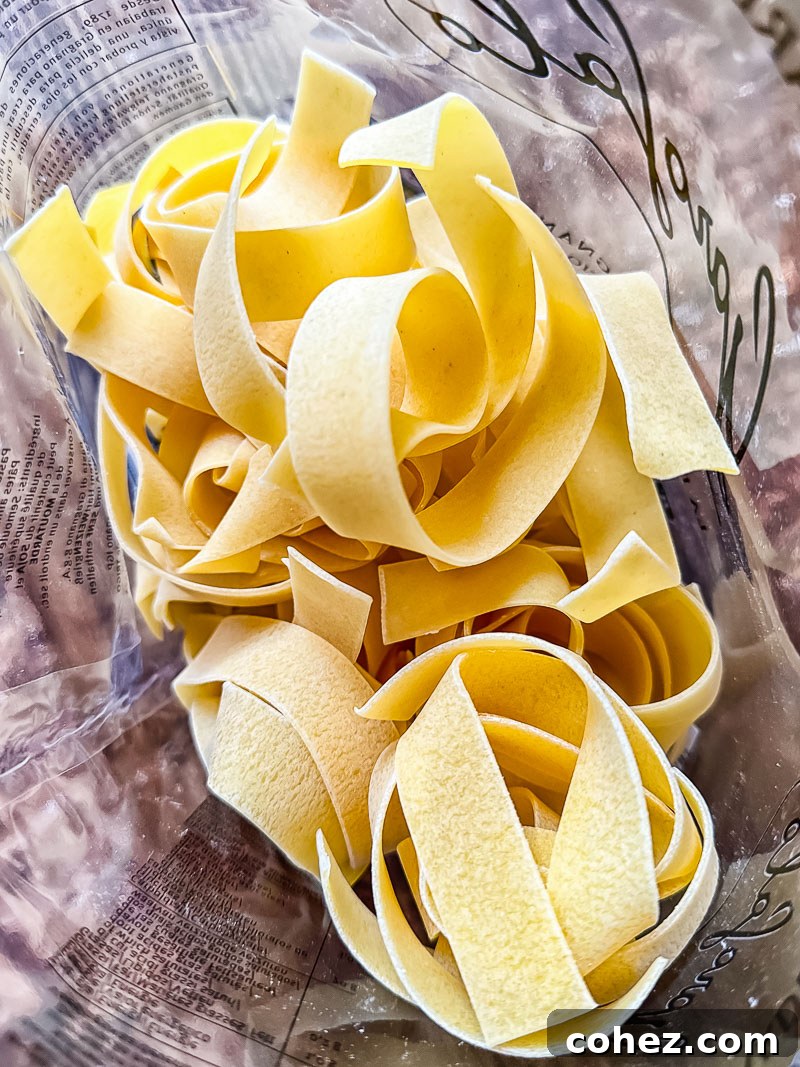
When it comes to pairing pasta with a robust sauce like Tuscan Ragu, the choice of noodle is crucial. The most typical pasta you’ll encounter throughout Tuscany is pici, a thick, hand-rolled pasta that resembles an oversized spaghetti. Its rustic texture and substantial bite make it ideal for clinging to every drop of rich sauce. If you’re fortunate enough to find pici, it is undoubtedly the top choice for serving with this ragu.
However, if pici is elusive, widely available pappardelle makes a magnificent alternative. These broad, flat ribbons are equally adept at capturing and delivering the hearty, meaty sauce to your palate, ensuring a satisfying mouthful with every forkful. Both pici and pappardelle offer the structural integrity needed to stand up to the boldness of a Tuscan ragu, ensuring a harmonious and truly authentic dining experience.
Expert Tips for Crafting the Perfect Tuscan Ragu
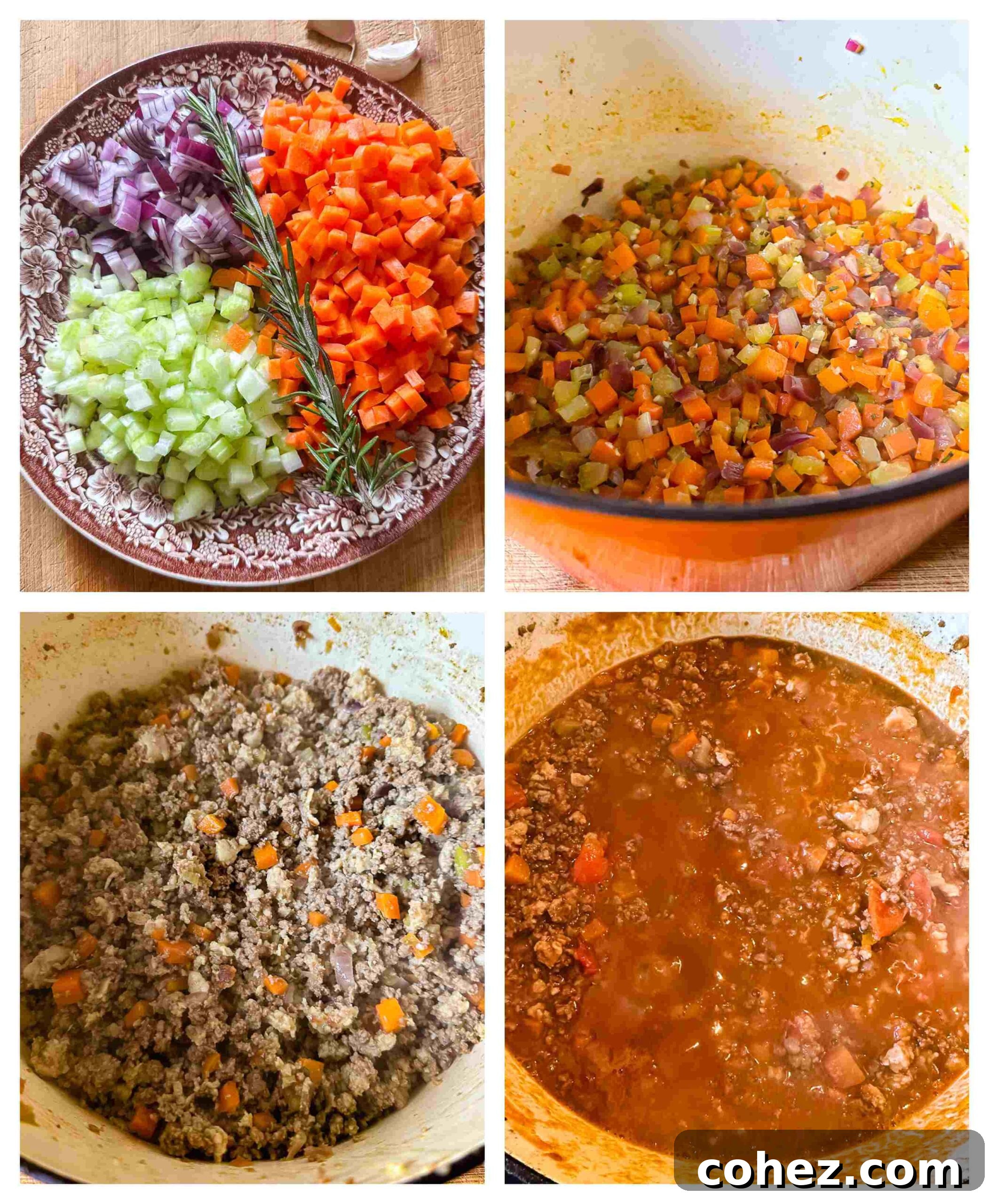
- The Art of the Soffritto: The soffritto is the foundational flavor of your ragu. It should be sautéed for no less than 10 minutes, on low heat. This gentle, unhurried process allows the earthy vegetable flavors to slowly release into the olive oil, developing sweetness and complexity that will permeate and enrich your entire sauce. Don’t rush this step!
- Sausage Selection is Key: What often gives a particular ragu di carne its unique Tuscan character is the inclusion of quality pork sausage. For maximum meaty depth and authentic regional flavor, always opt for a good quality sausage. Ideally, look for Italian-style pork sausage with a hint of fennel or other classic seasonings.
- Herb Harmony: While basil is a common partner for beef, I personally find that fragrant rosemary pairs exceptionally well with pork, lending a wonderful aromatic note to this Tuscan ragu. The choice is yours – feel free to experiment with herbs that complement your palate and the specific meats you’re using.
- The Magic of Red Wine: Few ingredients are more quintessentially Italian than red wine in cooking. It serves multiple crucial roles in a ragu: it deglazes the pan, lifting all those caramelized bits of flavor; its acidity tenderizes the meat; it adds moisture; and most importantly, it contributes incredible depth and dimension to the sauce. I genuinely couldn’t imagine a true ragu without it. However, if you must omit it, a good quality beef stock can serve as a suitable liquid replacement. Avoid “cooking wine,” which often contains undesirable additives and lacks the complexity of drinkable wine.
- The Power of the Simmer: This is perhaps the most critical tip. The low, subtle bubble of a slow simmer is where the magic truly happens, teasing out and intensifying the flavors in what can feel like a tantalizing torture of waiting. Simmer your ragu for as long as you can possibly bear it – but at a bare minimum, aim for 1.5 hours. Longer simmers (2-3 hours or even more) will yield an even more tender meat and a richer, more profound sauce.
Storage and Leftovers: Ragu That Gets Better with Time
This Tuscan Ragu recipe is ideally suited for a “double-or-nothing” approach, yielding a generous batch. Unless you’re hosting a large Italian-style family gathering, you’ll likely be able to set aside a substantial portion of the ragu for future meals. Ragu freezes exceptionally well; simply transfer the cooled sauce into an airtight, freezer-safe container and store it for up to 6 months. When ready to use, defrost it thoroughly before incorporating it into your next ragu-based creation.
Frozen ragu is a true kitchen hero, providing a head start for dishes like my Best Lasagne Recipe, allowing you to assemble a comforting meal with minimal effort. Or, if you’re looking for a delicious low-carb option, try it with my Stuffed Spaghetti Squash Recipe.
Beyond freezing, ragu makes for truly exceptional leftovers. In fact, many culinary enthusiasts argue that the sauce is even more satisfying a day or two later, as the flavors have had additional time to steep, deepen, and harmonize. Simply cover the cooled ragu and store it in the refrigerator for 2-3 days. While the sauce reheats beautifully, I typically avoid keeping leftover cooked pasta, preferring to reheat the sauce gently on the stovetop and cook a fresh batch of pasta for each serving. This ensures the best texture and taste for both components of your meal.
More Tuscan-Inspired Recipes to Explore
- Tuscan Chicken in Saffron Cream Sauce
- Kale Pesto Pasta with Pangrattato
- Pan Fried Zucchini with Basil and Pecorino
- Italian Antipasti Platter
Authentic Tuscan Ragu
Print Recipe
Want to save this recipe? Subscribe to our newsletter to get new recipes directly in your inbox every week!
Equipment
-
Cast iron Dutch oven
Ingredients
- 1-2 tbsp olive oil
- 1 onion, chopped
- 2 ribs celery, diced
- 2 carrots, chopped
- 2-3 cloves garlic, minced
- 1 sprig rosemary, leaves only, finely chopped
- 900g / 2lbs beef mince (ground beef)
- 450g / 1lb good quality pork sausage, casing removed
- 250ml / 1 cup dry red wine, any drinkable red wine, avoid cooking wine
- 400g / 14oz canned chopped tomatoes
- 500ml / 17½ oz tomato passata or crushed tomatoes
- 3 tbsp tomato paste
- salt to taste
- 1/2 tsp black pepper
Instructions
-
In a large, deep frying pan or a robust Dutch Oven, heat 1 tablespoon of olive oil over low heat. Add the finely diced onions, carrots, celery, minced garlic, and chopped rosemary leaves. Sauté this soffritto gently for at least 10 minutes, ensuring the vegetables soften without browning. This slow cooking extracts their sweetness and forms the aromatic foundation of your ragu. Next, add the ground beef and pork sausages (casings removed). Break up the meats with a spatula and brown thoroughly until no pink remains, stirring continuously to prevent clumping.
-
Pour in the dry red wine, scraping any browned bits from the bottom of the pan to deglaze. Allow it to simmer for about 10 minutes over medium heat until most of the alcohol has evaporated and the liquid has reduced slightly. Then, stir in both the canned chopped tomatoes, tomato passata (or crushed tomatoes), and tomato paste. Season with a generous pinch of salt and the black pepper. Bring the sauce to a gentle simmer, then reduce the heat to very low, cover with a lid, and cook the ragu for a minimum of 1.5 hours. Stir occasionally to prevent sticking. If the sauce becomes too thick during simmering, add a splash of water or beef stock to reach your desired consistency. By the end, you should have a rich, thick, and incredibly meaty sauce. Taste and adjust salt and pepper as needed. Serve hot with your preferred pasta, ideally pici or pappardelle, and a sprinkle of freshly grated Pecorino Romano or Parmigiano-Reggiano.
Video Guide
Nutrition Information (per serving)
Calories: 338kcal
Carbohydrates: 11g
Protein: 28g
Fat: 18g
Saturated Fat: 6g
Polyunsaturated Fat: 2g
Monounsaturated Fat: 8g
Trans Fat: 0.4g
Cholesterol: 89mg
Sodium: 706mg
Potassium: 862mg
Fiber: 2g
Sugar: 5g
Vitamin A: 2499IU
Vitamin C: 13mg
Calcium: 47mg
Iron: 4mg
Nutrition information is automatically calculated and should be used as an approximation.
Tried this recipe? Let us know how it was in the comments below!