
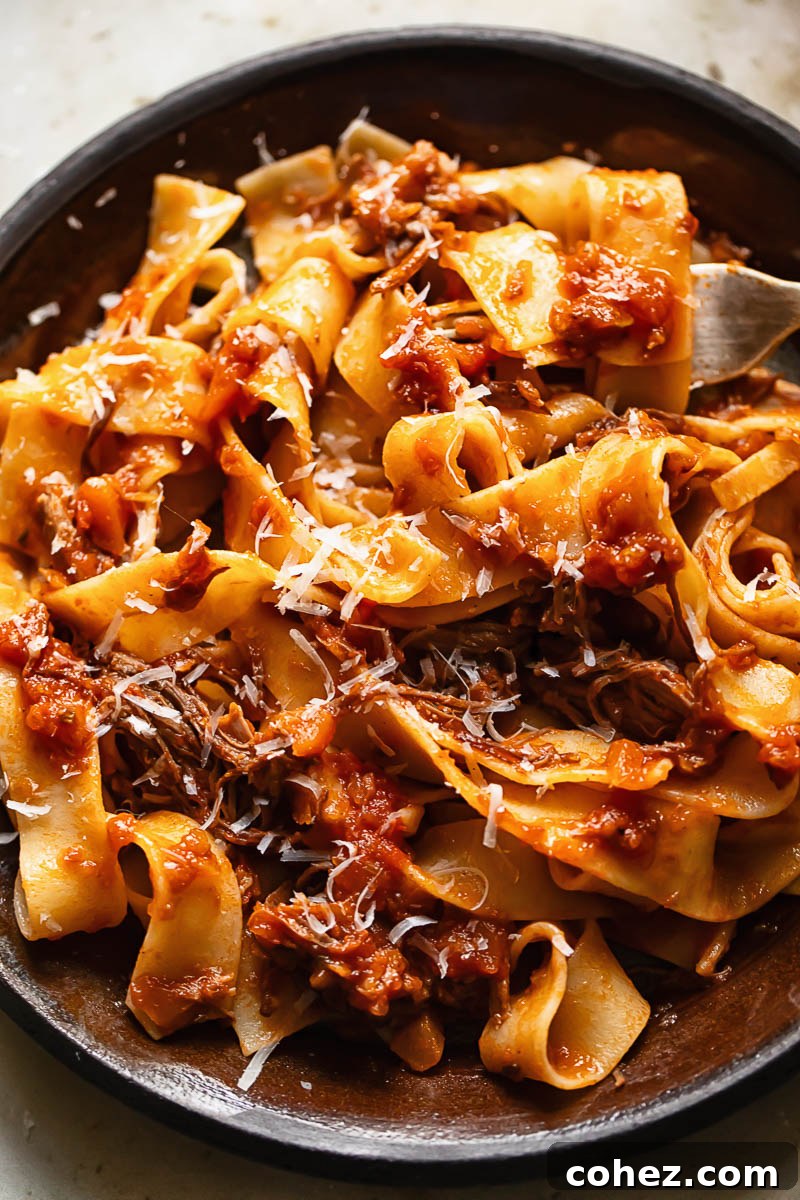
The Ultimate Guide to Making Rich & Tender Beef Short Rib Ragu
Prepare to discover one of the most rewarding yet surprisingly simple dishes you can make: Beef Short Rib Ragu. Despite its sophisticated taste and incredibly tender texture, this hearty Italian meat sauce boasts a short list of familiar ingredients and a cooking process that demands minimal hands-on effort. While it requires a generous 3.5 to 4 hours in the oven, this time is mostly passive, allowing the oven to do all the heavy lifting. The result? A profoundly flavorful, melt-in-your-mouth meat sauce that generously coats every strand of flat pasta, promising a truly satisfying meal that will leave you feeling full and utterly content.
Slow-cooked short rib recipes consistently deliver an impressive “wow” factor for surprisingly little effort. From spicy Korean gochujang short ribs, a personal family favorite often reserved for celebrations, to this classic Italian rendition, short ribs are a culinary marvel.
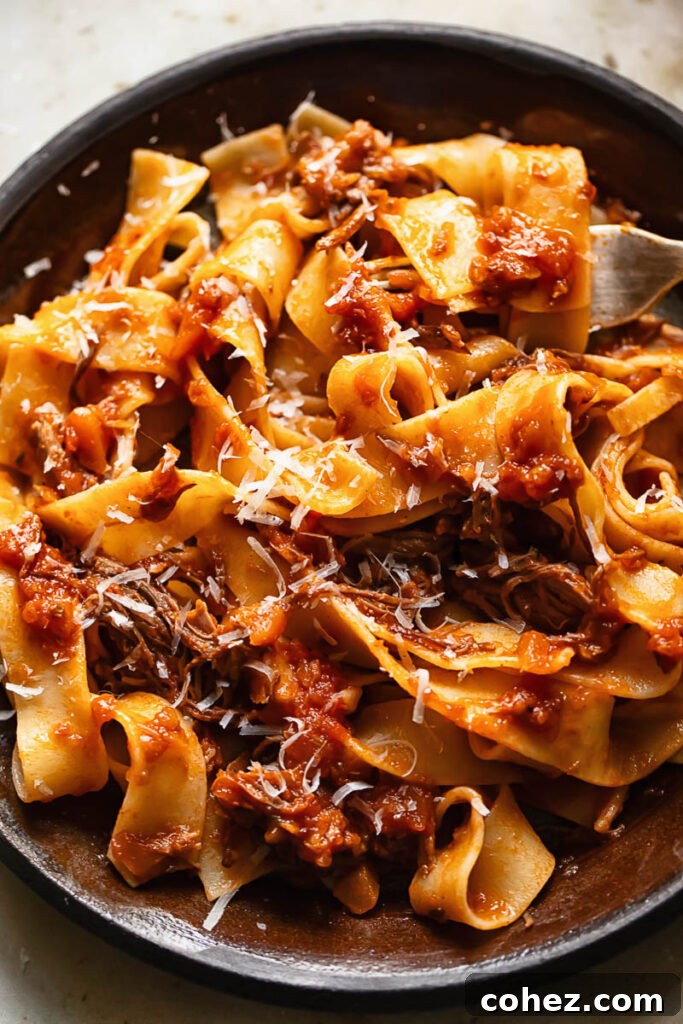
As the colder months settle in, there’s nothing quite like recipes that call for extended periods of oven cooking. Not only do these dishes keep the house wonderfully warm, creating a cozy atmosphere, but they also produce meals that radiate comfort from the inside out. It’s the perfect excuse to curl up under a blanket with a warm drink while the oven transforms simple ingredients into something extraordinary.
Understanding Ragu: More Than Just a Meat Sauce
The term “ragu” is often used, but its precise meaning can sometimes be a source of confusion. Simply put, ragu refers to a meat-based sauce, typically served with pasta. However, its definition goes beyond just “meat sauce.” Ragu is characterized by its slow cooking method and the foundational ingredients that build its complex flavor.
Ragu can be crafted from various meats, allowing for incredible versatility. Think succulent, fall-off-the-bone beef short ribs, like in this rich Italian recipe, or a blend of ground beef and pork, as seen in a traditional Tuscan ragu. Even less common meats like chicken, duck, or wild boar can be transformed into a delicious ragu. The key is often a tough cut of meat, rich in connective tissue, that benefits from long, slow cooking.
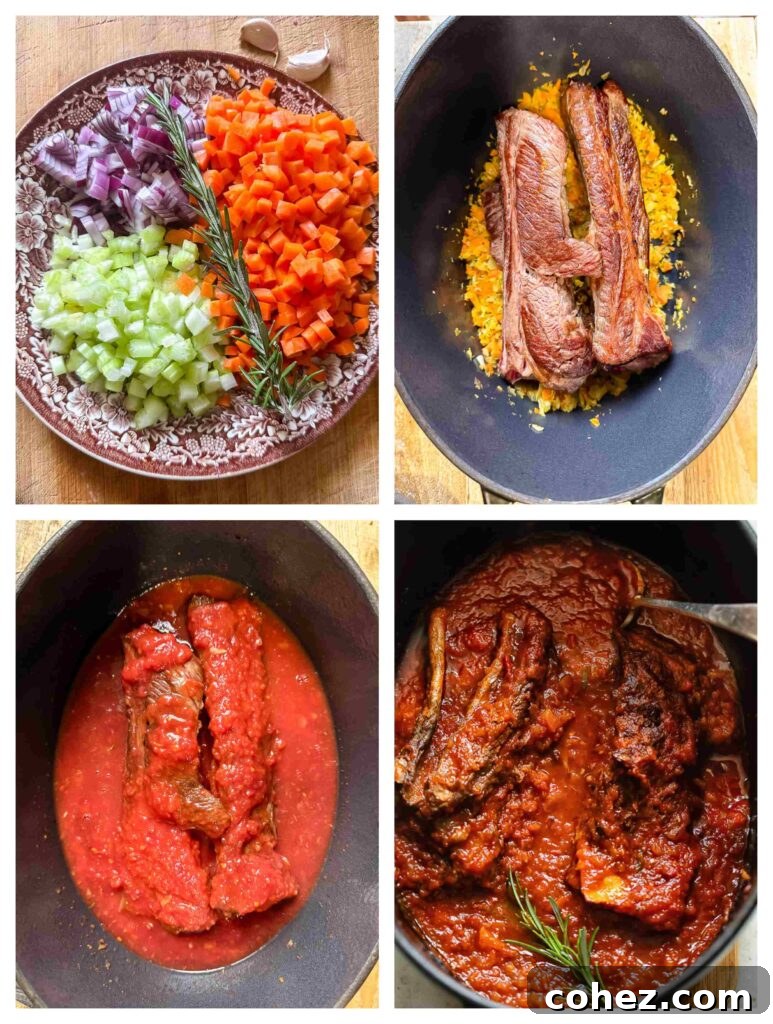
A crucial component of almost every authentic ragu is the soffritto. This aromatic base typically consists of finely diced carrots, onions, and celery, which are slowly sautéed until deeply softened and fragrant. The term soffritto literally translates to “slow fried,” emphasizing the importance of this gentle cooking process. This slow frying is vital because it coaxes out the deep, sweet, and earthy flavors from these root vegetables, which then meld with and infuse the meat and the entire sauce, building an unparalleled depth of flavor.
Finally, time is an indispensable ingredient for a truly great ragu. While a beef ragu like this one may require 3.5 to 4 hours of cook time, it’s essential to remember that this is largely hands-off. The oven does the majority of the work, simmering the sauce to perfection without constant supervision. This means you gain several hours to enjoy other activities, read a book, or simply relax, all while your kitchen fills with the tantalizing aroma of a slowly simmering masterpiece.
Beyond its traditional pairing with pasta, beef ragu is incredibly versatile, lending itself to a plethora of other delicious recipes. Consider using your perfectly crafted meat sauce as the star filling for a classic lasagna, as a robust topping for stuffed shells, or even incorporated into hearty stuffed peppers. For those who enjoy a touch of spice, a dash of ‘nduja can be added to your ragu pasta for an extra kick, elevating an already fantastic dish.
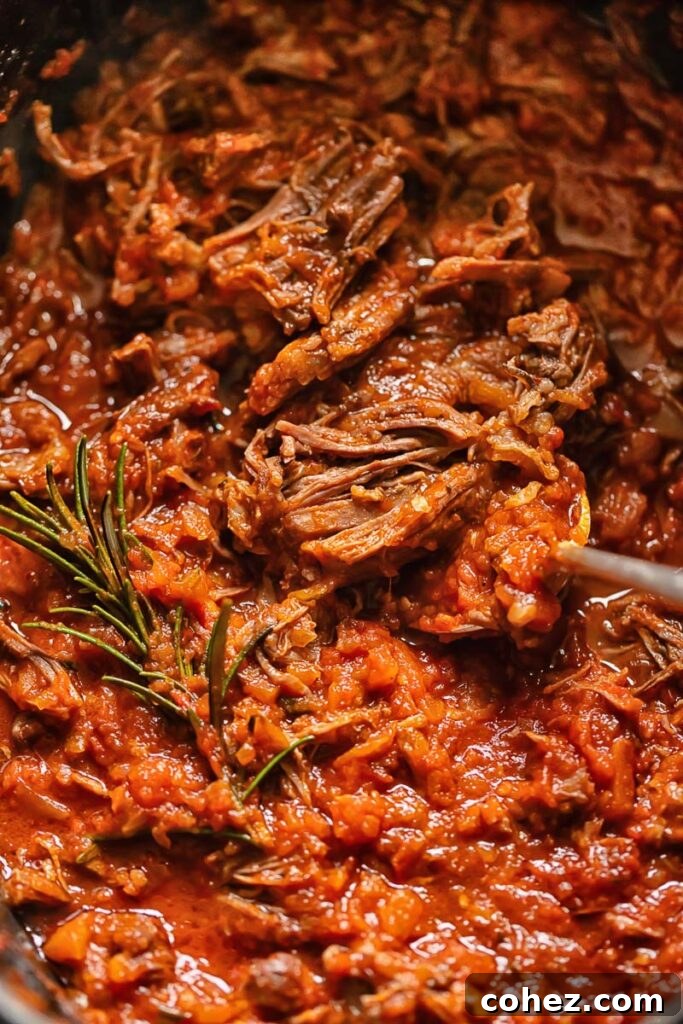
The Secret to Perfect Short Ribs: Low and Slow Braising
Beef short ribs, often confused with spare ribs (which come from a different part of the cow), are a culinary treasure. These cuts are not only relatively inexpensive but also exquisitely fatty and brimming with rich, beefy flavor. Their high collagen content makes them perfectly suited for long, slow braising, which transforms them into incredibly tender, fall-apart perfection.
The first step to success begins at the butcher counter: choose short ribs that are well-marbled with fat and generously meaty. While a thin layer of fat is desirable for flavor and moisture, it shouldn’t overshadow the meat itself. If you find a rib with excessive external fat, a quick trim will suffice. Remember, fat is a friend in slow cooking, contributing immense flavor and preventing dryness, so don’t be overly aggressive with trimming.
Once you have your choice short ribs, mastering their cooking involves four fundamental rules that ensure maximum flavor and tenderness:
- Brown for Flavor: Before any liquid is introduced, it is absolutely essential to sear the short ribs on all sides until a beautiful golden-brown crust forms. This crucial step, known as the Maillard reaction, develops deep, complex flavors that become the foundation of your ragu. Crucially, after browning the meat, use the same pot and residual fat to sauté your vegetables. All those browned bits stuck to the bottom of the pan (the ‘fond’) are pure flavor gold, and they will be released into the sauce later.
- Braise with Purpose: Braising is the magical process where meat is partially submerged in liquid and cooked slowly over a long period. For beef short rib ragu, red wine is the liquid of choice. Dry red wine, such as Chianti or Shiraz, not only adds depth and acidity but also complements the beef’s rich, earthy notes, enhancing its natural iron-rich flavor profile. The wine also helps to deglaze the pan, incorporating all those delicious browned bits into the sauce.
- Cook Low and Steady: Resist the urge to rush the process by cranking up the heat. Cooking at too high a temperature will cause the meat to dry out and toughen, defeating the purpose of braising. Low heat ensures a gentle simmer, allowing the connective tissues in the short ribs to slowly break down into gelatin, resulting in incredibly moist and tender meat.
- Cook Slowly for Harmony: Patience is key. The long, slow cooking time allows all the ingredients to intimately meld and transform. The fat and collagen within the short ribs will dissolve, basting the meat and making it exquisitely tender, falling effortlessly from the bones. The vegetables will virtually disintegrate into the sauce, thickening it naturally and imparting their sweetness and earthiness. The result is a deeply satisfying, cohesive pot of steaming, rich, meaty sauce that is far greater than the sum of its parts.
Recipe Tips and Notes for a Flawless Ragu
Achieving the perfect beef short rib ragu is simple with a few helpful tips:
- Beef short ribs are naturally fatty, and this fat is crucial for flavor and moisture. While beneficial, a small amount of visible external fat can be trimmed if desired. For this specific ragu recipe, I prefer to trim some of the excess visible fat, relying on the beautiful marbling within the meat to provide that luxurious, slick texture to the final dish.
- When it comes to tomatoes, your choice can influence the texture of your sauce. You can use passata for a smoother sauce or crushed tomatoes if you prefer a chunkier consistency. Both options work beautifully, so choose according to your preference.
- If you only have whole tinned tomatoes on hand, there’s an easy fix. Simply give them a quick whizz in a food processor or blend them with an immersion blender. This will quickly transform them into a smooth passata-like consistency, perfect for your ragu.
- The 3.5 to 4 hours of cooking time allows the meat to become wonderfully tender and “shred-able.” It’s a good idea to peek every now and then, especially around the halfway mark, to check the sauce level. If it appears to be getting a little low or too thick, add a splash of water or broth to ensure it remains moist and continues to simmer properly.
- For those who prefer not to cook with wine, don’t worry! You can easily substitute the red wine with an equal amount of water or beef broth. The slow cooking of the aromatic vegetables (soffritto) and herbs, combined with the rich beef itself, will still provide an incredible depth of flavor.
- While I often pair this ragu with wide pappardelle pasta, almost any “muscular” pasta shape will do. Feel free to use common shapes like rigatoni, tagliatelle, or even large shell pasta. The key is to choose a pasta that can stand up to and effectively carry the rich, hearty sauce.
Elevating Your Beef Short Rib Ragu Experience
Italian short rib ragu is a truly robust and hearty dish. It’s unapologetically meat-heavy, straightforward in its preparation, and designed for generous, satisfying portions. While I describe it as “macho,” it is, of course, a delightful meal to be savored by everyone – women, men, and children alike. However, there’s an undeniable rustic strength to it that calls for equally substantial accompaniments, especially when it comes to pasta.
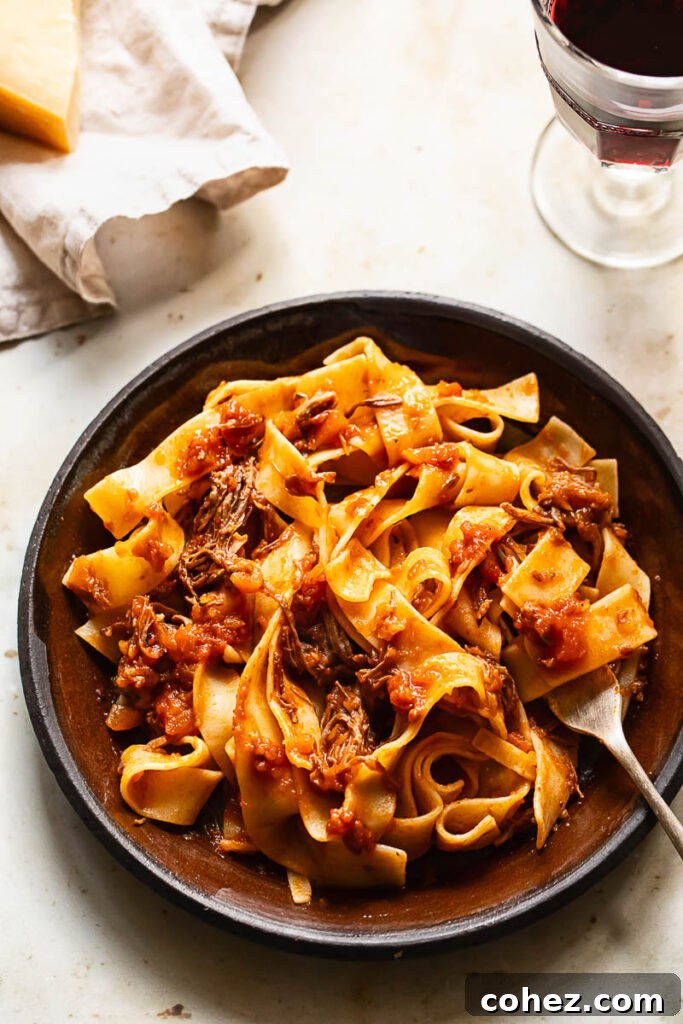
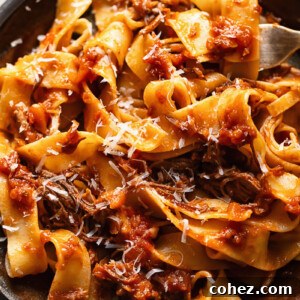
I always recommend serving this ragu with pappardelle. These flat, wide pasta ribbons are often jokingly referred to as “God’s shoelaces” due to their impressive width and ability to bear weight. They are perfectly designed to cradle and soak up every bit of the rich, slow-cooked beef sauce. Forget stringy spaghetti, tiny grainy orzo, or delicate ditalini; for this magnificent ragu, choose a substantial pasta with a good chew and ample surface area to capture the sauce.
Beyond a ludicrously generous grating of fresh Parmesan cheese, this beef ragu truly needs nothing else to shine. Its simplicity is part of its charm. However, I personally find it difficult to serve any main course without a refreshing side of vegetables or a vibrant salad. To keep things effortlessly simple and low-prep, I often opt for easy lemon butter green beans or tender roasted broccoli with lemon and garlic. These light, fresh sides provide a welcome contrast to the richness of the ragu.
Finally, and this might seem like overkill for some, but I wholeheartedly advocate for serving this with a crusty loaf of farmhouse bread or, even better, warm garlic bread. Once you’ve devoured all the tender shreds of beef and slurped up every last piece of pasta, you’ll inevitably be left with a tantalizing puddle of rich ragu sauce on your plate. In that glorious moment, you’ll be immensely grateful for a handy hunk of bread to sop up every precious drop, ensuring no flavor is left behind.
Make Ahead & Storage: The Magic of Leftover Ragu
One of the many incredible qualities of beef ragu is how its flavors deepen and intensify overnight. The rich foundation of garlic, aromatic herbs, carrots, and onions, combined with the wine, continues to meld and develop, making this an ideal make-ahead recipe. It’s perfect for preparing in advance for a dinner party or for doubling the recipe to ensure you have a delicious meal ready for later in the week.
For refrigeration, store the cooked ragu (always keep it separate from the pasta until serving) in an airtight container. It will broodingly meld its flavors and stay fresh for 2-3 days in the fridge. The same storage guidelines apply to any leftovers you might have after your meal.
For longer storage, beef short rib ragu freezes exceptionally well. Transfer the cooled ragu into a freezer-safe container, ensuring there’s minimal air space at the top, and it will keep beautifully for up to two months. When you’re ready to enjoy it, simply defrost the ragu in the refrigerator overnight. Reheat it gently on the stovetop over low heat. If the sauce appears a bit thick after thawing and reheating, a splash of pasta water can be added to loosen it to your desired consistency while your fresh pasta cooks.
More Pasta Recipes to Try
- Basil Pesto Pasta
- Italian Sausage and Kale Orzo
- Creamy Mustard Chicken Pasta
- Beef Tomato Pasta Sauce with ‘Nduja
Beef Short Rib Ragu
By Julia Frey of Vikalinka
Beef short rib ragu is one of the easiest recipes there is with swoon-worthy meat sauce dripping over flat pasta.
Prep Time: 15 mins
Cook Time: 3 hrs 45 mins
Total Time: 4 hrs
Servings: 8 people
Ingredients
- 1.5 kg / 3 lbs beef short ribs
- 2 tbsp olive oil
- 1 large sprig fresh rosemary, stems discarded and leaves finely chopped
- 1 large onion, peeled and finely diced
- 3 cloves garlic, peeled and minced
- 2 carrots, peeled and finely diced
- 1-2 celery stalks, finely diced
- 250ml / 1 cup dry red wine, such as Chianti or Shiraz
- 2 x 400g / 28 oz canned chopped tomatoes, or passata
- 375ml / 1.5 cups water
- 1 tsp salt (or to taste)
Instructions
- Finely chop the onion, carrots, and celery. Mince the garlic and finely chop the rosemary leaves. Alternatively, you can use a food processor to pulse the vegetables until finely minced, but avoid over-processing into a paste. Set aside.
- Inspect the short ribs and trim any excessive, very thick layers of external fat, if present. Season the short ribs generously with salt. Heat 1 tbsp of olive oil in a large Dutch oven or a heavy-bottomed pot over medium-high heat. Sear the short ribs on all sides until deeply golden brown. Remove the ribs from the pot and set aside.
- Reduce the heat to low. Add the remaining tablespoon of olive oil to the pot, along with the chopped onions, carrots, celery, and rosemary. Sauté gently for 7-10 minutes, stirring occasionally, until the vegetables are softened and fragrant. Be sure to scrape up any browned bits from the bottom of the pot.
- Add the sautéed vegetables to the bottom of the large Dutch oven or casserole dish. Pour in the canned chopped tomatoes (or passata), red wine, water, and salt. Stir to combine all the liquids and aromatics. Place the seared short ribs on top of the sauce, ensuring they are partially submerged. Cover the pot with a tight-fitting lid.
- Preheat your oven to 160°C (325°F). Place the covered Dutch oven in the preheated oven and cook for 3.5 hours.
- Around halfway through the cooking time (after about 1 hour 45 minutes), carefully remove the pot from the oven. Flip the short ribs over to ensure even cooking. Check the sauce level; if it appears too low or dry, add a splash of water or beef broth. Return the pot to the oven and continue cooking until the meat is incredibly tender and easily falls off the bones.
- Once cooked, carefully remove the short ribs from the sauce. Using two forks, shred the tender beef directly into the pot, discarding any bones. Stir the shredded meat well into the rich ragu sauce to combine.
- Before serving the ragu, bring a large pot of salted water to a rolling boil. Cook 1 lb of your favorite sturdy pasta according to package directions until al dente.
- Drain the pasta, then add it directly to the ragu sauce in the pot. Toss gently to coat the pasta thoroughly with the meat sauce. Serve immediately, generously sprinkled with freshly grated Parmesan cheese.
Nutrition
Nutrition information is automatically calculated, so should only be used as an approximation per serving (based on 8 servings):
- Calories: 325 kcal
- Carbohydrates: 8 g
- Protein: 27 g
- Fat: 18 g
- Saturated Fat: 6 g
- Polyunsaturated Fat: 1 g
- Monounsaturated Fat: 9 g
- Cholesterol: 81 mg
- Sodium: 540 mg
- Potassium: 764 mg
- Fiber: 2 g
- Sugar: 4 g
- Vitamin A: 2691 IU
- Vitamin C: 12 mg
- Calcium: 56 mg
- Iron: 4 mg