
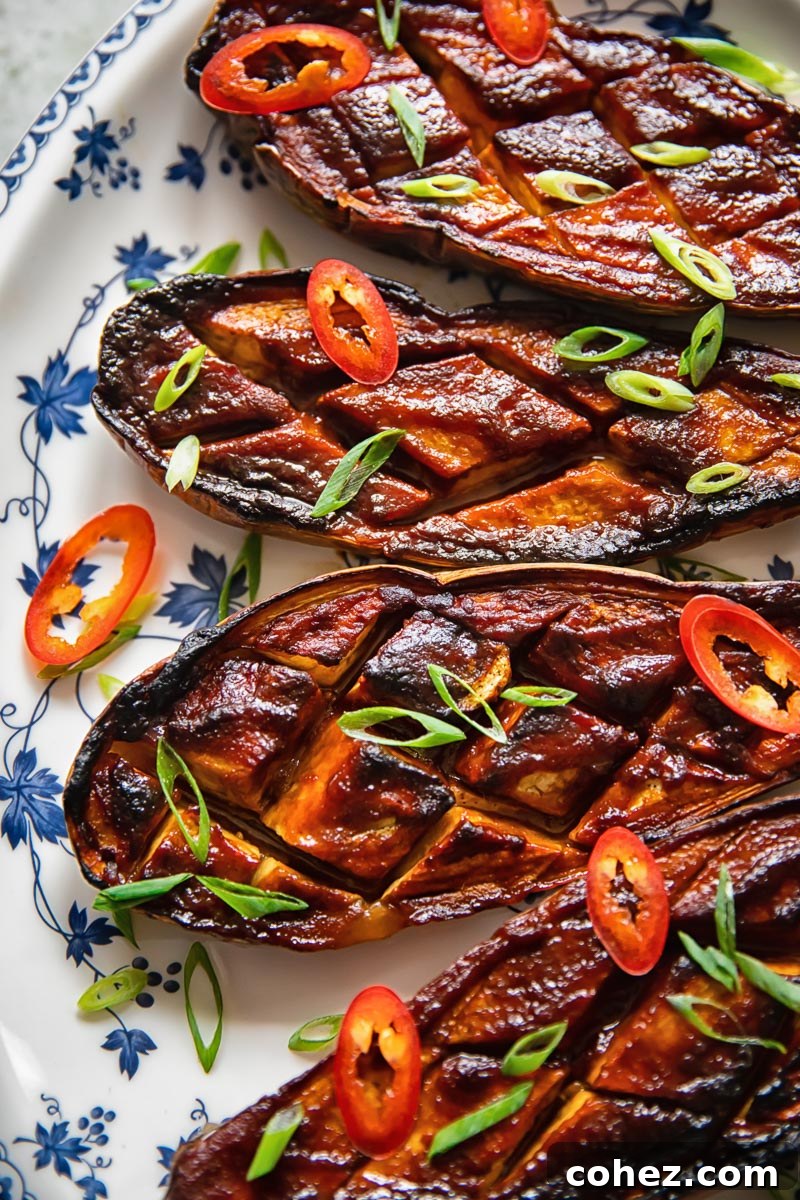
Unlock the ancient secrets of Japanese cuisine with this exquisite Miso Aubergine (Eggplant) recipe. Often known as Nasu Dengaku, this dish transforms humble aubergine into a deeply savory, subtly sweet, and wonderfully sticky glazed delicacy. Revered for its remarkable health benefits and umami-rich flavor, miso paste works wonders to create a soft-centered, melt-in-your-mouth experience that is both incredibly satisfying and deceptively simple to prepare. This versatile vegan recipe can effortlessly anchor a main meal or serve as an impressive side dish, bringing the authentic tastes of the Far East directly to your kitchen.
For an expanded Japanese-inspired feast, consider pairing this glazed aubergine with a quick and flavorful beef yakisoba or explore other vegan options like a hearty vegetable stir-fry for a truly memorable culinary journey. The rich, earthy notes of miso aubergine beautifully complement a variety of Japanese staples, elevating any meal into a special occasion.
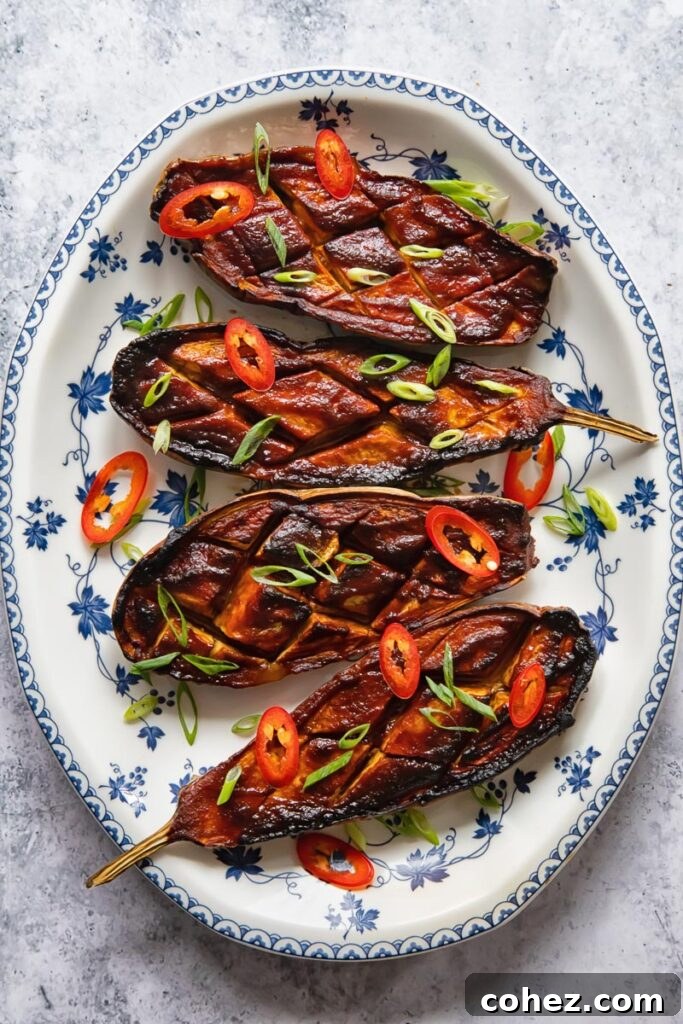
There’s an undeniable magic in a perfectly roasted aubergine. Its flesh, when cooked through, takes on a surprisingly silky, creamy texture that belies its initial firmness. But a sticky, miso-glazed roast aubergine? That’s in a league of its own. This method coaxes out an incredible depth of flavor and a symphony of textures, from its tender interior to the caramelized, intensely flavored skin. It’s a testament to centuries of East Asian culinary wisdom, showcasing how simple ingredients can be elevated to extraordinary heights with thoughtful preparation.
The deep purple skin of the aubergine holds a treasure trove of flavors, ready to burst forth under the influence of the savory-sweet miso glaze. This dish is not just food; it’s an experience, a journey through rich umami and delicate sweetness that dances on the palate.
Glazed Aubergine: The Art of Nasu Dengaku
In Japan, this iconic dish is celebrated as Nasu Dengaku, traditionally prepared by flame-roasting aubergines over an open fire. This ancient technique imparts a distinctive crisp, charred, and smoky essence to the skin, beautifully contrasting with the tender, yielding flesh nestled within. The smoky char is a hallmark of authentic Japanese grilling, a flavor profile highly prized in traditional cuisine.
However, mastering the art of fire cooking is a refined skill, demanding years of practice and a keen understanding of heat control, as any seasoned barbecue enthusiast can attest. Furthermore, for many of us, convenient access to an open flame or suitable outdoor grilling weather isn’t always an option. But fear not, the essence of Nasu Dengaku can be wonderfully replicated and even perfected in a modern kitchen setting.
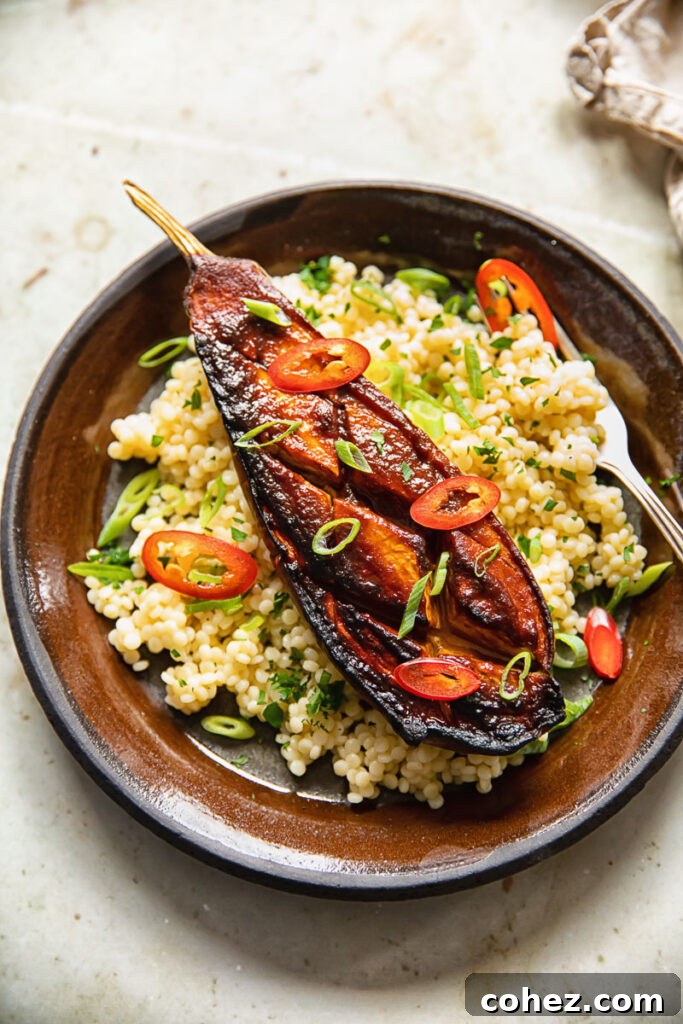
My approach to this Japanese delicacy is decidedly more relaxed and hands-off, perfectly suited for the contemporary cook. It requires just a few minutes of active preparation to whisk together your flavorful glaze and carefully score the aubergines. Once prepped, simply slide them into your 21st-century oven, and let the consistent heat work its magic. This method allows you to sit back and anticipate the delectable results, offering a culinary meditation without the need for intense supervision.
Beyond its convenience, oven-roasting your aubergine offers a subtly different, yet equally captivating, flavor profile. While traditional charring can sometimes lean towards a bitter note, gentle oven-roasting encourages caramelization around the edges. This process creates a glaze that is wonderfully sweet, almost reminiscent of sticky toffee, which deepens the flavor without overwhelming the delicate, miso-infused aubergine flesh. The even heat of the oven ensures a tender interior and a beautifully browned, sticky exterior every time, making it an ideal method for achieving perfection in your home kitchen.
The World of Miso: Choosing the Right Paste
The vast and intriguing world of miso paste can initially seem complex, much like delving into the nuances of fine wine or artisanal coffee. With hundreds of varieties available, miso offers an incredible spectrum of flavors, ranging from incredibly mellow and subtly sweet to profoundly pungent and distinctly funky. Each type is a result of unique fermentation processes, ingredients, and aging periods, contributing to its distinct character. Understanding these differences is key to unlocking the full potential of your Japanese cooking.
For this Miso Aubergine recipe, choosing the right miso paste is crucial for achieving that authentic, balanced flavor. Here’s a guide to some of the most readily available varieties in stores outside East Asia, detailing their typical taste profiles and ideal culinary applications:
- White Miso (Shiro Miso): Characterized by its high white rice content and shortest fermentation time, shiro miso is the mildest and sweetest of the misos. Its delicate, mellow flavor makes it a superb choice for light soups, refreshing salad dressings, and sweet-leaning marinades. For a sweeter, less intense aubergine glaze, shiro miso is an excellent starting point, offering a gentle introduction to miso’s umami.
- Yellow Miso (Shinshu Miso): Often made with white rice or barley, yellow miso strikes a harmonious balance between sweet and savory, with distinct earthy undertones. It’s incredibly versatile, suitable for both savory dishes and surprisingly delightful in sweet applications. Its slight saltiness can add an unexpected depth to chocolate brownies or enrich ice cream recipes. In our aubergine glaze, shinshu miso will lend a beautiful complexity, enhancing both the sweetness and the umami.
- Red Miso (Aka Miso): Featuring a higher ratio of soybeans to rice and a longer fermentation period, aka miso is notably saltier and tangier than its lighter counterparts. Its robust, assertive flavor is best suited for hearty soups, rich dark sauces, and powerful marinades where its intensity can truly shine. If you prefer a bolder, more piquant glaze for your aubergine, a touch of aka miso can provide that desired depth.
- Barley Miso (Mugi Miso): While the original text mentions “Brown Miso (aka mame)” and describes it as profound and complex, mame miso is typically a soybean-only miso. Barley miso (Mugi Miso) often fits the description of brown miso well for its profound and complex flavor. It is fermented for a longer period, sometimes years, often in traditional wooden barrels. This extensive aging process results in the most intense and deeply flavored miso among these common varieties, offering a rich, earthy profile. For an adventurous cook seeking an intensely umami-rich and deeply complex aubergine, mugi miso would be an exceptional, albeit potent, choice.
By understanding these basic categories, you’re well on your way to becoming a miso master, capable of selecting the perfect paste to match your culinary vision and taste preferences for this incredible aubergine dish.
Expert Recipe Tips for Perfect Miso Aubergine
- Selecting Your Aubergine: While a large, plump aubergine might be tempting, opt for small to medium-sized ones for this recipe. Smaller aubergines tend to be less bitter, contain fewer seeds, and cook more quickly and evenly, ensuring a consistently soft and creamy center without any sponginess.
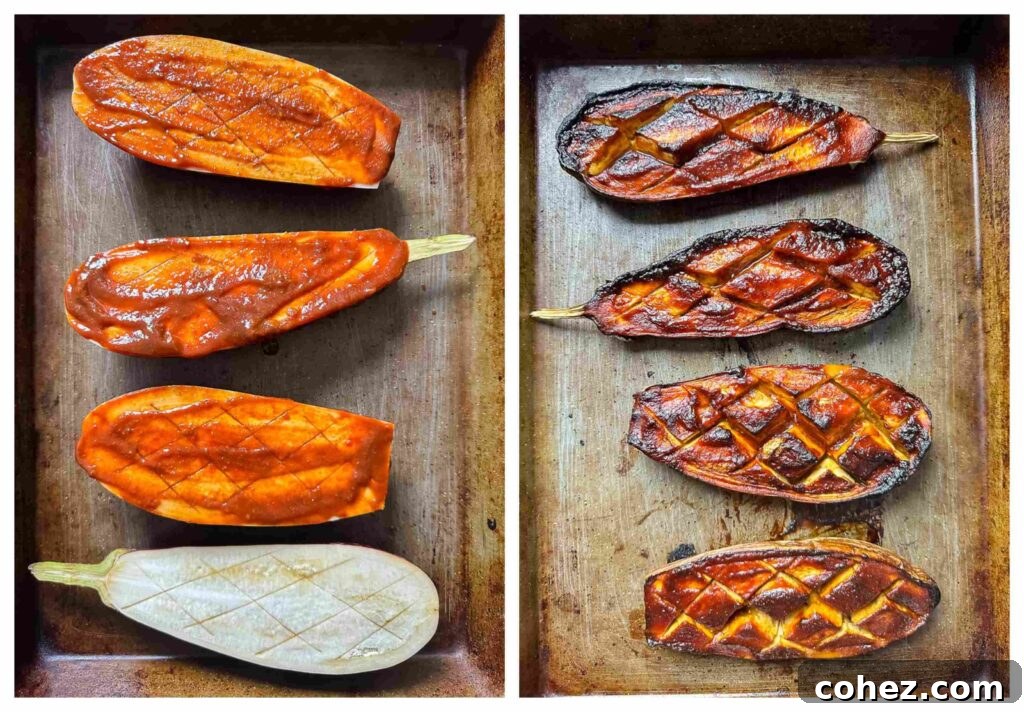
- Precision Scoring: Scoring the aubergine flesh deeply is essential for the glaze to penetrate thoroughly, infusing every fiber with flavor. Create a criss-cross pattern that goes almost to the skin but be careful not to perforate the skin itself. Keeping the skin intact prevents liquid from leaking out during cooking, which helps retain moisture and results in a beautifully tender texture.
- The Power of Basting: For an incredibly succulent and uniformly flavored aubergine, make sure to baste it with the miso glaze halfway through the cooking time. This simple step ensures that the rich flavors and sticky texture are consistent throughout the entire dish, making every single mouthful an absolute delight.
- Customizing Your Spice Level: Feel free to experiment with different chili pastes to adjust the heat and smoky notes to your liking. I personally favor gochujang, a Korean chili paste, for its unique blend of sweetness and subtle smokiness, which complements the miso beautifully. However, if you prefer a fiery kick, sriracha or sambal oelek are excellent alternatives that will deliver a bold, spicy punch.
Versatile Serving Suggestions for Miso Aubergine
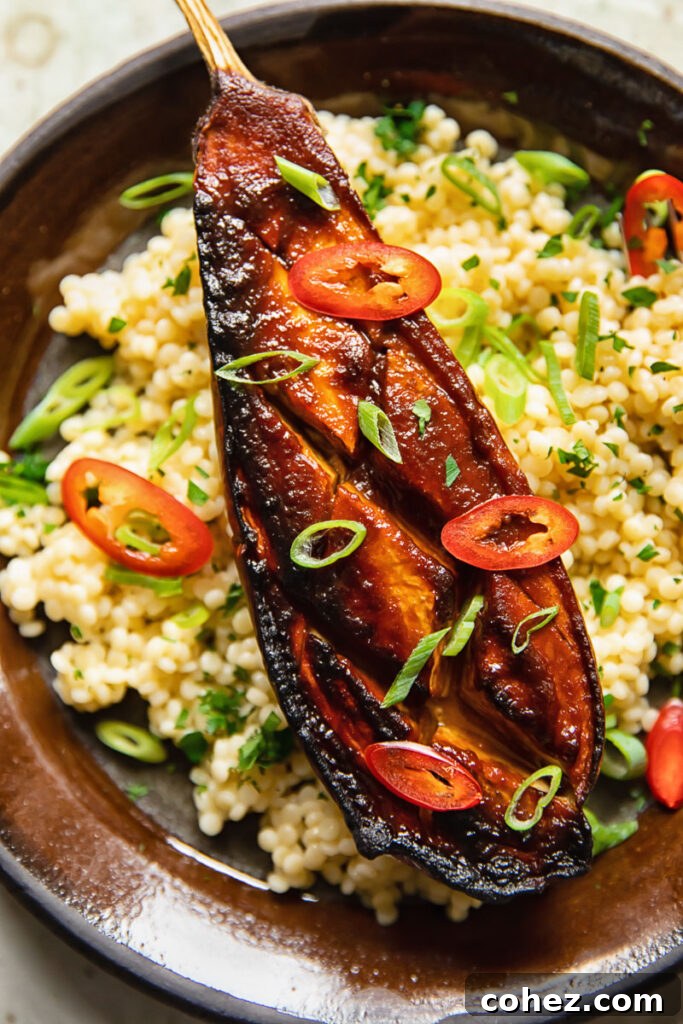
The beauty of Miso Aubergine lies in its incredible versatility. I could quite happily devour an entire roasted aubergine as a complete main meal, savoring every sticky, umami-rich bite. For an authentic and satisfying experience, I enjoy serving mine with perfectly steamed white rice, gently flavored with a scattering of fresh ginger and vibrant spring onions. Adding a side of quickly sautéed Chinese greens creates a balanced and visually appealing plate, making it a wholesome meal.
Beyond this simple pairing, Miso Aubergine is a fantastic companion to a variety of dishes:
- Noodle Salads: Its rich flavor and tender texture make it a superb addition to a bright and zesty Asian noodle salad with peanut dressing. The coolness of the salad provides a wonderful contrast to the warm, glazed aubergine.
- Crispy Chicken Katsu Curry: For those craving something more substantial, the crunchy perfection of chicken katsu curry offers a delightful textural contrast to the silky smoothness of the aubergine. The combination of crispy chicken and tender, flavorful aubergine truly offers the best of both textural worlds.
- As a Side to Grilled Fish or Tofu: The umami depth of the aubergine glaze pairs wonderfully with simply grilled white fish or pan-fried tofu, adding a burst of flavor to lighter proteins.
- In a Buddha Bowl: Create a vibrant and healthy Buddha bowl by combining your miso aubergine with quinoa or brown rice, steamed edamame, shredded carrots, and a drizzle of sesame dressing.
Storage and Reheating Miso Aubergine
One of the many great things about Miso Aubergine is how well it keeps. Any leftover glazed aubergine can be neatly covered and stored in an airtight container in the refrigerator for 2-3 days. In fact, you might find that the flavors deepen and meld even further over time, as the aubergine continues to marinate in the rich miso glaze, resulting in an even richer taste. To reheat, simply return the aubergine to a preheated oven at 180°C (350°F) for about 10-15 minutes, or until it’s thoroughly warmed through and the glaze becomes deliciously sticky once more. Avoid reheating in a microwave if possible, as it can sometimes make the aubergine a bit watery; the oven will restore its texture best.
Explore More Easy Vegetable Side Dishes
- Miso Butter Roasted Cabbage Wedges
- Air Fryer Baked Sweet Potato
- Braised Red Cabbage
- Butternut Squash Casserole (Gratin)
Miso Aubergine (Eggplant) Recipe
Julia Frey of Vikalinka
10
35
45
4

Print Recipe
Ingredients
- 2 aubergines (eggplants), medium-sized
- 1 tbsp white miso paste
- 1 tsp Gochujang paste (or sriracha/sambal oelek for a spicier kick)
- 1 tbsp brown sugar
- 1 tbsp soy sauce
- 1 tbsp mirin
- 1 tbsp vegetable oil (or sesame oil for added flavor)
- Optional: sliced red chillies and green onions for garnish
Instructions
-
Prepare the Glaze: Preheat your oven to 200°C (400°F). In a small bowl, combine the white miso paste, Gochujang paste (or your preferred chili paste), brown sugar, soy sauce, mirin, and vegetable oil. Whisk everything together thoroughly until you have a smooth, well-combined paste. This is your flavorful miso glaze.
-
Prepare the Aubergines: Wash the aubergines and cut them in half lengthwise. Using a sharp knife, score the cut surface of each aubergine half deeply in a criss-cross pattern. Be careful not to cut through the skin. This scoring allows the delicious glaze to penetrate deeply into the flesh, ensuring maximum flavor.
-
Glaze and Roast: Generously spread the prepared miso glaze all over the scored, cut side of each aubergine half. Place the aubergines, glazed side up, on a baking sheet lined with parchment paper. Cook in the preheated oven for 35-40 minutes. Halfway through the cooking time (around 17-20 minutes), carefully remove the tray from the oven and baste the aubergines with any accumulated glaze and juices. This ensures a consistent, sticky, and delicious coating. The aubergines should be tender and beautifully caramelized when done.
-
Serve: Once roasted to perfection, remove the miso aubergines from the oven. Serve them immediately, garnished with a sprinkle of sliced red chillies and fresh green onions (scallions) for a burst of color and a hint of extra flavor. They are exceptionally delicious served over a bed of fluffy white rice or a light couscous for a delightful and wholesome meal. Enjoy the savory, sweet, and sticky goodness!
Nutrition Information
Carbohydrates: 20g |
Protein: 3g |
Fat: 1g |
Saturated Fat: 0.1g |
Polyunsaturated Fat: 0.3g |
Monounsaturated Fat: 0.1g |
Sodium: 448mg |
Potassium: 551mg |
Fiber: 7g |
Sugar: 12g |
Vitamin A: 59IU |
Vitamin C: 5mg |
Calcium: 27mg |
Iron: 1mg
Nutrition information is automatically calculated and should be used as an approximation.