
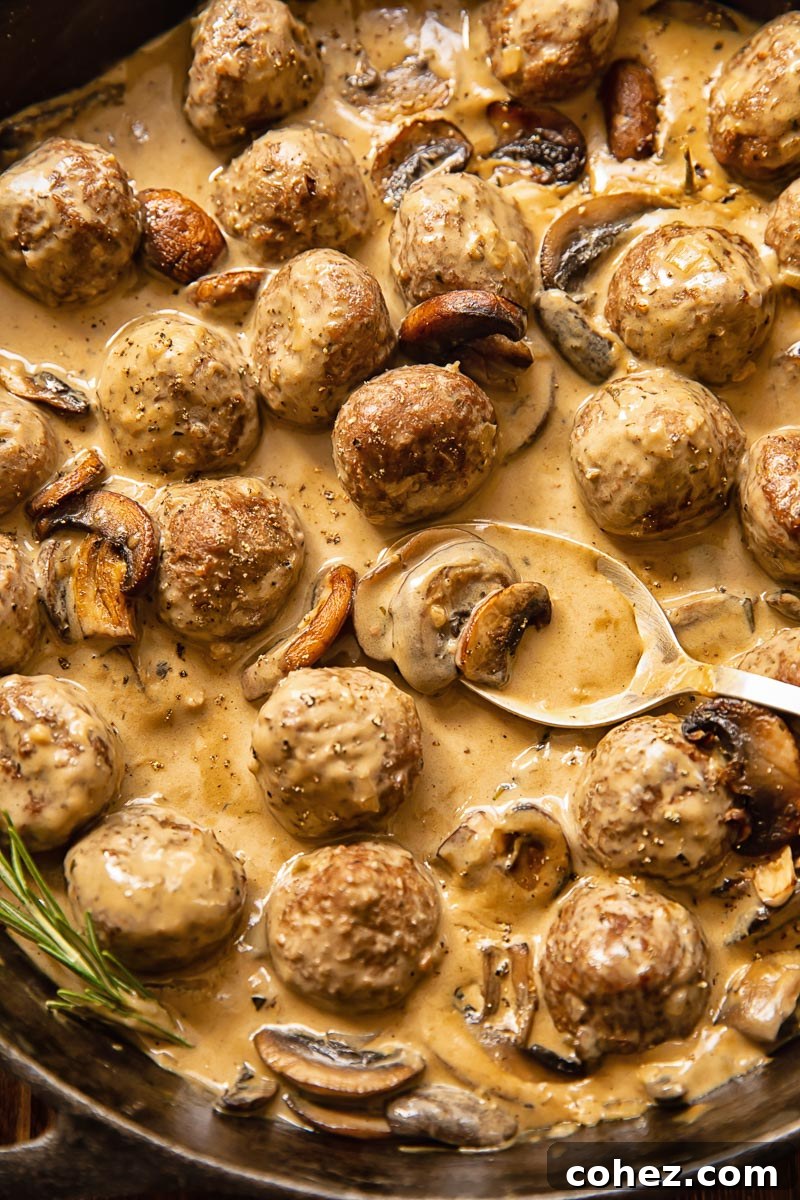
Sicilian-Inspired Meatballs with Creamy Marsala Mushroom Sauce
Step into the heart of Sicilian-inspired comfort food with our incredible recipe for Meatballs with Marsala Cream Sauce. This isn’t your everyday meatball dish; it’s a culinary journey featuring tender, herb-infused meatballs bathed in a rich, sweet, and savory Marsala wine and mushroom cream sauce. Whether you’re planning a sophisticated dinner party or simply seeking a heartwarming family meal, this dish promises to impress with its depth of flavor and surprising simplicity.
Forget fussy cooking techniques and complex ingredient lists. This recipe is designed for ease without compromising on gourmet taste. It’s a perfect example of how a few quality ingredients and smart cooking methods can elevate a classic dish into something truly special. Get ready to transform your kitchen into an Italian trattoria and delight your senses with every bite!
Looking for an authentic Indian curry instead? Explore our Indian Kofta Curry recipe for a completely different but equally delicious meatball experience.
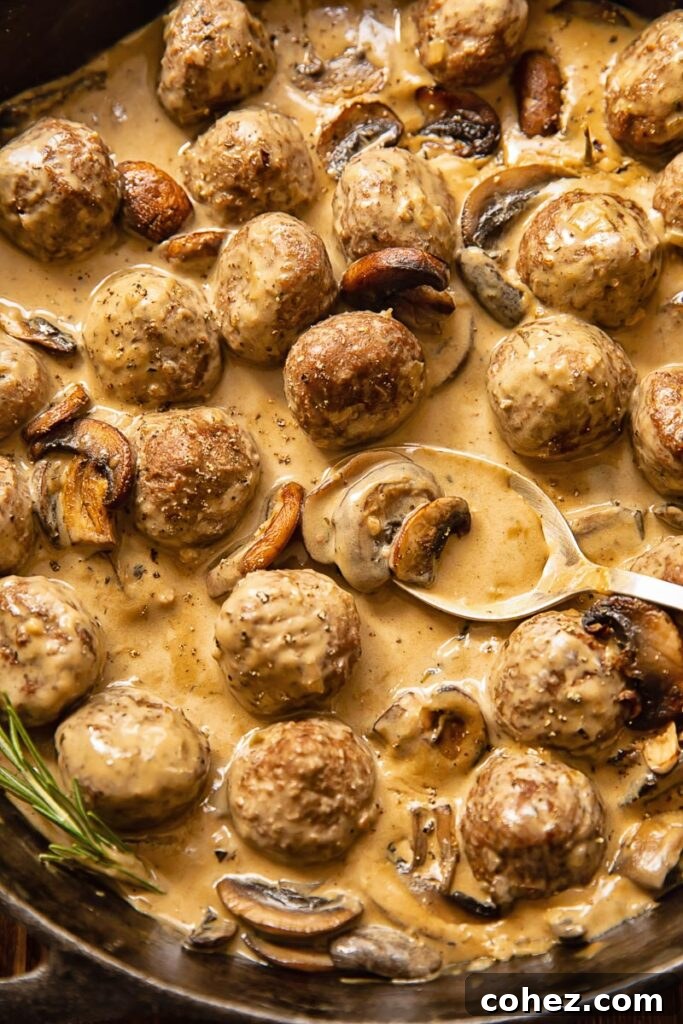
The Essence of Marsala Sauce: A Sicilian Classic
At the heart of this exquisite dish lies the Marsala sauce, a venerable creation hailing directly from the sun-drenched island of Sicily. This celebrated sauce is instantly recognizable by its signature sweet and complex notes, imparted by Marsala wine – a fortified wine unique to the region. Beyond the wine, the sauce typically boasts a harmonious blend of fragrant garlic, earthy mushrooms, aromatic herbs, and often, a luxurious touch of velvety cream that brings everything together.
Traditionally, Marsala sauce is a beloved companion to various proteins, most famously steak and chicken, where its robust character can truly shine. The resulting flavor profile is a captivating symphony of richness, deep earthiness from the mushrooms, and a delicate sweetness from the wine, all melded into a smooth, glossy liquid that coats every morsel. The layered flavors create a gourmet experience that belies the simplicity of its preparation, making it a favorite for both novice and experienced cooks.
Choosing Your Marsala Wine: Sweet, Dry, and Substitutions
Marsala wine comes in different styles: sweet, semi-dry, and dry. For this particular creamy mushroom sauce, sweet Marsala wine is the preferred choice, lending that authentic depth and luscious sweetness that defines the dish. The inherent richness of sweet Marsala, with its notes of dried fruit, honey, and sometimes caramel, is what truly elevates the creamy sauce and complements the savory meatballs. While dry Marsala is fantastic for savory applications like traditional Veal Marsala, its sharp, nutty profile would alter the intended sweetness of this recipe. Sourcing dry Marsala can sometimes be challenging outside of Italy, but sweet Marsala is generally more accessible in most liquor stores or specialty food shops.
If you find yourself unable to locate Marsala wine, don’t despair! Other fortified sweet wines such as Madeira or a good quality medium-dry Sherry can serve as commendable substitutes, though the nuanced flavor will vary slightly. When selecting a Madeira, look for labels like “Rainwater” or “Bual” for characteristics that align well with sweet Marsala. For Sherry, a “Cream” or “Oloroso” style would be suitable. Always choose a wine you’d enjoy drinking, as its quality will directly impact the final flavor of your sauce; a cooking wine specifically labeled “Marsala Cooking Wine” is often low quality and high in salt, best avoided.
Investing in a whole bottle of Marsala wine might seem daunting if you’re only using a small amount for cooking. However, it’s a worthwhile purchase! Marsala is incredibly versatile in the kitchen, enhancing everything from savory sauces to dessert reductions. Moreover, its distinct nutty, burnt caramel, and sometimes dried fruit notes make it a truly delightful dessert wine, perfect for sipping alongside a rich pastry or a cheese board. Unlike non-fortified wines, Marsala keeps remarkably well after opening (especially if stored in a cool, dark place or refrigerated), so you can enjoy it for several weeks or even months, making it readily available for future culinary adventures or special occasions.
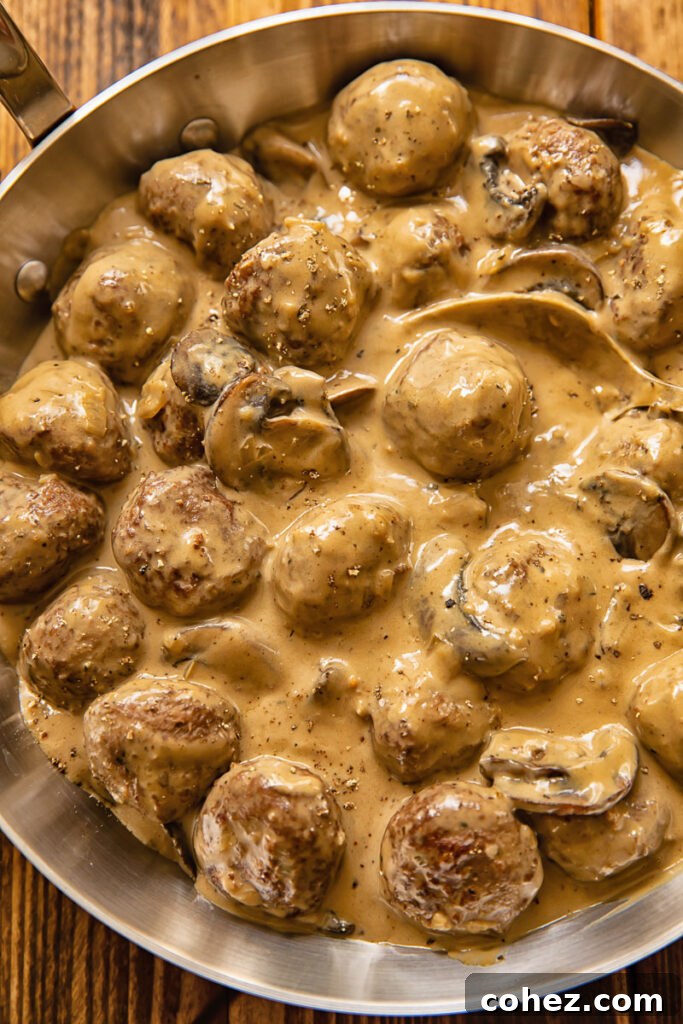
Crafting the Perfect Meatball for Marsala Sauce
Meatballs are not just an economical and satisfying protein choice; they are the ideal canvas to showcase the rich, creamy Marsala and mushroom sauce. To achieve that perfect balance of flavor, succulence, and texture, my go-to combination is a blend of ground beef and pork. The pork introduces a wonderful sweetness and keeps the meatballs incredibly moist due to its higher fat content, while the beef provides a robust, hearty depth of flavor. Together, they create a sublime experience, provided they are cooked correctly and handled with care!
The Secret to Flavorful Meatballs: The Maillard Reaction
The true secret to a truly tasty meatball and a deeply flavorful sauce lies in one crucial step: searing. Before you proceed with any other cooking, it’s imperative to generously brown your meatballs in the cooking pan. This process, often referred to as ‘browning’ or, more scientifically, the Maillard reaction, is a game-changer for flavor development.
What exactly is the Maillard reaction? It’s a complex series of chemical reactions that occur when amino acids and reducing sugars in food react with heat. This reaction is responsible for the irresistible golden-brown crust on your meatballs, the rich aroma of baking cookies, or the savory depth of a perfectly seared steak. During this transformation, hundreds of new flavor compounds are created, enhancing the overall taste and aroma of your food exponentially. By searing the meatballs, these exquisite aromas and flavors are not only developed within the meat itself but are also released into the hot oil or fat in your cooking pan. This flavorful residue, known as fond, then becomes the undeniable foundation for your Marsala sauce, infusing it with unparalleled richness and depth. Skipping this initial browning step means missing out on a huge opportunity to build layers of complex flavor and achieve a truly restaurant-quality dish. Trust us, it’s a corner you definitely don’t want to cut!
Assembling Your Meatballs: Tips for Success
- Meat Blend: As mentioned, a 50/50 blend of lean ground beef and pork mince offers the best of both worlds – moisture, sweetness, and a hearty flavor. Using only beef can result in drier meatballs, while all pork might lack the robust depth.
- Binder & Flavor: An egg and breadcrumbs are essential binders, preventing the meatballs from falling apart while keeping them tender. For added flavor, consider finely minced fresh parsley, a touch of freshly grated Parmesan cheese, or a hint of finely grated onion or shallot directly in your meatball mix. The dried basil and oregano already in this recipe provide a classic Italian herb profile.
- Gentle Mixing: Avoid overmixing the meatball mixture, as this can compress the proteins and lead to tough, dense meatballs. Mix just until all ingredients are combined, using your hands gently.
- Uniform Size: For even cooking, try to shape your meatballs to a consistent size. Aim for about 20 meatballs from the suggested quantities. A small ice cream scoop or a tablespoon measure can be helpful for portioning, ensuring they all cook at the same rate.
- Temperature: Keeping your meat cold until ready to form can also help them hold their shape better during preparation.
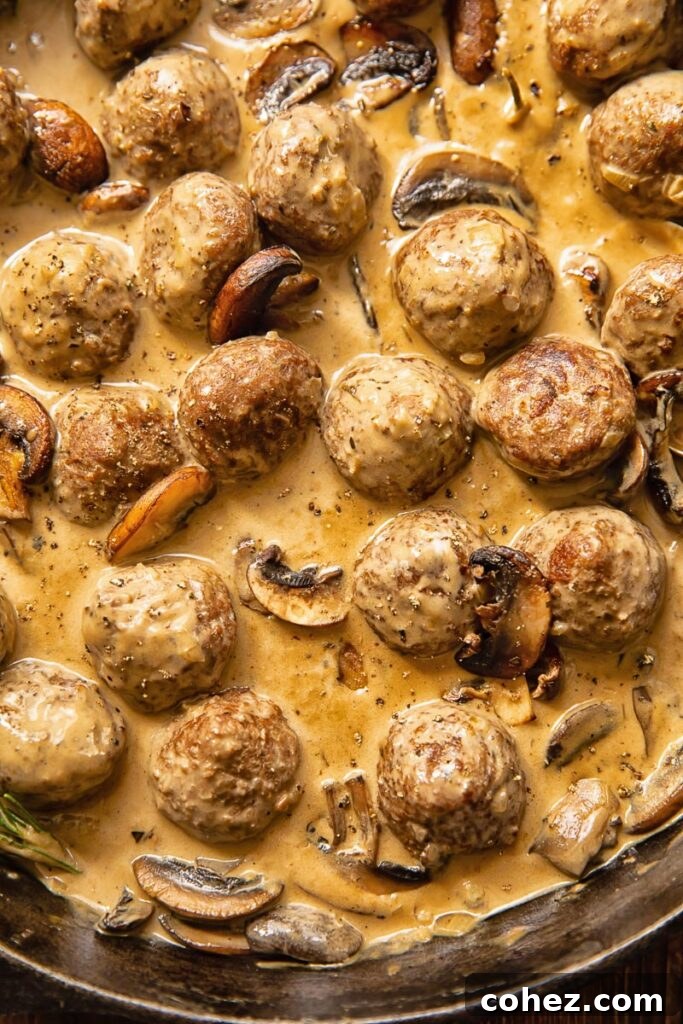
Essential Recipe Tips and Notes for Success
- Homemade vs. Store-Bought Meatballs: If your goal is to truly impress with knockout meatballs, diligently follow our recipe for combining equal quantities of pork and beef mince. This blend guarantees a super succulent texture and a delightful sweetness from the pork, perfectly complemented by the hearty depth of the beef. The effort is minimal for a superior result. However, if time is of the essence and getting a delicious meal on the table as quickly as possible is your priority, there’s absolutely no judgment in using quality pre-made, store-bought meatballs. Just be sure to choose a brand you’ve tried, tested, and trust for its delicious quality to ensure the best possible outcome for this dish.
- The Golden Rule of Browning: We can’t stress this enough – Brown. Your. Meatballs. Revisit the section above for the scientific explanation behind the Maillard reaction and its flavor-enhancing magic. Think of it this way: don’t we all look and feel better with a little sun-kissed glow? Your meatballs do too! This step is paramount for developing deep, rich flavors that will infuse your entire sauce, creating fond at the bottom of the pan that is irreplaceable.
- Mushroom Mastery: The same golden rule applies to your mushrooms. Remember this critical tip: DO NOT salt them while browning. Salting mushrooms too early encourages them to release their moisture prematurely, causing them to steam instead of sear. This results in soggy, greyish mushrooms rather than beautifully golden-brown, caramelized ones brimming with umami flavor. The goal here is a rich, golden hue, indicating that their natural sugars have caramelized and their flavors have intensified. Ensure your pan isn’t overcrowded; cook mushrooms in batches if necessary.
- Mushroom Variety: While we haven’t specified a particular type of mushroom in the main recipe, we often use chestnut mushrooms (also known as cremini) because they are widely available and a family favorite for their earthy flavor. However, the world of mushrooms is vast and exciting, so don’t feel restricted! Experiment with different varieties to discover new flavor profiles. Button mushrooms are a mild, classic choice, while sliced portobello caps can add a meaty texture. Shiitake or oyster mushrooms can introduce a more robust, savory note. For an even deeper dive into various types and their unique characteristics, you might find inspiration in our truffle risotto with wild mushrooms post.
- Sauce Consistency: Achieving the perfect sauce consistency is key. If your sauce seems too thick after simmering, a splash more chicken or vegetable stock, or even a little milk or cream, can thin it to your desired consistency. If it’s too thin, simmer gently for a few more minutes to allow it to reduce and thicken naturally, or mix a tiny bit of flour or cornstarch with cold water (a slurry), then slowly stir it into the simmering sauce, cooking for a minute or two until thickened.
- Herb Freshness: While dried herbs are convenient and effective, fresh rosemary adds an incredible aromatic boost and a brighter flavor. If using fresh, a little goes a long way. Finely chop it to ensure its flavor is well distributed throughout the sauce. Fresh parsley at the end also provides a lovely pop of color and freshness.
Storage and Leftovers Guide
In our home, a batch of twenty Marsala meatballs rarely lasts long! However, if you’re cooking for a smaller household or simply planning ahead, you might find yourself with some delicious leftovers. Properly stored, these meatballs and their creamy sauce make for an excellent meal the next day, often tasting even better as the flavors have had more time to meld. Simply transfer any remaining meatballs and sauce into an airtight container and refrigerate them. They will maintain their deliciousness for 2-3 days.
When it comes to freezing, there’s a crucial tip to remember: avoid freezing the meatballs and Marsala cream sauce together. Cream-based sauces, unfortunately, tend to change texture upon thawing, often becoming grainy or separating, which can significantly diminish the quality of your dish. Instead, if you wish to prepare ahead or save portions for longer, you can freeze the cooked (or even uncooked) meatballs separately. For optimal preservation, arrange them in a single layer on a baking sheet to freeze individually, then transfer them to a freezer-safe bag or wrap them tightly in foil and then in cling film. Stored this way, they’ll remain good in the freezer for up to two months, ready to be defrosted and added to a freshly made Marsala sauce when you’re ready to enjoy them.
Safety Tip: Always remember that raw, then frozen meatballs must be thoroughly defrosted in the refrigerator before they are cooked. This ensures even cooking and food safety. Cooked, then frozen meatballs, however, can be reheated directly from frozen, ensuring they reach a safe internal temperature (165°F or 74°C).
Serving Suggestions for Your Marsala Meatballs
These luscious Marsala meatballs are incredibly versatile and pair beautifully with a variety of sides, allowing you to tailor the meal to your preference or occasion. Here are some of our favorite ways to serve them:
- Classic Pasta: Embrace the Italian spirit by serving them over a bed of homemade fresh pasta, such as Homemade Fresh Pasta. Wider noodles like tagliatelle, fettuccine, or pappardelle are excellent choices as they boast more surface area to catch the rich, creamy sauce perfectly. Even simple spaghetti or penne would be delightful for a more casual approach.
- Creamy Potatoes: For a comforting and hearty meal, serve alongside a mound of Herb and Garlic Mashed Potatoes. The smooth, creamy potatoes provide a wonderful counterpoint to the rich sauce and succulent meatballs. Roasted or baked potatoes, perhaps seasoned with rosemary and garlic, are also fantastic options that add a different textural element.
- Crusty Bread: A must-have! Don’t forget a good loaf of crusty Italian bread, ciabatta, or even garlic bread to sop up every last drop of that incredible Marsala sauce. It’s too delicious to leave behind!
- Fresh Vegetables: To balance the richness of the dish, a simple side of steamed green beans, tender asparagus, lightly sautéed broccoli, or a crisp green salad with a light vinaigrette would be perfect. These add freshness and a touch of color to your plate.
- Creamy Polenta: For a rustic and authentically Italian touch, serve these meatballs over soft, creamy polenta. The mild flavor and creamy texture of the polenta allow the Marsala sauce to truly shine, creating a truly satisfying and elegant meal.
Explore More Meatball Recipes
If you’re a fan of meatballs and eager to try more variations, here are a few other beloved recipes from our collection that offer diverse flavors and culinary inspirations:
- Meatballs Stroganoff
- Baked Penne alla Vodka with Meatballs
- Sweet and Sour Meatballs in Pomegranate Sauce
- Porcupine Meatballs in Creamy Tomato Sauce (Tefteli)
Meatballs with Marsala Cream Sauce
By Julia Frey of Vikalinka
Cook Time: 45 mins
Total Time: 1 hr
Servings: 6 people
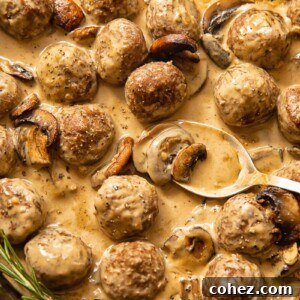
Meatballs with Marsala cream sauce is a Sicilian dish made with sweet and strong Marsala wine, and herby meatballs in a mushroom sauce. This recipe yields tender, flavorful meatballs in a rich, savory, and slightly sweet sauce, perfect for any occasion.
Equipment
- Cast iron skillet or large frying pan
Ingredients
For the meatballs
- 450g / 1 lb lean ground beef
- 450g / 1 lb lean ground pork
- 1 egg
- 1 tsp dried basil
- 1 tsp oregano
- 3/4 cups / 75g breadcrumbs
- 1 tsp salt
- 1 tbsp olive oil
For the sauce
- 2 tbsp olive oil, divided
- 1 onion, chopped
- 2 cloves garlic, minced
- 200g / 2 cups mushrooms (e.g., chestnut/cremini), sliced
- 1 tbsp fresh chopped rosemary or 1 tsp dried rosemary, finely chopped
- 1 tbsp all-purpose flour
- 125ml / 1/2 cup sweet Marsala wine
- 250ml / 1 cup stock (chicken or vegetable)
- 125ml / 1/2 cup double cream / heavy cream
- Salt to taste
- Pepper to taste
Instructions
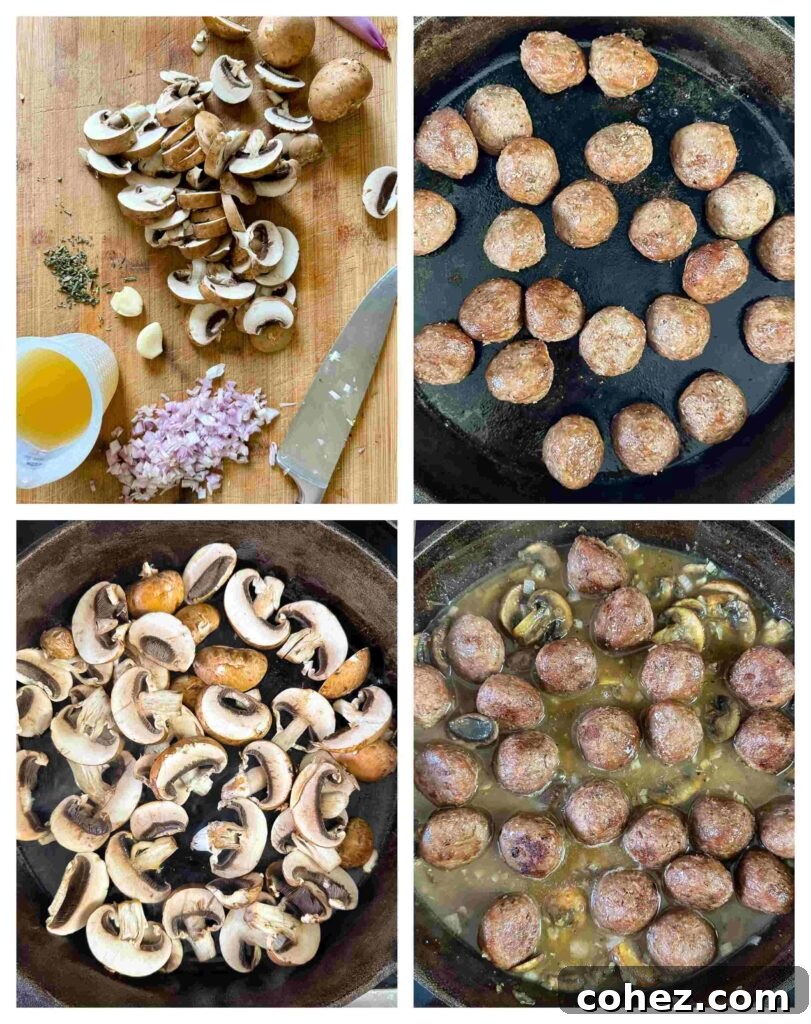
- In a large bowl, combine the ground beef and pork, beaten egg, dried basil, oregano, breadcrumbs, and salt. Mix thoroughly but gently with your hands until just combined. Avoid overmixing, as this can lead to tough meatballs. Shape the mixture into approximately 20 uniform meatballs.
- Heat 1 tablespoon of olive oil in a large frying pan or cast iron skillet over medium heat. Add the meatballs and brown them on all sides until they have a rich, golden-brown crust. Do not cook them all the way through at this stage. Once browned, remove the meatballs from the pan and set them aside on a plate.
- To the same pan (without cleaning it, as the browned bits add flavor), add the remaining tablespoon of olive oil. Add the sliced mushrooms to the pan. Fry them over medium heat until they are beautifully golden and have released their moisture. Remember, do not salt the mushrooms during this initial browning phase to ensure proper caramelization. Once golden, season with salt, pepper, and the chopped rosemary.
- Lower the heat and push the cooked mushrooms to one side of the pan. Add the chopped onions to the other side and cook for 5-7 minutes over low heat until they are softened and translucent. Add the minced garlic and cook for another 30 seconds until fragrant, being careful not to burn the garlic.
- Sprinkle the flour evenly over the mushrooms and onions, stirring well to coat everything and cook for about 1 minute to remove the raw flour taste. Deglaze the pan with the Marsala wine, scraping up any delicious browned bits (fond) from the bottom of the pan with a wooden spoon. Let the wine bubble away and reduce by about half, which should take approximately 5 minutes, allowing the alcohol to cook off and the flavors to concentrate.
- Pour in the chicken or vegetable stock and stir well to combine. Bring the meatballs back into the pan, nestled within the sauce. Stir gently, then let the sauce simmer for 10 minutes over low heat, allowing the meatballs to cook through completely and the flavors to meld beautifully. The sauce will also thicken slightly during this time.
- Finally, stir in the double cream (or heavy cream) and let it warm through for a minute or two, taking care not to boil aggressively after adding the cream to prevent curdling. Taste the sauce for seasoning and add more salt or pepper if needed. Once warmed, remove the pan from the heat and serve immediately.
Nutrition Information
Calories: 642kcal | Carbohydrates: 18g | Protein: 30g | Fat: 47g | Saturated Fat: 18g | Polyunsaturated Fat: 3g | Monounsaturated Fat: 21g | Trans Fat: 1g | Cholesterol: 159mg | Sodium: 1137mg | Potassium: 644mg | Fiber: 2g | Sugar: 5g | Vitamin A: 454IU | Vitamin C: 3mg | Calcium: 85mg | Iron: 4mg
Nutrition information is automatically calculated and should be used as an approximation.
Tried this recipe? We’d love to know how it turned out! Share your experience and any delicious twists you added in the comments below.