
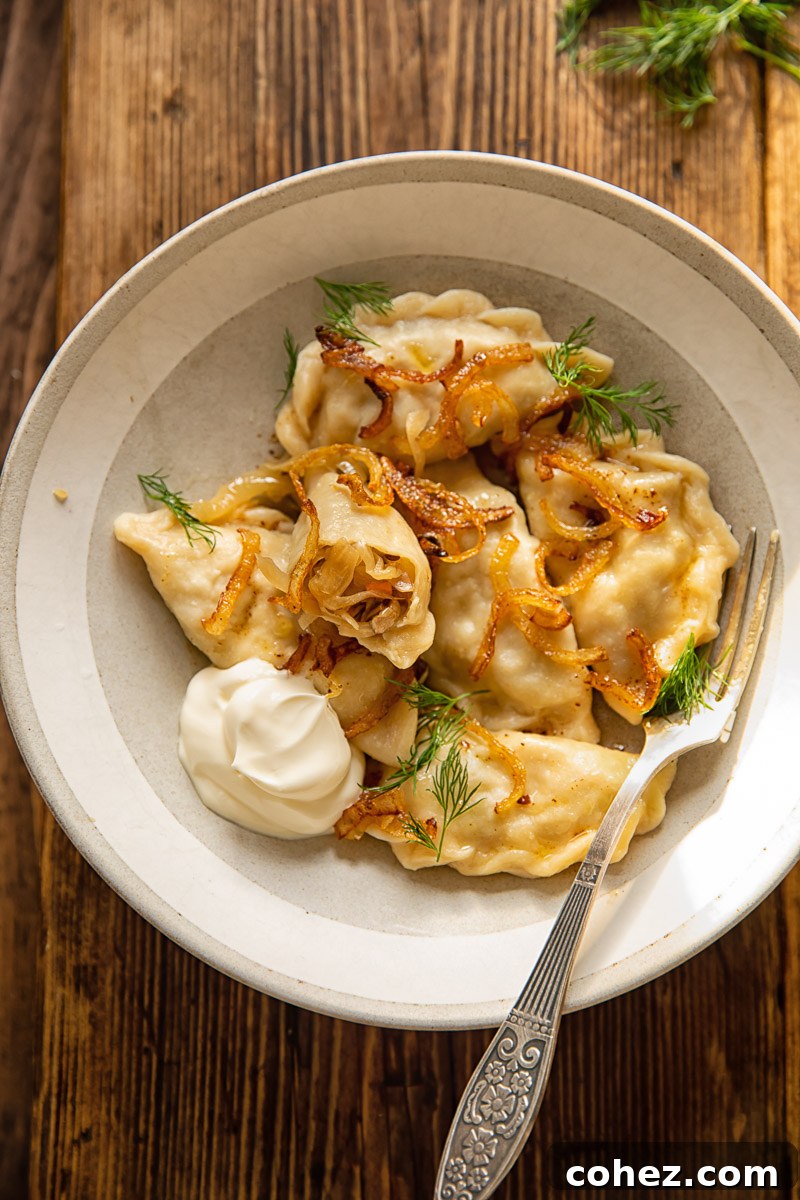
Ukrainian Vareniki: A Culinary Journey Through Hearty & Flavorful Dumplings
Vareniki, those delightful half-moon dumplings, are more than just a meal; they are miniature culinary gifts from the heart of Ukraine. Each tender parcel is a lovingly wrapped surprise, often concealing either a sweet or savory filling. Preparing these traditional dumplings is a true labor of love, a process that requires patience and dedication. Yet, as the saying goes, the best things come to those who wait, and the earthy, tangy, or wonderfully sweet flavors of homemade vareniki are undeniably worth every moment spent. They represent a connection to heritage, a comforting embrace of tradition, and a celebration of simple, wholesome ingredients transformed into something extraordinary.
Should the art of vareniki-making capture your culinary imagination, you might find joy in exploring their close dumpling cousins. Venture into the comforting world of Potato, Bacon and Caramelised Onion Pierogi, or delve into the savory depths of Meat Dumplings Pelmeni, each offering a unique taste of Eastern European culinary tradition.
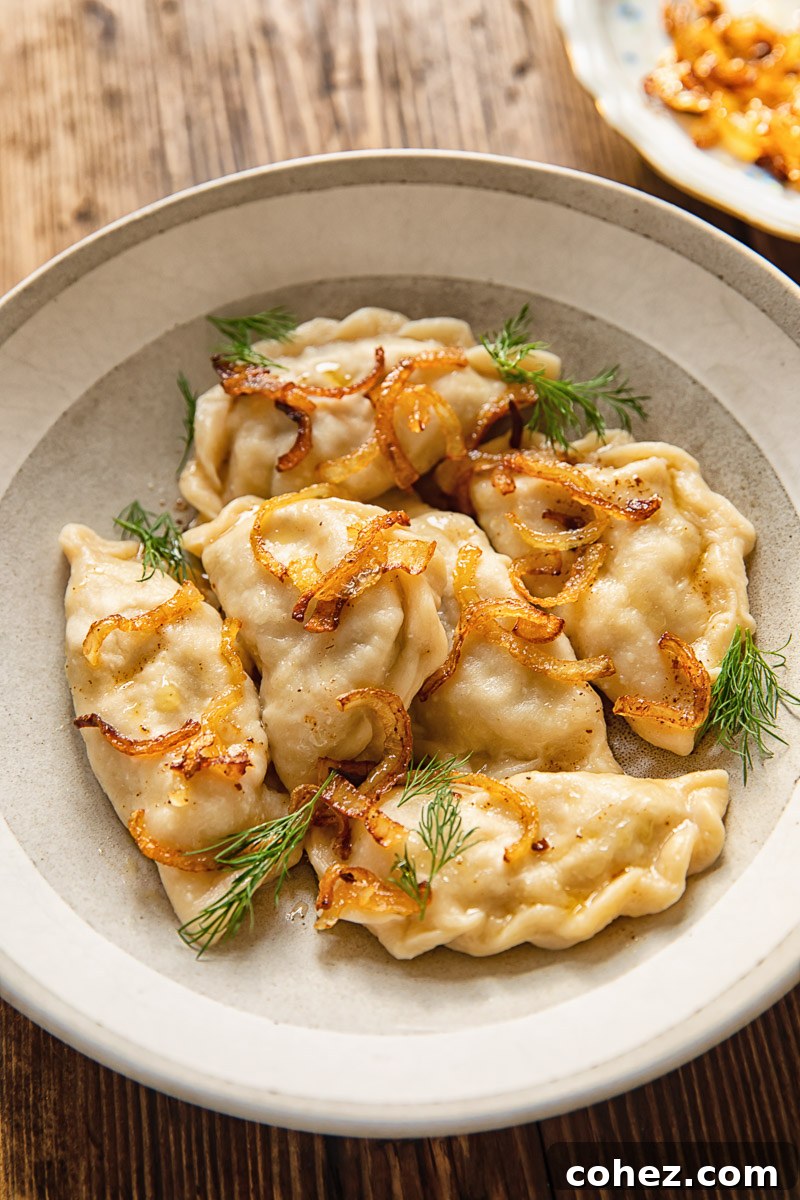
My personal affection for all things from that vibrant corner of the world runs deep—from the sweeping landscapes and intricate architecture to the profound literary works and, most certainly, the incredibly rich and diverse food. Ukraine’s history is a tapestry woven with centuries of power, resilience, and occasional loss, and I feel a profound connection to this heritage whenever I embark on the journey of making vareniki. It’s a culinary ritual that transcends mere cooking, transforming into an act of remembrance and cultural preservation.
Many years ago, in what now feels like another lifetime, my mother meticulously taught me the cherished family recipe for these symbolic half-moon dishes. My small, eager hands and nimble fingers were perfectly suited for the delicate task of folding and crimping the edges of the dough. Reflecting on the time-intensive nature of this dish, it’s clear why she enlisted my help! It was not just about the task itself, but about passing down a legacy, a culinary language spoken through generations. The rhythmic process of rolling, filling, and sealing each dumpling became a bonding experience, imbuing each varenik with love and the warmth of shared tradition.
This recipe for vareniki is indeed steeped in an equal measure of love and tradition, a culinary heirloom I sincerely hope will continue to be lovingly passed down from mothers to daughters, and across families, for many generations to come. It’s a testament to enduring cultural identity, expressed through the comforting flavors of home-cooked food.
What Are Vareniki? Unveiling Ukraine’s Beloved Dumplings
While vareniki might be a new culinary discovery for some, many have already encountered their more globally famous relatives: pierogi. Allow me to introduce you to these delightful Eastern European staples. Both vareniki and pierogi originate from the rich culinary landscapes of Eastern Europe. Both are wonderfully delicious parcels of dough filled with various ingredients. And, importantly, both offer incredible versatility, capable of being either delightfully sweet or satisfyingly savory. Furthermore, a key characteristic shared by both is their predominantly vegetarian nature, though savory meat options do exist in some variations.
The distinction between these two beloved dumplings primarily lies in their regional nomenclature. “Vareniki,” or sometimes “varenyky,” is the name most commonly used in the eastern parts of this region, particularly in Ukraine and Russia. As you travel westward, into countries like Poland, these doughy delights are more universally known as “pierogi.” While the names may differ, the essence remains the same: a comforting, versatile, and deeply traditional dish that brings warmth to any table. It’s truly their pleasure to meet your acquaintance and tantalize your taste buds.
Vareniki vs. Pierogi vs. Pelmeni: A Dumpling Family Tree
Now, let’s bring another member of the dumpling family into the conversation: pelmeni. Who is this intriguing character? Pelmeni stands as the strictly savory, meaty cousin of this beloved trio, originating from the frosty and vast expanses of Siberia. Unlike vareniki and pierogi, pelmeni are never prepared with sweet fillings. Another distinct feature of pelmeni is that their meat filling typically starts out raw when encapsulated within the dough, cooking thoroughly as the dumplings boil. This contrasts with many savory vareniki or pierogi fillings, which are often pre-cooked or semi-cooked. So, with this introduction, you now know the entire delicious and diverse Eastern European dumpling family, each with its own unique charm and culinary heritage.
A World of Flavors: Exploring Vareniki Fillings
Traditionally, vareniki fillings are characterized by their simplicity, allowing the pure flavors of the ingredients to shine through. Savory vareniki commonly feature humble yet delicious components such as fluffy mashed potatoes, creamy farmer’s cheese (tvorog), or tender cooked cabbage. However, culinary creativity knows no bounds, and I enjoy elevating these traditional bases with exciting flavor combinations. This particular recipe, for instance, ventures into a delightful mix of tangy sauerkraut and earthy mushrooms, offering a more complex and deeply satisfying profile. When it comes to sauerkraut, I often prefer to make my own at home following a traditional Russian sauerkraut recipe, or I source high-quality options from a local Eastern European specialty shop to ensure authentic taste.
The versatility of vareniki fillings allows for endless customization to suit your family’s preferences. Beyond the classic choices, you could opt for plain braised cabbage, a comforting blend of peas with potato, or even explore seasonal vegetables. The possibilities are truly boundless. And, of course, no savory vareniki experience is complete without the all-important generous dollop of cool, creamy sour cream served on top—it provides a perfect tangy contrast to the rich filling. A perennial favorite in my household, guaranteed to disappear quickly from the plate, is the combination of potato and caramelized onion, offering a sweet and savory harmony that’s hard to resist.
On the sweeter side, sweet vareniki can be gloriously jammy and bursting with fruit flavor. The most iconic sweet filling typically involves tart sour cherries, which release their delicious juices when cooked. However, feel free to experiment with other stone fruits like apricots or plums, or sweeter berries such as succulent blueberries or ripe strawberries. All these fruit fillings pair exceptionally well if you choose to incorporate a crumbly, unsweetened white cheese (tvorog or quark) for added texture and richness. And, just as with their savory counterparts, a generous dollop of sour cream or crème fraîche provides the perfect cooling balance to the sweet, warm fruit filling, completing the indulgent experience.
Mastering the Art of Vareniki: Expert Tips for Perfect Dumplings
Creating perfect vareniki is an enjoyable culinary endeavor. To ensure your success and make the process as smooth as possible, here are some invaluable tips and notes:
- Break Down the Process: Given that making vareniki is a relatively labor-intensive process, it’s highly advisable to break it down into manageable stages. For instance, you can prepare the filling a full day or even two days in advance. This allows you to spread out the work and makes the dumpling assembly process feel less daunting and more enjoyable.
- Prepare an Extra Batch for the Freezer: Once you taste these homemade delights, you’ll undoubtedly fall in love with them. To ensure you always have a comforting meal on hand, prepare an extra batch specifically for the freezer. This foresight will reward you with instant comfort food on busy weeknights.
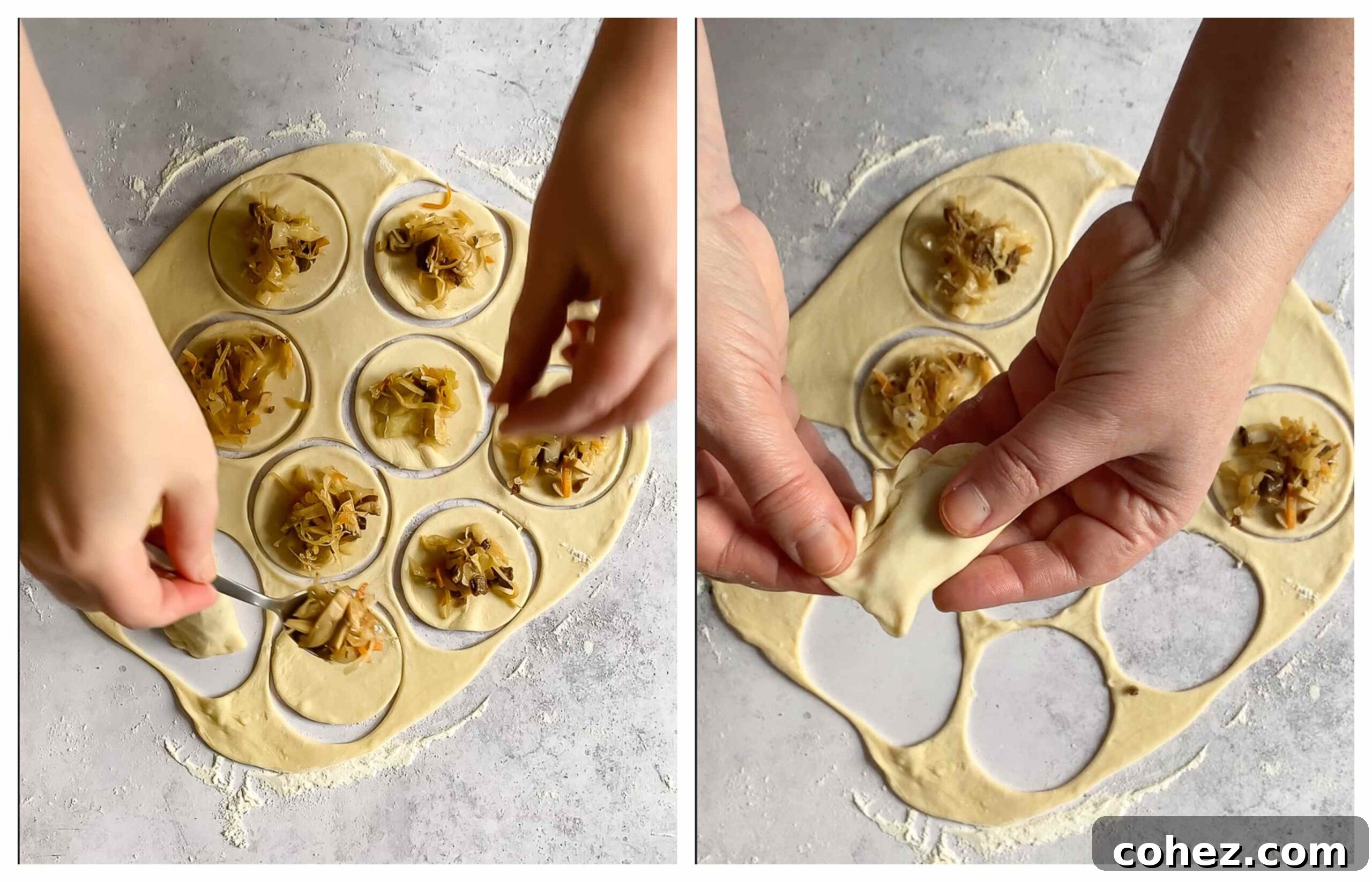
- Working with Sauerkraut Filling: If you’ve previously made vareniki with a potato-based filling, you’ll recall that potato is inherently sticky and quite easy to pack. Sauerkraut filling, on the other hand, can be a bit more “wild” and less cohesive. To better contain this lively filling and prevent spillage, I strongly recommend using a slightly larger dough circle, approximately 3.5 inches in diameter. This extra surface area provides more margin for error and helps secure the filling within the dumpling.
- Perfecting the Half-Moon and Ruffled Edge: Achieving that aesthetically pleasing half-moon shape with a beautifully ruffled edge takes a little practice. Don’t be discouraged if your first few aren’t perfect; you’ll likely get the hang of it by your thirtieth parcel! If you’re feeling unsure about the technique, consider watching a video demonstration to guide you. Many online tutorials, like my video on making potato, bacon, and caramelized onion dumplings, can provide excellent visual instructions to help you get started with the pinching and crimping process.
- Cooking Methods for Vareniki: In this particular recipe, I advocate for boiling the vareniki. This method yields a wonderfully soft and delicate texture that many find irresistible. However, vareniki are also commonly enjoyed fried. If you prefer a crispier exterior, simply boil them until they float, then drain and pan-fry them in a little vegetable oil or, for an even richer flavor, use butter until they turn golden brown and slightly crispy on both sides. Both methods offer a unique and delicious experience.
- Dough Consistency is Key: For the dough, aim for a consistency that is firm but pliable, not too sticky, and not too dry. Too sticky and it’s hard to work with; too dry and it will crack. Knead until smooth and elastic, allowing it to rest adequately, which is crucial for achieving that delicate texture.
- Don’t Overfill: While it’s tempting to cram as much delicious filling as possible into each dumpling, overfilling can lead to difficulties in sealing and potential bursting during cooking. Use a generous but manageable spoonful.
Serving Suggestions: Elevating Your Vareniki Experience
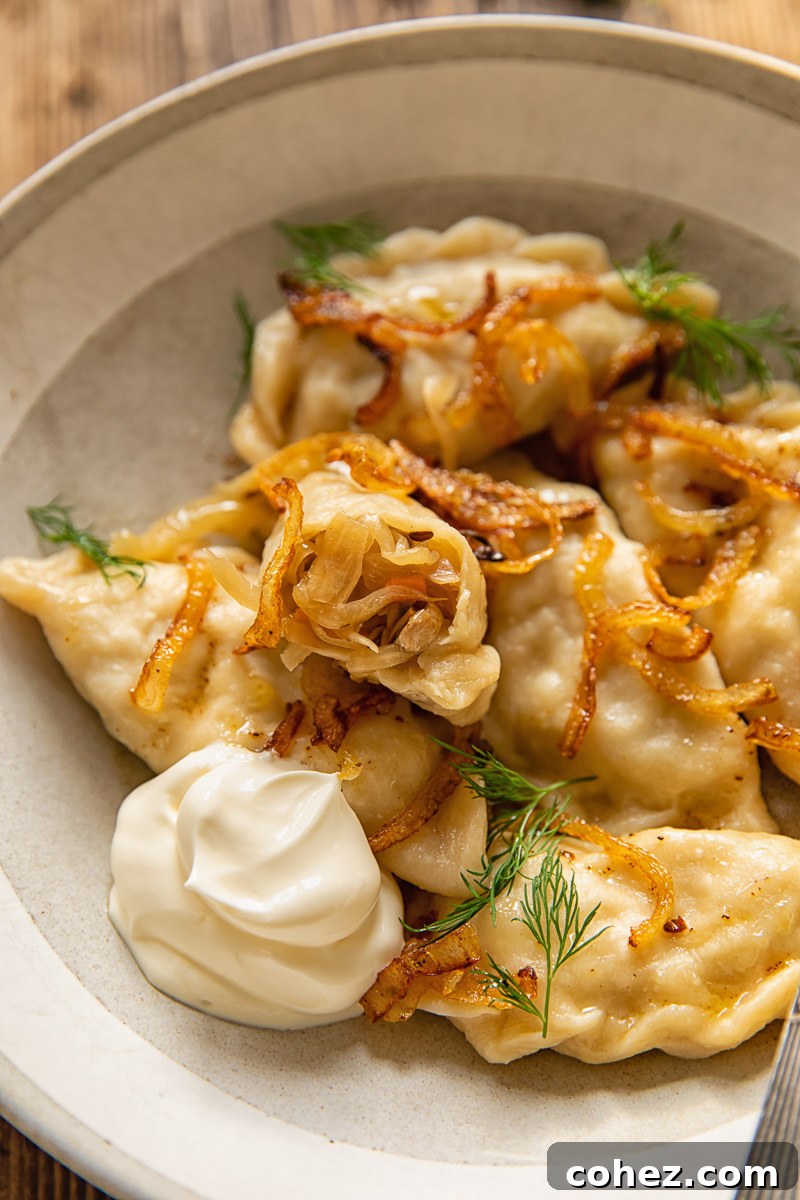
Serving vareniki is an art in itself, and simple additions can transform them into an unforgettable meal. For a truly authentic and heartwarming experience, combine a generous dollop of fresh sour cream or creamy crème fraîche with your freshly cooked vareniki. A sprinkle of vibrant fresh dill, finely chopped, adds a burst of herbal freshness and visual appeal, perfectly complementing the rich flavors of the dumplings. Beyond these essential garnishes, a side portion of crisp homemade sauerkraut will also beautifully complement the meal, adding another layer of tangy complexity. Honestly, it truly doesn’t take much more than these simple accompaniments to create a perfect, satisfying, and profoundly comforting meal that speaks of tradition and home.
For those who don’t mind a tiny bit of extra effort, you can elevate your savory vareniki by pairing them with flavorful Polish sausages (kielbasa). This creates a heartier, more robust meal, as demonstrated in my recipe for Pierogi and Kielbasa. It’s a fantastic way to introduce an easy yet delicious variation to this classic dumpling dish, adding a smoky, rich dimension that pairs wonderfully with the soft vareniki. Another fantastic idea is to serve them with a topping of crispy fried onions or even bits of fried bacon for added texture and savory depth.
Storage and Leftovers: Enjoying Vareniki Anytime
These delectable dumplings are truly irresistible, and you might be surprised by how many you can enjoy in one sitting! Once cooked, like most fresh pasta, vareniki do not keep particularly well and are best enjoyed immediately for optimal texture and flavor. Therefore, it’s often best to savor them all or share them generously. However, the good news is that vareniki are absolutely made to be frozen before cooking, making them an excellent candidate for batch cooking!
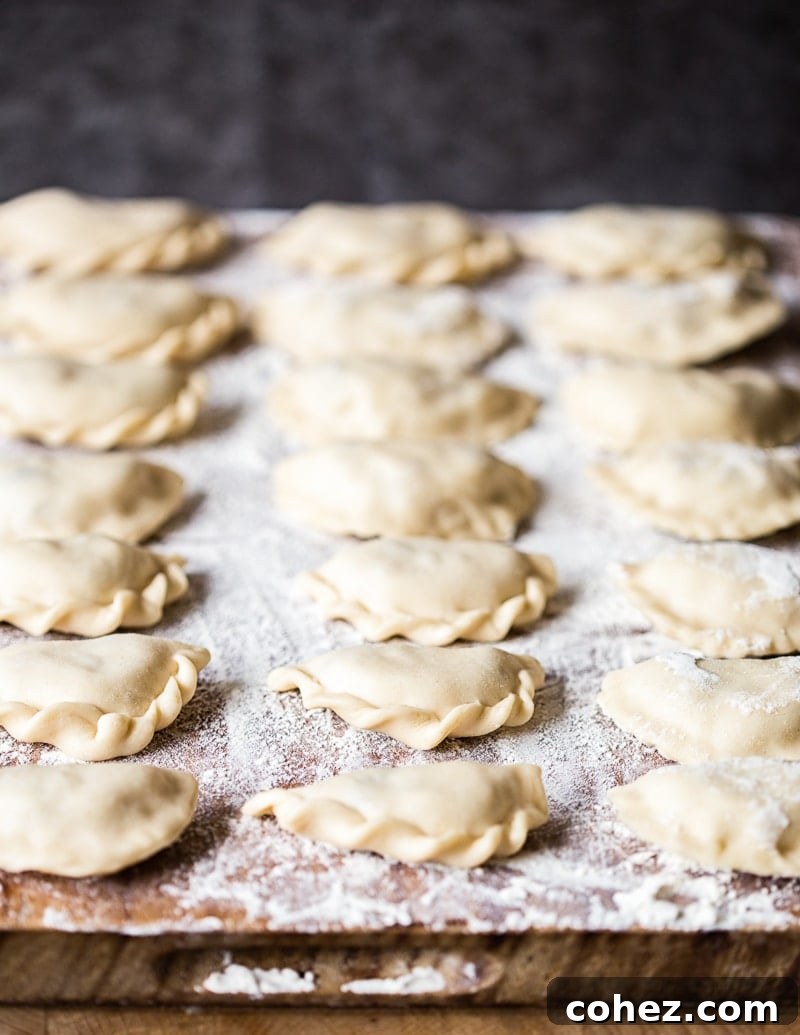
If you have the time, preparing a large batch of vareniki for freezing is a culinary superpower. Arrange your uncooked spare dumplings in a single layer on a floured baking sheet, ensuring they don’t touch, and freeze them until solid. Once frozen, transfer them to an airtight container or freezer bag. This prevents them from sticking together and developing freezer burn. When you’re ready for an instant comfort meal, simply cook them directly from frozen in boiling water. This method allows you to enjoy homemade, authentic vareniki with minimal fuss, transforming a labor of love into a convenient, delicious present to yourself whenever the craving strikes.
More Ukrainian and Eastern European Delights to Explore
- Cabbage Rolls (Golubtsi): Tender cabbage leaves wrapped around a savory filling of rice and meat, simmered in a rich tomato sauce.
- Borscht (Beetroot Soup): A vibrant and hearty soup, famous for its rich beet color and complex flavors, often served with a dollop of sour cream.
- Stuffed Peppers with Meat and Rice: Bell peppers filled with a seasoned mix of ground meat and rice, baked to perfection in a savory sauce.
- Sausage and Sauerkraut: A classic, comforting combination of smoky kielbasa sausage simmered with tangy sauerkraut, a perfect pairing for hearty appetites.
Sauerkraut and Mushroom Vareniki
By Julia Frey of Vikalinka
1 hr 30 mins
10 mins
8 (approximately 45 dumplings)
These Ukrainian vareniki are delicious homemade dumplings filled with sauerkraut, mushrooms and caramelised onions. This recipe makes approximately 45 dumplings, perfect for sharing or freezing.
Ingredients
For the Filling
- 2 onions
- 250 g / 1 2/3 cups sauerkraut
- 2 tbsp butter
- 200g / 7oz chestnut or button mushrooms
- 20g / 1/4 cup dried porcini mushrooms (or any other type of dried mushrooms)
- Salt to taste
For the Dough
- 450g / 3 1/3 cups all-purpose/plain flour
- 1 tsp salt
- 1 egg
- 225ml / 1 cup cold water
Instructions
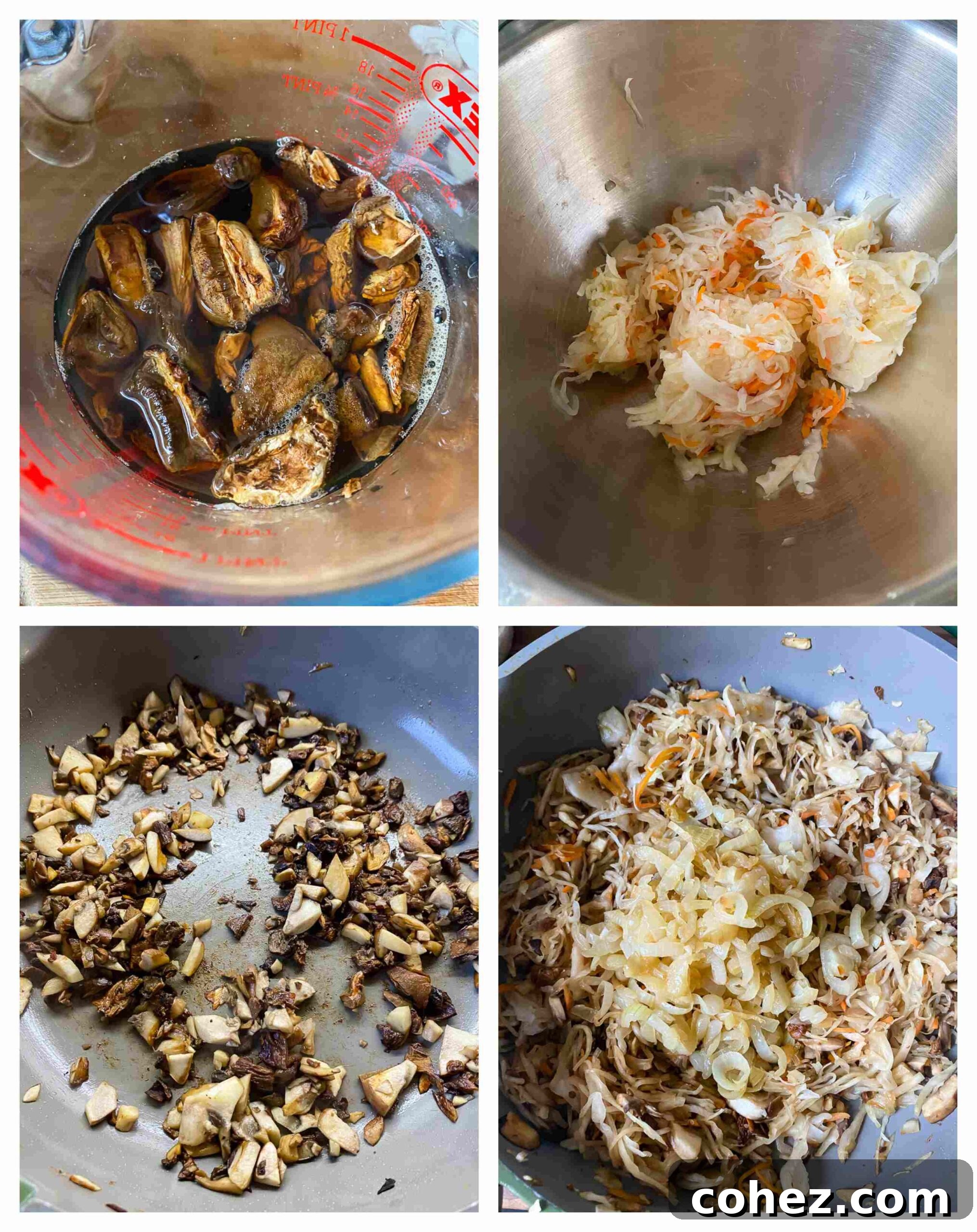
- Prepare the Filling: Begin with the filling, which can be prepared up to 2-3 days in advance and stored in the refrigerator. Pour one cup of boiling water over the dried porcini mushrooms and allow them to rehydrate for at least 30 minutes. Slice the onions thinly and gently cook them in 1 tablespoon of melted butter over low heat. Continue cooking until they are very soft, deeply caramelized, and golden in color, which should take approximately 20 minutes. Ensure there is absolutely no crunch left in the onions; they should be sweet and tender. Once done, remove the caramelized onions and place them in a medium-sized bowl.
- Add Sauerkraut: Firmly squeeze out as much liquid as possible from the sauerkraut over a sink until it is quite dry. Add the dried sauerkraut to the bowl with the caramelized onions.
- Cook Mushrooms: Finely chop both the fresh chestnut or button mushrooms and the rehydrated porcini mushrooms. Discard the liquid from the porcini mushrooms. Melt the remaining tablespoon of butter in the same pan used for the onions. Add both types of chopped mushrooms along with a pinch of salt. Cook over medium heat until the mushrooms are slightly golden and all their liquid has evaporated from the pan.
- Combine Filling Ingredients: Add the cooked mushrooms to the bowl containing the sauerkraut and caramelized onions. Mix thoroughly to combine all the filling ingredients evenly. Allow the mixture to cool slightly before transferring it to an airtight container and refrigerating until needed.
- Make the Dough: In a food processor, pulse the flour and salt together for a few seconds. With the motor running, gradually add the egg through the feed tube, followed by the cold water. Let the food processor continue to run for about a minute until a cohesive dough forms around the blade. Transfer the dough to a clean bowl, cover it with a tea towel, and let it rest for at least 30 minutes. This resting period allows the gluten to relax, making the dough easier to roll and more pliable.
- Shape the Vareniki: On a lightly floured surface, roll out the rested dough to about 1/8 inch thickness. Use a 3 to 3.5-inch cookie or scone cutter to cut out dough circles. Place a generous spoonful of the prepared filling slightly off-center onto each dough circle. Fold the dough over to create a half-moon shape, then carefully pinch the edges firmly shut with your fingertips, ensuring a tight seal. For a more decorative and attractive ruffled edge, go over the sealed edge one more time, using your two fingers and a thumb to pinch and gently twist the dough, creating a beautiful crimped pattern.
- Continue Assembly: Repeat the shaping process with the remaining dough circles and filling until all ingredients are used. Depending on the size of your dumplings, you should yield approximately 35-45 vareniki.
- Prepare for Cooking or Freezing: Set aside the desired amount of vareniki for immediate dinner (typically 4-6 per person). For any remaining dumplings, lightly flour them and arrange them in a single layer in a well-floured, airtight container or on a baking sheet. Freeze until solid, then transfer to a freezer-safe bag or container to prevent sticking. Cook from frozen as needed.
- Cook and Serve: Bring a large pot of salted water to a rolling boil. Carefully drop the fresh or frozen vareniki into the rapidly boiling water, stirring gently to prevent them from sticking to the bottom. Once the vareniki float to the surface, they are cooked. Drain them thoroughly. For an extra touch of flavor and texture, pan-fry the drained vareniki in butter over medium heat until they are golden brown and slightly crispy on both sides. Serve immediately with a dollop of sour cream, and if desired, a sprinkle of crispy fried onions or fresh dill.
- *Note: Cook frozen vareniki directly from the freezer; do not thaw beforehand.
Video
Nutrition
Calories: 268kcal | Carbohydrates: 50g | Protein: 8g | Fat: 4g | Saturated Fat: 2g | Polyunsaturated Fat: 1g | Monounsaturated Fat: 1g | Trans Fat: 0.1g | Cholesterol: 28mg | Sodium: 823mg | Potassium: 280mg | Fiber: 3g | Sugar: 2g | Vitamin A: 123IU | Vitamin C: 7mg | Calcium: 30mg | Iron: 3mg
Nutrition information is automatically calculated and should only be used as an approximation.