Eltham Palace: Uncovering London’s Hidden Royal Gem in Your Own Backyard
Imagine, for a moment, a magnificent palace nestled right in your neighborhood. A genuine historical landmark, where kings and queens once walked, where centuries of history are etched into stone walls, and where grand gardens invite endless exploration. For many years, this was not just a daydream, but a tangible reality for us here in London. Eltham Palace, a site of immense historical and architectural significance, stood proudly within a mere five-minute drive from our home. Yet, astonishingly, it remained unexplored by us for nearly four years. This curious phenomenon, often dubbed the “backyard paradox,” where proximity frequently leads to oversight, finally broke its spell with a much-anticipated visit from my mother-in-law, prompting us to uncover this extraordinary local treasure.
The Enduring Legacy of Eltham Palace: From Medieval Grandeur to Art Deco Chic
Eltham Palace is far more than just a collection of old buildings; it’s a vibrant journey through time, a unique fusion of medieval majesty and 20th-century sophistication. Its storied origins trace back to the early 14th century, evolving from a simple manor house into a highly favored royal residence. For centuries, its hallowed halls echoed with the lives of English monarchs, hosting lavish banquets, significant court events, and even whispered secrets. The very walls of Eltham have been silent witnesses to pivotal moments in history, having seen grand balls, state dinners, and private conversations that undeniably shaped the destiny of a nation.
Henry VIII’s Childhood Home: A Pivotal Royal Connection
Perhaps its most celebrated association is with the legendary King Henry VIII. Born in 1491, Henry spent a significant portion of his formative childhood and early years at Eltham Palace. It was within these very grounds that he learned, played, and began to shape the early contours of his formidable reign. During the dynamic Tudor era, the palace served as a vibrant hub, a place where young princes and princesses roamed freely, where knights trained diligently, and where the intricate dance of court life unfolded daily. One can easily picture the young Henry, full of youthful energy and burgeoning ambition, exploring the vast parkland and perhaps even dreaming of his future on the throne. This profound royal connection firmly establishes Eltham Palace as an indispensable landmark in England’s rich tapestry of history, a place where the seeds of the illustrious Tudor dynasty truly blossomed.
A Decline and a Dazzling Revival: The Courtauld Era
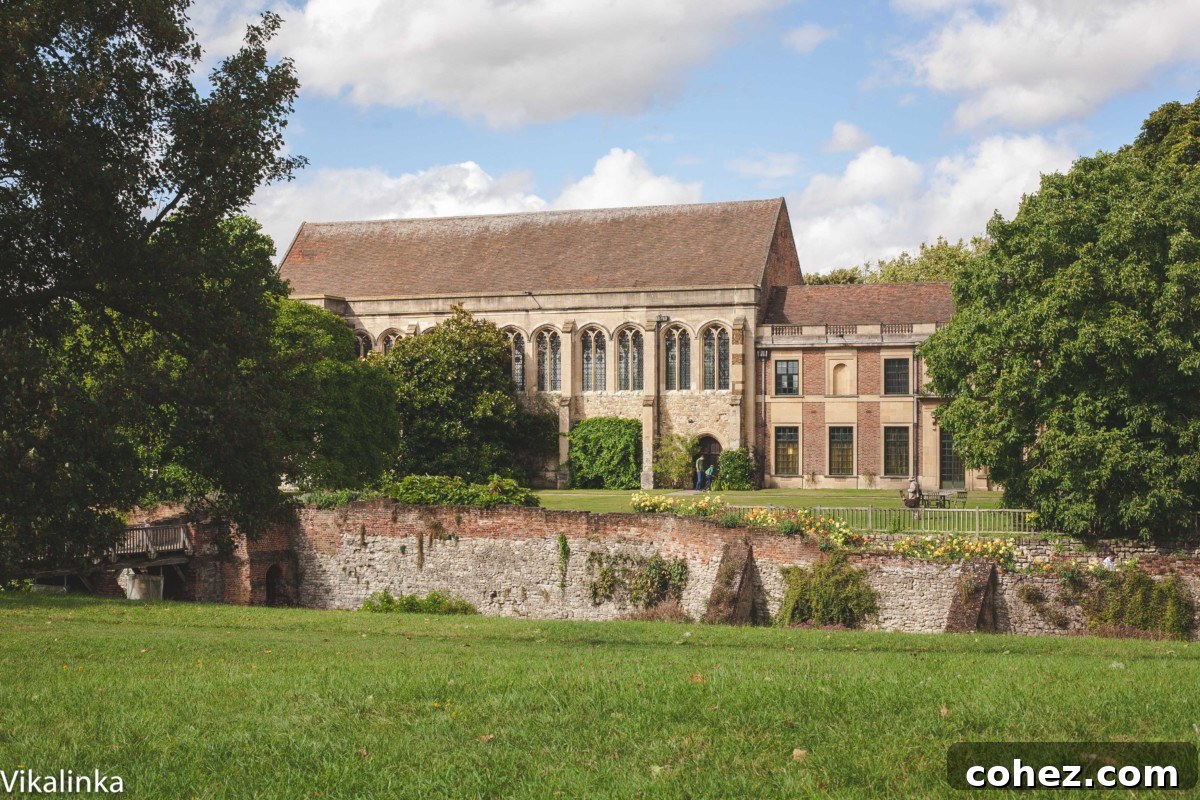
Following its golden age, particularly after the Tudor period, Eltham Palace gradually fell into disuse as a primary royal residence. Over the ensuing centuries, significant portions of the original structure deteriorated, leaving only the magnificent Great Hall as a poignant and solitary reminder of its former glory. However, the story of Eltham Palace takes a truly fascinating and unexpected turn in the 1930s. It was then acquired by Stephen and Virginia Courtauld, wealthy industrialists and prominent figures in London society, renowned for their progressive tastes and patronage of the arts. They embarked on an ambitious and visionary project, not merely restoring the medieval Great Hall to its original splendor but boldly integrating it into an entirely new, opulent Art Deco mansion built seamlessly adjacent to it. This ambitious renovation transformed the palace into a marvel of modern design, masterfully blending historical reverence with cutting-edge luxury and an unmistakable flair for the avant-garde.
Architectural Wonders: Where Medieval Majesty Meets Modernist Opulence
The unparalleled beauty and distinct charm of Eltham Palace lie precisely in its stunning juxtaposition of vastly different eras. As you step through its grand entrance, you are immediately transported across centuries, experiencing a truly unique architectural dialogue between the past and a more recent history.
The Medieval Great Hall: A Breathtaking Glimpse into the Past
The Great Hall, dating majestically back to the 15th century, stands as a breathtaking example of late medieval architecture. Its vast, soaring hammer-beam roof, which proudly holds the distinction of being the third-largest of its kind in England, commands immediate awe and admiration. Walking beneath its ancient, meticulously crafted timbers, one can almost hear the faint echoes of royal feasts, grand celebrations, and the spirited conversations of a bygone era. It’s easy to envision noblemen and ladies gathered, fully immersed in the pomp and ceremony of a vibrant court. This magnificent hall served as the undisputed heart of the medieval palace, a versatile space for grand entertainment, important legal proceedings, and the bustling daily life of the court. Its sheer scale, intricate craftsmanship, and enduring presence are a powerful testament to the architectural prowess of its time, offering visitors a tangible and profound connection to the palace’s invaluable royal heritage.
The Art Deco Mansion: A Symphony of Style and Innovation
Contrasting sharply with the solemn grandeur of the Great Hall is the Courtaulds’ meticulously designed Art Deco residence. This 1930s extension is nothing short of a masterpiece of early 20th-century modernism, showcasing innovative design principles, the use of luxurious materials, and an unparalleled sense of sophisticated style. Each room within this section tells a captivating story of the Courtaulds’ refined tastes, their passion for international travel, and their deep appreciation for exotic cultures and cutting-edge design. The entrance hall, with its striking veneer work, dramatic lighting, and a magnificent domed ceiling, immediately sets an opulent and theatrical tone. The circular dining room, the elegant drawing-room, Virginia Courtauld’s exceptionally lavish bedroom suite, and the remarkably state-of-the-art bathrooms all feature bespoke furniture, custom-made lighting fixtures, and exquisite detailing that speaks volumes of their personal style. The clear influence of Swedish modernism, African art, and various other international styles is beautifully evident throughout, creating an interior that feels simultaneously grand, yet surprisingly intimate and livable. This unique section of the palace offers a rare and invaluable insight into the lives of a wealthy, cultured, and remarkably forward-thinking couple during a pivotal moment in design history.
Beyond the Walls: The Enchanting Gardens and Historic Parkland
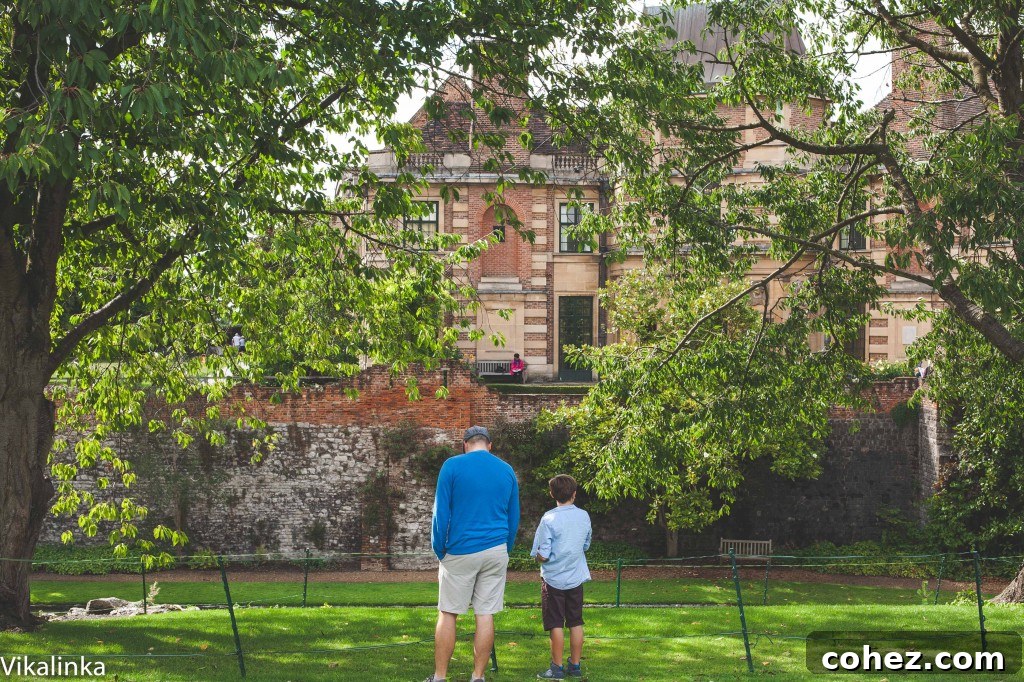
The palace is gracefully enveloped by its magnificent grounds, extending across a sprawling 19 acres of beautifully maintained gardens and historic parkland. The medieval moat, a striking and enduring feature encircling the palace, provides both a historical defensive element and a tranquil, picturesque beauty. Visitors are invited to stroll through a delightful variety of garden styles, from the formal elegance of the sunken rose garden to the serene tranquility of the rock garden, each offering a distinct and enriching horticultural experience. The extensive parkland encourages leisurely walks, allowing one to fully appreciate the impressive scale and profound serenity of the entire estate. These meticulously curated gardens would have been as integral to royal life in centuries past as they were to the sophisticated lifestyle of the Courtaulds, providing invaluable spaces for recreation, quiet contemplation, and impressive outdoor gatherings. The vibrant flora and majestic mature trees add yet another captivating layer of charm and historical depth, making the entire estate a truly immersive and unforgettable experience for all who visit.
Our Personal Journey of Discovery: The Enduring Magic of Eltham
Our long-overdue visit to Eltham Palace was nothing short of captivating. After a mere five-minute drive (a journey we genuinely regretted not taking on foot to truly soak in the local atmosphere and anticipate the grandeur), we dedicated the next three hours to fully immersing ourselves in Eltham Palace’s rich and multi-layered narrative. We wandered with a sense of wonder through the sprawling grounds, our curiosity piqued by every turn in the path, every hidden vista. Inside the palace, we listened intently to the fascinating stories of its past inhabitants, brought vividly to life by informative audio guides and engaging visual displays. We found ourselves constantly imagining what life must have truly been like for the Tudors and, later, for the Courtaulds, picturing ourselves attending grand banquets in the ancient Great Hall or hosting elegant soirées in the opulent Art Deco reception rooms. The sense of discovery was palpable, a thrill that only comes from uncovering a true gem that has been hidden in plain sight, yet possessed an undeniable, magnetic allure. We were utterly thrilled to have finally explored this truly remarkable site, a deep feeling of satisfaction washing over us as we absorbed its unique beauty and immense historical weight.
The Backyard Paradox: A Universal Lesson in Local Exploration
The profound realization of how truly beautiful and historically significant Eltham Palace is, coupled with the frank acknowledgment of how utterly ignored it had been by us for so long, sparked a profound and far-reaching reflection. It made me ponder a larger, more universal truth: how often do we, in our busy daily lives, inadvertently overlook the extraordinary wonders and invaluable experiences that lie right on our very doorsteps, simply because they are “in our backyard”?
This intriguing “backyard paradox” isn’t exclusive to grand historical sites like Eltham Palace. It extends to countless other local gems: the serene local parks, the charming hidden eateries, the quaint small museums, the vibrant community events, or even just the unique and often overlooked architectural charm of our immediate surroundings. We frequently find ourselves planning elaborate and often costly trips to far-flung destinations, yearning for new experiences and exotic sights, while the very treasures that could genuinely enrich our daily lives remain largely unseen, deeply unappreciated, and thoroughly unexplored. The sheer convenience of proximity, ironically, can often lead to a subtle form of complacency, effectively blinding us to the beauty, history, and cultural richness that define our local landscape. We might tell ourselves we’ll “get around to it eventually,” but “eventually” can sometimes take years, or tragically, never come at all.
Eltham Palace served as a powerful and much-needed reminder to consciously seek out, explore, and passionately celebrate the local. It profoundly taught us that actively embracing and engaging with our immediate environment can offer unexpected delights, profound learning experiences, and foster a significantly deeper connection to the very place we call home. Exploring local history and culture not only enriches our own personal lives and broadens our perspectives but also crucially supports the local communities and the dedicated institutions that work tirelessly to preserve these precious sites for current and future generations. Moreover, it represents a more sustainable and mindful form of tourism, requiring less travel and often revealing more about ourselves and our authentic roots.
Discover Your Own Eltham Palace: An Invitation to Explore
So, I sincerely urge you to take a deliberate moment and thoughtfully consider your own “backyard.” What forgotten treasures, what local marvels, what fascinating and untold stories might be patiently waiting just a stone’s throw away from where you stand right now? Perhaps it’s a historically significant house, a meticulously cultivated botanical garden, a quirky independent shop brimming with unique finds, or a breathtaking natural trail begging to be explored. The transformative experience of discovering Eltham Palace fundamentally altered our perspective, converting a once-neglected local landmark into a cherished memory and an ongoing source of inspiration. It encouraged us to adopt a new and more appreciative mindset, one that deeply values local exploration and passionately celebrates the unparalleled richness found right outside our very doors.
Don’t allow the convenience of proximity to become a barrier to genuine discovery. Step out with an open mind, explore with a curious heart, and allow yourself to be genuinely surprised by the hidden wonders that lie within your own neighborhood. You might just uncover a palace, a vibrant piece of forgotten history, or a beautiful sanctuary that has been patiently waiting for you to find it all along. Eltham Palace stands as a timeless testament to the extraordinary beauty and profound history that is often overlooked, patiently waiting to be rediscovered by those who are willing to look a little closer to home and embrace the adventure of local exploration.