
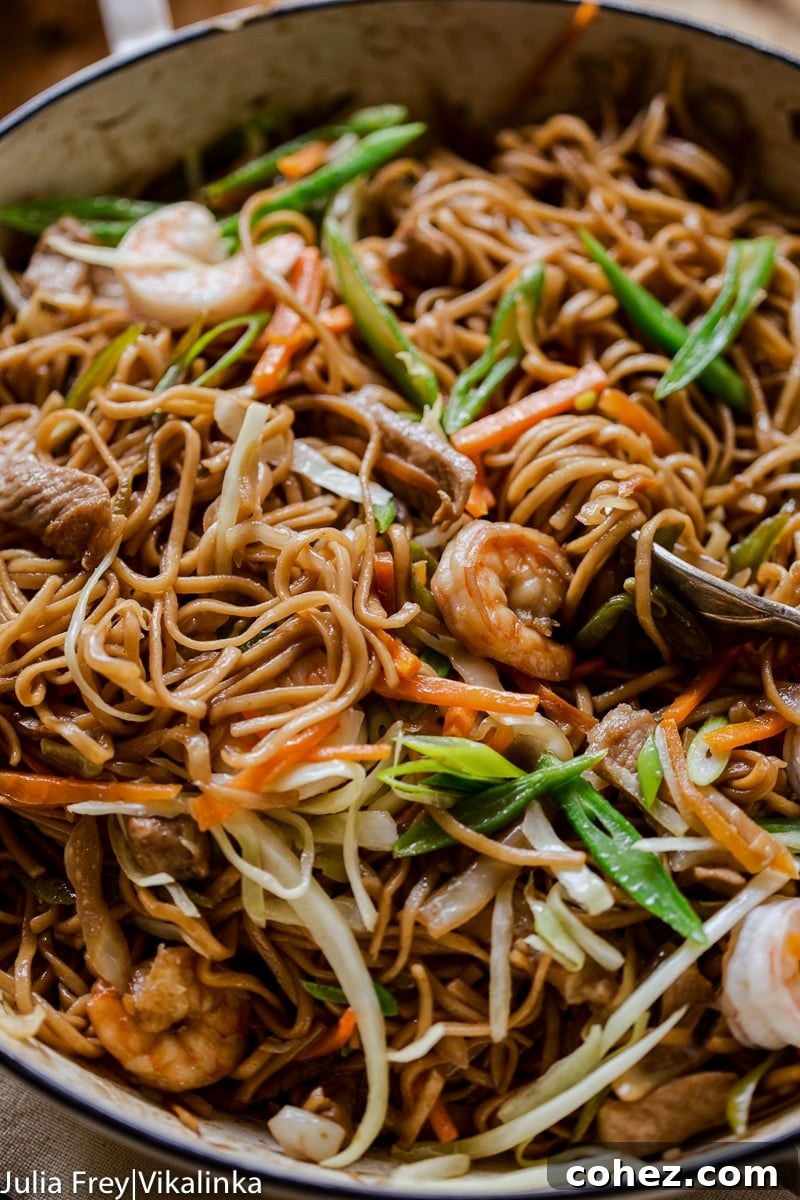
Unlock the secrets to crafting an authentic Pancit Canton right in your kitchen! This beloved Filipino noodle dish, celebrated for its rich flavors and vibrant textures, combines savory garlic, aromatic sesame oil, and umami-packed soy sauce with a delightful stir-fry of fresh vegetables, tender pork, and succulent shrimp. Get ready to create a meal that will become an instant family favorite!
If you’re eager to explore more incredible Filipino flavors, don’t miss our equally delicious Chicken Adobo recipe – a true classic!
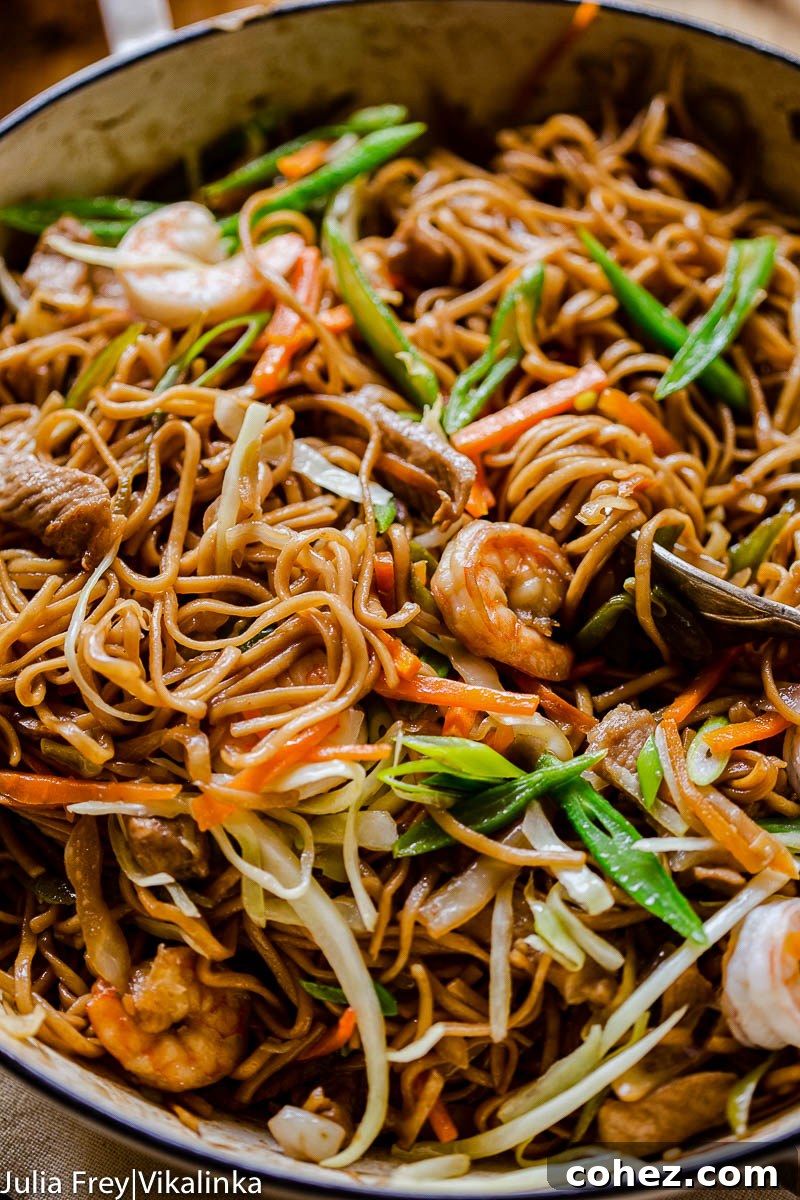
Authentic Filipino noodles with pork and shrimp, affectionately known as Pancit Canton, have quickly become a culinary sensation in our home. The irresistible combination of salty noodles, crisp vegetables, and savory proteins keeps everyone coming back for more, proving that this dish is a winner across all ages.
Why This Easy Pancit Canton Recipe Is a Must-Try
Our Pancit Canton recipe stands out for several compelling reasons. It’s incredibly quick to prepare, making it ideal for busy weeknights, yet it doesn’t compromise on the depth of flavor. You’ll find that the ingredients are straightforward and commonly available, likely already residing in your fridge and pantry. Most importantly, this dish is brimming with wholesome goodness, combining a generous array of fresh vegetables with lean protein, all in one satisfying meal. Plus, it’s an economical choice that delivers restaurant-quality taste without breaking the bank.
Beyond the essential egg noodles, you’ll need a vibrant assortment of vegetables such as crisp green beans, sweet carrots, and tender cabbage. Paired with thinly sliced pork loin and juicy shrimp, these ingredients transform into a flavor-packed, single-pan dinner that’s both hearty and delightful. The beauty of this recipe lies in its simplicity; the key flavor enhancers are minimal and easily sourced from any local supermarket, ensuring a hassle-free cooking experience.
A Journey into Filipino Cuisine: Flavors and Traditions
For me, Filipino cuisine embodies simplicity, resourcefulness, and incredible flavor. Having lived for a year in the province of Isabela during my twenties, I experienced firsthand the heart and soul of Filipino cooking. Unlike some other Asian cuisines, Filipino food is characterized by its relatively short ingredient lists and a lack of highly obscure or hard-to-find items. It masterfully balances salty and sour notes, often with underlying savory and sometimes sweet undertones, making it incredibly accessible and easy to replicate in your home kitchen.
Staples like pork, rice, and fish are central to the Filipino diet, often accompanied by various stir-fries and, of course, the ever-popular fried chicken. This rich culinary tradition offers a wide array of choices, reflecting influences from diverse cultures throughout its history. Interestingly, unlike many other Asian nations, Filipino food is traditionally enjoyed not with chopsticks, but with a fork and a spoon—a testament to its unique cultural identity. This blend of simple ingredients, bold flavors, and distinct dining customs truly sets Filipino food apart.
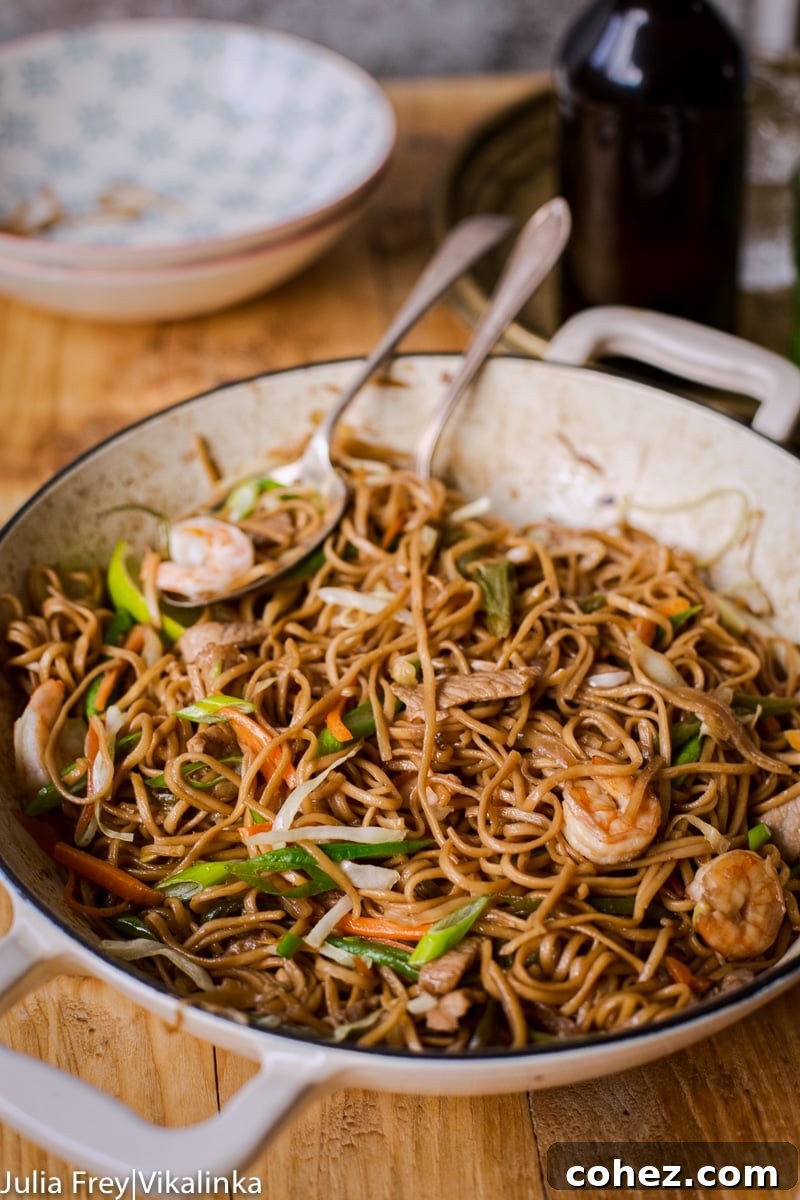
After sharing my recipe for Filipino Chicken Adobo, I was overwhelmed by the enthusiastic response from readers who loved it and requested more authentic Filipino recipes. Today, I’m thrilled to present another cherished family favorite and an incredibly popular dish across the Philippines: Pancit Canton.
The term “Pancit” simply translates to “noodles” in the Philippines, while “Canton” refers to “Chinese.” This etymology highlights a significant historical influence, as a large portion of Filipino cuisine bears the mark of Chinese culinary traditions. However, over centuries of adaptation and refinement, Filipinos have made these dishes distinctly their own, and Pancit Canton stands as a prime example of this unique cultural fusion. It’s a testament to how global influences can evolve into something deeply local and profoundly beloved.
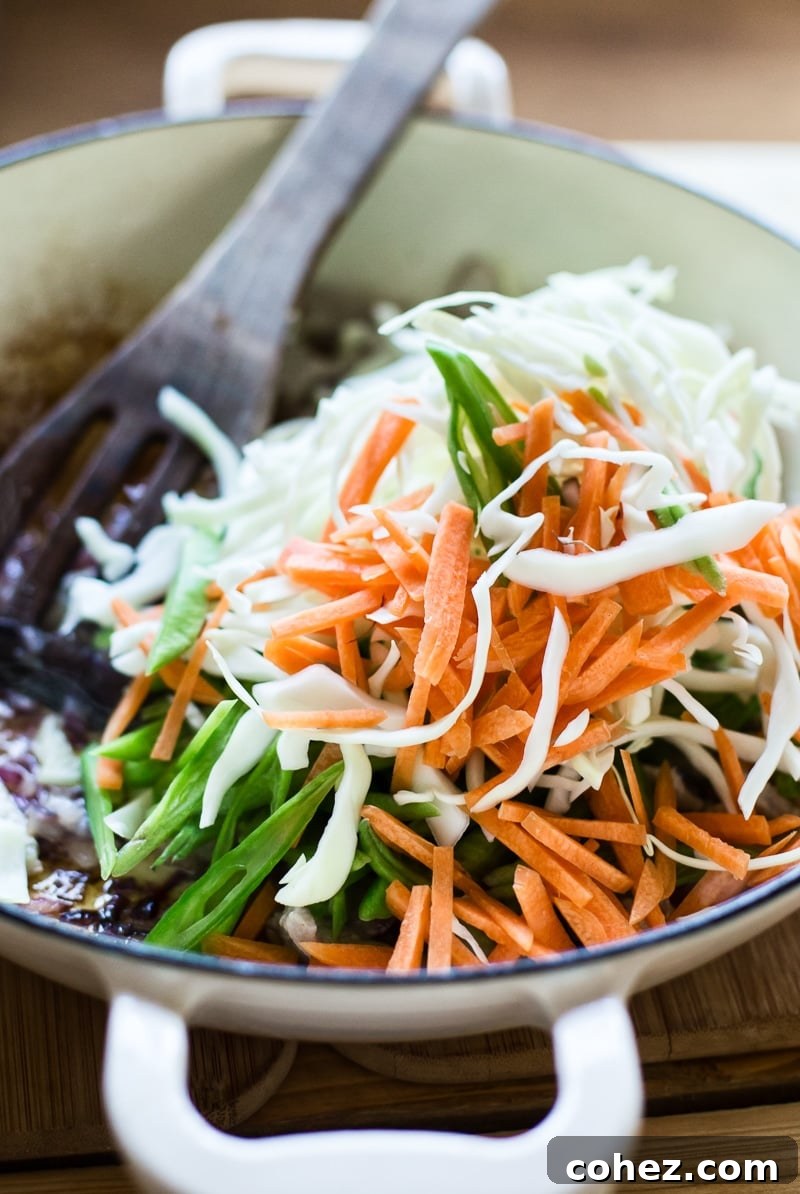
Understanding Pancit: More Than Just Noodles
Let’s delve deeper into this incredibly delicious yet deceptively simple dish. Pancit holds a special place in the hearts of Filipinos, often prepared for festive occasions, especially birthday celebrations, symbolizing long life and good fortune. During my year in the Philippines, I had the pleasure of enjoying these delightful noodles at countless birthday parties, truly immersing myself in their cultural significance.
The versatility of Pancit is one of its most charming attributes. It can be made with various proteins, including pork or chicken, and often features shrimp. While egg noodles are common, cellophane noodles (the clear, thin kind, which are a personal favorite of mine) are also a popular choice, offering a different texture. However, what remains constant across many Pancit variations, particularly Pancit Canton, is the foundational combination of soy sauce-infused noodles and a classic trio of vegetables: carrots, green beans, and cabbage.
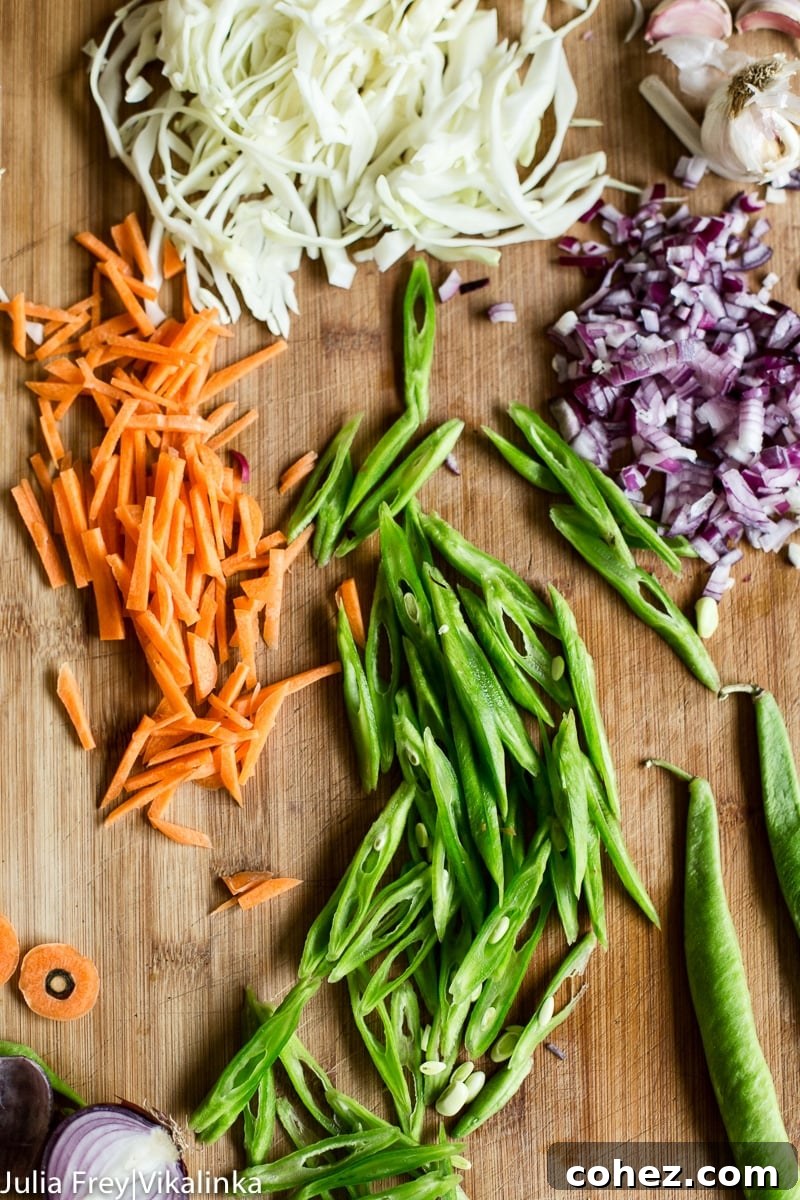
For this recipe, I opted for thinly sliced runner beans, but feel free to use regular green beans or string beans, which are readily available in most supermarkets or Asian markets. The key is to slice your vegetables consistently to ensure they cook evenly and retain a pleasant, tender-crisp texture. This attention to detail is what elevates a simple noodle dish into a truly memorable culinary experience.
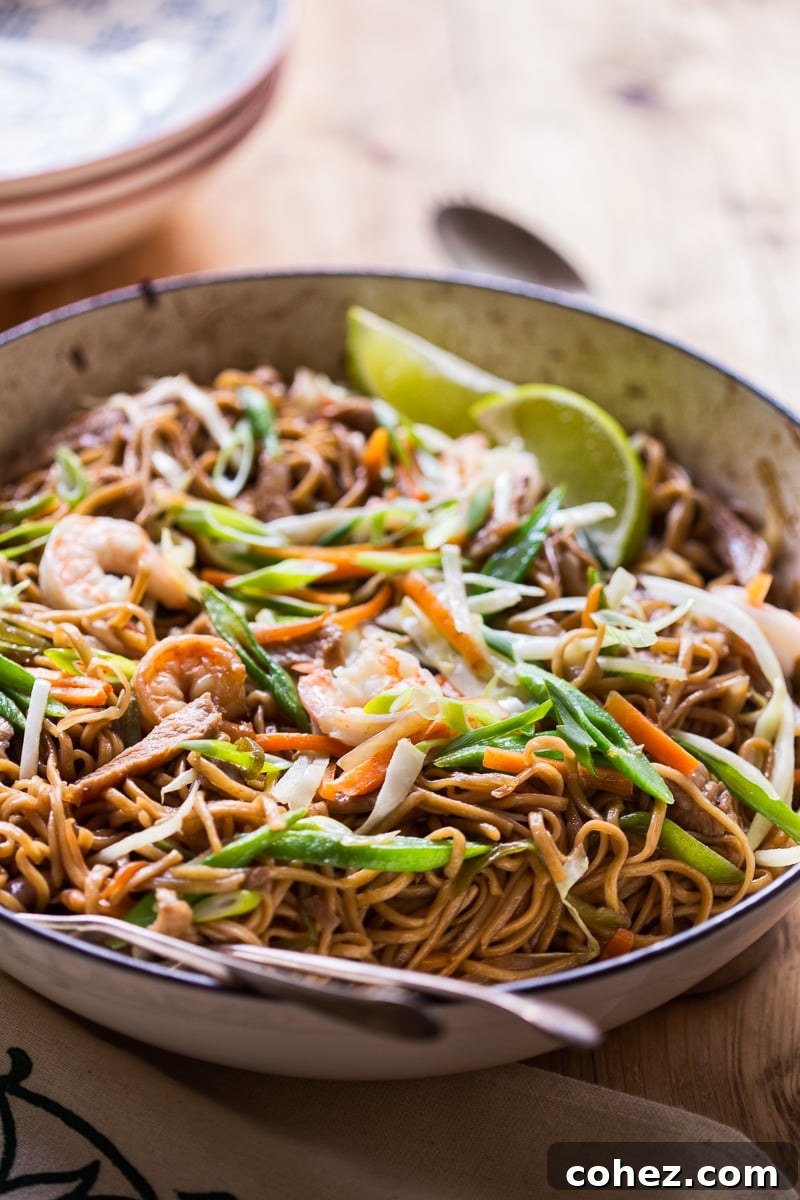
Essential Ingredients for Perfect Pancit Canton
Crafting an exceptional Pancit Canton begins with selecting the right ingredients. Each component plays a vital role in building the layered flavors and textures that make this dish so irresistible.
- Noodles: The foundation of our Pancit Canton is typically egg noodles. You can use fresh or dried varieties, often found in the Asian section of your grocery store. For a chewier texture, look for thicker egg noodles. If you prefer a lighter, more delicate feel, you might experiment with cellophane noodles (mung bean vermicelli) as an alternative, though egg noodles are traditional for Canton.
- Proteins: This recipe calls for thinly sliced pork loin and shrimp. Pork loin is an excellent choice for its leanness and tenderness, absorbing the sauce beautifully. When preparing, ensure it’s sliced against the grain for maximum tenderness. For the shrimp, opt for medium-sized, peeled, and deveined shrimp, fresh or frozen. They cook quickly and add a wonderful burst of oceanic sweetness. Feel free to adjust the proportions or even add sliced chicken breast or tofu for variety.
- Vegetables: The vibrant trio of carrots, green beans (or runner beans/string beans), and cabbage not only adds color but also crucial texture and nutrition. Slice your carrots into thin matchsticks for quick cooking and a pleasant crunch. Green beans should be thinly sliced on the bias, while cabbage can be finely shredded. The key is consistent slicing to ensure all vegetables cook at roughly the same rate, achieving that perfect tender-crisp al dente bite.
- Flavor Base: Fresh onion and garlic form the aromatic heart of this stir-fry. Sautéing them until fragrant lays down a deep, savory foundation that permeates every strand of noodle and piece of protein. Don’t skimp on quality here – fresh aromatics make a significant difference.
- Sauce: The magic of Pancit Canton truly comes alive with its simple yet potent sauce. Soy sauce is the primary seasoning, providing that essential salty, umami depth. I recommend using a good quality light soy sauce. A touch of sesame oil is my special addition; while not always used by home cooks, its distinctive nutty fragrance is often detectable in restaurant versions and adds an incomparable aroma and depth to the dish. You can also incorporate a splash of chicken or vegetable broth for extra moisture and flavor during the stir-frying process.
Having all your ingredients prepped and ready before you start cooking, a technique known as “mise en place,” is crucial for a smooth and successful stir-fry, given its rapid cooking time.
Expert Tips for Pancit Canton Success
Recipe Tips and Notes
- The recipe I’m sharing today is a slightly adapted version of one shared by a friend who also spent time in the Philippines. I’ve tweaked the cooking method for simplicity and added a touch of sesame oil. While not always a standard home ingredient, its presence in street food and restaurant versions makes it an authentic, fragrant addition that truly elevates the flavor profile.
- This version of Pancit Canton comfortably serves 4 people. However, if you’re cooking for a larger crowd, it can easily be doubled or even tripled, provided you have a large enough cooking vessel. Traditionally, Pancit is prepared in a spacious wok, which is ideal for stir-frying. If you own one, now is the perfect time to use it!
- Achieving perfectly cooked vegetables with consistent texture is key in Pancit Canton. This requires slicing all your vegetables as uniformly as possible so they cook evenly. A mandoline slicer can make this task significantly easier and quicker than attempting to thinly slice everything by hand with a knife.
- Due to the rapid cooking nature of stir-fries, it’s imperative to have all your vegetables prepped, sliced, and ready to go before you even turn on the heat. Once you begin cooking, there will be very little time for ingredient preparation, so organization is your best friend for this dish.
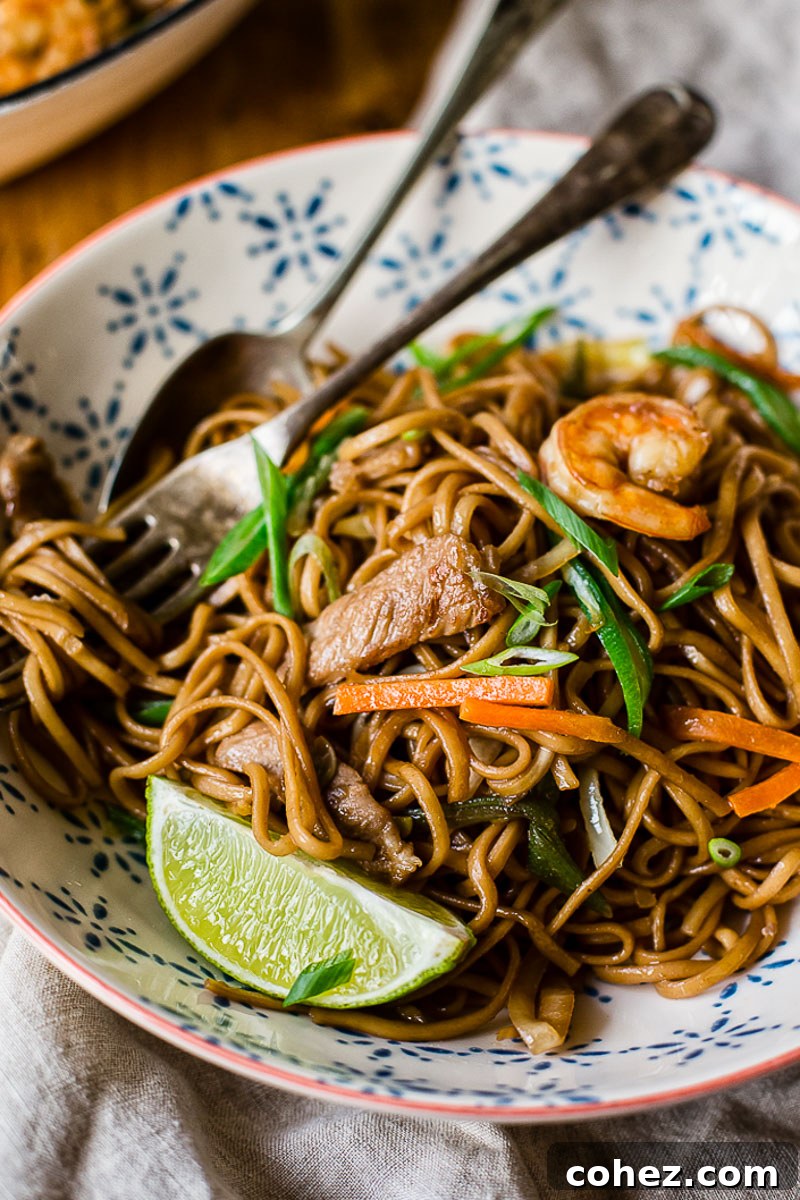
Serving Suggestions and Culinary Pairings
Pancit Canton is a fantastic one-pan meal, meaning it’s a complete dish that requires no fussing with side dishes. For an added touch of fresh crispness and a vibrant pop of color, a generous sprinkling of sliced green onions just before serving is highly recommended.
Traditionally, these flavorful noodles are often served with Filipino lime, known as calamansi. The juice of this incredibly fragrant and uniquely delicious citrus is squeezed over the Pancit, adding a bright, zesty counterpoint to the savory flavors. If calamansi is unavailable in your area, a regular lime makes an excellent substitute, providing that essential tangy finish.
Storage and Leftovers Best Practices
Pancit Canton makes for delightful leftovers! Any remaining portions can be stored in an airtight container in the refrigerator for 2-3 days. While tempting, I generally don’t recommend freezing Pancit Canton, as the noodles tend to become overly soggy upon thawing and reheating, compromising their desirable texture.
The best way to reheat your leftovers is to return them to a pan over medium heat. Add a tiny bit of oil to the pan, then stir-fry the Pancit until it’s heated through completely. This method helps restore some of its original stir-fried texture, making for another tasty and satisfying meal.
Explore More Asian Noodle Recipes
- Chilli Salmon Mee Goreng (Fried Noodles)
- Udon Noodle Soup
- Thai Red Curry with Prawns and Noodles
- Beef Chow Mein
- Shrimp Fried Rice
Filipino Noodles with Pork and Shrimp (Pancit Canton)
By Julia Frey of Vikalinka
Prep Time: 10 mins | Cook Time: 20 mins | Total Time: 30 mins
Servings: 4
These Filipino noodles, passionately flavored with savory garlic and rich soy sauce, then expertly stir-fried with a colorful medley of fresh vegetables, tender pork, and succulent shrimp, are truly exquisite!
Equipment
- Wok or a large deep pan
- Mandoline slicer (optional, for consistent vegetable slicing)
Ingredients
- 2 tbsp vegetable oil
- 1 small onion, chopped
- 2 garlic cloves, minced
- 200g/7 oz pork loin, sliced thinly
- 100g/1 cup carrot, sliced thinly
- 150g/1 cup green beans, sliced thinly
- 100g/1 cup white cabbage, sliced thinly
- 3 tbsp + 1 tbsp soy sauce (divided)
- 125g/4 oz shrimp, peeled and deveined
- 250g/8 oz egg noodles
- 1 tsp sesame oil
- 1 lime, quartered (optional, or calamansi if available)
- 2 green onions, sliced (for garnish)
Instructions
- In a deep pan or a wok, heat the vegetable oil over medium heat. Add the chopped onion and minced garlic, and cook for 1 minute until fragrant. Then, add the thinly sliced pork loin with a pinch of salt. Stir-fry for about 5 minutes, or until the pork is fully cooked through.
- Next, add the sliced carrots, green beans, and cabbage to the pan. Pour in 3 tablespoons of soy sauce and add the shrimp. Stir everything together to combine the ingredients. Increase the heat to medium-high and cook for approximately 7 minutes, stirring occasionally. The vegetables should be tender yet still retain a slight crispness.
- While the vegetables and proteins are cooking, prepare your egg noodles according to the package directions. Most egg noodles typically take 3-4 minutes to cook, so they’ll be ready around the same time as your stir-fry.
- Once cooked, drain the noodles thoroughly and add them directly to the pan with the stir-fried mixture. Toss everything together vigorously to ensure the noodles are well coated with the sauce and vegetables. Taste and adjust seasoning; if desired, add an additional tablespoon of soy sauce and stir in the teaspoon of sesame oil for extra aroma. Sprinkle with fresh sliced green onions.
- Serve your authentic Pancit Canton immediately, accompanied by lime quarters (or calamansi) for a fresh, zesty squeeze over the noodles.
Nutrition
Calories: 463kcal | Carbohydrates: 57g | Protein: 30g | Fat: 13g | Saturated Fat: 7g | Trans Fat: 1g | Cholesterol: 163mg | Sodium: 1061mg | Potassium: 675mg | Fiber: 6g | Sugar: 6g | Vitamin A: 4567IU | Vitamin C: 25mg | Calcium: 123mg | Iron: 3mg
Nutrition information is automatically calculated and should be used as an approximation.
We hope you enjoy making and savoring this incredible Pancit Canton recipe. It’s a dish that brings comfort, flavor, and a touch of Filipino tradition to any table. Don’t hesitate to share your experience with us!