
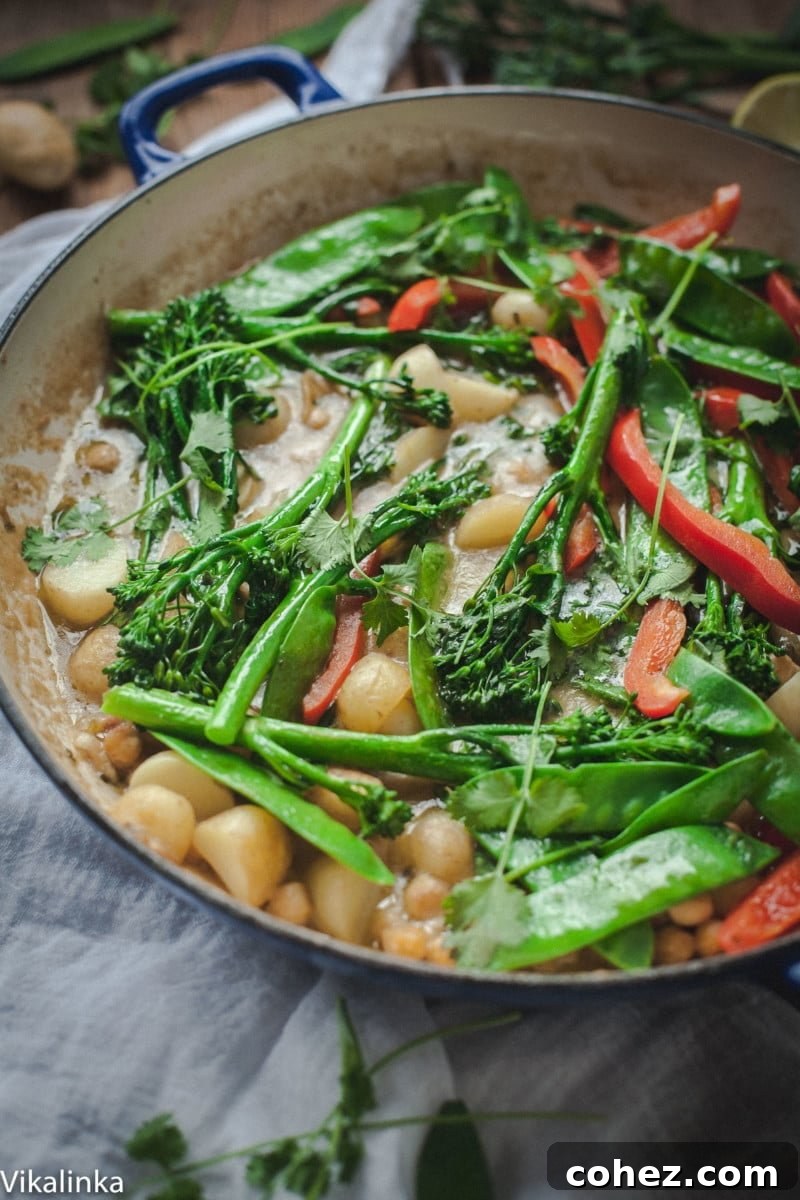
Quick & Delicious Vegetarian Thai Green Curry: A Healthy Plant-Based Recipe
Embrace the fresh flavors of spring with this incredibly simple yet profoundly delicious vegetarian Thai green curry. Packed with nutritious ingredients like tender new potatoes, crisp snow peas, wholesome chickpeas, and vibrant broccoli, all swimming in a creamy, aromatic coconut milk sauce, this recipe is designed for both speed and satisfaction. It’s a healthy, plant-based meal that’s ready in no time, making it an ideal choice for busy weeknights or when you crave exotic flavors without the fuss.
For those who love to explore the rich tapestry of Thai cuisine, you might also enjoy our Thai Red Curry with Prawns and Snow Peas or this comforting Slow Cooker Thai Chicken and Wild Rice Soup. These recipes offer different facets of Thai cooking, from spicy and rich to warm and hearty.
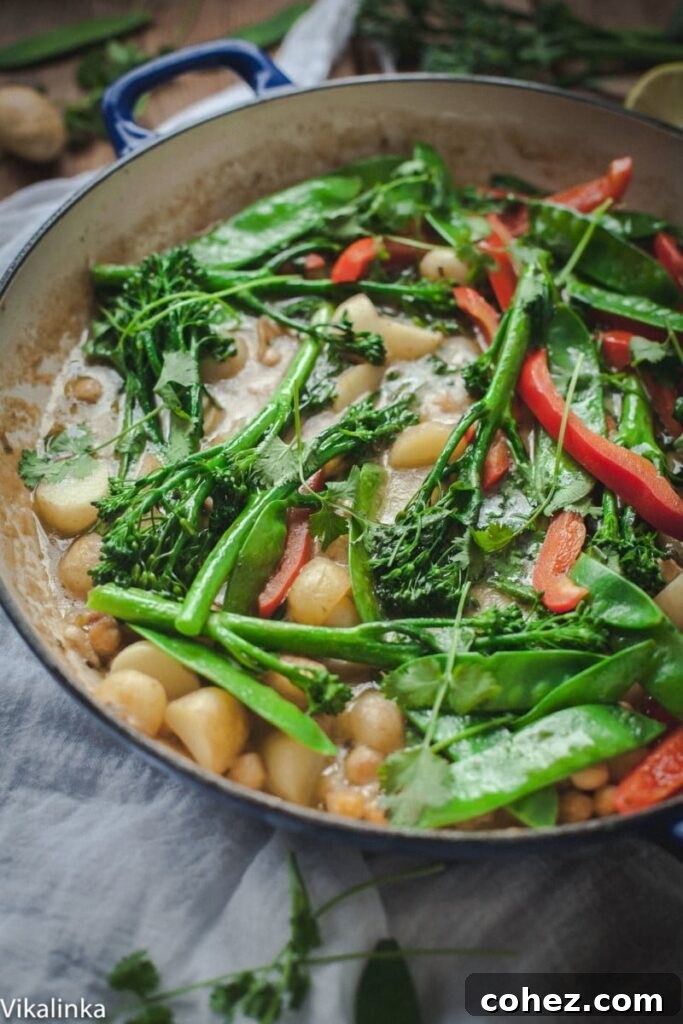
There’s something uniquely satisfying about curries. Whenever my refrigerator’s vegetable drawer is overflowing with fresh produce, my thoughts invariably turn to creating a vibrant curry. These versatile dishes are not only a fantastic way to utilize a bounty of vegetables but are also universally loved by everyone in my family. Paired with a steaming bowl of rice, curries transform simple ingredients into a comforting and flavorful meal, all while requiring surprisingly little time to prepare.
The beauty of curry lies in its adaptability. The type of curry I prepare often depends on what ingredients I have readily available, allowing for endless culinary creativity. While making authentic curry pastes from scratch can be a wonderfully rewarding experience, it typically demands a significant time commitment, specific knowledge of local cuisine, and a long list of specialty ingredients that aren’t always accessible in every home kitchen.
For everyday cooking, I often opt for high-quality, store-bought curry pastes. These pastes are meticulously crafted by experts, offering a shortcut to authentic flavors without sacrificing quality. A quick glance at the ingredient list on a good paste often reveals a complex blend of aromatics – ginger, garlic, lemongrass, galangal, kaffir lime, and an array of fresh chilies and spices. Unless you have a fully stocked Asian pantry, assembling all these fresh components for a homemade paste can be a daunting task. Choosing a premium pre-made paste ensures a consistent, delicious base for your curry, saving you time and effort while still delivering that quintessential Thai taste.
Essential Ingredients for a Perfect Thai Green Curry
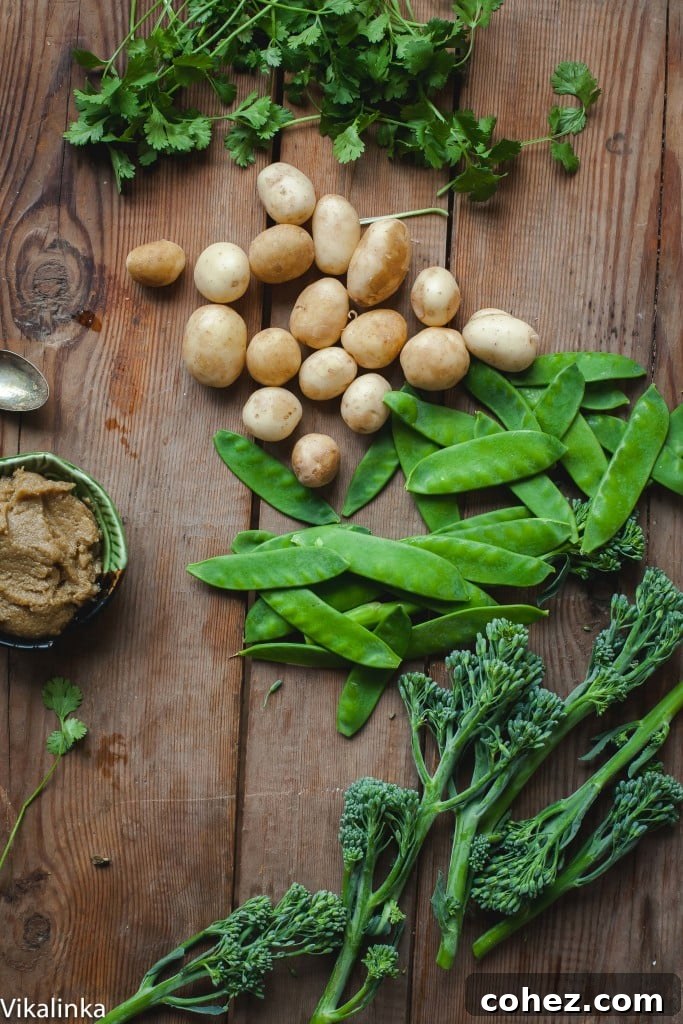
Crafting a truly memorable Thai green curry begins with understanding its core components. Beyond the vibrant vegetables, a few key ingredients create that signature creamy, spicy, and aromatic profile:
- Thai Green Curry Paste: This is the heart of your curry. Authentic pastes are a symphony of fresh green chilies, aromatic ginger (or galangal), pungent garlic, fragrant cilantro/coriander stalks and roots, zesty lemongrass, and many more spices. Its unique blend provides the foundational flavor and a beautiful green hue.
- Coconut Milk: The soul of Thai curry, coconut milk adds a rich, creamy texture and a subtle sweetness that perfectly balances the spice. Choose full-fat coconut milk for the most luscious result.
- Fish Sauce (or Vegetarian Substitute): This traditional Thai condiment provides a crucial savory depth and umami flavor. For a vegetarian or vegan curry, a high-quality vegetarian fish sauce substitute is essential to replicate this depth without animal products.
- Lime Juice: A squeeze of fresh lime juice at the end brightens all the flavors, adding a necessary tangy finish that cuts through the richness of the coconut milk.
- Vegetables: The star of this vegetarian dish! Choose a variety for color, texture, and nutritional value.
- Protein (Optional for non-vegetarian): While this recipe focuses on plant-based protein, traditional Thai green curries can incorporate chicken, fish, beef, or seafood.
Selecting the Perfect Vegetables for Your Vegetarian Curry
The beauty of vegetarian curries lies in their incredible flexibility. You can truly use almost any vegetable you love! Beyond the delightful combination of new baby potatoes, crisp snow peas, tenderstem broccoli, and vibrant red bell peppers featured in this recipe, here are some fantastic ideas to inspire your next vegetarian curry creation:
- Root Vegetables: Sweet potato, butternut squash, or regular carrots add sweetness and body, and cook down beautifully.
- Crisp & Tender: Baby corn and bamboo shoots offer a delightful crunch and authentic Asian flair.
- Soft & Succulent: Eggplant (aubergine) becomes wonderfully tender, absorbing the curry flavors. Zucchini (courgette) adds a fresh, mild taste.
- Leafy Greens: Spinach, kale, or bok choy can be added in the last few minutes for a nutritional boost and lovely color.
- Mushrooms: Sliced button mushrooms, shiitake, or oyster mushrooms add an earthy umami depth.
- Other Favorites: Green beans, cauliflower florets, or even diced tomatoes can be excellent additions.
Feel free to mix and match based on what’s in season and what your family enjoys. The goal is a colorful, nutrient-rich medley!
Boosting Protein in Vegetarian and Vegan Curries
Making a vegetarian or vegan curry satisfying and filling requires thoughtful protein choices. Beyond the vegetables, these plant-based options provide substance and absorb the rich curry flavors beautifully:
- Chickpeas: As featured in this recipe, chickpeas (garbanzo beans) are a fantastic source of protein and fiber, offering a lovely nutty texture. Any other beans, like cannellini or kidney beans, would also work well.
- Tofu: Firm or extra-firm tofu, pressed and cubed, is a classic choice. It readily takes on the curry’s spices and provides a wonderful chewy texture. You can pan-fry it separately for extra crispiness before adding.
- Tempeh: Fermented soybean cake, tempeh offers a firmer texture and a slightly nutty flavor. It’s excellent for absorbing marinades and curry sauces.
- Lentils: Red or green lentils can be added for extra protein and fiber, thickening the curry slightly as they cook.
- Edamame: Shelled edamame beans provide a pop of green and a pleasant, slightly sweet flavor.
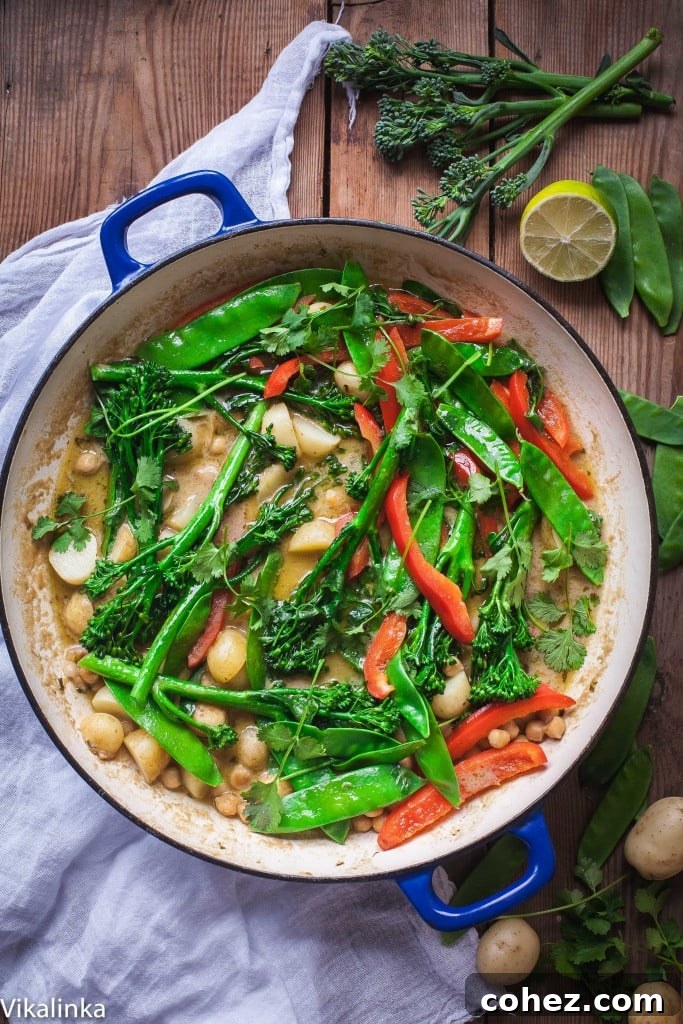
This particular potato and chickpea curry is a testament to how quickly you can create something extraordinary. It comes together in under 20 minutes, making it an absolutely perfect summer dinner or a swift, warming meal any time of year. The combination of creamy new baby potatoes, the satisfying crunch of snow peas, the slight bite of tenderstem broccoli, the vibrant sweetness of red bell peppers, and the wholesome nuttiness of chickpeas all harmoniously blend in a fragrant, spicy green curry broth. The result is a meal that feels both garden-fresh and deeply comforting.
It’s not just a delight for your taste buds; it’s a beauty to behold and wonderfully good for you too, proving that healthy eating can be incredibly exciting and flavorful!
Understanding the Difference: Thai Red vs. Green Curries
While both red and green Thai curries are beloved staples of Thai cuisine, they boast distinct flavor profiles and levels of heat, primarily due to the chilies used in their respective pastes. The main differentiating factor lies in the color and type of chilies:
- Thai Red Curry: This curry gets its signature crimson hue and often more intense heat from dried red chilies. These chilies are typically rehydrated and pounded into a paste along with other ingredients like galangal, lemongrass, kaffir lime zest, and shrimp paste (for non-vegetarian versions). Red curry tends to be richer, deeper in flavor, and often quite spicy, making it a favorite for those who enjoy a fiery kick.
- Thai Green Curry: In contrast, green curry derives its fresh, vibrant green color and often milder, more herbaceous flavor from fresh green chilies. While still spicy, the fresh chilies, combined with a greater emphasis on fresh herbs like cilantro roots, fresh kaffir lime leaves, and green peppercorns, give green curry a brighter, more aromatic, and sometimes slightly sweeter profile compared to its red counterpart. The spice level can still be significant, but it often feels more “fresh” and less “dry-spicy.”
Therefore, if you’re not accustomed to intense spice or simply prefer a fresher, more aromatic experience, Thai green curries are an excellent gateway into the wonderful and complex world of Thai cuisine. Their balance of sweet, sour, salty, and spicy, alongside their rich herbal notes, offers a truly unforgettable culinary adventure.
Mastering Your Vegetarian Thai Green Curry: Step-by-Step Guide
Despite their complex and layered flavors, creating a delicious Thai green curry at home is surprisingly straightforward. You don’t need to be a culinary expert to achieve authentic results. Follow these simple steps, and you’ll quickly master this delightful dish, bringing the vibrant tastes of Thailand directly to your kitchen:
- Streamline Your Paste: While the allure of crafting your own green curry paste from scratch is strong, it’s a process that demands time and a comprehensive collection of specialty ingredients. To simplify your cooking and ensure consistent, delicious results, I highly recommend skipping this step for everyday meals and instead purchasing a high-quality, pre-made curry paste. Look for brands known for authentic flavors.
- Build an Aromatic Base: Begin by heating a tablespoon of vegetable oil in a large frying pan or wok over medium heat. For an extra layer of nutty depth that complements Thai flavors beautifully, add a teaspoon of sesame oil. Once hot, add finely chopped cilantro stalks. Stir-fry them for about two minutes. The stalks contain a potent concentration of flavor that will infuse your curry with incredible aroma.
- Infuse the Paste & Simmer the Hearty Ingredients: Next, add your chosen green curry paste to the pan. Cook it briefly, stirring continuously for no more than 20 seconds, until its fragrant aroma is fully released. Be careful not to burn it. Immediately pour in the creamy coconut milk, followed by the fish sauce (or its vegetarian substitute). Mix everything thoroughly to combine. Introduce your star hearty vegetables: the halved baby potatoes and the drained chickpeas, which add both protein and a satisfying texture to this vegetarian delight. Reduce the heat to low, cover the pan, and simmer for approximately 10 minutes, or until the potatoes are nearly tender.
- Add Delicate Vegetables for Crunch & Color: Once the potatoes are almost done, it’s time to add your more delicate vegetables that require less cooking time. Incorporate the tenderstem broccoli, snow peas, and sliced red bell pepper. Continue cooking uncovered for another 5-7 minutes. This shorter cooking time ensures that these vegetables remain slightly crunchy and retain their vibrant colors, contributing wonderful texture and freshness to your curry. Taste a piece to ensure they are cooked to your desired tenderness.
- Finishing Touches: Just before you’re ready to serve, elevate the flavors with a generous squeeze of fresh lime juice. This adds a crucial tanginess that brightens the entire dish and balances the richness of the coconut milk. Finally, sprinkle generously with freshly chopped cilantro leaves for a burst of fresh herb flavor and a beautiful garnish. Serve immediately with fluffy steamed jasmine rice or noodles for a complete and satisfying meal.
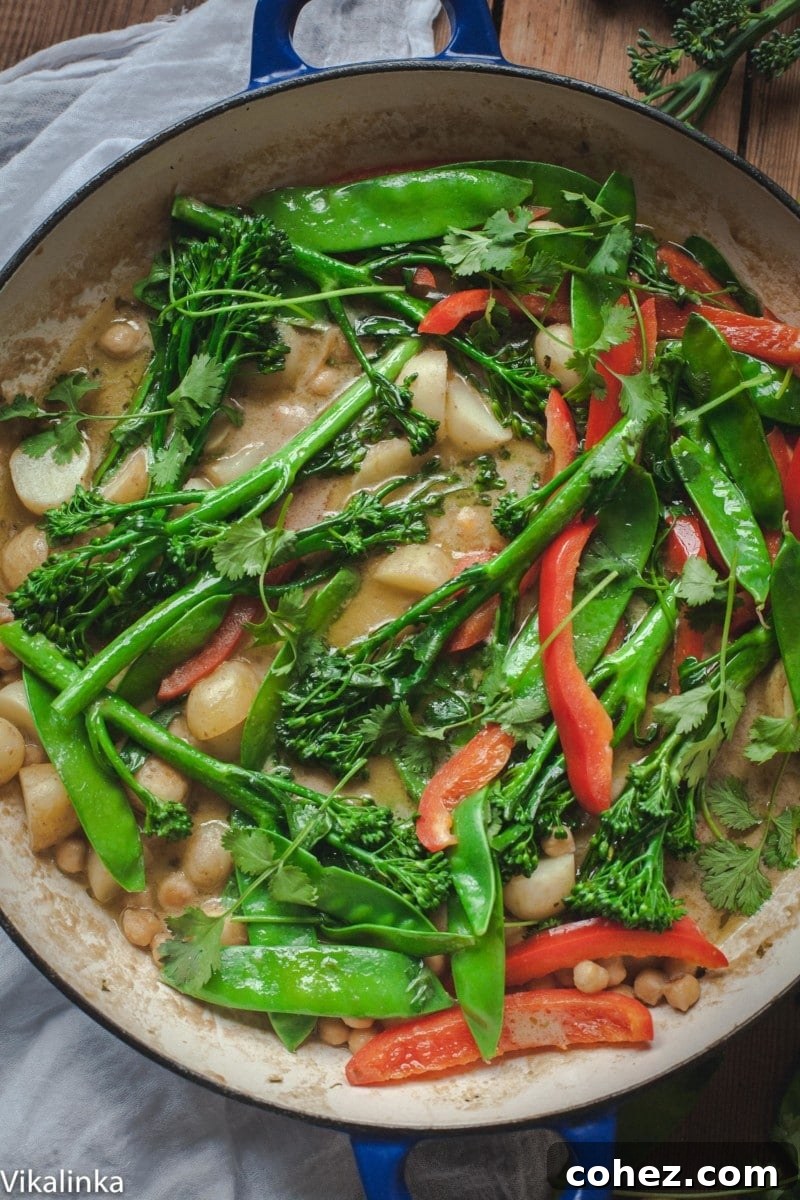
It’s always a pleasant surprise when a simple creation resonates so strongly. I remember snapping a quick photo of this green vegetable, potato, and chickpea Thai curry and sharing it on Instagram – as we bloggers do! To my delight, the response was overwhelming. Many of you enthusiastically asked for the recipe, praising its vibrant appearance and promising flavors. Of course, I had to oblige, driven by my passion for sharing delicious food with all of you. So, here it is, my cherished recipe for a quick, healthy, and utterly delightful green vegetable, potato, and chickpea Thai curry!
More Delicious Curry Recipes to Explore
If you’ve fallen in love with the comforting warmth and intricate flavors of curry, be sure to check out these other fantastic recipes from our collection:
- Chinese Chicken Curry: A milder, yet incredibly flavorful chicken curry with distinct Chinese influences.
- Butter Chicken Curry: A rich and creamy Indian classic, perfect for those who adore luxurious sauces.
- Cauliflower and Potato Curry Aloo Gobi: A simplified version of a popular North Indian vegetarian dish, packed with aromatic spices.
- Chickpea and Butternut Squash Curry: Another wonderful plant-based option, combining sweet squash with hearty chickpeas.
Vegetarian Thai Green Curry

This vegetarian Thai green curry made with new potatoes, snow peas, chickpeas and broccoli is ready in no time and is absolutely delicious.
Ingredients
- 1 tbsp Oil (vegetable or neutral oil)
- 1 tsp Sesame oil, optional
- 2 tbsp Thai Green Curry Paste, (if using very thick, concentrated paste; use ½ cup/190gr if using runnier paste, common for UK readers)
- 400ml/14oz Coconut milk
- 1 tbsp Fish sauce or vegetarian fish sauce substitute (see notes)
- 6-8 New baby potatoes, halved
- 400g/1 cup Chickpeas, drained
- 5-6 stalks Tenderstem broccoli
- 150g/1cup Snow peas
- 1 large Red pepper, sliced
- 4-5 sprigs Cilantro, chopped (leaves for garnish, stalks for cooking)
- 1/2 Lime, juice only
Instructions
- Slice the bell pepper.
- Take cilantro leaves off their stalks; chop the stalks finely (reserve leaves for garnish).
- Heat a large frying pan or wok on medium heat. Add both vegetable oil and sesame oil.
- Then add chopped cilantro stalks and stir-fry for a couple of minutes to release their aromatics.
- Add your curry paste and cook it, stirring, for about one minute until fragrant. Then pour in coconut milk and fish sauce or vegetarian fish sauce substitute, mixing well to combine.
- Add the halved potatoes and drained chickpeas. Turn the heat down to low and simmer, covered, for 10 minutes until the potatoes are tender.
- Add snow peas, tenderstem broccoli, and sliced red bell pepper. Continue cooking uncovered for 5-7 minutes. Taste your vegetables for doneness; they should be softer but still slightly crunchy and bright green.
- Add the reserved chopped cilantro leaves and squeeze the juice from 1/2 lime over the curry just before serving.
- Serve hot with steamed rice or noodles.
- *Note: This recipe assumes a spicy curry paste. If you use a mild one, consider adding 1/2 a minced chili (or to taste) for some extra heat.
Notes
Vegetarian fish sauce substitute: Essential for maintaining a vegan or vegetarian profile while achieving authentic savory depth. Ensure it’s a quality brand for the best flavor.
Nutrition
Calories: 526kcal | Carbohydrates: 56g | Protein: 15g | Fat: 29g | Saturated Fat: 20g | Sodium: 384mg | Potassium: 1145mg | Fiber: 12g | Sugar: 9g | Vitamin A: 2720IU | Vitamin C: 89.8mg | Calcium: 110mg | Iron: 8.2mg
Nutrition information is automatically calculated and should only be used as an approximation. Actual values may vary based on specific ingredients and preparation methods.