
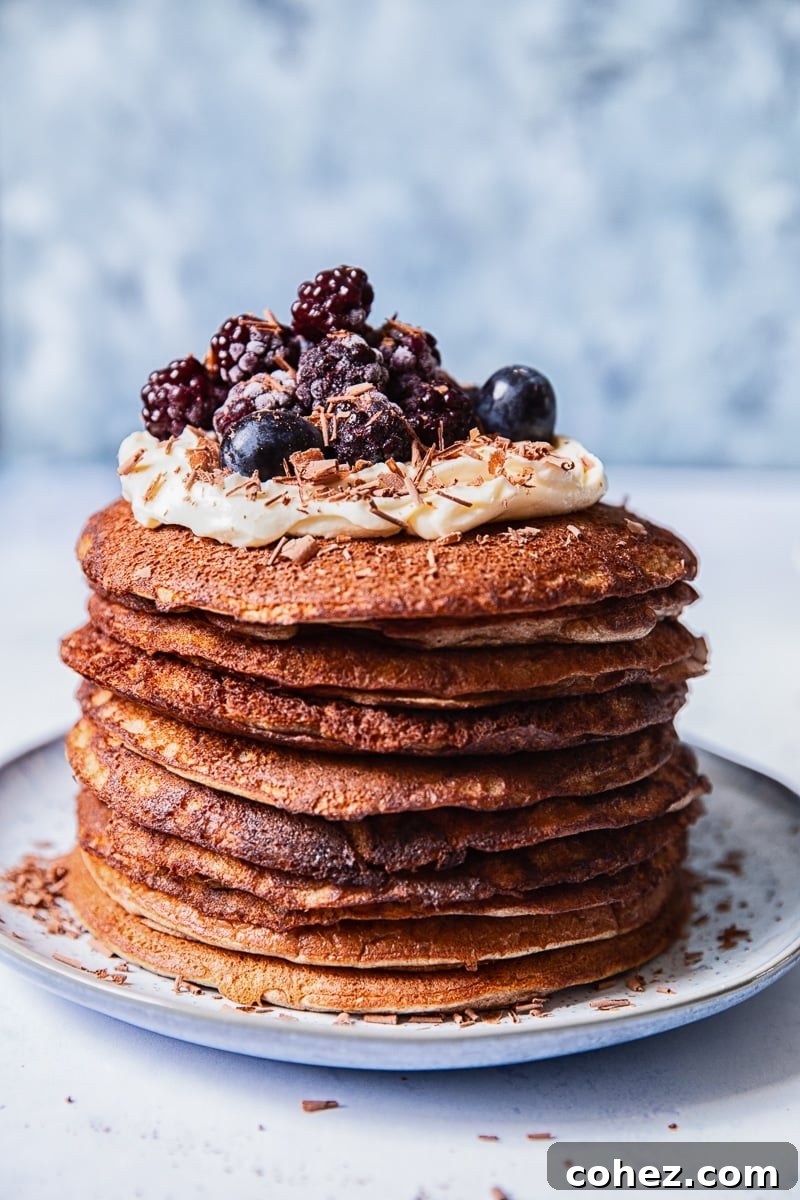
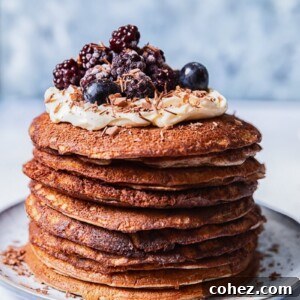
Elevate your breakfast routine with these incredible buckwheat pancakes! Deliciously satisfying, incredibly nutritious, and naturally gluten-free, they are the perfect way to kickstart a healthy and flavorful day.
If you’re looking for a classic pancake experience, you might also enjoy our traditional American pancake recipe.
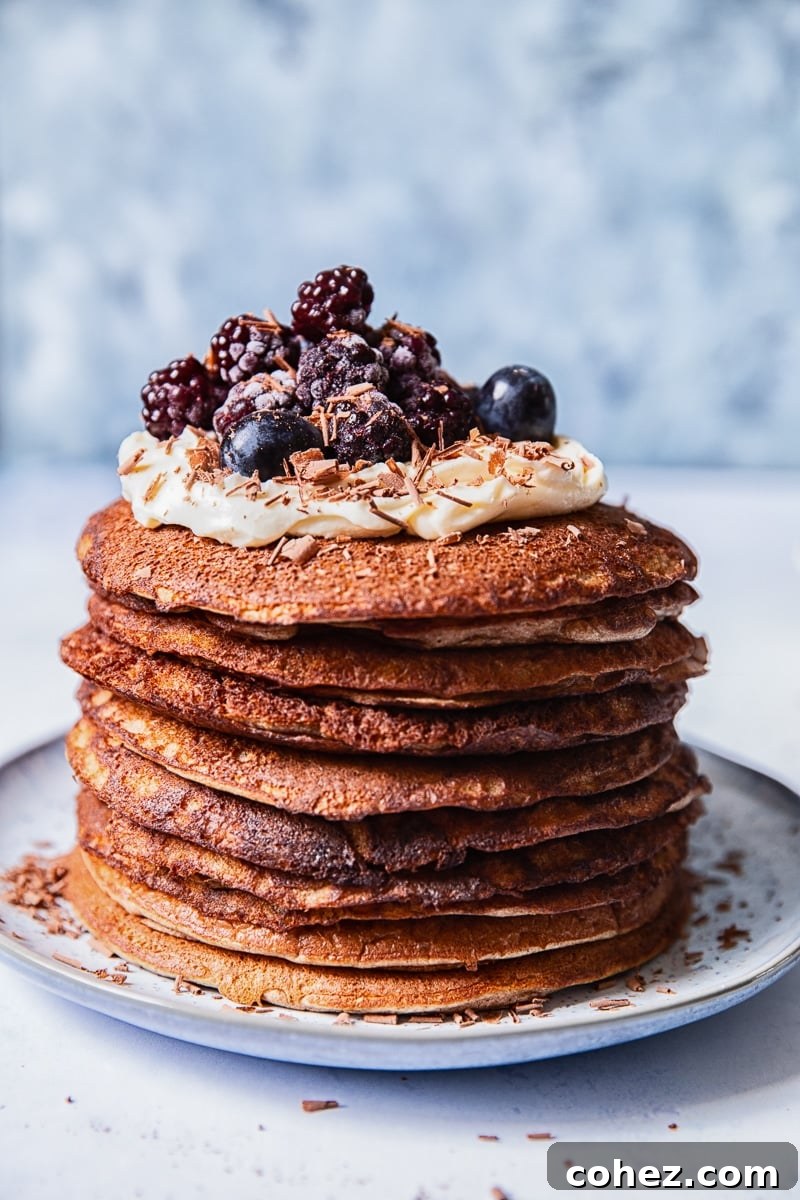
For too long, I’ve cherished this buckwheat pancake recipe, eager to share its goodness with the world, but like many culinary gems, it patiently awaited its turn on my extensive list of recipes. Now, the time has finally arrived!
I genuinely hope these pancakes become as beloved in your home as they are in mine. They offer a delightful blend of taste and incredible nutritional value, making them a breakfast option you can feel truly good about.
The Wonder of Buckwheat: More Than Just a Flour
What sets these pancakes apart is their unique foundation: they are made entirely from buckwheat flour. This means they are naturally gluten-free, a fantastic alternative for those avoiding wheat without compromising on flavor or texture. But the benefits of buckwheat extend far beyond just being gluten-free.
Buckwheat, often mistaken for a grain due to its culinary use, is actually a pseudocereal, a fruit related to rhubarb and sorrel. This botanical distinction makes it an excellent choice for grain-free diets as well. It’s a nutritional powerhouse, packed with a unique profile of plant-based protein, complex carbohydrates, and essential vitamins and minerals. Rich in fiber, magnesium, manganese, and antioxidants, buckwheat contributes significantly to heart health, blood sugar regulation, and overall well-being. Its robust nutrient content provides sustained energy, helping you feel fuller for longer, which makes these pancakes an incredibly wholesome start to your day.
My enthusiasm for buckwheat is well-documented on my blog, where I’ve explored its versatility in various recipes, such as this savoury buckwheat breakfast bowl. For a deeper dive into its extensive health benefits, you can read my detailed post: How Do I Eat Buckwheat: Let Me Count the Ways.
The Distinctive Flavor of Buckwheat
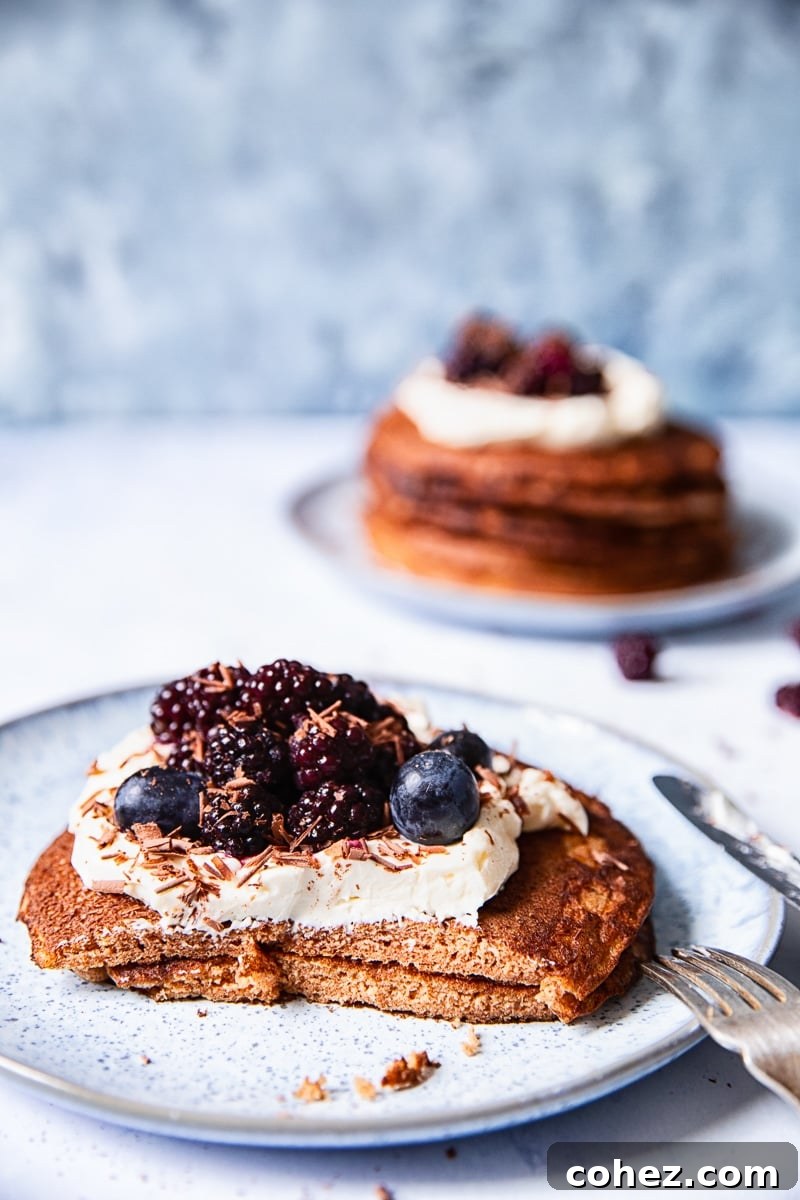
Beyond its impressive nutritional profile, it’s worth noting that buckwheat flour possesses a truly distinctive flavor. Some describe it as having a pronounced nutty, earthy taste, which contributes to the pancakes’ characteristic darker hue. While this unique profile is deeply appreciated by many, it can sometimes be an acquired taste for those unfamiliar with it.
The good news is that the more you incorporate buckwheat into your diet, the more you’ll come to appreciate its rich and complex notes! It’s a flavor that grows on you, adding depth and character that conventional flours simply can’t match.
If you’re new to buckwheat or find its assertive flavor a bit strong at first, a simple trick is to opt for light buckwheat flour. This variety is milled without the darker husk, resulting in a milder flavor and lighter color, making it an excellent starting point for your buckwheat journey. It offers all the nutritional advantages with a gentler taste that can ease your palate into this wonderful ingredient.
Expert Tips for Perfect Buckwheat Pancakes
- Choose Your Flour Wisely: As mentioned, light buckwheat flour is derived from grinding buckwheat groats after the husk has been removed. The husk is responsible for the stronger, more intense buckwheat flavor. If you prefer a milder taste, always reach for the lighter variety. Dark buckwheat flour will yield a more robust and earthy pancake.
- Brighten the Flavor: To beautifully balance the inherent nuttiness of buckwheat, incorporate aromatic elements like a generous amount of vanilla extract and fresh lemon zest into your batter. The bright, citrusy notes of lemon zest and the sweet warmth of vanilla will lift the overall flavor, creating a more harmonious and universally appealing pancake.
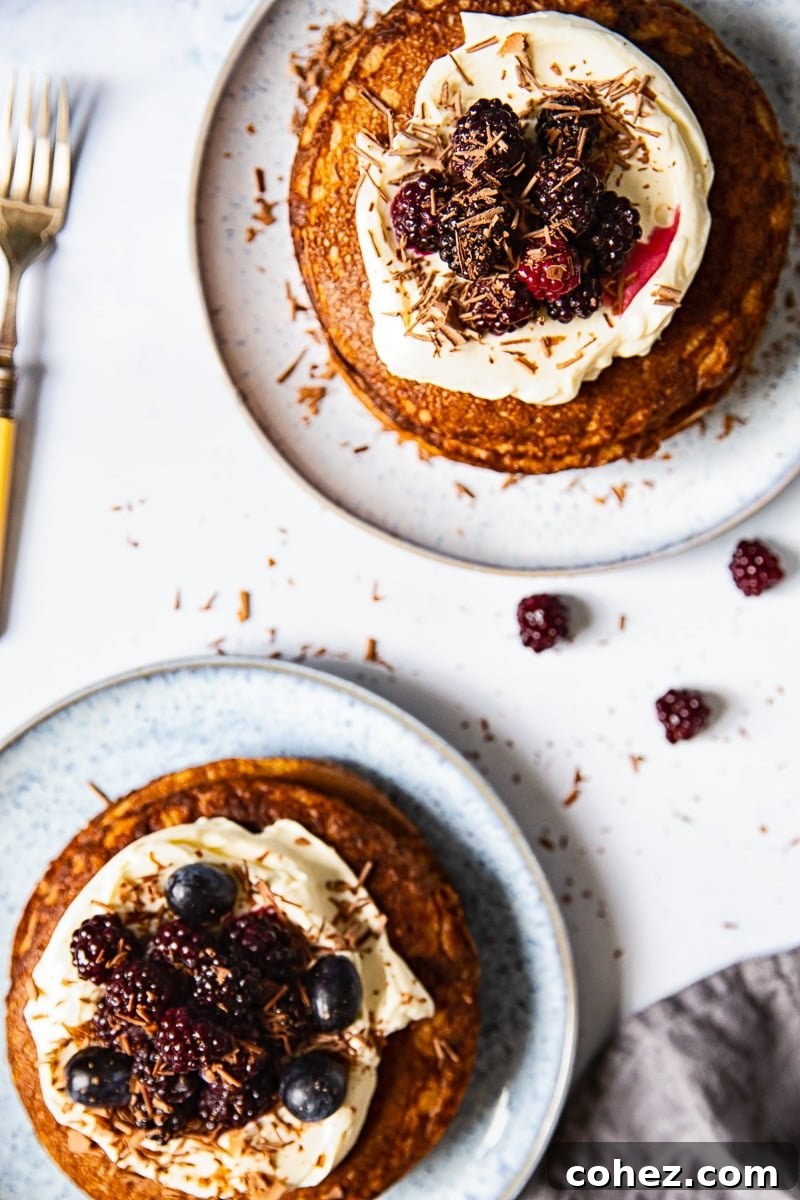
- Thoughtful Toppings: Complement the distinct buckwheat taste with thoughtful toppings. Fresh berries, sliced bananas, and other seasonal fruits provide natural sweetness and acidity. For a touch of decadence that surprisingly pairs perfectly, add a sprinkle of heart-healthy dark chocolate shavings. The slight bitterness of dark chocolate is a heavenly match for buckwheat, transforming these wholesome pancakes into a truly indulgent-tasting treat without added guilt.
- Batter Consistency: Buckwheat flour absorbs liquid differently than wheat flour. The batter should be thick enough to hold its shape when poured but still flow smoothly. If it seems too thick, add a splash more milk; if too thin, a tiny bit more flour. A slightly thicker batter often results in fluffier pancakes.
- Don’t Overmix: Just like with wheat-based pancakes, overmixing buckwheat batter can lead to tough pancakes. Mix until the ingredients are just combined; a few small lumps are perfectly fine and often indicate a tender crumb.
- Rest Your Batter: Allow the pancake batter to rest for 10-15 minutes before cooking. This gives the buckwheat flour time to fully hydrate, resulting in a more uniform and tender texture in your cooked pancakes.
- Medium Heat is Key: Cook your pancakes on a non-stick frying pan over medium heat. Too high, and they’ll burn before cooking through; too low, and they’ll be dry and tough. Look for bubbles forming on the surface and edges setting before flipping.
Storage and Make-Ahead Magic
One of the many conveniences of these buckwheat pancakes is their excellent make-ahead potential. If you happen to have any delicious leftovers, they can be easily stored and enjoyed later, making your mornings even more stress-free.
For short-term storage, simply place the cooled pancakes in an airtight container and refrigerate for up to 2 to 3 days. To reheat, you can quickly warm them in the microwave until heated through, or for a crispier edge, pop them into a toaster or toaster oven. Serve them with your favorite fresh toppings, just as you would freshly made pancakes.
Looking to prepare a larger batch for future breakfasts? These pancakes freeze beautifully for up to 2 months. To freeze, ensure the pancakes are completely cooled. Then, stack them with sheets of waxed paper or parchment paper in between each pancake to prevent sticking. Place the stack in a sealable container or freezer bag, removing as much air as possible before sealing. When ready to enjoy, you can reheat them directly from frozen in a toaster oven or microwave, often requiring only a minute or two longer than refrigerated pancakes. This makes healthy, gluten-free breakfasts accessible even on the busiest days.
Explore More Pancake Delights
If you’re a pancake enthusiast, be sure to check out some of my other popular recipes:
- Fluffy Kefir Pancakes (Oladi)
- Wholesome Oatmeal Pancakes with Coconut Cream
- Delicate Russian Crepes (Blini)
- Traditional Curd Cheese Pancakes (Syrniki)
Frequently Asked Questions About Buckwheat Pancakes
- Can I make these buckwheat pancakes dairy-free?
- Absolutely! You can easily substitute regular milk with your preferred plant-based milk, such as almond milk, soy milk, or oat milk. The texture and flavor will remain wonderfully delicious.
- Are these pancakes suitable for a vegan diet?
- The base recipe contains eggs and milk. To make them vegan, you would need to replace the eggs with a suitable egg substitute (like flax eggs or commercial egg replacers) and use a plant-based milk and a vegan butter alternative. The results can still be very good, though the texture might vary slightly.
- What’s the difference between light and dark buckwheat flour?
- Light buckwheat flour is milled from hulled buckwheat groats, meaning the dark outer husk has been removed. This results in a milder flavor and lighter color. Dark buckwheat flour, often called whole buckwheat flour, includes some of the husk, giving it a more robust, earthy, and sometimes slightly bitter taste, along with a darker appearance. If you’re new to buckwheat, light buckwheat flour is often recommended as a starting point.
- Why are my buckwheat pancakes dense or falling apart?
- Several factors can cause this. Overmixing the batter can develop the gluten-like proteins in buckwheat (even though it’s gluten-free, it can still become tough), leading to dense pancakes. Ensure you mix until just combined. Also, make sure your leavening agents (baking powder and baking soda) are fresh. If they are falling apart, the batter might be too wet, or you might be trying to flip them before they’ve adequately set on the first side (look for plenty of bubbles and set edges).
- Can I use whole buckwheat groats instead of flour?
- No, this recipe specifically calls for buckwheat flour. While whole buckwheat groats are nutritious, they require a different preparation method (usually cooking like rice or grinding them into flour) and cannot be directly substituted for flour in a pancake recipe.
Rating: 4 out of 5 stars (based on 1 vote)
Buckwheat Pancakes
By Julia Frey of Vikalinka
Cook: 30 mins
Total: 40 mins
Servings: 6 people
Print Recipe
These buckwheat pancakes are everything you’d want your pancakes to be: incredibly delicious, delightfully light, wonderfully fluffy, and naturally gluten-free!
Equipment
- Mixing bowl
- Non-stick frying pan
Ingredients
- 2 eggs
- 2 cups / 500ml milk
- 2 tsp vanilla extract
- 1 lemon, zest only
- 2 cups / 250g light buckwheat flour
- 1/2 tsp salt
- 3 tsp baking powder
- 1 tsp baking soda
- 3 tbsp sugar
- 4 tbsp butter, melted
Instructions
- In a large bowl, combine the wet ingredients: eggs, milk, vanilla extract, and fresh lemon zest. Whisk them together until well blended.
- Gradually add the dry ingredients. First, incorporate about 1/3 of the buckwheat flour into the wet mixture, whisking thoroughly to prevent lumps. Once smooth, add the remaining flour, salt, baking powder, and baking soda. Mix until just combined. Finally, stir in the melted butter, mixing until the batter is uniform and smooth.
- Heat a non-stick frying pan over medium heat and add about 1 tablespoon of oil. Once hot, pour approximately a ladleful of batter into the center of the pan for each pancake. Cook until you observe numerous bubbles forming on the surface and the edges appear set and dry. Carefully flip the pancake and cook for another minute or so, until golden brown and cooked through. Continue this process, adding more oil as needed, until all the batter is used.
- Serve these delicious buckwheat pancakes immediately with your preferred toppings. Classic choices include whipped cream and fresh berries, but they are also fantastic with yogurt, a drizzle of honey or maple syrup, a sprinkle of crushed nuts, or even a dollop of fruit compote.
Notes
This recipe yields approximately 12 pancakes, each around 8 inches in diameter.
Nutrition
Calories: 305kcal |
Carbohydrates: 40g |
Protein: 9g |
Fat: 13g |
Saturated Fat: 7g |
Cholesterol: 83mg |
Sodium: 952mg |
Potassium: 467mg |
Fiber: 4g |
Sugar: 11g |
Vitamin A: 450IU |
Vitamin C: 9.6mg |
Calcium: 160mg |
Iron: 2.1mg
Nutrition information is automatically calculated and should only be used as an approximation.
Tried this recipe? We’d love to hear how it turned out for you! Let us know in the comments below.