
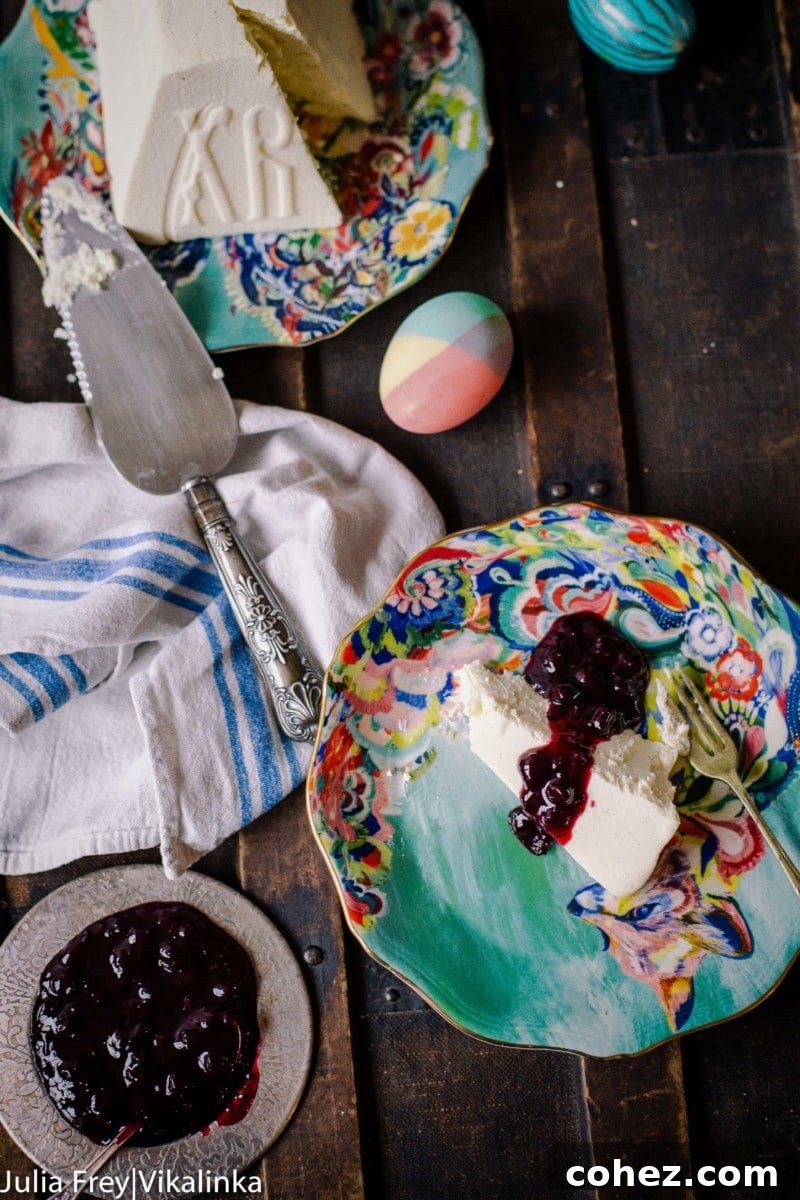
If you are a cheesecake fan, you definitely need my cheese Paskha recipe! It’s the prettiest and most fragrant no-bake cheesecake ever, and a traditional part of any Orthodox Easter!
Welcome to the enchanting world of Paskha, a truly magnificent dessert that embodies the spirit and sweetness of Orthodox Easter. More than just a dish, Paskha is a cherished tradition, a symbol of rebirth and joy, and for many, the culinary highlight of the Easter feast. If you adore the creamy indulgence of cheesecake, prepare to be captivated by this no-bake marvel. Its delicate flavor profile, often infused with bright vanilla and zesty lemon, coupled with its striking pyramid shape, makes it an unforgettable centerpiece for any celebration.
Before we dive into the details of crafting this exquisite sweet cheese pudding, make sure to explore our other festive culinary creations. For another delightful Easter treat, take a look at our Easy English Trifle or discover a myriad of inspiring ideas in our comprehensive Easter recipe collection. Each recipe is designed to bring warmth and deliciousness to your holiday table, ensuring your Easter spread is as memorable as it is flavorful.
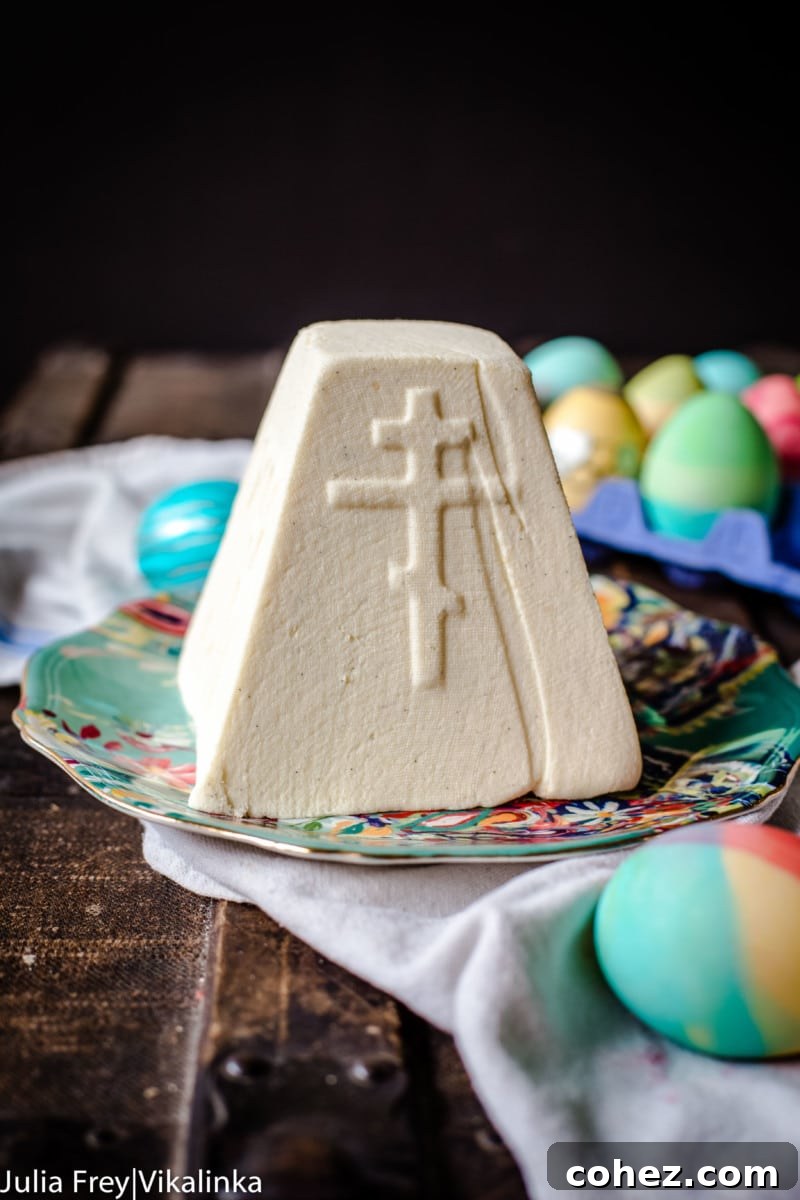
While my kitchen has been filled with a delightful array of sweet scents lately – a rare indulgence for me – some occasions simply demand it. Major holidays and birthdays are perfect excuses to dive into the art of dessert making. Today, I’m thrilled to share a recipe that holds a special place in Eastern European traditions: Sweet Cheese Pudding Paskha, often referred to as a no-bake cheesecake. This dessert, though perhaps not widely known in Western cultures, is an absolute staple in countries like Russia and Ukraine, especially during the Orthodox Easter holiday.
The timing of Orthodox Easter varies from the Western calendar, meaning this guide might arrive a bit early for some. Regardless of when your Easter falls, Paskha promises to be a magnificent addition to your festive table. Imagine it alongside other beloved Easter traditions, such as the fluffy, sweet Kulich and beautifully decorated eggs, creating a spread that is rich in flavor, history, and family memories.
What is Paskha? A Symbol of Orthodox Easter
Paskha, sometimes spelled Pashka, is a traditional Eastern Orthodox celebratory dish, primarily consumed during Easter in countries like Russia, Ukraine, Belarus, and other Slavic nations. It is essentially a sweet, creamy cheese pudding, remarkably similar in texture and richness to a no-bake cheesecake. However, Paskha stands apart with its unique preparation method and profound symbolic significance.
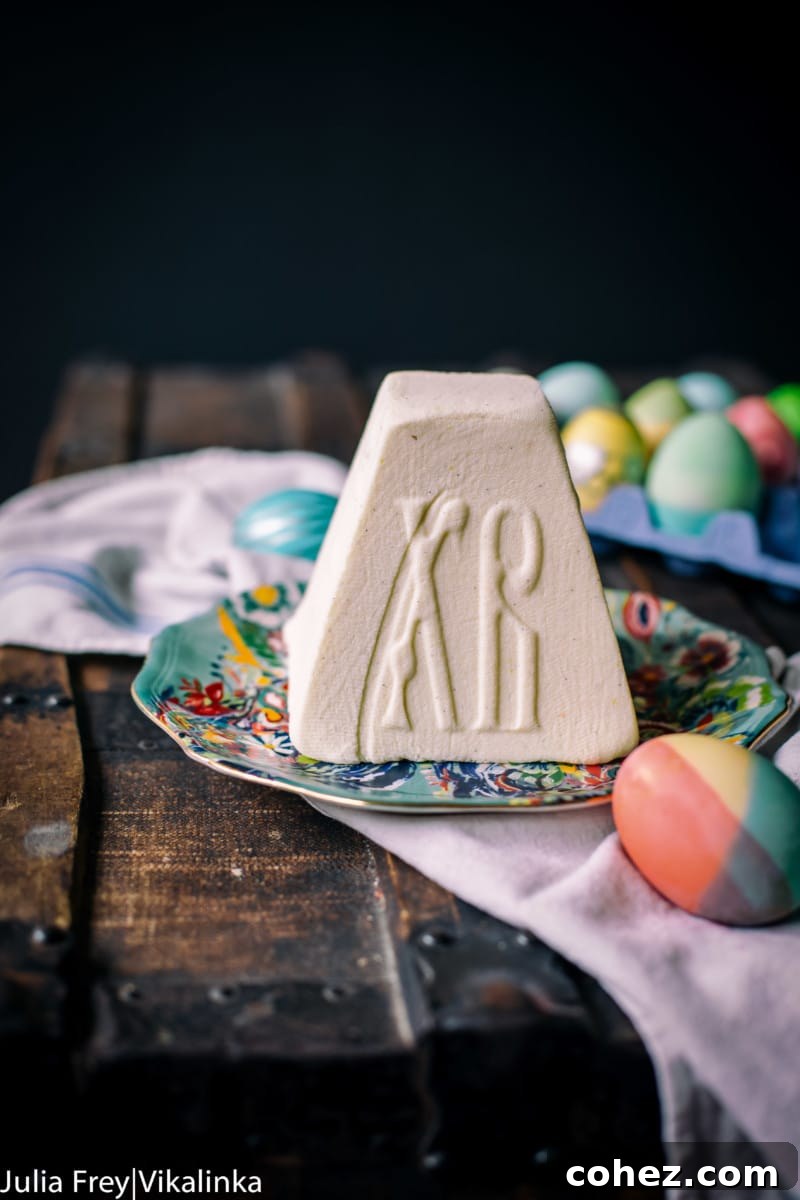
The most distinctive feature of Paskha is its iconic shape. Traditionally, it’s formed into a truncated pyramid, a design that holds deep religious meaning. This pyramid symbolizes the Sepulchre of Christ, representing resurrection and new life. The dessert is often adorned with religious symbols, such as the letters “XB” (which stand for “Christos Voskrese!” meaning “Christ is Risen!”) and crosses, further emphasizing its spiritual importance during the holiest Christian holiday. Beyond its religious connotations, Paskha is simply a delicious and visually stunning dessert, a true labor of love that brings families together.
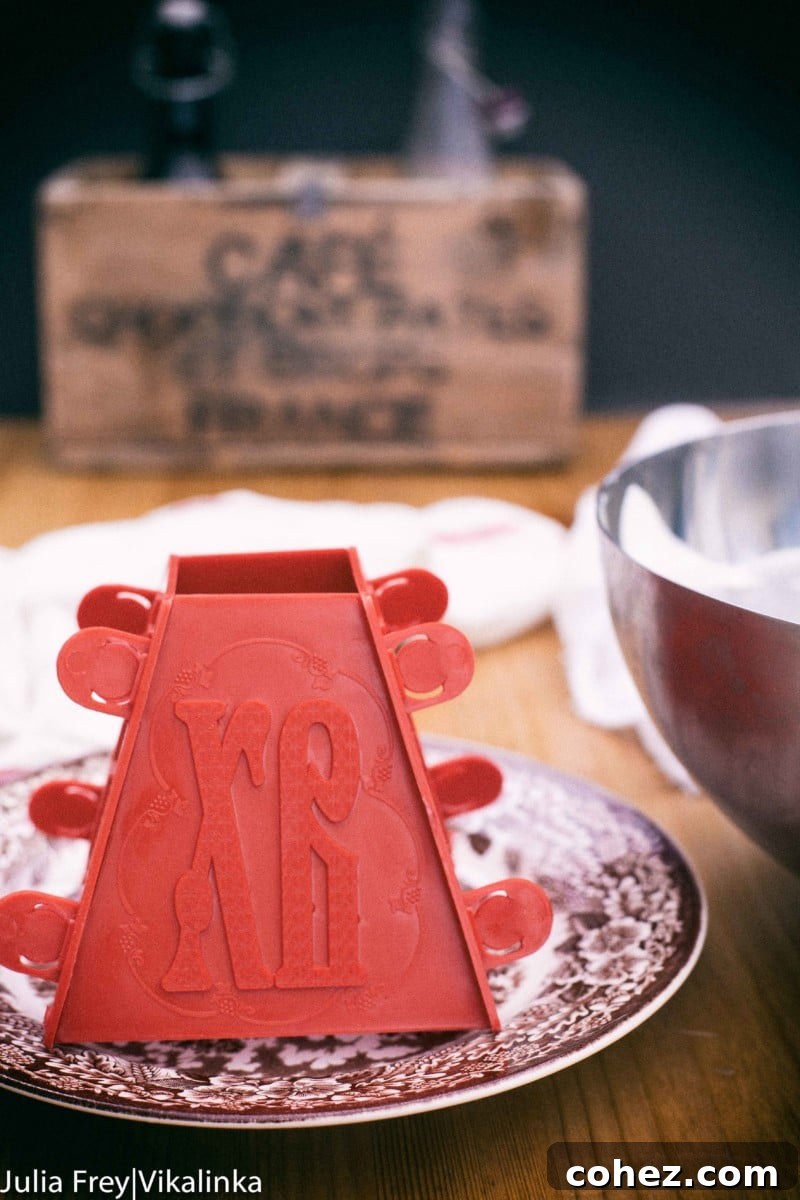
What makes this dessert so visually striking is the special mold it’s made in, known as a pasochnitsa. Historically, these molds were crafted from wood, often intricately carved with the aforementioned religious symbols. While authentic wooden pasochnitsas can be heirlooms passed down through generations, they are indeed becoming less common and sometimes harder to acquire. However, modern iterations, often made from plastic or metal, are readily available online. When I first embarked on my culinary journey with Vikalinka, finding such a mold seemed a daunting task. To my pleasant surprise, many online shops, including artisanal marketplaces like Etsy, now offer a wide selection, making it much easier for enthusiasts worldwide to recreate this beautiful tradition. My own mold, sourced from an online vendor, has worked absolutely beautifully, proving to be both practical and perfect for achieving the classic Paskha form. And living in rainy England, a non-wooden mold has its definite practical advantages! (Pun most certainly intended).
The Star Ingredient: Farmer’s Cheese (Tvorog)
At the very heart of any authentic Paskha recipe lies farmer’s cheese, known in Russian as Tvorog. This isn’t just any cheese; it’s a fresh, curd cheese with a distinct texture and subtle tang that is absolutely essential for Paskha’s characteristic richness and consistency. If you’re new to the world of farmer’s cheese, prepare for a delightful discovery!
Tvorog shares similarities with Italian Ricotta, particularly in its fresh, milky profile, but typically features slightly larger curds and a more pronounced, pleasant tang. It’s creamier and denser than cottage cheese, yet not as smooth or rich as cream cheese. This unique balance makes it ideal for Paskha, contributing to a dessert that is both substantial and incredibly light on the palate. The quality of your Tvorog will significantly impact the final flavor and texture of your Paskha, so choosing a good quality product is key.
Finding farmer’s cheese might seem challenging, but it’s becoming increasingly accessible. In the UK, I’ve successfully located it in the dairy aisles of major supermarkets, as well as in smaller, local Eastern European grocery stores that specialize in traditional ingredients. For those outside of regions with readily available Tvorog, or for the adventurous home cook, making your own farmer’s cheese is a rewarding experience. It’s a surprisingly straightforward process, and resources like Natasha’s Kitchen’s Tvorog recipe offer excellent, easy-to-follow instructions. Homemade Tvorog ensures maximum freshness and allows you to control the consistency, making your Paskha truly special.
My Signature Paskha Recipe: A Modern Interpretation
While Paskha is steeped in tradition, recipes often evolve, and I’ve adapted the classic preparation to suit modern tastes and considerations without compromising its authentic spirit. Traditionally, this sweet cheese pudding incorporates a blend of Tvorog, fresh eggs, sugar, and a mix of dried fruits and nuts. My version, however, offers a streamlined approach, focusing on pure, unadulterated flavor and a velvety texture.
Thoughtful Modifications for Enhanced Experience
- Egg-Free for Food Safety: One significant modification I’ve made is omitting the fresh eggs. While traditionally used, raw eggs can pose food safety concerns for some, and their inclusion requires careful tempering, adding an extra step. By removing them, we ensure a safer, simpler recipe without sacrificing richness, as the Tvorog and crème fraîche provide ample creaminess.
- A Pure, Smooth Texture: My family, like many, has strong preferences when it comes to inclusions in creamy desserts. While I appreciate dried fruits and nuts in other contexts, I find their texture can sometimes clash with the silken smoothness of Paskha. This dessert, with its delicate, cheesecake-like consistency, truly shines when allowed to be incredibly smooth and homogeneous. By leaving out the dried fruit and nuts, we allow the subtle dairy and aromatic flavors to take center stage, resulting in a Paskha that is pure bliss with every spoonful.
Elevating the Flavor Profile
To compensate for the absence of traditional add-ins and to introduce new layers of sophistication, I’ve carefully selected a trio of ingredients that elevate this Paskha to new heights:
- Fragrant Vanilla Bean: Instead of vanilla extract, I opt for a whole vanilla bean, scraping out its exquisite seeds. The fresh vanilla imparts a deeper, more complex aroma and flavor that dances beautifully with the cheese.
- Luxurious Crème Fraîche: For an extra layer of creaminess and a subtle, sophisticated tang, I incorporate full-fat crème fraîche. This ingredient enriches the pudding, contributing to its indulgent mouthfeel and balancing the sweetness. Sour cream can be a suitable alternative if crème fraîche is not available.
- Bright Lemon Zest and Juice: A generous amount of lemon zest and a splash of fresh lemon juice are crucial. The lemon brightens the entire dessert, cutting through the richness of the cheese and butter, adding a delightful citrusy lift that makes each bite refreshing and vibrant.
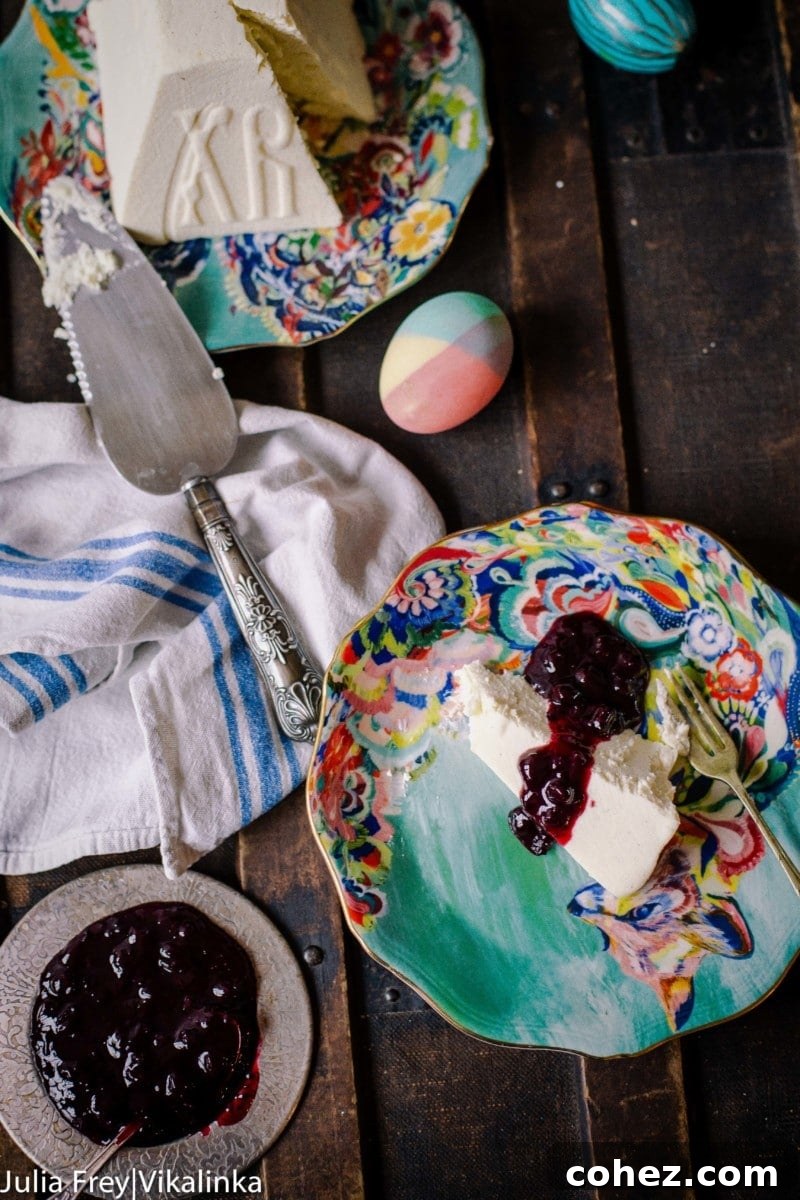
The result of these modifications is a Paskha that is utterly delicious, remarkably fresh, and still tastes wonderfully authentic. We absolutely loved it, especially when served with a dollop of tangy blackcurrant preserve. The interplay of sweet, creamy, and tart is simply crazy delicious!
Essential Tips for Paskha Perfection
Recipe Tips and Notes
- Customizing Your Paskha: While my recipe highlights a pure vanilla and lemon flavor, Paskha is traditionally open to customization. Feel free to incorporate classic additions like candied fruit, dried apricots, raisins, or chopped nuts (such as almonds or walnuts) into the cheese mixture along with the other ingredients. Just ensure they are finely chopped if you prefer a smoother texture.
- The Symbolic Mold (Pasochnitsa): The distinctive tall pyramid shape of Paskha is not just aesthetic; it’s rich in Christian symbolism, memorializing the pyramids of Egypt and the first Passover. Using a proper pasochnitsa is key to achieving this traditional form. These molds are increasingly easy to find online through specialty food stores or marketplaces like Etsy. Mine was indeed shipped all the way from Ukraine, a testament to the global reach of these cherished traditions.
- Achieving the Perfect Firmness: It is crucial to pack the cheese mixture very tightly into the mold. This prevents unsightly air bubbles and, more importantly, ensures your Paskha is firm enough to stand proudly on its own once unmolded. A loosely packed Paskha might collapse or lose its intricate, symbolic lines, which are so important for its aesthetic appeal.
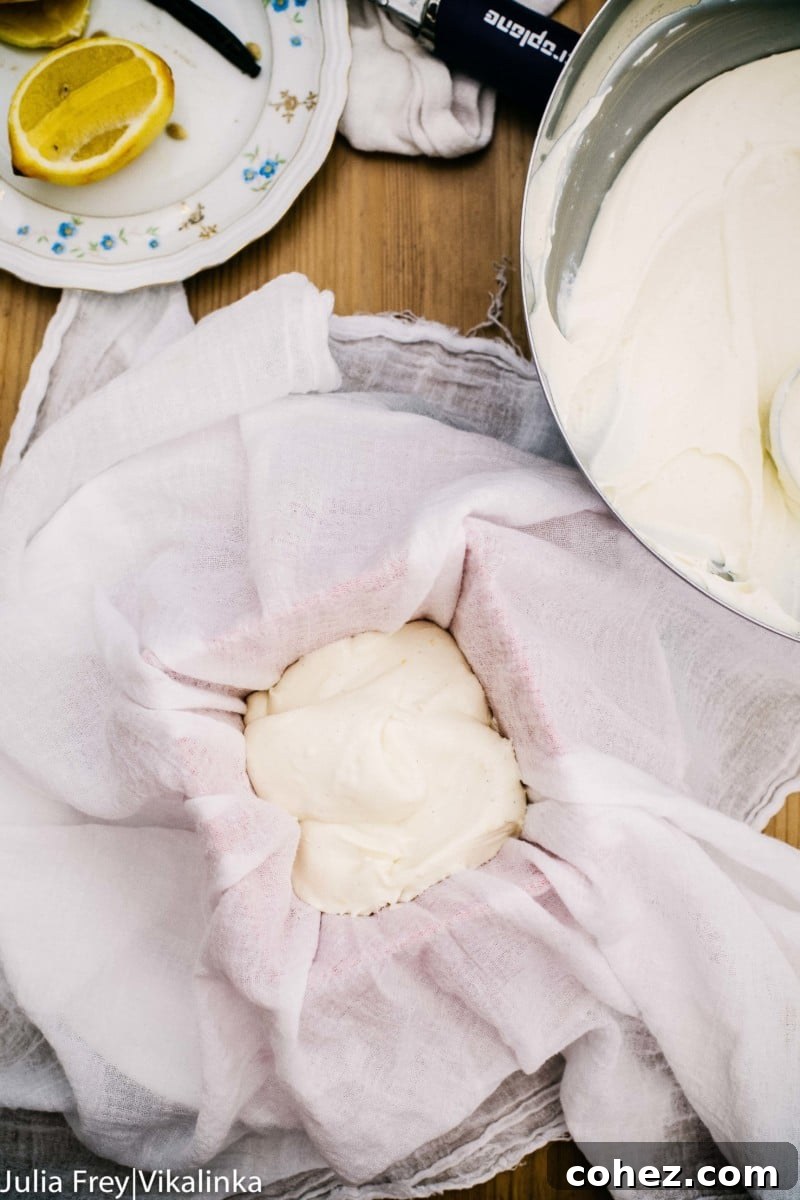
- The Role of Cheesecloth: Cheesecloth is an indispensable tool in the Paskha-making process. Lining the mold with it allows excess moisture from the farmer’s cheese to drain away effectively. This draining process is vital for achieving the desired dense, yet creamy texture and helping the dessert hold its beautifully sculpted shape. Don’t skip this step!
- Refrigeration is Key: As Paskha is a dairy-based, no-bake dessert, proper refrigeration is absolutely essential. Always store any leftovers promptly in the refrigerator to maintain their freshness and safety.
How to Serve Paskha: Elegance on Your Easter Table
With its stately, tall pyramid structure, Paskha might appear intimidating to serve, but it’s remarkably straightforward. Simply slice it as you would any other rich cake or dense loaf. The firm, creamy texture holds its shape beautifully, allowing for elegant portions.
While Paskha is absolutely divine on its own, it truly shines with thoughtful accompaniments. The traditional way to enjoy Paskha in many Eastern European households is spread generously on a thick slice of crusty bread, offering a delightful contrast of textures and flavors. I personally love it just as it is, but for an extra touch of indulgence, a generous dollop of your favorite fruit jam or preserve – particularly tart berries like blackcurrant or raspberry – elevates the experience. Fresh berries, a drizzle of honey, or a light dusting of powdered sugar can also add a beautiful finish.
Storage and Leftovers: Keeping Your Paskha Fresh
Proper storage is crucial for keeping your Paskha fresh and delicious, much like other delicate, unbaked cheesecakes. To preserve its quality and prevent it from absorbing refrigerator odors, cover your Paskha tightly with plastic wrap. If you have an airtight container large enough to accommodate its unique pyramid shape, that would be ideal. When stored correctly in the refrigerator, Paskha will remain wonderfully fresh and enjoyable for 4-5 days, making it perfect for savoring throughout the Easter week.
Should you find yourself with more Paskha than you can consume within a few days, or if you wish to prepare it well in advance, freezing is an excellent option. For optimal freezing, first wrap the Paskha securely in plastic wrap, ensuring no air can reach the surface. Then, add a second layer of protection with aluminum foil. This double-wrapping helps prevent freezer burn and maintains its exquisite texture. Frozen Paskha can be stored for up to three months. When you’re ready to enjoy it, simply transfer the wrapped Paskha to the refrigerator and allow it to thaw completely overnight. This gentle thawing process ensures the best possible texture and flavor upon serving.
More Easter Treats to Enjoy
Looking for more delightful desserts to complete your Easter celebration? Here are some of our other cherished recipes that are perfect for the spring season:
- Lemon Vanilla Posset
- Carrot Cake with Cream Cheese Frosting
- Lemon Curd Cheesecake
- Basque Cheesecake with Raspberry Compote
- Lemon and Poppyseed Hot Cross Buns
★
★
★
★
Sweet Cheese Pudding ‘Paskha’
Ingredients
- 1.4 kg /3 lbs farmer’s cheese Tvorog
- 175 ml/ 3/4 cup crème fraîche or sour cream, full fat
- 150 g/ 2/3 cup unsalted butter
- 300 g/ 1.5 cup sugar
- 1 vanilla bean, seeds scraped out
- 1 lemon, zest and juice
Instructions
-
Zest a lemon and juice it. Split the vanilla bean lengthwise and scrape out the aromatic seeds using the back of a knife.
-
In a food processor, combine the farmer’s cheese (Tvorog), crème fraîche (or sour cream), softened unsalted butter, granulated sugar, the scraped vanilla bean seeds, and the fresh lemon zest and juice. Process these ingredients until the mixture becomes incredibly silky smooth and completely homogeneous, with no lumps remaining.
-
Prepare your Paskha mold (pasochnitsa). Turn the mold upside down and place it inside a deep bowl, which will catch any draining liquid. Line the mold meticulously with a double layer of clean cheesecloth, ensuring the ends are long enough to generously drape over the top and bottom of the mold. Carefully transfer the processed cheese mixture into the lined mold, pressing it down very tightly with a spoon or your hands to eliminate any air bubbles and ensure a dense, firm structure.
-
Once the mold is filled and packed, fold the excess cheesecloth neatly over the top of the cheese mixture. Place a flat plate directly on top of the cheesecloth-covered surface, and then weigh it down with something heavy – a mason jar filled with water or a few cans of food work perfectly. This weight will help press out additional moisture.
-
Refrigerate the weighted mold for a minimum of 10 hours, or ideally, overnight (up to 24 hours). During this time, the cheese pudding will firm up and drain excess liquid into the bowl below. You’ll know it’s sufficiently drained and ready to be unmolded when you see a notable amount of liquid collected at the bottom of the bowl. This indicates the Paskha is firm enough to hold its beautiful pyramid shape.
-
To unmold, carefully unwrap the cheesecloth from the top surface of the Paskha. Place your serving plate directly on top of the cheese pudding (while it’s still in the mold). In one swift, confident motion, invert the entire mold onto the serving plate. Gently lift the mold away from the cheese pudding, and then carefully peel off the cheesecloth, revealing your perfectly formed Paskha.
-
Decorate your Paskha as desired, perhaps with fresh berries, edible flowers, or additional lemon zest. Serve this exquisite dessert with any fruit preserves, such as blackcurrant or raspberry jam, and a side of freshly whipped cream for an extra touch of decadence.
Nutrition
Nutrition information is automatically calculated, so should only be used as an approximation.
Tried this recipe?
Let us know how it was!