
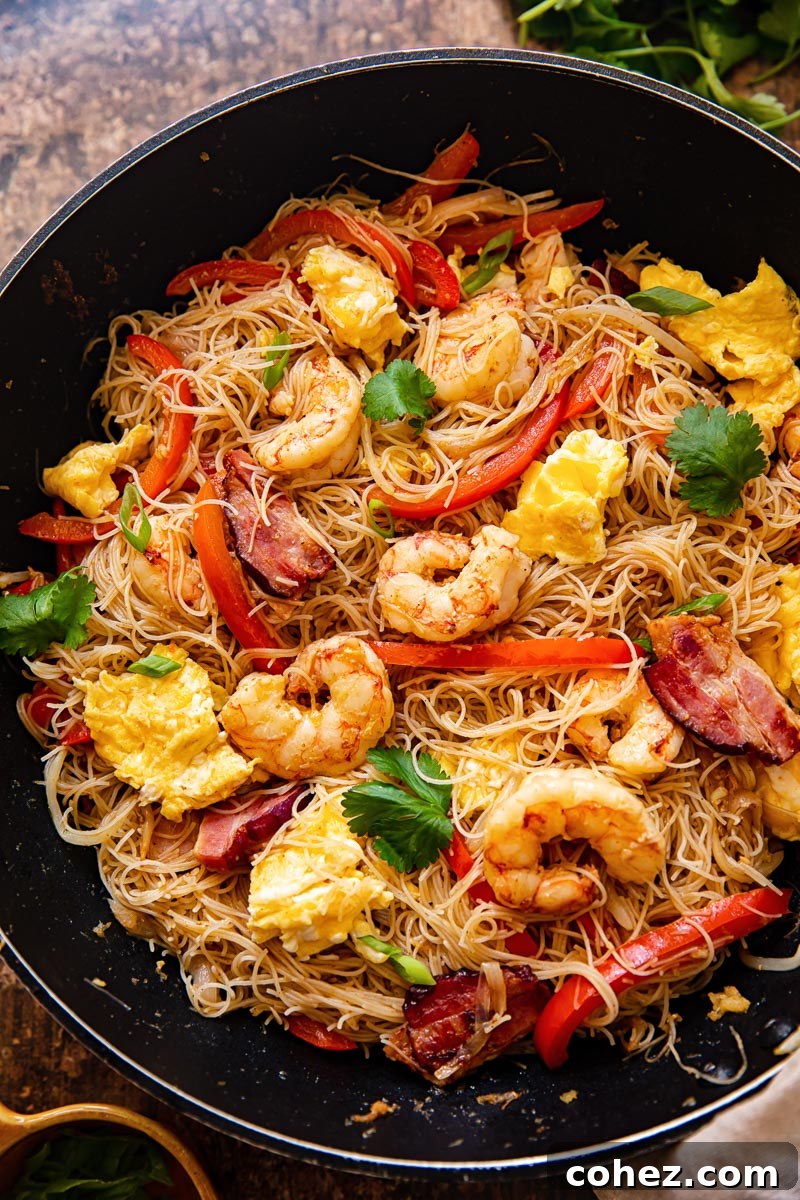
Welcome to a culinary adventure that brings the vibrant flavors of Asia right into your kitchen! Today, we’re diving into the delightful world of Singapore Noodles – a classic Chinese takeout dish that’s bursting with an explosion of savory, spicy, and aromatic tastes. Picture thin rice vermicelli noodles, stir-fried to perfection with tender prawns, succulent pork, fluffy scrambled eggs, and crisp vegetables, all infused with the distinctive warmth of curry powder. It’s a symphony of textures and flavors that promises a satisfying meal any day of the week.
If you’ve never experienced the magic of Singapore Noodles, prepare to be captivated. This iconic dish, known for its incredible depth of flavor and relatively light feel, is a staple on Chinese takeaway menus worldwide. Despite its misleading name, a common misconception is that these noodles originate from Singapore. The prevailing legend suggests this tantalizing creation was actually born in the bustling kitchens of Hong Kong, where a clever chef spiced up his stir-fried noodles with an exotic name to pique customer interest. Regardless of its true birthplace, its popularity is undeniable, making it a beloved choice for food enthusiasts seeking an authentic Asian experience.
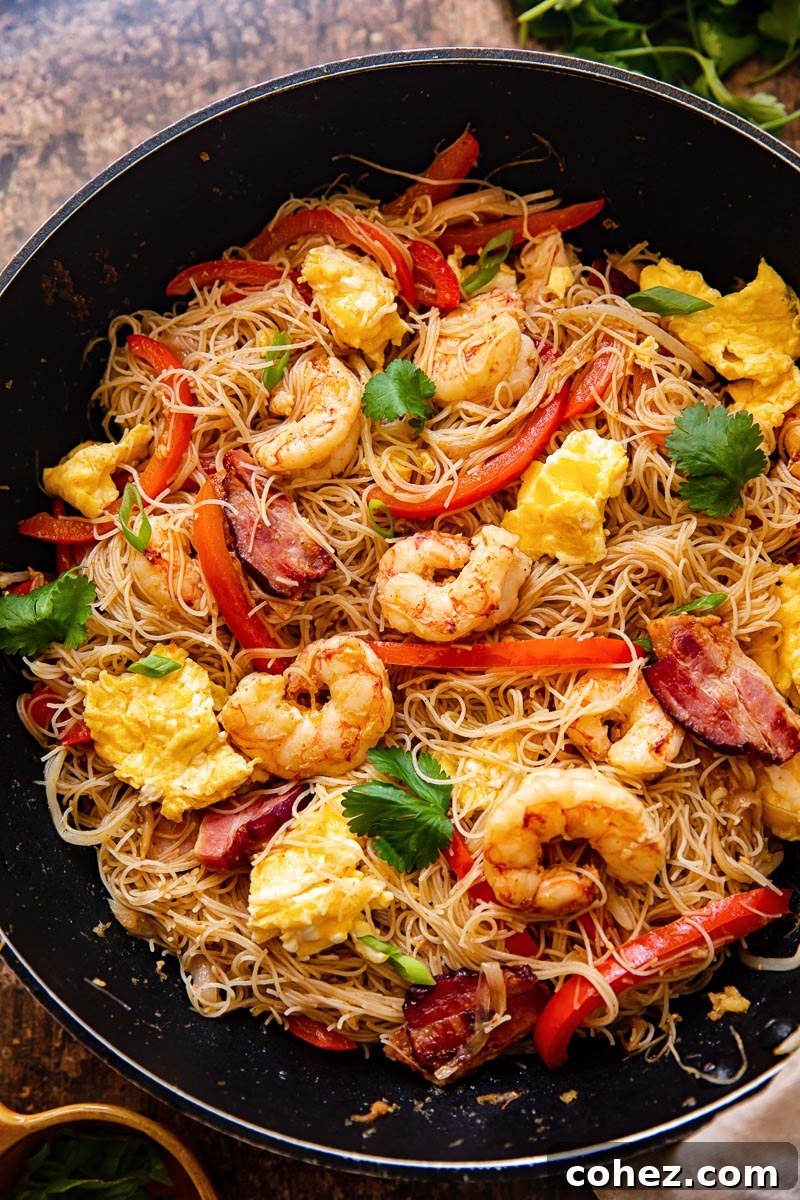
The hallmark of Singapore Noodles lies in its unique flavor profile, particularly the generous use of curry powder. While curry might seem an unusual addition to a traditional Chinese dish, its presence is a fascinating testament to historical trade routes and colonial influences. The British colonization of both Hong Kong and India facilitated a rich exchange of spices, making Indian curry powders readily available and eventually integrated into local Chinese cuisine. This culinary fusion gives Singapore Noodles their signature golden hue and irresistible kick, setting them apart from other noodle dishes.
This isn’t an isolated phenomenon in Chinese cooking either. The integration of Indian spices, especially turmeric-rich curry powder, can also be found in other popular dishes like the Chinese chicken curry. This particular dish is an absolute staple in Chinese restaurants across the UK, renowned for its comforting and deeply flavorful sauce. Our homemade version of chicken curry is a testament to how easily these aromatic spices can be mastered, quickly becoming a reader favorite for its simplicity and authentic taste.
Crafting the Perfect Singapore Noodles: Ingredients Spotlight
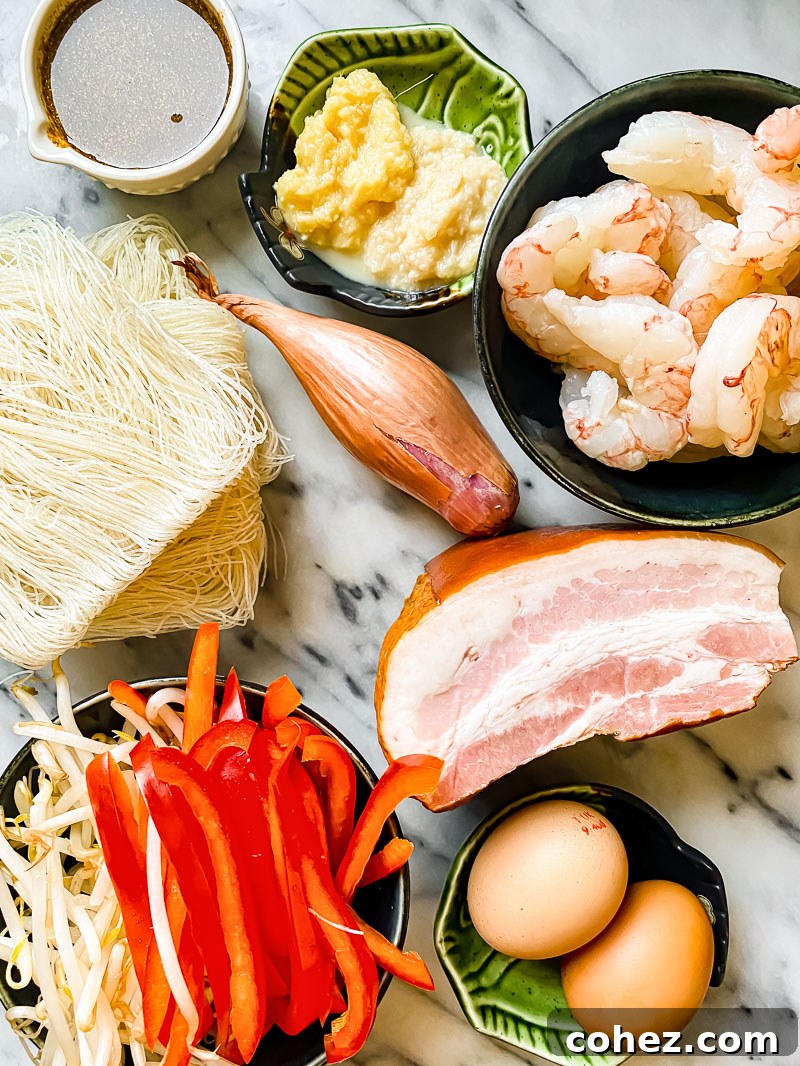
Beyond the aromatic curry powder, the other distinguishing feature of Singapore Noodles is the choice of noodles themselves: thin rice vermicelli. These delicate strands boast a fine texture that perfectly absorbs the rich curry sauce. Unlike thicker noodles that require boiling, rice vermicelli simply needs to be soaked in hot water until tender, making them incredibly quick and easy to prepare. Their delicate nature and rapid cooking time make them a fantastic base for a fast-paced stir-fry.
Rice vermicelli is incredibly popular throughout Southeast Asia, a detail that further supports the theory of a Hong Kong chef drawing inspiration from regional cuisine when creating this dish. For another fantastic example of how these versatile noodles are used, consider our recipe for Mee Goreng (Fried Noodles), a beloved Indonesian dish that also features rice vermicelli as its star ingredient. This highlights the adaptability of rice vermicelli in diverse Asian culinary traditions.
While the noodles and curry powder are non-negotiable, the rest of the ingredients offer wonderful flexibility, allowing you to tailor the dish to your preference. Our recipe traditionally calls for a delightful combination of plump prawns (or shrimp) and thinly sliced pork. Traditionally, authentic barbecued pork, known as Char Siu, is used. However, for most home cooks, Char Siu isn’t a readily available ingredient. Instead, we opt for cured pork belly – essentially a flavorful slab of bacon – or even pork loin steaks. These alternatives deliver fantastic flavor and texture without the need for a specialized trip to an Asian supermarket. You can even use chicken for a leaner protein option, making this recipe incredibly versatile for your dinner table.
For those looking to make a healthier choice, eliminating the pork belly significantly reduces the calorie content, transforming this already satisfying meal into a remarkably wholesome option. And if you’re aiming for a plant-based meal, this recipe easily adapts to a vegetarian version simply by substituting the meat with firm tofu, ensuring everyone can enjoy its incredible flavors.
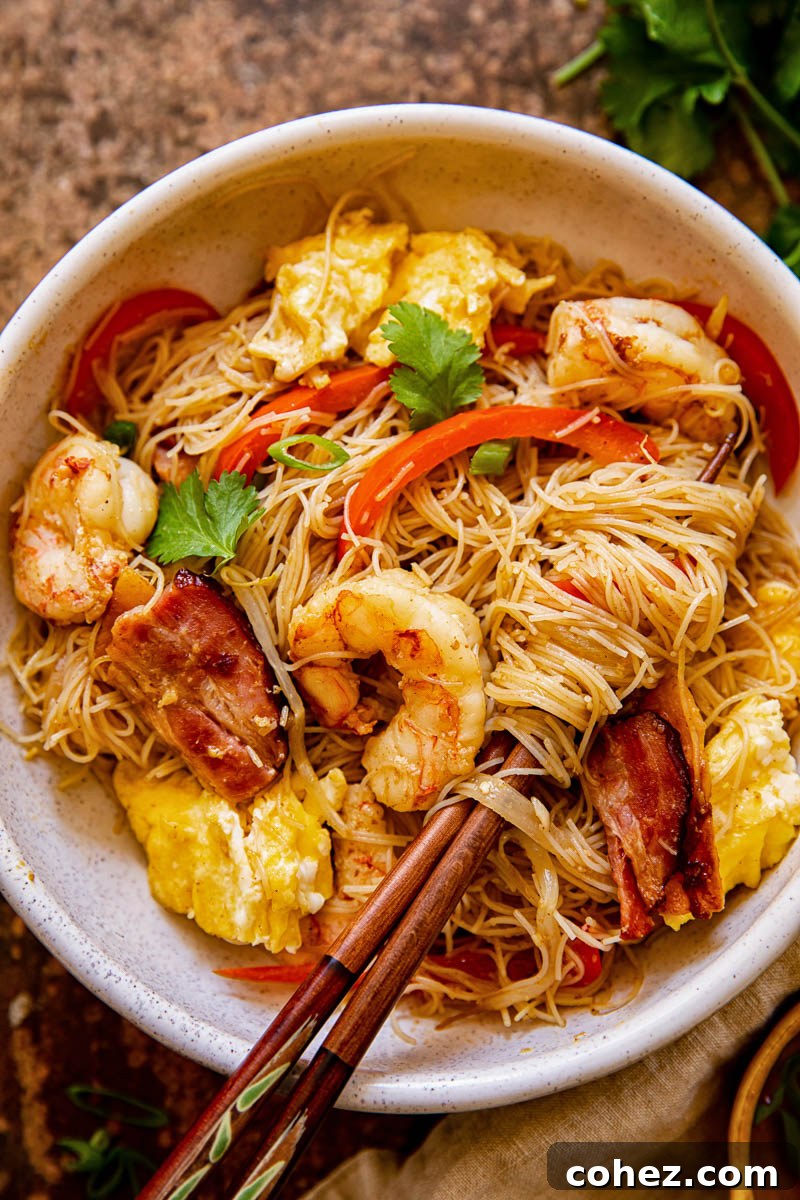
Scrambled eggs are another staple that lends both richness and texture to most Singapore Noodles recipes. The eggs are cooked until fluffy and then gently folded into the noodles towards the end, a technique reminiscent of classic fried rice preparations. This ensures the eggs remain distinct and add a wonderful dimension to the dish. To round out the meal with fresh crunch and vibrant color, we recommend a mix of sliced red peppers and crisp bean sprouts. However, feel free to get creative with your vegetable choices! Many other options work beautifully, from thinly sliced cabbage and bok choy to green beans and broccoli, allowing you to customize your Singapore Noodles with your favorite seasonal produce.
Expert Tips for Perfect Singapore Noodles
- Master the Mise en Place: This recipe, like many stir-fries, cooks incredibly fast. To ensure a stress-free experience and prevent anything from overcooking, have all your ingredients prepped – chopped, sliced, and measured – before you even turn on the stove. This “mise en place” approach is the secret to successful stir-frying.
- Pre-mix Your Sauce: Similarly, measure out and combine all the sauce ingredients in a small bowl beforehand. This allows you to pour it in at the right moment without scrambling, ensuring even distribution and maximum flavor in every strand of noodle.
- Embrace the Thin Vermicelli and Hot Curry: While variations exist, the true essence of Singapore Noodles lies in two things: the use of thin rice vermicelli noodles for their delicate texture and a hot curry powder for that authentic spicy kick. Don’t be shy with the spice – it’s what gives this dish its characteristic warmth!
- Slice Meat Thinly: If you’re using pork, chicken, or any other meat, make sure to slice it very thinly. This not only contributes to the authentic texture of a stir-fry but also ensures the meat cooks quickly and evenly, becoming wonderfully tender in just a couple of minutes.
- Large Scrambled Egg Pieces: When cooking your eggs, aim for larger, fluffier pieces. They will naturally break down a bit when tossed with the noodles, and starting with larger pieces prevents them from becoming too mushy. You want distinct pieces of egg adding to the texture.
- Fresh Garnish is Key: Don’t forget the final touch! Garnish your cooked noodles with a generous sprinkle of sliced green onions (scallions) and fresh cilantro. These additions not only provide a burst of fresh flavor but also add a beautiful visual appeal to the finished dish.
Serving Suggestions for an Enhanced Experience
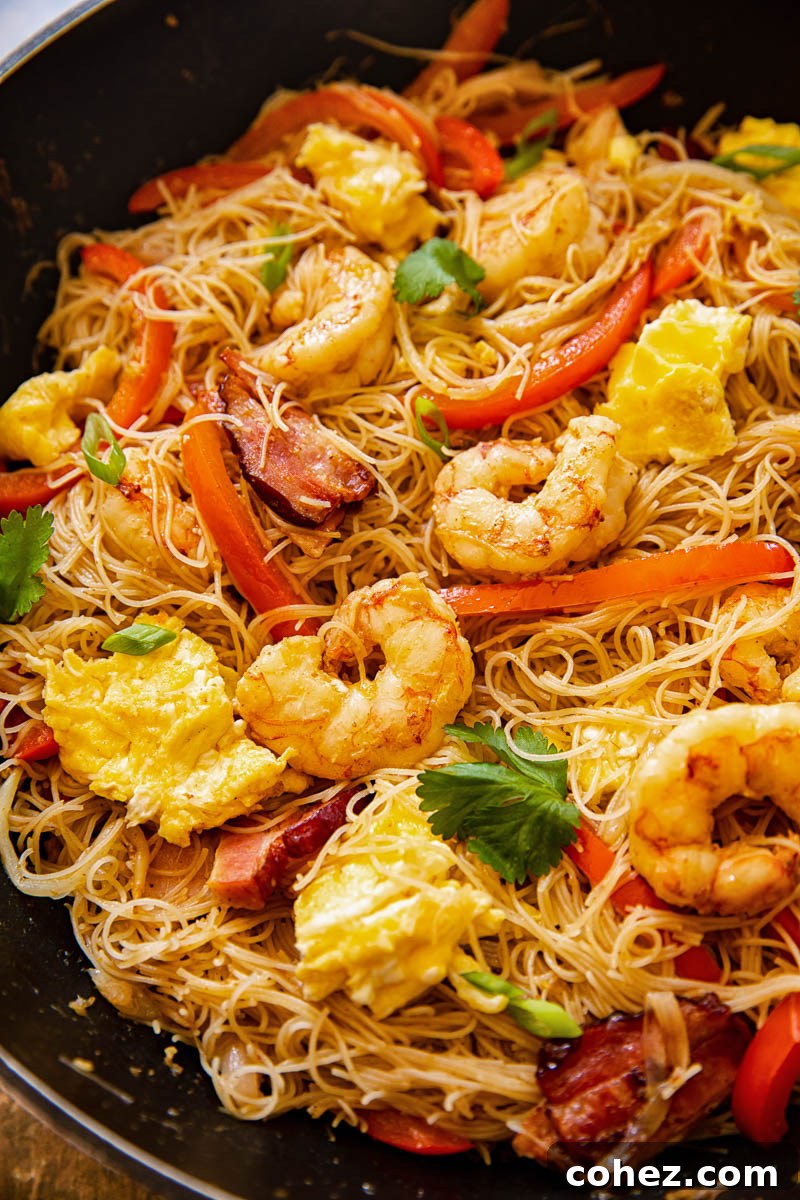
The beauty of a stir-fry like Singapore Noodles is its completeness – it’s a harmonious one-pan meal with all the essential components. However, there are always ways to elevate the experience further with subtle additions that tweak flavors and add textural interest. When serving any stir-fry, a scattering of chopped green onions (spring onions) is an absolute must. Their crisp freshness provides a perfect counterpoint to the rich, savory noodles. For an extra layer of flavor and a pleasing crunch, we often include a sprinkling of toasted sesame seeds, which impart a wonderful nutty aroma that complements the curry beautifully. A squeeze of fresh lime juice just before serving can also brighten the entire dish, adding a zesty finish that really makes the flavors pop.
Storage and Leftovers: Keeping Your Noodles Fresh
Given that this delectable dish contains prawns, it’s always best to enjoy leftovers promptly. We recommend consuming any refrigerated portions within 3-4 days to ensure maximum freshness and food safety. While Singapore Noodles can be conveniently reheated in the microwave, we find that a wok or large frying pan over medium heat yields superior results. Add a small splash of water or a tiny bit of broth to the pan while reheating to help loosen the noodles and prevent them from drying out. Stir-fry gently for about 5-7 minutes, or until thoroughly heated through, ensuring every strand regains its delicious texture and warmth.
Explore More Asian Stir-Fried Noodles
- Easy Dan Dan Noodles
- Filipino Noodles with Pork and Shrimp (Pancit)
- Chicken Yaki Udon
- Beef Chow Mein
- Vegan Dan Dan Noodles
Singapore Noodles Recipe
Equipment
-
Wok
Ingredients
- 3 tbsp Chinese cooking wine, or dry sherry
- 4 tbsp dark soy sauce
- 4 tsp hot curry powder
- 1 tsp white pepper or black pepper
- 1 tsp salt
- 1 tsp honey or sugar
- 300g/10oz thin rice noodles vermicelli
- 2 tbsp vegetable oil
- 250g/1/2 lbs thinly sliced cured pork belly or pork loin steaks, or use thickly sliced bacon
- 250g/1/2 lb shrimp/prawns
- 2-3 eggs
- 1/2 onion or 1 shallot, sliced
- 3 cloves garlic, minced
- 1 tbsp ginger, grated
- 1 red pepper or green pepper, sliced
- 100g/1 cup bean sprouts
- 1 tsp sesame oil, optional
- Green onions and cilantro for garnish
Instructions
-
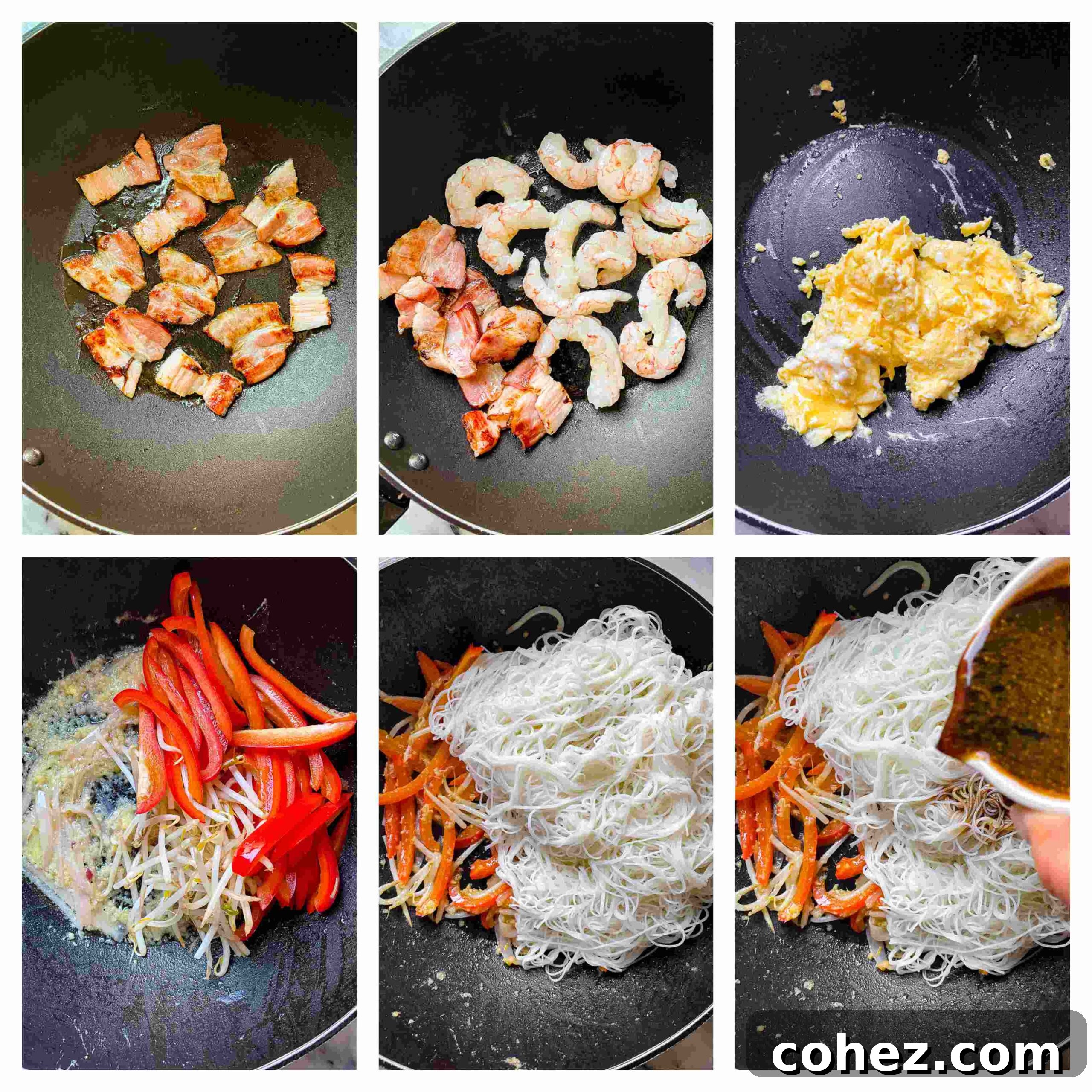
In a small bowl, combine the Chinese cooking wine, dark soy sauce, curry powder, white pepper, salt, and honey. Mix well and set aside. Soak the rice vermicelli noodles in boiling water according to package directions until tender, then drain thoroughly.
-
Heat the vegetable oil in a wok or a large frying pan over high heat. Add the thinly sliced pork (belly or loin steaks), seasoned with a pinch of salt, and stir-fry until cooked through. Add the shrimp/prawns and cook for 1-2 minutes per side until pink and opaque. Remove both the pork and shrimp to a plate and set aside.
-
In the same wok, add the beaten eggs and scramble them into large, fluffy pieces. Once cooked, remove the scrambled eggs to the plate with the pork and shrimp and set aside.
-
To the wok, add the sliced onion or shallot and stir-fry for 2-3 minutes until softened. Add the minced garlic and grated ginger, cooking for another 30 seconds while stirring constantly until fragrant. Stir in the sliced red pepper and bean sprouts and continue to stir-fry for 5 minutes until vegetables are crisp-tender.
-
Add the drained rice noodles to the pan with the vegetables. Pour the prepared sauce evenly over the noodles and toss everything together vigorously to combine and coat the noodles thoroughly. Finally, return the cooked pork, shrimp, and scrambled eggs to the wok. Gently mix all ingredients together until just combined. Taste and adjust seasoning with additional salt if needed. Serve immediately, garnished generously with sliced green onions and fresh cilantro for a burst of freshness.
Notes
- This recipe involves several components, but they all cook very quickly. For best results, ensure all ingredients are prepped, chopped, and measured out before you begin cooking. This “mise en place” strategy is key to a smooth stir-fry process.
- To avoid being overwhelmed, measure and mix all sauce ingredients in advance. This ensures a quick pour and even distribution during the fast-paced stir-frying.
- For authentic flavor and quick cooking, slice your chosen meat (pork, chicken, etc.) very thinly. This allows it to cook in just a couple of minutes and integrate seamlessly into the noodle dish.
- When scrambling eggs, aim for larger pieces. These will break down a bit when mixed into the noodles, but starting with bigger pieces prevents them from becoming mushy and ensures a pleasant texture.
Nutrition
Calories: 702kcal | Carbohydrates: 73g | Protein: 15g | Fat: 37g | Saturated Fat: 13g | Polyunsaturated Fat: 5g | Monounsaturated Fat: 17g | Trans Fat: 0.01g | Cholesterol: 127mg | Sodium: 1780mg | Potassium: 371mg | Fiber: 4g | Sugar: 5g | Vitamin A: 1082IU | Vitamin C: 44mg | Calcium: 57mg | Iron: 3mg
Nutrition information is automatically calculated, so should only be used as an approximation.
Tried this recipe?Let us know how it was!