
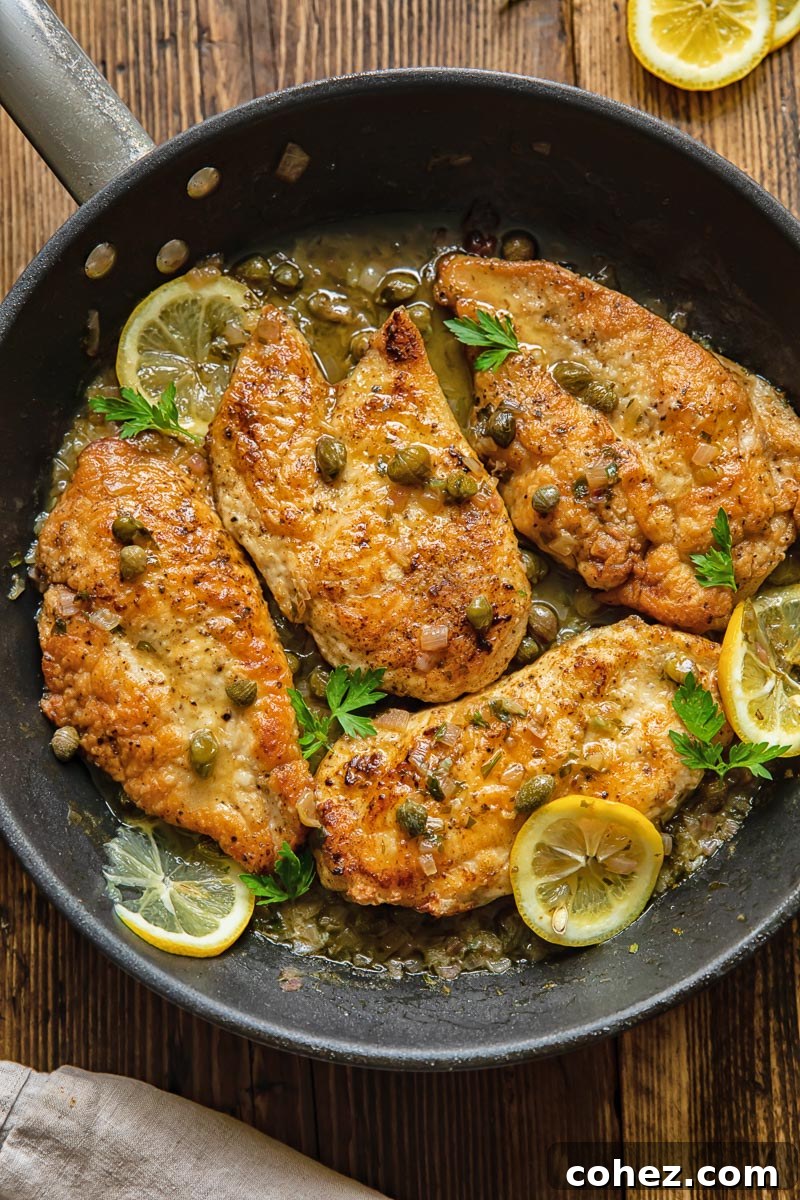
Chicken Piccata is a quintessential dish that transforms humble chicken breasts into an elegant, restaurant-quality meal with astonishing speed. This beloved Italian-American classic features thinly pounded chicken cutlets, lightly pan-fried to golden perfection, then bathed in a vibrant, velvety sauce bursting with the bright tang of lemon, the briny punch of capers, and the rich depth of butter and white wine. It’s a symphony of flavors that manages to be both complex and comforting, making it a perfect choice for a busy weeknight dinner or an impressive special occasion. Imagine serving a dish that tastes like it took hours, but comes together in under 30 minutes! This recipe is your ticket to culinary success, promising a meal that’s as delightful to prepare as it is to savor. Forget last-minute panic; this piccata is a dish that shows care and sophistication without demanding endless kitchen time.
If you’re a fan of seafood, a similar lip-smacking experience awaits with a delectable sea bass in brown butter caper sauce, perfect for those moments when you desire an equally impressive, yet quick, culinary rescue.
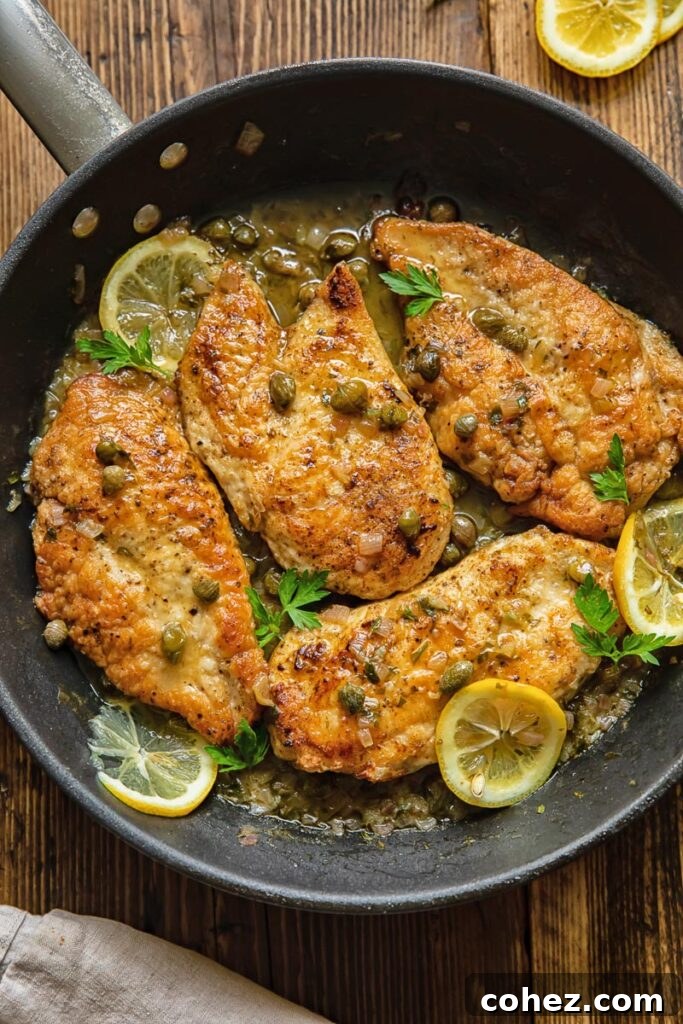
What is Chicken Piccata? The Ultimate Guide to a Classic Dish
Delving into the origins of Chicken Piccata reveals a fascinating culinary journey. While ‘piccata’ is an Italian word, referring to meat that is ‘larded’ or ‘prepared by pounding’ into thin cutlets, the chicken version, particularly as we know and love it today, truly gained its widespread fame in American kitchens. In Italy, this preparation style is common, but veal (often as veal scallopini) or various types of fish like swordfish are more traditionally paired with this zesty, buttery sauce. However, it was across the Atlantic that chicken took center stage, becoming an affordable and widely accessible alternative that captivated diners and home cooks alike. The core concept remains consistent: thin, tenderized meat, lightly coated in flour, pan-fried to a beautiful crisp, then simmered in a signature sauce.
The sauce is a marvel of balance, masterfully blending the creamy richness of butter with the sharp acidity of fresh lemon juice, the distinctive saltiness of capers, and a hint of garlic and dry white wine to create an incredibly flavorful and surprisingly light finish. It’s this exquisite interplay of bold and subtle notes that elevates simple ingredients into a truly memorable dish, proving that you don’t need exotic components to achieve culinary excellence. My restaurant-style reinvention of the traditional veal piccata, made with chicken breast, offers a more affordable and accessible special occasion dish – ideal if you’ve forgotten one!
I had thought about giving you a direct translation of the Italian word piccata*, but it could ruin your anniversary and I can’t have that on my conscience (but see below). *larded
The Essential Elements of a Perfect Piccata Sauce
The magic of Chicken Piccata lies predominantly in its unforgettable sauce. This delicate yet profoundly flavorful concoction is built on a foundation of a few key ingredients, each playing a crucial role in creating its signature taste and texture:
- Butter: The backbone of the sauce, providing a luxurious, unctuous mouthfeel and a rich, nutty flavor, especially when lightly browned during the searing of the chicken.
- Lemon Juice: The essential bright counterpoint. Freshly squeezed lemon juice introduces a sharp, zesty acidity that cuts through the richness of the butter and elevates all the other flavors, preventing the dish from feeling heavy. Slices of lemon are often added to infuse more aroma and visually enhance the dish.
- Capers: These small, briny flower buds are non-negotiable for authentic piccata. Their distinctive tangy, salty, and slightly floral notes provide a unique burst of flavor that complements the lemon and butter beautifully, adding complexity and depth.
- Dry White Wine: A crucial ingredient for deglazing the pan and adding a layer of sophisticated flavor. Wines like Sauvignon Blanc or Pinot Grigio contribute acidity and subtle fruity undertones that bind the sauce together. For those who prefer to cook without alcohol, a good quality chicken broth with a splash of white wine vinegar can be a suitable substitute.
- Shallots and Garlic: These aromatic vegetables form the savory base, offering a milder, sweeter flavor than onions, which pairs perfectly with the delicate chicken and bright sauce components.
Why Choose Chicken for Piccata?
While veal piccata is the traditional Italian inspiration, chicken offers several compelling advantages that make it a favorite for this recipe. Chicken breasts are widely available and typically more budget-friendly than veal, making this gourmet-style dish accessible for everyday cooking. Furthermore, chicken cooks very quickly when pounded thin, aligning perfectly with the desire for a fast yet impressive meal. Its mild flavor profile also makes it an excellent canvas for the bold and zesty piccata sauce, allowing the vibrant lemon and caper notes to truly shine. For those seeking variety or catering to different dietary preferences, chicken piccata stands as a versatile and universally appealing choice.
Mastering Chicken Piccata: Expert Tips for Perfection
- Pounding the Chicken is Key: This isn’t just for tenderizing; it’s about achieving even cooking. Use a meat mallet or a rolling pin to flatten chicken breasts to a uniform ½-inch thickness. This ensures they cook quickly and evenly, preventing dry spots and yielding that melt-in-your-mouth texture. It’s also a fantastic stress reliever!
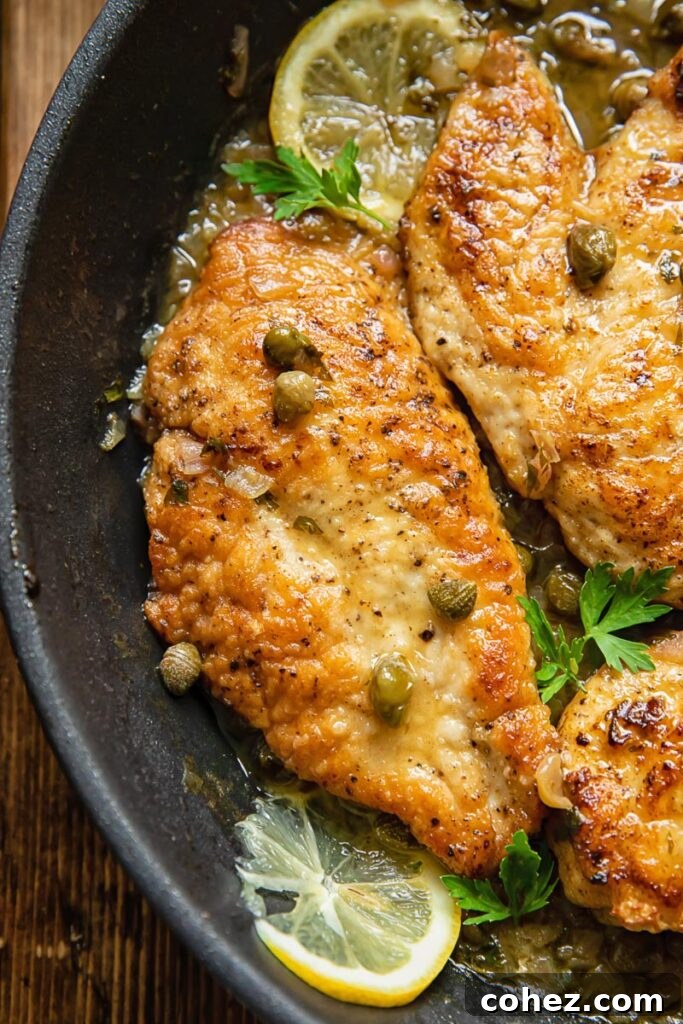
- Light Flour Dusting: The goal is a thin, even coating of flour, not a thick batter. Too much flour can lead to a gummy texture, burn easily during frying, and impart a bitter taste to your sauce. A light dredge provides just enough coating for a golden crust and helps thicken the sauce subtly.
- Choosing Your Protein: While chicken breast is celebrated for its affordability and quick cooking, don’t hesitate to explore other options if you’re feeling adventurous. Traditionalists might opt for veal piccata, while seafood lovers can enjoy a delightful twist with salmon piccata or the suggested sea bass in brown butter caper sauce. The beauty of piccata lies in its adaptable sauce.
- Don’t Overcook the Chicken: Thin cutlets cook rapidly, often in just minutes per side. Stay attentive during the searing process to avoid tough, dry chicken. A golden-brown exterior and a juicy interior are what you’re aiming for.
- Wine Selection Matters (or Substitutes): A dry white wine, such as Sauvignon Blanc or Pinot Grigio, adds a depth of flavor and acidity that truly elevates the sauce. If you prefer to avoid alcohol, a high-quality chicken broth combined with a splash of white wine vinegar or fresh lemon juice can provide a similar zing and acidity. Dry sherry is another excellent, flavorful alternative if you have it on hand.
- Sauce Consistency is Delicate: The piccata sauce should be a light, shimmering emulsion, not a heavy gravy. It should beautifully coat the chicken and create a flavorful “puddle” in the pan. Don’t be alarmed if it appears thin; its power comes from its concentrated flavors, not its viscosity.
- The Fresh Parsley Finish: A generous sprinkling of fresh, chopped parsley at the end is more than just a garnish. Its vibrant green color adds visual appeal, and its fresh, herbaceous notes provide a perfect aromatic lift that harmonizes with the lemon and capers.
Serving Suggestions: What to Pair with Chicken Piccata
Chicken Piccata is a versatile main course that shines with a variety of accompaniments, allowing you to tailor your meal from a simple weeknight dinner to an elaborate feast.
For a Full Italian-Inspired Feast:
- Appetizers: Start with something light and fresh to whet the appetite. Consider grilled asparagus with Romesco sauce and burrata for a creamy, savory beginning, or elegant mushroom crostini that offer earthy flavors without overpowering the main dish.
- Starchy Sides: Essential for soaking up every drop of that incredible piccata sauce! Classic choices include homemade fresh pasta (fettuccine or linguine are excellent), creamy mashed potatoes, or fluffy rice. For a delightful crunch, serve with garlic bread or a slice of rustic focaccia.
- Vegetable Sides: Complement the richness of the piccata with fresh, vibrant vegetables. A warm zucchini salad with Italian vinaigrette offers a refreshing contrast, while lemon butter green beans echo the flavors of the main dish beautifully. Steamed broccoli, roasted asparagus, or a simple side salad also work wonderfully.
- Dessert: Conclude your meal with a dessert that is refreshing and digestively kind. An Eton mess semi freddo provides a cool, creamy finish, or truly impress with a showstopping blueberry and limoncello trifle, adding another layer of sophisticated flavor.
For a Quick & Easy Meal:
However, if you’re really here working last minute to stay out of the doghouse, bust out these super speedy air fryer fries and a crisp garden salad with a light vinaigrette for a balanced and quick dinner. Even on the busiest nights, this dish can be the star!
Variations and Customizations: Tailor Your Piccata
The beauty of piccata is its adaptability, allowing for delightful variations to suit different tastes or ingredients on hand.
- Alternate Proteins: While chicken is a popular choice, the classic sauce pairs wonderfully with other proteins. Try thin slices of pork tenderloin, turkey cutlets, or even plant-based options like pan-fried eggplant or portobello mushrooms for a vegetarian twist.
- Seafood Piccata: For a pescatarian delight, consider firmer white fish like cod or halibut, or the rich texture of salmon. The bright lemon and briny capers cut through the richness of fish beautifully.
- Herb Additions: While parsley is standard, don’t shy away from experimenting with other fresh herbs. A touch of fresh thyme or oregano can add an extra layer of Mediterranean flavor to the sauce.
- Creamy Piccata: For a richer, more indulgent sauce, stir in a splash of heavy cream at the very end, just before serving. This will create a velvety texture that is incredibly comforting.
Storage and Leftovers: Enjoying Chicken Piccata Later
Chicken cutlets in piccata sauce make for excellent leftovers, often tasting even better the next day as the flavors meld and deepen.
- Refrigeration: Store any leftover chicken and sauce in an airtight container in the refrigerator for 2-3 days.
- Reheating: To ensure the chicken remains moist and the sauce vibrant, transfer the chicken and sauce to an oven-safe dish. Add a splash of water or chicken stock to the bottom of the dish to create some steam. Cover the dish loosely with foil to prevent drying out. Reheat in an oven preheated to 350°F (175°C) for 10-15 minutes, or until thoroughly heated through. You can also gently reheat it on the stovetop over low heat, adding a touch more liquid if needed. Always check the internal temperature of the chicken with a meat thermometer to ensure it reaches a safe 165°F (75°C). Avoid microwaving if possible, as it can make the chicken rubbery.
- Freezing (Not Recommended for Sauce): While you can freeze the cooked chicken, the delicate lemon-butter sauce tends to separate and lose its ideal texture upon thawing. If you plan to freeze, it’s best to freeze just the cooked chicken cutlets (without sauce) and prepare a fresh batch of sauce when ready to serve. Alternatively, if you freeze the full dish, be prepared for a slightly altered sauce consistency upon reheating.
Frequently Asked Questions (FAQ) About Chicken Piccata
Here are answers to some common questions about making Chicken Piccata:
- Q: Can I make Chicken Piccata gluten-free?
- A: Absolutely! Simply substitute regular all-purpose flour with a gluten-free all-purpose flour blend (like rice flour or a 1:1 gluten-free baking flour) for dredging the chicken. The rest of the ingredients are naturally gluten-free.
- Q: What if I don’t have white wine?
- A: You can substitute the dry white wine with an equal amount of chicken broth or vegetable broth, augmented with 1-2 teaspoons of white wine vinegar or extra lemon juice to replicate the necessary acidity.
- Q: Can I use chicken thighs instead of breasts?
- A: Yes, boneless, skinless chicken thighs can be used. They are more forgiving if overcooked slightly. You’ll still want to pound them thin for even cooking and optimal texture. Cooking times might vary slightly.
- Q: Why is my sauce too thin/thick?
- A: If your sauce is too thin, allow it to simmer gently for a few more minutes to reduce slightly. If it’s too thick (which is less common for piccata but can happen with too much flour), add a splash of chicken broth or water until it reaches the desired consistency. Remember, piccata sauce is meant to be light, not a heavy gravy.
- Q: Can I prepare any part of this dish in advance?
- A: You can pound and flour the chicken cutlets a few hours ahead and keep them refrigerated. You can also chop your shallots and mince your garlic. The sauce, however, is best made fresh just before serving to maintain its vibrant flavors and delicate emulsion.
More Chicken Recipes You’ll Love
- Chicken Forestiere
- Cajun Chicken Alfredo
- Lemon Butter Chicken Cutlets
- Best Chicken Marsala
Chicken Piccata Recipe
By Julia Frey of Vikalinka
Prep Time: 10 mins
Cook Time: 10 mins
Total Time: 20 mins
Servings: 4 people
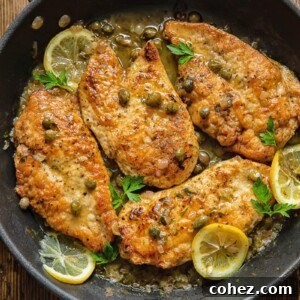
Slick dish chicken piccata is penny-thin chicken cutlets in an unctuous butter sauce enlivened with sharp lemon slices and briny capers.
Equipment
- Non-stick frying pan
Ingredients
- 2-3 chicken breasts, cut in half lengthwise
- 3 tbsp flour
- 1 tsp salt
- 0.5 tsp pepper
- 3 tbsp olive oil
- 4 tbsp unsalted butter
- 1 shallot, chopped
- 2 cloves garlic, minced
- 1 lemon, juiced
- 1/2 lemon, sliced
- 125ml / 1/2 cup dry white wine such as Sauvignon Blanc or Pinot Grigio
- 4 tbsp capers
- fresh parsley, chopped
Instructions
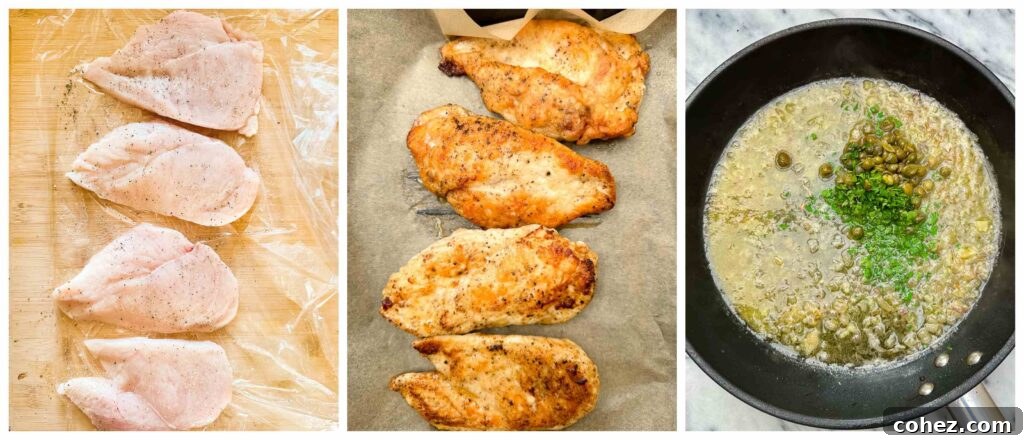
- Place chicken breasts on a cutting board and with a sharp knife slice them in half horizontally. Then cover them with a piece of plastic wrap or parchment paper and pound with a meat mallet or a rolling pin until they are no more than ½ inch thick throughout. Then remove the plastic wrap and season them with salt and pepper on both sides and dredge in flour.
- Preheat the oven to the lowest temperature.
- Heat the olive oil in a large pan, brown the chicken pieces in the hot oil until golden for 5 minutes on each side. A couple of minutes into the cooking add the butter to the pan. This will add more flavour and colour to the chicken. You might want to do the frying in batches to avoid overcrowding.
- Then remove the chicken cutlets from the pan and keep them warm in an oven preheated to the lowest temperature while you are making the sauce.
- To the same pan add the chopped shallot and sauté over low heat for 2 minutes, add the minced garlic and let it cook over low heat for 30 seconds, then add the white wine and let it bubble for a 2-3 minutes. Add the lemon juice, lemon slices, capers and parsley, turn up the heat and bring to a boil, as soon as it boils, lower the heat and simmer the sauce until it’s reduced in volume for a few minutes. Add salt and pepper to taste. Return the chicken back to the pan and spoon the sauce all over.
Nutrition
Calories: 379kcal | Carbohydrates: 8g | Protein: 25g | Fat: 25g | Saturated Fat: 9g | Polyunsaturated Fat: 2g | Monounsaturated Fat: 11g | Trans Fat: 0.5g | Cholesterol: 102mg | Sodium: 939mg | Potassium: 487mg | Fiber: 1g | Sugar: 1g | Vitamin A: 398IU | Vitamin C: 6mg | Calcium: 26mg | Iron: 1mg
Nutrition information is automatically calculated, so should only be used as an approximation.
Conclusion: Your Journey to Perfect Chicken Piccata
Chicken Piccata stands as a testament to how simple, high-quality ingredients can be transformed into an extraordinary meal. Its bright, savory, and utterly satisfying flavor profile makes it a perennial favorite for good reason. Whether you’re aiming to impress dinner guests, celebrate a special occasion, or simply elevate your weeknight cooking, this recipe offers a foolproof path to culinary triumph. With its quick preparation time and sophisticated taste, Chicken Piccata is more than just a dish; it’s an invitation to enjoy the art of effortless gourmet cooking in your own home. So gather your ingredients, follow these steps, and prepare to delight your senses with this timeless classic.