
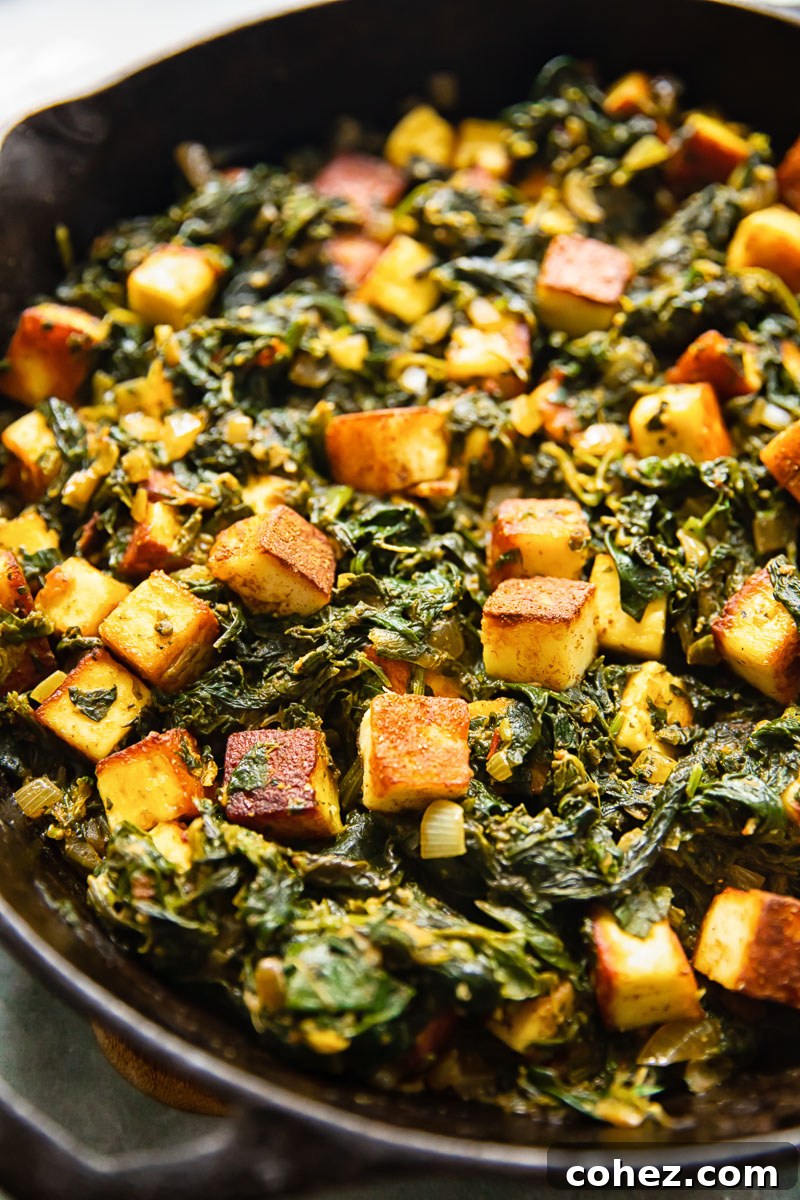
Experience the rich culinary heritage of India with this phenomenal Saag Paneer recipe. Featuring tender, earthy spinach and soft, squeaky paneer cheese, bathed in a subtly spiced, creamy sauce, this dish is a true vegetarian legend. It’s incredibly delicious, comforting, and surprisingly simple to prepare, adding an authentic dimension to any Indian-inspired meal.
If you love the distinctive taste of paneer, be sure to also try this delectable Paneer Tikka Masala, another crowd-pleasing Indian classic!
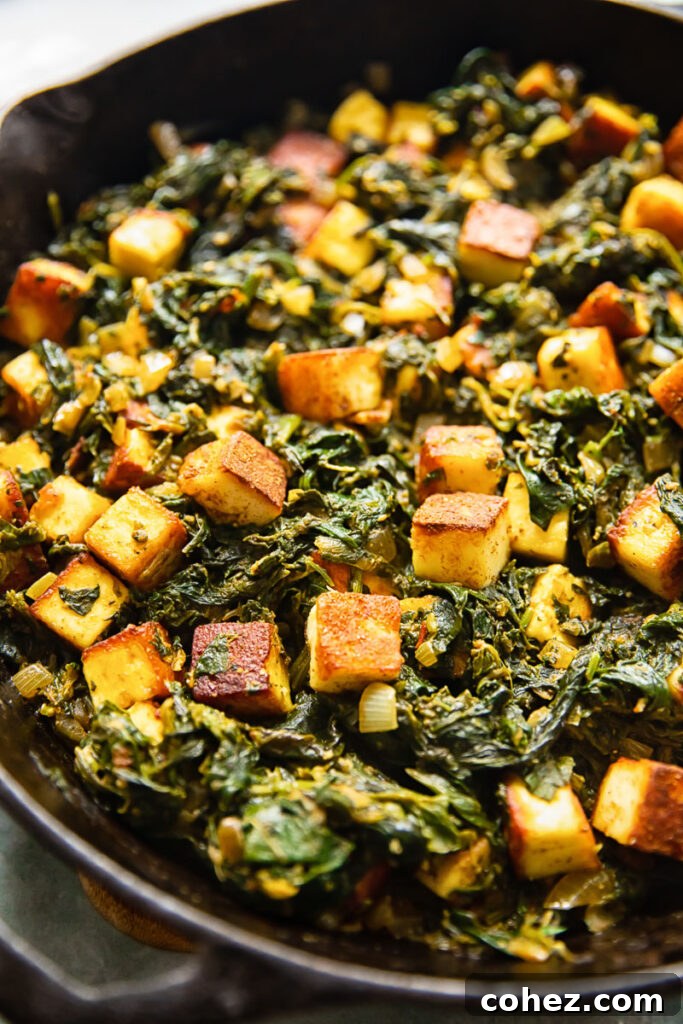
Saag Paneer stands as a magnificent testament to how a few humble ingredients can combine to create something truly spectacular. While its ingredient list is straightforward, devoid of any elaborate or unexpected elements, the final dish is profoundly satisfying and brimming with flavor!
For those who might be hesitant about spinach, this recipe transforms it. The greens take on a beautiful savory character, losing any bitterness and instead offering a delightful depth. This is perfectly complemented by the mild, creamy texture of the paneer and a harmonious blend of aromatic spices.
The outcome? A universally beloved Indian curry that promises to become a staple in your home cooking repertoire. Prepare to be enchanted by this effortless yet incredibly flavorful Saag Paneer!
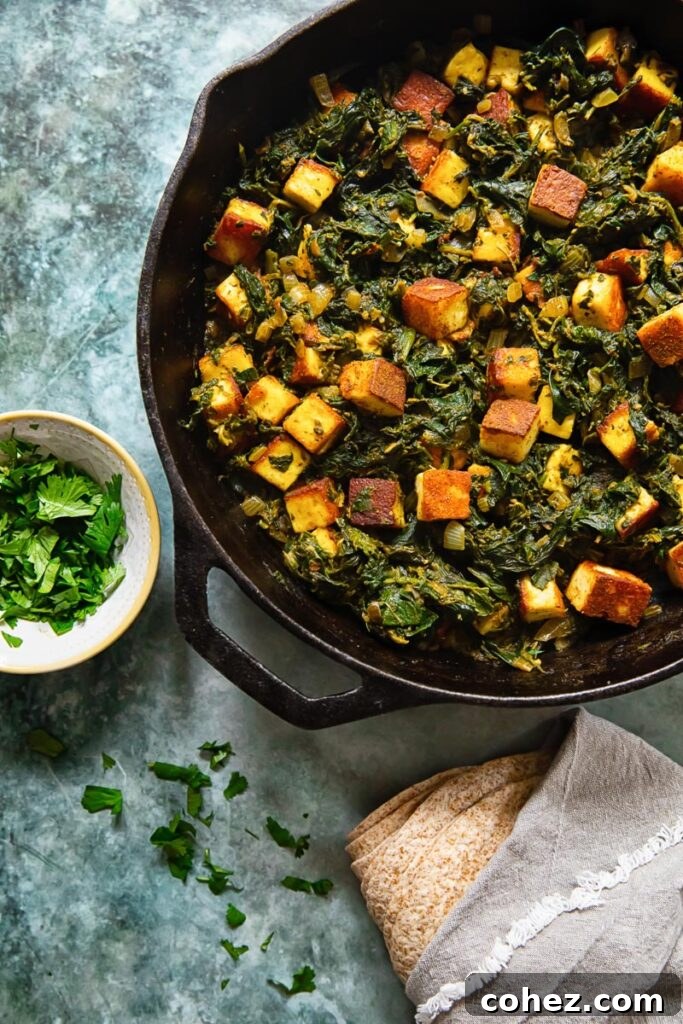
What is Saag Paneer? An Indian Culinary Gem
Saag Paneer is a beloved and iconic vegetarian dish originating from the rich culinary traditions of Northern India. Born from humble beginnings in rural kitchens, this creamy, comforting preparation has transcended its roots to become a staple on menus in Indian restaurants across the globe. It’s a quintessential comfort food, celebrated for its simple yet profound flavors.
The terms “Saag Paneer” and “Palak Paneer” are often used interchangeably, leading to some confusion. While they are very similar, there’s a subtle but important distinction. Strictly speaking, “saag” is a broader term in Hindi, referring to any leafy green vegetable, which could include mustard leaves, fenugreek (methi), collard greens, or, most commonly, spinach. Therefore, Saag Paneer can technically be made with a variety of greens or a mixture of them. “Palak,” on the other hand, specifically means spinach. So, while all Palak Paneer is Saag Paneer, not all Saag Paneer is Palak Paneer. Palak Paneer might also sometimes incorporate yogurt for a lighter, tangier finish instead of cream, but our recipe focuses on a rich, creamy texture that defines this dish.
The dish relies on two pivotal ingredients: the “saag” (greens) and “paneer” (cheese). Paneer is a fresh, non-melting Indian cheese, renowned for its mild flavor and firm, yet crumbly texture. Fortunately, it’s becoming increasingly available in supermarkets worldwide, making this authentic dish accessible to more home cooks. Its unique property of holding its shape when cooked and readily absorbing the surrounding spices makes it perfect for curries. The texture can be likened to halloumi, though paneer’s taste is distinctively fresh and unsalted, acting as a canvas for the vibrant flavors it’s cooked with.
These two cornerstones, combined with a thoughtful selection of aromatic spices, transform simple components into an incredibly special and satisfying side dish, or even a main course, that delights the senses and warms the soul.
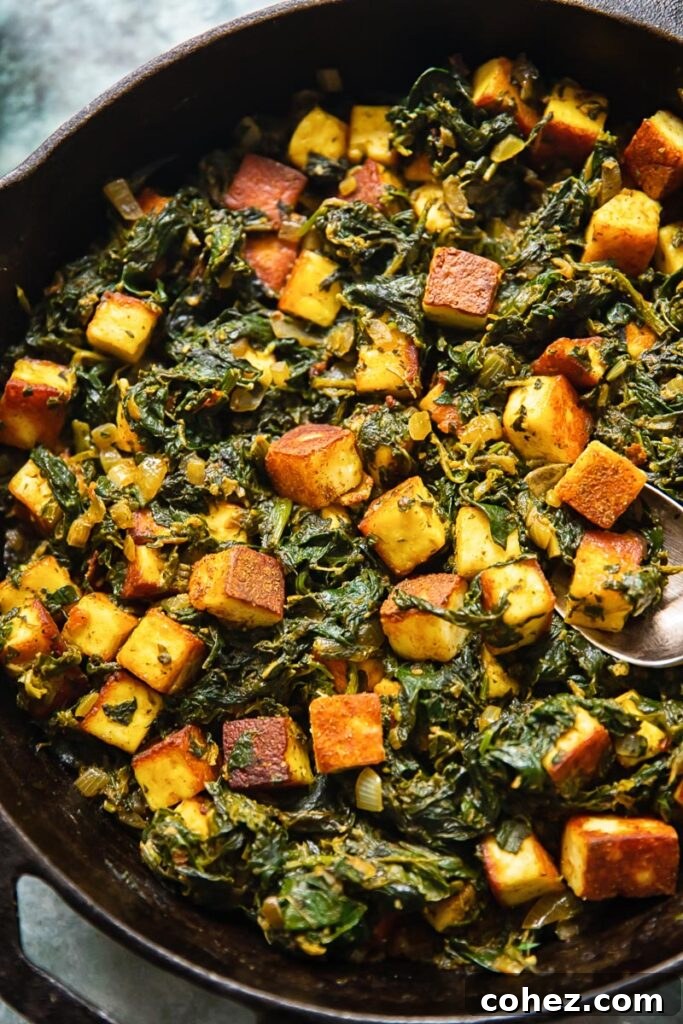
Crafting Your Own Saag Paneer: A Step-by-Step Guide
Making this delightful Saag Paneer is a rewarding experience, broken down into a few straightforward steps. The key is in layering the flavors to achieve that authentic Indian taste.
1. Preparing the Paneer
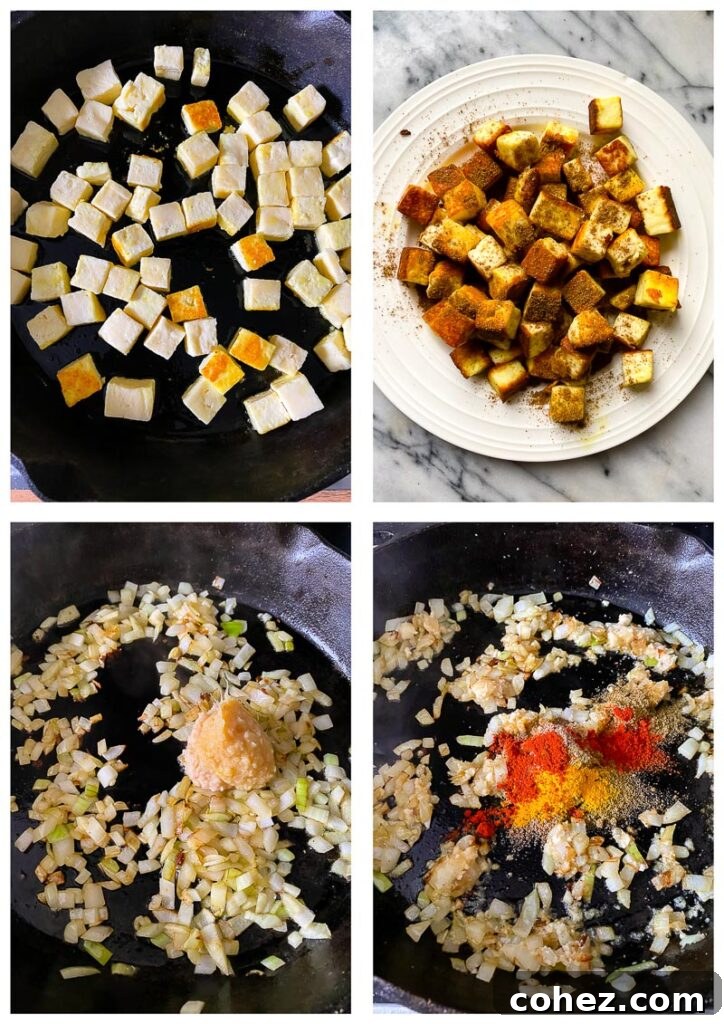
Begin by giving your paneer cheese a beautiful golden hue. Cut the block of fresh paneer into even, bite-sized cubes. This ensures they cook uniformly and present well in the finished dish. Heat a tablespoon of ghee or oil in a sturdy frying pan over medium heat. Ghee, or clarified butter, is traditionally preferred for its rich, nutty flavor and high smoke point, but vegetable oil works perfectly too.
Carefully add the paneer cubes to the hot pan. Paneer can brown quite rapidly, so it’s crucial not to leave it unattended. Keep a close watch and turn the cubes frequently until they are golden-brown on all sides. Once perfectly browned, remove the paneer from the pan and place it on a plate. Sprinkle generously with a pinch of garam masala – this adds a burst of flavor that the paneer readily absorbs. Set this plate aside; the paneer will be reunited with the saag later.
2. Building the Aromatic Base
Using the same pan (no need to clean it, those browned bits add flavor!), reduce the heat to low. Add the finely chopped onion and sauté gently for about five minutes. You want the onions to soften and become translucent, just starting to turn a light golden color. This slow cooking allows their sweetness to develop, forming a crucial foundation for the curry.
Next, add the grated fresh ginger and minced garlic to the pan. Stir-fry for approximately 30 seconds until fragrant. Be careful not to burn the garlic, as this can impart a bitter taste.
3. Blooming the Spices and Simmering the Greens
Now, it’s time for the aromatic spices! Add the ground coriander, cumin, Kashmiri chili powder, and turmeric. Stir the mixture continuously for about a minute. This process, known as “blooming” the spices, gently toasts them in the hot oil, releasing their full fragrant potential and intensifying their flavors. The kitchen will fill with an incredible aroma!
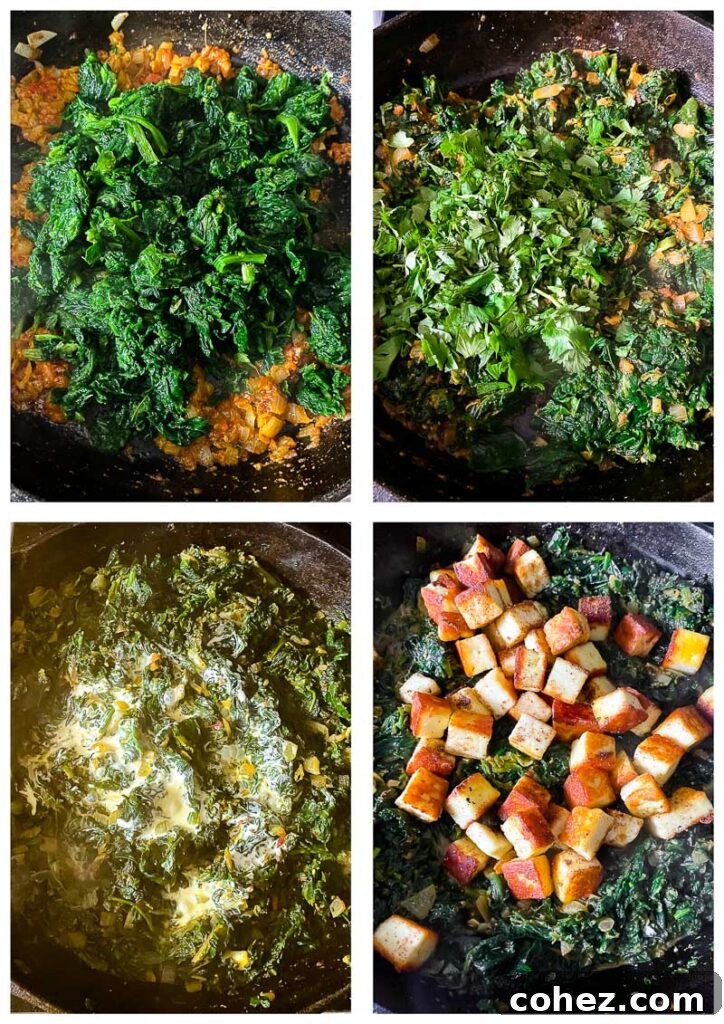
Once the spices are fragrant, incorporate the grated tomato, defrosted and chopped spinach (ensure you’ve squeezed out excess water for best results), fresh chopped cilantro/coriander, salt to taste, and water. Give everything a good stir to combine. Cover the pan with a lid and let it simmer over low heat for 10 minutes. This allows all the flavors to meld beautifully and the spinach to cook down into a tender, flavorful base.
4. The Grand Finale: Cream and Paneer
After 10 minutes, remove the lid and stir in the whipping or double cream. This addition provides a luxurious creaminess and mellows the spices, creating a wonderfully rich texture. Now, gently fold in the browned paneer cubes you set aside earlier. Cover the pan once more and cook for another 5 minutes. This final simmer allows the paneer to absorb the delicious curry sauce, making it incredibly tender and flavorful.
Your exquisite Saag Paneer is now ready to be savored! Garnish with a sprinkle of fresh cilantro for a burst of color and aroma, and serve hot.
Expert Tips for Perfect Saag Paneer
- Paneer Perfection: Browning the paneer is essential for adding texture and preventing it from becoming too soft in the curry. Keep a vigilant eye on the cheese while frying, as it can burn quickly. Use medium heat and turn the cubes frequently to ensure even browning.
- The Ghee Advantage: While vegetable oil works, frying paneer in ghee (clarified butter) imparts a distinct, nutty aroma and richer flavor that is quintessential to Indian cuisine. Ghee also boasts a higher smoking point than many oils, making it ideal for frying. You can easily make your own clarified butter at home.
- Greens Galore: While this recipe primarily uses spinach, feel free to experiment with other leafy greens to create your unique “saag.” Excellent alternatives or additions include mustard greens, kale, fenugreek leaves (methi), collards, or Swiss chard. If using fresh spinach, ensure you wash it thoroughly and blanch it briefly before chopping and adding to the curry, especially if it’s tough or has thick stems. If using frozen, make sure to thaw and squeeze out as much excess water as possible to avoid a watery curry.
- Chili Choices: Kashmiri chili powder is valued for its vibrant red color and mild heat. If you cannot find it, a good substitute is paprika. Paprika will lend a slightly smokier flavor but contributes a similar appealing red hue. For those who crave more heat, thinly slice and deseed a green chili and add it to the pan at the same time as the ginger and garlic. However, the Saag Paneer versions I fell in love with often omit fresh chilies, emphasizing warmth over fiery spice.
- Cream vs. Leaner Options: The addition of whipping or double cream at the end creates a wonderfully rich and luxurious texture. If you prefer a leaner or dairy-free version, you can certainly omit the cream. This will result in a drier, less rich curry but still packed with flavor. For a slightly lighter but still creamy texture, full-fat plain or Greek yogurt can be used (ensure it’s full-fat to prevent curdling). For a vegan option, coconut cream makes an excellent substitute.
- Achieving the Right Consistency: If your curry seems too thick, add a splash of warm water or vegetable broth until it reaches your desired consistency. If it’s too thin, simmer uncovered for a few extra minutes to allow some of the liquid to evaporate.
- Freshness Factor: Always finish your Saag Paneer with a generous sprinkle of fresh cilantro (coriander). Its bright, herbaceous notes provide a perfect contrast to the rich, earthy curry.
Serving Suggestions for a Complete Indian Feast
Saag Paneer is traditionally considered an Indian side dish, designed to be part of a larger, elaborate meal alongside other main courses. It pairs exquisitely with a fragrant curry, a comforting dahl, a generous serving of warm and fluffy basmati rice, and freshly baked homemade naan bread. This combination creates a truly authentic and satisfying Indian feast.
However, don’t let tradition limit you! Saag Paneer is so flavorful and hearty that it also shines brilliantly as a main course. Served simply with a mound of steaming rice or warm, pillowy naan, it makes for a lighter yet incredibly satisfying vegetarian meal. You can also offer a dollop of cooling plain yogurt or a squeeze of fresh lemon juice on the side to brighten the flavors.
Storage and Reheating for Maximum Flavor
One of the best qualities of Saag Paneer is that its flavors often deepen and become more complex with time, making it an excellent dish for meal prepping or enjoying as leftovers. Store any remaining Saag Paneer in an airtight container in the refrigerator for up to 3-4 days.
For longer storage, Saag Paneer freezes exceptionally well. Transfer it to a freezer-safe container or bag and freeze for up to three months. When you’re ready to enjoy it again, allow it to defrost completely in the refrigerator overnight before reheating.
Whether refrigerated or frozen and thawed, reheat your Saag Paneer gently to preserve its creamy texture and rich flavors. You can reheat it in a microwave, stirring occasionally, or in a large saucepan over medium-high heat on the stovetop. If it appears too thick after reheating, add a tablespoon or two of water or milk to loosen it to your desired consistency. Ensure it is heated through thoroughly before serving.
More Delicious Indian Curry Recipes to Explore:
- Dal Makhani (Black Lentil Curry)
- Easy Coconut Lentil Curry with Butternut Squash
- Sweet & Savory Mango Chicken Curry
- Hearty Egg Curry with Peas and Potatoes
Easy Saag Paneer
Pin
Equipment
-
Cast iron skillet or large frying pan
Ingredients
- 450g/1lb fresh paneer, cut into cubes
- 1 tbsp ghee, or vegetable oil
- 1 onion, chopped
- 1 tbsp ginger, grated
- 1 tbsp garlic paste, or 2 cloves minced
- ½ tsp Kashmiri chilli powder
- 1 tsp ground coriander
- 1 tsp cumin
- ½ tsp turmeric
- 1 tomato, grated
- 450g/1lb frozen spinach, defrosted and thoroughly squeezed dry, then chopped
- 15g/¼ cup fresh cilantro/coriander, chopped
- Salt to taste
- 120ml/½ cup water
- 4 tbsp whipping/double cream, or full fat yogurt (not low fat)
Instructions
-
Heat the ghee or oil in a frying pan over medium heat. Add the paneer cubes and brown them on all sides until they are lightly golden. Remove the paneer to a separate plate, sprinkle with garam masala, and set aside.
-
In the same pan, add the chopped onion and cook over low heat for 5 minutes, or until soft and translucent. Add the grated ginger and garlic, stir-fry for 30 seconds until fragrant. Then, add the ground coriander, cumin, Kashmiri chilli powder, and turmeric. Stir well for about 1 minute to bloom the spices and release their aromas.
-
Stir in the grated tomato, defrosted chopped spinach (ensure excess water is squeezed out), chopped cilantro/coriander, salt, and water. Mix thoroughly. Cover the pan and cook over low heat for 10 minutes to allow the flavors to meld. Now, uncover, stir in the cream (or yogurt), and gently add the reserved paneer cubes. Cover once more and cook for an additional 5 minutes, ensuring the paneer absorbs the delicious sauce. Serve hot.
Nutrition
Nutrition information is automatically calculated, so should only be used as an approximation.
Tried this recipe?Let us know how it was!