
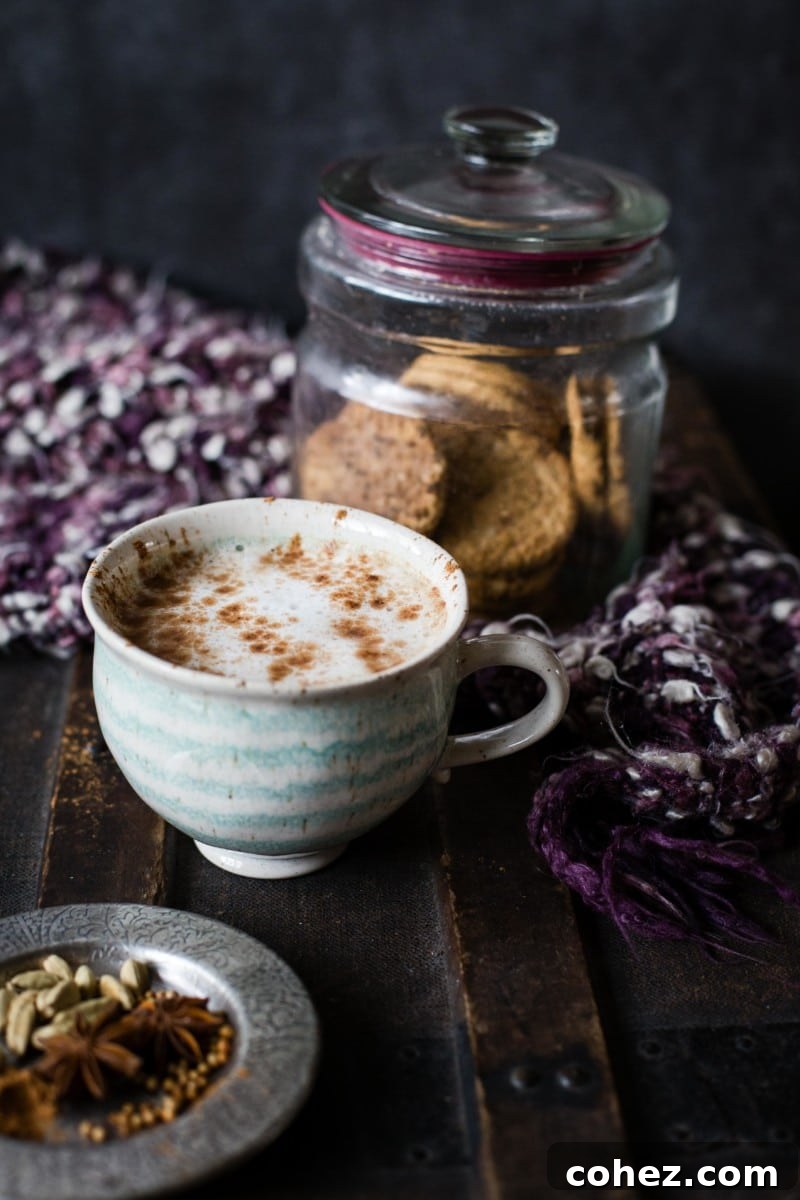
Welcome to the comforting embrace of a homemade chai latte, a drink that perfectly encapsulates warmth and tranquility, especially as the seasons shift and the chill sets in. Far more than just a beverage, this chai latte is a soothing experience, thoughtfully crafted with a unique medley of aromatic spices. Imagine the gentle spice of cinnamon, the fiery kick of ginger, the intriguing notes of star anise, and the sweet, floral hint of cardamom. Together, these elements transform a simple hot drink into a comforting ritual, offering solace when it’s most needed.
If you’re seeking the perfect companion to your steaming cup of chai latte, a sweet treat can elevate the experience. Consider pairing it with a delightful Apple Spice Cake, its warm flavors echoing the comforting notes of your drink.
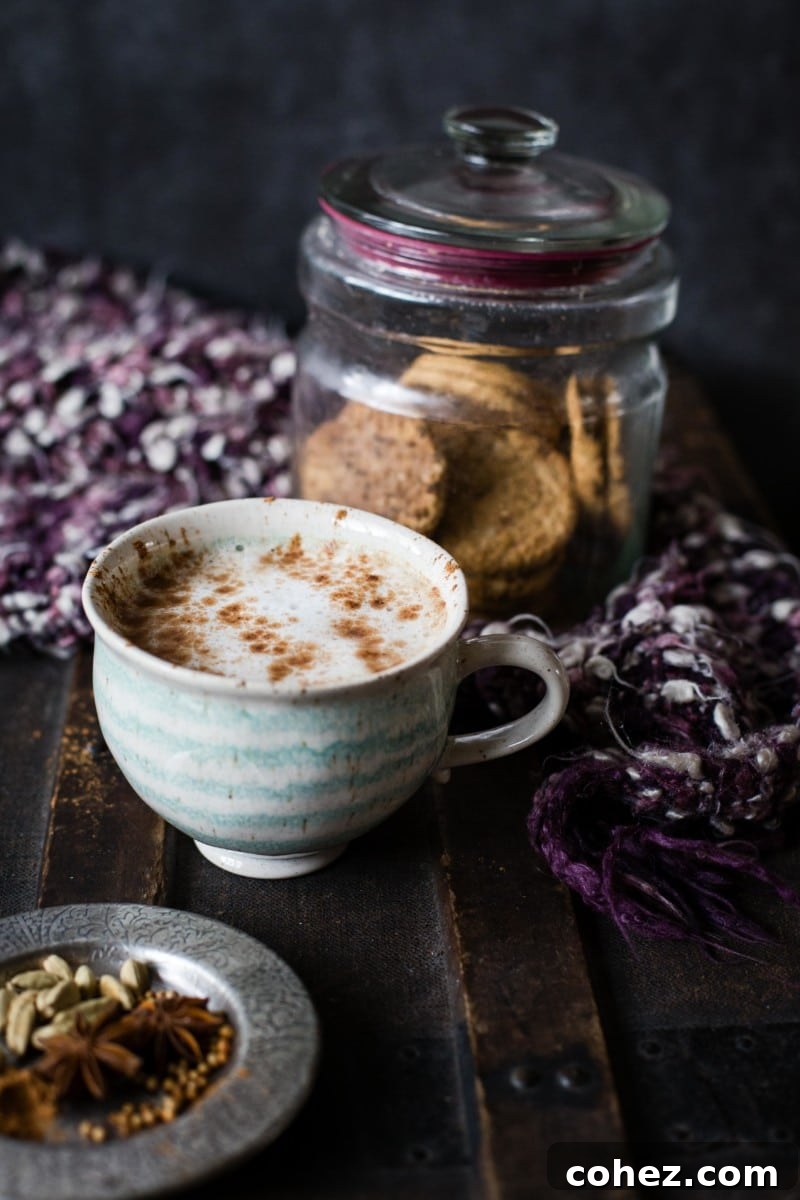
As much as I cherish the changing seasons, I often find myself unprepared for their inevitable arrival. Just recently, I spent two weeks braving the crisp autumn evenings and the distinct London fog in a light summer jacket – a decision I quickly regretted. The brisk temperatures served as a stark reminder that it was time to transition into warmer comforts.
Caught off guard by the less-than-pleasant chill, my thoughts immediately turned to a hot, fortifying drink. And not just any drink – I craved something beyond my everyday coffee or black tea. While I adore the familiar richness of coffee and the robust character of black tea, there are moments when the routine calls for a spark of excitement. This is precisely where the magic of a **Chai Tea Latte** steps in, offering a captivating escape from the ordinary.
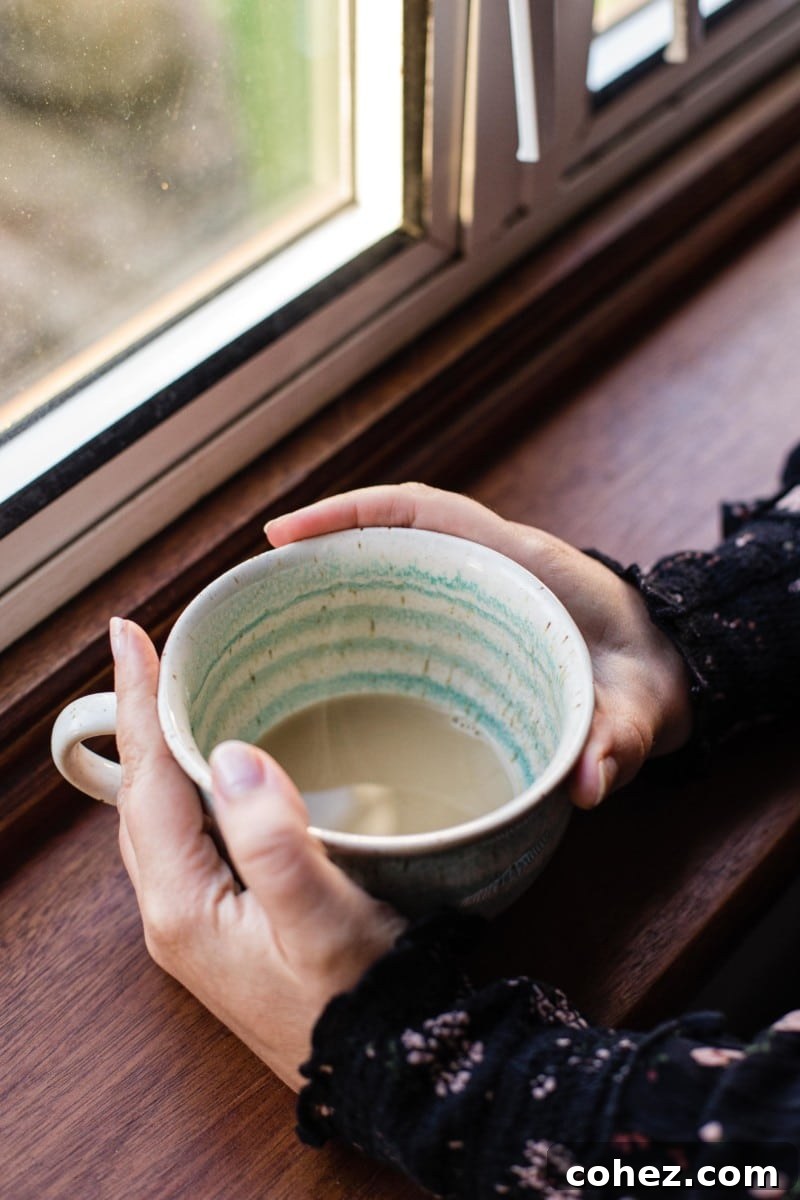
What is Chai Latte Made Of? The Essence of Spiced Perfection
At its heart, a chai latte is a blissful concoction of robust black tea, lovingly steeped in hot milk, creating a creamy and deeply satisfying base. However, the true soul of this delightful beverage lies in its distinct and complex spice blend. This aromatic combination is what grants chai its signature flavor profile, often balanced with a touch of sweetness.
While regional variations abound, the cornerstone spices of any authentic chai latte consistently include warm and fragrant notes of cinnamon, cardamom, star anise, and fresh ginger. These are the ever-present ingredients that define the drink’s character. Occasionally, additional spices like pungent black peppercorns and sweet, earthy cloves are introduced, adding even more depth and intrigue to the brew. The careful selection and proportion of these spices are crucial in achieving the perfect balance of warmth, sweetness, and spice that makes chai latte so uniquely comforting.
A Journey Through Spice: The Magic of Masala
The term “chai” simply means “tea” in many parts of the world, particularly in Hindi. When we speak of “chai latte,” we are generally referring to “masala chai,” which translates to “spiced tea.” The “masala” or spice blend is what truly makes this drink extraordinary. Each spice contributes its own unique flavor and aromatic qualities, creating a symphony of taste:
- Cinnamon: A sweet and woody spice, cinnamon provides a foundational warmth and a subtle sweetness that rounds out the blend. It’s known for its comforting aroma and has been used for centuries for its potential health benefits, including anti-inflammatory properties.
- Ginger: Fresh ginger delivers a zesty, slightly peppery, and warming heat. It adds a vibrant, invigorating quality to the chai and is traditionally valued for its digestive aid properties and ability to soothe.
- Star Anise: With its distinctive licorice-like flavor and aroma, star anise introduces an intriguing sweetness and an exotic depth. It’s visually appealing and contributes to the complex bouquet of the chai.
- Cardamom: Often considered the “queen of spices,” cardamom offers a complex flavor profile that is citrusy, floral, and slightly sweet. It is a quintessential ingredient in authentic masala chai, providing a bright and highly aromatic note that is instantly recognizable.
- Black Peppercorns: While not always included, a few whole black peppercorns can add a subtle, invigorating bite and a hint of extra warmth, enhancing the overall spiciness without overpowering the other flavors.
- Cloves: These small, potent flower buds contribute a powerful, sweet, and aromatic flavor with a touch of bitterness. Cloves deepen the spice profile and add a rich, woody undertone.
Using whole spices is key to extracting the freshest, most vibrant flavors, allowing them to slowly release their essential oils during the steeping process.
Origins of Chai: An Ancient Elixir
The beloved chai latte boasts a rich and fascinating history rooted deeply in Indian culture. The drink itself originates in India, where it is known as “masala chai” (spiced tea) or simply “chai.” While its modern form gained widespread popularity with the introduction of tea plantations by the British in India, spiced beverages have been consumed on the Indian subcontinent for thousands of years, primarily for their medicinal and Ayurvedic properties, long before the addition of black tea leaves.
Nepal, a neighboring country with strong cultural ties to India, also shares a deep appreciation for this spiced beverage. It was in Nepal that my husband spent a year in his twenties, immersing himself in the local culture and inevitably developing a profound love for this delicious and comforting drink, a love he happily brought home to share. This personal connection underscores how chai transcends borders, becoming a cherished part of many households and cultures.
Why Make Your Own Chai Latte at Home?
While coffee shops offer convenient chai lattes, crafting your own at home provides an unparalleled experience. It allows for complete customization, ensuring your drink perfectly matches your palate. You can adjust the intensity of the spices, the level of sweetness, and even experiment with different types of milk. Beyond customization, making chai from scratch is often more cost-effective and offers the rewarding satisfaction of creating something truly special with your own hands. The aroma that fills your kitchen as the spices simmer is an experience in itself, transforming your home into a fragrant sanctuary.
How Do You Make Chai Tea at Home? Crafting Your Perfect Blend
In India and Nepal, the creation of masala chai is an art passed down through generations, with virtually every family boasting their own cherished recipe. These recipes are deeply personal, reflecting individual tastes and regional spice preferences. There’s no single “correct” way to make chai; instead, it’s about finding the blend that speaks to you.
Here, we share our favored spice combination for an exquisite homemade chai latte: **cinnamon, star anise, cardamom, and fresh ginger**. We insist on using whole spices and raw ginger for maximum fragrance and flavor depth. Whole spices, when gently simmered, slowly release their essential oils, infusing the water with a complexity that ground spices simply cannot match. Raw ginger provides a fresh, pungent warmth that is vital to the authentic chai experience.
A Step-by-Step Guide to the Perfect Homemade Chai Latte:
- Infuse the Spices: Begin by combining 2 cups of water with your selected whole spices: one cinnamon stick, two star anise pods, four slightly crushed cardamom pods, and two slices of fresh, raw ginger in a small saucepan. Bring this mixture to a gentle simmer over low heat. This initial step is crucial for flavor infusion, allowing the spices to awaken and release their aromatic oils into the water.
- Add Tea and Milk: Once the spices have simmered for a few minutes, add 2 tablespoons of good quality loose black tea (or equivalent quality tea bags) and 2 cups of milk (whole milk or skimmed milk both work well, depending on your preference for richness). Increase the heat and bring the entire mixture to a rolling boil.
- Steep for Perfection: As soon as the mixture reaches a boil, immediately remove it from the heat. Allow your chai latte to steep for precisely 3 minutes. This steeping time is critical; according to tea masters, it’s the optimal duration for black tea to fully develop its flavor without becoming bitter. A proper steep ensures a robust tea base that can stand up to the strong spices.
- Strain and Sweeten: After steeping, strain the chai through a fine-mesh sieve directly into your favorite mug or serving cups, ensuring all spice remnants and tea leaves are removed for a smooth drink. Add sugar or your preferred sweetener to taste. Even for those who don’t have a pronounced sweet tooth, a touch of sweetness is widely agreed upon to perfectly balance the vibrant spices in a chai tea latte.
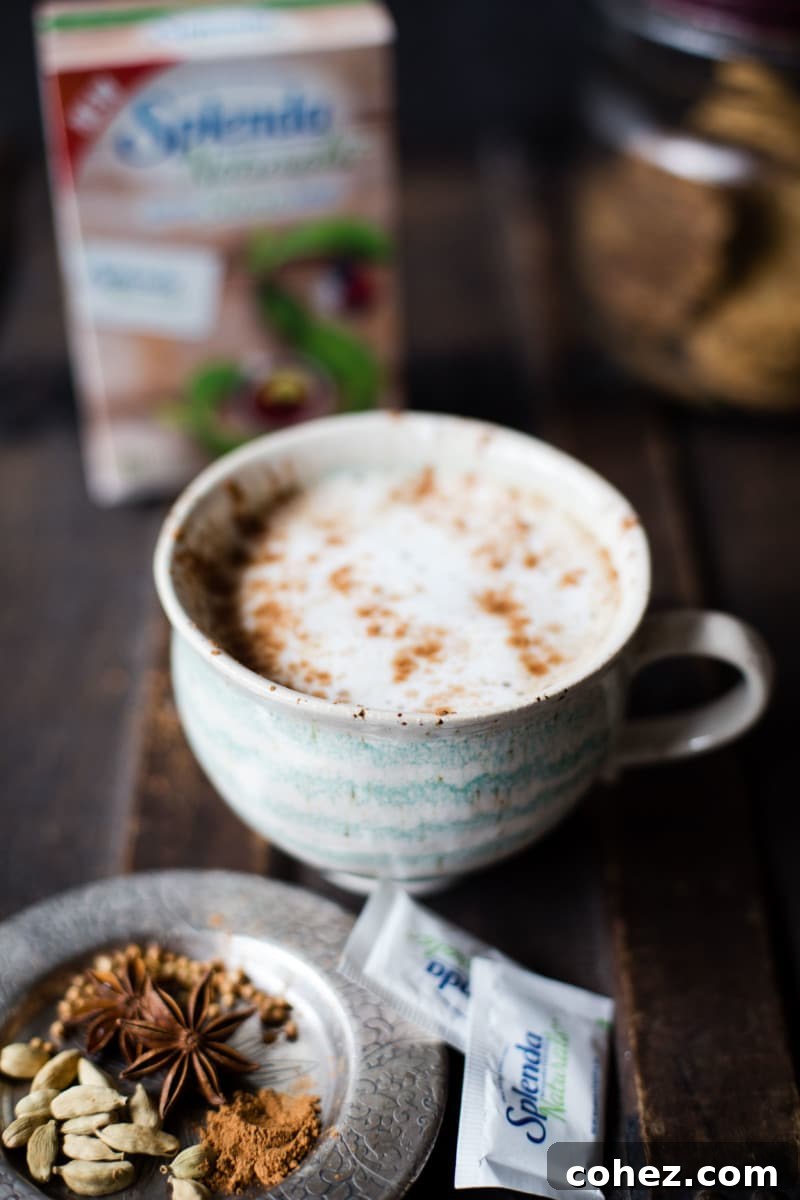
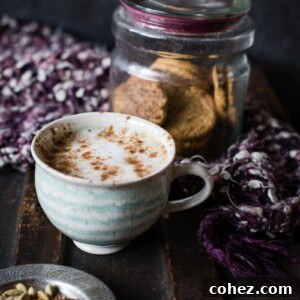
- Garnish and Enjoy: For an extra touch of indulgence, top your homemade chai latte with a dollop of frothed milk and a delicate sprinkle of ground cinnamon. This adds a creamy texture and an inviting aroma that elevates the entire drinking experience.
Customization and Serving Suggestions
The beauty of homemade chai is its adaptability. Feel free to adjust the spice quantities to your liking – add more ginger for an extra kick, or more cardamom for a sweeter aroma. For a creamier latte, use full-fat milk or even a dash of cream. Dairy-free alternatives like oat milk or almond milk also work wonderfully, lending their own unique flavor notes to the chai. Experiment with different sweeteners like honey, maple syrup, or jaggery for varying depths of flavor. In warmer months, you can easily transform this recipe into a refreshing iced chai latte by chilling the strained tea and serving it over ice with cold milk.
Wonderful Cakes and Sweet Recipes to Enjoy with Your Chai Latte
A warm chai latte is a perfect beverage to accompany a range of sweet treats. Its complex spice profile beautifully complements rich, indulgent desserts. Here are some suggestions for delightful pairings that will make your chai experience even more memorable:
- Salted Caramel Pear Tarts: The sweet and slightly salty caramel, combined with soft pears, creates a sophisticated balance against the chai’s spices.
- Spiced Pumpkin and Chocolate Cake: The earthy warmth of pumpkin and the richness of chocolate, enhanced by spices and a maple-cinnamon mascarpone frosting, harmonize wonderfully with chai.
- Banana Bread with Nutella Swirl: The comforting sweetness of banana bread, especially with a decadent Nutella swirl, offers a familiar and delicious contrast to the chai.
- Slow Cooker Chocolate Butterscotch Stuffed Giant Cookie: For a truly indulgent treat, this rich, gooey cookie provides a delightful sweetness that is perfectly cut by the invigorating spices of the chai.
Chai Tea Latte
Ingredients
- ▢ 2 cups water
- ▢ 1 cinnamon stick
- ▢ 2 star anise
- ▢ 4 cardamom pods, slightly crushed
- ▢ 2 slices of ginger
- ▢ 2 tbsp loose black tea, good quality
- ▢ 2 cups milk, whole milk or skimmed milk
- ▢ sugar or sweetener to taste
Instructions
-
In a small saucepan combine water, cinnamon stick, star anise, cardamom pods and ginger and bring to a slow simmer, add tea, milk and bring it to a boil, take it off the heat and let it steep for 3 minutes.
-
Strain through a fine sieve and add sugar to taste
-
Enjoy it with a bit of frothed milk on top and a sprinkle of cinnamon.
Nutrition
Nutrition information is automatically calculated, so should only be used as an approximation.
Tried this recipe?Let us know how it was!