

Are you looking to incorporate a versatile, nutritious, and naturally gluten-free grain into your diet? Then you’ve come to the right place! Discover everything you need to know about buckwheat and how to enjoy it in your meals.
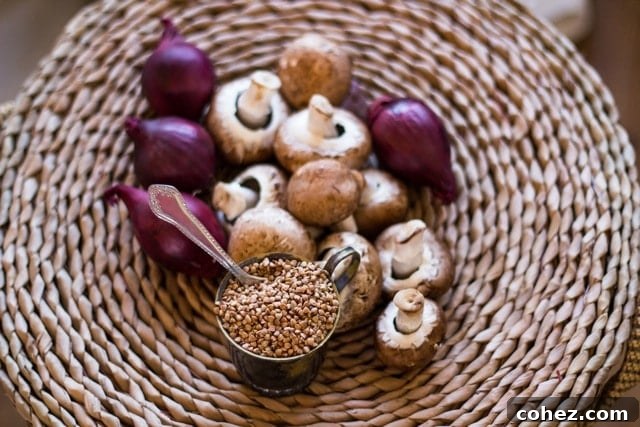
In today’s health-conscious world, terms like quinoa, goji berries, and flaxseed frequently dominate the foodie media and blogosphere, each heralded as the next “miracle food.” While it’s easy to grow wary and suspicious of every new health claim, especially when variety is truly the key to a balanced diet, some ingredients undeniably stand out. Buckwheat is one such exceptional ingredient, poised to transition from niche health stores to mainstream supermarkets and ultimately, into pantries worldwide.
Despite its immense nutritional value and culinary versatility, buckwheat remains largely unknown in many parts of the world, particularly outside of Eastern Europe. In countries like Russia, where it has been a cherished staple for centuries, buckwheat is deeply embedded in culinary traditions and has been a significant part of the everyday diet for countless generations. It’s a testament to its enduring appeal and robust health benefits that it has sustained populations through various eras, yet it’s only now beginning to gain the global recognition it truly deserves.
What Exactly is Buckwheat? Unveiling a Gluten-Free Gem
Often mistaken for a grain due to its usage, buckwheat is actually a pseudocereal, botanically related to rhubarb and sorrel, not wheat or other grasses. This crucial distinction makes it naturally gluten-free, an invaluable characteristic for those with celiac disease or gluten sensitivity. The part we consume is the ‘groat,’ the hulled seed of the buckwheat plant, which boasts a unique triangular shape and a distinct earthy, nutty flavor. Its robust profile and impressive nutritional composition make it an outstanding addition to any diet, offering both health benefits and culinary versatility without the concerns associated with gluten-containing grains.
The Nutritional Powerhouse: Why Buckwheat Deserves a Spot in Your Pantry
Beyond its gluten-free status, buckwheat shines as a nutritional powerhouse, packed with an array of essential nutrients that contribute to overall health and well-being. It’s an excellent source of high-quality protein, providing all nine essential amino acids, making it a complete protein—a rarity among plant-based foods. This makes it particularly beneficial for vegetarians, vegans, and anyone looking to boost their protein intake from plant sources.
Furthermore, buckwheat is exceptionally rich in dietary fiber, which is vital for digestive health, promoting regularity, and supporting a healthy gut microbiome. The fiber content also plays a significant role in blood sugar management, helping to slow down glucose absorption and preventing sharp spikes after meals, making it a smart choice for individuals managing diabetes or seeking stable energy levels. Its complex carbohydrates provide sustained energy, helping you feel fuller for longer and reducing the urge for unhealthy snacking.
But the benefits don’t stop there. Buckwheat is brimming with an impressive spectrum of vitamins and minerals. It’s a stellar source of magnesium, which is crucial for muscle and nerve function, blood sugar control, and blood pressure regulation. Manganese supports bone health and metabolism, while copper is essential for energy production and iron absorption. You’ll also find a good supply of B vitamins, phosphorus, and zinc, all contributing to various bodily functions and overall vitality. Moreover, buckwheat contains powerful antioxidants, including rutin and quercetin, which help protect the body against oxidative stress and inflammation, potentially reducing the risk of chronic diseases. While I won’t delve into the intricate details of nutritional science, as I am merely an enthusiastic buckwheat lover, the sheer density of its beneficial compounds makes a compelling case for its inclusion in a balanced diet. A quick search will confirm its extensive health advantages if you wish to explore further!
Variety of Buckwheat: Exploring Forms and Culinary Uses
The versatility of buckwheat extends beyond its nutritional profile, offering a myriad of forms for diverse culinary applications. In North America, buckwheat flour is perhaps the most common introduction for many, valued for its unique earthy taste and its gluten-free nature, making it a popular alternative for baking. However, the world of buckwheat is much broader and more exciting.
How to use it in cooking: Beyond the Flour
The true magic of buckwheat lies in its whole groat form. These small, triangular seeds can be transformed into an astonishing array of dishes. Grind the groats into flour to make light and fluffy pancakes, crispy waffles, delightful cakes, or even hearty bread! For a comforting start to your day, enjoy a warm bowl of morning “kasha” (the Russian term for porridge), sweetened with a touch of honey and milk, or prepared savory with a sprinkle of herbs.
Buckwheat’s mild yet distinctive flavor makes it an excellent base for savory dishes. For lunch, toss cooked groats with fresh vibrant veggies, a zesty dressing, and perhaps some feta or grilled chicken for a satisfying salad. Come dinner time, transform it into a gourmet experience by pairing it with caramelised onions and sautéed mushrooms, creating a truly memorable and wholesome meal. Its adaptability means you can even elevate leftovers: reheat your savory buckwheat in the morning, top it with a perfectly fried or poached egg, and voilà – a brand new, protein-packed breakfast dish is born!
The key to unlocking this culinary potential lies in understanding the different types of buckwheat available and mastering the basic cooking techniques.
Roasted vs. Raw Buckwheat Groats: The Flavor and Texture Difference
When I first moved to North America over a decade and a half ago, my quest for buckwheat often led me to health food stores. While I recognized the familiar triangular shape of the groats, their anaemic grey color was a stark contrast to the rich, inviting brown I was accustomed to from my childhood in Russia. This difference taught me a crucial lesson: the buckwheat predominantly sold in Russia, and widely preferred for its robust flavor and texture, is pre-roasted.
This pre-roasting process, often referred to as ‘kasha’ in Eastern European contexts, is fundamental. It not only imparts that lusciously nutty, deeply satisfying flavor that makes buckwheat so irresistible but also critically prevents the groats from turning into a mushy, unappetizing mess during cooking. The roasting locks in their structural integrity, ensuring each grain remains distinct and fluffy rather than dissolving into a uniform paste. While many stores now offer pre-roasted buckwheat groats, the quality and authentic flavor often found in specialty Russian or Eastern European markets remain unparalleled. If you have one nearby, a visit is highly recommended – it’s an investment in superior taste and texture that is truly worth it!
Mastering the Art of Cooking Buckwheat Groats
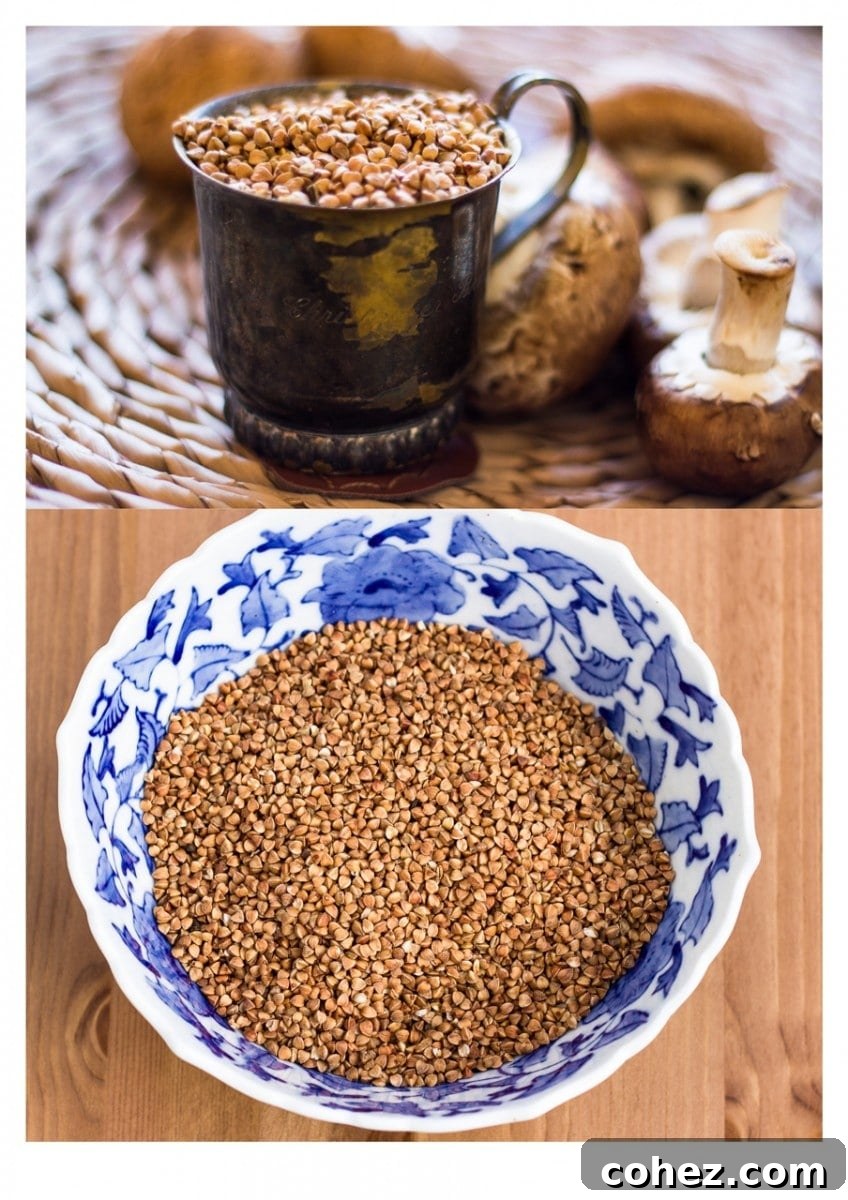
Achieving perfectly cooked, fluffy buckwheat groats is simpler than you might think. What I’d like to share with you is the basic, foolproof method for cooking buckwheat, followed by a cherished family recipe that consistently ranks as our favorite way to enjoy this incredible food. Have I mentioned that my kids are absolutely crazy about buckwheat?
Basic Method for Cooking Buckwheat Groats
- Rinse Thoroughly: Always begin by rinsing your buckwheat groats under cold running water in a fine-mesh sieve. This removes any dust or small debris, ensuring a cleaner taste.
- Dry Fry (Optional, but Recommended for Raw Groats): If you’re using unroasted (green) buckwheat groats, a quick dry fry in a non-stick pan over medium heat for 2-3 minutes can significantly improve their texture and flavor, mimicking the pre-roasted variety. This step enhances their nuttiness and helps them stay separate during cooking. Skip this if you’re using pre-roasted (brown) kasha.
- Combine with Liquid: Transfer the rinsed (and optionally dry-fried) buckwheat to a medium pot. Add your liquid of choice and a pinch of salt. The general ratio is 1 part buckwheat to 2 parts liquid. For example, 1 cup of buckwheat to 2 cups of water or broth.
- Bring to a Boil: Bring the mixture to a boil over medium-high heat.
- Simmer: Once boiling, reduce the heat to low, cover the pot tightly with a lid, and let it simmer gently for about 15 minutes. During this time, the groats will absorb the liquid and become tender.
- Rest: After 15 minutes, remove the pot from the heat but keep the lid on. Let it stand undisturbed for an additional 10-15 minutes. This crucial resting period allows the buckwheat to steam, finishing the cooking process and ensuring light, fluffy, and separate groats. Do not peek!
- Fluff and Serve: Finally, remove the lid, fluff the buckwheat with a fork, and serve as desired.
Alternative Cooking Method: Rice Cooker
For ultimate convenience, you can cook buckwheat in your rice cooker. Simply follow the instructions for grain-to-water ratio specific to your particular model, usually the same 1:2 ratio. The rice cooker will handle the cooking and resting phases automatically, delivering perfectly cooked buckwheat with minimal effort.
Buckwheat Recipes: Family Favorites
Now that you know how to cook buckwheat, let’s turn it into an absolutely delicious meal. This particular recipe is a cornerstone in my household, proving just how delectable buckwheat can be.
Buckwheat with Caramelised Onions and Cremini Mushrooms {Breakfast Edition}

This savory buckwheat dish is incredibly comforting and versatile. While we often enjoy it for breakfast with a fried egg, it makes an equally satisfying lunch or dinner. The sweetness of the caramelised onions perfectly complements the earthiness of the mushrooms and buckwheat.
Ingredients:
- Buckwheat (pre-roasted or dry-fried) – 2 cups
- Water (or vegetable/chicken broth for more flavor) – 4 cups
- Salt – a generous pinch for cooking buckwheat, plus more to taste
- Cremini/Chestnut Mushrooms – 8-10, sliced or diced
- Red Onions – 1 large, finely diced
- Black Pepper – to taste
- Egg – 1 per person, for serving (optional)
- Butter – 2 tbsp, or olive oil for a dairy-free option
Method:
- Prepare Buckwheat: Begin by rinsing your buckwheat under cold water. If using unroasted groats, dry fry them in a non-stick pan over medium heat for 2-3 minutes until fragrant. Transfer the buckwheat to a pot, add 4 cups of water (or broth) and a pinch of salt. Bring to a boil, then reduce heat to low, cover, and simmer for 15 minutes until the groats are soft and the water is absorbed. Remove from heat, keep covered, and let stand for an additional 10-15 minutes. This resting period ensures perfectly fluffy, separate grains. Alternatively, follow your rice cooker’s instructions for grain-to-water ratio.
- Dice Onions and Mushrooms: While the buckwheat is cooking or resting, prepare your vegetables. Finely dice the large red onion and the cremini/chestnut mushrooms. I prefer dicing the vegetables when serving this to children, as it subtly incorporates them into the dish. However, feel free to slice them if you prefer a chunkier texture and more visible vegetable pieces.
- Caramelise Onions: Place a large frying pan or skillet over high-medium heat. Once hot, add the butter (or olive oil). Add the diced onions and a pinch of salt. The salt will help draw out moisture from the onions, accelerating the caramelisation process and preventing them from burning. Fry slowly, stirring occasionally, until the onions become soft, translucent, and turn a rich, darker golden-brown color, indicating they are beautifully caramelised. This step develops deep, sweet flavors.
- Sauté Mushrooms: Once the onions are caramelised, add the diced mushrooms to the pan. Sauté them for about 5 minutes, stirring frequently, until they release their moisture and begin to brown nicely. Season with salt and pepper to taste during this stage, allowing the flavors to meld beautifully.
- Combine and Finish: Add the perfectly cooked, fluffy buckwheat groats to the pan with the onions and mushrooms. Mix all the ingredients thoroughly, ensuring the buckwheat is evenly coated with the rich flavors of the vegetables. Continue to cook for another 2 minutes, stirring gently, to ensure all ingredients are heated through and the flavors have a chance to fully integrate. Taste and adjust seasoning with additional salt and pepper if needed.
- Serve with an Egg (Optional): This meal is delicious on its own as a main course or as a hearty side dish to any type of meat or fish. As depicted, the leftovers are absolutely fantastic for breakfast. Simply fry an egg to your liking (sunny-side up, over easy, or scrambled) in a separate frying pan and crown each warm portion of buckwheat with an egg. By all accounts, this truly makes for a “Breakfast of Champions.”

Note on Liquid: I typically use water to cook buckwheat when I want it to be highly versatile – suitable for both sweet and savory applications. However, if you are specifically preparing buckwheat for a savory dish, I highly recommend using vegetable or chicken broth instead of water. This simple substitution is a quick and effective way to infuse your dish with a much deeper, richer flavor profile from the very beginning, elevating your culinary creation effortlessly.
Beyond the Recipe: More Buckwheat Inspiration
Once you have a batch of cooked buckwheat, the possibilities are endless. Consider integrating it into a vibrant Buddha bowl with roasted vegetables and a tahini dressing, or use it as a base for a nutritious grain salad with fresh herbs, cherry tomatoes, and a lemon vinaigrette. It also works wonderfully as a stuffing for bell peppers or cabbage rolls, adding a wholesome texture and earthy flavor. Don’t be afraid to experiment; buckwheat is a forgiving and rewarding ingredient that adapts beautifully to various cuisines and flavor pairings.
Where to Find Your Buckwheat
As buckwheat’s popularity grows, it’s becoming easier to find. Most health food stores will carry both raw (green) and roasted (brown, or kasha) groats. Major supermarkets are also increasingly stocking it in their natural foods or grain aisles. For the most authentic and best-quality roasted buckwheat, however, a visit to a Russian, Eastern European, or international grocery store is often your best bet. These stores have carried buckwheat for decades and offer a reliable source for this traditional staple.
Conclusion: Embrace the Buckwheat Revolution
Buckwheat is far more than just another health food trend; it’s a time-tested, nutrient-dense pseudocereal with an incredible array of health benefits and unparalleled versatility in the kitchen. From its gluten-free nature and complete protein profile to its wealth of minerals and fiber, it truly is a food that deserves a permanent spot in every pantry. By understanding its different forms and mastering basic cooking techniques, you can easily incorporate this ancient grain into countless delicious and wholesome meals. So, embrace the buckwheat revolution – your taste buds and your body will thank you!