
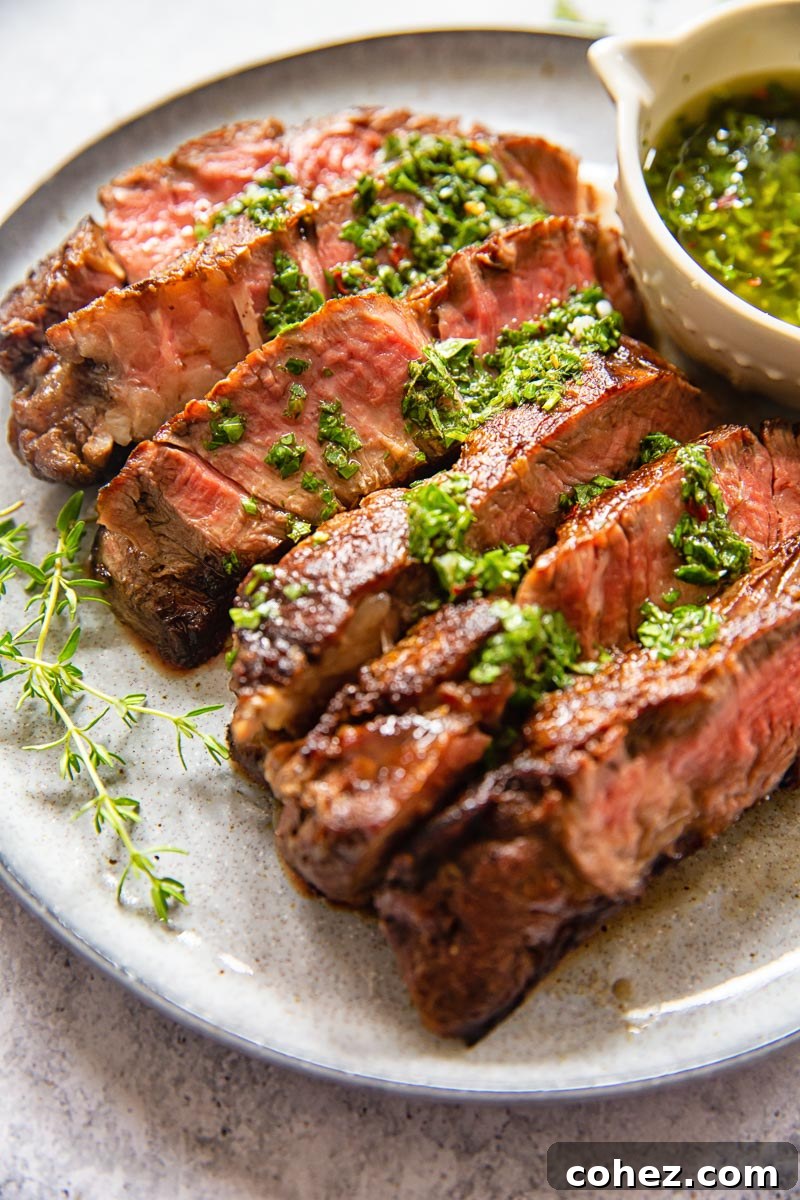
Unlock the secrets to cooking the ultimate rib eye steak, a cut renowned for its exceptional flavor and succulent juiciness. Drizzle this king of steaks with a vibrant, refreshing Sicilian Salmoriglio sauce – an exquisite lemon-herb concoction that promises a taste of summer with every bite. This comprehensive guide will transform your home cooking into a gourmet experience, ensuring a perfectly cooked steak every time, whether you’re a seasoned chef or a beginner.
Elevate your next barbecue or dinner party by serving this magnificent steak alongside a vibrant Pesto Potato Salad. Its fresh flavors beautifully complement the rich beef and zesty sauce.
Choosing the Perfect Steak Cut: A Connoisseur’s Guide
The world of steaks offers an array of choices, each with unique characteristics that cater to different palates. While opinions widely vary on the “best” cut or cooking method, the foundation of a truly exceptional steak lies in its quality and cut. Many mistakenly believe that cooking steak is an arduous, mysterious art requiring superhuman skill. In reality, while overcooking can certainly diminish a great piece of meat, the primary determinant of success is the inherent quality of the beef itself, followed closely by selecting the right cut for your desired outcome.
For those prioritizing lean meat with a firm texture, a robust sirloin steak often proves to be an excellent choice. If unparalleled tenderness and a melt-in-your-mouth experience are what you seek, then the elegant fillet mignon, known for its delicate texture, is your ideal selection. Beyond these popular choices, other cuts like the New York Strip (striploin) offer a balance of tenderness and flavor, while the T-bone and Porterhouse provide a generous portion that includes both the tenderloin and strip steak, separated by a bone.
However, when the quest is for an explosion of rich, beefy flavor, one cut stands head and shoulders above the rest: the magnificent rib eye.
The Unrivaled Glory of Rib Eye Steak
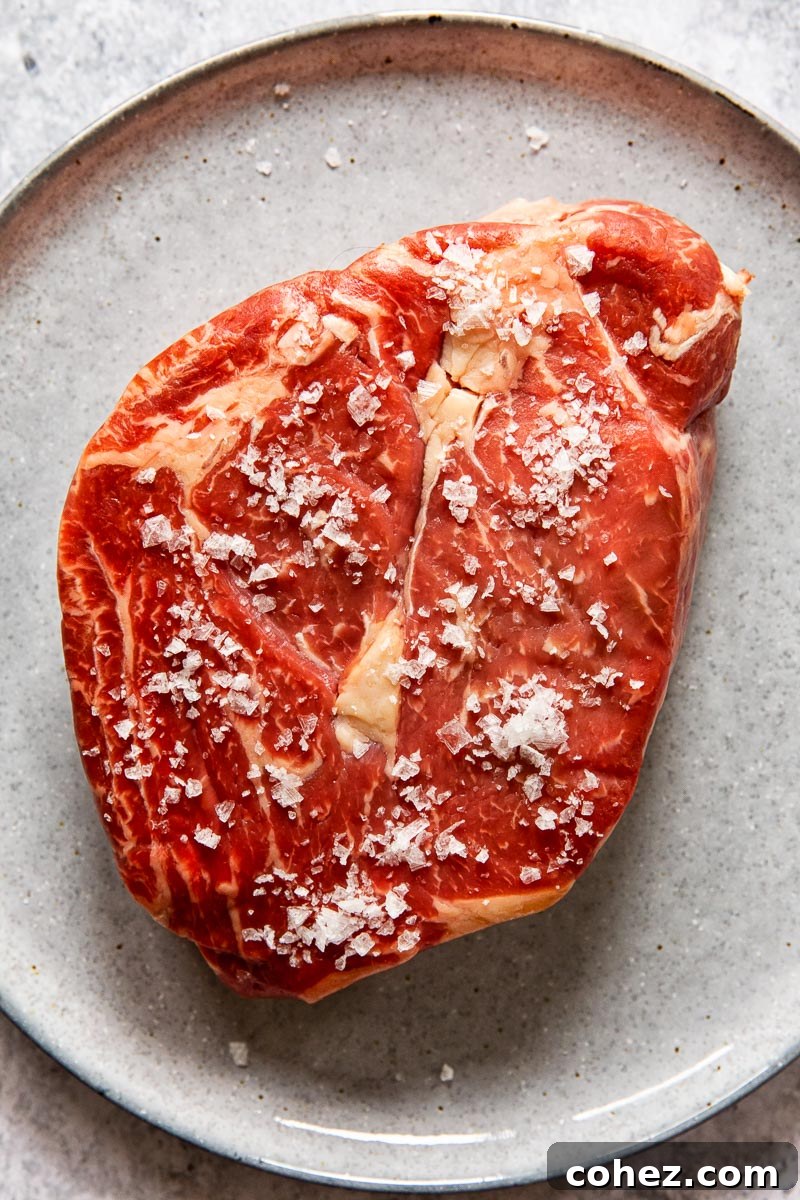
The rib eye steak is universally celebrated as a pinnacle of steak perfection, and for good reason. It earns its evocative name from the distinctive “eye” of rich, flavorful fat nestled in its center, which renders beautifully during cooking. This steak consistently delivers a mind-blowing result, captivating diners with its exceptional tenderness, incredible juiciness, and a flavor profile that is truly in a league of its own.
What sets the rib eye apart is its generous marbling – intricate veins of intramuscular fat woven throughout the entire cut. This marbling is the secret to its superior taste and texture. As the steak cooks, this fat melts, basting the meat from within, infusing it with unparalleled moisture and a deep, buttery richness. The result is a steak that is remarkably tender, consistently juicy, and bursting with a profound beefy flavor that will never disappoint.
Rib eye steaks can be purchased in two main forms: boneless or with the rib bone attached. While a boneless rib eye offers convenience and ease of slicing, many aficionados argue that a bone-in rib eye provides an even deeper flavor. The bone acts as a natural insulator, contributing to more even cooking, and the bone marrow slowly releases additional flavor compounds into the surrounding meat, enhancing its savory depth. Whichever you choose, ensure you select a cut with ample marbling for the best possible experience.
Mastering the Cook: Grilling vs. Pan-Frying Your Rib Eye
When it comes to cooking steak, two primary methods reign supreme: grilling and pan-frying. Both techniques can yield phenomenal results, each with its own set of advantages and considerations. Grilling, with its alluring scent of smoke and characteristic char marks, offers an undeniable appeal. It connects us to traditional outdoor cooking and imparts a unique smoky flavor that many adore. However, grilling is often restricted by season, weather conditions, and simply isn’t an option for those living in urban environments without access to outdoor space.
The good news is that you can achieve absolutely outstanding results by cooking your steak right on your stovetop in a frying pan. For many, this method is far more accessible and consistent. The truth remains that the quality of your meat is paramount; the cooking method, while important, plays a slightly lesser role in overall success than the initial selection of a high-quality cut.
For those seeking an even more advanced technique, the Reverse Sear Ribeye method has gained immense popularity among home cooks and professional chefs alike. This technique involves cooking the steak slowly in a low-temperature oven before finishing it with a quick, high-heat sear, resulting in an incredibly even cook from edge to edge and a perfect crust. However, for sheer simplicity and consistently delicious results, pan-frying is a technique every steak lover should master.
How to Cook a Perfect Rib Eye in a Frying Pan
Pan-frying a rib eye steak is remarkably straightforward and delivers consistently delicious results when you adhere to a few simple, yet crucial, principles. Forget the intimidation; perfection is within reach.
- Achieve Room Temperature: Always take your rib eye out of the refrigerator at least 30 minutes, or even an hour for thicker cuts, before you plan to cook it. Bringing the steak to room temperature ensures that it cooks more evenly throughout, preventing a cold center or an overcooked exterior.
- Season Generously: Liberally season both sides of your steak with coarse salt. This not only enhances flavor but also helps to draw out surface moisture, which is key for developing that desirable crispy crust. You can add black pepper if you like, but it’s best done just before or after cooking, as pepper can burn at high temperatures. Press the seasoning firmly into the meat using a spatula or the palm of your hand.
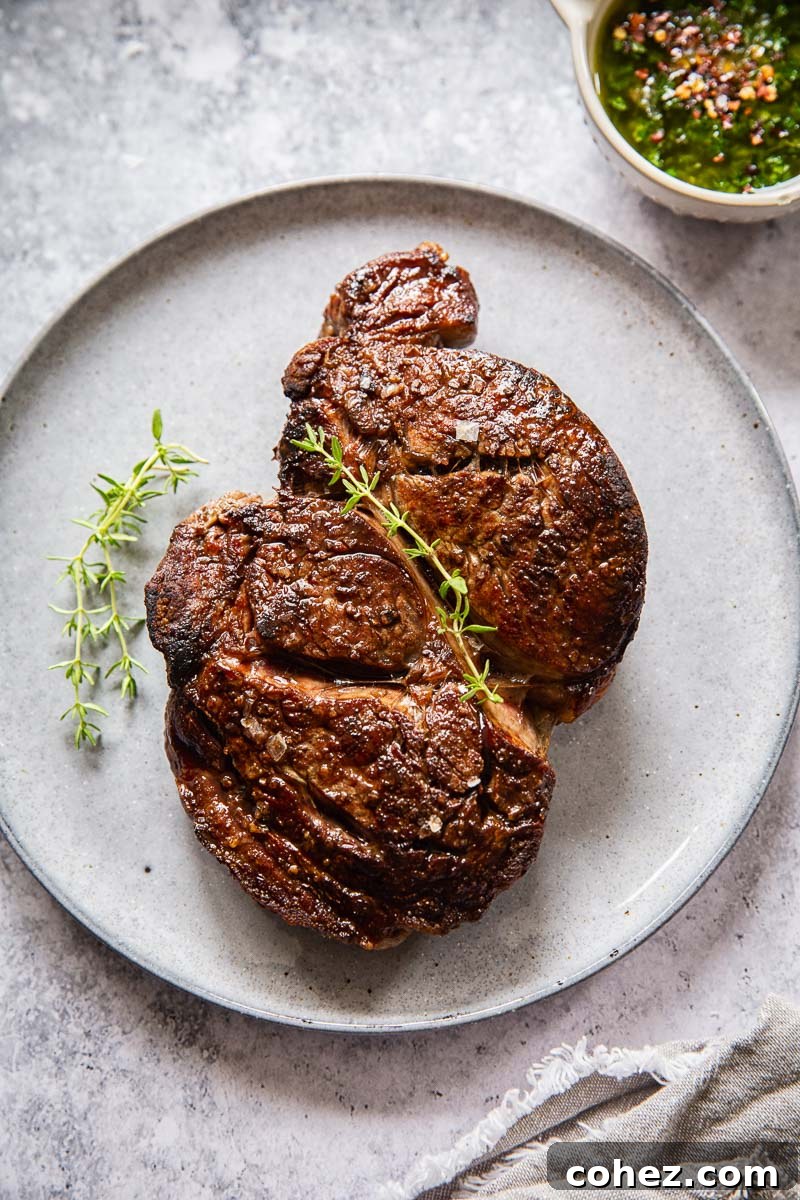
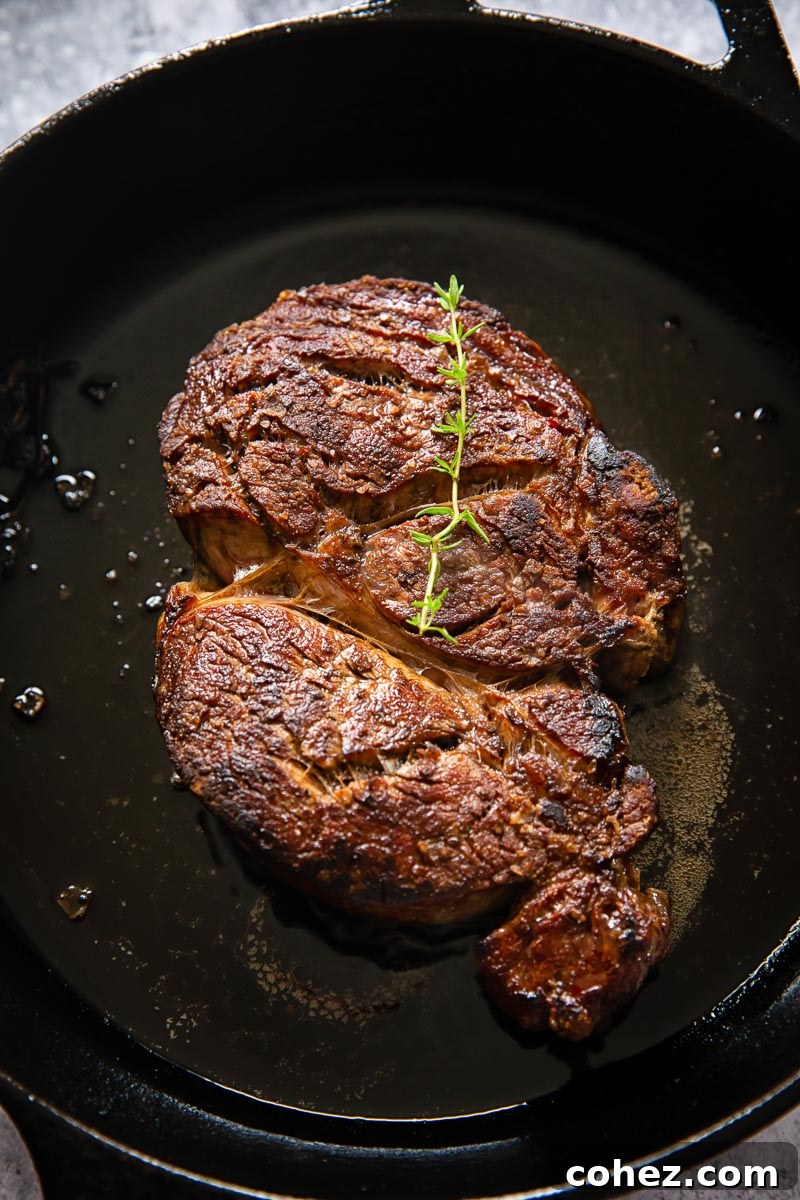
- Prepare the Pan: If available, use a heavy-bottomed cast iron pan. It retains heat exceptionally well, which is vital for a good sear. Preheat the pan to screaming hot over high heat. You should see a faint wisp of smoke, indicating it’s ready. Drizzle about 1 tablespoon of high smoke point olive oil into the hot pan, along with a sprig of fresh thyme or rosemary. These herbs will infuse their aromatic flavors into the oil and, subsequently, the steak.
- Sear for the Crust: Carefully place the seasoned steak into the hot pan. Resist the urge to move or touch it for 2 to 2.5 minutes. This undisturbed searing period is critical for developing a deep, golden-brown crust (the Maillard reaction) on the first side.
- Flip and Baste: Flip the steak to the other side. Immediately add 2 tablespoons of butter to the pan. As the butter melts and sizzles, tilt the pan slightly to pool the butter on one side. Using a spoon, continuously baste the steak with the melted butter and herb-infused oil for approximately 7-10 seconds at a time. Repeat this basting process several times throughout the cooking of the second side. This technique adds incredible flavor and helps to achieve an even crust.
- Consider Doneness: A rib eye steak truly shines when cooked to a medium-rare or medium doneness. This allows the significant marbling of fat to properly render, melting into the meat and imparting its full flavor and juiciness. If you prefer your steak on the rare side, a rib eye might not be the best choice, as raw, unrendered fat can be unappetizing. We’re aiming for that rich, buttery texture from rendered fat, not a mouthful of raw fat.
- Check Temperature: On average, a 1.5-inch thick rib eye will take approximately 5-6 minutes total cooking time for medium-rare. For accuracy, use a meat thermometer: a medium-rare rib eye should register an internal temperature of 60°C (145°F). Ensure you also sear the fatty sides of the steak by holding it upright with tongs for about 30 seconds per side, allowing the fat to crisp up.
- Rest for Juiciness: Once cooked to your desired doneness, remove the steak from the pan and transfer it to a plate. Allow it to rest undisturbed for 5-10 minutes. This resting period is crucial; it allows the muscle fibers to relax and reabsorb the juices, ensuring a tender and moist steak. Skipping this step will result in juices running out onto your plate when sliced, leaving you with a drier steak.
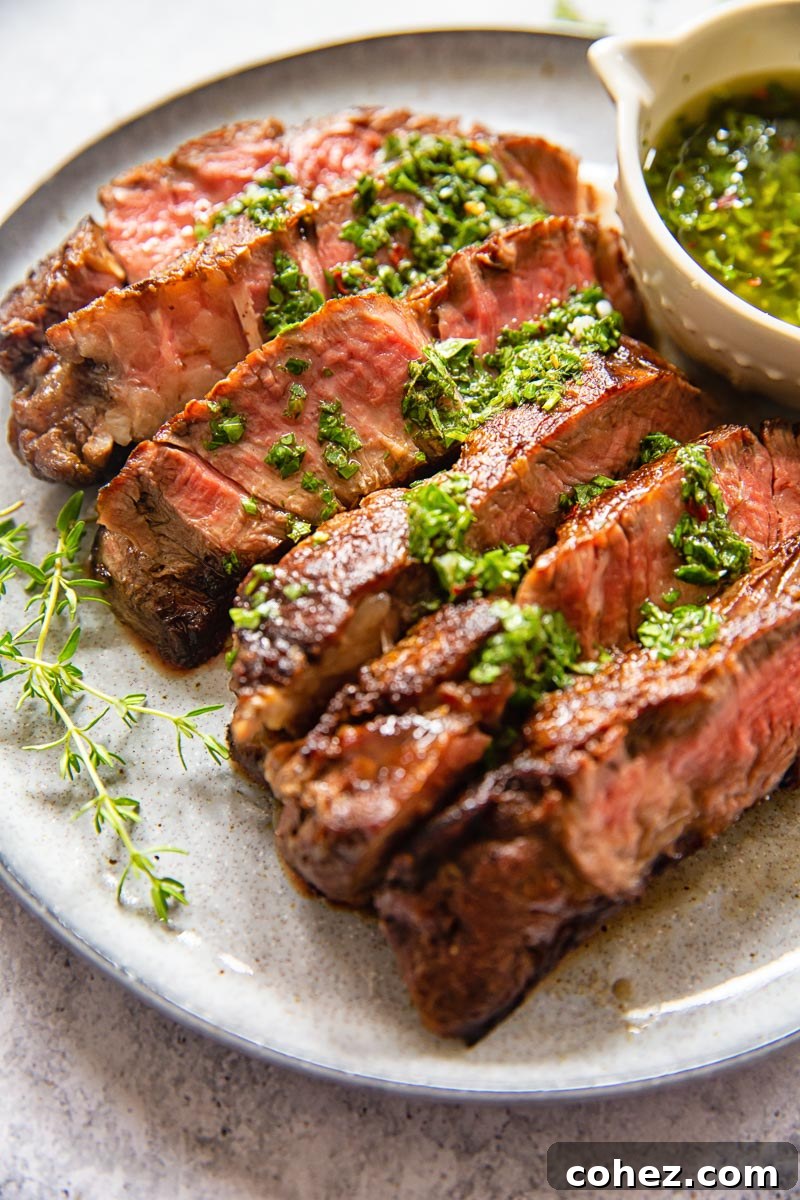
- Slice and Serve: After resting, slice your rib eye against the grain into thick, succulent pieces. Serve immediately, drizzled generously with the fresh Sicilian Lemon Herb Sauce.
The Bright and Bold Sicilian Salmoriglio Sauce
While a perfectly cooked steak can certainly stand alone, pairing it with an exceptional sauce elevates the entire dining experience. There’s a vast world of homemade steak sauces to explore, each offering a distinct flavor profile. For colder weather and hearty meals, rich sauces like a Creamy Cognac Mushroom Steak Sauce or a decadent Garlic Herb Butter are absolute winners, adding a layer of luxurious warmth.
However, when the days are long and the sun is shining, I gravitate towards something lighter, brighter, and more refreshing. This is where the Sicilian Lemon and Herb Sauce, known as Salmoriglio, truly shines. It shares some aromatic similarities with its South American cousin, Argentinian Chimichurri, which is another excellent choice for summer steak. However, Salmoriglio distinguishes itself with a distinctly more pronounced lemon-forward flavor, offering a zesty counterpoint to rich meats. Its bright acidity and herbaceous notes cut through the richness of the rib eye, creating a beautifully balanced bite.
The beauty of Salmoriglio is its incredible versatility. Beyond steak, it’s absolutely delicious with grilled fish, roasted chicken, and a wide array of vegetables – a more traditional application in its native Sicily. This vibrant sauce is refreshingly quick to prepare, making it an ideal last-minute addition. I often wait until the steaks are resting to whip up the Salmoriglio, allowing me to fully focus on achieving the perfect doneness for the meat without distraction.
Essential Steak Cooking Tips and Notes
- Bring to Room Temperature: This crucial step applies whether you are grilling or pan-frying. Always remove your steak from the refrigerator at least 30 minutes before cooking. For extra-thick cuts (over 1.5 inches), allow it up to an hour. This ensures the steak cooks evenly from edge to edge, preventing a cold, raw center or an overcooked exterior.
- Season Aggressively: Generously season your steak with coarse salt on all sides. While pepper can be added, it’s best done either just before cooking or after, as it can burn at high temperatures. Press the seasoning into the meat with a spatula or the palm of your hand to ensure it adheres properly.
- Pat Dry for a Perfect Sear: Salt helps to draw moisture from the surface of the meat. Before placing the steak on the pan or grill, it is absolutely essential to thoroughly dab away any excess moisture with paper towels. A dry surface is critical for achieving a beautiful, flavorful sear (Maillard reaction) instead of simply steaming the meat.
- Monitor Doneness with a Thermometer: General cooking times are a guide, but a reliable meat thermometer is your best friend for precision. For a 400g/14oz rib eye steak, approximately 4cm/1.5 inches thick:
- Medium-Rare: 5-6 minutes total (internal temperature: 60°C/145°F).
- Medium: 7-9 minutes total (internal temperature: 65°C/150°F).
- Well-Done: Approximately 10 minutes (internal temperature: 70°C/160°F).
Adjust cooking times for thinner steaks; they will cook faster. Remember that the steak’s temperature will rise a few degrees after it’s removed from the heat (carryover cooking).
Serving Suggestions to Complete Your Steak Meal
Let’s build a truly unforgettable meal around this exquisite rib eye steak and its bright, herby Salmoriglio sauce. For many, including myself, a steak dinner simply isn’t complete without a delicious potato side. To complement the rich steak, I heartily recommend trying Chipotle Mayo Roasted Potato Wedges for a touch of smoky spice, or a comforting, hearty Baked/Jacket Potato with Spicy Baked Beans. The latter, in particular, pairs wonderfully with the fresh, zesty profile of the Salmoriglio sauce.
To balance the richness of the steak and potatoes, adding a fresh, crisp salad is an excellent choice. Opt for something with a vibrant, clean taste. A light Zucchini Salad with Balsamic Vinaigrette or an elegant Herby Farro Salad with Olives and Cherry Tomatoes are both perfect companions, offering a delightful contrast in texture and flavor.
If you’re serving this as part of a larger barbecue spread, or if you haven’t already incorporated a potato dish, a heartier salad can serve as a substantial and satisfying side. Consider a creamy Dill Potato Salad, a flavorful Pasta Salad with Basil Vinaigrette, or a refreshing Greek Orzo Salad. These robust salads are perfectly capable of standing alongside your steak and contributing to a well-rounded meal.
Storage and Reheating Leftover Steak
Should you find yourself with the rare luxury of leftover steak, proper storage and reheating are key to preserving its deliciousness. You can safely store cooked steak in an airtight container in the refrigerator for 3-4 days. Remember that the steak will continue to release juices, so store it on a lower shelf to prevent any drips onto other food items. For best quality, store slices in a single layer if possible.
Reheating steak without drying it out or overcooking it can be a challenge, but with a gentle method, it’s entirely achievable. The best way to reheat leftover steak is to first remove it from the fridge 30-60 minutes before reheating. This allows it to slowly come closer to room temperature, promoting more even heating. Next, place the steak on a wire rack set over a baking sheet with sides to catch any released juices. Place it in an oven preheated to a low 135°C (275°F). The wire rack allows air to circulate around the steak, ensuring it heats more uniformly.
Leave the steak in the oven until its internal temperature reaches about 45°C (110°F). Then, transfer it to a hot skillet with a tiny bit of oil to give each side a quick sear, about 1 minute per side, just to revive the crust. Finally, let the reheated steak rest on a plate for 5 minutes before serving. This low-and-slow approach followed by a quick sear helps to maintain tenderness and moisture.
More Steak Recipes to Explore
- Grilled Tomahawk Steak with Herb Butter: A show-stopping cut perfect for special occasions.
- Classic Steak and Ale Pie: Hearty, comforting, and full of rich flavor.
- Philly Cheesesteak Loaded Fries: A fun, indulgent twist on a classic.
Rib Eye Steak with Sicilian Lemon Herb Sauce Recipe
By Julia Frey of Vikalinka
Prep Time: 10 mins | Cook Time: 10 mins | Total Time: 20 mins
Servings: 4
Juicy and full of flavor rib eye steak is undoubtedly the king of steaks when cooked properly. Drizzle Sicilian Salmoriglio sauce aka lemon herb sauce all over yours for a taste of summer!
Equipment
- Cast iron skillet
Ingredients
For the Rib Eye Steak
- 2X400g/14oz ribeye steaks, 1.5 inch thick
- Coarse salt, for seasoning
- 1 tbsp olive oil
- 1-2 sprigs fresh thyme or rosemary
- 2 tbsp butter
For the Salmoriglio Sauce
- 1-2 tbsp fresh oregano, chopped
- 4 tbsp fresh parsley, chopped
- 1 clove garlic, grated or pressed
- 0.5 tsp coarse salt
- 1/2 lemon, juice of
- 2 tbsp extra virgin olive oil
- 1/8 tsp chilli flakes, optional
Instructions
- Take your steak out of the fridge at least 30 minutes before cooking to come to room temperature and season with salt generously. Dab any moisture from the steaks with a paper towel right before cooking them.
- Preheat a cast iron pan or another thick-bottomed pan to very hot. Drizzle with olive oil and let it heat for a few seconds, then place your steaks on it. Add the fresh thyme or rosemary to the pan. (If your pan is not big enough to cook 2 steaks at the same time without overcrowding, cook one steak at a time.)
- Let your steak cook on one side for 2.5 minutes without touching. Then flip and add butter to the pan. Tilt the pan slightly away from you, scoop the melted butter with a spoon and start basting your steak for approximately 7-10 seconds. Do that a couple more times during the cooking process. Your steaks should be cooked to medium-rare after 5-6 minutes depending on the thickness of the meat. The temperature should read 60°C/145°F when tested with a meat thermometer. If you prefer your steaks well done, it should take approximately 10 minutes.
- Remove your steaks to a plate and let them rest for 10 minutes. Loosely cover with foil to keep the temperature.
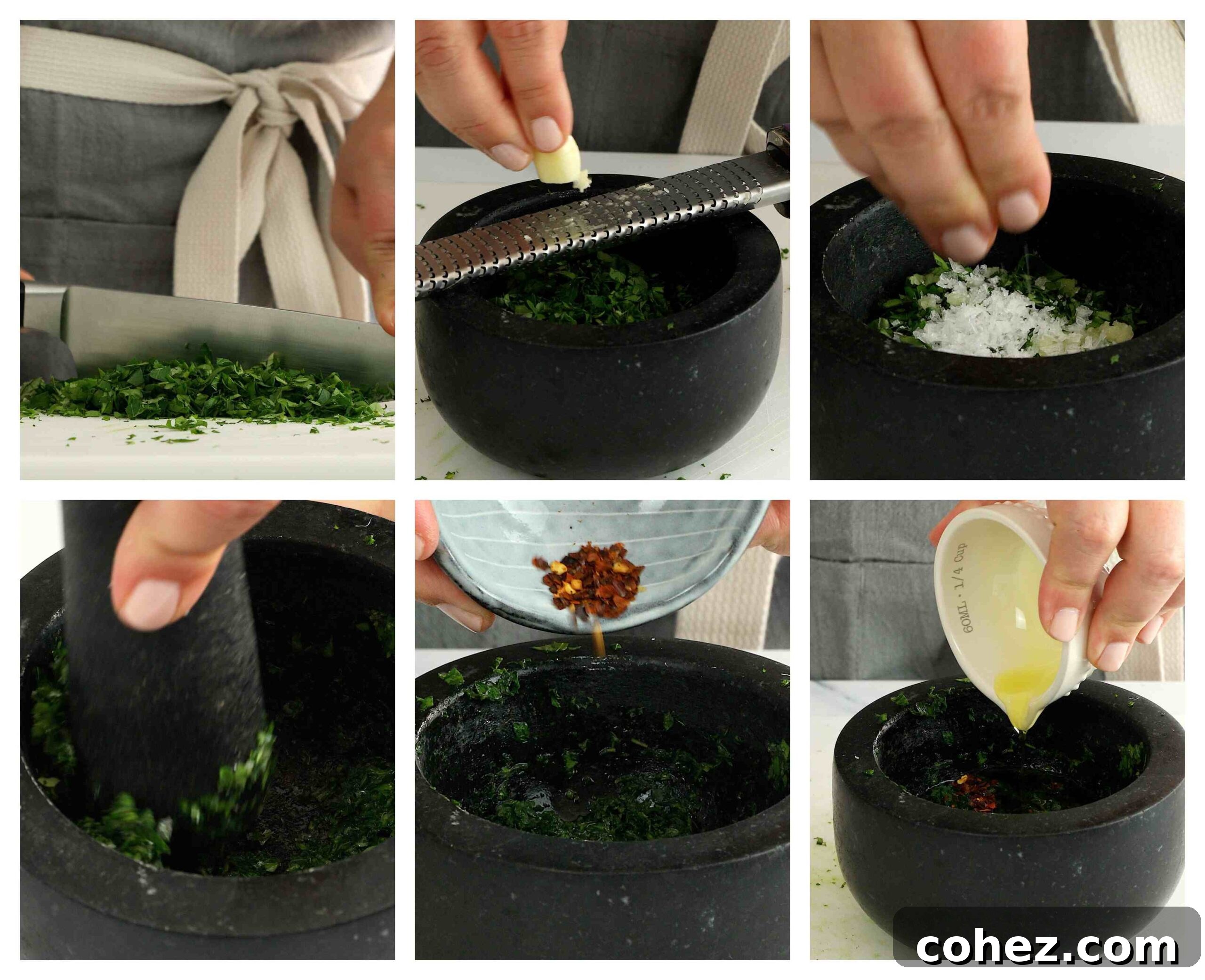
- While the steaks are resting, make the sauce by finely chopping the herbs together. Add the chopped herbs, the grated garlic, and coarse salt to a mortar and pestle and muddle together to form a paste. Then add the lemon juice, olive oil, and stir to combine. Remove the sauce to a serving bowl and sprinkle with chilli flakes if using. Serve generously over the steak.
Notes
All timings are given based on 400g (14oz) / 1.5 inch thick ribeye steaks.
If your steaks are thinner, it will take less time to cook them.
Nutrition
Calories: 568kcal | Carbohydrates: 2g | Protein: 41g | Fat: 45g | Saturated Fat: 18g | Cholesterol: 137mg | Sodium: 449mg | Potassium: 573mg | Fiber: 1g | Sugar: 1g | Vitamin A: 567IU | Vitamin C: 9mg | Calcium: 39mg | Iron: 4mg
Nutrition information is automatically calculated, so should only be used as an approximation.