
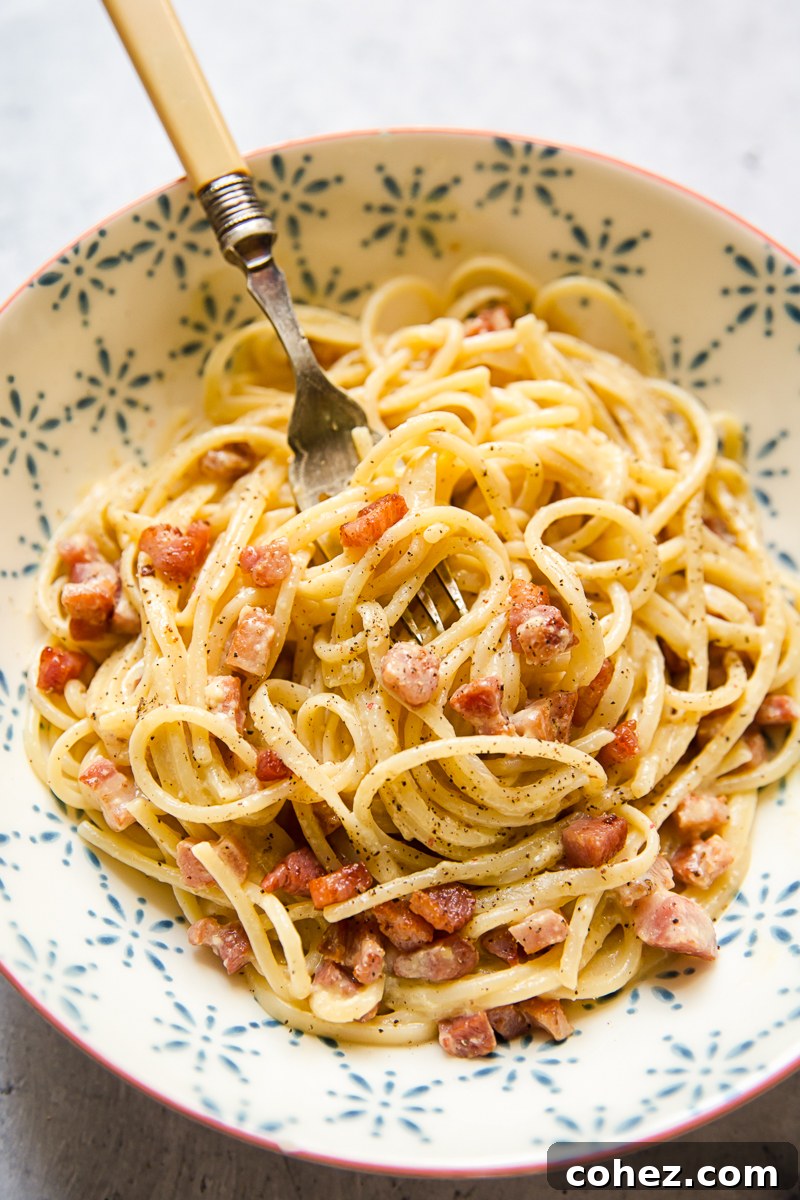
Welcome to the definitive guide on mastering authentic Italian Carbonara. This recipe demystifies the creation of this legendary Roman pasta dish, showcasing how remarkably simple it is to achieve a lusciously creamy sauce using only a few core ingredients: eggs and Pecorino Romano cheese. Absolutely no cream is required to unlock its rich, velvety texture and unforgettable savory flavor. Prepare to transform your understanding of this classic and savor a true taste of Italy in your own kitchen.
For those seeking a delightful alternative or a plant-based option, you might also enjoy exploring my Vegetarian Mushroom Carbonara, offering a creative twist on the traditional.
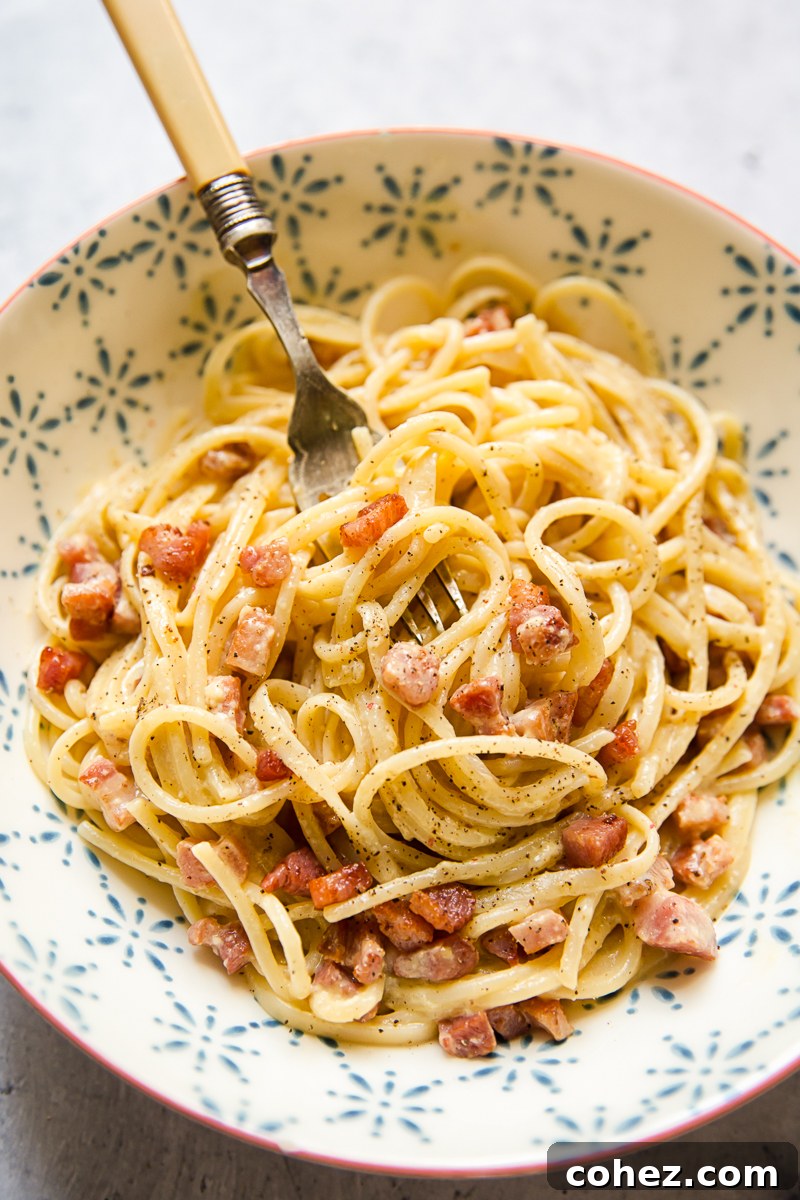
My culinary journey has been profoundly shaped by experiences in Italy, often away from the bustling tourist hubs. I’ve had the privilege of sharing meals prepared by real Italian home cooks, not professional chefs, thanks to the generosity of local friends. This exposure has cemented my belief that some of Italy’s most delicious and authentic dishes are born in home kitchens, passed down through generations. Ask any Italian where to find the best food, and they’ll likely point you straight to “mamma’s house” without a second thought – a sentiment I wholeheartedly endorse.
Carbonara stands as a prime example of this philosophy. It’s a testament to the power of simplicity, relying on minimal, high-quality ingredients to create a dish of profound depth and satisfaction. Its allure lies in its ability to deliver a remarkably creamy texture and a deeply savory profile without complexity. I once heard Julia Child famously remark that she didn’t particularly care for Italian cooking because there’s “no actual cooking involved.” While I respect her culinary prowess, I couldn’t disagree more! For me, that very simplicity is the essence and charm of Italian cuisine. It’s the reason I can return home after a long day, no matter how tired, and still whip up a quick, comforting, and utterly satisfying spaghetti carbonara. This allows me to cherish precious moments around the dinner table with my loved ones, a truly invaluable experience.
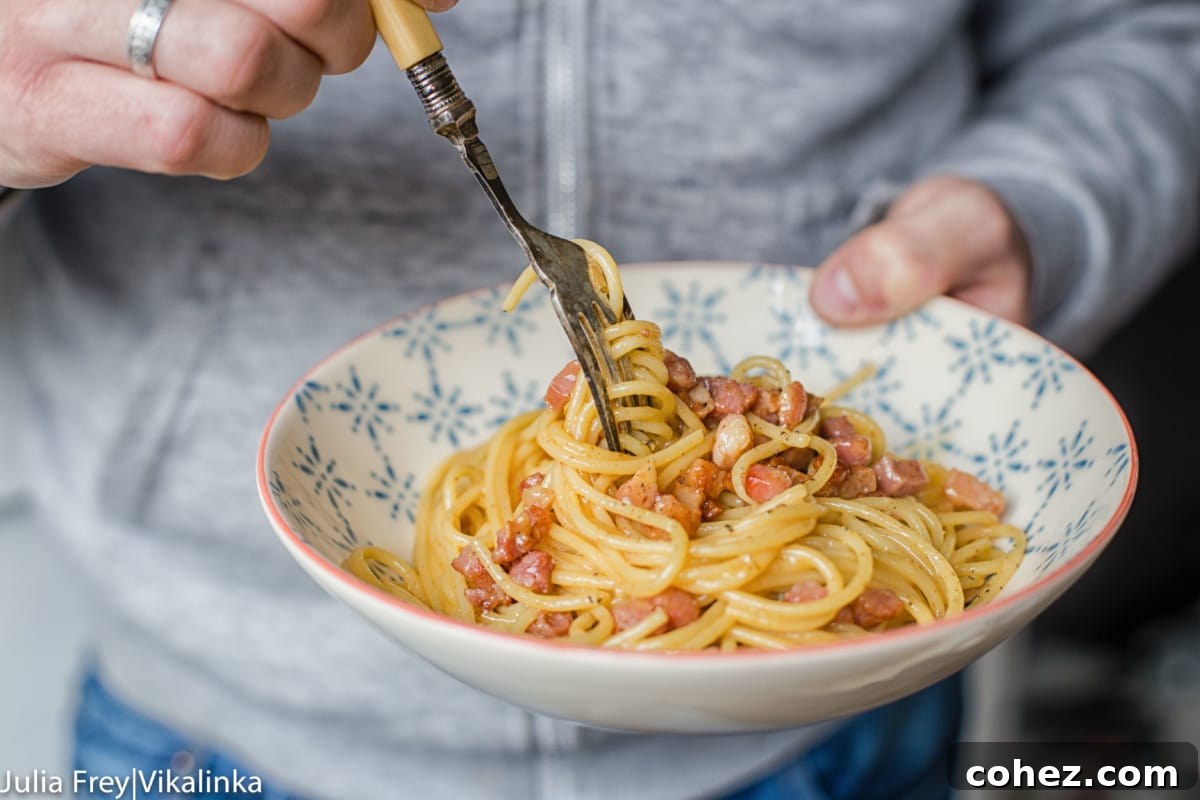
Unraveling the Secrets of Authentic Carbonara Sauce
While spaghetti carbonara is celebrated globally as a quintessential Italian dish, its exact origins are surprisingly debated and relatively recent compared to many other Italian classics. There are fervent arguments among culinary historians, with no single consensus. One popular narrative suggests its invention by Italian cooks preparing meals for American soldiers during World War II. These soldiers, fond of the creamy pasta dish, carried its memory home, contributing to carbonara’s eventual spread across continents. However, another school of thought traces its roots to earlier culinary traditions, citing mentions of similar preparations in older Italian cookbooks. I personally lean towards the latter, believing that the foundational elements of carbonara likely existed in some form long before the mid-20th century, evolving into the beloved dish we know today.
Regardless of its precise historical lineage, what remains undisputed is the iconic status of authentic spaghetti carbonara. Yet, it’s a dish frequently misunderstood and misrepresented, particularly in many restaurants outside of Italy. All too often, restaurant versions are laden with heavy cream, an ingredient that has absolutely no place in the original, traditional recipe. This addition not only alters the delicate balance of flavors but also transforms carbonara into a much heavier, calorie-dense meal that can leave one feeling guilty and overly full. But imagine achieving that same luxurious creaminess and rich flavor without the added cream and unnecessary calories. It’s entirely possible, and it’s the very essence of authentic Carbonara. This guide will show you how to recreate that magical texture and taste, just as it’s meant to be enjoyed.
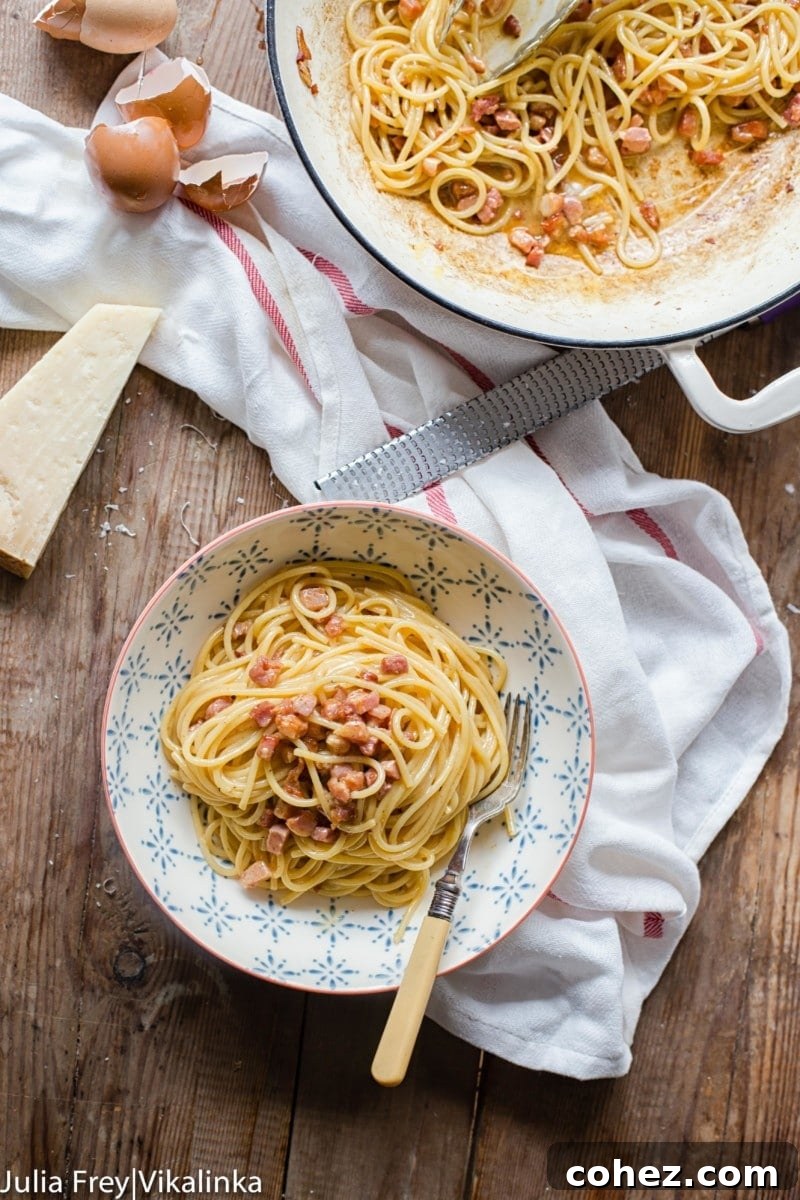
The Essential Ingredients for Traditional Carbonara
The true beauty of carbonara lies in its minimalist ingredient list, where quality triumphs over quantity. Traditional Carbonara sauce is crafted from specific ingredients that are staples in Italy but can be a bit more challenging to source elsewhere. Instead of the commonly used pancetta or bacon, an authentic Roman Carbonara features guanciale. Guanciale is a cured meat derived from the jowl or cheek of a pig, known for its unique flavor profile and the superior quality of its rendered fat, which forms the crucial base of the sauce. Its rich, nuanced taste sets it apart from other cured meats.
Similarly, when it comes to cheese, Parmesan is often mistakenly used. The truly authentic carbonara calls for Pecorino Romano, an aged, hard sheep’s milk cheese from Lazio. Pecorino Romano boasts a sharper, saltier, and more pungent flavor than Parmesan, contributing a distinct zest and umami depth that is characteristic of the dish.
While guanciale and Pecorino Romano are not impossible to find outside of Italy, they can be considered specialty items, sometimes commanding a premium price. Fortunately, for those occasions when authentic ingredients are elusive, high-quality pancetta or thick-cut bacon can serve as excellent substitutes for guanciale, and good quality Parmesan cheese can stand in for Pecorino Romano. These substitutions will still yield a delicious and satisfying Carbonara, albeit with a slightly different flavor profile. The key is always to choose the best quality ingredients available to you, as they are the stars of this simple yet profound dish.
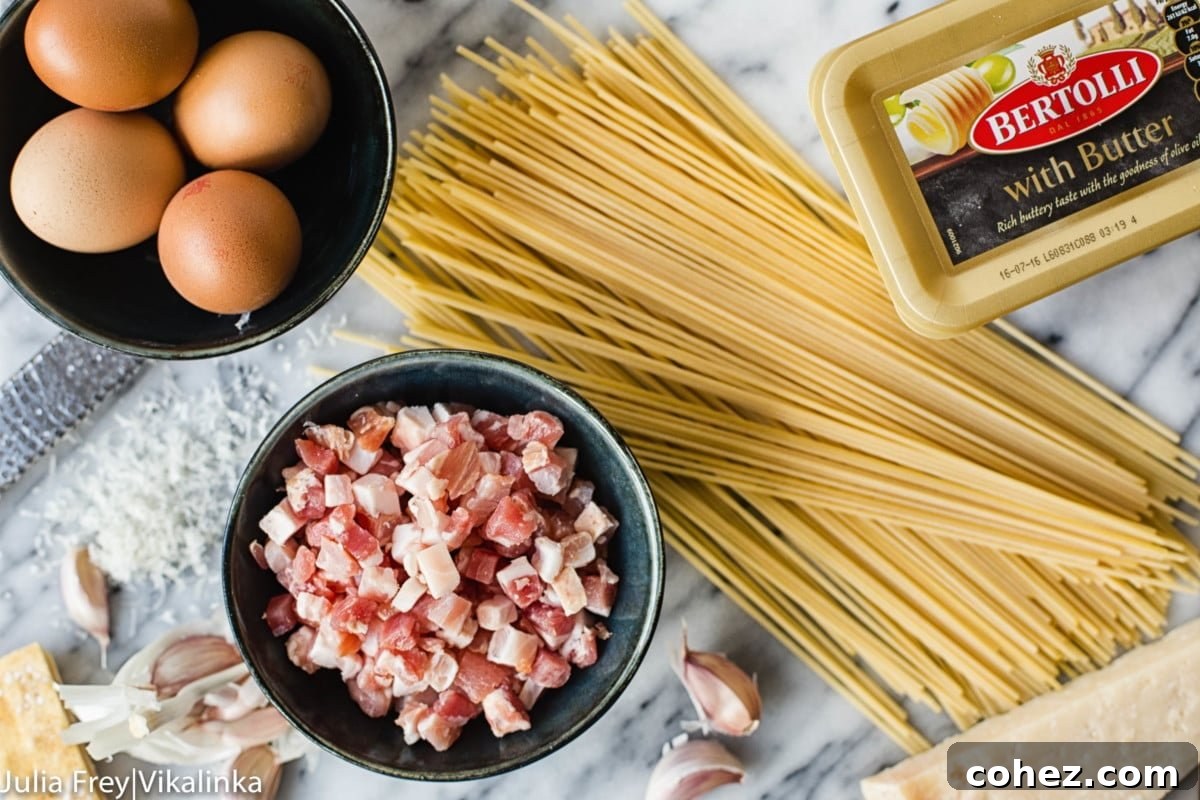
For such a luxuriously creamy and flavorful sauce, the ingredient list is surprisingly short and sweet:
- Eggs: The cornerstone of the sauce, providing richness and emulsification.
- Parmesan or Pecorino Romano Cheese: Essential for its salty, sharp flavor and creamy texture when mixed with eggs and pasta water.
- Pancetta or Guanciale: Provides the savory, fatty base and crispy textural contrast.
- Salt and Freshly Ground Black Pepper: For seasoning and a finishing kick.
- Spaghetti (or another long pasta): The ideal vessel for the rich sauce.
- Garlic (optional, but highly recommended for aroma): Infuses the fat with a subtle fragrance.
The magic truly happens with these fundamental elements. The question then becomes: how do we achieve that signature creamy texture with just these few ingredients, without resorting to cream?
Achieving Carbonara’s Signature Creaminess Without Cream
The secret to carbonara’s unparalleled creaminess lies not in added cream, but in a brilliant culinary technique that transforms simple eggs and cheese into a velvety, emulsified sauce. Eggs are, without a doubt, the main component of an authentic carbonara sauce. To maximize that rich, luxurious texture, I primarily use egg yolks. It is the yolks that are singularly responsible for the sauce’s characteristic smoothness and the opulent mouthfeel you experience with every forkful. The high fat content in the yolks, combined with their emulsifying properties, creates a naturally rich and glossy sauce that coats the pasta beautifully without ever feeling heavy or greasy.
The technique involves careful heat control and the strategic use of pasta water. When the beaten egg and cheese mixture is combined with hot pasta and a small amount of starchy pasta water off the direct heat, the residual heat from the pasta gently cooks the egg yolks, preventing them from scrambling. Simultaneously, the starches in the pasta water bind with the rendered fat from the guanciale (or pancetta) and the egg mixture, creating a stable emulsion. This emulsion is what gives carbonara its signature velvety consistency.
Another subtle trick that some home cooks employ to enhance the richness and flavor, though strictly optional, is to add a small amount of butter. You can add one tablespoon of butter to the pan to start rendering the guanciale or pancetta, infusing the fat with an extra layer of savory depth. However, this is distinct from adding cream at the end to thicken the sauce. The butter is primarily for flavor and to aid in fat rendering, not to create the creaminess itself, which is achieved through the egg-cheese-pasta water emulsion. It’s crucial to understand that while butter can add a certain richness, it’s not a substitute for the proper emulsification technique. The beauty of authentic carbonara is its reliance on natural processes, yielding a sauce that is both light and incredibly satisfying.
Mastering the Art of Carbonara: A Step-by-Step Guide
Creating the perfect Carbonara, despite its short ingredient list, demands attention to detail. The incredible flavor hinges entirely on the quality of your ingredients and precise execution of a few key steps. Let’s walk through the process:
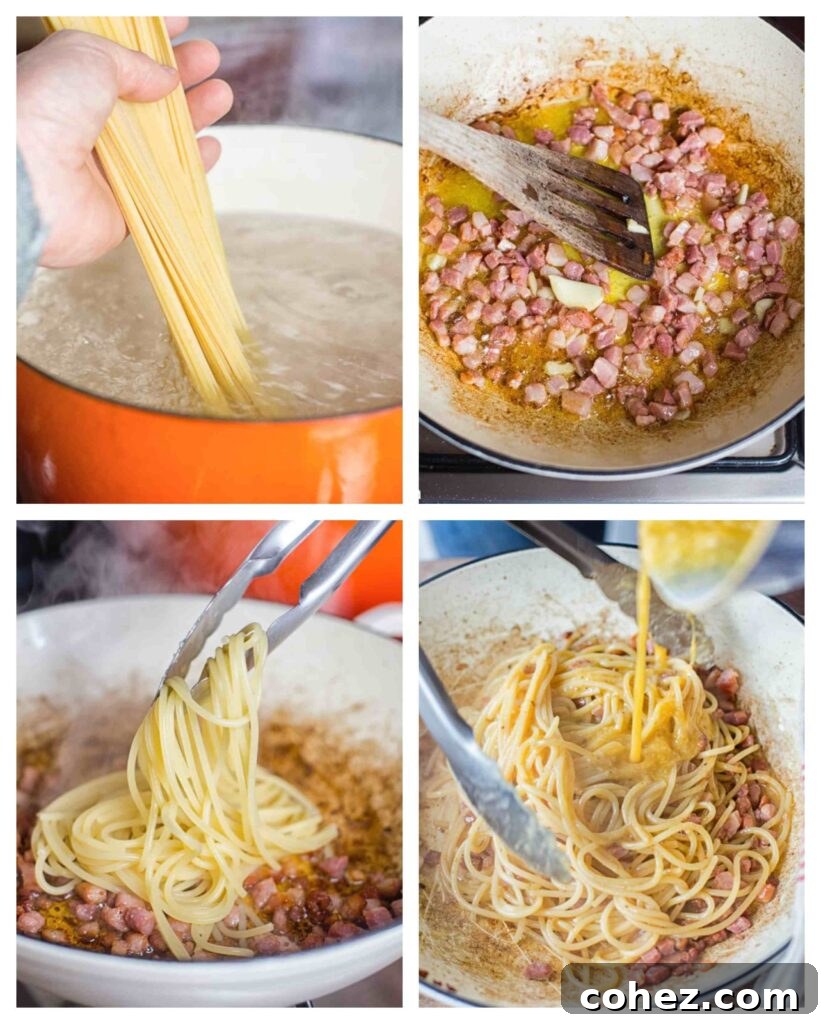
1. Prepare Your Pasta Water
Always begin by salting your pasta water generously before adding the spaghetti. This is a crucial, non-negotiable step. Salting the water properly seasons the pasta from the inside out, ensuring every strand is flavorful. If you attempt to salt your spaghetti later, the seasoning will only adhere to the surface, resulting in a bland interior. Use a large pot with plenty of water to allow the pasta to cook evenly.
2. Render the Guanciale (or Pancetta)
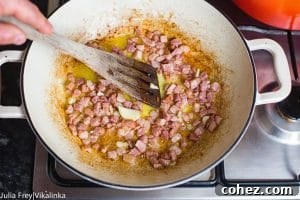
While your pasta water heats up and the spaghetti cooks, begin preparing the crispy meat component. In a large pan, add your finely chopped guanciale or pancetta. If using guanciale, it will render plenty of its own fat. If using pancetta, you might add a tablespoon of butter to help it along and deepen the flavor. Crucially, add one whole, peeled, and gently crushed clove of garlic to the pan alongside the meat. This isn’t strictly traditional for all Carbonara recipes, but it’s a brilliant trick for infusing the rendered fat with a subtle, aromatic essence without overwhelming the dish. Cook the meat over medium heat until it’s beautifully golden and crispy, and the fat has rendered. Once cooked, remove the garlic clove from the pan; its job of infusing flavor is done, and it prevents any harsh garlic taste in the final sauce.
3. Prepare the Egg and Cheese Mixture
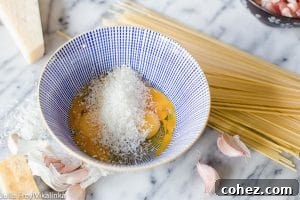
In a separate small bowl, prepare the heart of your Carbonara sauce. Whisk together your eggs (ideally, 1 whole egg and 3 additional egg yolks for maximum creaminess; reserve the whites for another use or freeze them) with a generous amount of freshly grated Pecorino Romano or Parmesan cheese. Continue whisking until the mixture is smooth, well-combined, and slightly frothy. This mixture is the foundation of your creamy sauce.
4. Combine Pasta and Meat
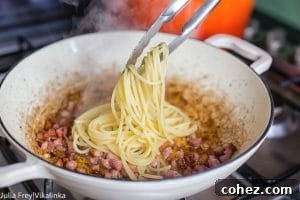
Once your spaghetti is cooked al dente according to package instructions, it’s time for swift action. Before draining, reserve about 1/2 to 1 cup of the starchy pasta cooking water. This liquid is your secret weapon for creating the perfect sauce consistency. Drain the pasta and immediately transfer it directly into the pan with the cooked guanciale/pancetta and its rendered fat. Off the heat, add about half of your reserved pasta water to the pan. Stir the pasta vigorously with tongs, allowing it to absorb the savory fat and begin to coat each strand. This step is crucial for building the foundational flavor and moisture of the sauce.
5. Emulsify the Sauce
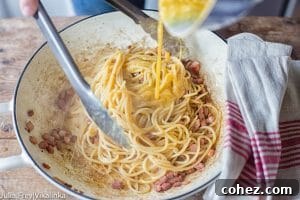
Now comes the most critical and delicate step: adding the egg and cheese mixture. Ensure the pan is off the heat entirely. The residual heat from the freshly cooked pasta is precisely what you need to cook the eggs gently without scrambling them. Pour the beaten egg and cheese mixture over the hot spaghetti while continuously tossing the pasta with tongs. This constant motion is vital; it ensures the egg mixture coats every strand evenly and prevents the eggs from setting into curds. The starchy pasta water, combined with the eggs and cheese, will emulsify with the rendered fat to create that luxurious, glossy, and creamy carbonara sauce. If the sauce seems too thick, gradually add more of the reserved pasta water, a tablespoon at a time, while continuing to toss until you achieve your desired consistency.
6. Season and Serve
Finally, taste your Carbonara and season with more salt if needed (remembering that Pecorino Romano is already quite salty). A generous grinding of fresh black pepper is absolutely essential, not just for flavor but also for visual appeal. Serve immediately, garnished with an extra sprinkle of freshly grated Pecorino Romano or Parmesan cheese. Carbonara is best enjoyed moments after it’s made, when the sauce is at its creamiest and the pasta is perfectly hot.
Expert Tips and Notes for Perfect Carbonara
- Choose Your Meat Wisely: For the most authentic flavor, I highly recommend sourcing guanciale. Its unique fat structure and curing process contribute a depth that is unmatched. If guanciale is unavailable, high-quality pancetta is the next best choice. If neither can be found, opt for thick-cut, good quality smoked bacon, ensuring it’s not overly lean.
- Garlic for Aroma, Not Overpowering Flavor: While not strictly traditional in all Roman Carbonara, a single clove of garlic added to the pan when rendering the meat infuses the fat with a delightful, subtle aroma. Be sure to remove it before adding the pasta to prevent it from dominating the delicate flavors of the sauce.
- Temperature Control is Key: The golden rule for Carbonara is to always take the pan off the heat before incorporating the egg and cheese mixture. The residual heat from the freshly cooked pasta is sufficient to gently cook the eggs into a creamy sauce without scrambling them. This step is critical for a smooth, emulsified texture.
- Addressing Raw Egg Concerns: If you are concerned about consuming raw eggs, consider using pasteurized eggs or opting for organic, free-range eggs from a reputable source, which are generally considered safer. Additionally, the brief cooking process from the hot pasta does gently temper the eggs.
- Yolks for Ultimate Creaminess: If you are particularly worried about the eggs curdling or prefer an even richer, silkier sauce, you can use only egg yolks (e.g., 4-5 yolks for a standard portion) instead of a combination of whole eggs and yolks. With only yolks, the risk of scrambling is virtually eliminated, guaranteeing a gorgeously smooth sauce.
- Freshly Grated Cheese is Non-Negotiable: Always use freshly grated Pecorino Romano or high-quality Parmesan cheese. Pre-grated cheeses often contain anti-caking agents that can hinder proper emulsification and dull the flavor. Freshly grated cheese melts beautifully, contributing to both the creamy texture and intense flavor.
- The Power of Pepper: A generous grinding of fresh black pepper, ideally coarse, at the very end is not just a garnish but an essential component of traditional Carbonara. It adds a crucial spicy kick and aromatic complexity that balances the richness of the dish.
- Visual Learners: If this is your first attempt at Carbonara and you’re unsure about the technique, I strongly recommend watching a video tutorial. Visual guidance can be incredibly helpful for understanding the crucial steps, especially the emulsification process.
Complementing Your Carbonara: Serving Suggestions
One of the true beauties of Carbonara lies in its inherent simplicity and quick preparation time. This elegant efficiency is a hallmark of authentic Italian cooking. Therefore, when considering accompaniments, the goal is to enhance the meal without adding unnecessary complexity or demanding extensive effort. The Carbonara itself is the star, and sides should serve to complement its richness and flavor without overshadowing it.
If you’re in the mood to begin your meal with a delightful starter, consider options that are light and fresh. Classic Italian appetizers such as crisp Mushroom Crostini, featuring earthy mushrooms atop toasted bread, or a vibrant trio of Bruschetta with various fresh toppings, would serve as excellent preludes to the rich pasta. These choices offer contrasting textures and flavors that awaken the palate.
Another fantastic way to round out the meal, maintaining that effortless Italian charm, is to present a simple, high-quality Italian-style charcuterie board. A few impeccably sliced cured meats like prosciutto or salami, a couple of complementary cheeses (perhaps a fresh mozzarella or a mild provolone), a bowl of briny olives, and some crunchy breadsticks or artisanal bread transform a simple dinner into a proper Italian feast. This approach allows guests to graze and savor a variety of flavors and textures.
Personally, I find that the perfect counterpoint to the creamy indulgence of Carbonara is a fresh, crisp salad. A simple green salad dressed with a light vinaigrette provides a refreshing contrast, cutting through the richness of the pasta. Alternatively, a classic Caprese salad, with its vibrant colors and fresh flavors of ripe tomatoes, creamy mozzarella, and aromatic basil, drizzled with a good quality balsamic glaze, is ridiculously easy to assemble yet delivers a burst of freshness and fragrance. It’s exactly what you need to balance a creamy pasta dish.
A crucial consideration when preparing Carbonara is its scale. While it might be tempting to make a large batch for a dinner party, combining the egg and cheese mixture effectively with a vast quantity of pasta can be challenging. The speed and evenness required for proper emulsification become harder to achieve. In my experience, making Carbonara for four people is generally the optimal limit to ensure each serving maintains that perfect, creamy consistency and doesn’t end up with scrambled eggs. For larger gatherings, consider making two smaller batches instead.
Storage and Leftovers: A Note on Carbonara’s Freshness
As tempting as it might be to prepare a large batch of Carbonara to enjoy later, this is unequivocally a dish best savored immediately after it’s made. The magic of its creamy, emulsified sauce is at its peak when fresh, coating each strand of pasta with velvety perfection. The delicate balance of eggs, cheese, and pasta water can break down upon cooling and reheating, often leading to a less desirable texture where the sauce may separate or the eggs become too cooked.
For this reason, I strongly recommend making only as much Carbonara as you anticipate eating in one sitting. This might mean adjusting the serving size down, perhaps preparing it for two instead of four, to ensure you enjoy it at its absolute best. The effort saved in not storing and reheating is well worth the superior fresh taste.
However, if you do find yourself with a small amount of leftover Carbonara, it can be stored. Transfer any excess to an airtight container and refrigerate it promptly. It will keep for approximately 3-4 days in the fridge. When it comes to reheating, a microwave is generally the easiest method, but be warned: the sauce will likely not regain its original, freshly made creaminess. The eggs may cook further, and the texture will be thicker. Gently stirring it halfway through reheating can help to some extent. I do not recommend freezing Carbonara, as the delicate egg-based sauce and pasta texture do not hold up well to thawing and reheating, resulting in a significantly compromised dish.
Explore More Authentic Italian Pasta Recipes
If you’ve enjoyed the simplicity and deliciousness of authentic Carbonara, you might be inspired to try more traditional Italian pasta dishes:
- Spaghetti Bolognese: A rich, slow-cooked meat sauce, another timeless classic.
- Creamy Tomato Pasta Sauce: For those times you crave a comforting, versatile cream-based pasta.
- Spaghetti Puttanesca: A flavorful, quick sauce bursting with olives, capers, and tomatoes.
- Spaghetti alla Siciliana: A vibrant dish featuring eggplant, tomatoes, and ricotta salata.
Easy Carbonara Sauce
Print Recipe
Ingredients
- 100 g / 3.5 oz pancetta, or guanciale, finely chopped
- 80 g / 1/2 cup Parmesan cheese, or Pecorino Romano, freshly grated
- 4 large eggs (preferably 1 whole egg + 3 yolks)
- 450 g / 1 lbs spaghetti
- 1 garlic clove, peeled and crushed
- 1 tbsp butter, optional (if using pancetta)
- Salt, to taste
- Freshly ground black pepper, to taste
Instructions
-
Cook the spaghetti according to package instructions in a large pot filled with generously salted water until al dente.

-
While the spaghetti is cooking, cook the chopped pancetta or guanciale in a large pan with 1 crushed garlic clove and 1 tbsp of butter (if using pancetta) until the fat is rendered and the meat is crispy. Discard the garlic clove. If using bacon, discard all but 1-2 tablespoons of the rendered fat.
-
In a small bowl, whisk together 1 whole egg and 3 egg yolks (reserve the whites for another use) with the freshly grated Parmesan or Pecorino Romano cheese until thoroughly blended and smooth.
-
Once the pasta is cooked, reserve 1/2 cup of the starchy pasta water, then drain the spaghetti. Immediately add the drained pasta directly to the pan with the cooked pancetta/guanciale and about half of the reserved pasta water. Stir to coat the pasta evenly with the fat and moisture, then remove the pan from the heat completely.
-
Pour the whisked egg and cheese mixture over the hot spaghetti while continuously tossing it vigorously with a pair of tongs. Toss quickly and constantly to ensure the sauce coats the pasta and the eggs do not curdle. Taste and season with more salt and plenty of freshly ground black pepper. Add more grated Parmesan/Pecorino if desired. If the sauce is too thick, gradually add more of the reserved pasta water, a tablespoon at a time, while tossing until the desired creamy consistency is achieved. Serve immediately.
Video Tutorial (For visual guidance)
While this HTML document does not include embedded video players for technical reasons, you can search for “Easy Carbonara Sauce Vikalinka” on video platforms to find a step-by-step visual guide for this recipe. Watching a video can be incredibly helpful for mastering the emulsification technique.
Notes
Nutrition (Approximate per serving)
- Calories: 461 kcal
- Carbohydrates: 57 g
- Protein: 20 g
- Fat: 15 g
- Saturated Fat: 6 g
- Cholesterol: 134 mg
- Sodium: 774 mg
- Potassium: 254 mg
- Fiber: 2 g
- Sugar: 2 g
- Vitamin A: 320 IU
- Calcium: 190 mg
- Iron: 1.7 mg
Nutrition information is automatically calculated and should only be used as an approximation.