
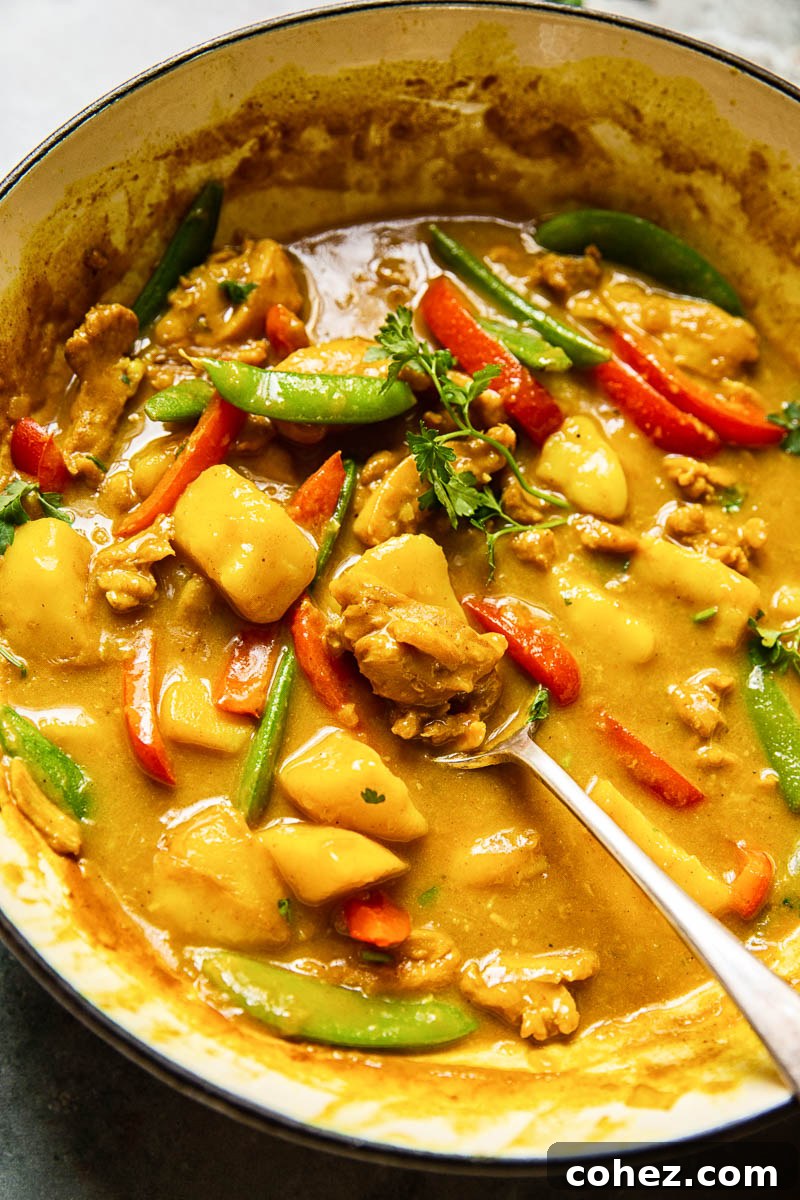
In the hustle and bustle of daily life, the quest for a quick, delicious, and satisfying meal often leads us straight to our phones for a takeout order. But what if you could whip up a beloved classic, like Chinese Chicken Curry, in less time than it takes to scroll through menus and wait for delivery? This aromatic, flavor-packed recipe is your answer, bringing the authentic taste of a Chinese takeaway straight to your kitchen in just 35 minutes. Say goodbye to greasy, calorie-laden alternatives and embrace a homemade version that’s not only healthier but also incredibly fulfilling.
For those eager to explore more vibrant and wholesome Chinese culinary delights, you might also enjoy our Speedy Sesame Shrimp Stir Fry – another fantastic option for a quick and flavorful weeknight meal.
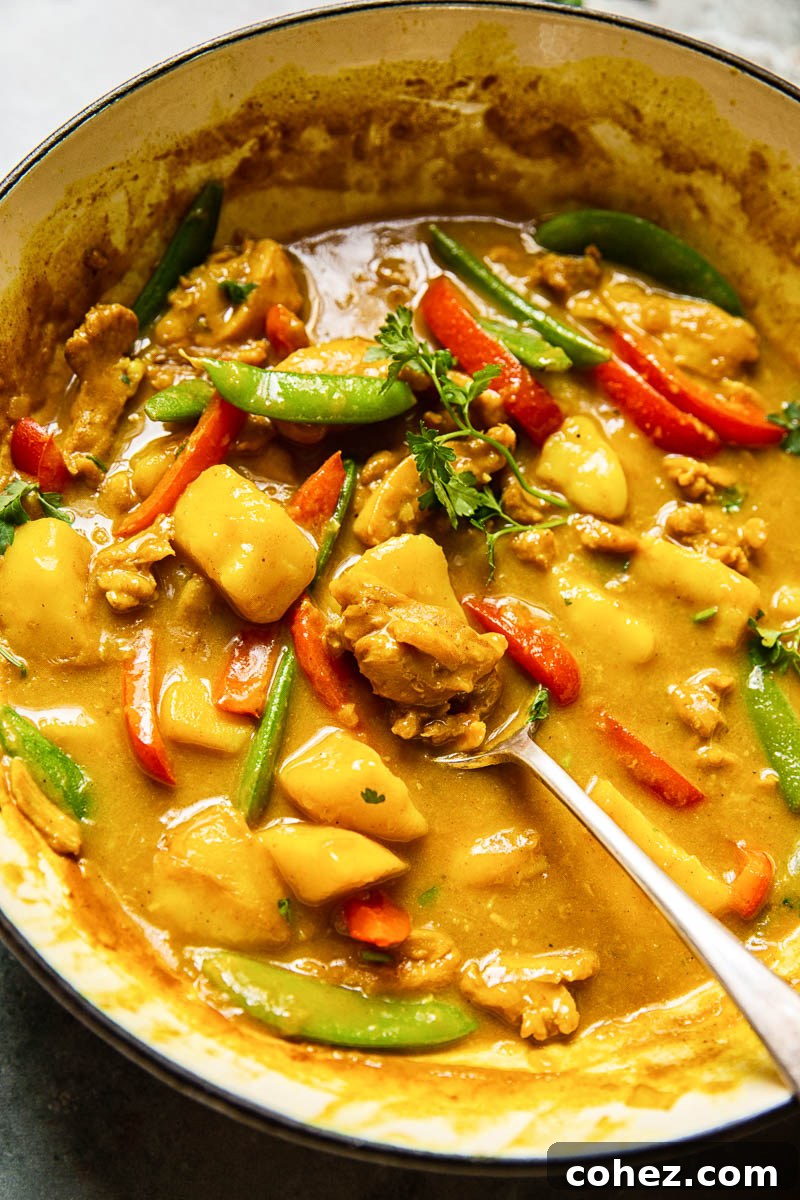
No matter how much passion you pour into cooking, there inevitably comes a point in the week when energy levels dip, and the siren call of comfort food becomes irresistible. For many, this translates directly into ordering takeout or, as it’s known in Britain, takeaway. It’s a convenient treat, a momentary escape from kitchen duties, and it offers a feeling of indulgence. There’s certainly a time and place for such convenience, and the joy of a no-cook evening is undeniable.
However, the convenience often comes at a significant cost – not just to your wallet, but also to your health. Takeout meals, particularly those from many Westernized Chinese restaurants, can be surprisingly high in calories, unhealthy fats, sugar, and sodium. For those striving to maintain a balanced lifestyle, these factors can be a tough pill to swallow, making the “treat” feel less rewarding in the long run.
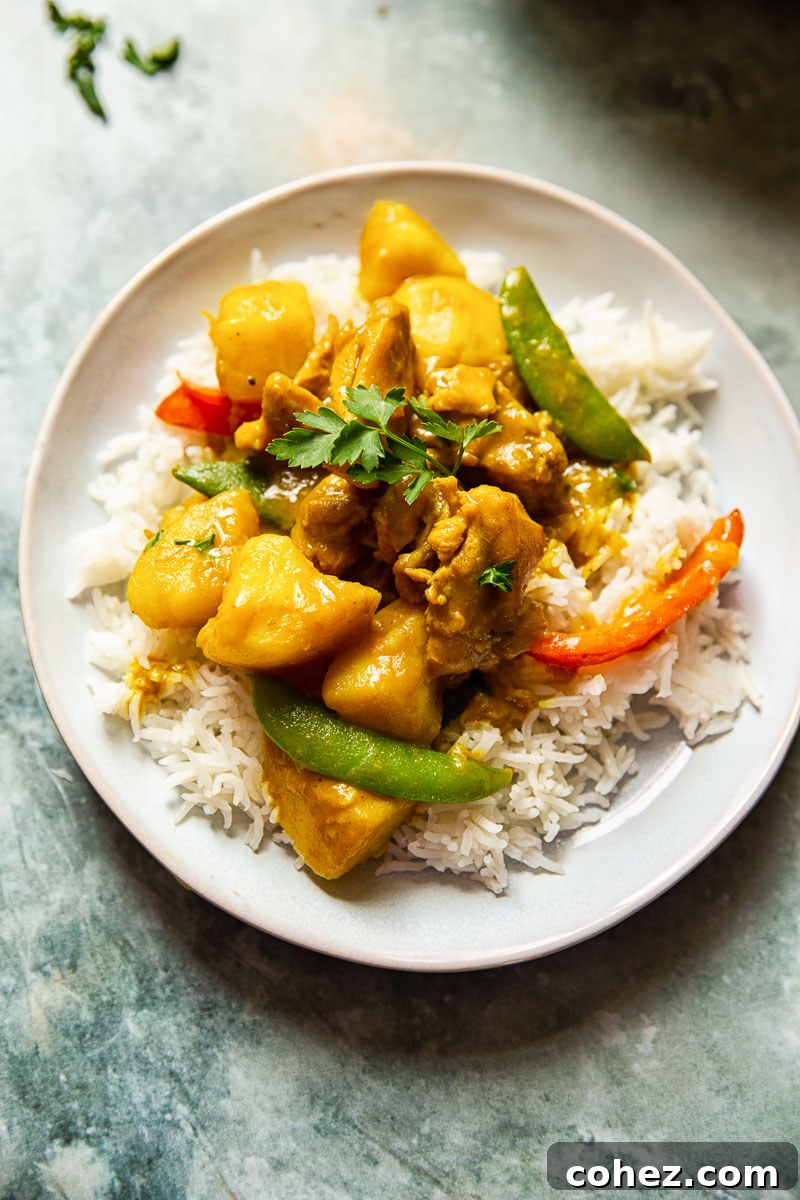
This is precisely where my homemade Chinese Chicken Curry recipe steps in. It’s a game-changer for those evenings when you crave the familiar flavors of a Chinese takeaway without the guilt or the hefty bill. My kids, for instance, almost always gravitate towards Chinese food when discussing takeout options, despite our rare indulgences. This recipe allows us to enjoy those sought-after flavors with the added benefits of fresh ingredients and balanced nutrition.
My own experiences with “Westernized” Chinese food have often left me feeling less than great. However, during a visit to China, I discovered the true essence of Chinese cuisine – a culinary revelation built on freshness, vibrant vegetables, lean proteins, and a sophisticated balance of flavors, starkly contrasting the deep-fried, salt and sugar-laden dishes often found outside of China. This recipe aims to capture some of that authentic essence, offering a healthier, more balanced approach to a beloved dish.
Chinese Chicken Curry vs Indian Curry: A Culinary Distinction
For many, the term “curry” instantly conjures images of rich, aromatic Indian dishes. While India is widely considered the birthplace of curry, this versatile culinary concept has travelled across Asia, evolving and adapting to local palates and available ingredients. China, with its vast and diverse food traditions, is certainly one of the many countries that has embraced and adapted curry into its own unique style.
At its core, “curry” is a broad umbrella term describing a saucy dish flavored by a blend of ground spices. The specific spices used can vary dramatically from one region to another, yet common ingredients like turmeric and cumin often feature prominently. Understanding the nuances between Chinese and Indian curries helps appreciate the unique character of each.
One notable difference lies in consistency. Traditional Chinese curries tend to be slightly thinner or more “watery” than their Indian counterparts. This is largely because Indian curries frequently rely on ingredients like tomatoes or coconut milk for natural thickening, which are less common in Chinese curry bases. Another key differentiator is the spice blend. While turmeric and curry powder are central to both, Chinese curries often use them in a more subtle way, complementing them with other distinct spices like Chinese five-spice powder, star anise, and a touch of soy sauce for umami depth. Indian curries, on the other hand, build their robust flavor profiles around a bolder use of turmeric, cumin, coriander, and chili, often layered with garam masala and fresh aromatics.
It’s also worth noting that curries extend far beyond India and China, as anyone who savors Thai curries (like our vibrant Yellow Chicken Curry) can enthusiastically attest! Each country and region brings its own unique spin to this incredible category of dishes.
Historically, neither Indian nor Chinese curries traditionally rely on corn starch for thickening. However, Western preferences often lean towards a thicker, more spoonable sauce. To cater to this common expectation and achieve a satisfying texture, I’ve incorporated a small amount of corn starch into this Chinese curry recipe. For those mindful of carbohydrate intake, xanthan gum can be a suitable alternative to achieve a similar thickening effect without adding extra carbs. This adjustment ensures the curry has that comforting, clingy sauce that pairs perfectly with rice or noodles.
Chicken Breasts or Chicken Thighs: Your Choice of Protein
When it comes to selecting the chicken for this curry, I personally opt for skinless, boneless chicken thighs. They are typically more economical and, in my opinion, offer a richer, more succulent flavor and tender texture that holds up beautifully during simmering. The slightly higher fat content in thighs contributes to a more flavorful and moist dish.
However, I understand that preferences vary, and either skinless, boneless chicken breasts or thighs (with any visible fat trimmed) will yield excellent results. If using chicken breasts, be mindful not to overcook them to prevent them from becoming dry. Simply cut your chosen chicken into bite-sized pieces for even cooking and easy eating. Beyond chicken, this recipe is remarkably versatile; for a delightful seafood twist, you can substitute chicken with firm white fish or succulent shrimp, creating an equally authentic and flavorful Chinese-style curry.
What Vegetables to Use: Adding Color and Nutrition
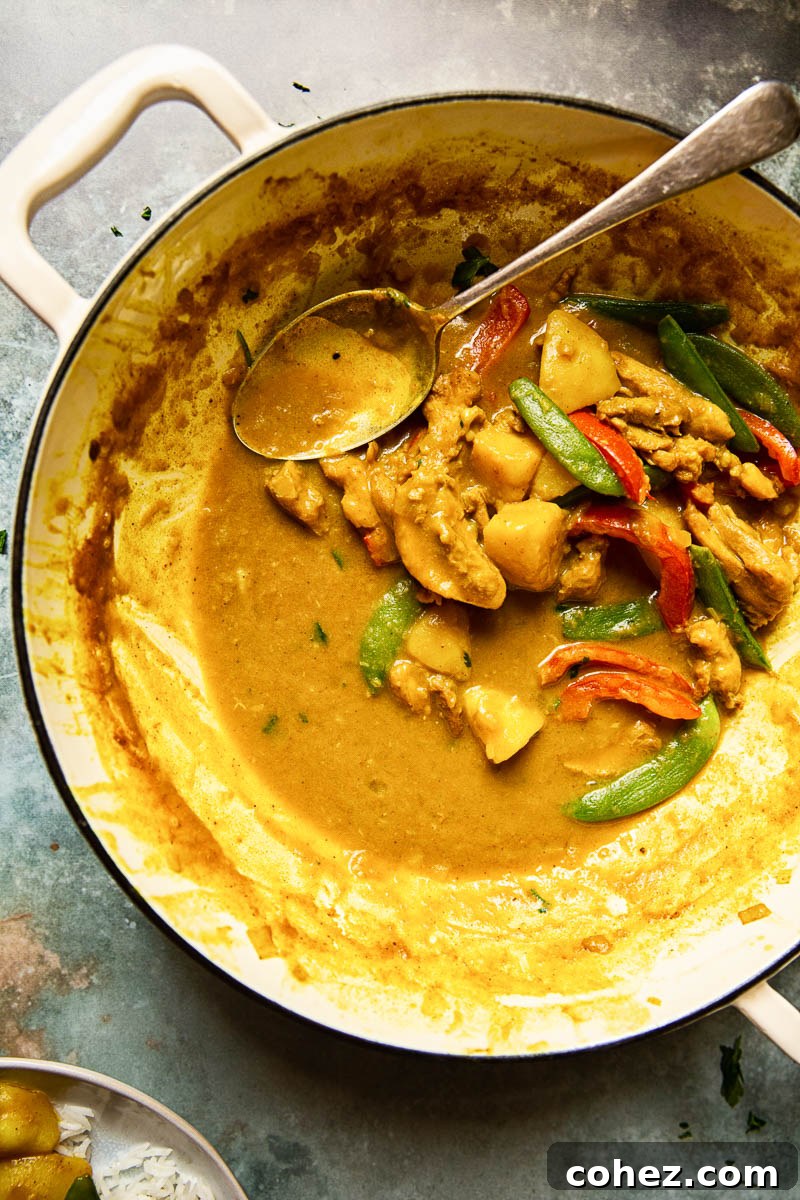
Curries are wonderful vehicles for a wide array of vegetables, and Chinese chicken curry is no exception. Traditionally, green peppers and potatoes are common additions, alongside other regional vegetables. In many British takeaway versions, you’ll almost always find the bright pop of green peas, adding a touch of sweetness and color.
For this recipe, beyond the foundational aromatics of onions, garlic, and ginger, I’ve chosen red bell peppers for their vibrant color and mild sweetness, sugar snap peas for their delightful crunch and fresh flavor, and potatoes for their satisfying sustenance and ability to absorb the rich curry sauce. The beauty of curry, however, lies in its adaptability. Feel free to “freestyle” with whatever fresh vegetables you have on hand or prefer. Carrots, broccoli florets, mushrooms, bamboo shoots, or even bok choy would all make excellent additions, allowing you to customize the dish to your taste and fridge contents. Just be mindful of cooking times for different vegetables; harder vegetables like carrots should be added earlier with the potatoes, while softer ones like spinach or mushrooms can go in towards the end.
Recipe Tips and Notes for a Perfect Curry
- Potato Prep: Avoid cutting your potatoes too small, as they can easily disintegrate during cooking. Waxy potato varieties, such as Charlotte or red potatoes, are ideal as they are more likely to hold their shape, contributing to a better texture. If you only have floury potatoes (like Maris Piper or Russet), don’t fret; they will still work and can even help naturally thicken the sauce as they break down slightly, which some might prefer for a richer consistency.
- Protein Flexibility: Both skinless, boneless chicken thighs and breasts are suitable for this recipe. My personal preference leans towards thighs due to their lower cost and the added depth of flavor they bring to the dish.
- Seafood Alternative: For a delightful variation, consider using fish or shrimp instead of chicken to create a fantastic Chinese-style seafood curry. Adjust cooking times accordingly, as seafood cooks much faster than chicken.
- Garlic Care: When sautéing the garlic, be extremely careful not to burn it. Burnt garlic can impart a bitter, unpleasant taste that can permeate and spoil the entire dish. Add it towards the end of the aromatic sauté, and cook for only a few seconds until fragrant.
- Spice Adjustment: The quantity of curry powder and Chinese 5-spice powder can be adjusted to your personal taste. If you prefer a milder curry, start with slightly less and add more if needed. For a bolder flavor, feel free to increase the amounts.
- Sauce Consistency: If your curry sauce turns out too thin for your liking, you can always mix a little extra corn starch with cold water to create a slurry and stir it into the simmering curry until it reaches your desired thickness.
Serving Suggestions
A classic Chinese chicken curry is undeniably delicious when served simply over a bed of plain steamed rice. The fluffy rice perfectly soaks up the savory, aromatic sauce, creating a comforting and complete meal. However, if you’re a noodle enthusiast, don’t hesitate to serve it alongside your favorite stir-fried or boiled noodles – it’s equally delightful!
Personally, I believe the accompaniment deserves a little extra attention, as it’s such a significant part of the overall meal experience. My absolute favorite pairing with this Chinese chicken curry is aromatic coconut rice. It’s incredibly easy to make, whether in an Instant Pot or a dedicated rice cooker, and its subtle sweetness and fragrant notes beautifully complement the savory curry, elevating the entire dish. For an added touch, garnish your curry with a sprinkle of fresh chopped cilantro and sliced green onions, which provide a burst of freshness and color.
Storage and Leftovers: A Meal Prep Champion
One of the fantastic advantages of this Chinese chicken curry is how well it stores and reheats, making it an excellent candidate for meal prepping. This curry can be frozen beautifully, retaining its rich flavors and tender textures after thawing. It’s incredibly easy to double the recipe, allowing you to enjoy one portion now and freeze the other half for those truly hectic evenings when the thought of cooking is just too much. Having a delicious, homemade, healthy meal ready to go in the freezer is a true lifesaver.
To reheat, simply warm it up in a microwave until heated through, or gently simmer it on the stovetop over medium-high heat. If the sauce appears a bit too thick after reheating, don’t hesitate to add a splash of water or chicken stock to achieve your preferred consistency. Stored in an airtight container, this curry will keep well in the refrigerator for up to 3-4 days, and in the freezer for up to 3 months.
More Curry Recipes to Try
If you’ve enjoyed this Chinese chicken curry, you might love exploring other curry styles:
- Butter Chicken Curry
- Thai Red Curry with Shrimp and Snow Peas
- Chickpea and Butternut Squash Curry
- Chicken Katsu Curry
Chinese Chicken Curry
Cook: 25 mins
Total: 35 mins
Servings: 4
This Chinese chicken curry recipe is quicker to make than to dial your takeout restaurant! It’s also a lot healthier and more filling!
Equipment
- Mixing bowls
- Wok or deep frying pan
Ingredients
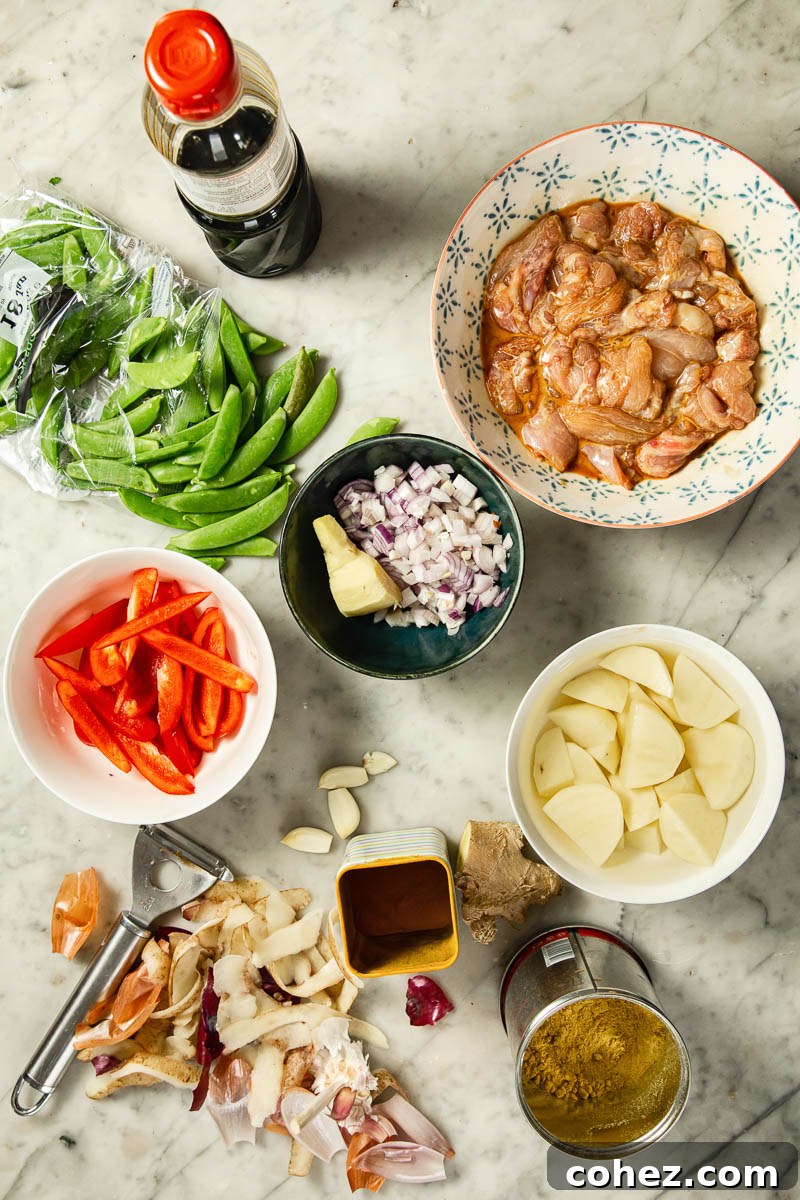
- 4 skinless, boneless chicken thighs, cut into bite-sized pieces
- 1 tsp soy sauce
- 2 tsp corn starch
- 1 tbsp vegetable oil
- 1 onion, chopped
- 1 tbsp grated ginger
- 2-3 cloves garlic, minced
- 1 tbsp curry powder
- 1 tsp turmeric
- 1/2 tsp Chinese 5 spice powder
- 400ml / 1½ cup chicken stock
- 2 medium potatoes, peeled and cut into 1-inch cubes
- 1 red pepper, sliced
- 150g / 1 cup sugar snap peas
- Salt to taste
- Chopped cilantro/coriander and green onions for serving
Instructions
- In a medium bowl, combine the soy sauce with corn starch. Add the chicken pieces and toss to coat, then set aside to marinate.
- Prepare all your vegetables by chopping the onion, peeling and grating the ginger, peeling and cubing the potatoes, and mincing the garlic.
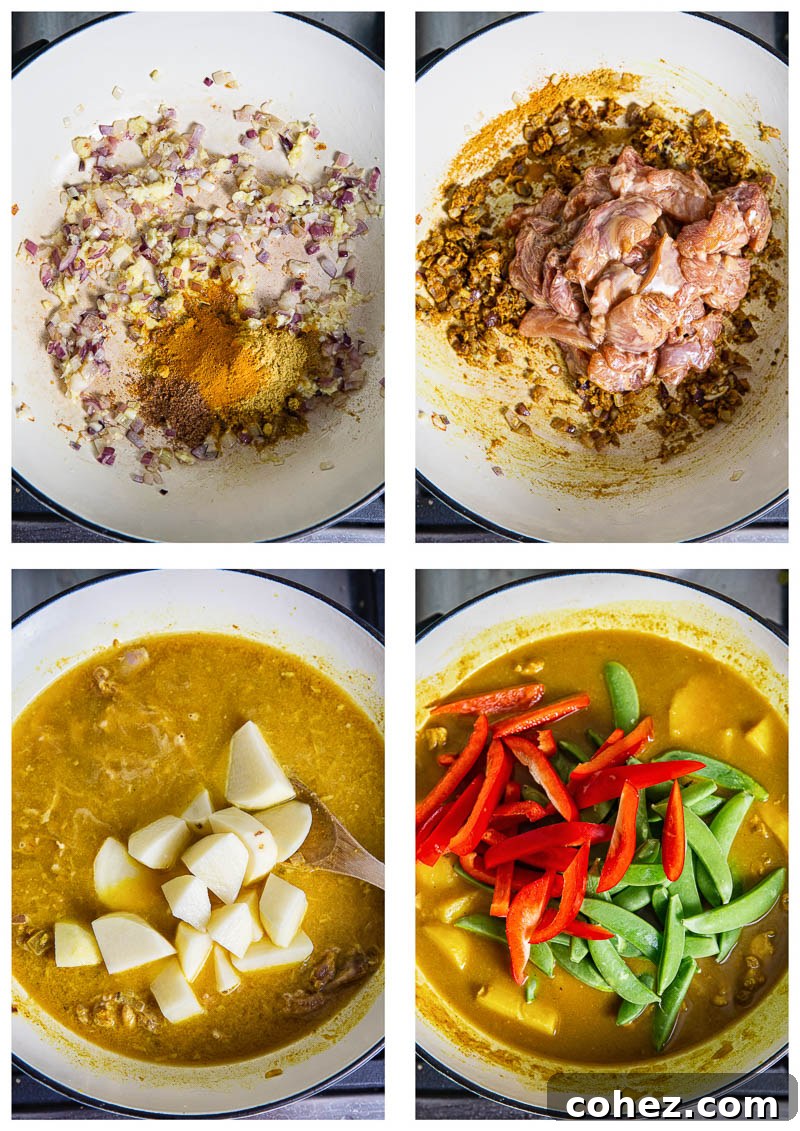
- Heat 1 tablespoon of vegetable oil in a deep frying pan or a wok over medium heat. Add the chopped onions and ginger and cook for about 5 minutes until softened. Then add the minced garlic and cook for a further few seconds, being careful not to burn it.
- Stir in the curry powder, turmeric, and Chinese 5-spice powder. Mix briefly until fragrant, about 30 seconds. Add the marinated chicken to the pan and cook for a few minutes, stirring occasionally, until the chicken is sealed and lightly browned on all sides but not fully cooked through.
- Pour in the chicken stock and deglaze the pan by scraping up any browned bits stuck to the bottom with a wooden spatula – these bits add tremendous flavor. Add the cubed potatoes, bring the mixture to a boil, then reduce the heat to a simmer. Let it cook uncovered for 15 minutes, allowing the flavors to meld and the potatoes to soften.
- Finally, add the sliced red pepper and sugar snap peas to the curry. Continue to cook for another 5 minutes, or until the vegetables are tender-crisp and the sauce has thickened slightly. Taste and adjust seasoning with salt if necessary.
- Serve hot over steamed white or brown rice, garnished generously with fresh chopped cilantro and green onions.
Notes
- If potatoes are cut too small, they may fall apart during cooking. Waxy potatoes are preferred for holding their shape.
- Skinless, boneless chicken breasts can be used instead of thighs, but thighs often provide more flavor and are more economical.
Nutrition
Nutrition information is automatically calculated, so should only be used as an approximation.
Calories: 325kcal | Carbohydrates: 30g | Protein: 29g | Fat: 9g | Saturated Fat: 4g | Cholesterol: 110mg | Sodium: 343mg | Potassium: 1037mg | Fiber: 5g | Sugar: 5g | Vitamin A: 1380IU | Vitamin C: 75.2mg | Calcium: 81mg | Iron: 6.4mg