
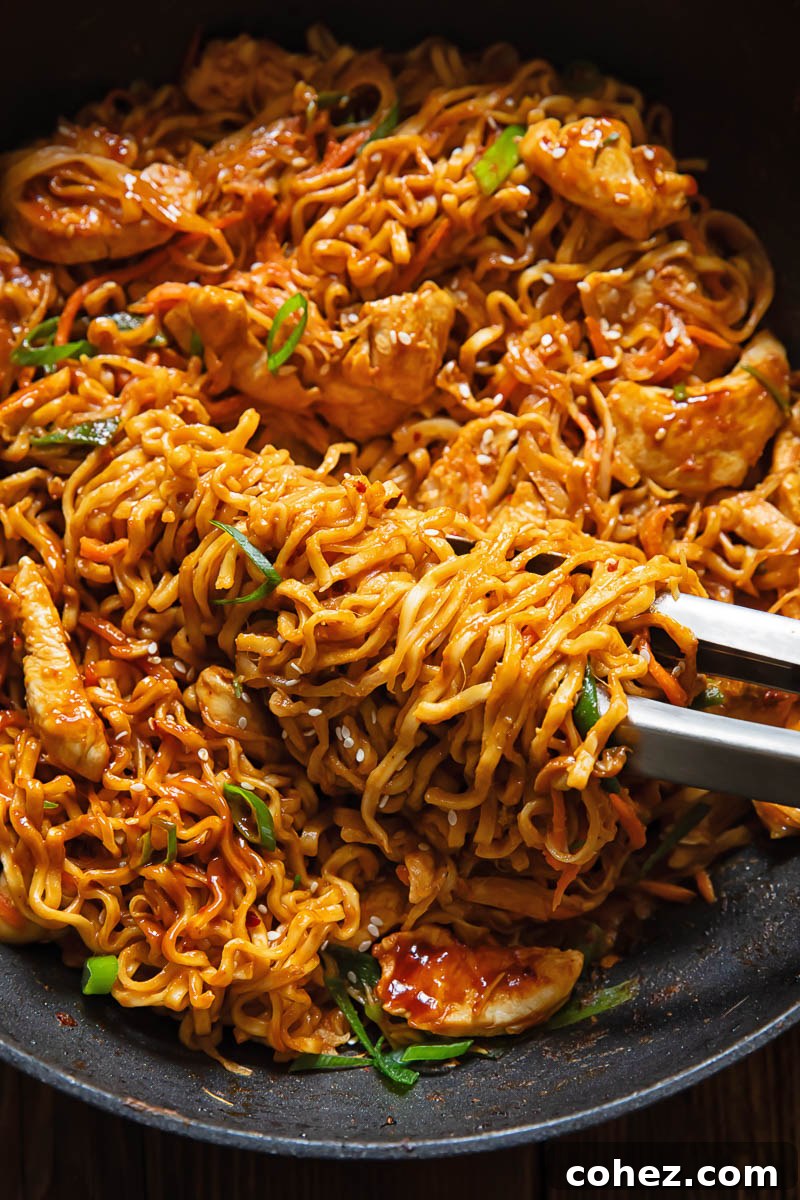
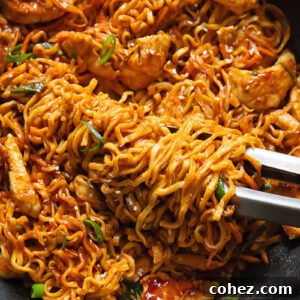
Who’s afraid of the big bad wok? Stir-fry anxiety is a common concern for many home cooks, but don’t let it stand between you and a bowl of these sensational peanut chilli noodles! This guide will take you through a deliciously saucy peanut chilli noodles with chicken recipe, step-by-step, proving that thoughtful preparation is the secret weapon to mastering Asian cooking. Stick with us, and you’ll soon be stir-frying like a pro!
For those who need a nut-free option, our Chicken Yaki Udon recipe offers another fantastic noodle and vegetable one-pan meal, ready in under 20 minutes, and completely free of nuts. But for everyone else, prepare to embrace the rich, savory, and slightly spicy world of peanut chicken noodles.
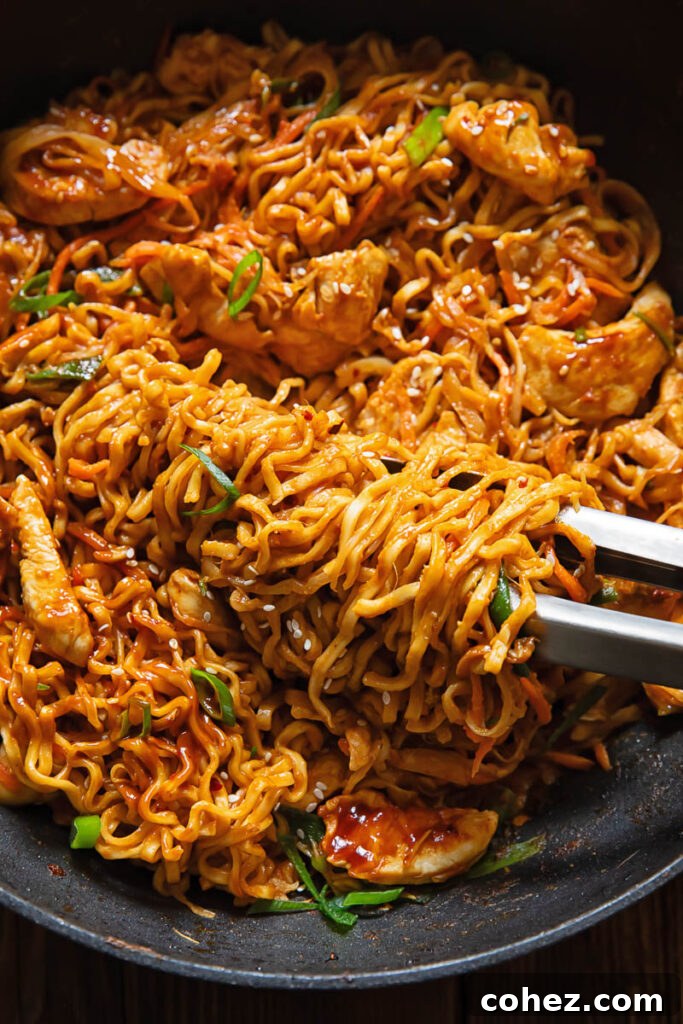
Conquering Stir-Fry Anxiety: The Path to Perfect Noodles
It came as a surprise to discover a significant number of home cooks who consistently skip past stir-fry recipes. Are you among them? As a passionate recipe developer and long-time stir-fry enthusiast (with over 25 unique recipes on this blog), this was a revelation. It meant that many Vikalinka readers might be missing out on some of the most nutritious, quick-to-prepare, kid-approved, and budget-friendly meals available! We needed to understand why this apprehension existed and how to overcome it.
After a closer look and some informal investigation, several common “wok-blockers” emerged as key reasons for this widespread stir-fry hesitation:
- The cooking method feels stressful and intensely fast-paced.
- Confusion over the multitude of Asian sauces, often feeling like you never have the right ones.
- Noodles frequently turn out soggy or overcooked.
- The belief that you absolutely need a specialized wok.
- Concerns about excessive smoke in the kitchen.
The excellent news? Every single one of these issues can be easily resolved with a little bit of foresight and strategic planning. Let’s break down how to tackle each one, transforming your stir-fry experience from daunting to delightful!
Solving Common Stir-Fry Challenges
- Mastering the Pace: Preparation is Paramount. The perception of stir-frying as a high-speed, demanding cooking method often stems from inadequate preparation. The key is to embrace “mise en place” – everything in its place. Before you even think about turning on the heat, ensure all your vegetables are peeled, chopped, and minced; your protein is cut; and your sauces are mixed. Line up your ingredients in the order they’ll enter the wok. This simple step eliminates the need to rush, allowing you to move at a comfortable, controlled pace. You’ll be amazed at how relaxed stir-frying becomes when you’re not frantically chopping while oil splatters!
- Demystifying Asian Sauces: Building Your Pantry. The world of Asian condiments can indeed seem vast, but many recipes rely on a core set of staples. While a specific dish might call for one unique ingredient, building a foundational pantry with essentials like soy sauce (light and dark), sesame oil, rice vinegar, hoisin sauce, and chili garlic sauce will open up countless possibilities. These bottles last a remarkably long time, making them a worthwhile investment. Plan your shopping list carefully, and soon you’ll have all the right sauces at your fingertips. For this peanut chilli noodle recipe, we focus on a harmonious blend that’s both accessible and authentic in flavor profile.
- Preventing Soggy Noodles: The Cold Water Rinse. A common pitfall for many stir-fry enthusiasts is ending up with a sticky, clumpy, or soggy noodle dish. The secret to perfectly al dente, individual strands lies in a simple, often-skipped step: rinsing your cooked noodles under cold water immediately after draining. This crucial rinse halts the cooking process, washes away excess starch that causes stickiness, and prevents them from overcooking when they hit the hot wok. Don’t skip the rinse – it’s a game-changer!
- Wok Alternatives: You Don’t Need a Fancy Wok. While a traditional wok is fantastic for stir-frying due to its unique shape and heat distribution, it’s certainly not a prerequisite. If you don’t own one, a heavy-based frying pan, a large cast-iron skillet, or even a deep sauté pan will work wonderfully. The most important factor is that your pan can get very hot and retain that heat, allowing for proper searing and quick cooking. Don’t let the absence of a wok deter you from enjoying delicious homemade stir-fries.
- Minimizing Smoke: Choosing the Right Oil. Stir-frying inherently involves high heat, which can sometimes lead to smoke. However, selecting the appropriate cooking oil can significantly reduce this issue. Olive oil and butter, with their low smoke points, are not suitable for high-heat cooking. Instead, opt for neutral-tasting vegetable oils such as canola, sunflower, or grapeseed oil. Peanut oil and coconut oil are also excellent choices, known for their higher smoke points and ability to impart subtle, complementary flavors without overpowering the dish.
Now that we’ve addressed these common obstacles and armed you with practical solutions, let’s dive into the exciting world of wok cooking!
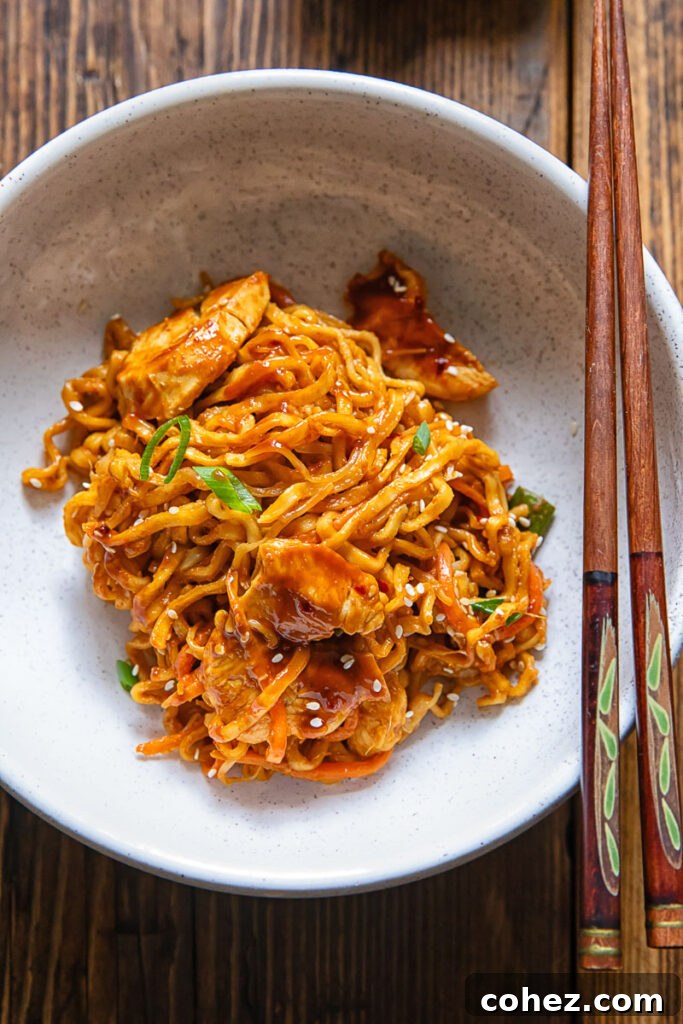
Delicious Peanut Butter Noodles with Chicken
The combination of peanuts and chicken is a beloved and iconic flavor pairing celebrated across various Asian cuisines. This rich culinary tradition can be seen in dishes such as Indonesian chicken satay with its easy peanut sauce, the comforting flavors of Thai yellow chicken curry or refreshing Thai grilled chicken salad, and the savory delight of Chinese spicy peanut butter chicken. While our specific recipe for peanut chilli noodles with chicken isn’t tied to one particular region, it respectfully draws inspiration from these diverse Eastern culinary traditions, creating a fusion that’s both familiar and exciting.
Beyond their incredible taste, peanut and chicken recipes offer a powerful double punch of protein, making these chicken peanut noodles a wonderfully filling, nutritious, and wholesome dinner option. This combination is truly a match made in culinary heaven; the earthy, rich, and savory notes of peanuts beautifully complement and enhance the natural sweetness and succulence of juicy chicken. The contrasting textures and balanced flavors create a deeply satisfying meal that’s hard to resist.
While some recipes might feature whole peanuts for an added textural crunch, this particular dish embraces the simplicity and creaminess of store-bought, smooth peanut butter. When selecting your peanut butter, aim for varieties that are as natural as possible – ideally, those with no added salt, no added sugar, and no added oils, consisting solely of 100% ground nuts. This type of peanut butter most closely mimics the consistency and pure peanut flavor found in traditional Asian dishes, providing the authentic base for our rich sauce.
And, as if you needed any more encouragement, this Asian noodle dish is an absolutely failsafe choice for a busy weeknight meal. It ticks all the boxes: bite-sized, boneless chicken breast that’s easy to eat, a familiar and creamy peanut butter sauce that kids often adore, and fun, twirly noodles that make dinner exciting. It’s a triple threat of deliciousness and convenience! For families with varying spice tolerances, simply hold back on the chili flakes during cooking and offer them as an optional sprinkle on individual portions, allowing everyone to customize their level of heat.
Important Recipe Tips and Notes
- Preparation is Golden: Reiterate the first point from our “Solving Common Stir-Fry Challenges” section – have all your ingredients prepped and ready before you fire up the heat. This is the ultimate rule for a stress-free and successful stir-fry!
- Cabbage Versatility: Chinese cabbage (Napa cabbage) is traditionally ideal for stir-fries due to its tender texture and ability to absorb flavors. However, feel free to use other firm cabbages like sweetheart cabbage or even green cabbage, just make sure to slice it extra thinly for quick cooking and a pleasant texture.
- Protein Power: We’ve used readily available chicken breast for this recipe, offering a lean and versatile protein. However, this dish is incredibly adaptable! Feel free to be adventurous and switch it up with succulent shrimp, firm tofu (pressed and cubed for best results), or thinly sliced strips of pork or beef. Adjust cooking times as needed for your chosen protein.
What to Serve with Peanut Chilli Noodles
These chicken peanut butter noodles are a wonderfully complete meal all on their own, offering a balanced combination of essential nutrients: rich protein from both chicken and peanuts, an abundance of fresh plants like crunchy carrots, tender cabbage, and vibrant green onions, and satisfying carbohydrates from the egg noodles, all coated in a lusciously savory, irresistible sauce. It’s a symphony of flavors and textures in one bowl, making it a perfect stand-alone dinner.
However, if you’re looking to elevate this two-serving recipe into a more elaborate feast or a full-scale banquet, it pairs beautifully with a variety of delectable starters and sides. Here are some hard-to-resist suggestions that will perfectly complement the rich flavors of your peanut noodles:
- 10-Minute Honey Garlic Shrimp: A quick and flavorful appetizer that adds another layer of deliciousness and seafood variety to your meal. The sweet and savory notes will harmonize perfectly.
- Miso Noodles with Tenderstem Broccoli: For an extra green boost and a different noodle texture, these miso noodles offer an umami-rich counterpoint.
- Chicken and Sweetcorn Soup: A classic, comforting Asian soup that provides a light yet satisfying start to your meal, warming the palate without being too heavy.
- Crab Fried Rice: If you’re hosting a larger gathering or simply craving more indulgence, a side of flavorful crab fried rice adds luxury and substance to your spread.
Storage and Reheating Tips for Leftovers
Leftover peanut butter Asian noodles can be conveniently stored in an airtight container in the refrigerator for up to 2-3 days. This makes them an excellent option for meal prepping or enjoying a quick and delicious lunch the next day.
When you’re ready to reheat, the best method is to gently warm them in a wok or a large frying pan over medium heat. To prevent the noodles from drying out or sticking together, add a splash of sesame oil and a small amount of warm water (about 1-2 tablespoons) to help loosen the sauce and bring the dish back to its original luscious consistency. Stir gently until heated through, ensuring all components are evenly warmed without overcooking the noodles. This simple technique ensures your leftovers are just as delicious as the freshly made dish!
More Asian-Inspired Recipes to Try
If you loved these peanut chilli noodles, explore more delightful Asian-inspired dishes from our collection:
- Shrimp Pad Thai: A classic Thai noodle dish with a perfect balance of sweet, sour, and savory.
- Singapore Noodles: Vibrant curried vermicelli noodles, often with shrimp and BBQ pork.
- Chow Fun Noodles with Beef: Broad, flat rice noodles stir-fried with tender beef and crisp vegetables.
- Thai Coconut Chicken Noodle Soup: A comforting and aromatic soup bursting with rich coconut and savory chicken.
Peanut Chilli Noodles with Chicken
Julia Frey of Vikalinka
20
20
40
2 people
Equipment
-
Wok (or large heavy-based frying pan)
Ingredients
- 2 chicken breasts, cut into bite-sized pieces
- 1/2 tsp salt
- 2 tbsp vegetable oil (or other high smoke point neutral oil)
- 125g / 4 oz medium egg noodles, (like chow mein noodles)
- 1 tbsp ginger, freshly grated
- 4 cloves garlic, grated or crushed
- 1/4 head cabbage, sliced thinly (approximately 1.5 cups)
- 1 large carrot, julienned or thinly sliced
- 3 green onions, cut into 2-inch pieces (plus 1 extra for serving garnish)
- 1 tbsp sesame seeds (for garnish)
For the Sauce
- 2 tbsp smooth peanut butter, heaped (natural, no-sugar-added variety recommended)
- 3 tbsp hot water
- 1 tbsp sesame oil
- 2 tbsp dark soy sauce (for color and depth of flavor)
- 2 tbsp hoisin sauce
- 1 tbsp rice vinegar, or apple cider vinegar
- 1 tsp dried chilli flakes (adjust to your spice preference)
Instructions
-
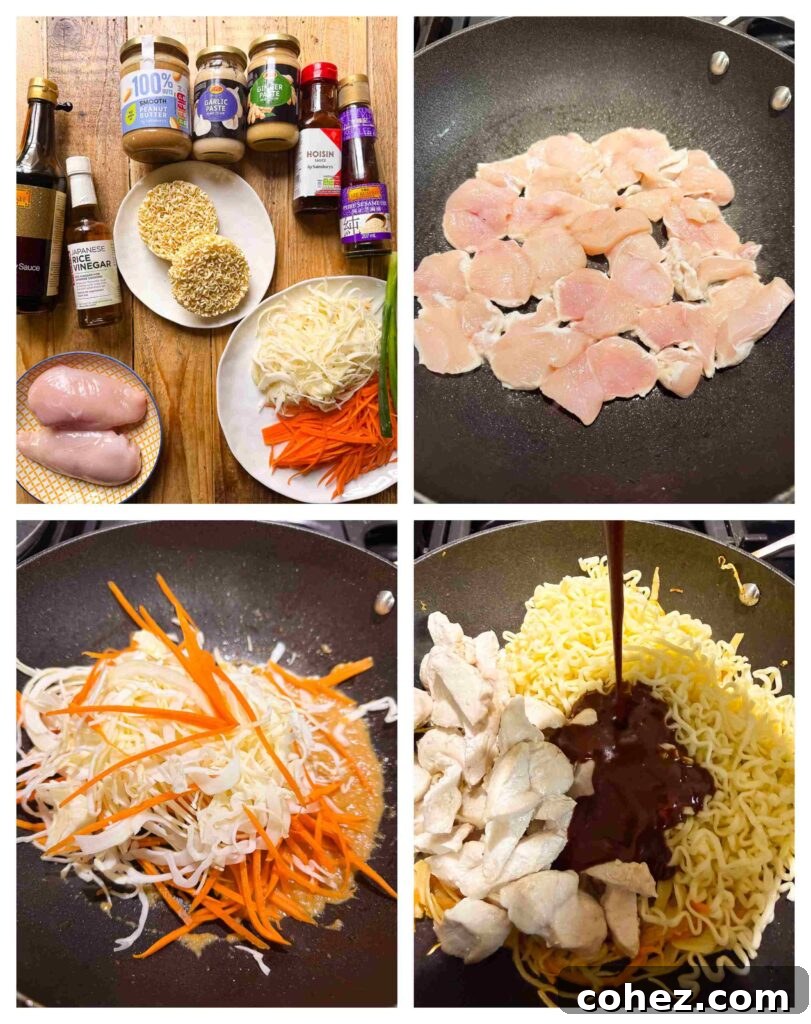
Cook the egg noodles according to the package instructions until al dente. Once cooked, drain them thoroughly and immediately rinse under cold running water. This stops the cooking process and prevents sticking. Set aside.
-
While the noodles are cooking, prepare your sauce. In a medium bowl, combine the smooth peanut butter, hot water, sesame oil, dark soy sauce, hoisin sauce, rice vinegar, and dried chilli flakes. Whisk everything together until the sauce is smooth and well combined. Set this deliciously aromatic sauce aside.
-
Heat 1 tablespoon of vegetable oil in your wok or large frying pan over high heat until shimmering. Add the bite-sized chicken pieces, seasoned with salt. Stir-fry constantly for 5-7 minutes, or until the chicken is fully cooked through and lightly browned. Remove the cooked chicken from the pan and transfer it to a separate plate. Set aside for later.
-
Add the remaining 1 tablespoon of vegetable oil to the hot wok. Immediately add the grated ginger and minced garlic, stir-frying for just a few seconds until fragrant (be careful not to burn the garlic). Next, add the julienned carrots and thinly sliced cabbage. Stir-fry over high heat for approximately 5 minutes, or until the vegetables are slightly softened and have a slight char but still retain a pleasant crunch.
-
Return the cooked chicken to the wok along with the prepared noodles and the 2-inch pieces of green onion. Pour the peanut sauce evenly over all the ingredients. Toss everything vigorously to combine, ensuring the noodles, chicken, and vegetables are thoroughly coated in the rich, savory sauce. Serve immediately, garnished with sesame seeds and extra freshly sliced green onions. For those who enjoy more heat, offer Chinese chilli oil on the side. Enjoy your homemade, perfectly prepared peanut chilli noodles!
Nutrition Information (Approximate Per Serving)
Carbohydrates: 71g |
Protein: 66g |
Fat: 27g |
Saturated Fat: 5g |
Polyunsaturated Fat: 8g |
Monounsaturated Fat: 10g |
Trans Fat: 0.1g |
Cholesterol: 198mg |
Sodium: 2254mg |
Potassium: 1539mg |
Fiber: 9g |
Sugar: 14g |
Vitamin A: 5791IU |
Vitamin C: 51mg |
Calcium: 173mg |
Iron: 5mg
Nutrition information is automatically calculated, so should only be used as an approximation.
Tried this recipe?
Let us know how it was!