
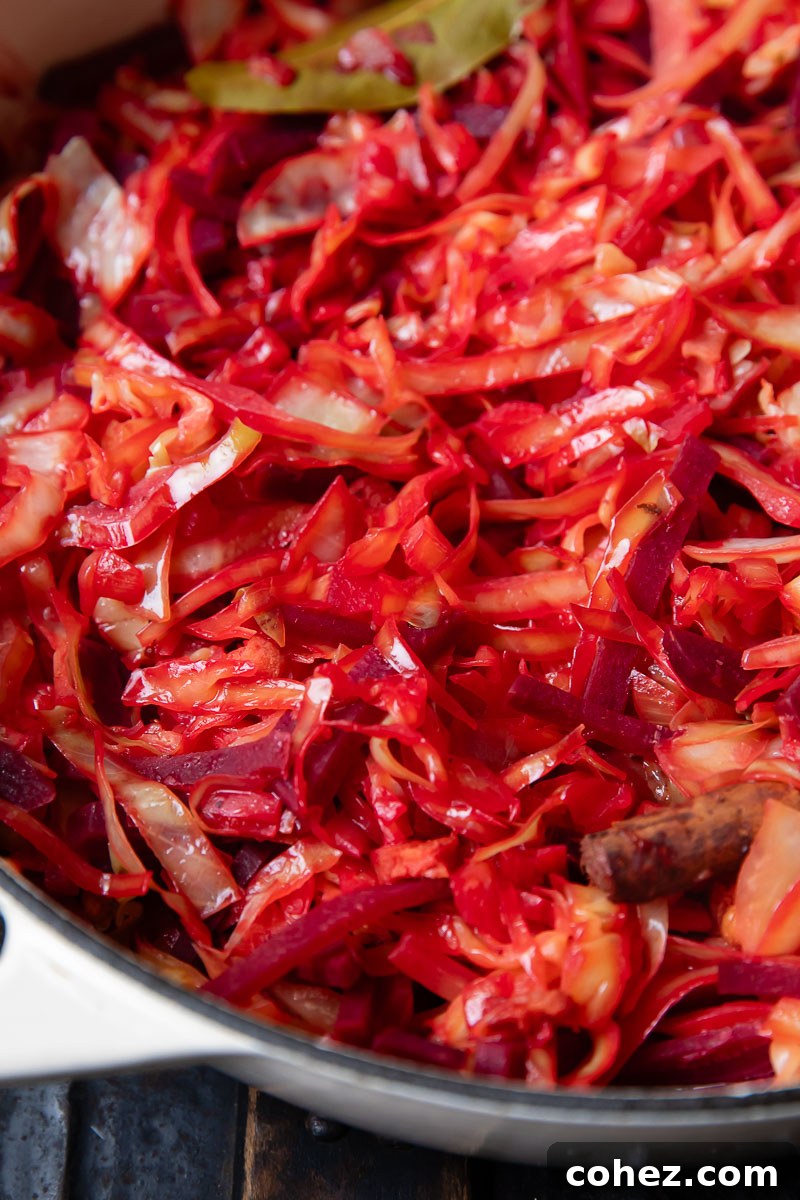
Braised Cabbage and Beets with Smoky Bacon: A Festive & Flavorful Side Dish
Forget your average weeknight side dish – this recipe for Braised Cabbage and Beets with Bacon transforms humble ingredients into a show-stopping culinary experience. Combining the often-underestimated white cabbage with vibrant, earthy beets, this dish offers a stunning riot of color on your plate. Infused with warming, festive notes of cinnamon and nutmeg, it subtly hints at cozy gatherings, while a savory whisper of smoky bacon anchors it firmly in the tradition of a comforting Sunday roast. What truly sets this recipe apart is its low-prep nature and hands-off cooking, making it a perfect addition to your winter meal rotation and an absolute favorite when you need something delicious without the fuss.
Wondering what to serve this magnificent side with? While incredibly versatile, this braised cabbage and beet dish truly shines alongside poultry. If you’re looking for a delightful main that’s both impressive and a real time-saver, consider a spatchcock roast chicken. It cooks faster and more evenly than a traditional whole bird, leaving you more time to enjoy the delightful aromas filling your kitchen. For those who prefer a classic, a perfectly seasoned roast bird, perhaps infused with rosemary and thyme, would also be an excellent companion, creating a truly memorable meal.
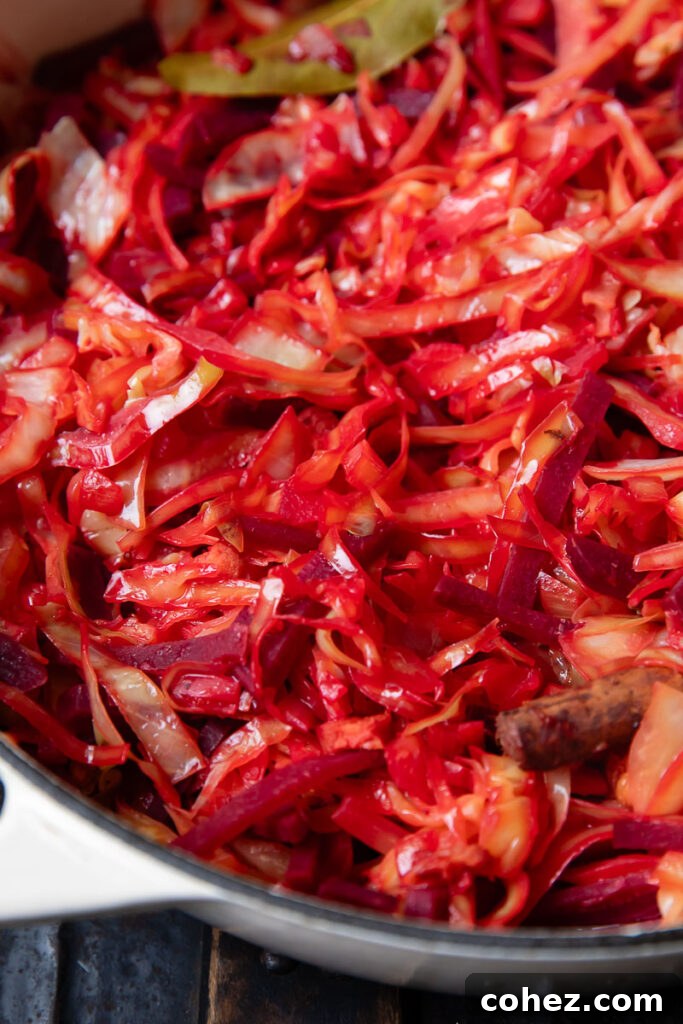
Why Cabbage Deserves a Spot on Your Plate: Beyond the Braise
Cabbage holds a special place in my culinary heart, undoubtedly influenced by my European heritage. This often-overlooked cruciferous vegetable is nothing short of a wonder, and once you discover its myriad benefits and incredible versatility, you’ll wonder how you ever lived without it. Let me share why I believe this humble brassica deserves a prime spot in your kitchen.
Economical Excellence
First and foremost, cabbage is incredibly economical. A single head of cabbage can cost a mere fraction of other common vegetables like broccoli, corn on the cob, or zucchini. Compared to more exotic options like aubergine or leeks, it’s a clear winner for budget-conscious cooking. What’s more, one large head of cabbage yields a surprisingly generous amount, making it a fantastic choice for feeding families or preparing meals that stretch over several days. Its long shelf-life also means less food waste, adding to its cost-effectiveness.
A Nutritional Powerhouse
Beyond its affordability, cabbage is a true nutritional powerhouse. It’s an excellent source of Vitamin C, a vital antioxidant that supports immune health, and also provides a good amount of Vitamin K, essential for blood clotting and bone health. You’ll also find a healthy dose of fiber, which aids digestion, and various other vitamins and minerals. The key to preserving its nutritional value is to avoid over-boiling, which can leach out water-soluble vitamins. Instead, embrace cooking methods like braising, roasting, or stir-frying, which help lock in those precious nutrients and enhance its natural flavors.
Unmatched Culinary Versatility
Perhaps the most compelling reason to celebrate cabbage is its extraordinary versatility. Across Europe, where it has been a staple for centuries, cabbage is enjoyed in countless ways: hot or cold, as a vibrant side dish, or as the star of a hearty main course. Its mild flavor readily absorbs other ingredients, allowing it to adapt to a wide array of cuisines and flavor profiles. To get you started on your cabbage journey, here’s a sample of its diverse applications:
- Hot & Flavorful: Miso Butter Roasted Cabbage Wedges – Since discovering this recipe, it has become a constant in my kitchen. Roasting cabbage brings out its inherent sweetness and tenderness, and when combined with savory miso butter, it transforms into an irresistible dish that even the most skeptical eaters will adore. It’s a fantastic way to introduce cabbage to your family. For an extra kick, try roasting cabbage wedges with gochujang for a spicy, umami-rich experience, often topped with crunchy breadcrumbs for texture.
- Cool & Crispy: Classic Coleslaw Recipe – This vibrant salad typically showcases both red and white cabbage, offering a beautiful contrast in color and texture. Once you experience the freshness and crunch of homemade coleslaw, you’ll never opt for a store-bought version again. It’s not only cheaper and fresher but also allows you to control the dressing to your exact preference.
- A Refreshing Side: Winter Salad with Cabbage, Kale and Pomegranate – This hearty salad is a testament to cabbage’s ability to anchor a fresh dish. With kale, a dark-leafed cousin to cabbage, and the jewel-like sweetness of pomegranate seeds, it’s a double win for nutrition and flavor, providing a burst of freshness during colder months.
- Hearty Main: Cabbage Rolls (Golubtsi) – For a truly authentic and satisfying meal, look no further than Russian Golubtsi. This meal-in-one dish features bright green, lacy Savoy cabbage leaves delicately wrapped around a savory filling of ground meat and rice, all slow-cooked in a rich tomato sauce. It’s a traditional comfort food, often hailed as a delicious remedy for anything from a common cold to a craving for home-cooked warmth.
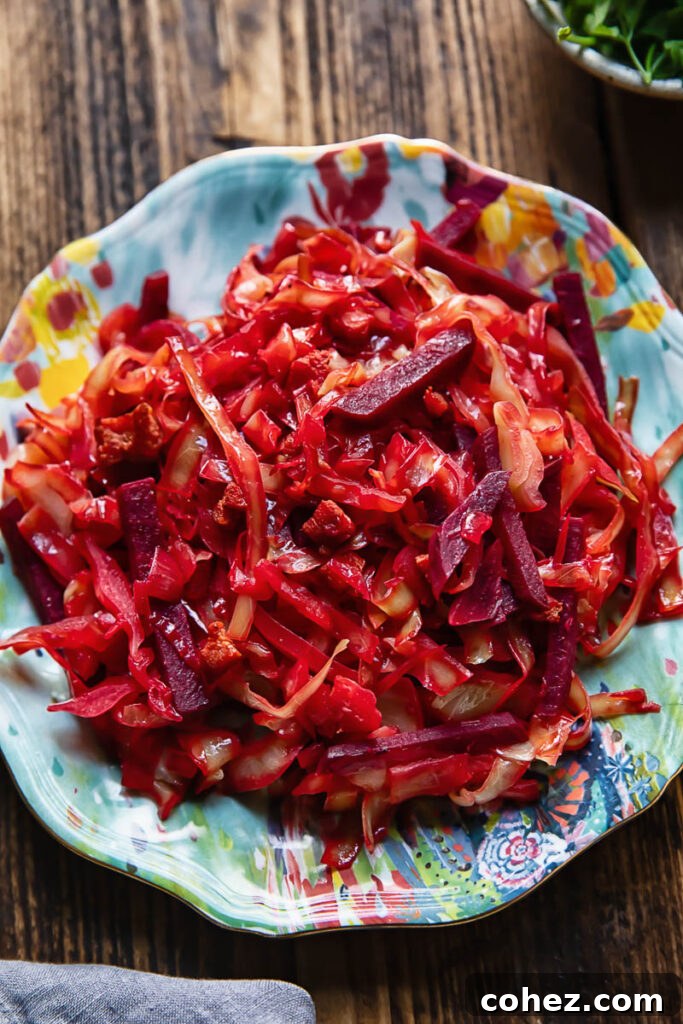
Recipe Essentials: Tips for Braising Success
Achieving the perfect braised cabbage and beets is all about technique and a few key considerations. Follow these tips to ensure your dish is as flavorful and tender as possible:
- Uniform Slicing is Key: To ensure even cooking and a consistent texture, aim for thinly sliced cabbage and beets cut into small matchsticks. Cabbage cooks relatively quickly, but beets are denser and require a bit more time. Cutting them to a similar, smaller size helps them become tender at roughly the same pace, preventing some vegetables from being overcooked while others are still firm.
- Layered Flavor from Bacon: The foundation of this dish’s rich flavor comes from rendering bacon lardons. Sauté them over medium heat until they are beautifully crispy and their fat has rendered into the pan. This smoky, salty oil will infuse every element of the dish as it braises, creating a depth of flavor that’s simply unparalleled. Don’t skip this crucial step!
- Festive Spices for Warmth: The addition of cinnamon, nutmeg, and bay leaves elevates this side dish, giving it a comforting, festive character. These spices are traditionally associated with winter dishes and roasts, and their warm, aromatic notes perfectly complement the earthy sweetness of the beets and the slight bitterness of the cabbage.
- Fresh Bay Leaves Make a Difference: While dried bay leaves are an acceptable substitute, using fresh bay leaves truly makes a noticeable difference in the fragrance and flavor of your braise. Bay trees and bushes grow abundantly in many regions, including the UK, often found in gardens or even in the wild. If you can identify them safely, two freshly pruned leaves will impart a much more vibrant and complex aroma. Otherwise, fresh bay leaves are increasingly available in supermarkets.
- Embrace Natural Sweetness: Some braised cabbage recipes call for added sugar. However, beets are naturally sweet, and when braised, their sugars concentrate and caramelize beautifully. I strongly recommend relying on the beets’ inherent sweetness, which provides a more wholesome and nuanced flavor profile. You can always taste and adjust at the end, adding a tiny pinch of sugar if you absolutely feel it’s necessary, but often, it’s not needed.
- Mindful Monitoring: Braising is a relatively hands-off method, but it’s important to check on your cabbage and beets every 15 minutes or so. Give them a gentle stir to ensure they’re not sticking to the bottom of the pan and to promote even cooking. This prevents any burning and ensures all the vegetables are bathing in the flavorful liquid.
- Cook to Your Desired Tenderness: The cooking time for braised cabbage and beets can vary between 40 minutes to an hour. This largely depends on how thinly you sliced your vegetables and your personal preference for texture. Some prefer their vegetables with a slight bite, while others enjoy them melt-in-your-mouth tender. Start checking around the 40-minute mark and continue cooking until they reach your desired level of softness.
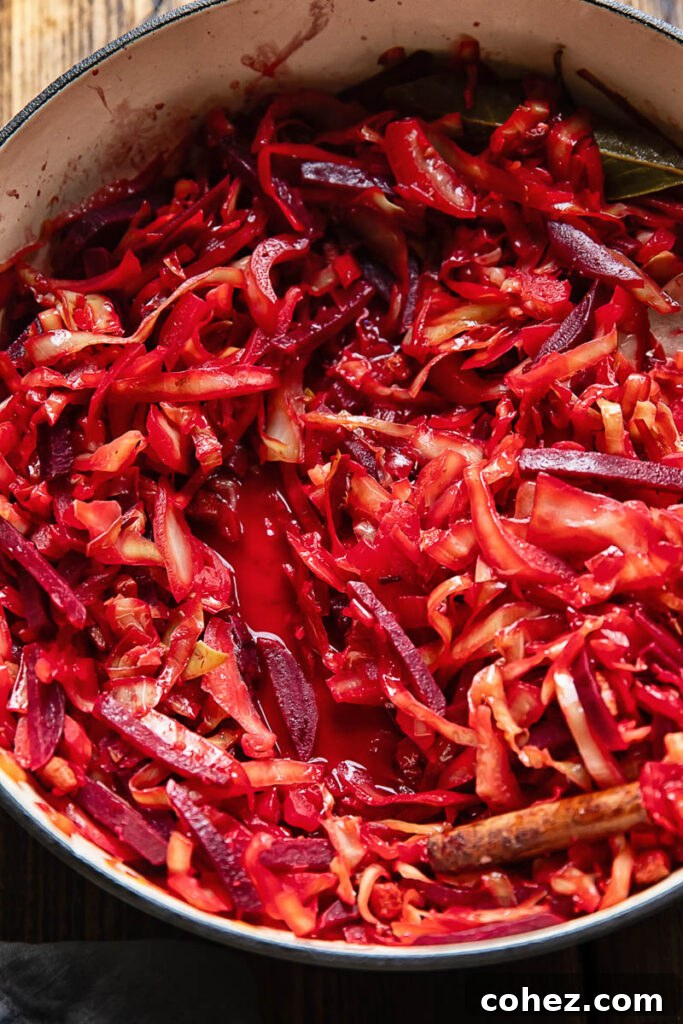
Perfect Pairings for Your Sunday Roast
While I’m deliberately avoiding mentioning certain holidays (it’s certainly too early!), this vegetable side dish is an undeniably roast-worthy companion that exudes wintry charm. The aromatic notes of nutmeg, cinnamon, and bay set a cozy, inviting tone for any table, contributing layers of earthy roots and natural sweetness to your meal. Imagine the rich, deep colors and comforting aromas gracing your dinner spread.
Here’s what my ideal seasonal Sunday roast, featuring this braised cabbage and beets, would look like – balancing indulgence with effortless preparation:
- Slow Cooker Roast Beef – If I’m embracing the ease of a simple braised cabbage and beets, I’m certainly not going to slave over a roast beef. My trusty slow cooker handles the hard work, ensuring tender, flavorful beef with minimal effort, allowing me to focus on other aspects of the meal or simply relax. The deep, rich flavors of the beef beautifully complement the sweet and savory notes of the braised vegetables.
- Comforting Potatoes: Scalloped or Air-Fried? – While the convenience of crispy air fryer roast potatoes is incredibly tempting, especially for weeknights, when the weather turns cold and damp, my heart longs for the ultimate comfort of scalloped potatoes (known as Dauphinoise in the UK). Layers of thinly sliced potatoes baked in a creamy, garlicky sauce provide a luscious richness that feels incredibly special and truly seasonal. Since I tend to reserve this indulgence for colder months, I make sure to savor this recipe whenever possible.
- Maple Glazed Roasted Carrots – These jewel-toned carrots sit beautifully alongside the deep reds and purples of the braised cabbage and beets, creating a visually stunning and incredibly delicious tableau. The natural sweetness of the carrots, enhanced by a touch of maple syrup and the caramelization from roasting, provides another layer of complementary flavor and a wonderful textural contrast. Can you imagine a prettier, more inviting holiday or Sunday table?
Storage and Reimagining Leftovers
One of the delightful surprises of this dish is how incredibly versatile it is, even as leftovers. Strange as it might sound, braised red cabbage and beets are surprisingly tasty served cold. If you enjoy the tangy, fermented flavors of homemade Russian sauerkraut, you’ll likely appreciate the transformed flavors of this dish when chilled. Simply store any leftovers in an airtight container in the fridge for 3-4 days and serve it as you would a flavorful red kraut – perhaps alongside sausages, or as a zingy addition to a robust sandwich.
My favorite way to enjoy cold leftovers is in a layered sandwich. Imagine thick slices of hearty rye bread, a generous slice of Swiss cheese, a flavorful layer of this braised cabbage and beets, and your choice of thinly sliced roasted chicken or savory ham. Add a smear of tangy mustard or creamy mayonnaise for a bit of moisture and extra flavor, and you have a truly satisfying and unique meal. The rich, earthy flavors of the braised vegetables truly pop in this context, creating a sandwich that’s far from ordinary.
If a cold serving isn’t your preference, reheating leftovers is also a breeze. Gently warm the braised cabbage and beets on the hob (stovetop) over low heat. If the mixture seems a little dry, simply add a splash of water or a little extra stock to bring back its succulence. Stir occasionally until thoroughly heated through.
More Delicious Side Dishes to Try
- Dill Potato Salad
- Air Fryer Buffalo Cauliflower Bites
- Crispy Brussels Sprouts with Honey and Bacon
- Cucumber and Heirloom Tomato Salad with Red Onions
Braised Cabbage and Beets with Bacon
Julia Frey of Vikalinka
15 minutes
50 minutes
6 people
This braised cabbage makes use of white cabbage and rooty beets with festive flavors of cinnamon and nutmeg and a lick of smoky bacon.
Equipment
-
Cast iron casserole dish
Ingredients
- 75g / 1/3 cup cubed bacon lardons or pancetta
- 1 tbsp butter
- 1 onion, chopped
- 2 cloves garlic , minced
- 650g / 6 cups white cabbage, sliced
- 300g / 2.5 cups beets , peeled and cut into thick matchsticks
- 250ml / 1/2 cup chicken stock, or vegetable stock
- 2 tbsp red wine vinegar
- 1/4 tsp nutmeg
- 1 cinnamon stick
- 2 bay leaves, fresh is better
- Salt to taste
Instructions
-
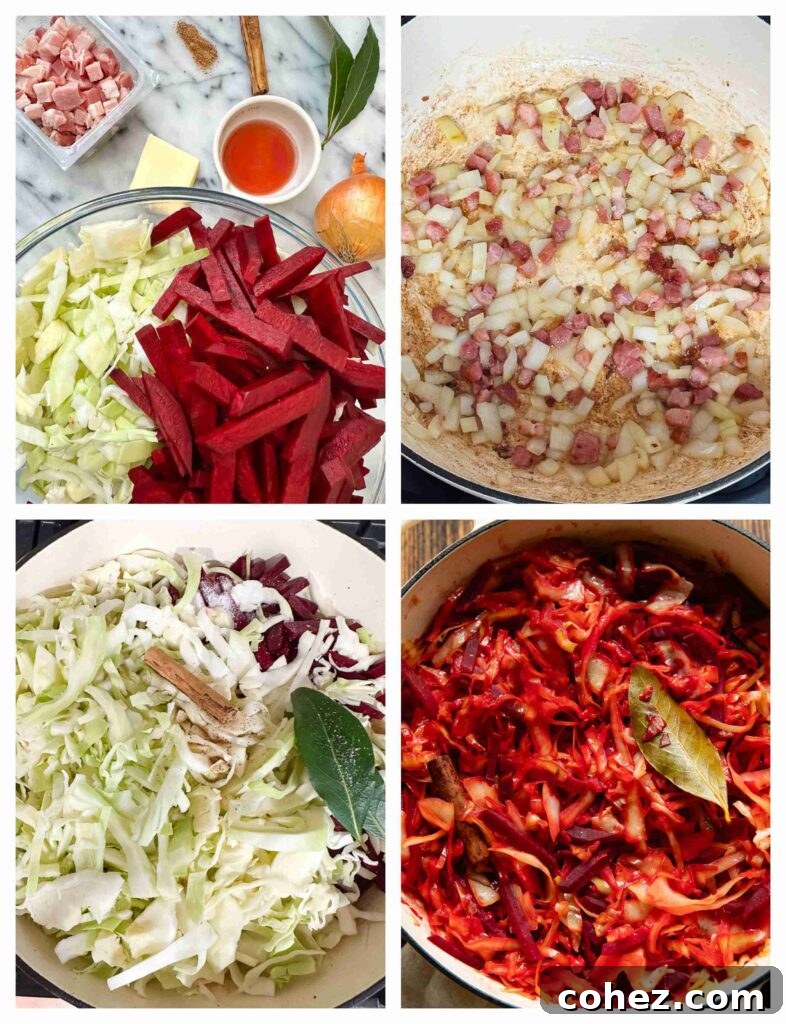
In a deep cast iron pan or a cast iron pot, cook the bacon lardons over medium heat until all fat has rendered and the bacon is crispy. Remove the crispy bacon and set aside, leaving the rendered fat in the pan. Add 1 tbsp of butter and the chopped onion to the pan, cooking over low heat for about 10 minutes until soft and just beginning to caramelize. Then, add the minced garlic and cook for another 20 seconds, stirring constantly to prevent burning.
-
Add the sliced cabbage and beets to the pan along with the chicken or vegetable stock and red wine vinegar. Incorporate the nutmeg, cinnamon stick, bay leaves, and a pinch of salt. Stir everything gently to combine all the ingredients. Cover the pan with a lid and cook over low heat for 40 minutes to 1 hour, checking and stirring occasionally to ensure even cooking and to prevent the vegetables from sticking or burning. (The cabbage and beets will typically be cooked through after 40 minutes, but you may wish to cook them a bit longer depending on your preferred level of tenderness).
-
Once the vegetables have reached your desired tenderness, taste the dish and adjust seasoning as needed, adding more salt or a small pinch of sugar if you prefer a slightly sweeter profile. Stir in the reserved crispy bacon lardons just before serving for an extra layer of texture and flavor.
Nutrition
Calories: 144kcal | Carbohydrates: 15g | Protein: 5g | Fat: 8g | Saturated Fat: 3g | Polyunsaturated Fat: 1g | Monounsaturated Fat: 3g | Trans Fat: 0.1g | Cholesterol: 15mg | Sodium: 606mg | Potassium: 452mg | Fiber: 5g | Sugar: 8g | Vitamin A: 191IU | Vitamin C: 44mg | Calcium: 67mg | Iron: 1mg
Nutrition information is automatically calculated, so should only be used as an approximation.
Tried this recipe?
Let us know how it was!