
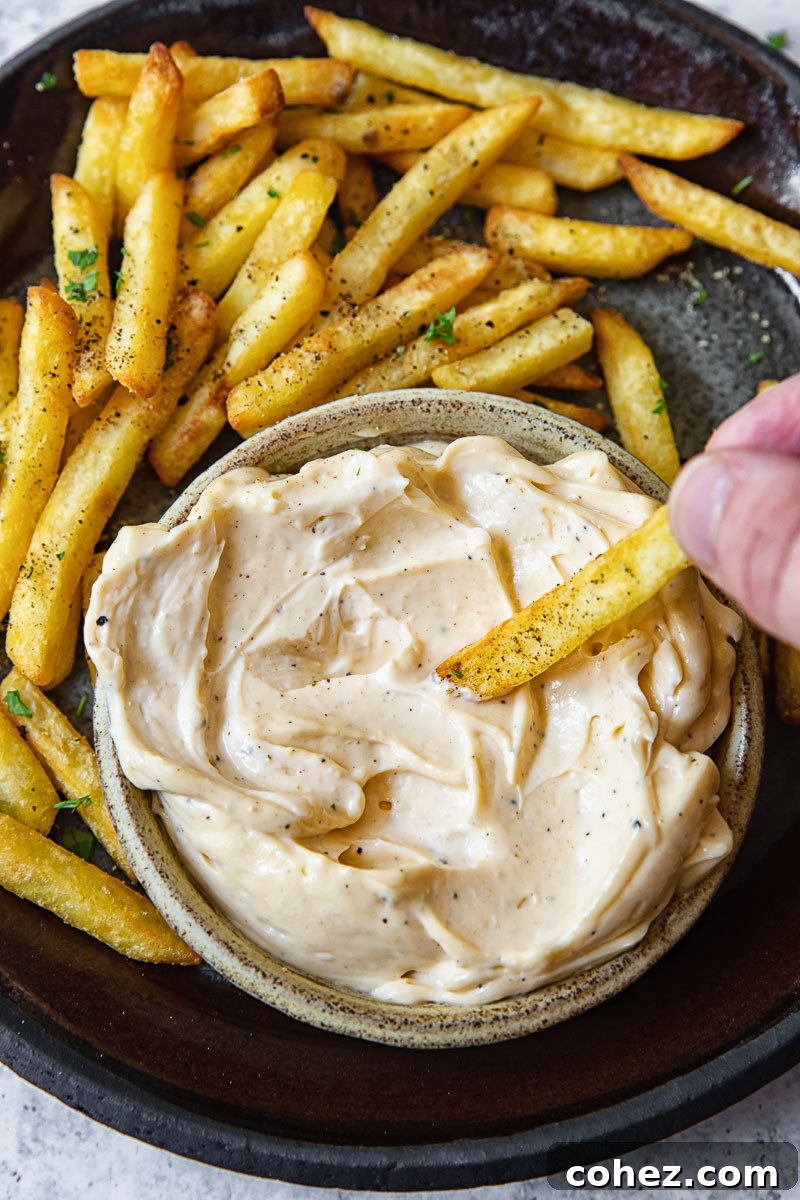
Are you yearning for the sun-drenched ambiance of a Mediterranean cafe, the clinking of ice in a frosty glass, and that irresistible basket of golden, crispy fries? And imagine those fries generously coated in a luxurious, creamy truffle aioli – pure culinary bliss! The dream is vivid, but the restaurant bill can be a harsh reality check. What if you could conjure up that exact same, delightfully dreamy truffle mayo at home, for a mere fraction of the cost and in less time than it takes to order “Dos cervezas, por favor!”? Prepare to unlock the secret to gourmet indulgence without the gourmet price tag.
Speaking of those irresistible truffle aioli fries, why not perfect the base? Achieve the most golden, wonderfully crunchy, and utterly truffle mayo-worthy fries with our dedicated recipe for air fryer fries. They provide the perfect canvas for your homemade gourmet sauce.
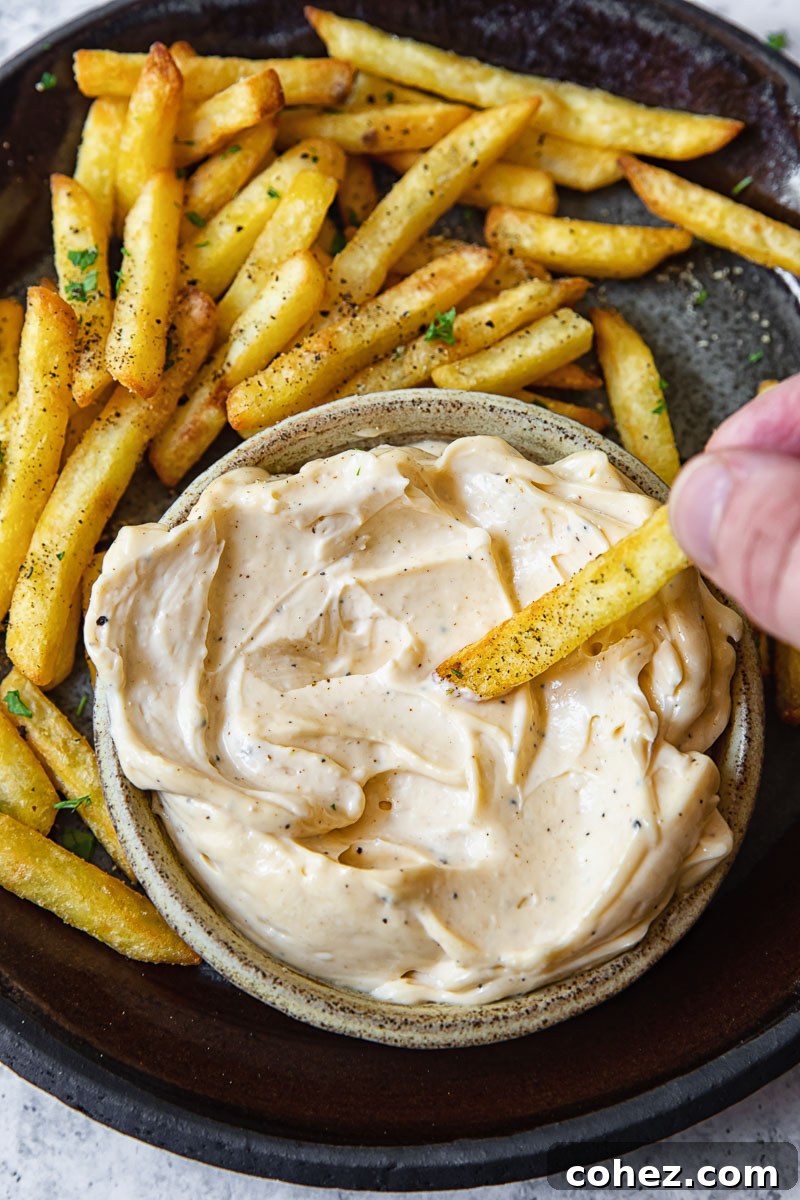
What Exactly is Aioli? Unraveling its Rich History
For many, aioli feels like a fancy cousin to mayonnaise – perhaps just mayo with an added twist. Mayo plus paprika, mayo plus pesto, mayo plus sriracha, or in this case, mayo plus truffle, right? It’s a common misconception, and you’d be easily forgiven for thinking so, given how its definition has evolved over time. However, to truly appreciate aioli, we must journey back to its origins.
The authentic, original aioli is a wonderfully simple yet potent creation. At its core, it’s an emulsion of just two primary ingredients: olive oil and garlic. That’s it! A pinch of salt is often added, but nothing else. This traditional Mediterranean staple, with roots stretching back to ancient times across Southern France (Provence) and Spain (Catalonia), is renowned for its intense, pungent, and utterly captivating flavor. Historically, it was painstakingly prepared by hand using a mortar and pestle, gradually drizzling oil into crushed garlic until a smooth, thick emulsion formed. The resulting sauce is incredibly robust – a nose-tingling, palate-awakening, and yes, perhaps a “meeting-cancelling” condiment in its most potent form, famously known to ward off vampires with its sheer garlicky might!
While the bold flavor of traditional aioli is undeniably captivating, its intensity means it might not always be suited for every palate or every social occasion. The modern culinary world, with its diverse influences and desire for versatility, has seen the adaptation of aioli. Over time, recipes were altered to create a smoother, slightly milder, and more widely appealing version – the mayo-based aioli we often encounter today. This evolution reflects a blend of convenience and a desire to integrate the distinctive garlic kick into a familiar, creamy base, making it a more versatile and universally loved condiment. This contemporary iteration, while different from its ancestor, still delivers an equally moreish, mouth-watering experience, allowing everyone to enjoy the essence of aioli without needing to cancel their afternoon appointments.
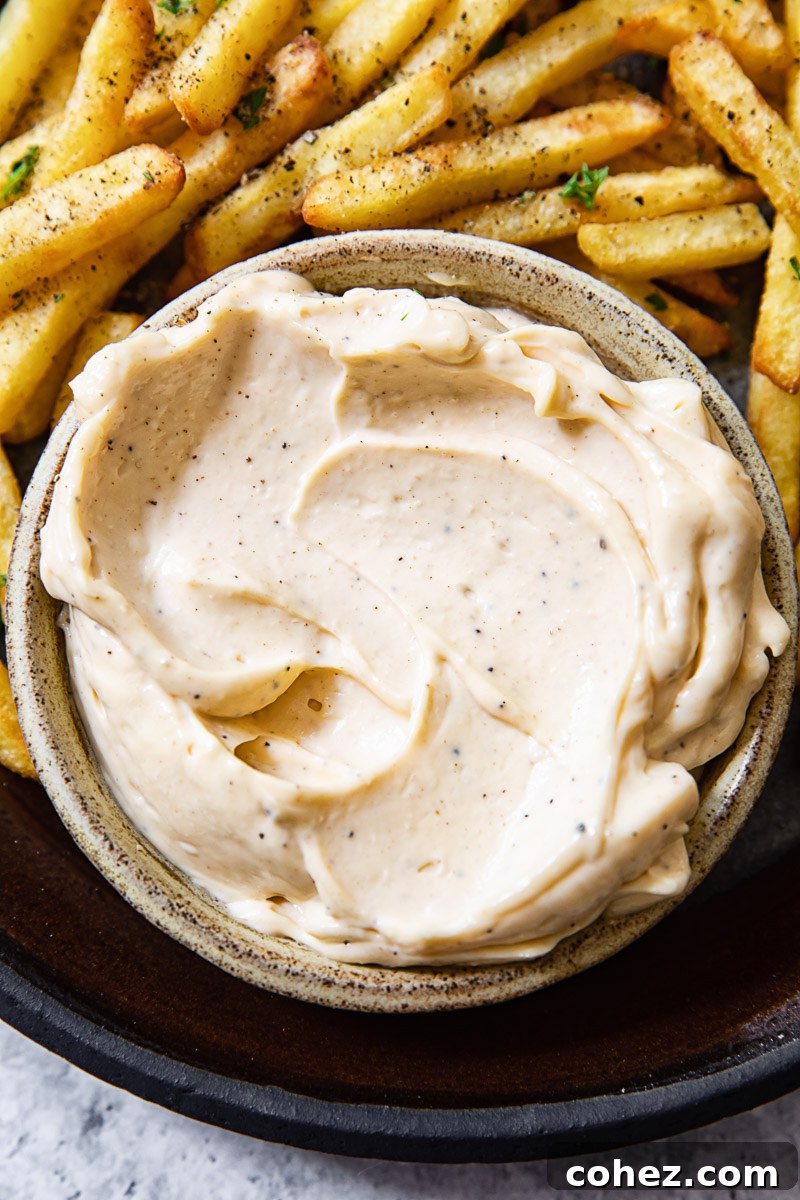
Mayonnaise vs. Aioli: A Culinary Showdown
The distinction between mayonnaise and aioli is a source of frequent confusion, largely because many modern “aioli” recipes essentially start with a mayonnaise base. Let’s clarify the fundamental differences and the science behind their creamy textures.
As established, traditional aioli is a simple emulsion of oil and garlic, often with a touch of salt. Mayonnaise, on the other hand, is a more complex emulsion, typically made from oil, egg yolk, an acid (like lemon juice or vinegar), and often a touch of mustard. The critical differentiator is the egg yolk in mayonnaise, which acts as a powerful emulsifier, and the absence of garlic in its classic form. Aioli’s distinct garlic punch is its signature, whereas mayonnaise offers a rich, tangy, and neutral base flavor.
So, what does it mean to be “emulsified”? Simply put, emulsification is the process of forcing two liquids that normally wouldn’t mix – like oil and water (or lemon juice/egg yolk in mayo) – to combine into a stable, homogeneous mixture. Imagine that beautiful little bowl of olive oil and balsamic vinegar you get for dipping bread in Spanish restaurants; the oil and vinegar eventually separate. To achieve the smooth, almost creamy texture of both mayonnaise and aioli, the oil and other liquid components need to be vigorously agitated or “whipped into a frenzy.” This intense blending breaks the oil down into incredibly tiny droplets, suspending them evenly throughout the other liquid. The egg yolk in mayonnaise plays a crucial role here, as its lecithin molecules act as a bridge, preventing the oil droplets from rejoining and separating.
In essence, an emulsion is a suspension of one liquid in another, where the tiny dispersed droplets give the appearance of oneness and a luxurious, creamy consistency. While the primary emulsifier in traditional aioli is garlic (and mechanical action), and in mayonnaise it’s egg yolk, both result in a gloriously luscious dip or spread. Understanding this difference allows us to truly appreciate the unique character each brings to the table. Whether you opt for the garlicky depth of aioli or the classic tang of mayonnaise, both offer a versatile foundation for countless culinary delights, transforming everything from your favorite chips to the humble sandwich into something truly special.
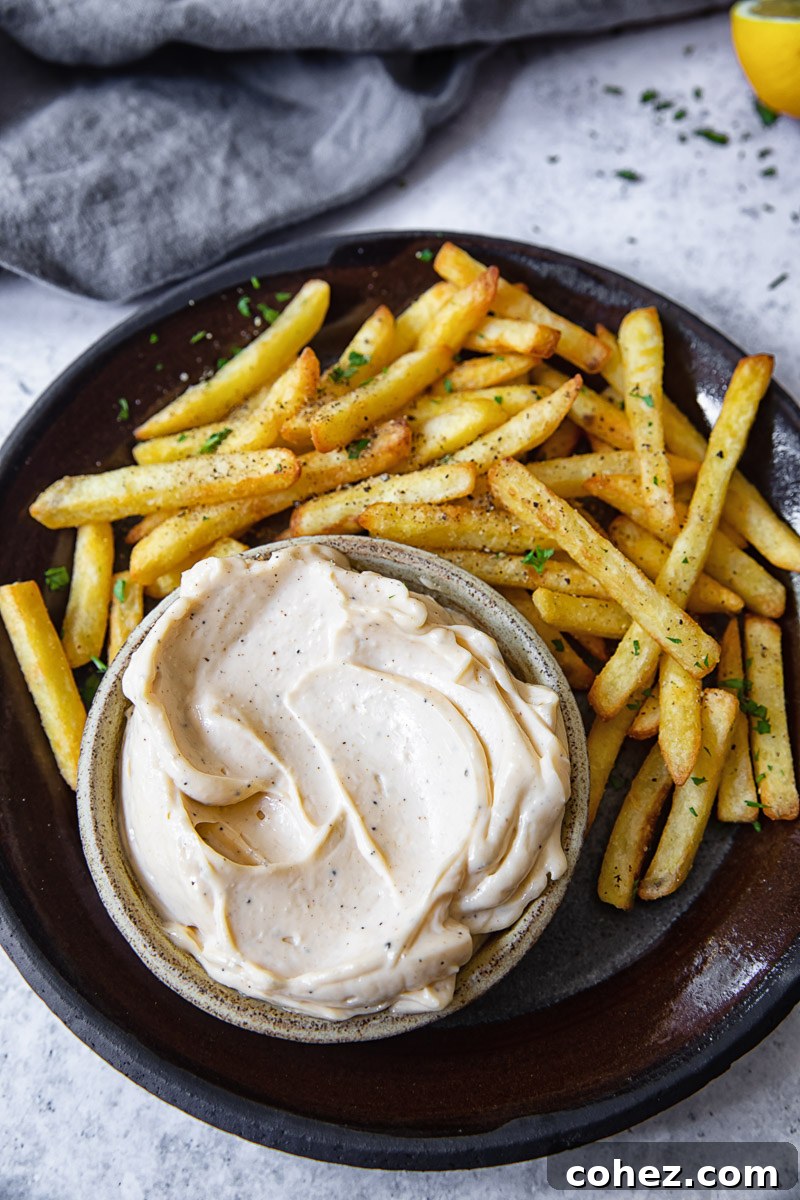
Elevate Every Dish: Incredible Uses for Homemade Truffle Aioli
Once you’ve experienced the magic of homemade truffle aioli, you’ll find yourself reaching for this versatile condiment to instantly elevate almost any eating opportunity. Its earthy, aromatic, and savory profile adds a gourmet touch that transforms everyday meals into extraordinary culinary experiences. Here are some of our favorite ways to enjoy this luxurious sauce, designed to inspire your next kitchen adventure:
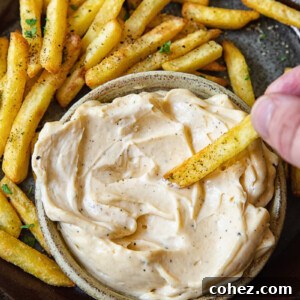
Snacks and Appetizers: The most classic pairing, of course, is with potatoes. Whether it’s light and healthy crudités, elegant crostini, hearty potato wedges, or perfectly crispy fries, truffle aioli makes for an unbeatable dip. Dip. All. Day. Long. The rich, umami notes of truffle complement the starchy sweetness of potatoes beautifully, creating a truly addictive combination. It also adds a sophisticated twist to simple vegetable sticks, making healthy snacking feel indulgent.
Savory Sides: Don’t limit this gourmet sauce to just dipping. Drizzle it generously over air-fryer potatoes fresh out of the basket for an explosion of flavor. It also works wonders to drench roasted vegetables – think asparagus, broccoli, brussels sprouts, or a medley of oven-roasted vegetables. The aioli’s creamy texture and intense flavor will bind the vegetables together and enhance their natural sweetness and char, making even picky eaters ask for seconds.
BBQ and Grilling: Take your backyard barbecue to the next level by incorporating truffle aioli. It’s the secret ingredient to creating an über homemade burger, whether you prefer beef, chicken, or a veggie patty. Slather it on the bun, let it ooze out the sides, and watch as it adds an incredible depth of flavor and moisture. It’s also fantastic served alongside grilled chicken skewers, succulent pork chops, or even grilled corn on the cob.
Elegant Dinners: Move beyond your standard sauces and elevate your dinner plate. Swap out your traditional béarnaise sauce and serve truffle aioli with a perfectly cooked grilled tomahawk steak or a juicy rib eye steak. The bold flavors of truffle and garlic stand up beautifully to rich red meats, adding a layer of sophistication that will impress your guests. It’s also a surprisingly excellent accompaniment to pan-seared scallops or grilled fish, providing a creamy counterpoint to delicate seafood.
Quick and Light Lunches: Even a simple lunch can be transformed. Slather a generous amount of truffle aioli onto your favorite sourdough sandwich. It pairs exceptionally well with rich fillings like hot roast beef, a decadent grilled cheese, or your favorite deli meats and cheeses. Pile on plenty of fresh lettuce and ripe tomatoes for a truly satisfying and gourmet lunchtime treat. It’s also fantastic as a spread for wraps, giving a gourmet kick to your everyday lunchbox.
Recipe Tips and Notes for Perfect Truffle Aioli
- The Immersion Blender Advantage: If you own an immersion (stick) blender, consider it your secret weapon for this recipe. It’s incredibly efficient, allowing you to whip up a luscious, bubble-light batch of truffle aioli in a mere 30 seconds. The design of an immersion blender, combined with a tall, narrow container, creates the ideal vortex for emulsification. If you don’t have one, a food processor or a high-speed blender can also work, though it may require a bit more scraping down the sides and careful drizzling of oil.
- Prioritize Egg Quality and Safety: Since this recipe calls for raw egg, using high-quality, fresh eggs is paramount to minimize any risk of salmonella. Always opt for organic, free-range eggs from a reputable source if possible. As an even safer alternative, pasteurized liquid eggs, available in cartons, are an excellent choice. These have been heat-treated to eliminate harmful bacteria, providing peace of mind while still delivering the necessary emulsifying properties.
- Choose the Right Oil: While we all adore the robust, fruity notes of extra virgin olive oil, it can be too assertive and even turn bitter when vigorously emulsified for this particular aioli. For a balanced flavor that truly lets the truffle shine, use a neutral-flavored oil such as vegetable oil, sunflower oil, grapeseed oil, or light canola oil. These oils provide the necessary fat and consistency without overpowering the delicate truffle and garlic essence.
- Room Temperature Ingredients are Key: For optimal emulsification, ensure all your ingredients, especially the egg, are at room temperature. Take your egg out of the fridge at least 30 minutes before you plan to start prepping your truffle aioli. Ingredients at a similar temperature integrate more smoothly and are less likely to cause the emulsion to “break” or separate.
- Navigating Truffle Options: Whole black truffles are undeniably a decadent culinary expense, and in some dishes, they are irreplaceable. However, for a flavorful and cost-effective truffle aioli, a good quality natural truffle oil will do the job beautifully. Be discerning when choosing truffle oil; look for brands that use natural truffle extract rather than artificial flavorings, which can taste synthetic. A little goes a long way with truffle oil, and trust us, you’ll be so enamored with this aioli, you’ll want to have it on hand all the time! If using fresh truffles, grate them finely or mince them to release their maximum aroma.
- Adjusting Consistency: If your aioli turns out too thick, you can thin it out by whisking in a very small amount of warm water, a few drops at a time, until it reaches your desired consistency. For a tangier flavor, a touch more lemon juice can be added.
- Troubleshooting a Broken Aioli: Occasionally, an emulsion might “break” (separate into oil and water). Don’t despair! To fix it, whisk an egg yolk in a clean bowl, then slowly add the broken aioli, drop by drop, whisking continuously until it re-emulsifies. Alternatively, start with a teaspoon of Dijon mustard in a clean bowl and slowly whisk in the broken aioli.
Storage and Leftovers: Keeping Your Truffle Aioli Fresh
Given that your freshly made truffle aioli contains raw egg, it’s crucial to prioritize food safety and proper storage. We recommend enjoying your homemade aioli within no more than 4 days when stored properly in an airtight container in the refrigerator. The fresher it is, the better the taste and the safer it will be. Always use a clean spoon each time you dip into the aioli to prevent contamination.
When it comes to freezing, it’s a hard no. Oil-based condiments like aioli do not fare well in the freezer. The emulsion will inevitably separate when thawing, leaving you with an unappetizing, sludgy puddle rather than a creamy sauce. The ice crystals formed during freezing rupture the delicate structure of the emulsion, leading to a broken, oily mess that is far from ideal on your delicious fries or any other dish. Stick to making smaller batches more frequently to ensure you always have the freshest, most luscious truffle aioli on hand.
Other Gourmet Dips to Try
If you love elevating your meals with homemade dips, be sure to explore these other fantastic recipes:
- Green Goddess Dip with Crudités
- Whipped Feta and Ricotta Dip with Mint Pistachio Pesto
- Hot Crab and Roasted Corn Dip
- Creamy Cilantro and Walnut Dip
Homemade Truffle Aioli
Equipment
-
Immersion blender
Ingredients
- 1 large egg (at room temperature)
- 150ml / 2/3 cup neutral tasting oil (e.g., sunflower, grapeseed)
- 1 tsp Dijon mustard
- 1 tbsp fresh lemon juice
- 2 cloves garlic, minced or pressed
- 2 slices black truffle with oil, or 2 tsp good quality truffle oil
- 1/4 tsp salt, or to taste
Instructions
-
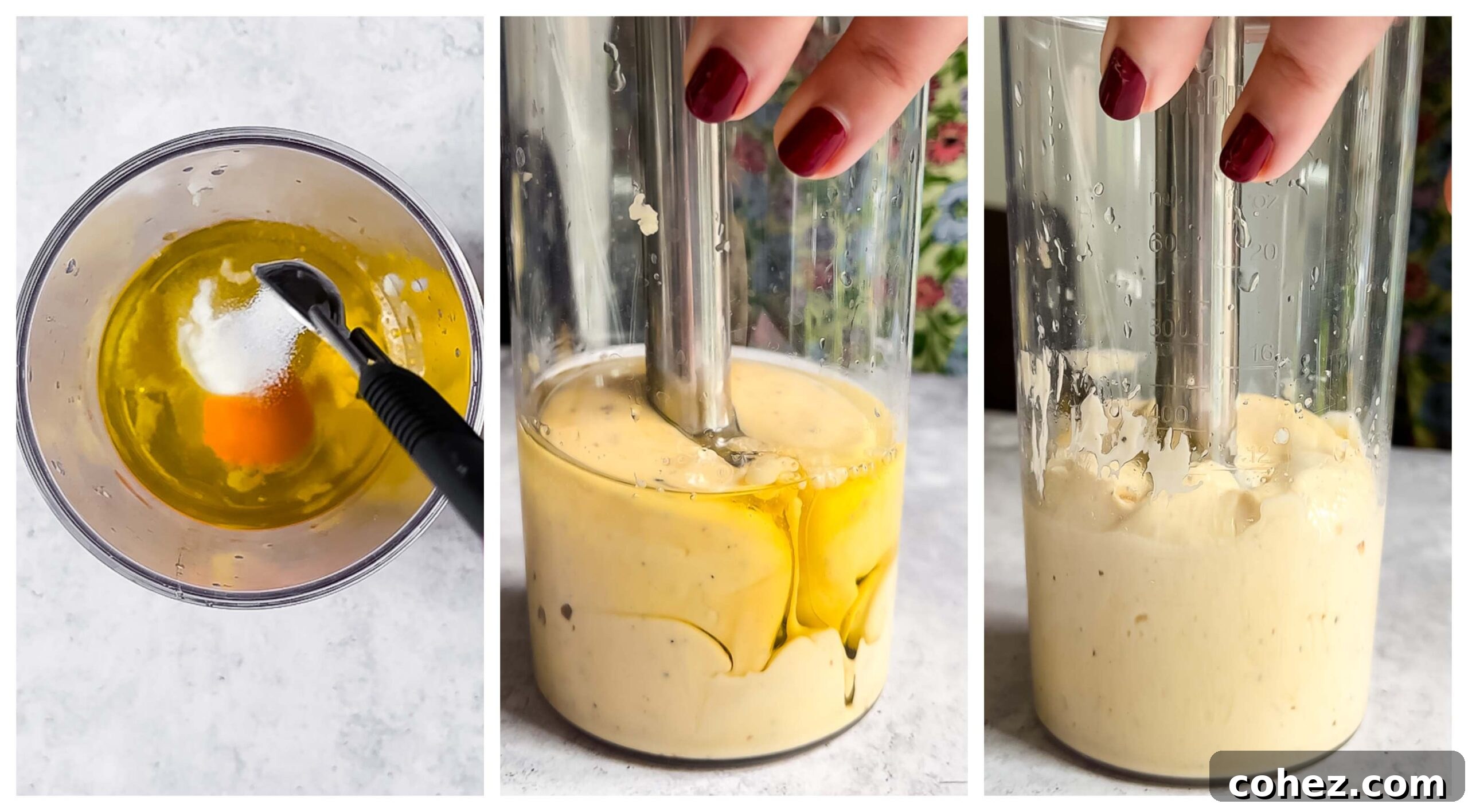
For the easiest method, use an immersion blender and a tall, narrow container. Carefully combine the neutral vegetable oil, the room temperature egg, salt, Dijon mustard, fresh lemon juice, grated or pressed garlic cloves, and your chosen truffle slices or truffle oil in the container.
-
Insert the immersion blender to the bottom of the container, ensuring it fully covers the egg yolk. Begin blending without moving the blender for a few seconds until an emulsion starts to form at the bottom. Then, slowly and gradually lift and lower the blender slightly, continuing to process until all ingredients are fully emulsified and transform into a thick, creamy mayonnaise consistency. This should take less than a minute. Taste and adjust seasoning if necessary.
Nutrition
Nutrition information is automatically calculated, so should only be used as an approximation.
Tried this recipe?Let us know how it was!