
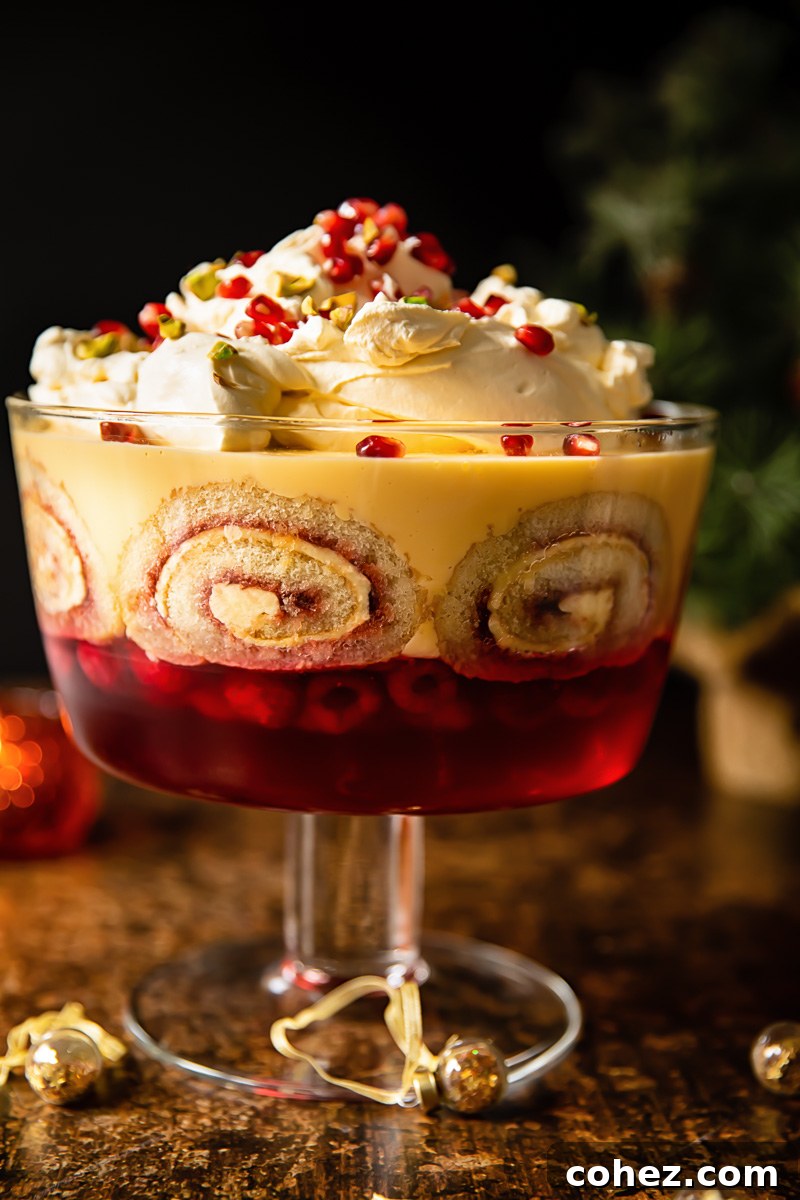
Delight in the timeless charm of a traditional English trifle, a truly exquisite dessert that promises to be the star of any gathering. Crafted primarily from readily available pantry staples, this showstopping sweet is versatile enough for any season, gracing tables from festive Christmas celebrations to vibrant summer garden parties. Remarkably easy to assemble yet visually stunning, it’s the quintessential make-ahead dessert for stress-free entertaining.
For those eager to explore diverse flavor profiles, don’t miss our innovative Blueberry Limoncello Trifle, offering a bright and zesty twist on this beloved classic.
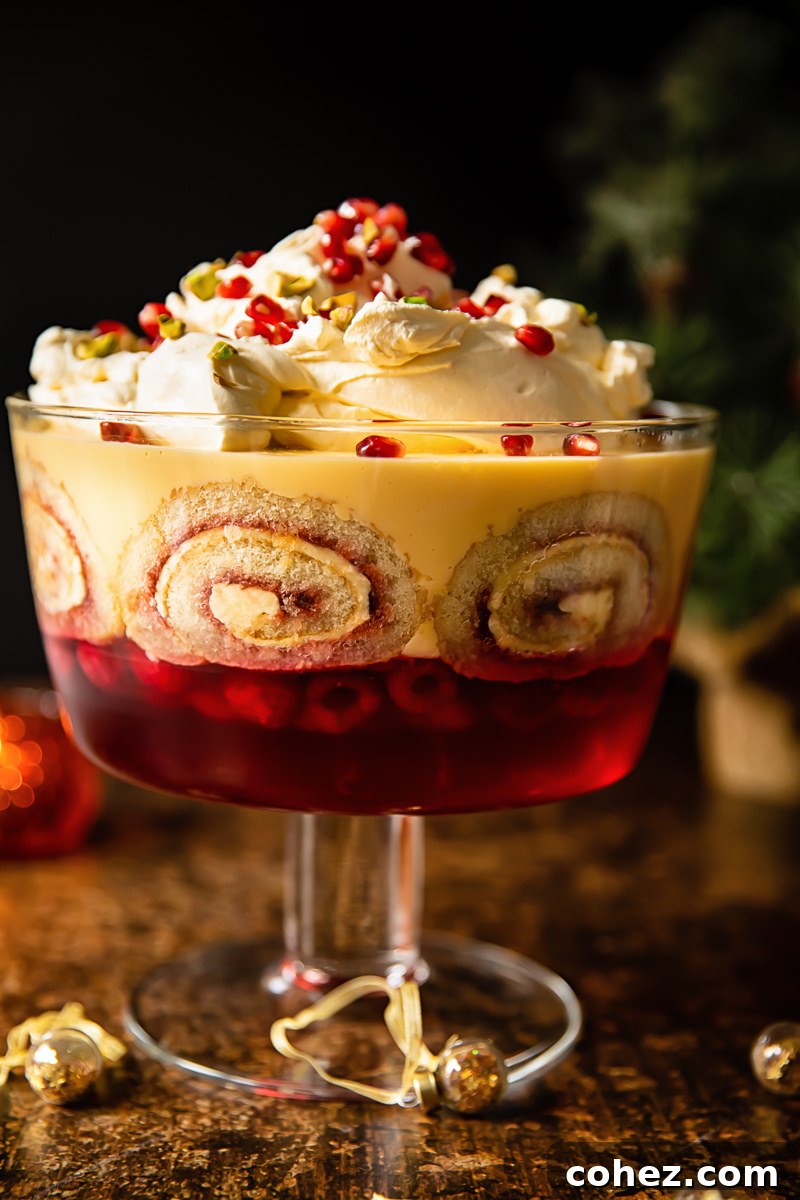
The Enduring Appeal of English Trifle: A Culinary Tradition
In England, Christmas dinner without a festive trifle is almost unimaginable. This layered dessert holds a special place in British culinary traditions, appearing either on Christmas Day itself or as a joyful treat on Boxing Day. Its presence signals a celebration, a moment of indulgence shared among family and friends.
However, the trifle isn’t merely a winter delight. Personally, I find myself drawn to a refreshing summer trifle, especially when fresh, ripe berries are in abundance. It’s a wonderful way to showcase the season’s bounty, proving that there’s truly no wrong time to serve this delightful creation.
While this wasn’t a tradition I grew up with, I quickly learned to appreciate the art of trifle making from my English granny-in-law. Her trifles were legendary, a constant feature whenever we visited, regardless of the time of year. Her passion instilled in me a deep love for this adaptable dessert.
What Defines a Traditional English Trifle?
When seeking a “traditional English trifle recipe,” many are surprised to discover that a single, definitive recipe doesn’t exist. This, in my opinion, is the true beauty of the trifle. It’s a highly adaptable dessert, with every household often boasting its own cherished version, passed down through generations.
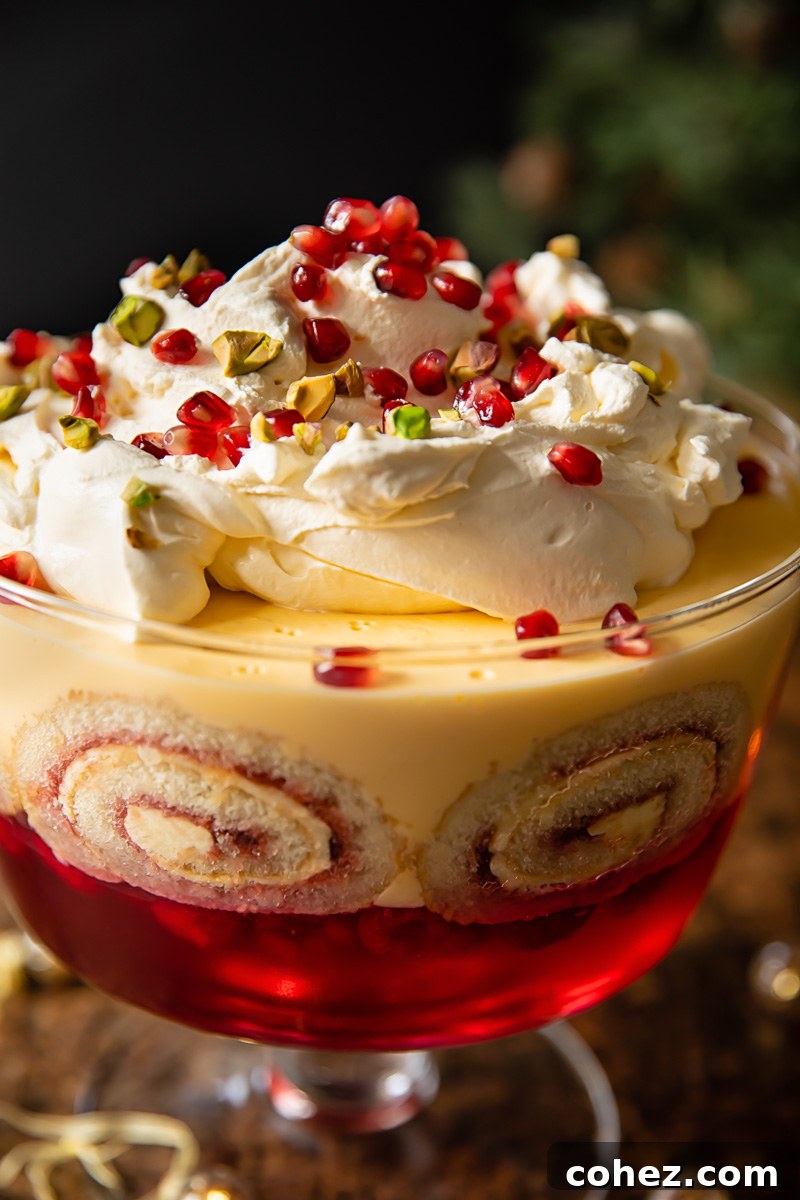
Despite the myriad variations, certain fundamental principles guide the creation of a proper English trifle. At its heart, a trifle is characterized by at least three distinct layers. The most canonical components typically include a cake base, a vibrant fruit and/or jelly (known as Jell-O in the US) layer, a rich, thick custard, and a generous topping of whipped cream.
A common debate revolves around the inclusion of jelly in a traditional trifle. Historically, cookbook records show jelly being used as early as the 1700s, firmly rooting it in the trifle’s heritage. I personally advocate for jelly, as its light texture and bright, fruity flavor provide a delightful counterbalance to the richness of the custard and whipped cream, enhancing the overall sensory experience.
Ultimately, as long as you adhere to the core framework of layered cake, creamy custard, and fluffy whipped cream, you’re on the right path. This classic foundation allows for endless experimentation with flavors, enabling you to tailor the trifle to your personal taste and the preferences of your guests.
Why This Easy English Trifle Will Become Your Go-To Dessert
Beyond its undeniably divine taste, there are several compelling reasons why this trifle recipe is destined to become a firm favorite in your repertoire.
Firstly, it offers an impressive presentation with remarkable ease. This is primarily an assembly job; no baking is required. While the thought of making custard from scratch might seem daunting, opting for ready-made custard powder simplifies the process significantly without compromising on flavor or texture. It’s a trick that saves time and effort, making this elegant dessert accessible to all skill levels.
Secondly, the trifle is inherently a dessert that demands time – but in the best possible way. While the individual steps are not complex, each layer requires ample time to set properly before the next can be added. This sequential process transforms trifle making into a wonderfully stress-free experience. You don’t have to rush; instead, you can space out the preparation over a day or two, allowing you to enjoy the process without the last-minute panic often associated with holiday meal preparation.
A trifle is always best made in advance, allowing the flavors to meld beautifully and the textures to settle. Believe it or not, the stunning trifle pictured here was prepared two days before its photograph. This characteristic makes it an ideal dessert for festive holidays or special occasions, as it frees you from any dessert-related chores on the day of your big meal, letting you focus on your guests and other dishes.
Effortless Trifle: Tips for a Seamless Experience
While a trifle’s intricate layers might appear intimidating at first glance, the process doesn’t have to be. Since no baking is involved, your primary tools are patience and precision during assembly. The golden rule for a successful trifle is to allow each layer sufficient time to set before proceeding to the next. This ensures clean, defined layers and a stable structure for your dessert.
A trifle’s appeal lies in its symphony of flavors and textures, creating an exciting culinary experience with every spoonful. While I often advocate for making components like custard and jelly from scratch in other contexts, for a trifle, especially when time is of the essence or you’re aiming for a fuss-free holiday dessert, there’s absolutely no shame in utilizing packaged ingredients.
However, to elevate these convenient ingredients to taste as if they were painstakingly prepared from scratch, I’m delighted to share some invaluable tips. Once you master these simple enhancements, you’ll feel confident enough to venture into less traditional flavor combinations, much like my own delightful Pumpkin Mousse Trifle!
Recipe Tips for Trifle Perfection
- Plan Ahead: Begin preparing your trifle at least one day before you intend to serve it. The jelly (or Jell-O) layer requires a minimum of 5-6 hours to set completely, ensuring a firm foundation for subsequent layers.
- Enhance Packaged Jelly: Feel free to use store-bought jelly or Jell-O for convenience. However, significantly boost its flavor by incorporating fresh fruit. Raspberry jelly pairs beautifully with fresh raspberries, but strawberries are an equally delicious alternative.
- Prevent Fruit Sinking: To ensure your fresh berries float beautifully within the jelly layer instead of sinking to the bottom, chill the prepared liquid jelly in the refrigerator for about 1 hour. Once it becomes thick and syrupy, gently fold in the berries, then return it to the fridge to fully set.
- Infuse with Flavor: Traditionally, sherry is used to soak the cake in trifles. If you prefer to avoid alcohol, flavored syrups work wonderfully. For this raspberry-infused trifle, I chose Chambord, a raspberry-flavored liqueur, which perfectly complements the raspberry cream sponge roll, adding a sophisticated depth of flavor.
- Rich and Velvety Custard: For an exceptionally rich and luxurious custard that tastes homemade, replace a quarter of the milk required by your custard powder recipe with double cream or heavy cream. This simple substitution significantly enhances its texture and taste.
- Firm Custard Layers: To ensure your custard holds its shape well and creates distinct layers, consider adding an extra tablespoon of custard powder than the package instructions suggest. This slight adjustment results in a firmer set.
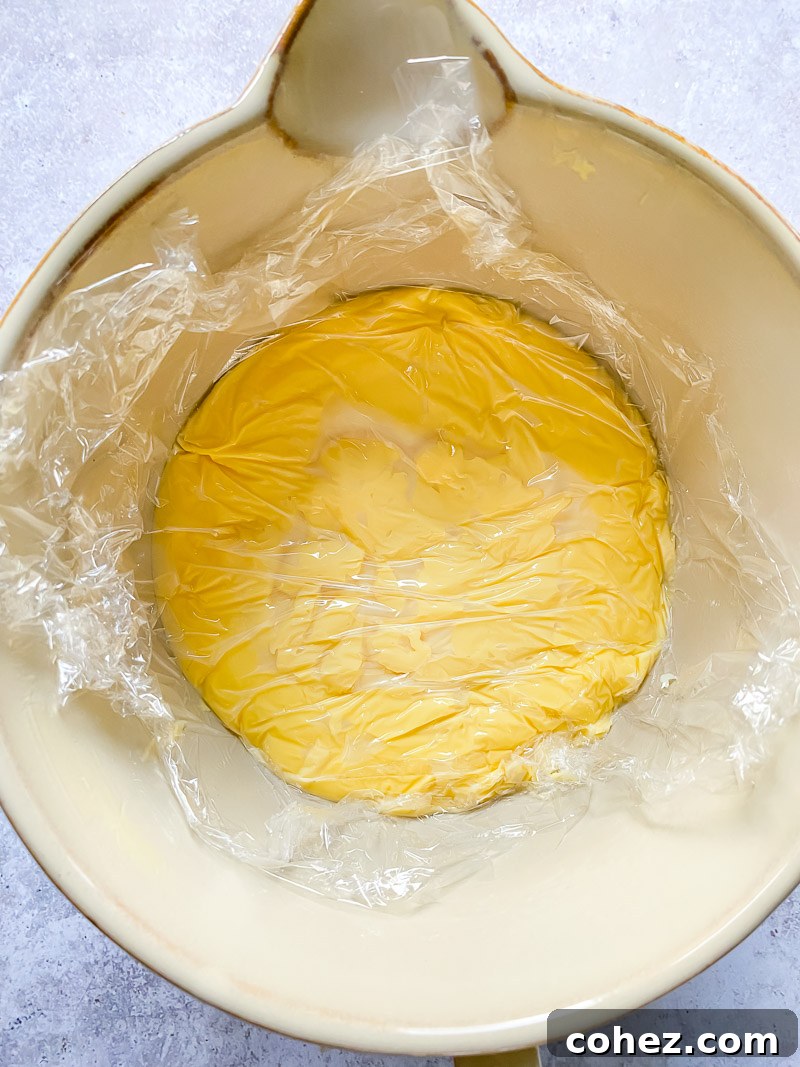
- Smooth Custard Finish: After cooking, cool the custard for approximately 15 minutes with plastic wrap pressed directly onto its surface. This crucial step prevents a “skin” from forming. When ready, pour the still-pourable custard over the cake layer. Its slightly warm, flowing consistency will allow it to seep into every crevice of the sponge roll, creating a cohesive and indulgent layer. Avoid waiting too long, as the custard will begin to set, making it harder to pour evenly.
- Overnight Chill: Once the custard layer is poured, cover the trifle bowl with plastic wrap and refrigerate overnight, or for up to 24 hours. This extended chill time allows all the flavors to meld and the layers to set perfectly.
- Garnish Just Before Serving: For the freshest look and texture, whip the double or heavy whipping cream until soft and fluffy. Spoon it over the chilled trifle and decorate with vibrant pomegranate seeds and chopped pistachios (or additional fresh raspberries) right before serving.
Smart Substitutions for Your Trifle
- Custard Powder Alternatives: While custard powder is a common pantry item in the UK and Canada, it might be harder to find elsewhere. In such cases, vanilla pudding mix serves as an excellent substitute, following package directions for preparation.
- Frozen Berry Options: Feel free to use frozen berries instead of fresh ones. If doing so, remember to slightly reduce the amount of water you add when preparing the jelly/Jell-O, as frozen fruits release more liquid as they thaw.
- Cake Base Variety: While sponge rolls offer a distinctive look in trifles, using ladyfingers or pound cake is equally traditional and delicious. Choose what is most accessible or preferred for your trifle.
- Creative Flavor Layers: Expand your trifle’s flavor profile by incorporating other delightful elements such as jam or a tangy lemon curd. These additions can introduce new textures and tastes to your layered masterpiece.
- Non-Alcoholic Version: Traditional English trifle often includes alcohol like sherry or flavored liqueurs to moisten the cake. If alcohol is a concern, simply replace it with a complementary flavored syrup, fruit juice, or even a dash of non-alcoholic vanilla extract mixed with water.
Storage and Enjoying Leftovers
Any leftover trifle can be safely stored in the refrigerator for 3-4 days. While the ingredients will continue to meld and the cake may absorb more liquid over time, its fantastic flavor will endure, even if the texture undergoes a slight change. Ensure it’s kept in an airtight container or covered tightly with plastic wrap to prevent it from absorbing any unwanted odors from the fridge.
However, trifle is not suitable for freezing. The delicate emulsions of the custard and cream layers are likely to separate upon thawing, compromising the dessert’s signature smooth and luxurious texture.
More Festive Christmas Treats to Try
- Brown Butter White Chocolate Hazelnut Blondies
- Chocolate Thumbprint Cookies
- English Fridge Cake (No Bake)
- Homemade Chocolate Truffles
Easy English Trifle
By Julia Frey of Vikalinka
Cook: 10 mins
Total: 6 hrs 40 mins
Servings: 10
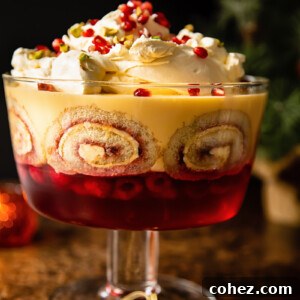
Prepare a traditional English trifle for dessert this Christmas. A true showstopper, that is made mostly using cupboard staples.
Equipment
- Trifle bowl
- Sieve set
Ingredients
- 135g / 2 cups raspberry jelly (Jell-O), I used Hartley’s Raspberry jelly. In the US, use raspberry flavoured jell-o
- 125g / 1 cup fresh raspberries, can use frozen but reduce the amount of water added to the jelly
- 500g / 17 oz raspberry or strawberry cream sponge roll
- 1½ UK pints / 3½ US cups whole milk, can use plant based milk
- 1/2 UK pint / 1/2 US cup double cream/heavy whipping cream, can use plant based cream
- 6 tbsp Bird’s custard powder, heaping tablespoons
- 6 tbsp white sugar
- 2 tsp vanilla
- 400ml /1½ cups double/whipping cream
- 4 tbsp icing (powdered) sugar
- 1 tsp vanilla
- 4 tbsp pomegranate seeds
- 2 tbsp pistachios
Instructions
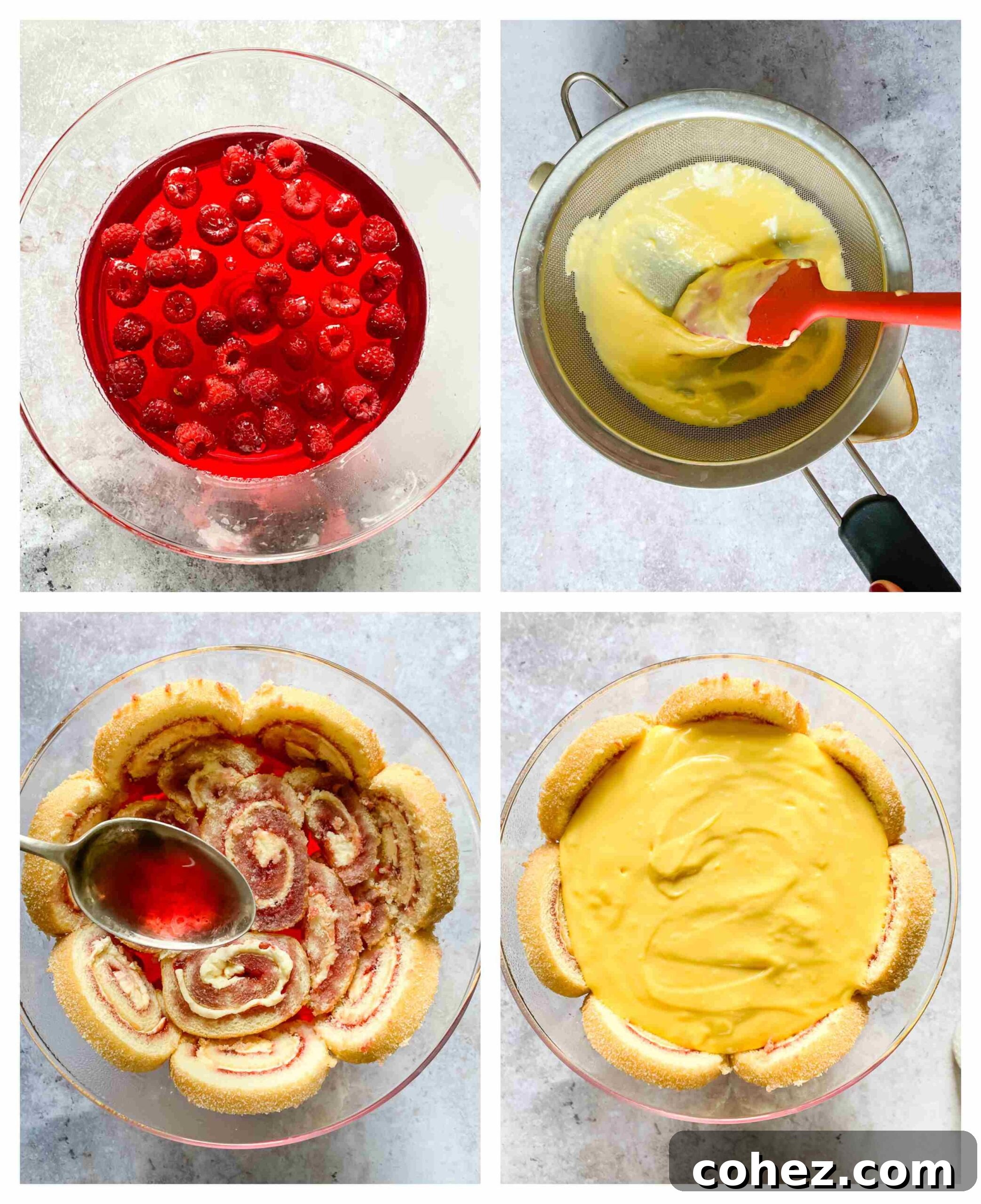
- Make the jelly (jell-o) according to package instructions and pour into the trifle bowl. Allow to cool for about 20 minutes, then refrigerate for 1½ hours. Remove from the fridge; the jelly should now be thick and syrupy. Gently drop in the raspberries and return to the fridge until fully set (4-5 hours).
- Prepare the custard according to package instructions. Cook over low heat, continuously stirring with a wire whisk to prevent lumps. Once the custard thickens, push it through a sieve for an even smoother texture. (If your custard becomes lumpy, it can be blended smooth with a blender or immersion blender). Place plastic wrap directly onto the surface of the custard to prevent a skin from forming, and cool lightly for about 15 minutes.
- Meanwhile, slice the sponge roll and arrange the slices along the sides of the trifle bowl, also covering the bottom of the raspberry jelly layer. You may need to cut some pieces for a snug fit. Sprinkle the raspberry liqueur (or chosen alternative) over the bottom cake pieces, but not the side pieces.
- Pour the cooled, pourable custard over the cake layer. Ensure it completely covers the sponge roll pieces and fills the spaces between the side pieces, reaching the top of the cake layer. Allow it to come to room temperature, then chill in the fridge for a couple of hours.
- Whip the double/heavy cream with icing sugar and vanilla until soft and floppy. Spoon this whipped cream over the set custard layer. Decorate with pomegranate seeds and pistachios (or fresh raspberries) just before serving.
Notes
- You will need: 1 pint of jelly or 2 cups of Jello-O made to package instructions, and 2 pints of custard made to package instructions. Note: The specific amounts may vary slightly between US and UK pint measurements, but the key is to follow the package instructions for both jelly and custard to ensure proper setting.
- For best results, start making this trifle a day before serving. The jelly (Jell-O) layer requires at least 5-6 hours to set completely.
- Enhance the flavor of your jelly by adding fresh fruit. Raspberry jelly with fresh raspberries or strawberries works wonderfully. To prevent the fruit from sinking, add the berries after the jelly has chilled for an hour and thickened.
- Traditionally, sherry is used to soak the cake. For a non-alcoholic alternative, or a different flavor, a raspberry-flavored liqueur like Chambord can be used, or simply a flavored syrup.
- To achieve an extra rich custard, replace a quarter of the milk specified in the custard powder instructions with double/heavy cream.
- For a firmer custard that layers beautifully, add an extra tablespoon of custard powder to the mix.
- Always cover the cooling custard with plastic wrap directly on its surface to prevent a skin from forming. Pour the custard over the cake when it’s still pourable to ensure it fills all crevices. If it sets too much, it won’t spread as evenly.
Nutrition
- Calories: 495kcal
- Carbohydrates: 62g
- Protein: 8g
- Fat: 25g
- Saturated Fat: 14g
- Polyunsaturated Fat: 1g
- Monounsaturated Fat: 6g
- Cholesterol: 143mg
- Sodium: 403mg
- Potassium: 324mg
- Fiber: 1g
- Sugar: 41g
- Vitamin A: 1011IU
- Vitamin C: 4mg
- Calcium: 200mg
- Iron: 2mg
Nutrition information is automatically calculated, so should only be used as an approximation.
Tried this recipe? Let us know how it was!