
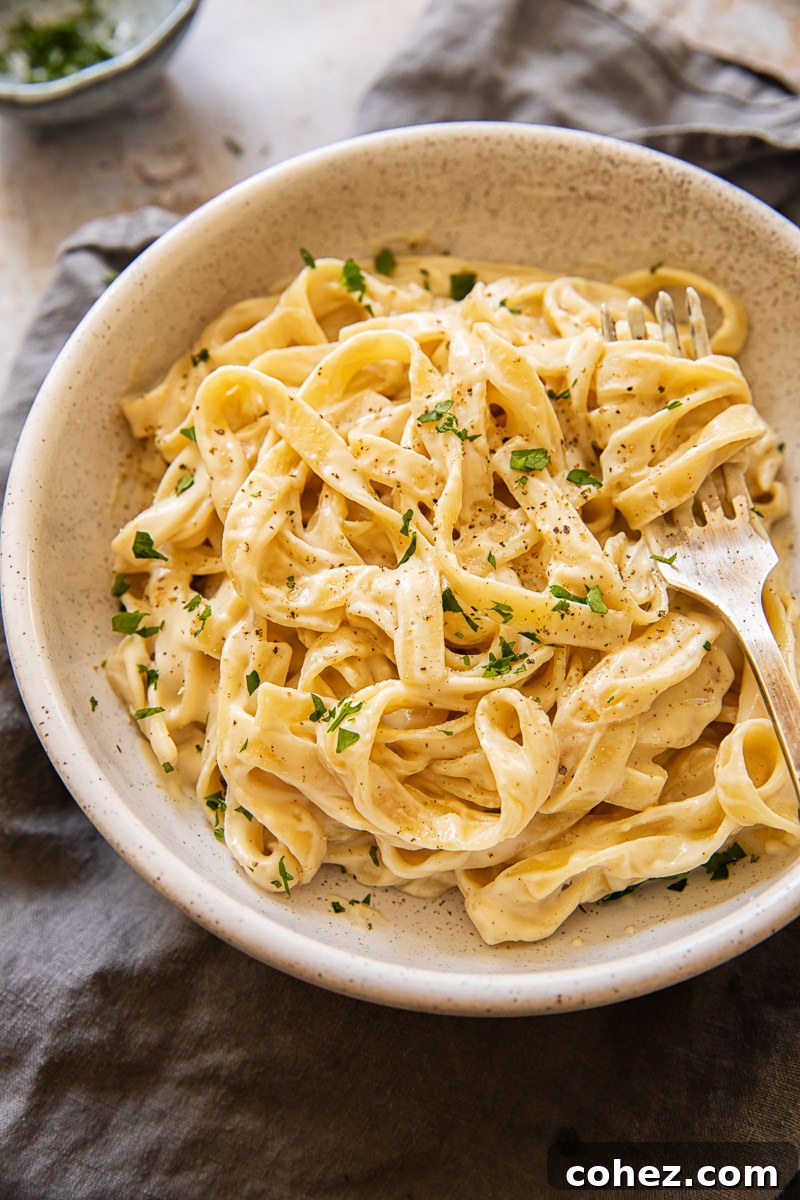
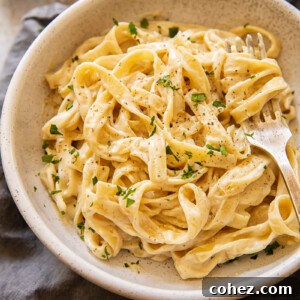
Homemade Alfredo sauce is a timeless classic, incredibly easy to prepare, and takes less than 10 minutes from start to finish. This velvety, rich sauce serves as the perfect foundation for an endless variety of pasta dishes, transforming simple ingredients into a gourmet meal.
For those seeking a lighter alternative, explore our Creamy Pasta Sauce Recipe. If you prefer a plant-based option without compromising on flavor, our Vegan Alfredo Sauce offers a delightful twist.
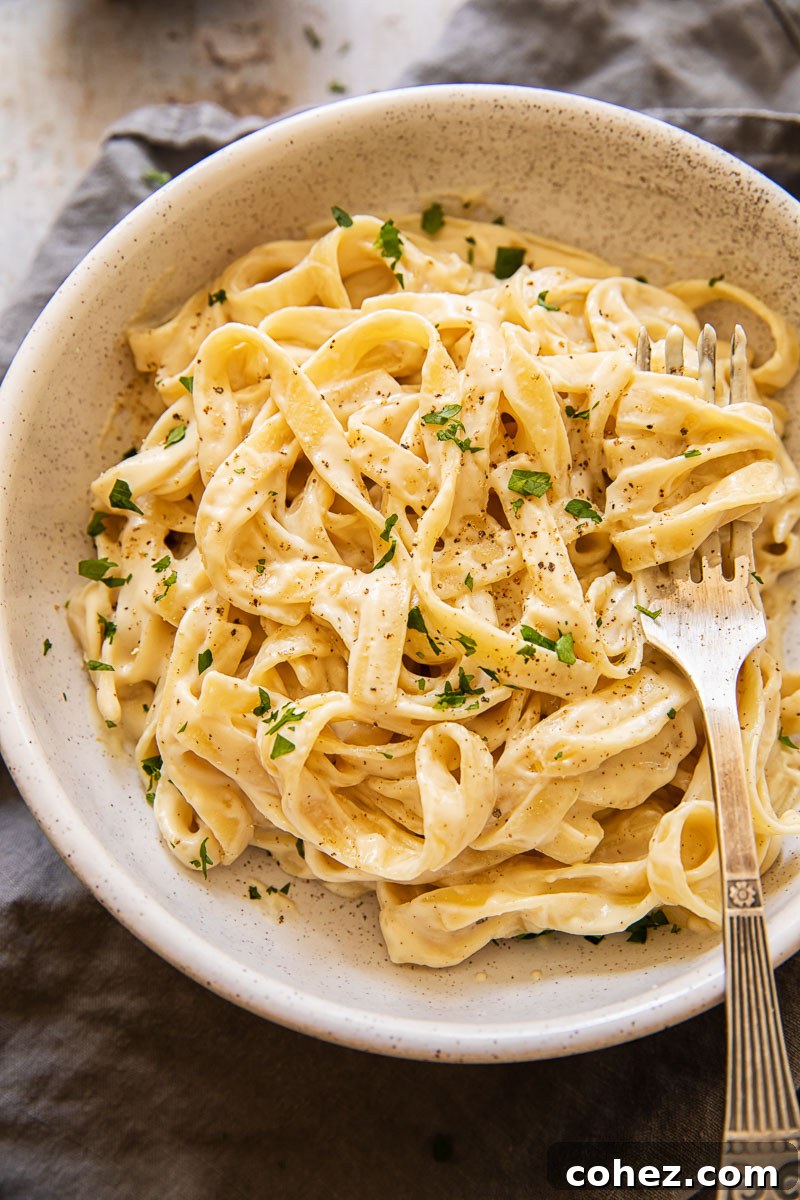
Why Choose Homemade Alfredo?
Many of us have fallen into the trap of buying jarred Alfredo sauce, convinced it’s the quickest route to dinner. I distinctly remember those days, believing I was saving precious time in the kitchen. Yet, the revelation struck me: making authentic homemade Alfredo sauce from scratch takes virtually the same amount of time as heating up a store-bought version – often even less. In just about 10 minutes, with a few high-quality ingredients, you can create a sauce that far surpasses anything found on a supermarket shelf.
The difference is not just in speed, but in unparalleled taste and texture. Jarred sauces often contain a myriad of preservatives, artificial flavors, and thickeners that detract from the true essence of Alfredo. When you make it yourself, you control every ingredient, ensuring a fresh, pure, and intensely flavorful experience that elevates any pasta dish to restaurant-quality status. This simple, elegant sauce proves that some of the best culinary delights require minimal effort for maximum reward.
The Authentic Story of Alfredo Sauce
The origin story of Alfredo sauce is a topic often debated among food enthusiasts. While many tales circulate, pointing to a specific restaurant in Rome as its birthplace, the reality is a bit more nuanced. The “Alfredo sauce” as most of the world knows it today, particularly in North America, is largely an American invention, or at least a significant evolution of a much simpler Italian dish.
The True Roman Original
The original dish, born in Rome in the early 20th century at Alfredo di Lelio’s restaurant, was known simply as “Fettuccine al Burro” (Fettuccine with Butter). It consisted of only two main ingredients: fresh fettuccine pasta, liberally tossed with rich butter and finely grated Parmesan cheese. The magic happened through emulsion: the melting butter and cheese, combined with a bit of the starchy hot pasta water, created a gloriously creamy coating for the pasta. This dish was incredibly simple, pure, and meant to be restorative, often served to his wife after childbirth. It contained no heavy cream, garlic, flour, or chicken stock – ingredients commonly found in modern Alfredo recipes.
The American Evolution
When American tourists discovered Alfredo di Lelio’s humble yet delicious dish, they were captivated. As the recipe traveled across the Atlantic, it began to transform. American palates, accustomed to richer, more robust flavors, adapted the recipe. Heavy cream was introduced to add extra body and richness, and soon other ingredients like garlic, flour (as a thickener), and even chicken stock made their way into what became known as “Alfredo sauce.” While these additions might create a delicious cream sauce, it’s important to recognize that they depart significantly from the minimalist, true Roman original. Our recipe aims to strike a balance, embracing the beloved richness of the American version while staying true to the simple elegance of its Italian roots by focusing on the highest quality core ingredients.
Mastering the Minimalist Ingredients
While various recipes incorporate a range of additional ingredients into Alfredo sauce, I firmly believe that the most astounding and genuinely flavorful cream sauce for your fettuccine requires just three core components. These ingredients, when chosen for quality, work in harmony to create a sauce that is both luxurious and uncomplicated. Forget the garlic, chicken stock, flour, and milk often found in less authentic recipes – they simply aren’t needed to achieve a full-bodied, satisfying sauce.
High-Quality Butter is Key
Butter is not just a fat; it’s a flavor powerhouse in Alfredo sauce. Opt for a high-quality, unsalted butter, preferably European-style with a higher fat content. This will contribute a richer, more profound flavor and a smoother texture to your sauce. The butter acts as the primary emulsifier, helping to bind the cheese and cream together into a silky consistency. Its nuanced flavor profile is essential to the overall taste of the sauce, making it a non-negotiable component for true Alfredo excellence.
The Richness of Heavy Cream
Heavy cream is the cornerstone of the luscious, thick consistency that distinguishes modern Alfredo sauce. For the best results, always use heavy cream with at least 35% fat content (often labeled as double cream or heavy whipping cream). Lower fat creams, such as half-and-half or light cream, will yield a much thinner, less satisfying sauce and are more prone to separating when heated. The high fat content of heavy cream provides the necessary body and richness, creating that signature velvety mouthfeel that coats every strand of pasta beautifully.
Freshly Grated Parmesan: A Must
This cannot be stressed enough: freshly grated Parmesan cheese is paramount. This isn’t just a suggestion; it’s the secret weapon for authentic flavor and perfect texture. Pre-grated cheeses, while convenient, often contain anti-caking agents like cellulose, which prevent clumping but also hinder proper melting and can leave your sauce grainy. Freshly grated Parmesan (Parmigiano-Reggiano, if possible) melts seamlessly, integrating into the cream and butter to create a smooth, homogenous sauce. Its complex, salty, and umami notes are indispensable to the iconic taste of Alfredo.
A Hint of Nutmeg (Optional)
While strictly optional and not always part of the earliest iterations, a whisper of freshly grated nutmeg can elevate your Alfredo sauce to another level. Just a tiny pinch introduces a subtle warmth and aromatic complexity that beautifully complements the richness of the dairy without overpowering it. It adds a sophisticated depth, rounding out the flavors and making the sauce feel even more decadent. If you choose to include it, ensure it’s freshly grated for the most vibrant aroma.

Step-by-Step: Crafting Your Perfect Alfredo Sauce
Creating this magnificent sauce is surprisingly simple. Follow these straightforward steps to achieve a restaurant-quality Alfredo in your own kitchen:
- Melt the Butter: In a medium saucepan or a deep sauté pan, melt 3 tablespoons of high-quality butter over very low heat. The key here is low heat – we want the butter to melt gently, not brown or burn. This slow melting process helps maintain its delicate flavor and ensures a smooth foundation for the sauce.
- Warm the Cream: Once the butter is melted, pour in 500ml (2 cups) of heavy whipping cream. Continue to warm the cream over low heat for 2-3 minutes, stirring occasionally. The goal is to bring the cream to a gentle warmth, just before it simmers, but never to a rolling boil. High heat can cause the cream to split or scorch, ruining the smooth texture of the sauce.
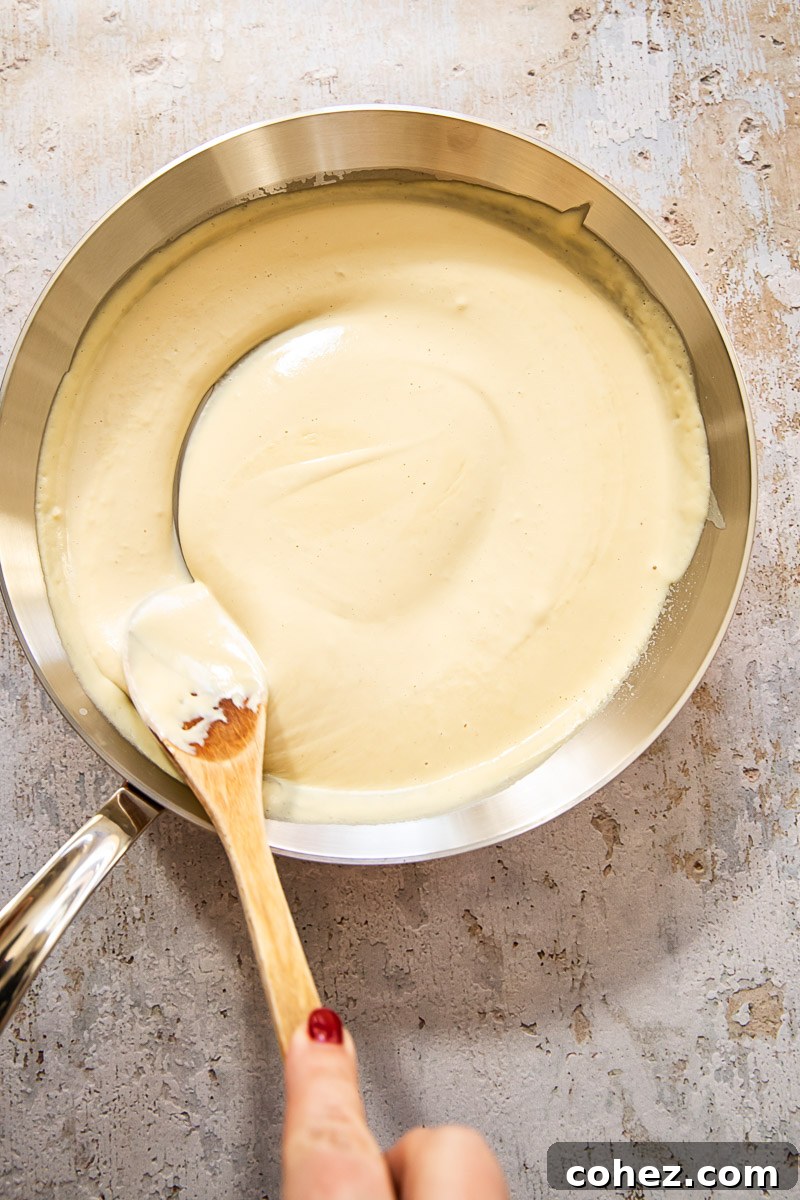
- Incorporate the Parmesan: Gradually add 120g (1 ¼ cup) of freshly grated Parmesan cheese to the warmed cream. Continue stirring constantly with a wooden spoon or whisk. Maintain the low heat throughout this process. The cheese should melt slowly and gracefully into the cream, forming a homogeneous mixture. Patience is key here; rushing with high heat will result in a lumpy or greasy sauce. Keep stirring until the cheese is fully incorporated and the sauce is smooth and velvety.
- Finish with Nutmeg and Seasoning: At the very end, grate a tiny pinch of fresh nutmeg directly over the sauce. Taste the sauce and add a small pinch of salt if needed. Remember that Parmesan cheese is already quite salty, so season sparingly. Stir one last time, and your luxurious Alfredo sauce is ready to be tossed with your favorite pasta.
This gentle cooking process, combined with constant stirring, is what creates the perfect emulsion, resulting in that unbelievably silky, rich, and cohesive Alfredo sauce we all crave.
Essential Tips for a Velvety Smooth Alfredo
-
The Fresh Parmesan Difference
I cannot overstate the importance of “freshly grated” Parmesan. Pre-grated cheeses are often coated with anti-caking agents like cellulose to prevent clumping in the bag. While convenient, these agents interfere with the cheese’s ability to melt smoothly, resulting in a grainy or clumpy sauce. By grating your own, you’ll achieve a far superior flavor and an impeccably smooth, silky texture. You’ll also likely need less cheese to achieve the desired intensity of flavor.
-
The Importance of Fat Content
Always use heavy cream with a minimum of 35% fat content (often labeled as double cream or heavy whipping cream). The higher fat content is crucial for the sauce’s stability and richness. Lower-fat alternatives like half-and-half or light cream will produce a much thinner sauce and are significantly more prone to splitting or curdling when heated, especially with the addition of cheese. Stick to heavy cream for the perfect consistency.
-
Stirring with Patience on Low Heat
This is perhaps the most critical tip for a perfect Alfredo sauce. Combine all ingredients over very low heat, stirring continuously. The gentle heat allows the cheese to melt slowly and fully emulsify with the cream and butter, preventing separation and ensuring a smooth, cohesive sauce. Never let the sauce come to a rapid boil; it should only simmer very lightly. High heat can cause the cheese to seize and the cream to split, leading to a lumpy, oily texture.
-
The Magic of Pasta Water
While not in the original recipe card, a secret weapon for perfect pasta sauces is reserving some of the starchy pasta water. If your Alfredo sauce becomes too thick, or if you want to help it cling to the pasta even better, add a tablespoon or two of the hot, starchy pasta water. The starch helps to create a beautiful emulsion and allows the sauce to coat the pasta seamlessly, enhancing both texture and flavor.
-
Serve Immediately for Best Experience
Alfredo sauce is best enjoyed fresh off the stove. The rich, creamy texture and vibrant flavors are at their peak right after preparation. As it cools, the sauce tends to thicken considerably and can lose some of its original luxurious quality. If you must prepare it slightly in advance, keep it warm over very low heat, stirring occasionally, and be prepared to add a splash of warm cream or pasta water to loosen it up before serving.
-
Finishing Touch of Nutmeg
At the very end, grate a few wisps of nutmeg over the sauce using a very fine grater. Just a few gratings will infuse the sauce with a beautiful, subtle aroma that complements the richness of the cream and cheese without overpowering it. If using pre-ground nutmeg, use an extremely tiny pinch as its flavor is much more concentrated.
Versatile Serving Suggestions and Delicious Pairings
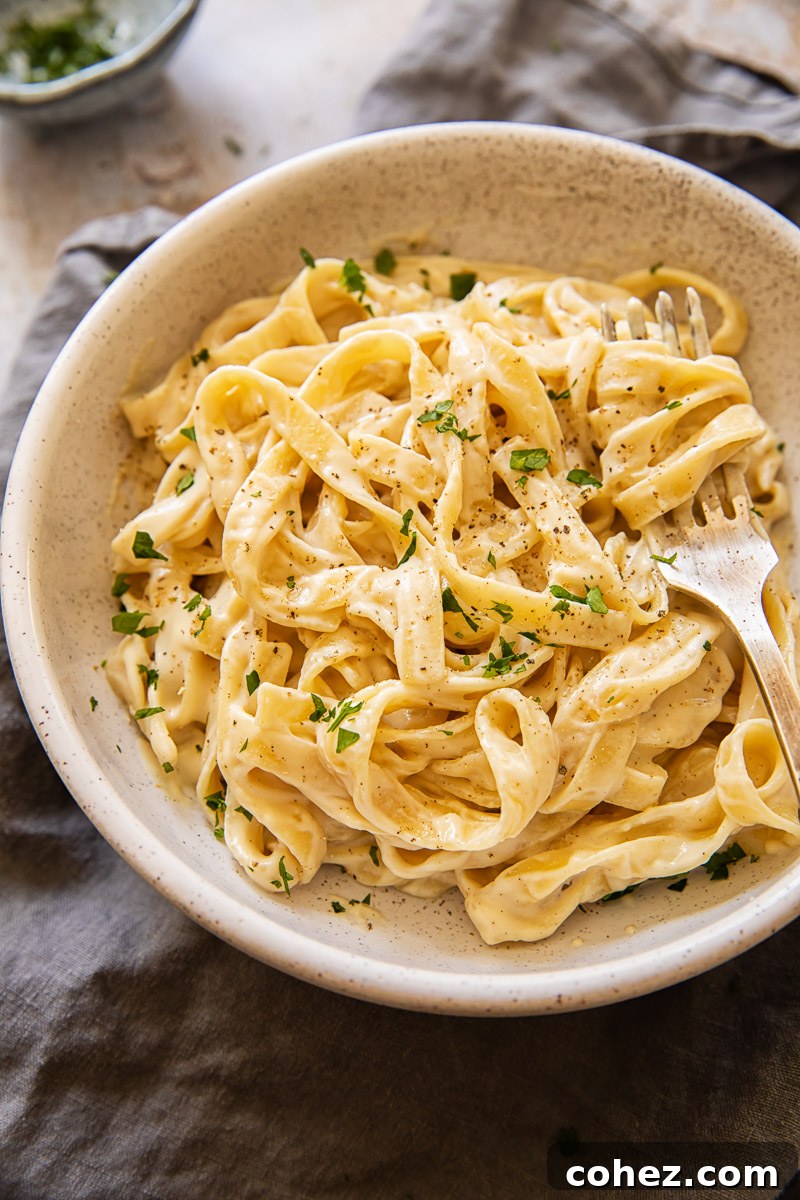
While the most renowned and beloved pairing for this luscious Alfredo sauce is classic fettuccine pasta, its versatility knows no bounds. This rich and creamy sauce can elevate a wide array of dishes, making it a staple in any home cook’s repertoire.
Beyond Fettuccine: Pasta Perfection
Feel free to use any pasta shape you prefer or have on hand. Broader, flatter pastas like tagliatelle or pappardelle are excellent choices as they provide a large surface area for the sauce to cling to, ensuring every bite is coated in creamy goodness. Shorter, ridged pastas like penne, rigatoni, or cavatappi can also work wonderfully, trapping the sauce within their crevices for bursts of flavor. Even spaghetti or linguine can be transformed into a comforting meal with this sauce. Don’t limit yourself – experiment to find your favorite pasta pairing!
Hearty Additions and Customizations
This classic Alfredo sauce serves as a fantastic base for incorporating various proteins and vegetables, allowing for endless culinary creativity. It beautifully complements:
- Chicken: Sautéed, grilled, or shredded chicken is a popular addition. Try our reader-favorite recipes like Chicken Broccoli Alfredo, the spicy kick of Cajun Chicken Alfredo, or the savory indulgence of Prosciutto Wrapped Chicken Alfredo. For something more adventurous, our Blackened Chicken Alfredo offers a unique depth of flavor.
- Shrimp: Lightly cooked shrimp adds a delicate sweetness and a luxurious touch to the creamy sauce.
- Vegetables: Steamed or roasted broccoli florets, spinach, mushrooms, or peas can be folded into the sauce for added nutrition and texture. They absorb the richness of the Alfredo beautifully.
- Other Proteins: Cooked salmon flakes, thinly sliced prosciutto, or even crispy bacon bits can introduce different dimensions of flavor and make the dish even more substantial.
Perfect Side Dishes to Complement the Richness
Since Alfredo sauce is inherently rich, I highly recommend pairing it with lighter, fresh side dishes to create a balanced meal. These options often echo Italian flavors, ensuring a harmonious dining experience:
- Lemon Garlic Green Beans with Parmesan: The bright, tangy lemon and pungent garlic cut through the richness of the Alfredo, while the green beans offer a refreshing crunch.
- Roasted Broccoli with Sun-Dried Tomatoes and Chillies: Roasting brings out the sweetness in broccoli, and the sun-dried tomatoes provide a concentrated burst of umami. A touch of chili adds a welcome warmth.
- A Simple Green Salad: A crisp green salad with a light vinaigrette is always a good choice to cleanse the palate.
- Garlic Bread: For those who love to fully embrace the comfort food experience, warm, crusty garlic bread is perfect for soaking up any remaining sauce.
Favourite Pasta Recipes with Cream Sauces
If you’ve fallen in love with creamy pasta dishes, here are some other recipes featuring rich sauces you might enjoy:
- Tortelloni with Creamy Tomato Sauce and Spinach
- Creamy Tagliatelle with Bacon, Portobello Mushrooms and Truffle Oil
- Chicken and Bacon Pasta
- Creamy Salmon Pasta with Mixed Greens
Frequently Asked Questions About Alfredo Sauce
Can I substitute ingredients for a lighter version?
While this classic recipe calls for heavy cream and butter for ultimate richness, you can experiment with lighter alternatives, though the texture and flavor will change. For a slightly lighter sauce, you could try using a blend of half-and-half and a small amount of cream cheese for thickness, but it won’t achieve the same luxurious consistency. Our Creamy Pasta Sauce Recipe is designed specifically for a lighter approach, and our Vegan Alfredo Sauce offers a plant-based, dairy-free alternative that is surprisingly rich.
How do I store and reheat leftover Alfredo sauce?
Alfredo sauce is best enjoyed fresh. However, if you have leftovers, store them in an airtight container in the refrigerator for up to 3-4 days. When reheating, do so gently over low heat on the stovetop. Add a splash of milk, cream, or even some reserved pasta water while stirring constantly to help loosen the sauce and bring it back to a creamy consistency. Avoid high heat or microwaving at full power, as this can cause the sauce to separate or become oily.
Can I freeze Alfredo sauce?
Freezing Alfredo sauce is generally not recommended. The high dairy content (cream and cheese) tends to separate and become grainy or oily upon thawing and reheating. While it might technically be safe to eat, the texture will be significantly compromised. For best results, it’s always better to make Alfredo sauce fresh, given how quickly and easily it comes together.
★
★
★
★
Homemade Alfredo Sauce
Julia Frey of Vikalinka
5 mins
5 mins
10 mins
6
Ingredients
- 3 tbsp butter
- 500ml/2 cups double/heavy whipping cream
- 120g/1 1/4 cup freshly grated Parmesan cheese
- 1 pinch grated nutmeg
- salt to taste
Instructions
-
In a saucepan or a deep pan, melt the butter over low heat, then add the heavy cream and warm it over low heat for 2-3 minutes.
-
Add the grated Parmesan cheese and continue heating the cream over low heat while stirring with a wooden spoon or a whisk until the cheese has melted and fully incorporated into it. Do not allow the sauce to come to a boil. It should only simmer very lightly. Finish it off with a few gratings of nutmeg, taste and add a pinch of salt if needed.
Nutrition
Calories: 417kcal
Carbohydrates: 3g
Protein: 9g
Fat: 42g
Saturated Fat: 26g
Polyunsaturated Fat: 1g
Monounsaturated Fat: 12g
Trans Fat: 1g
Cholesterol: 143mg
Sodium: 790mg
Potassium: 83mg
Fiber: 1g
Sugar: 1g
Vitamin A: 1556IU
Vitamin C: 1mg
Calcium: 293mg
Iron: 1mg
Nutrition information is automatically calculated, so should only be used as an approximation.
Tried this recipe?
Let us know how it was!