
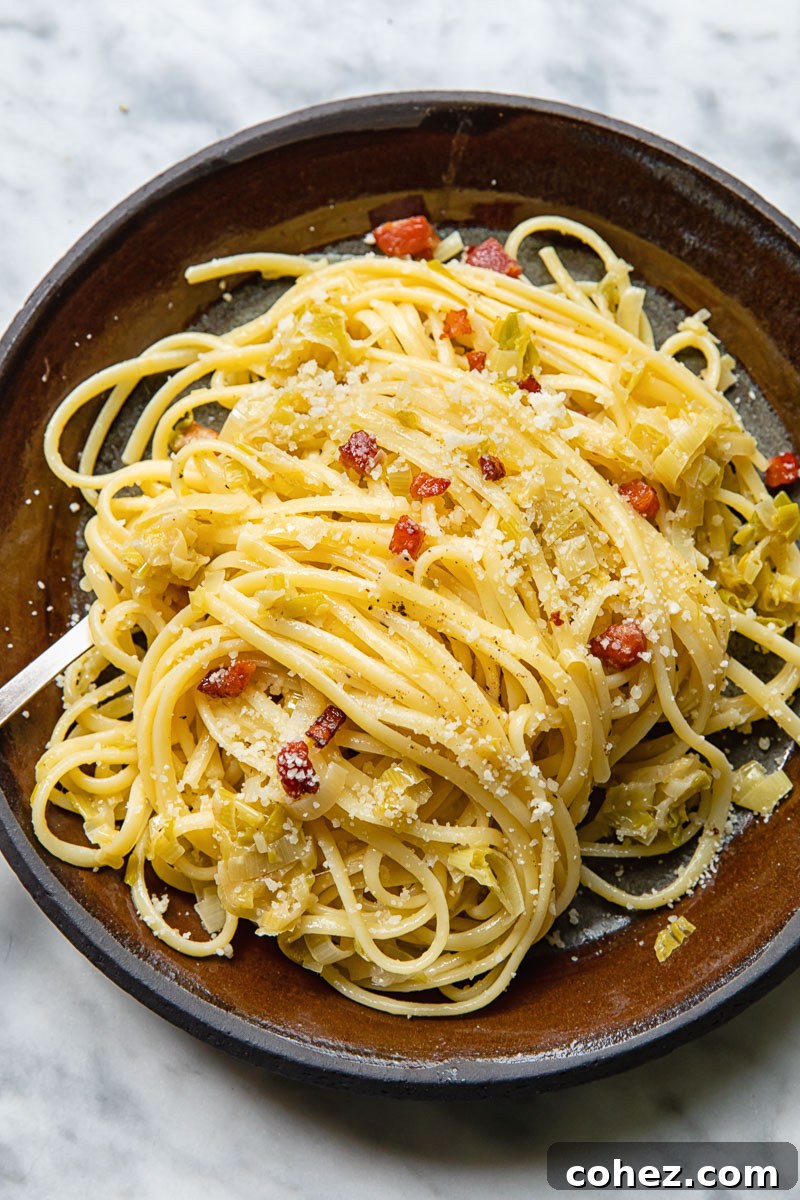
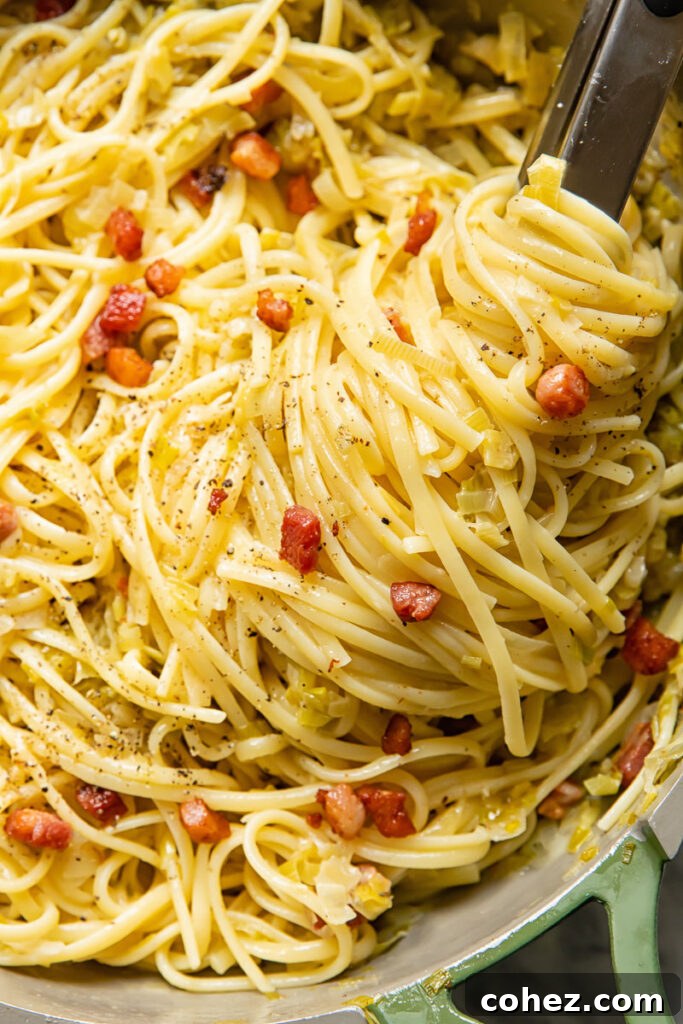
Indulge in the epitome of effortless gourmet with our Caramelized Leek and Pancetta Linguine. This dish isn’t just a meal; it’s an experience, a delightful journey into rich flavors and comforting textures that will surely become a staple in your culinary repertoire. Forget complicated recipes and lengthy ingredient lists; this exquisite pasta dish proves that simplicity often yields the most extraordinary results. Crafted with just a handful of key ingredients, it transforms humble leeks and savory pancetta into a symphony of sweet, creamy, and smoky notes, all intertwined with perfectly al dente linguine. It’s truly as simple as pie, a piece of cake, or any other idiom for sheer culinary ease you can think of!
The magic of this linguine lies in its balanced profile. Sweet, buttery caramelized leeks melt into a luxurious, creamy base, offering a subtle counterpoint to the crispy, smoky chunks of pancetta (or bacon, if you prefer). Each forkful is an invitation to savor, a harmonious blend of textures and tastes that satisfies both the palate and the soul. While it feels wonderfully sophisticated, it comes together with such ease that it’s perfect for a bustling weeknight yet elegant enough for a special occasion.
If you’re seeking a brighter, more vibrant option, especially as spring approaches, consider our
quick roasted cherry tomato and basil fettuccine. It’s bursting with plump, juicy tomatoes and fragrant basil, radiating pure sunshine on a plate. But for a dish that wraps you in a warm, flavorful embrace, this caramelized leek and pancetta linguine stands unrivaled.
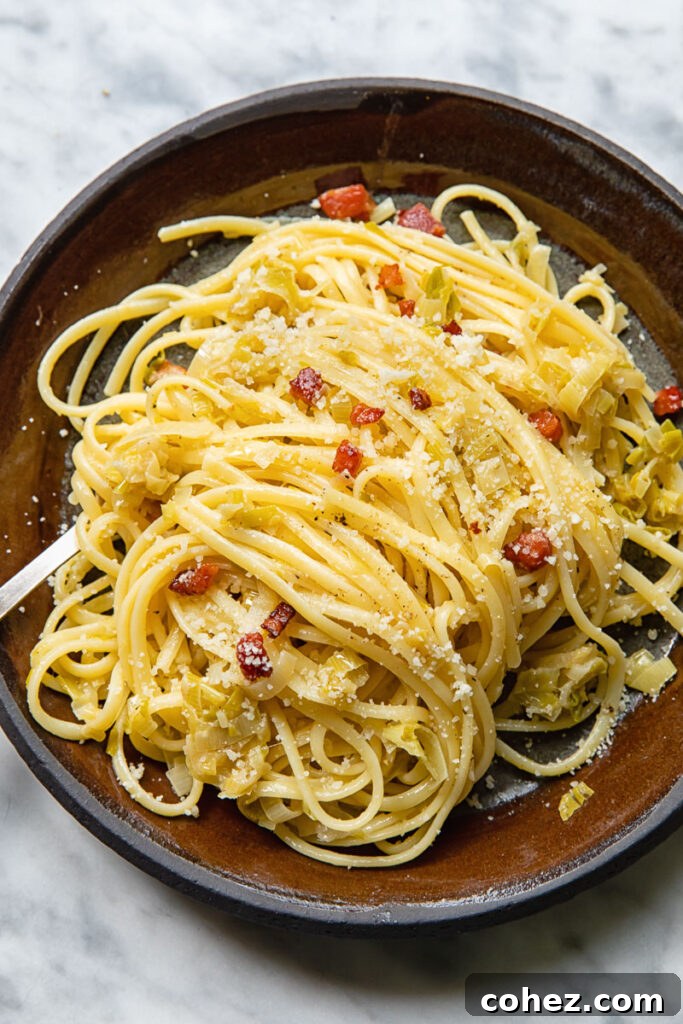
So, why does this dish evoke such strong feelings of nostalgia, as my teenage daughter so aptly put it? She described it as reminiscent of “simple dinners from childhood.” And I can wholeheartedly see her point. When my children were younger, pasta often made an appearance on our dinner table. It was, more often than not, a clever vehicle for incorporating green vegetables and finely diced meats, a subtle culinary trick that many parents employ to ensure their little ones get a balanced meal. This dish, with its creamy texture, tender vegetables, and savory meat, captures that same essence of wholesome, comforting, and unfussy home cooking. It’s a taste of times when meals were uncomplicated expressions of love and care, creating memories with every bite.
Leeks: The Unsung Heroes of Flavor
Leeks are truly magnificent vegetables. Visually striking with their long, pale shafts and elegant green tops, they are a close relative of onions and garlic, yet possess a distinctly milder and sweeter character. While raw leeks might offer a pungent, nose-tingling aroma, cooking them completely transforms their profile, mellowing their intensity into a wonderfully sweet, almost buttery essence. This transformation makes them incredibly versatile and a favorite amongst chefs and home cooks alike.
Beyond their captivating flavor, leeks bring a unique depth to a wide array of dishes. They are an excellent substitute when onions are scarce, and their delicate sweetness makes them invaluable for building rich, complex bases for soups and stews. Our
chicken vegetable soup and
hearty turkey stew are perfect examples of how leeks can elevate a simple broth into something truly extraordinary. They lend a sophisticated, nuanced flavor that can’t be easily replicated.
Leeks also shine as a star ingredient in many comforting, wintry recipes. Imagine the richness of a classic
chicken and leek pie, where their tender sweetness perfectly complements the savory chicken and flaky crust. Or consider the elegant pairing of leeks with seafood, as showcased in our
baked cod with mustard sauce, where they add a layer of sophistication and moisture. But their utility doesn’t stop there; when grilled, sautéed, or roasted on their own, leeks transform into a delightfully soft, almost syrupy side dish, showcasing their inherent sweetness in its purest form. They truly are a versatile and often underappreciated vegetable that deserves a prime spot in your kitchen.
Mastering Leek Preparation: A Step-by-Step Guide
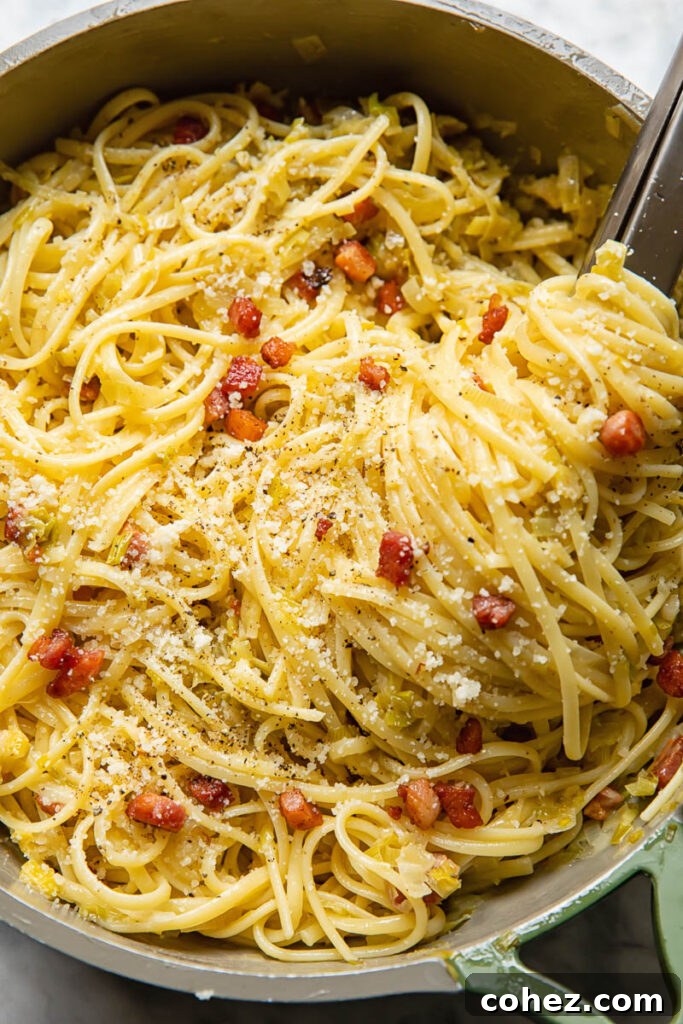
While leeks are a culinary delight, they do come with one minor caveat: they can be quite “grubby little beggars,” as any seasoned cook will tell you! Due to their layered structure, much like onions but with wider leaves, leeks are notorious for trapping dirt, sand, and grit between their layers. A thorough cleaning process is absolutely essential to ensure a pleasant culinary experience and prevent any unwanted crunch in your dish. Don’t let this deter you, however; with a simple and systematic approach, you’ll have perfectly clean leeks ready for cooking in no time.
Here’s my tried-and-true method for preparing leeks, ensuring every piece is spotless and ready to infuse your meal with its incredible flavor:
- Trim the Ends: Begin by addressing both ends of the leek. First, locate the point where the green leaves transition from a lighter hue to a darker, tougher green, typically where they start to separate. This tougher green section, while not ideal for direct consumption in most recipes, can be saved for making vegetable stock if you’re keen on minimizing food waste. Then, trim off the root end, removing any stringy or dirty portions. You’re aiming for the tender white and pale green parts of the leek.
- Initial Lengthwise Slice: After trimming, take your knife and slice the leek lengthways directly up the middle. This crucial step opens up the leek, exposing the inner layers where most of the grit hides. This makes the subsequent washing much more effective.
- First Rinse Under Running Water: Head over to your kitchen sink and give the sliced leeks their first thorough wash under cold running water. As the water flows, gently open out the layers of the leek with your fingers. This allows the water to penetrate deep into every crevice, flushing out the majority of the trapped dirt and sand. Be diligent with this step; it’s the foundation of clean leeks.
- Secondary Slicing for Cooking: Once the initial rinse is complete, you can now slice the leeks into the desired shape for your recipe. For this linguine, small semi-circles work beautifully. These smaller pieces are easier to caramelize evenly and integrate seamlessly into the pasta.
- Final Wash in a Colander: As a final assurance, place your now-sliced leeks into a colander. Rinse them once more under cold running water, tossing them gently to ensure any remaining stubborn particles are dislodged. You can even agitate them in a bowl of cold water, then lift them out, leaving the grit at the bottom. Once this step is complete, you’ll have impeccably clean leeks, perfectly ready to be transformed into a culinary masterpiece.
If you’re among those who can’t bear to waste any part of a vegetable, the darker, discarded green leaves can indeed be kept and added to your next batch of homemade vegetable stock. While I personally tend not to use them for stock as I find they can impart a slightly tougher flavor, it’s certainly a viable option for the waste-averse cook. Just be sure to give them an extra good wash!
Essential Recipe Tips for Perfection
Achieving the perfect Caramelized Leek and Pancetta Linguine hinges on a few key techniques and considerations. Paying attention to these details will ensure your dish is nothing short of spectacular:
- Embrace Simplicity: The beauty of this recipe lies in its minimalist approach. With just a handful of high-quality ingredients, the creamy, sweet leeks are allowed to truly take center stage. This dish is a testament to the fact that profound flavor often comes from letting simple, fresh ingredients shine, creating a truly uncomplicated yet deeply satisfying pleasure.
- Master the Caramelization: This is arguably the most crucial step for unlocking the full potential of your leeks. Proper caramelization is not just about browning; it’s about a slow, gentle process that coaxes out their natural sugars, transforming their flavor into something incredibly sweet, mellow, and complex. Resist the urge to rush this step. Cook them over very low heat for approximately 30 minutes, stirring occasionally, until they are beautifully golden brown and incredibly tender. Patience here will be richly rewarded with an immense depth of flavor that permeates the entire dish.
- Pancetta or Bacon – Choose Wisely: I highly recommend using smoked pancetta for this recipe. Its balanced meat-to-fat ratio is ideal for rendering down slowly, releasing delicious, flavorful fat that forms the base for caramelizing the leeks. However, if pancetta is unavailable, high-quality thick-cut smoked bacon is an excellent and worthy substitute, offering a similar smoky depth. If bacon is your choice, aim for thick slices to allow for proper rendering without becoming too crisp too quickly. In a pinch, even cubed ham can work, though it will offer a slightly different flavor profile. The key is to render the fat slowly to extract maximum flavor.
- Season Generously and Intelligently: Don’t underestimate the power of salt and pepper. Seasoning generously throughout the cooking process is vital for building layers of flavor. Salt, in particular, plays a critical role in enhancing the inherent sweetness of the caramelized leeks while suppressing any residual bitterness. Freshly ground black pepper adds a delightful dimension of subtle spice and warmth, perfectly balancing the mild, creamy richness of the dish. Taste as you go, and adjust to your preference.
- The Starchy Pasta Water Secret: This is an Italian nonna’s best friend for a reason! Before draining your cooked linguine, reserve about half a cup of the starchy pasta water. This cloudy, flavorful liquid is a magical emulsifier. When added to the leeks and pasta, it helps to create a silky, cohesive sauce that clings beautifully to every strand of linguine, ensuring a creamy texture without the need for heavy cream. It’s the secret to a truly luscious pasta dish.
Perfect Serving Suggestions for Your Linguine
This creamy leek, pancetta, and linguine recipe is wonderfully satisfying on its own, providing a harmonious balance of starchy carbohydrates, tender green vegetables, and savory protein. It truly functions as a complete meal. However, for those who, like me, appreciate adding an extra layer of freshness or a complementary texture to their pasta, there are several delightful serving suggestions that can elevate your dining experience.
For the salad enthusiasts, a fresh, vibrant side salad is always a welcome accompaniment. I would personally lean towards either a light and refreshing
warm zucchini salad, which offers a lovely contrast in temperature and texture, or a more substantial and rustic
Panzanella salad. The crisp, bread-filled Tuscan salad provides a delightful counterpoint to the richness of the pasta, adding tang and brightness.
And, of course, no pasta dish is truly complete without a side of crusty bread, especially when my son is home. Garlic bread is almost a mandatory accompaniment in our household, and I always try to ensure I have some on hand. Whether it’s a freshly baked
focaccia, perfect for soaking up every last drop of the delicious sauce, or a quick and easy
air fryer garlic bread prepared in advance, having a good piece of bread ready makes the meal feel even more complete and comforting. The combination of the rich pasta and a warm, garlicky slice of bread is simply irresistible.
Storage and Reheating Leftovers: Tips for Next-Day Enjoyment
Pasta, especially long pasta like linguine, is one of those dishes I typically prefer to enjoy fresh. While it’s certainly possible to refrigerate and reheat leftovers, it often loses some of its original charm and texture the second time around. The pasta can become a bit softer, and the sauce might not cling quite as beautifully.
However, if you’ve found yourself with an abundance of this delicious leek and pancetta pasta, don’t despair! It will happily last in the fridge for up to 3 days. To store it, transfer the cooled pasta to an airtight container. When you’re ready to enjoy your leftovers, the key to successful reheating is to do so gently. Reheat the pasta on the stovetop over medium-low heat. If the linguine appears a bit dry or sticky, add a splash of water or even a little chicken or vegetable broth. This will help to rehydrate the sauce and bring back its creamy consistency. Stir gently until the pasta is heated through and the sauce is once again smooth and luscious. While it might not be quite the same as the freshly prepared dish, these tips will ensure your second-day pasta is still a delightful and convenient meal.
Explore More Creamy Pasta Recipes:
- Homemade Pasta Cream Sauce
- Easy and Authentic Carbonara
- Prosciutto Wrapped Chicken Alfredo
- Gourmet Truffle Mac and Cheese
Caramelised Leek and Pancetta (Bacon) Linguine

Ingredients
- 200g/7oz smoked cubed pancetta, or thickly cut bacon
- 3 leeks, sliced (white and light green parts only)
- 2 tbsp butter
- 50g/½ cup Parmesan, grated
- 500g/½ lb linguine
- Salt and freshly ground black pepper to taste
Instructions
-
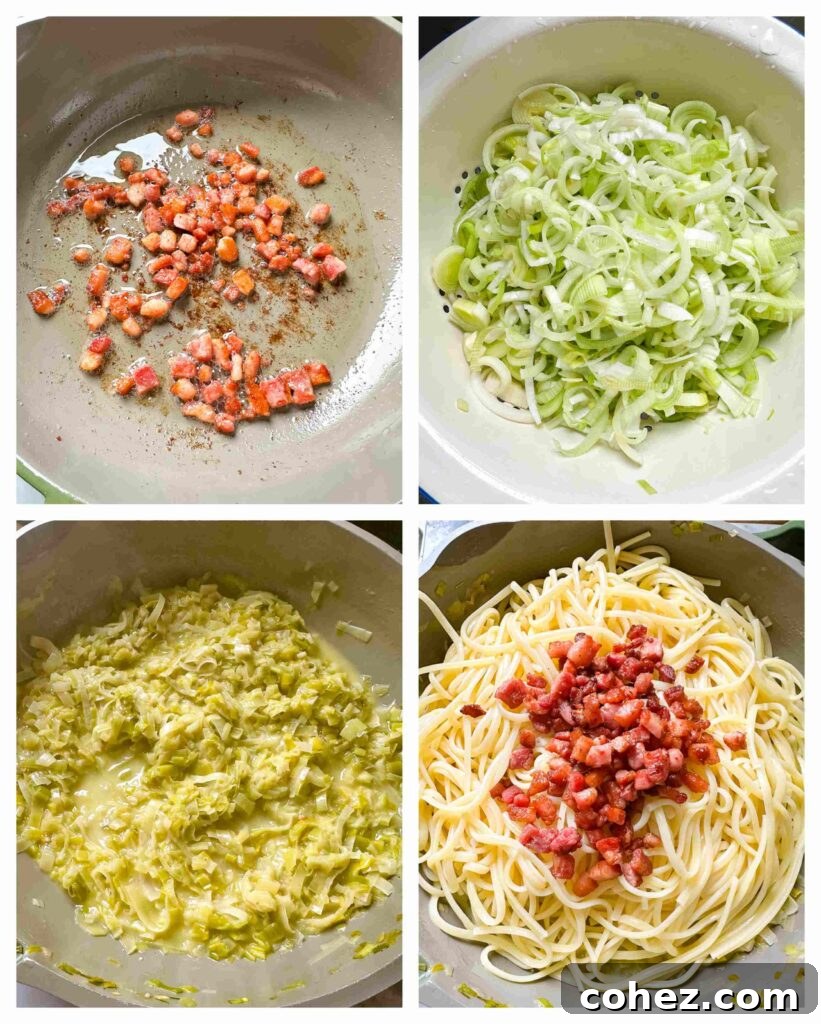
In a large, heavy-bottomed pan, add the smoked pancetta cubes. Fry them over medium-low heat for approximately 10-15 minutes, allowing the fat to slowly render out and the pancetta to become crispy. (If using bacon, this process might be quicker, so adjust your time accordingly). Once rendered, remove the crispy pancetta with a slotted spoon and set aside, leaving the flavorful rendered fat in the pan.
-
While the pancetta is cooking, prepare your leeks. Slice the white and pale green parts of the leeks into half-moon shapes. Place the sliced leeks in a colander and rinse them thoroughly under cold running water, separating the layers with your fingers to remove any trapped dirt or grit. Pat them as dry as possible using a clean kitchen towel or paper towels.
-
Set a large pot of salted water on the stove to boil for the linguine. Once the water is at a rolling boil, add the pasta and cook according to the package instructions until al dente.
-
Add the prepared leeks to the pan with the rendered pancetta fat. Begin caramelizing the leeks over very low heat. This is a slow process that requires patience, but it is well worth the wait as it develops their incredible sweetness and deep flavor. Expect to cook them for about 30 minutes, stirring occasionally, until they are beautifully soft, golden brown, and deeply flavorful. Towards the end of the caramelization process, stir in the butter until it melts and coats the leeks.
-
Before draining the cooked pasta, reserve about ½ cup of the starchy pasta water. Drain the linguine and add it directly to the pan with the caramelized leeks. Pour in the reserved ½ cup of pasta water and toss everything together to combine. Next, add the grated Parmesan cheese and the crispy pancetta back into the pan. Stir vigorously until the cheese is fully incorporated, creating a creamy, cohesive sauce that coats the linguine beautifully. Season generously with salt and freshly ground black pepper to taste, adjusting as needed.
-
Serve immediately, garnished with a sprinkle of extra Parmesan or fresh parsley if desired. Enjoy your delicious and comforting Caramelized Leek and Pancetta Linguine!
Nutrition
Nutrition information is automatically calculated, so should only be used as an approximation.
Tried this recipe?Let us know how it was!