
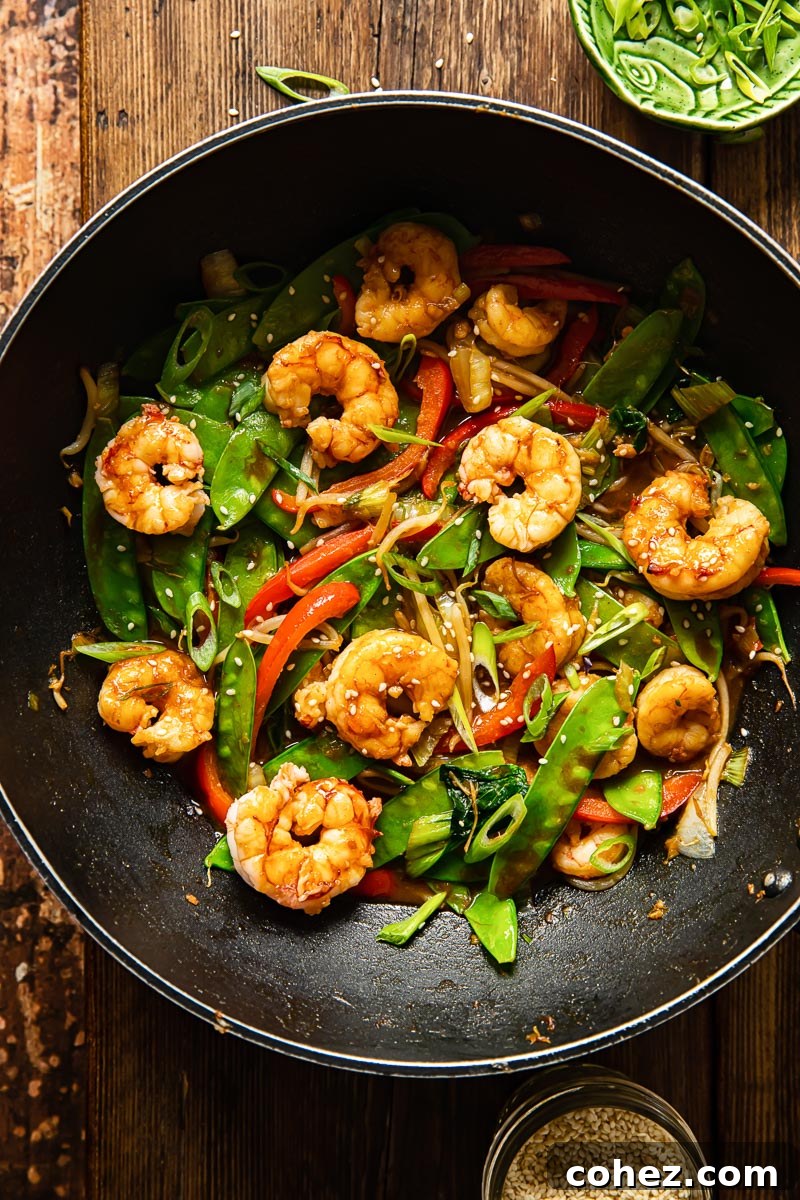
Imagine whipping up a restaurant-quality prawn stir fry, bursting with vibrant, healthy vegetables, right in your own kitchen. It’s not just a dream – it’s much easier and quicker than you think! This isn’t just fast food; it’s genuinely good food that’s fast.
If you’re passionate about recreating your favorite takeout dishes at home, explore our Asian Recipe Collection for a wealth of tips and culinary inspiration that will elevate your cooking.
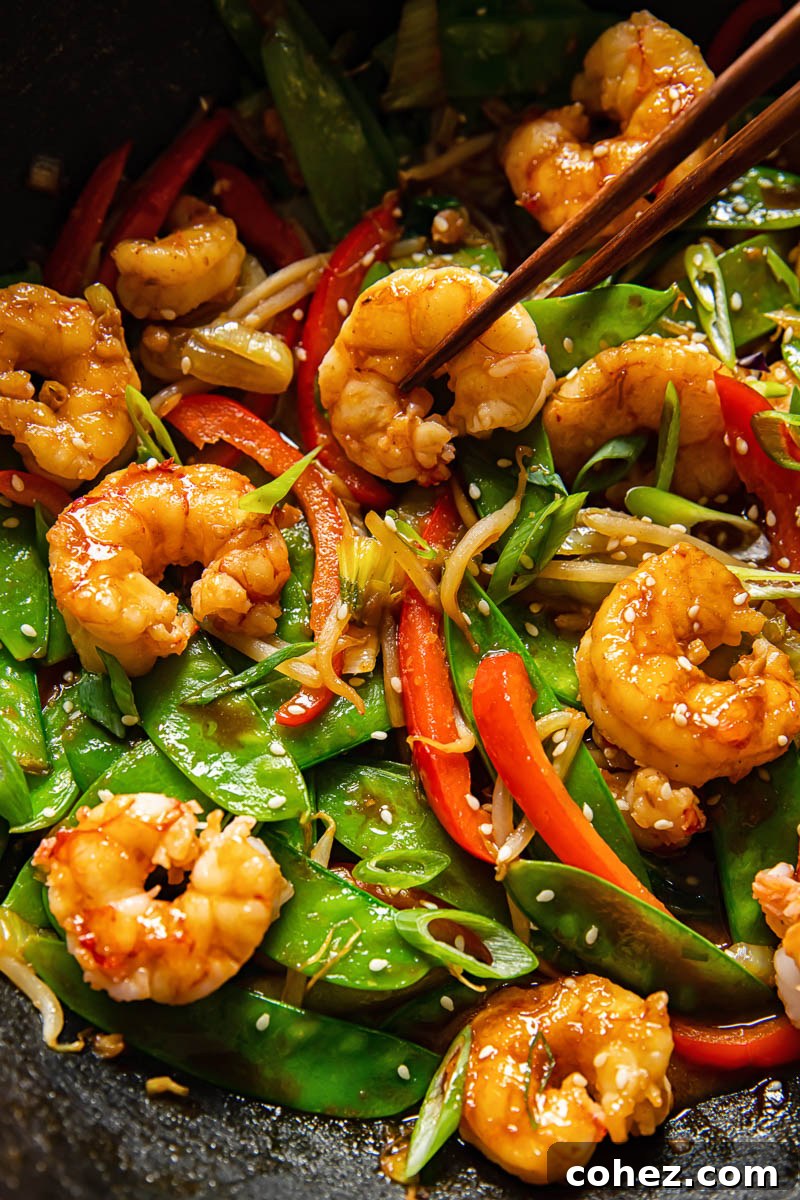
Mastering the Art of Homemade Prawn Stir Fry
When the craving for something light yet satisfying hits, or when you feel the need to balance out recent indulgences, a stir fry is my go-to meal. These versatile dishes are not only quick and easy on the stomach but also loaded with an impressive array of fresh vegetables. They are the ultimate mid-week saviors, offering a perfect blend of convenience, flavor, and nutrition.
What’s even better? Everyone, it seems, adores a good stir fry. Even those notoriously picky eaters, often dubbed “vegetable haters,” frequently ask for second helpings. So, what’s the secret to this universal appeal? It boils down to a few key elements that transform simple ingredients into an irresistible feast.
The widespread popularity of stir-fried dishes, particularly vegetable stir fries, can be attributed to several compelling reasons. Chief among them is the unique cooking method itself – a stark contrast to traditional European ways of preparing vegetables, unless, of course, you hail from cultures where stir fries reign supreme. Lucky you!
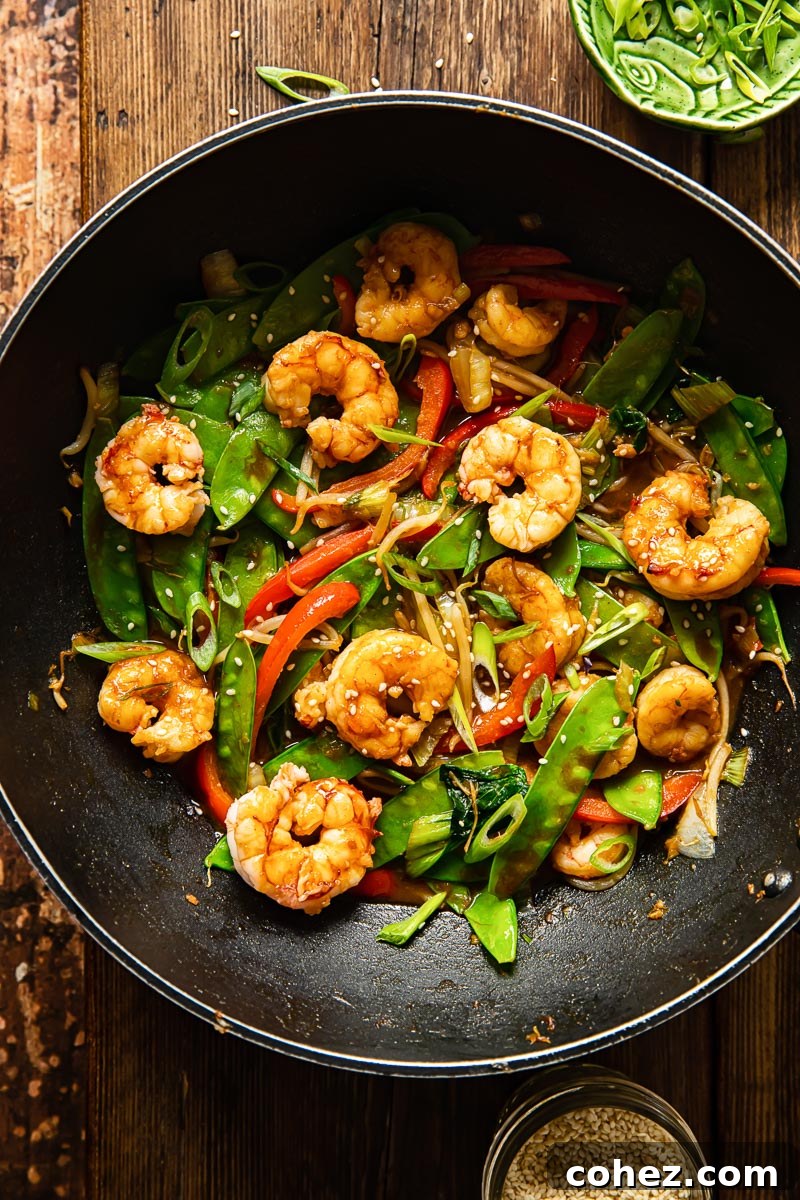
Why Choose Homemade Stir Fry?
As someone who grew up with a European culinary background, where meat often took center stage, I wholeheartedly embraced a new approach to eating in my early twenties. My extensive travels across Asia, including a year-long stay in the Philippines, profoundly influenced my cooking philosophy. It was there that I learned to appreciate and build meals around the diverse flavors and textures of vegetables, a style of cooking I instantly fell in love with.
Choosing to make your prawn stir fry at home offers numerous benefits beyond just taste. It’s a healthier alternative to most takeout options, giving you full control over ingredients, oil, and sodium content. It’s incredibly cost-effective, using fresh, affordable produce and a moderate amount of protein. Plus, the speed of preparation makes it ideal for busy weeknights, transforming pantry staples into a gourmet experience in minutes. This truly is the definition of wholesome fast food!
The Essence of Stir-Frying: Key Techniques for Success
The primary reason I believe stir fries are so universally adored lies in the technique of their preparation. This isn’t just about throwing ingredients into a pan; it’s a carefully orchestrated culinary dance that ensures maximum flavor and optimal texture. Let’s delve into the essential principles:
1. Precision in Cutting
Observe any well-made stir fry, and you’ll notice that all vegetables are meticulously cut into uniform, bite-sized pieces or thinly sliced. This isn’t merely for aesthetics; it’s crucial for several reasons. Firstly, uniform cuts ensure even cooking, preventing some pieces from being overcooked while others remain raw. Secondly, bite-sized pieces eliminate the need for a knife at the table, making the meal effortless to enjoy. Finally, smaller pieces maximize the surface area, allowing each morsel of vegetable to be thoroughly coated in that delectable, aromatic sauce, intensifying every bite.
2. The Magic of the Sauce
Everything, especially vegetables, tastes exponentially better with a thoughtfully crafted sauce. A stir fry sauce is the soul of the dish, providing depth, complexity, and that irresistible umami punch. It’s a harmonious blend, often starting with an aromatic base of freshly minced garlic, grated ginger, and sliced onions (or spring onions). These foundational ingredients amp up the flavor experience, creating a fragrant backdrop for everything else. When it comes to the liquid components, don’t underestimate the power of key Asian condiments:
- Soy sauce: Provides essential savory, salty, and umami notes. Opt for low-sodium if desired.
- Hoisin sauce: Adds a wonderful sweet, tangy, and slightly spicy complexity.
- Oyster sauce: Contributes a rich, savory, and slightly sweet flavor with a distinctive umami depth (don’t worry, it doesn’t taste overtly like oysters!).
- Sesame oil: A few drops at the end add a nutty aroma and finish.
- A touch of rice vinegar or lime juice: To balance richness with acidity.
- A pinch of sugar or honey: To round out the flavors and enhance browning.
These ingredients, readily available in most supermarkets, instantly transform your stir-fry into a symphony of complex tastes.
3. High Heat, Crisp Perfection
The cooking itself is done over intensely high heat. This rapid, high-temperature cooking is what sets stir fries apart. It quickly sears the outside of the vegetables, caramelizing their natural sugars and locking in their vibrant colors and nutrients. Crucially, the interior of the vegetables remains wonderfully crisp-tender, avoiding the dreaded sogginess often associated with overcooked greens. No more complaints about bland, mushy vegetables! This simple yet incredibly effective technique delivers perfectly textured produce every time.
4. Protein as an Accent
When any type of protein – whether it’s prawns, chicken, beef, or tofu – is added to a stir fry, it’s not there to dominate the dish. Instead, it serves as a complementary element, adding a touch of flavor and textural interest. This approach also makes stir fries incredibly economical, allowing vegetables to truly shine as the stars of the meal while providing sufficient protein for a balanced diet.
Choosing Your Ingredients: Versatility is Key
Now, let’s talk about the stars of the show: the ingredients. One of the greatest joys of stir-frying is its incredible flexibility. You are absolutely free to use any vegetables you adore, or simply whatever you have readily available in your fridge. While your creation might not always be the “most authentic” in a strict sense – largely because the variety of produce commonly found in Western supermarkets can differ from traditional Asian favorites – it will undeniably be delicious and nutritious.
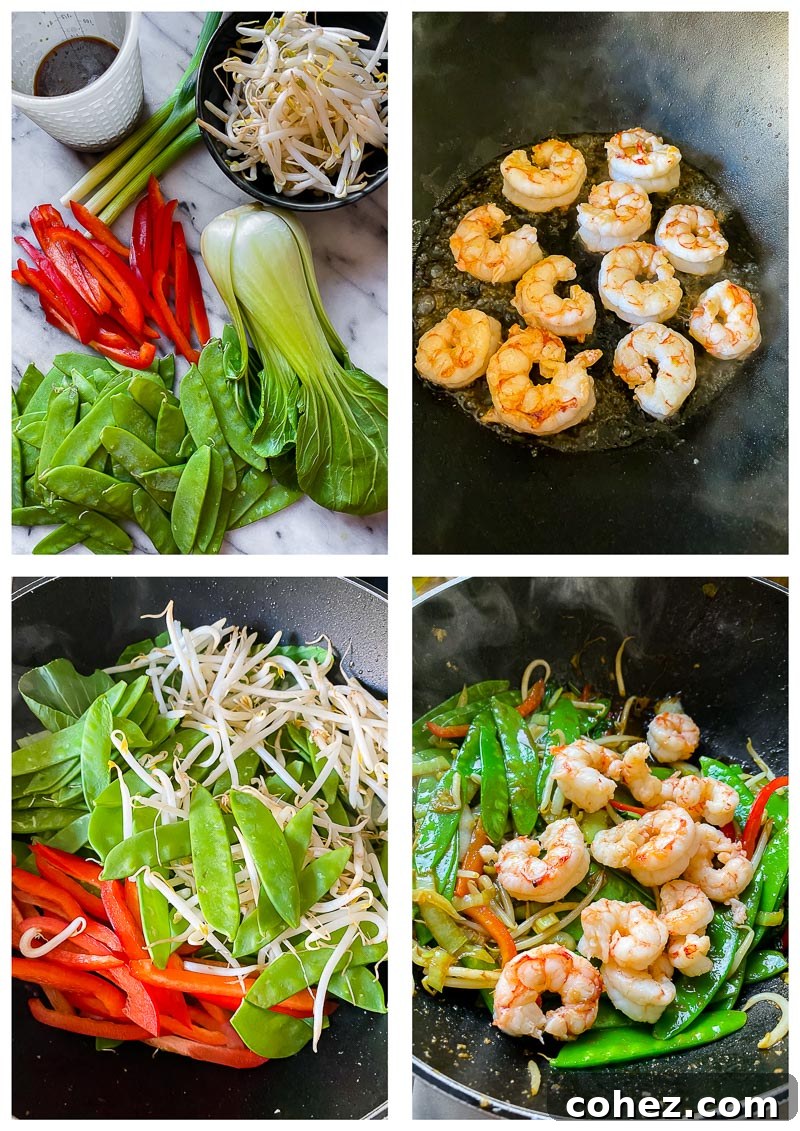
That being said, many excellent Asian-inspired vegetables are widely accessible. You can almost always find essentials like bok choy, crisp bean sprouts, vibrant snow peas (known as mangetout in the UK), and colorful red or green bell peppers in most major supermarkets. These form an excellent foundation for any stir fry.
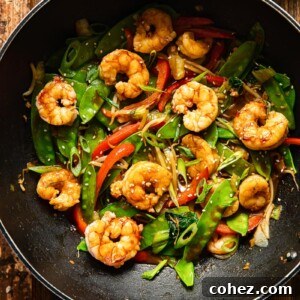
For this particular recipe, we’re highlighting the use of large, succulent pink Argentine prawns (or shrimp, as they are commonly called in the US – same delicious creature!). Prawns are fantastic for stir fries because they cook very quickly and absorb flavors beautifully. However, the choice of protein is entirely yours. Feel free to substitute with:
- Crab: Fresh or imitation crab can add a delicate sweetness.
- Chicken: Thinly sliced chicken breast or thigh cooks rapidly and is a lean option. Marinate it briefly for extra flavor.
- Beef: Flank steak or sirloin, thinly sliced against the grain, works wonderfully. A quick marinade with soy sauce and cornstarch will tenderize it.
- Tofu: For a vegetarian or vegan option, firm or extra-firm tofu pressed and cubed, then lightly pan-fried until golden, adds fantastic texture and absorbs sauce well.
Expert Tips for a Flawless Stir Fry
- Preparation is Paramount: Stir fries live up to their name – they are extremely quick to make. This means once you start cooking, there is absolutely no time to stop and chop or slice. Ensure all your vegetables are prepped, sauces are mixed, and proteins are ready before the wok even hits the heat. This “mise en place” (everything in its place) is the golden rule of stir-frying.
- Embrace Fresh Aromatics: The foundation of any great stir fry lies in its aromatics. Always opt for fresh ginger and garlic. Their pungent, vibrant flavors cannot be replicated by garlic powder or dried ginger, which lack the same depth and fragrance.
- Vegetable Versatility: While our recipe suggests specific vegetables, the beauty of a stir fry is its adaptability. You can use almost any vegetable you like – broccoli, carrots, mushrooms, snap peas, bamboo shoots, water chestnuts, baby corn, or even asparagus. Just remember to consider cooking times. If a vegetable, like broccoli florets or sliced carrots, will take longer than 5 minutes to become crisp-tender, blanch them briefly in boiling water first, then shock them in ice water before adding them to the pan for stir-frying. This ensures everything cooks evenly.
- Protein Power: Don’t limit yourself to prawns or shrimp. This recipe is incredibly adaptable. Feel free to replace the seafood with equally delicious alternatives like thinly sliced chicken breast, tender beef strips, or protein-packed tofu cubes, depending on your dietary preferences or what you have on hand.
Looking for more stir-fry inspiration? Check out some of our other cherished recipes:
- Beef, Mushroom and Snow Pea Stir Fry
- Teriyaki Chicken Stir Fry with Grilled Onions
- Speedy Sesame Shrimp Stir Fry
- Sweet Chili Shrimp Stir Fry
Easy Prawn Stir Fry
Equipment
-
This is an affiliate link.wok
Ingredients
- 1 tbsp vegetable oil
- 250g/1/2 lbs large prawns (shrimp) , peeled and deveined
- salt
- 2 cloves garlic, minced
- 1 tbsp grated ginger
- 3 spring/green onions, sliced (white parts for cooking, green for garnish)
- 1 bok choy, sliced
- 150g/1 3/4 cups snow peas/mangetout
- 80g/1 cup bean sprouts
- 1/2 red pepper, sliced into thin strips
- 1 tsp sesame seeds, optional, for garnish
For the sauce
- 2 tbsp This is an affiliate link.hoisin sauce
- 2 tbsp This is an affiliate link.soy sauce
- 1/2 tsp white pepper
- 1/2 tsp sesame oil
Instructions
-
Ensure all vegetables are sliced and minced, and the sauce ingredients are combined in a small bowl before you begin cooking. Heat the vegetable oil in a wok or a large, deep frying pan over high heat until shimmering. Add the prawns, seasoned lightly with salt, and cook for 1-2 minutes on each side until they are pink and cooked through. Remove the cooked prawns to a clean plate and set aside.
-
To the same hot pan, add the minced garlic, grated ginger, and the white parts of the sliced spring onions. Stir-fry these aromatics briskly for about 30 seconds until fragrant, being careful not to burn them. Next, add the chopped bok choy, snow peas/mangetout, bean sprouts, and sliced red pepper. Continue to stir-fry for 2-4 minutes, tossing continuously, until the vegetables are vibrant, tender-crisp, and still retain a slight bite.
-
Pour in the prepared sauce mixture (hoisin sauce, soy sauce, white pepper, and sesame oil) and stir well to coat all the vegetables evenly. Cook for another 1-2 minutes, allowing the sauce to slightly thicken and meld with the vegetables. Finally, return the cooked prawns to the pan. Gently stir-fry for an additional minute or until the prawns are thoroughly warmed through and coated in the savory sauce. Sprinkle with the green parts of the sliced spring onions and sesame seeds, if using, just before serving. Serve immediately over steamed rice or noodles for a complete meal.
Notes
- Because stir fries cook very quickly, dedicate time to chopping and preparing all your ingredients (mise en place) before you even turn on the stove. This ensures a smooth and stress-free cooking experience.
- For the most authentic and vibrant flavor, always use fresh ginger and garlic. Their intense aromatics cannot be matched by dried powders.
- Feel free to experiment with a wide array of vegetables. If you choose heartier vegetables that require longer cooking times (e.g., broccoli, carrots), blanch them in boiling water for 1-2 minutes, then quickly cool in ice water before adding them to the stir fry.
- This recipe is highly adaptable. Prawns can be easily swapped for chicken, beef (sliced thinly against the grain), or firm tofu for a delicious alternative.
Nutrition
Carbohydrates: 16g |
Protein: 15g |
Fat: 2g |
Saturated Fat: 1g |
Polyunsaturated Fat: 1g |
Monounsaturated Fat: 1g |
Trans Fat: 1g |
Cholesterol: 79mg |
Sodium: 1127mg |
Potassium: 805mg |
Fiber: 4g |
Sugar: 8g |
Vitamin A: 10463IU |
Vitamin C: 141mg |
Calcium: 293mg |
Iron: 3mg
Nutrition information is automatically calculated, so should only be used as an approximation.