
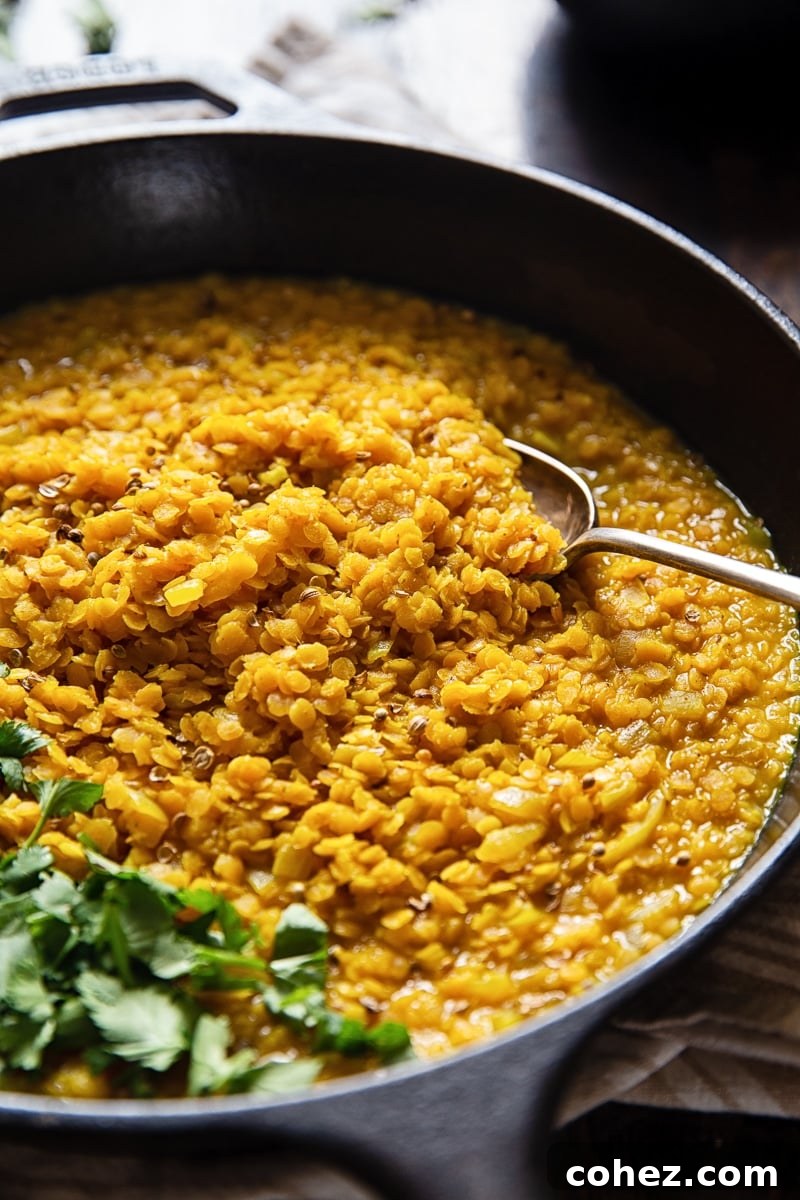
Embark on a culinary journey to the Himalayas with this authentic Nepalese Red Lentil Dahl recipe. This heartwarming and nutritious vegetarian curry, featuring vibrant red lentils simmered to perfection with aromatic onions, garlic, ginger, and a blend of traditional spices, promises a taste experience that is both comforting and deeply satisfying. Serve it generously over fluffy plain rice for a complete and wholesome meal that nourishes both body and soul.
For an expanded vegetarian feast, consider pairing this exquisite dahl with our Simplified Cauliflower and Potato Curry “Aloo Gobi”. Together, they create a symphony of flavors and textures, perfect for a healthy and fulfilling dinner.
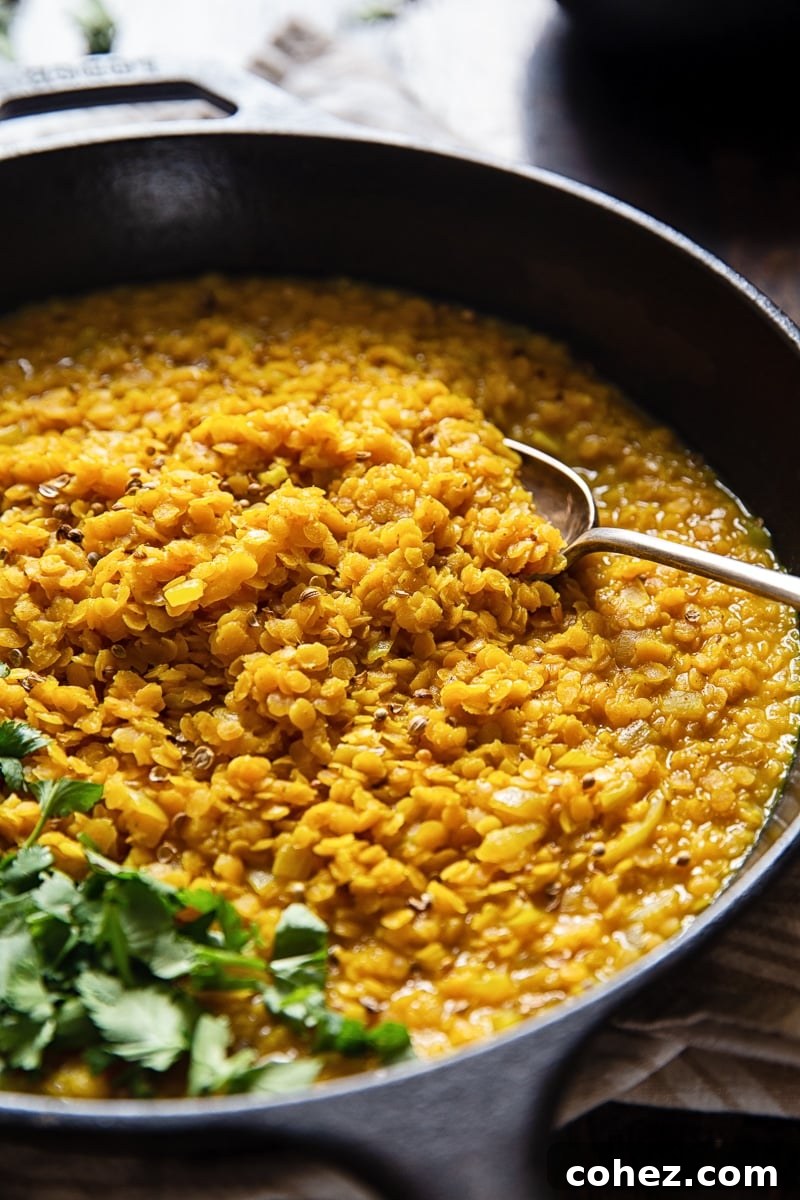
In today’s fast-paced world, finding meals that are both incredibly flavorful and deeply nourishing, yet remain budget-friendly, can feel like a quest. This Nepalese Red Lentil Dahl is precisely that discovery – a dish that consistently delivers on all fronts. It’s a testament to how simple, wholesome ingredients can transform into something truly extraordinary, making healthy eating accessible and exciting.
The inspiration for this particular recipe hails from my husband’s travels through Nepal in his twenties, where he first encountered the profound simplicity and incredible flavors of lentil dahl. He returned with a rudimentary recipe, a culinary memory, that has since been lovingly refined and perfected in our kitchen. Over the years, this dahl has evolved into a beloved staple at our dinner table, frequently making an appearance, especially alongside a vibrant Indian curry. It represents a piece of cherished travel history, now a comforting part of our family tradition.
Despite its humble origins and straightforward preparation, this red lentil dahl is remarkably fragrant and incredibly comforting. The nuanced flavors are patiently developed, building depth without requiring an exhaustive list of ingredients. Each component plays a crucial role, harmonizing beautifully to create a dish that is wonderfully creamy, profoundly aromatic, and utterly soothing.
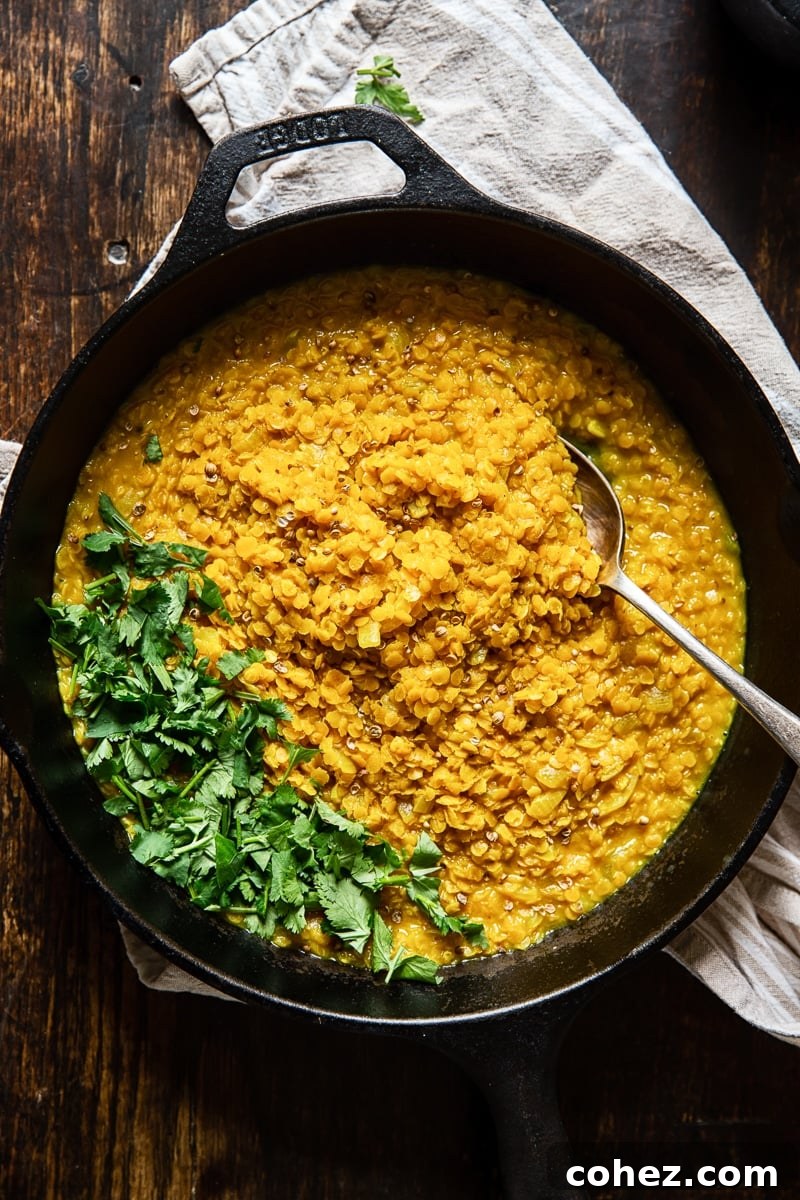
What is Lentil Dahl? Exploring a Global Staple
Dahl, often spelled dhal or dal, refers to a wide variety of dried, split pulses (lentils, peas, and beans) but most commonly denotes a thick, flavorful stew or soup made from these ingredients. It’s a cornerstone of culinary traditions across the Indian subcontinent, an essential part of daily meals in countries like Nepal, India, Pakistan, and Bangladesh. More than just a dish, dahl represents comfort, sustenance, and a rich tapestry of regional flavors.
Traditionally, dahl is served as part of a larger meal, often alongside fluffy rice, fresh vegetables, a selection of chutneys, and sometimes meat or fish. In Nepal, dahl is so integral to the national diet that the combination of lentil stew and rice is affectionately known as “Dahl Baht” (Lentil Rice). For many Nepalis, it’s not just a meal; it’s a way of life, consumed at least once, if not twice, daily. Its filling nature and exceptional nutritional profile make it a perfect foundation for a balanced diet, providing sustained energy and vital nutrients.
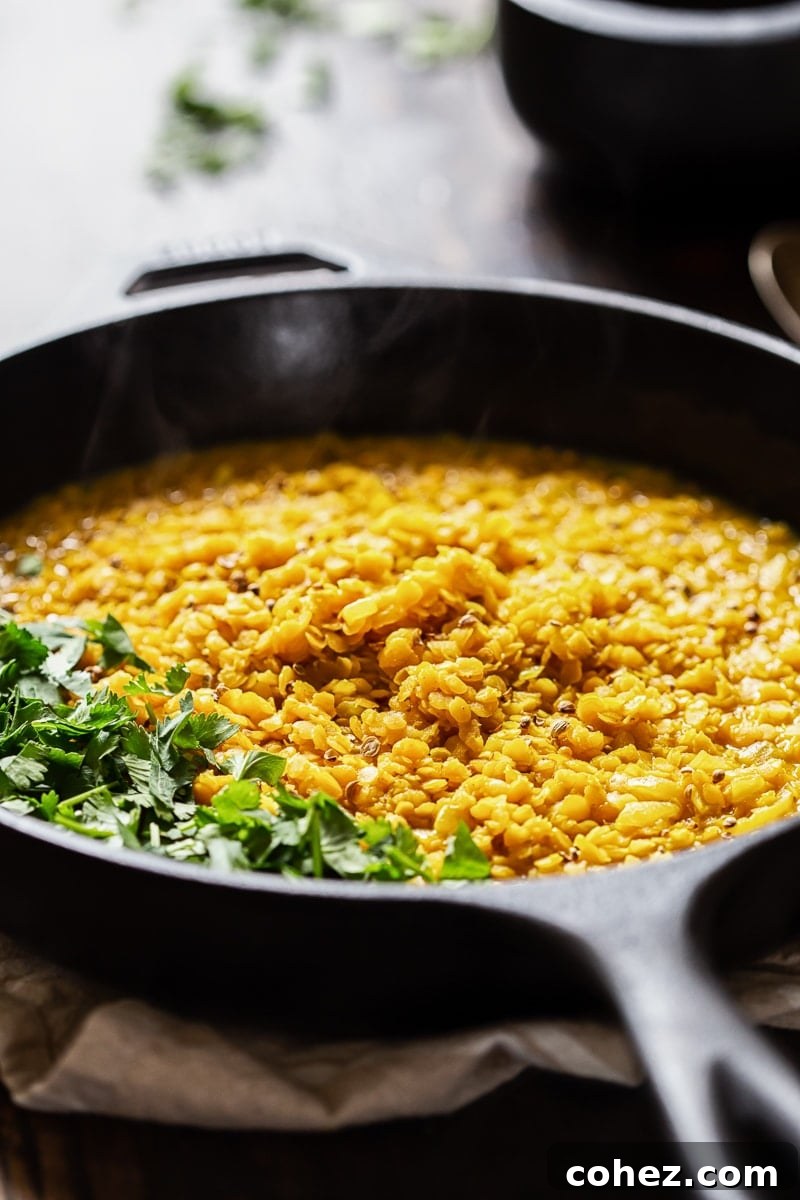
While the basic concept remains consistent – lentils cooked until tender and seasoned with aromatics and spices – every household and every cook boasts their unique dahl recipe. The variations are endless, depending on the type of lentil used, the specific spices preferred, and even the cooking method. While this recipe specifically uses red lentils, which offer a quick cooking time and a lovely creamy texture, other varieties like yellow moong dal, masoor dal, or even chana dal (split chickpeas) can be used to create different flavor profiles and textures. If you’re looking to explore another popular lentil dish, Dal Makhani is a rich and creamy preparation made with whole black lentils, offering a completely different but equally delicious experience.
My initial encounter with dahl left me genuinely astonished. It was incredible how such a straightforward assembly of ingredients could yield flavors so profound, rich, and utterly captivating. The beauty of dahl lies in its subtlety; it’s not about overwhelming heat but about a gentle, beautifully fragrant aroma and an incredibly comforting warmth that makes it the ultimate soul food.
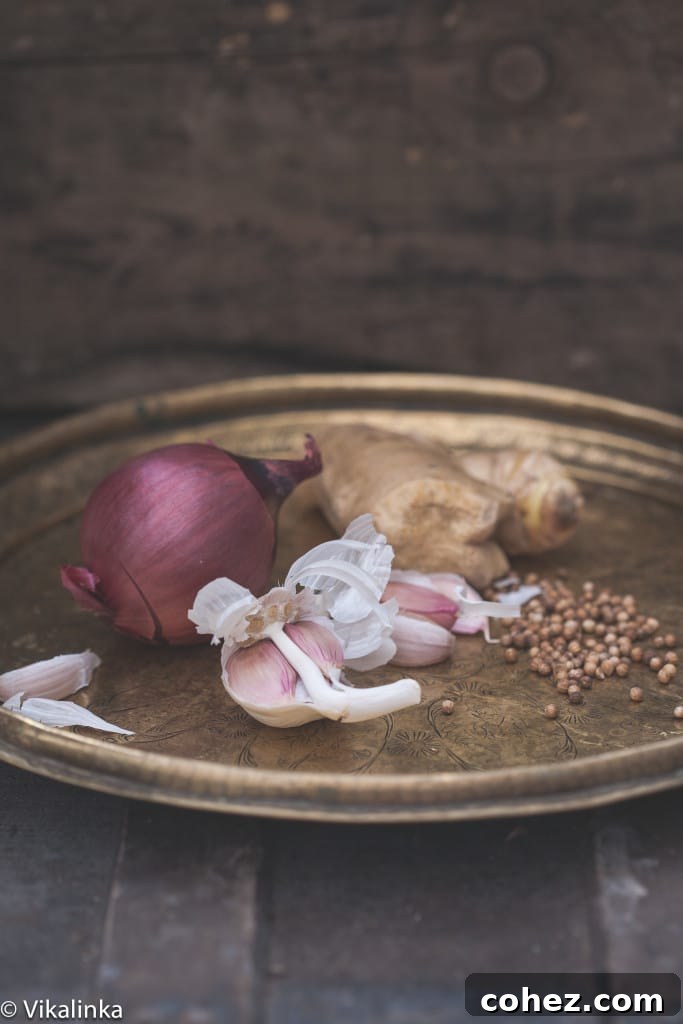
The Heart of the Flavor: What Spices to Add
The true genius of this simple lentil dahl lies in its judicious combination of spices. Each spice is carefully selected to contribute to a balanced, aromatic, and deeply satisfying flavor profile, rather than overpowering the delicate essence of the lentils. We focus on a few key aromatics and spices that work harmoniously:
- Ginger: Freshly grated ginger provides a warm, pungent, and slightly sweet undertone, essential for that distinctive South Asian aroma. It adds a refreshing zest that brightens the entire dish.
- Garlic: Crushed garlic offers a foundational savory depth, complementing the ginger and creating a robust base for the dahl.
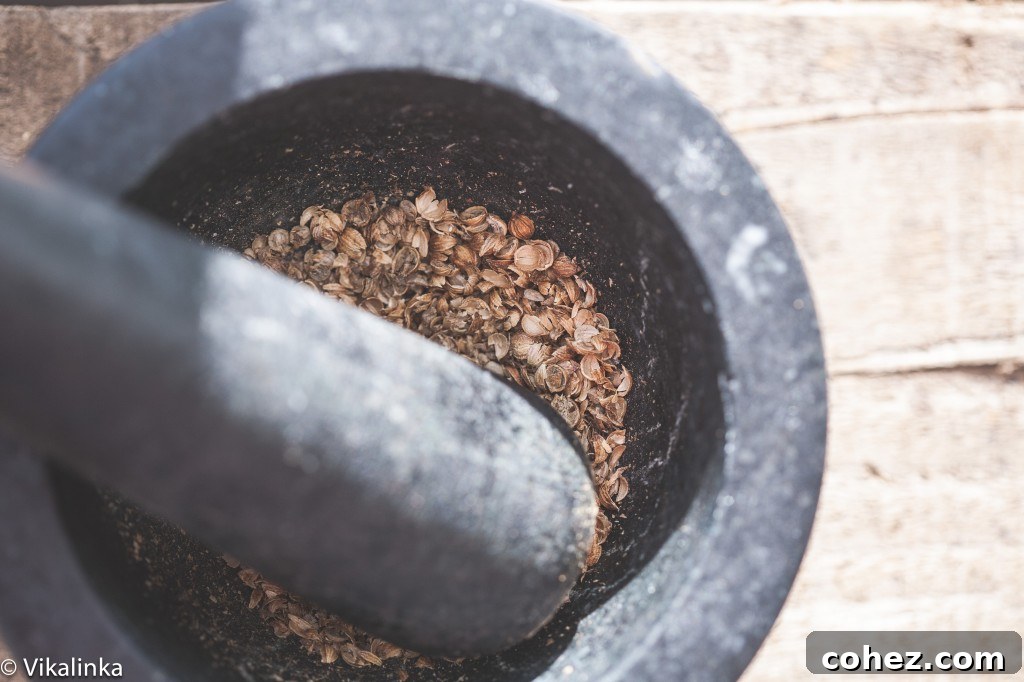
- Coriander Seeds: Freshly crushed coriander seeds impart a warm, citrusy, and slightly earthy flavor. Crushing them just before use releases their potent volatile oils, ensuring maximum aroma and taste.
- Turmeric: Beyond its beautiful golden hue, turmeric offers earthy, slightly bitter notes and is renowned for its anti-inflammatory properties, making this dahl as healthy as it is delicious.
- Red Chili Powder: A hint of red chili powder provides a subtle warmth without overwhelming the palate. This recipe embraces gentle flavors, which is why dahl is often served with a variety of chutneys on the side for those who prefer more heat. The mild spice level makes this red lentil dahl an excellent, kid-friendly meal option, enjoyable for the whole family.
Recipe Tips and Notes for a Perfect Dahl
Creating the perfect red lentil dahl is surprisingly simple, but a few key tips can elevate your dish from good to exceptional:
- Choosing the Right Lentils: For this specific dahl, red lentils are the star. Don’t be confused by their “red” name; they are typically orange-pink and cook down beautifully to a creamy texture. While other lentils can be used for different dahl varieties, stick to red lentils for this recipe’s intended consistency and flavor.
- Preventing a Soupy Mess: A common challenge with lentils is them turning into a mushy, soupy texture. To ensure your red lentils retain their delightful shape and a pleasant bite, pan-fry them for 2-3 minutes after coating them with the onion and spice mixture, but before adding water. This gentle toast helps them hold their structure during simmering.
- Mindful Simmering: Once water is added, avoid over-simmering. Red lentils cook relatively quickly. Watch them carefully and stop cooking when they are tender yet still mostly intact, rather than completely disintegrated. This preserves their texture and prevents the dahl from becoming too thick or pasty.
- Washing Your Lentils: Always rinse your red lentils thoroughly under cold running water before cooking. This removes any dust or debris and can also help with digestion.
- Adjusting Consistency: If your dahl becomes too thick after cooking or reheating, simply add a splash of hot water or vegetable broth to achieve your desired consistency.
- Fresh Aromatics are Key: The vibrant flavors of ginger and garlic are crucial. Whenever possible, use fresh ingredients and grate or crush them just before adding to the pan for maximum impact.
Serving Suggestions: Completing Your Nepalese Feast
While this red lentil dahl is undeniably delicious on its own, especially when spooned over a mound of fragrant basmati rice or a luscious coconut rice, it truly shines as part of a more elaborate meal. In Nepalese and Indian cuisine, dahl is often just one component of a thali – a platter featuring a variety of small dishes that offer a spectrum of tastes and textures. To experience dahl at its best, consider these complementary additions:
- Grains: Beyond plain basmati, explore aromatic jasmine rice or nutty brown rice. Our Instant Pot Coconut Rice adds a wonderful richness and subtle sweetness.
- Flatbreads: Warm, pillowy naan bread or a simple chapati (roti) are perfect for scooping up every last bit of dahl. They can be served alongside rice or even replace it as your primary carbohydrate.
- Vegetable Curries: A classic pairing, like our Simplified Cauliflower and Potato Curry (Aloo Gobi), provides a delightful contrast in texture and flavor. Other vegetable-rich sides like sautéed spinach with garlic or roasted okra also work beautifully.
- Chutneys and Pickles: These provide bursts of sweet, spicy, or tangy flavors that cut through the richness of the dahl. Mango chutney, lime pickle, or a fresh mint chutney are excellent choices.
- Yogurt/Raita: A cooling side of plain yogurt or a simple raita (yogurt with cucumber and mint) can balance the spices and add a refreshing element to the meal.
- Protein Sides: If you’re not strictly vegetarian, dahl makes a fantastic accompaniment to a traditional meat curry. Our easy chicken curry with potatoes or one of the favorite curry suggestions below would be an ideal partner.
Storage and Leftovers: Enjoying Your Dahl Later
One of the many advantages of this Nepalese Red Lentil Dahl is how wonderfully it keeps, making it an ideal candidate for meal prepping. You can easily make a larger batch to enjoy throughout the week or freeze for future quick meals.
- Refrigeration: Any leftover dahl can be stored in an airtight container in the refrigerator for 4-5 days. Its flavors often deepen and meld even further overnight, making it taste even better the next day!
- Reheating: To reheat, gently warm the dahl in a microwave or a saucepan over medium-low heat. Lentils tend to thicken as they cool, so you may need to add a small splash of water or vegetable broth to achieve your desired consistency. Stir occasionally until heated through.
- Freezing: For longer storage, allow the dahl to cool completely before transferring it to freezer-safe containers or bags. It can be frozen for up to three months without significant loss of quality. Lentils hold up exceptionally well to freezing and thawing, making this recipe a fantastic make-ahead option.
- Thawing: When ready to enjoy, thaw frozen dahl overnight in the refrigerator, or gently reheat from frozen in a saucepan over low heat, adding liquid as needed.
Favourite Curries to Pair with Your Dahl:
- Chickpea and Butternut Squash Curry
- Butter Chicken Curry
- Indian Spiced Meatballs in Curry Sauce
- Chicken Korma
Rated 4.90 out of 5 stars by 19 votes
Nepalese Red Lentil Dahl
Julia Frey of Vikalinka
5 mins
30 mins
4
Ingredients
- 2 tbsp ghee or oil
- 1 onion, chopped
- 2 cloves garlic, crushed
- 2″ piece ginger, grated (about a size of your thumb)
- 1 tsp coriander seeds, crushed
- 1/2 tsp turmeric
- 1/2 tsp red chilli powder
- 225 g /1 cup red lentils
- 750 ml /3 cups water
- 1/2-1 tsp salt
- 2 tbsp cilantro, chopped
Instructions
- Heat ghee or oil in a deep pan and cook onion over medium heat for 5-7 minutes without browning too much, until softened and translucent.
- Turn heat to low and add garlic, ginger, crushed coriander seeds, turmeric, and red chilli powder. Stir well to combine all the spices with the onions and cook for an additional 3-5 minutes until fragrant.
- Add the thoroughly washed red lentils to the pan and stir to ensure they are fully coated with the onion and spice mixture. Cook while stirring for 2-3 minutes. This crucial step helps the lentils retain their shape and texture, preventing them from becoming too mushy.
- Pour in the water, increase the heat to bring the mixture to a gentle boil, then add salt to taste. Reduce the heat to medium-low and let it simmer for 15 minutes, or until the lentils are tender.
- Once the lentils are tender but still mostly hold their shape, stir in the fresh chopped cilantro. Remove the pan from the heat immediately. Serve hot over rice or with flatbreads.
Nutrition
Calories: 283kcal | Carbohydrates: 38g | Protein: 15g | Fat: 8g | Saturated Fat: 5g | Polyunsaturated Fat: 1g | Monounsaturated Fat: 2g | Cholesterol: 19mg | Sodium: 310mg | Potassium: 612mg | Fiber: 18g | Sugar: 2g | Vitamin A: 110IU | Vitamin C: 5mg | Calcium: 52mg | Iron: 5mg
Nutrition information is automatically calculated, so should only be used as an approximation.
Tried this recipe? Let us know how it was! We love hearing from you.