
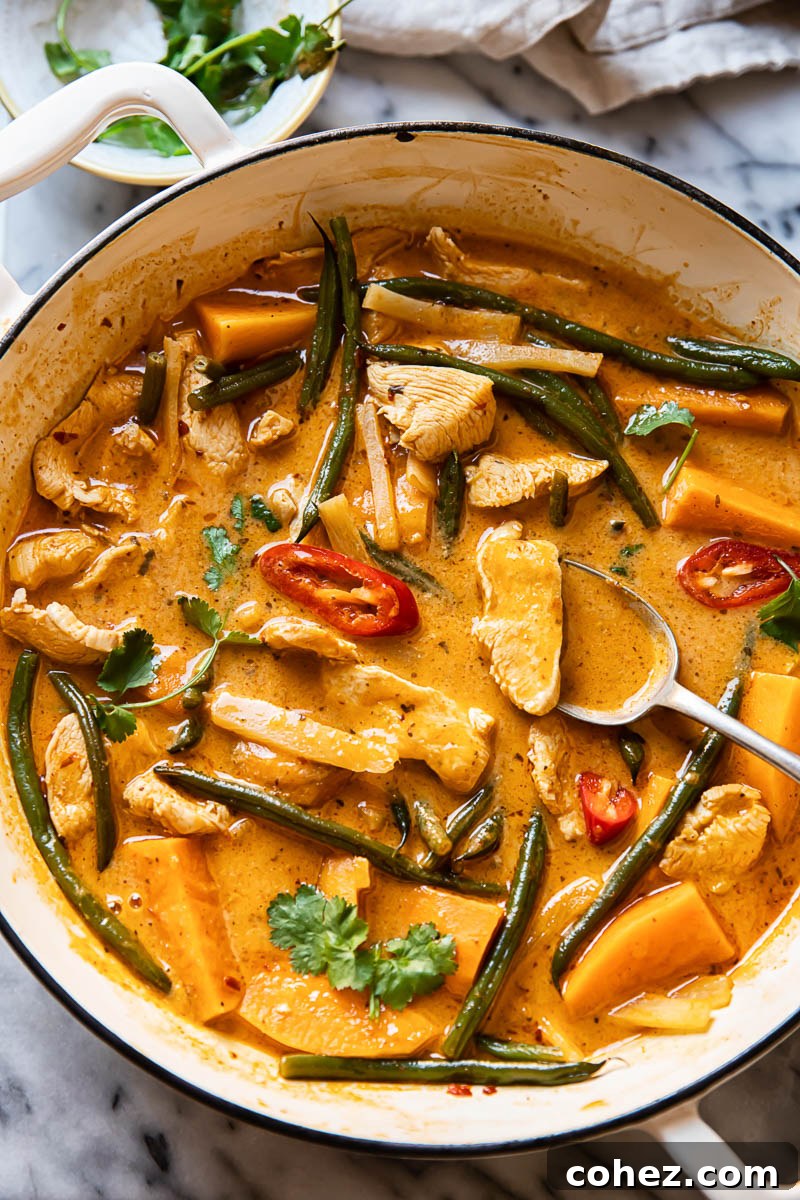
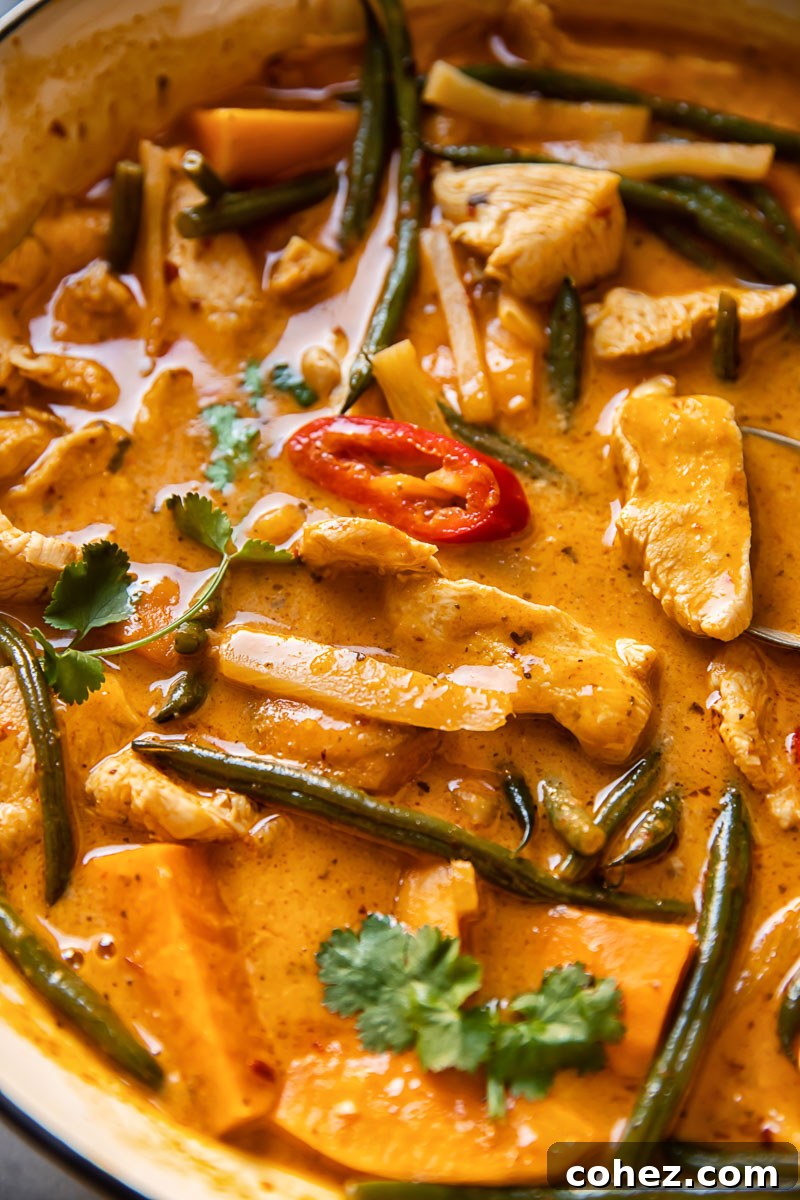
Embark on a culinary journey to Thailand from the comfort of your kitchen with this incredible Thai Red Curry. Packed with tender chicken, sweet potatoes, crisp green beans, and exotic bamboo shoots, all swimming in a rich, creamy coconut milk sauce, this dish is an explosion of authentic flavors. Best of all, it’s surprisingly simple to master at home, bringing the vibrant taste of Southeast Asia to your dinner table with minimal effort.
Elevate your meal by serving this delightful curry alongside perfectly cooked coconut rice, creating an exciting and satisfying dining experience for family and friends!
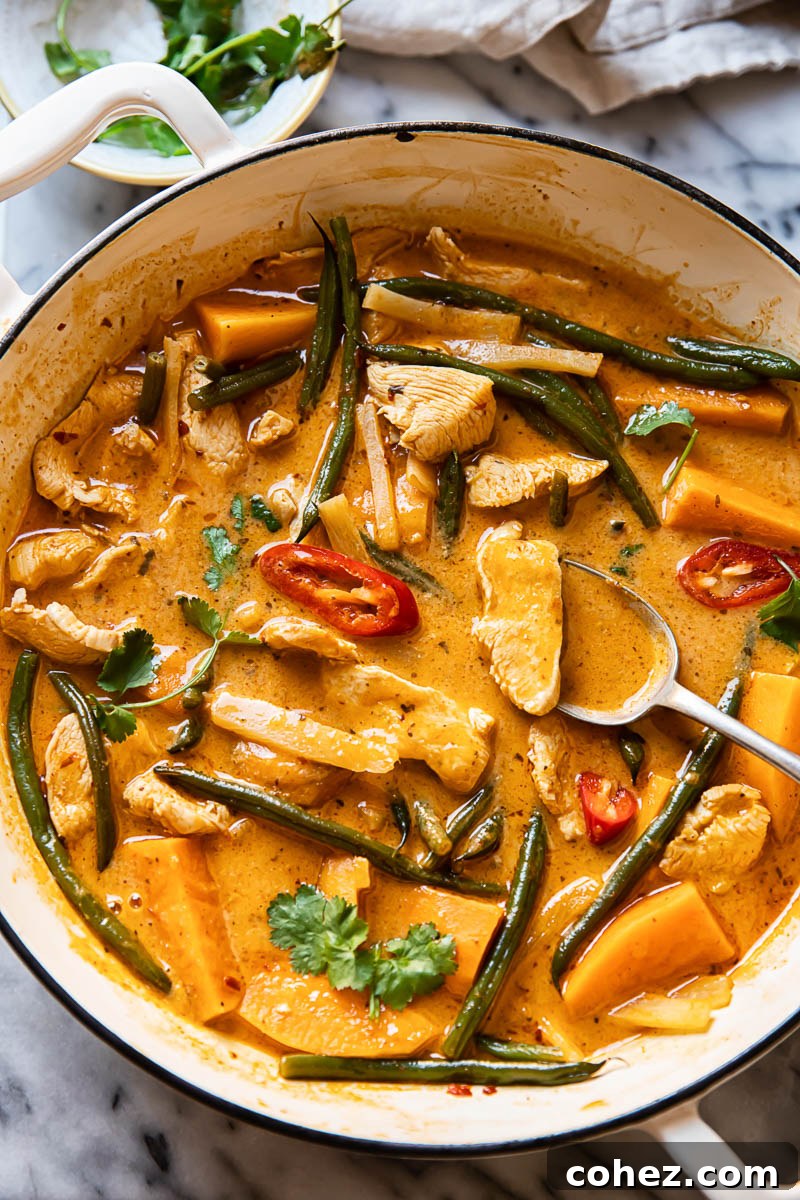
Life can get incredibly busy, and sometimes the convenience of takeout becomes too tempting. While an occasional treat from our favorite local spot is enjoyable, relying on it too often can quickly become expensive and less healthy than we’d like. That’s why I’ve made it a mission to recreate our beloved restaurant dishes at home. This homemade Thai chicken curry is a perfect example, inspired by a dish my daughter and I frequently order, bringing all the authentic taste without the hefty price tag or questionable ingredients.
The secret to its lightning-fast preparation lies in one clever shortcut: a high-quality, pre-made Thai red curry paste. This allows you to achieve deep, complex flavors in a fraction of the time it would take to grind spices from scratch, making weeknight Thai curry a delicious reality.
Why This Thai Red Curry Stands Out
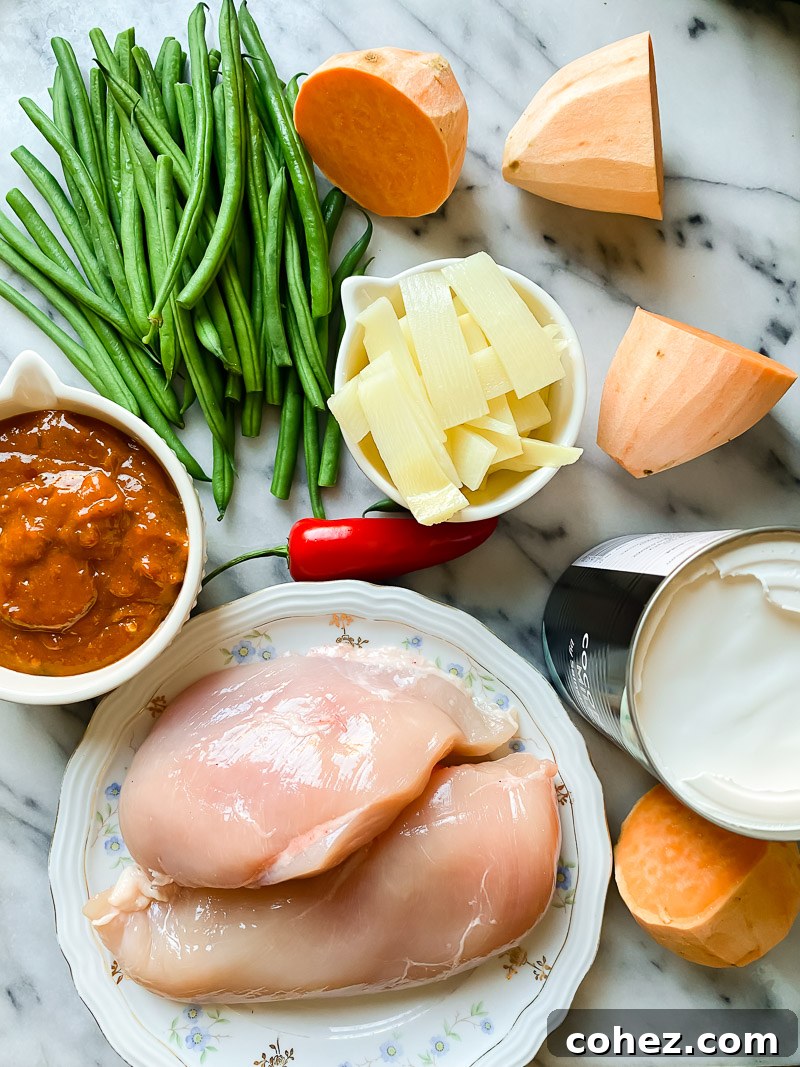
This isn’t just another curry recipe; it’s a carefully crafted blend of textures and tastes inspired by popular Thai restaurant favorites. My daughter and I particularly love two dishes from our local Thai spot: a chicken and potato curry, and a chicken curry featuring green beans and bamboo shoots. While many ingredients like chicken and green beans are staples in our cooking, bamboo shoots might seem a bit unusual. However, they are an absolute game-changer, adding a distinctive and delightful crunch that is truly authentic to Thai cuisine.
You can easily find bamboo shoots canned in the Asian aisle of most supermarkets. They infuse the curry with a subtle yet wonderfully earthy flavor and provide a textural contrast that elevates the entire dish. In my homemade version, I’ve skillfully combined the best elements of our two beloved curries and introduced sweet potatoes in place of traditional white potatoes. This substitution is brilliant, as sweet potatoes not only offer a nutritional boost but also bring a delicate sweetness that beautifully complements the savory and spicy notes of the red curry, creating a perfectly balanced flavor profile.
The Heart of the Dish: Thai Red Curry Paste
The cornerstone of any great Thai red curry is, of course, the curry paste itself. While crafting a homemade paste from scratch is a rewarding endeavor that involves a mortar and pestle and a long list of fresh aromatics and spices, it can be quite time-consuming. For those busy weeknights or when you simply crave authentic Thai flavors without the fuss, a high-quality store-bought Thai red curry paste is your best friend.
This clever shortcut drastically reduces prep time, allowing you to have a vibrant and delicious curry on the table in under 30 minutes. Don’t be fooled into thinking convenience sacrifices flavor; many reputable brands produce pastes that are rich, aromatic, and genuinely capture the essence of Thai cuisine. When selecting a paste, look for brands that list fresh ingredients like red chilies, lemongrass, galangal, kaffir lime peel, and spices. A good paste will be intensely fragrant and have a vibrant color.
Key Ingredients: A Closer Look
Each ingredient in this Thai red curry plays a vital role in creating its harmonious balance of flavors and textures.
Tender Chicken
Chicken breasts are used in this recipe for their lean protein and quick cooking time. Cut into bite-sized pieces, they absorb the curry flavors beautifully. However, this recipe is incredibly versatile. For an even more succulent and flavorful experience, consider using boneless, skinless chicken thighs. They tend to stay moist and tender, even with longer simmering. Whichever cut you choose, ensure it’s cut uniformly for even cooking.
Nutrient-Rich Sweet Potatoes
Sweet potatoes are a fantastic addition, replacing traditional potatoes with a healthier and more flavorful alternative. They bring a natural sweetness that beautifully contrasts the spice of the red curry, creating a delightful interplay of tastes. Beyond their flavor, sweet potatoes are packed with vitamins, fiber, and antioxidants, making this curry not just delicious but also incredibly nutritious. They soften to a tender consistency but retain their shape, adding body and richness to the dish.
Creamy Coconut Milk
Coconut milk is the soul of any Thai curry, providing its signature creamy texture and subtly sweet, nutty base. It acts as the perfect canvas for the curry paste’s intense flavors, mellowing the spice and creating a luxurious sauce. While you can opt for low-fat coconut milk to reduce calories, I highly recommend using full-fat coconut milk. The richness and authentic flavor largely come from the solid, fatty layer at the top of the can, which low-fat versions often lack. For the best, most authentic taste and texture, full-fat is truly worth it.
Crunchy Bamboo Shoots
Don’t skip the bamboo shoots! While they might seem unconventional, they are a hallmark of authentic Thai curries. Available canned in most Asian grocery aisles, they offer a unique, slightly crisp texture that provides a wonderful contrast to the tender chicken and soft sweet potatoes. Their subtle, earthy flavor is characteristic of Thai cuisine and adds an unexpected layer of complexity that you’ll quickly come to love.
Fresh Green Beans
Green beans add a touch of freshness, vibrant color, and a pleasant snap to the curry. They cook quickly and retain their slightly firm texture, providing another layer of textural interest. They absorb the curry sauce beautifully and are a delightful, simple vegetable that complements the other ingredients perfectly.
Crafting Your Perfect Curry: Step-by-Step Guide
Making this Thai red curry is a straightforward process, even for beginners. Here’s a detailed guide to ensure your curry is packed with flavor and cooked to perfection:
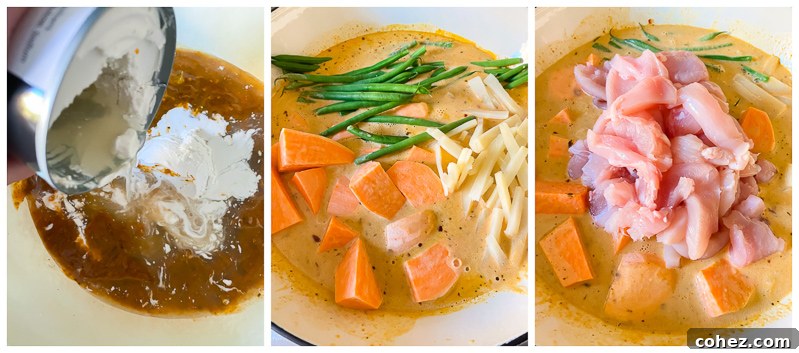
- **Aromatics First:** Begin by heating your pan or pot over medium heat. Add a couple of tablespoons of the rich coconut milk to the pan, allowing it to warm slightly. Then, stir in the Thai red curry paste. This initial step is crucial; you want to “fry” the paste gently for a few minutes until its fragrant aromas are fully released. This process deepens the flavors and oils within the paste, laying a robust foundation for your curry. Avoid burning it – just a gentle warming until fragrant.
- **Building the Sauce:** Once the paste is aromatic, pour in the remainder of your coconut milk. Stir everything together until the paste is fully incorporated into the milk, creating a smooth, vibrant red sauce. Bring this mixture to a gentle simmer, allowing the flavors to meld.
- **Adding the Stars:** Now it’s time to add your main ingredients. Introduce the sweet potatoes, cut into generous chunks, along with the green beans, and the drained canned bamboo shoots. Next, add the chicken breasts, cut into thin, bite-sized pieces. Stir gently to ensure all the ingredients are well coated in the luscious curry sauce.
- **Seasoning to Perfection:** To balance the flavors and add authentic Thai depth, sprinkle in the fish sauce and the palm sugar (or brown sugar). The fish sauce provides a savory umami, while the sugar balances the spice and richness. If you enjoy extra heat, carefully add half a red chili, cut lengthwise. Remember to taste as you go and adjust the chili to your preference – it’s easier to add more spice than to take it away!
- **Simmer and Develop:** Bring the curry back to a boil, then immediately reduce the heat to a low simmer. Cover the pot and let everything cook for 15-20 minutes. This allows the chicken to cook through, the sweet potatoes to become tender (but still hold their shape), and all the magnificent flavors to truly meld and intensify. Stir occasionally to prevent sticking.
- **The Grand Finale:** Once the sweet potatoes are tender and the chicken is fully cooked, your Thai Red Curry is ready to be savored. The sauce should be rich and slightly thickened, coating all the ingredients beautifully.
Customization and Variations
- **Choosing Your Curry Paste:** Not all store-bought curry pastes are created equal. Quality varies significantly between brands, impacting the overall flavor and authenticity of your curry. Take a moment to read reviews or experiment with a few different brands to discover which one best suits your palate. A good paste will have a vibrant color and a rich aroma of fresh spices.
- **The Power of Coconut Milk:** Full-fat coconut milk is highly recommended for its richness and depth of flavor. The creaminess it imparts is essential for the authentic texture of Thai red curry. While low-fat alternatives are available, be aware that they can significantly dilute the robust coconut flavor and creamy consistency, leading to a less satisfying result.
- **Protein Power-Ups:** This recipe shines with chicken breasts, but it’s incredibly adaptable. Feel free to swap them for succulent skinless, boneless chicken thighs, which offer more moisture and flavor. For seafood lovers, shrimp, prawns, or firm white fish like cod or snapper make excellent substitutes. For a delicious vegetarian option, consider adding firm tofu, tempeh, or make it a hearty lentil and sweet potato curry.
- **Vegetable Medley:** The beauty of curry lies in its flexibility. While green beans and bamboo shoots are traditional, feel free to use a variety of vegetables you have on hand or prefer. Asparagus, mushrooms, snow peas, sugar snap peas, bell peppers (red, yellow, or orange), broccoli florets, or even spinach can be wonderful additions. Add harder vegetables earlier in the cooking process and tender greens towards the end to maintain their texture.
- **Embrace Bamboo Shoots:** Seriously, give bamboo shoots a try! They might seem unusual, but their unique crunchy texture and subtle, earthy flavor are integral to an authentic Thai curry experience. They add a layer of complexity and interest that you won’t want to miss.
- **Explore Curry Colors:** If you love this red curry, don’t hesitate to experiment with other Thai curry pastes. Green curry paste offers a fresher, often spicier profile, while yellow curry paste is milder and more aromatic, often with a hint of turmeric. Each paste will transform the dish into a unique and exciting culinary adventure.
Serving Suggestions for a Complete Meal
A bowl of this aromatic Thai red curry is a meal in itself, but a few thoughtful accompaniments can elevate it to an extraordinary dining experience.
The simplest and most classic pairing is a generous serving of fluffy white rice. Fragrant varieties like Jasmine rice are particularly perfect, as their delicate aroma complements the rich curry without overpowering it. For an extra layer of flavor and indulgence, my absolute favorite is coconut rice. It’s incredibly easy to prepare, especially using an Instant Pot, and its subtle sweetness harmonizes beautifully with the spicy, savory curry.
To enhance both the visual appeal and the flavor, a sprinkle of fresh cilantro (or coriander) adds a burst of vibrant color and herbaceous freshness. For a bright, zesty counterpoint, a squeeze or two from lime wedges just before serving can cut through the richness of the coconut milk and awaken the palate with a lovely citrus hit.
If you’re looking to turn this into an even more elaborate feast, consider adding a complementary side dish. Seafood works wonderfully with Thai flavors. My top recommendations include savory honey garlic shrimp or the crisp, flavorful salt and pepper shrimp, which would make a fantastic addition to this curry spread. For a refreshing balance, a simple side salad with a light vinaigrette can also be a great choice.
Storage and Enjoying Leftovers
One of the many joys of cooking curry at home is that it often tastes even better the next day! The flavors have more time to meld and intensify, creating a richer, more cohesive dish.
Any leftover Thai red curry can be stored in an airtight container in the refrigerator for up to 3-4 days. When reheating, gently warm it on the stovetop over medium-low heat. If the curry has thickened too much in the fridge, you can add a splash of water or chicken broth to loosen it to your desired consistency. Always ensure the chicken pieces are thoroughly heated to a food-safe temperature before serving.
This curry also freezes exceptionally well, making it a perfect candidate for meal prepping. Transfer cooled leftovers to a freezer-safe container and freeze for up to 3 months. To enjoy, let it thaw overnight in the refrigerator, then reheat using the stovetop method described above, adding liquid as needed. Freezing and reheating don’t diminish its delicious taste, allowing you to enjoy homemade Thai curry whenever a craving strikes.
More Favorite Thai Recipes to Try
- Easy Thai red curry with prawns and snow peas
- Thai fish curry
- Vegetarian Thai green curry
- Thai green papaya salad (Som Tam)
Chicken and Sweet Potato Curry

Ingredients
- 180g / 2/3 cup Thai red curry paste
- 400ml / 14 oz coconut milk
- 2 chicken breasts
- 2 sweet potatoes, medium
- 110g / 1 cup green beans
- 120g / 1/2 cup canned bamboo shoots
- 1 tbsp fish sauce
- 1/2 red chilli, optional
- 1 tsp palm sugar, or brown sugar
- coriander, to garnish
Instructions
-
To the heated pan add the curry paste with 2 tbsp of the coconut milk, allow the curry to warm through on medium heat until the aroma is released, then pour in the rest of the coconut milk and bring to a simmer.
-
Next add in the sweet potatoes, cut into large chunks, green beans, bamboo shoots and chicken breasts, cut into thin bite-sized pieces. Stir to combine and sprinkle the fish sauce all over together with the palm sugar or brown sugar, cut the red chilli in half and add to the curry, if using. (Use the chilli sparingly or omit if you are sensitive to spicy food.)
-
Then bring the curry to a boil, lower the heat and let everything simmer for 15-20 minutes until the sweet potatoes are cooked all the way through but still holding their shape. Serve with rice.
Nutrition
Carbohydrates: 34g |
Protein: 30g |
Fat: 28g |
Saturated Fat: 21g |
Polyunsaturated Fat: 1g |
Monounsaturated Fat: 3g |
Trans Fat: 1g |
Cholesterol: 72mg |
Sodium: 567mg |
Potassium: 1132mg |
Fiber: 6g |
Sugar: 10g |
Vitamin A: 23400IU |
Vitamin C: 21mg |
Calcium: 136mg |
Iron: 6mg
Nutrition information is automatically calculated, so should only be used as an approximation.
Tried this recipe?Let us know how it was!