
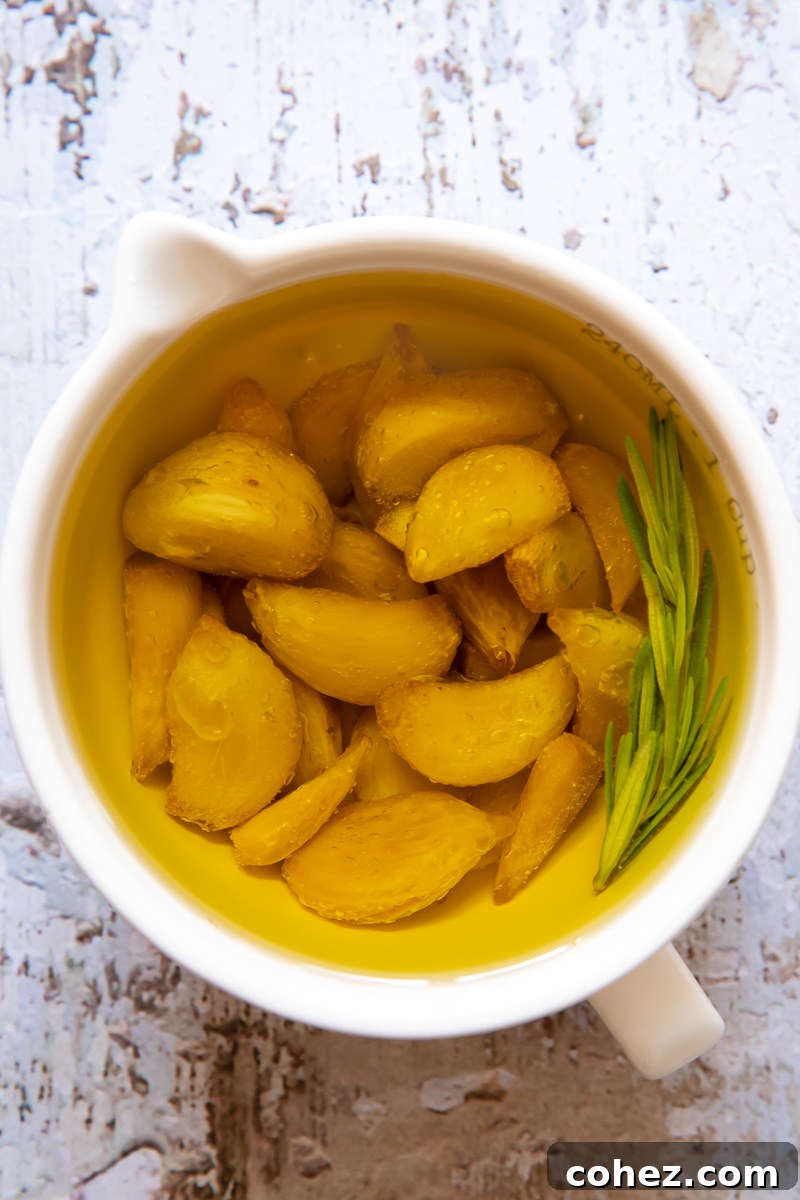
Ever dreamt of effortlessly elevating your cooking with a touch of French sophistication? Imagine a secret ingredient that transforms ordinary dishes into gourmet experiences, all while being incredibly simple to prepare. This culinary marvel exists, and it’s called garlic confit. It sounds fancy, and it is, but preparing it requires just two ingredients and a mere 25 minutes of active time. Unlock the power of this buttery, mellow garlic and its aromatic, infused oil to fool everyone into thinking you’ve spent hours in the kitchen mastering complex French techniques. This isn’t just a recipe; it’s your new secret weapon for adding unparalleled depth and flavor to almost any meal.
Continue your journey into sophisticated French-inspired cuisine with delightful dishes like my celeriac remoulade or the classic and comforting Croque Madame. These recipes perfectly complement the elegant simplicity that garlic confit brings to your table, allowing you to embrace a truly refined culinary lifestyle with ease.
For centuries, cooks have sought ways to preserve food and enhance its flavor. It was the ingenious medieval cooks of France who gifted us with the art of “confit” – a technique that not only preserved ingredients but transformed them into something truly extraordinary. And yes, they even found a way to let us indulge in garlic with wild abandon, without the dreaded “garlic breath.” This gastronomic breakthrough is something every garlic lover can celebrate!
What is Garlic Confit? A Culinary Elixir Explained
The term “confit” (pronounced kohn-FEE) directly translates to “preserve” in French. You might recognize the root in “confiture,” which is what we call jam or preserves on our morning toast. This ancient preservation method emerged in the Middle Ages, long before the advent of refrigeration and modern vacuum-sealing. Originally, it was a practical means to keep meats, vegetables, and fruits edible for extended periods, by slow-cooking them in a medium that would seal them off from air and spoilage.
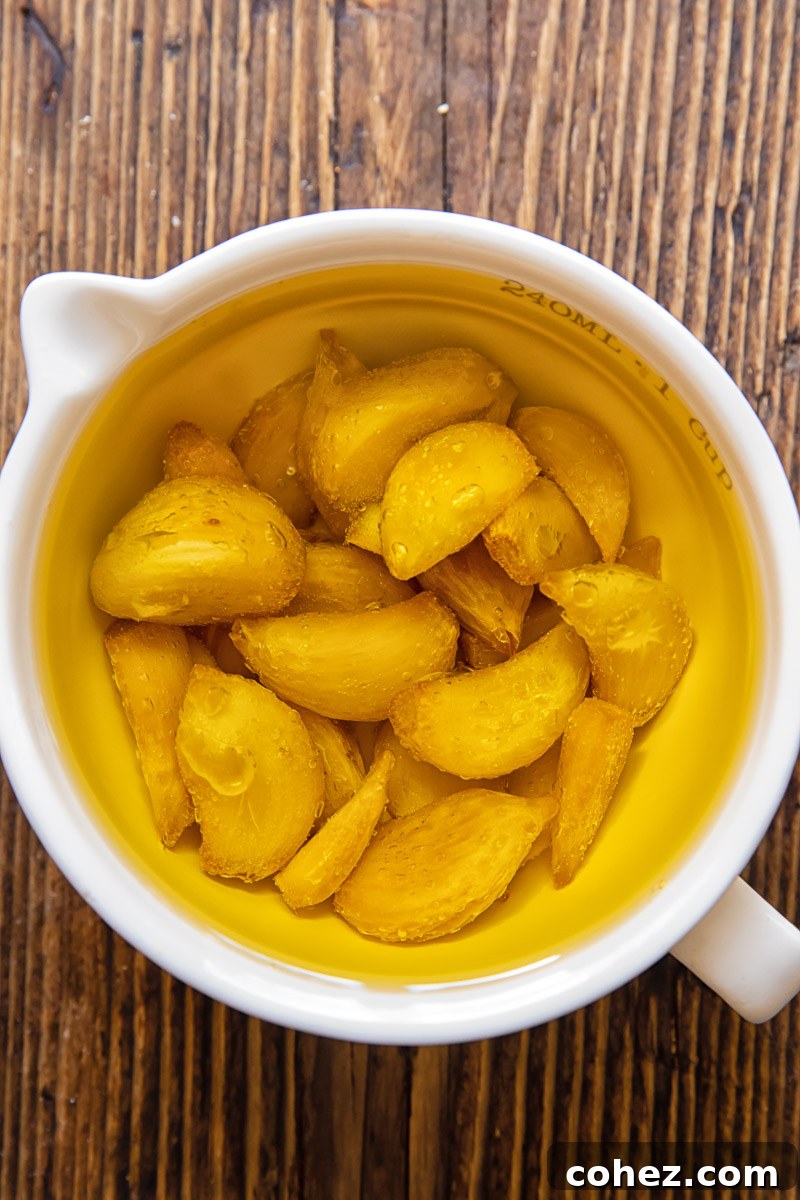
Historically, confit involved cooking ingredients slowly in fat or syrup until tender, then storing them submerged in that same medium. Classic examples include succulent duck confit, where duck legs are cooked and preserved in their own rendered fat, or sweet confit tomatoes, gently cooked in olive oil. When it comes to garlic, being a vegetable, it receives the luxurious oil treatment. Whole bulbs of raw garlic, or individual peeled cloves, are completely submerged in extra virgin olive oil and then gently simmered over a very low heat. This slow cooking process is crucial; it’s a gentle coaxing, not frying, and it works wonders.
The outcome is nothing short of magical: a jar filled with cloves that have transmuted from their pungent, raw state into buttery-soft, sweet, and profoundly mellow flavor bombs. Encased in a rich, liquid amber of garlic-infused oil, these “flavor makers” are patiently waiting to be unleashed into your dishes. What’s truly fascinating is that because the garlic is cooked whole or in large cloves, rather than minced or crushed, the enzymes responsible for creating strong, lingering “garlic breath” are not fully released. The slow, low-temperature cooking further breaks down these enzymes, significantly reducing their potency. This means you can lavish your food with these delightful little nuggets and their aromatic oil, confident that you won’t be overwhelming anyone with a lingering garlic aroma on your breath.
Why You Need Garlic Confit in Your Kitchen
Beyond its simple preparation, garlic confit offers a multitude of benefits that make it an indispensable pantry staple for any home cook looking to add a gourmet touch to their meals. Here’s why this humble preparation deserves a permanent spot in your culinary repertoire:
-
Unparalleled Flavor Profile
The slow immersion in olive oil transforms sharp, pungent raw garlic into something extraordinarily complex. Each clove becomes incredibly tender, buttery, and develops a sweet, nutty, and subtly umami flavor. It’s a milder, more sophisticated garlic experience that adds depth without the raw bite, elevating dishes in a way fresh garlic simply cannot.
-
Incredible Versatility
Garlic confit is a true chameleon in the kitchen. Its soft texture allows it to be spread, mashed, or incorporated whole into countless recipes. The infused oil itself is a precious byproduct, rich with garlic flavor, perfect for dressings, marinades, or sautéing. From appetizers to main courses, it seamlessly integrates, boosting flavor with minimal effort.
-
Effortless Gourmet Touch
Want to impress guests or simply treat yourself to a restaurant-quality meal at home? A spoonful of garlic confit instantly adds a sophisticated, gourmet dimension to your cooking. It makes simple dishes feel luxurious and complicated recipes more approachable, allowing you to achieve complex flavors with ease.
-
Reduced Garlic Breath
Thanks to the gentle cooking process, which breaks down the enzymes responsible for strong odors, garlic confit delivers all the delicious garlic flavor without the lingering breath. This means you can indulge in your favorite garlic-laden dishes without any reservations, making it a perfect choice for social occasions.
-
Convenience and Time-Saving
Having a jar of garlic confit ready in your fridge is a game-changer for weeknight cooking. Instead of peeling and mincing garlic for every meal, you can simply scoop out a few cloves or a spoonful of the aromatic oil, saving precious time and effort.
Unlocking Culinary Magic: How to Use Garlic Confit
This richly unctuous treasure trove of flavor is a culinary goldmine, with thousands of savory applications waiting to be explored. Its sweet, mellow nature and the aromatic oil it produces make it incredibly versatile. Here are just a few ways to incorporate garlic confit into your daily cooking, ensuring every dish gets a delightful upgrade:
Savory Vegan Delights
-
Elevated Mashed Potatoes: Forget butter! Squash a few confit garlic cloves and a generous drizzle of the infused oil into your mashed potatoes, sweet potato mash, or celeriac puree for a sweetly spiked, incredibly creamy side dish that’s wholly vegan and bursting with flavor.
-
Gourmet Garlic Bread: Spread the butter-soft segments of garlic confit over slices of toasted baguette, crusty sourdough, or your favorite vegan bread. This creates a deeply flavorful and aromatic garlic bread that’s far superior to anything made with raw garlic.
-
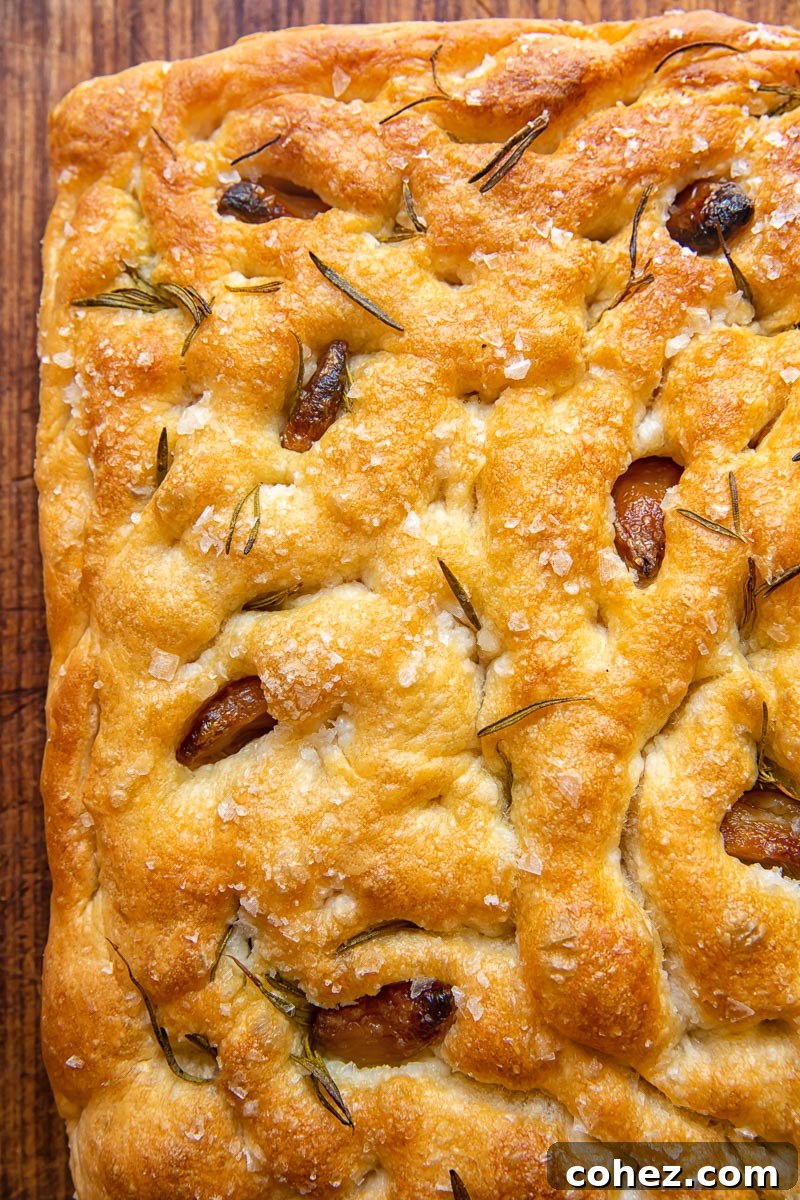
Artisan Focaccia Topping: Instead of traditional olives or confit tomatoes, press whole or gently smashed confit garlic cloves into your homemade focaccia bread before baking. The garlic will caramelize beautifully, adding bursts of sweet flavor.
-
Luscious Hummus and Dips: Crown your creamy hummus with extra garlicky gems and a generous pour of the liquid gold oil. This also works wonderfully with baba ghanoush, white bean dip, or any other creamy spread.
-
Roasted Vegetables: Toss confit garlic cloves and their oil with root vegetables like carrots, parsnips, or potatoes before roasting. The low heat in the oven will further caramelize the garlic, creating an irresistible side dish.
-
Flavorful Salad Dressings: Whisk the infused confit oil into your vinaigrettes. Its mellow garlic flavor adds depth and richness to salads without overpowering other ingredients.
Luxurious Non-Vegan Applications
-
Steakhouse Perfection: Pan-fry your steak in the confit garlic oil. It creates an intoxicating aroma of sizzling meat and sweet caramel, demanding nothing less than a side of truffle fries and a robust red wine.
-
Deeply Flavored Pasta Sauces: Substitute olive oil and minced garlic with the confit oil and smashed cloves for a profoundly rich spaghetti Bolognese or any other pasta sauce. The garlic will melt into the sauce, providing an incredible depth of flavor.
-
Gourmet Burgers and Meatloaves: Mix finely chopped or mashed confit garlic cloves directly into your hamburger patties or meatloaf mixture. This ensures a supremely juicy, tender, and high-end bite with an irresistible aroma.
-
Compound Butter: Mash confit garlic cloves into softened butter with fresh herbs for an incredible compound butter. Use it to finish steaks, spread on corn on the cob, or melt over roasted chicken.
-
Roasted Chicken or Fish: Tuck confit garlic cloves under the skin of a chicken before roasting, or spread them over fish fillets before baking. The garlic will infuse the protein with its sweet essence.
-
Eggs and Breakfast Dishes: Add a dollop of confit garlic to scrambled eggs, omelets, or frittatas. It’s also fantastic stirred into creamy polenta or grits.
And these are just a handful of ideas! Think of all the salad dressings, pizzas, other pasta dishes, dips, sauces, soups, and gravies that will benefit from the sweet, deep kiss of confit garlic. Like I said, the possibilities are thousands-fold, truly a versatile treasure for your kitchen.
How to Make Perfect Garlic Confit: A Simple Guide
Creating your own garlic confit is a surprisingly straightforward process that yields incredibly rewarding results. The key lies in gentle heat and patience. Here’s how to master this simple yet transformative technique:
Essential Ingredients for Garlic Confit
- Garlic: You’ll need about 2 heads of garlic, separated into cloves and peeled. While you can peel them by hand, consider a garlic peeler tube or briefly blanching them in hot water for easier removal of skins. Fresh, firm garlic is always best for the finest flavor and texture.
- Olive Oil: Approximately 250ml (1 cup) of extra virgin olive oil. The quality of your oil matters here, as its flavor will deeply infuse the garlic and become a treasured component itself. Ensure you have enough oil to completely submerge all the garlic cloves.
- Optional Flavor Enhancers: A sprig of fresh rosemary, a few bay leaves, a pinch of red pepper flakes, or a few black peppercorns can add another layer of aromatic complexity to your confit. This garlic confit recipe is a simple one, so it’s worth experimenting to find your preferred flavor profile!
Step-by-Step Instructions
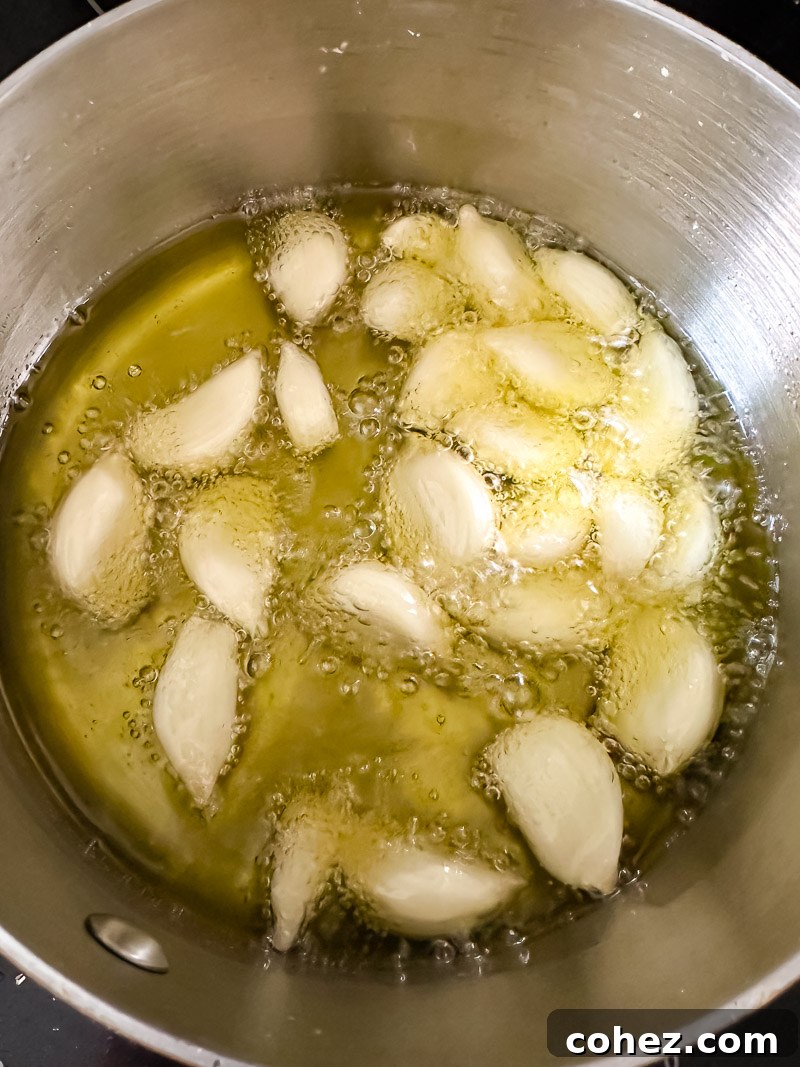
- Prepare Your Pot: Select the smallest saucepan you have with high sides. A smaller diameter means less oil is needed to cover the garlic. Add the peeled garlic cloves to the pan.
- Submerge in Oil: Pour enough extra virgin olive oil over the garlic cloves to ensure they are completely submerged. If your pan is wider, you may need a little more oil. The goal is complete immersion for an even confit.
- Stovetop Slow Simmer: Place the saucepan on your stove and set it to the lowest possible temperature. Begin heating the garlic and oil gently. The ideal temperature for confit is between 90°C and 95°C (195°F to 205°F). This is crucial for slow cooking without frying.
- Monitor Temperature: Use an instant-read thermometer to carefully monitor the oil temperature. If it starts to creep above the ideal range, immediately turn off the heat for a few minutes to allow it to cool down, then resume cooking on low heat. Avoid boiling or frying the garlic, as this will result in crispy, browned garlic rather than soft, tender confit.
- Cook Until Tender: Continue to cook the garlic gently until the cloves are very tender and lightly golden, offering no resistance when pierced with a knife. This usually takes between 25-30 minutes on the stovetop, depending on the size of your cloves and the consistency of your heat. Alternatively, for a more hands-off approach, you can cook the garlic in an oven preheated to a consistent 90°C (195°F) for 1-2 hours.
- Infuse with Herbs (Optional): Once the garlic is cooked to perfection, remove the pan from the heat. If using, add a sprig of fresh rosemary or bay leaves to the warm oil to infuse extra lovely flavor as it cools.
- Cool Completely: Allow the garlic confit and its oil to cool completely to room temperature in the saucepan before transferring to storage.
- Storage Preparation: Once cooled, transfer the garlic cloves and all of the infused oil into a very clean, preferably sterilized, airtight glass jar. This step is critical for safety.
Safety First: Storing Your Garlic Confit Correctly
Proper storage of homemade garlic confit is paramount to ensure food safety and prevent the risk of botulism. Garlic, when stored incorrectly in oil, creates an anaerobic (oxygen-free) environment with low acidity, which is the perfect breeding ground for Clostridium botulinum bacteria. While rare, botulism is a serious and potentially fatal foodborne illness, so following these instructions precisely is non-negotiable.
Understanding Botulism Risk with Garlic Confit
Clostridium botulinum spores are naturally present on garlic and in soil. These spores are harmless when exposed to oxygen. However, when garlic is submerged in oil (like in confit) and stored at room temperature, it creates an oxygen-free, low-acid environment that allows these dormant spores to activate, grow, and produce toxins. The low temperatures used for confit do not kill these spores, only inhibit their growth, which is why refrigeration is absolutely essential.
Safe Storage Practices for Garlic Confit
-
Sterilize Your Jars: Before transferring your cooled garlic confit, ensure your glass jars are impeccably clean and sterilized. You can sterilize jars by washing them thoroughly in hot, soapy water, rinsing well, then placing them in a 100°C (212°F) oven for 10-15 minutes, or boiling them in water for at least 10 minutes. Allow them to air dry completely before use.
-
Immediate Refrigeration: Once your garlic confit has completely cooled to room temperature (never transfer warm confit to the fridge), it must be refrigerated immediately. Do not ever store garlic confit at room temperature, even for a few hours. The cold temperature significantly slows down and inhibits the growth of botulism spores.
-
Shelf Life in the Refrigerator: To err on the side of caution, consume your refrigerated garlic confit within two weeks. While some sources suggest longer, two weeks is a widely recommended safe maximum. After this period, discard any remaining confit.
-
Oil Solidification: It is completely normal and safe for the olive oil to solidify or become cloudy in the refrigerator. This is simply the natural behavior of olive oil at cold temperatures. To use, simply scoop out the desired amount and allow it to come to room temperature, or gently warm it until the oil liquefies again. It is still perfectly good to go!
-
Signs of Spoilage: Although prevention is the best method, be aware of any unusual odors, mold growth, or bubbling in the jar. If you notice any of these, discard the entire contents immediately without tasting.
Freezing for Longer Preservation
For a longer and even safer storage solution, freezing your garlic confit is an excellent option. The low temperatures of the freezer completely eliminate the risk of toxic bacteria developing.
-
How to Freeze: The best way to freeze garlic confit is in small, usable portions. Spoon individual cloves and some oil into ice cube trays. Once frozen solid, transfer the cubes to an airtight freezer-safe bag or container. You can also freeze larger quantities in small freezer-safe containers.
-
Extended Shelf Life: Garlic confit will keep safely in the freezer for up to two months, or even longer if properly sealed.
-
Thawing and Use: When ready to use, simply pop out a frozen cube or portion and let it thaw in the refrigerator overnight, or add it directly to hot dishes.
-
Important Note: Be aware that olive oil does not freeze completely solid like water, so the frozen confit may still be somewhat soft or slushy. Handle with care when removing from ice cube trays or containers.
Frequently Asked Questions (FAQs) About Garlic Confit
New to making garlic confit? Here are answers to some common questions that will help you master this simple delicacy:
- Can I use other types of oil for confit?
- While extra virgin olive oil is traditionally used for its flavor and health benefits, you can experiment with other oils. Lighter oils like grapeseed or avocado oil work well if you prefer a more neutral flavor, though they won’t offer the same rich depth as olive oil. Avoid oils with very low smoke points.
- Why did my garlic turn blue or green?
- Occasionally, garlic cloves can turn a bluish-green color, especially after coming into contact with acidic ingredients or certain minerals. This is a harmless chemical reaction, often due to sulfur compounds in the garlic reacting with trace amounts of copper or iron. The confit is still perfectly safe to eat and its flavor is unaffected.
- Can I reuse the infused oil?
- Absolutely! The garlic-infused oil is incredibly flavorful and just as valuable as the confit cloves themselves. Use it in salad dressings, to sauté vegetables, drizzle over pasta, dip bread into, or even as a finishing oil for soups. Store it along with the garlic confit and adhere to the same refrigeration and shelf-life guidelines.
- What’s the best way to peel garlic for confit?
- Peeling many garlic cloves can be tedious. A simple trick is to gently smash each clove with the flat side of a knife, which often loosens the skin. For larger quantities, place cloves in a large bowl, cover with a second bowl, and shake vigorously for about 30 seconds; the skins should come right off. Another method is to briefly blanch the cloves in boiling water for 15-20 seconds, then immediately plunge them into ice water. The skins should then slip off easily.
Explore More Garlicky Delights
If you’ve fallen in love with the magic of garlic confit, you’ll surely appreciate these other recipes that celebrate the incredible flavor of garlic:
- Chicken with 40 Cloves of Garlic
- Garlic Herb Butter
- One-Pan Chilli Garlic Salmon
- Garlic Butter Sautéed Cauliflower with Breadcrumbs
Garlic Confit Recipe
By Julia Frey of Vikalinka

Garlic, which is slowly cooked in olive oil until soft and fragrant, is the definition of garlic confit. Simple yet elegant, it transforms raw garlic into a buttery, mellow delight.
Prep Time: 10 mins
Cook Time: 30 mins
Total Time: 40 mins
Yields: 20 servings
Equipment
- Small Saucepan
- Instant Read Thermometer
- Clean, airtight glass jar
Ingredients
- 2 heads garlic, separated into cloves and peeled
- 250ml / 1 cup extra virgin olive oil, add more if needed
- 1 sprig fresh rosemary, optional
Instructions
- Prepare Garlic and Oil: Use the smallest saucepan you have, ensuring it has high sides. Add the peeled garlic cloves to the pan and pour in enough extra virgin olive oil to completely submerge them. A smaller diameter pan will require less oil.
- Gentle Simmer: Place the pan on your stove over the absolute lowest heat setting. Slowly begin heating the garlic in the oil. The ideal temperature for the oil should not exceed 90°C (195°F). Use an instant-read thermometer to monitor the temperature. If it rises too high, remove the pan from the heat briefly until it cools down, then return it to the lowest setting.
- Cook Until Tender: Continue to cook the garlic cloves until they are very tender, lightly golden in color, and offer no resistance when pierced with a knife. This usually takes between 25-30 minutes, depending on clove size and heat consistency. For a hands-off alternative, cook in an oven preheated to a consistent 90°C (195°F) for 1-2 hours.
- Infuse and Cool: Once tender, remove the pan from the heat. If using, add the rosemary sprig to infuse the oil with extra flavor as it cools. Allow the garlic confit to cool completely to room temperature.
- Store Safely: Transfer the cooled garlic cloves and all of the infused oil into a very clean, sterilized glass jar. Seal the lid tightly to create an airtight container. Once sealed, immediately refrigerate the confit. It will keep safely in the fridge for up to two weeks.
Nutrition (per serving, approximation)
(Based on 20 servings)
- Calories: 115kcal
- Carbohydrates: 1g
- Protein: 0.2g
- Fat: 13g
- Saturated Fat: 2g
- Polyunsaturated Fat: 1g
- Monounsaturated Fat: 9g
- Sodium: 1mg
- Potassium: 11mg
- Fiber: 0.1g
- Sugar: 0.03g
- Vitamin A: 0.4IU
- Vitamin C: 1mg
- Calcium: 5mg
- Iron: 0.1mg
Nutrition information is automatically calculated and should only be used as an approximation. Actual values may vary based on ingredients and preparation methods.
Garlic confit is more than just a recipe; it’s a passport to culinary exploration, offering deep flavors and effortless elegance. Its versatility ensures that it will become a staple in your kitchen, transforming everyday meals into something truly special. Remember the safety guidelines for storage, and you’ll enjoy this French secret for weeks to come. Dive in and discover the delicious possibilities!