
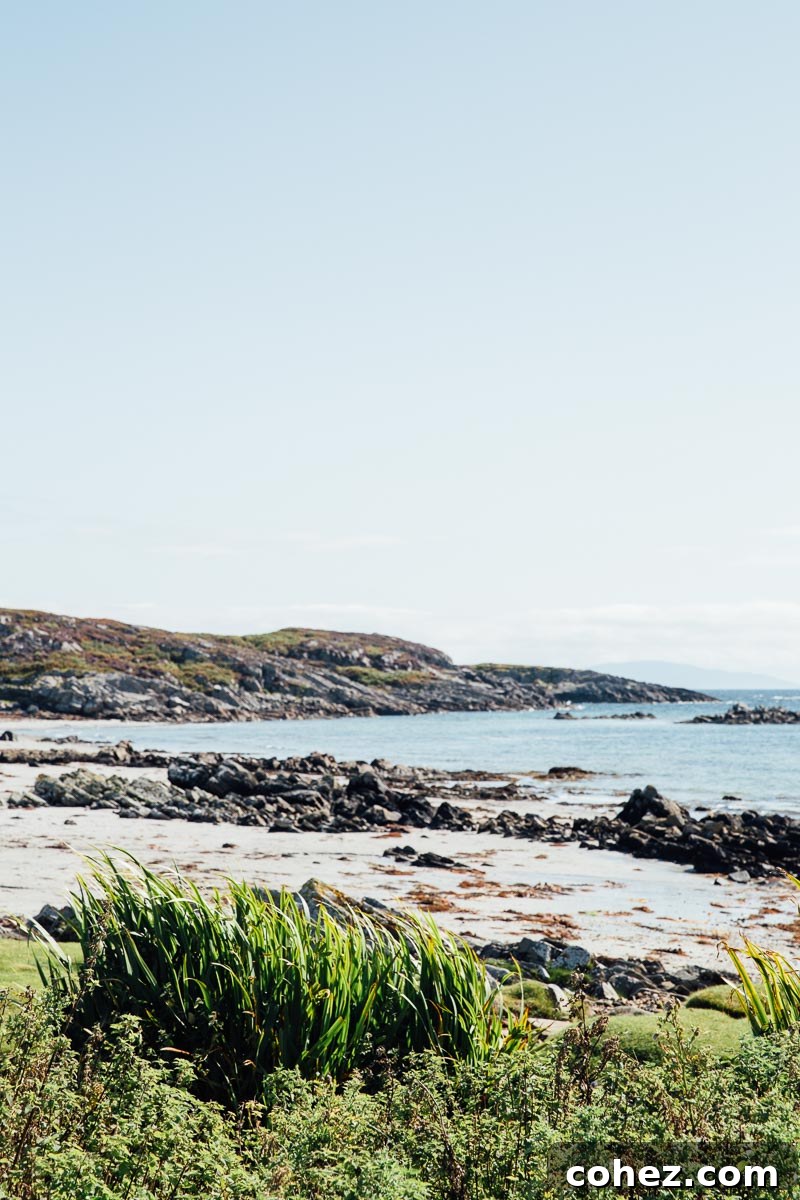
From the moment your ferry glides into Craignure, the Isle of Mull casts an immediate, enchanting spell. This guide is crafted to help you unlock the full magic of this truly exceptional Scottish island, ensuring your visit is both memorable and seamless.
If your curiosity for the UK stretches beyond the bustling streets of London, you might also find inspiration in our detailed guide on exploring the captivating South West Wales coast with kids, offering a different but equally beautiful side of Britain.
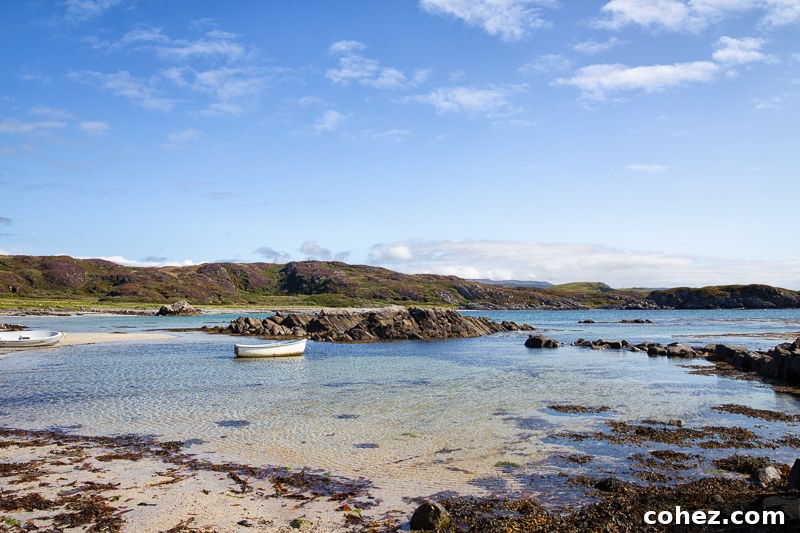
Scotland, a land steeped in history, myth, and breathtaking landscapes, consistently captivates visitors worldwide. While tales of Braveheart and the dramatic Highlands draw many from beyond the UK, for those south of Hadrian’s Wall, it’s often the profound desire to immerse oneself in truly wild, untamed countryside that beckons. Yet, for all its mainland allure, there’s an undeniable, almost mystical quality to the islands fringing Scotland’s northern and western coasts. These isolated gems offer a different pace, a unique charm, and an unparalleled sense of escape.
Among the myriad of incredible Scottish islands, both expansive and intimate, the Isle of Mull undeniably stands out as a prime destination. Boasting a rugged, mountainous heart that gracefully gives way to exquisite beaches around its fringes, Mull provides a perfect canvas for a holiday blending thrilling adventure with profound tranquility. With a relatively sparse population, you’ll find ample space to breathe, explore, and truly connect with nature, making it an idyllic choice for those seeking a genuine retreat from the everyday hustle. Its diverse landscapes mean that whether you crave challenging hikes, peaceful beach strolls, or wildlife encounters, Mull delivers an unforgettable experience tailored to every taste.
Arrival and Getting Around the Isle of Mull
Your journey to the Isle of Mull is an experience in itself, primarily dictated by the sea. The ferry is not merely a mode of transport; it’s the gateway to your island adventure. While other, less common options may exist, the most popular and picturesque route is the crossing from Oban to Craignure. This relatively short but incredibly scenic voyage offers breathtaking views, including a magnificent approach past Duart Castle, perched dramatically on its coastal outcrop – a stunning introduction to the island’s rich heritage. To ensure a smooth start to your trip, particularly during peak seasons, it is highly advisable to book your ferry tickets well in advance via the official CalMac website. For summer travel, securing your booking several weeks ahead is often essential to avoid disappointment.
Navigating the island’s roads requires a slight shift in driving style, particularly for those accustomed to multi-lane highways. Be prepared for a network dominated by single-track roads, interspersed with passing places, where the usual rules of the road are exchanged for a more courteous, almost dance-like rhythm. Locals navigate these roads with impressive efficiency, but visitors will quickly adapt to their unique demands. Frequent passing places, clearly marked, are essential for allowing oncoming vehicles to pass and for faster local traffic to overtake safely.
Practicing good road etiquette is paramount here. If you spot an approaching vehicle and find yourself conveniently near a passing place on your left, it’s considered courteous to pull in and let them pass. While it can sometimes be a subtle art to determine who should yield, adopting a defensive and considerate approach is always wise. Similarly, if a faster vehicle is behind you, making use of the next available passing place to allow them to overtake is a simple gesture of politeness that helps keep traffic flowing smoothly for everyone. These practices are not just about convenience; they’re about respect for fellow road users and maintaining the island’s laid-back atmosphere.
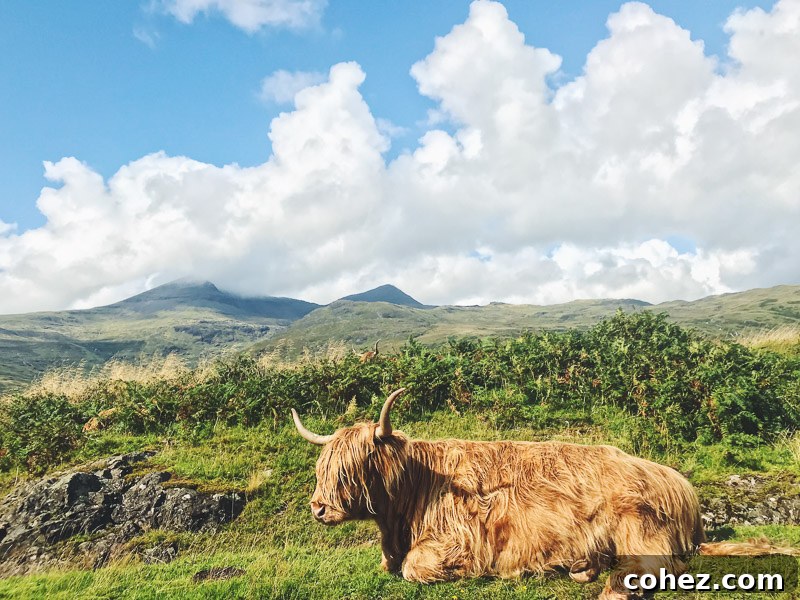
Beyond human traffic, the island’s roads offer another charming, albeit sometimes challenging, aspect: free-ranging livestock. It’s not uncommon to encounter Highland cows, sheep, and even deer casually occupying the roadway. These animals, seemingly unfazed by passing cars, rarely feel compelled to move out of the way, so exercising patience and caution is crucial. Their presence adds to the island’s wild character but requires drivers to be constantly vigilant and prepared to stop.
For those who prefer not to drive, a reliable coach network operates across the island, connecting the main ferry terminals to key tourist attractions and villages. This offers a convenient way to explore Mull’s highlights without the need for a personal vehicle. Alternatively, many intrepid souls embrace the island’s beauty by bicycle. While cycling on Mull offers unparalleled scenic rewards and a profound connection to the landscape, it demands preparedness for both sharing the single-track roads with vehicles and contending with Scotland’s famously changeable weather, which can shift from sunshine to showers in an instant. Cycling provides an intimate perspective of Mull, but riders should be mindful of traffic and pack appropriate gear for all conditions.
Where to Stay on the Isle of Mull
The Isle of Mull has a peculiar way of feeling considerably larger than its dimensions on a map might suggest. This perception is largely influenced by its winding, often single-track roads, which transform what might appear to be short distances into journeys that are significantly longer and slower than you’d experience elsewhere. This unique characteristic underscores the importance of carefully selecting your accommodation base. To truly maximize your time and minimize travel stress, it’s wise to choose a spot that is conveniently located near the attractions or activities you most wish to explore.
During our visit, we opted for accommodation in the extreme southwest of the island, primarily to be close to the ferry terminal for Iona. This location offered the wonderful added benefit of having some of Mull’s most exquisite beaches just a stone’s throw away. However, it did mean that reaching Tobermory, the island’s vibrant main town, involved a considerable drive. If your itinerary leans more towards exploring Tobermory’s colourful harbour, shops, and amenities, then a northern base might prove to be a more strategic and time-efficient choice. Each region of Mull offers its own distinct advantages, from the wild beauty of the south to the bustling charm of the north.
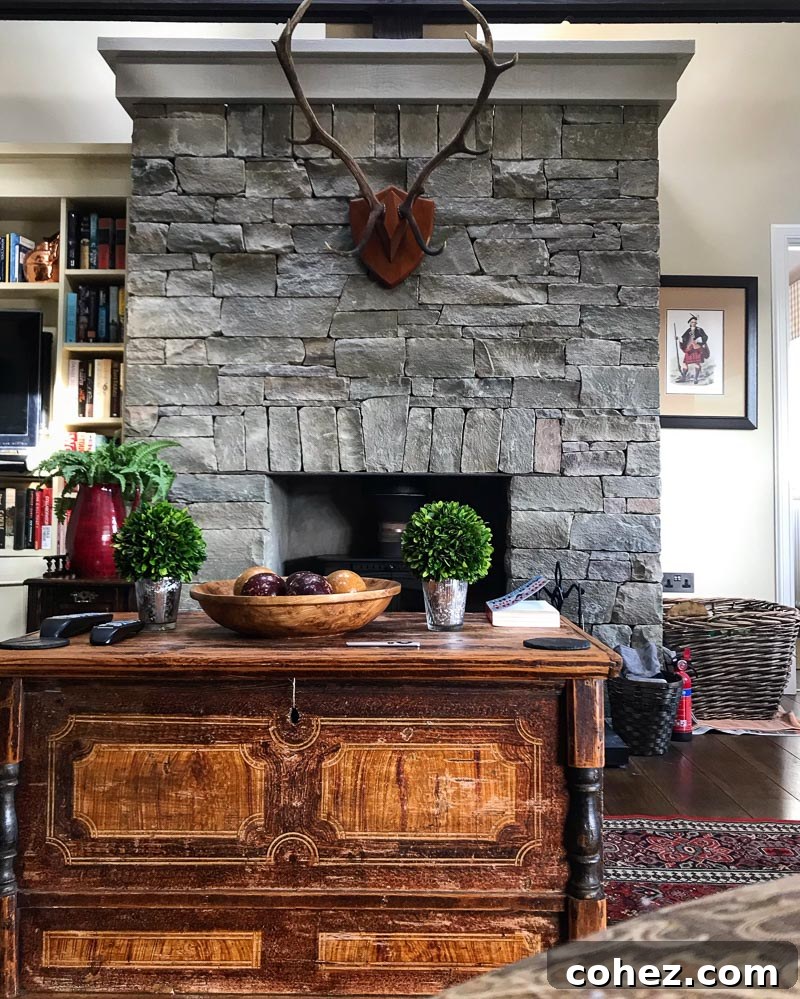
Regardless of your preferred location, you’ll discover a rich array of accommodation options scattered generously across the island. From charming self-catering cottages, ideal for families or longer stays, to cosy bed & breakfasts offering a personal touch, and even unique glamping experiences in yurts, there’s something to suit every taste and budget. We felt incredibly fortunate to secure our stay at Ardfenaig Lodge. Nestled in a wonderfully tranquil setting, the lodge offered stunning accommodation that blended comfort with the island’s natural beauty. Its peaceful ambiance and high standard of comfort made it an absolute highlight of our trip, and we wholeheartedly recommend it to anyone seeking a serene and luxurious retreat on Mull.
Where to Eat on the Isle of Mull
For those planning a self-catering holiday on Mull, as we did, a strategic approach to grocery shopping is key. The island, while rich in natural beauty, has limited large-scale grocery options. The Co-op in Tobermory stands as the largest supermarket by a considerable margin, but depending on your accommodation, a trip there can be a significant undertaking. The most effective strategy, particularly if arriving from the mainland via Oban, is to undertake a comprehensive grocery shop before boarding the ferry.
This pre-arrival planning can save a great deal of stress later in your holiday. Many seasoned visitors to Mull swear by using the click-and-collect service at the Tesco in Oban, picking up their order just before driving onto the ferry. While we didn’t try this particular method, we found success with a substantial weekly shop at Lidl, conveniently located right next to the Oban ferry terminal. This ensured our cottage was well-stocked with essentials and treats, allowing us to fully enjoy the island without constant grocery runs.
However, this is not to say Mull is entirely devoid of provisions. Various small shops in the island’s charming villages stock most essential items, offering a lifeline for forgotten staples or last-minute needs. Furthermore, you’ll find wonderful local distributors, including farms, selling fresh produce and artisan goods, providing an authentic taste of Mull.
Our most delightful culinary discovery was undoubtedly the fresh mussels available at Inverlussa Mussel Farm, nestled in the scenic southeast corner of the island, not far from Craignure. This unique establishment operates on an honour system; you simply pull off the highway, locate the cooler in a designated building near their pier, look for the sign, and leave your payment in the jar. The mussels are incredibly fresh, incredibly cheap, and available in two convenient bag sizes – perfect for a delicious home-cooked meal that truly embodies the flavour of the sea.
If you prefer to have your seafood expertly prepared and served, Mull boasts some exceptional dining establishments. Ninth Wave restaurant in Fionnphort consistently garners rave reviews from both discerning visitors and appreciative locals. Their commitment to fresh, locally sourced ingredients shines through in every dish, offering a truly exquisite fine dining experience. Due to its immense popularity and intimate setting, securing a reservation can be challenging, especially during the high season, so booking well in advance is highly recommended.
On the opposite side of the island, in the picturesque harbour town of Tobermory, you’ll discover Café Fish. This charming, unpretentious eatery, despite its small size, consistently delivers wonderfully fresh and flavourful seafood. It’s renowned for its dedication to showcasing the best of Scottish waters. For an unforgettable introduction to their culinary prowess, we highly suggest trying the tapas trio, featuring delectable langoustine, succulent oysters, and rich crab claws. To be entirely honest, every dish we sampled was superb and worthy of recommendation, embodying the simple elegance of fresh, quality ingredients.
Drinking Well on Mull: Distilleries and Spirits
While the Isle of Mull might not boast the sheer number of distilleries found on Islay, it certainly doesn’t compromise on quality or character. The island offers unique opportunities to savour some exceptional Scottish spirits, deeply rooted in its landscape and history. A must-visit is Tobermory Distillery, established way back in 1798. This historic distillery, one of the oldest commercial distilleries in Scotland, produces a small but fantastic selection of distinctive single malts and gins, reflecting the island’s rugged charm. Although tours were unavailable during our visit due to renovations, a tasting session in their visitor centre proved to be a more than satisfying substitute. Our guide, brimming with knowledge and genuine passion, made the experience truly engaging, shedding light on the rich history and intricate craftsmanship behind each dram. Learning about the traditional methods and the influence of Mull’s unique environment on the spirits was a highlight.
If your palate leans more towards gin, then a visit to Whitetail Gin is an absolute must. This relatively recent addition to Mull’s craft spirit scene is a family-run distillery that has quickly established itself, creating gins that are deeply intertwined with the island’s unique flora and character. The slightly isolated location of the distillery, nestled amidst Mull’s wild landscapes, adds significantly to its charm and the sense of discovery. Finding it is part of the adventure! Once there, you can sample their distinct gin, infused with locally foraged botanicals, alongside other delightful offerings in their welcoming tea room. Be warned, however, the gin’s notable alcohol content makes it a spirit for the stout-hearted, promising a warming and memorable tasting experience that truly captures the essence of Mull.
Finding the Best Beaches on the Isle of Mull
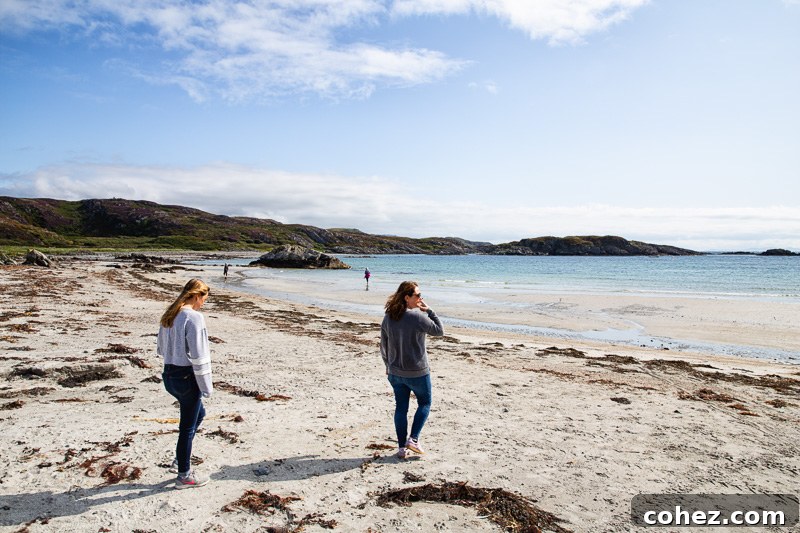
It’s simply unfathomable that any visitor to the Isle of Mull would miss the opportunity to spend ample time exploring its spectacular coastline. The island is blessed with an abundance of beaches, each possessing its own unique charm and allure, from pristine white sands to dramatic rocky coves. While choices are plentiful across the island, some of the most dramatic and picturesque beaches are concentrated in the southwest, particularly in the general area surrounding Bunessan. This region offers a breathtaking array of coastal landscapes that are sure to captivate. These sandy expanses are perfect for long, contemplative walks, family fun, or simply soaking in the serene beauty of the Hebridean environment.
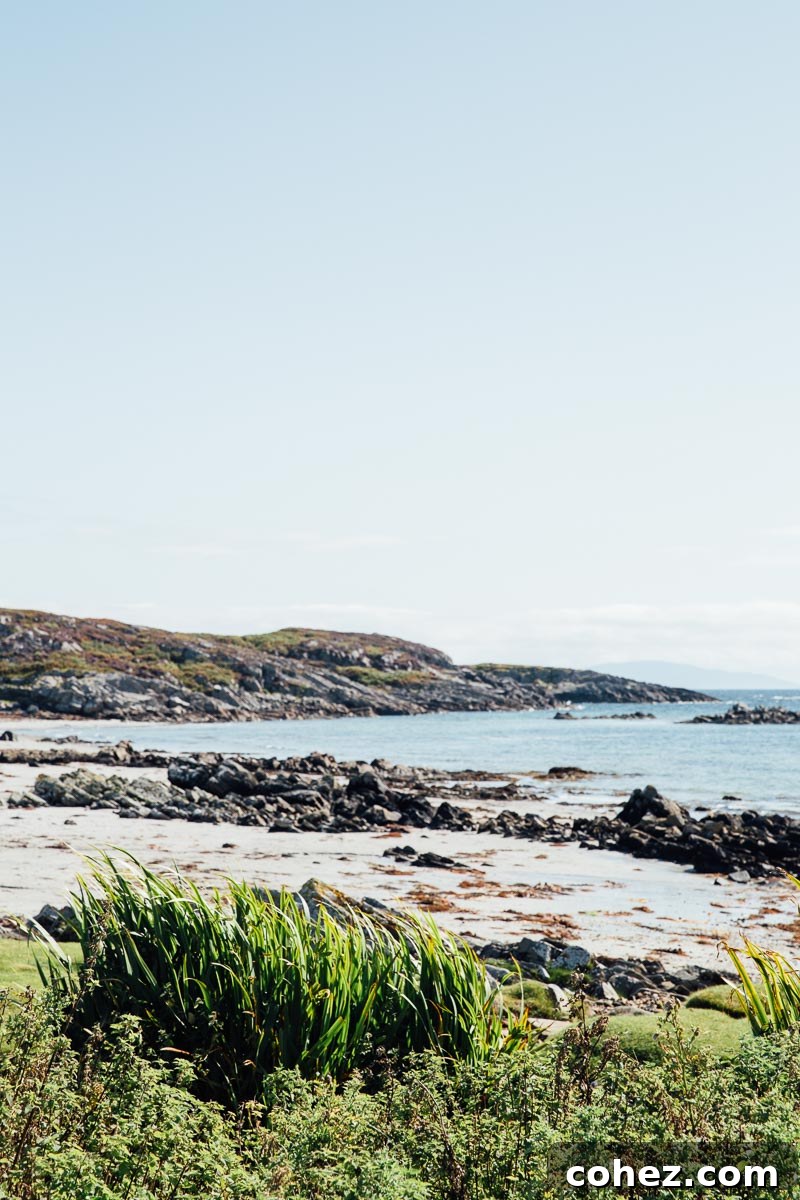
Knockvologan Beach is an absolute must-see, not only for its sheer natural beauty but also for its fascinating literary connection as a key setting in Robert Louis Stevenson’s legendary novel, Kidnapped. Its stunning white sands and clear waters make it a truly special spot. Other exceptional options in this glorious region include Fidden, known for its pink granite rocks and peaceful atmosphere; Kilvickeon, a secluded haven often less frequented; and Ardalanish, famous for its golden sands and the nearby tweed mill. These are just a tantalizing glimpse of the incredible coastal treasures that Mull has to offer, each inviting you to linger and explore. Many beaches also provide excellent opportunities for wildlife spotting, from seals basking on rocks to various seabirds soaring overhead.
It’s important to anticipate that accessing most of Mull’s beaches will involve parking a short distance away and completing the journey on foot. However, these walks are generally not strenuous and often form part of the scenic experience itself, leading you through coastal paths with spectacular views. A crucial tip for navigating Mull’s remote areas, particularly when seeking out these hidden gems, is to carry a good old-fashioned paper map. While technology is wonderful, satellite navigation systems can often prove unreliable or unhelpful on the island’s less-trodden routes, and signposts, though present, can be inconsistent at best. A detailed map will ensure you find your way and fully enjoy the sense of discovery each beach offers.
Unmissable Sites and Attractions on the Isle of Mull
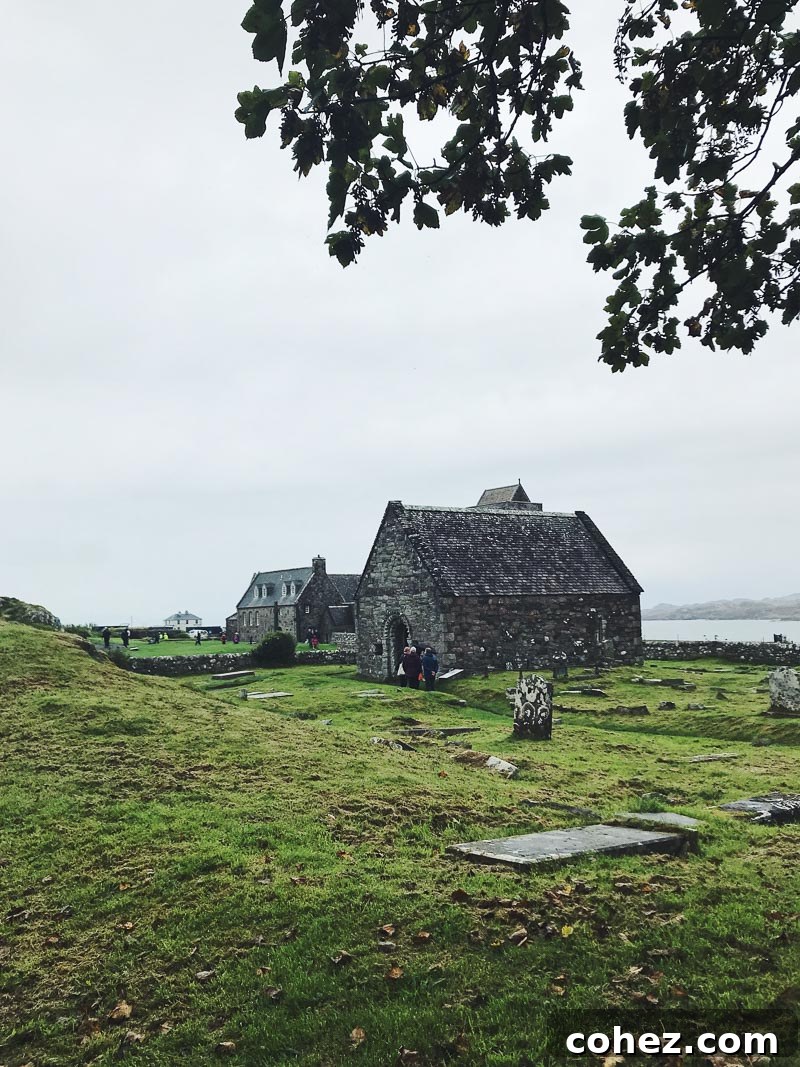
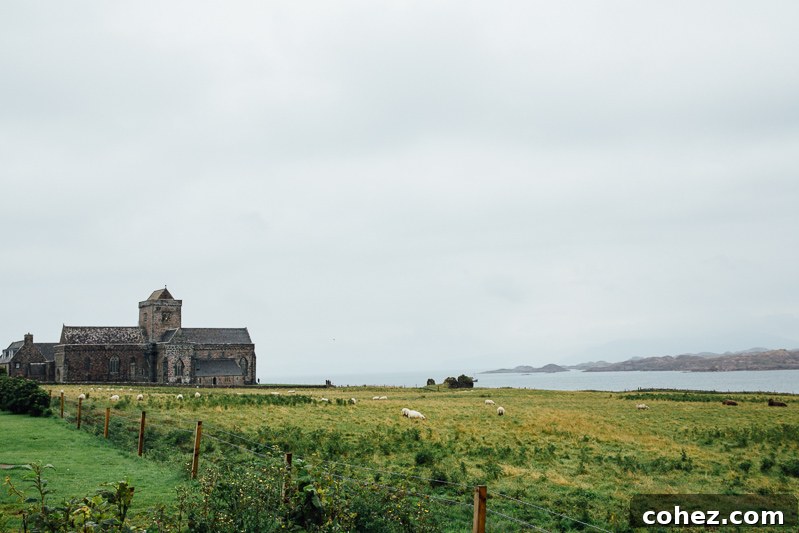
A short, picturesque ferry trip from Fionnphort will transport you to the legendary island of Iona, a place of immense historical and spiritual significance. Once the site of a renowned monastic community founded by St. Columba in 563 AD, Iona played a pivotal role in the spread of Christianity across Scotland and beyond. Its fortunes waned after enduring numerous Viking raids, but its spiritual heart remained. Today, the Iona Community is once again active, drawing visitors from around the globe to its serene shores. A visit to the historic Abbey is essential, offering a profound glimpse into centuries of devotion and craftsmanship. Beyond the Abbey, take the time to simply stroll around this beautiful and incredibly walkable island. Its pristine white sandy beaches, crystal-clear turquoise waters, and peaceful atmosphere make it a truly tranquil retreat. It is customary, and indeed advisable, to leave your vehicle in Fionnphort on Mull, as Iona is largely car-free, enhancing its peaceful ambiance. While a small shop and a few charming cafés can be found on Iona, it’s always a good idea to bring any specific essentials you might need for your day trip.
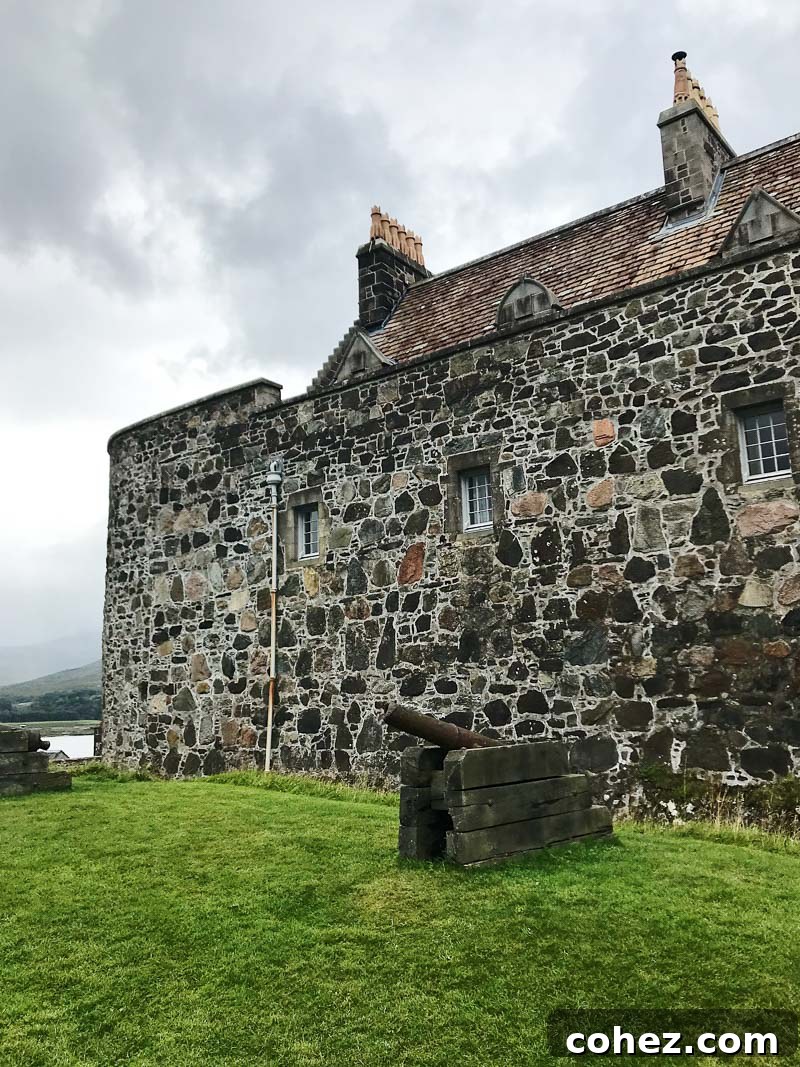
Perched dramatically on a rocky headland, Duart Castle is often the first iconic landmark you’ll spot as the ferry from Oban approaches Mull, making for an unforgettable entry to the island. Its strategic location is spectacular, commanding breathtaking views across the Sound of Mull, and its history is equally compelling. The ancestral home of the Clan Maclean, Duart Castle dates back to the 13th century and has witnessed centuries of Scottish history, from clan battles to grand restorations. While some areas of the castle might show their age, a visit is still incredibly rewarding, offering a tangible connection to Mull’s rich past. You can explore its dungeons, banqueting hall, and enjoy the panoramic views from its battlements. The castle is easily accessible just south of Craignure, with clear signposting guiding the way, making it a convenient and enriching stop for any visitor.
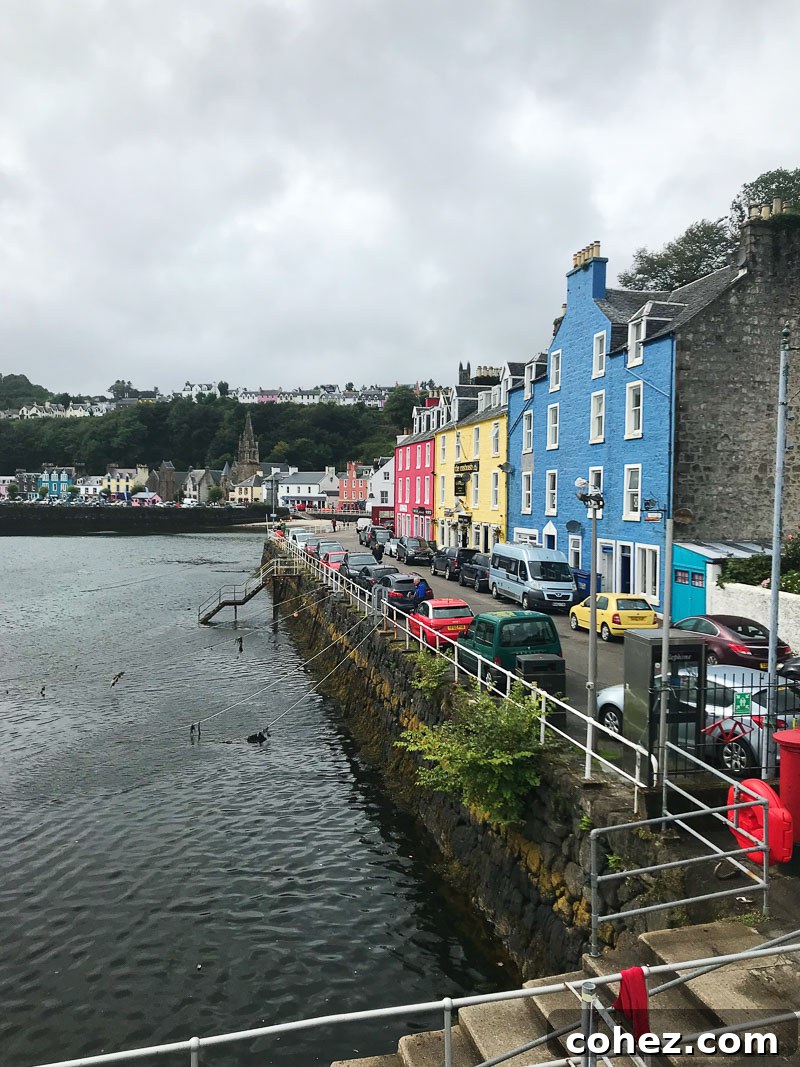
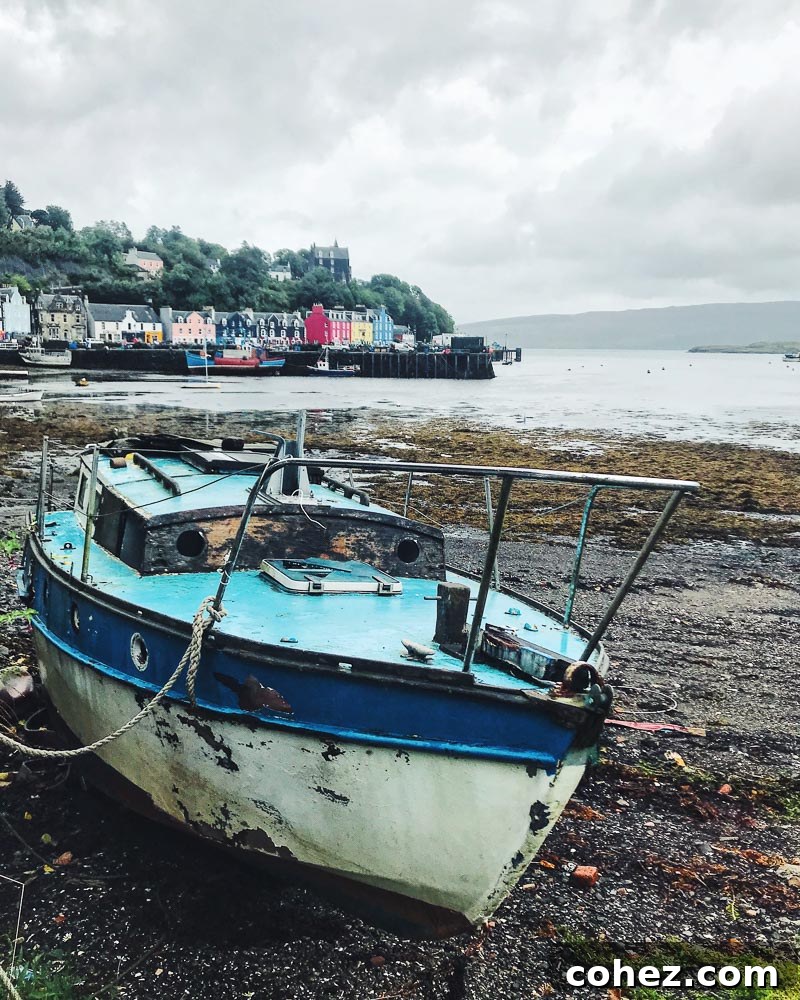
For many across the UK, the delightful port town of Tobermory holds a special place in their hearts, best known as the charming and colourful setting for the beloved children’s television show, What’s the Story Balamory? Beyond its television fame, Tobermory is the largest town on the Isle of Mull, serving as its bustling hub. Its iconic rainbow-coloured buildings lining the harbour create a postcard-perfect scene, making it a photographer’s dream. Tobermory offers a wealth of activities and sights for visitors. You can explore its array of independent shops, browse local crafts, enjoy fresh seafood at one of its acclaimed restaurants, or simply soak in the vibrant atmosphere of the working harbour. It’s an ideal place to spend an afternoon, representing the most charming and lively aspects of the island, combining picturesque beauty with a friendly, welcoming community spirit. The town also acts as a great base for exploring the northern reaches of Mull.
The Isle of Mull is more than just a destination; it’s an experience that captivates the soul. From its dramatic landscapes and ancient history to its vibrant local culture and welcoming communities, Mull offers a profound escape into the heart of wild Scotland. Whether you seek thrilling adventures, serene moments of reflection on a deserted beach, or a taste of authentic island life, Mull promises an unforgettable journey. Embrace its unique charm, navigate its winding roads with patience, and allow yourself to be truly enchanted by this magical Hebridean gem. Your adventure on Mull awaits!