
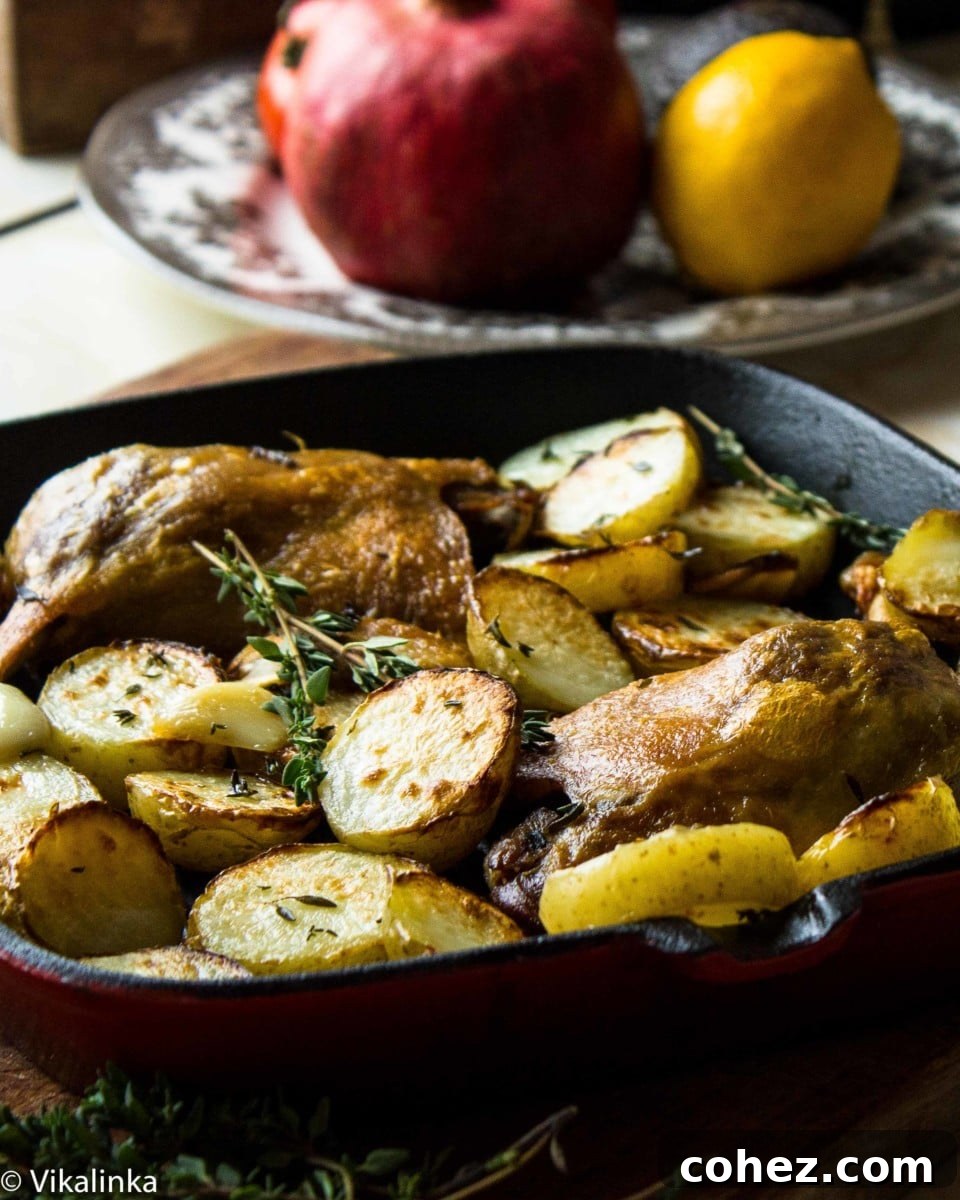
Recreating Parisian Romance: The Art of Homemade Duck Confit for a Memorable Dinner
Every love story is woven with cherished moments, but some memories shine brighter, becoming beacons of joy and connection. For us, one such memory was forged during an unforgettable anniversary trip to the romantic heart of Paris. While our everyday lives unfold in much simpler settings, last Valentine’s Day presented the perfect opportunity to revisit those glamorous Parisian moments. I yearned to recreate the magic of our time together, translating the elegance and rustic charm of French dining into our own home. This journey wasn’t just about cooking a meal; it was about reliving a cherished chapter and proving that the most exquisite experiences can indeed be savored within the comfort of your own kitchen, creating new, treasured memories.
Paris, the city of lights and love, has a unique way of etching itself into your soul. From the historic cobblestone streets to the intimate bistros, every corner whispers tales of romance and culinary delight. Our anniversary there was a symphony of sights, sounds, and, most importantly, tastes that left an indelible mark. The challenge, and indeed the joy, was to capture that essence – that particular blend of sophisticated simplicity – and bring it back to our dining table. This wasn’t merely about replicating a dish; it was about invoking an entire atmosphere, a sensory experience that transcended time and distance, reminding us of the beautiful journey Brad and I share.
Photo Credit: Lisa Gratton of Ophelia Photography.
A Taste of France: The Authentic Parisian Appetizer Experience
To truly begin our culinary journey back to Paris, we had to start exactly as we did in that quaint French restaurant: with crusty bread, rich pâté, and tangy cornichons. This simple trio is far more than just an appetizer; it’s a quintessential French tradition, a symbol of hospitality, and the perfect prelude to a memorable meal. The rustic charm of a freshly baked baguette, generously slathered with savory pâté, and cut through by the sharp, acidic crunch of pickles, immediately transported us back to those bustling Parisian evenings. It set the stage, awakened our palates, and promised an authentic experience right from the first bite, a true testament to the simple pleasures of French dining.
Embracing the Ambiance: The Magic of French Peasant Cuisine with Duck Confit
The core of our anniversary dinner recreation revolved around duplicating the menu from that unforgettable evening where we celebrated ten years of marriage. This might sound ambitious, conjuring images of intricate, Michelin-star level cooking. However, to my surprise and utter delight, it was not only achievable but immensely enjoyable! When many of us envision French food, we immediately think of unparalleled artistry, refined sophistication, and delicate finesse – truly the pinnacle of culinary expertise. And while all these qualities are undeniably true for haute cuisine, there exists another, equally authentic, and perhaps even more soul-satisfying side to French gastronomy: the pure, earthy peasant food. These dishes, deeply rooted in tradition and regional bounty, are deliciously gratifying and often incredibly simple to prepare, proving that true culinary brilliance doesn’t always demand complexity.
Duck Confit stands as a prime example of this beautiful duality. In many upscale restaurants across North America, it is often presented as a luxurious, sophisticated dish, commanding a premium price. Yet, in its homeland, particularly in the Gascony region of southwestern France, duck confit is a humble staple, a testament to ingenious preservation techniques developed centuries ago. It’s a dish born out of necessity and tradition, not pretense, making it incredibly accessible and a true representation of French country life. This contrast in perception only adds to its allure, offering an authentic taste of France that is both deeply satisfying and wonderfully unpretentious, perfect for a romantic dinner at home.
The Unforgettable Duo: Classic Duck Confit and Perfectly Roasted Potatoes
For my palate, there are few meals in the world as profoundly satisfying as tender, succulent duck paired with perfectly roasted potatoes. This combination delivers an unparalleled depth of flavor and texture, transforming simple ingredients into a truly memorable feast. While the process of making authentic Duck Confit involves several distinct steps, don’t let that deter you. Each stage is surprisingly straightforward, building upon the last to create a dish that tastes far more complex than the effort it requires. It’s a rewarding culinary adventure that promises to impress both your loved ones and your taste buds, solidifying its place as a romantic dinner favorite.
Essential Ingredients for a Romantic Dinner (Serves 2):
- Duck legs – 2 large, meaty pieces (seek out high-quality, plump legs for best results)
- Duck fat – 500 grams (crucial for the traditional confit method; can often be found at specialty stores or online)
- Fresh Thyme – 3-4 sprigs (for aromatic depth that complements duck beautifully)
- Bay leaves – 2 (a classic French herb, adding subtle notes)
- Juniper berries – 4, gently crushed (imparts a unique, slightly piney and peppery flavor)
- Garlic – 2 cloves, split lengthwise (infuses deep savory notes into the duck)
- Coarse Sea Salt – 1 tablespoon (absolutely essential for curing and seasoning)
- Potatoes – 4-5 medium-sized (ideal for roasting alongside the duck to absorb its flavors)
Mastering the Art of Duck Confit: A Step-by-Step Guide for Home Cooks
The journey to perfect Duck Confit begins with thoughtful preparation, primarily involving a crucial curing process that imbues the duck with incredible flavor and tenderness. This method, rooted in centuries of French culinary tradition, ensures a depth of taste that cannot be rushed, making it a truly authentic experience.
Detailed Method:
Step 1: The Night Before – Curing the Duck for Maximum Flavor
Start by thoroughly rubbing your duck legs with the coarse sea salt. Ensure they are evenly coated, paying attention to all surfaces. Next, place them in a shallow dish, arranging the fresh thyme sprigs, bay leaves, gently crushed juniper berries, and the split garlic cloves around and on top of them. These aromatics will slowly infuse their essence into the duck as it cures. Cover the dish tightly with plastic wrap and refrigerate overnight (at least 12 hours, but up to 24 hours is ideal). This salting and aromatic bath is vital; it not only seasons the meat but also begins the tenderizing process by drawing out moisture, preparing the duck for its slow cook and ensuring that signature confit texture.
Step 2: The Day of Dinner – The Traditional Confit Process in Duck Fat
On the day of your dinner, the first critical step is to carefully brush off all the excess salt from the duck legs. Do not skip this! Failing to do so will result in an overpoweringly salty duck. Once brushed clean, transfer the duck legs and the accompanying aromatics (thyme, bay leaf, juniper berries, garlic) into an oven-safe dish that is just large enough to hold them snugly. Now comes the defining characteristic of confit: completely cover the duck legs with duck fat. I mean truly immersed – they should be “swimming in the fat”! While this might seem daunting, especially if you’re concerned about fat content, let me reassure you before you envision an unhealthy indulgence. You will absolutely not be consuming all of this fat. The duck fat acts as a gentle cooking medium and a preservative. The minimal amount that eventually crisps up the duck skin is flavorful and, in moderation, a part of a traditional diet. “Confit” (pronounced “confee”) is an ancient French method of cooking and preserving meat in its own fat, a technique developed long before refrigeration existed. While you might encounter recipes for “tomato confit” or “pumpkin confit,” these are technically a misuse of the original term, which strictly applies to meat preserved in fat.
Return to our recipe: Place your fat-covered duck in the preheated oven at a low temperature of 250°F (120°C) and let it cook gently for approximately 2 hours. This slow, low-heat cooking ensures the duck becomes incredibly tender without drying out. At the end of this slow cooking period, your duck meat should be incredibly tender, almost falling off the bone, and wonderfully juicy. At this stage, it might not look particularly appetizing – the skin will be soft, not crispy – but rest assured, the magic is still unfolding!
Step 3: The Grand Finale – Roasting to Golden Perfection
Once the confit process is complete, carefully remove the tender duck legs from the dish using a pair of tongs. Gently pat away any excess fat with paper towels. The final and most satisfying step is to roast your duck legs alongside the potatoes, transforming them into a gloriously crispy and flavorful meal. Arrange the duck legs in a clean roasting pan, perhaps on a bed of thinly sliced garlic cloves for extra aroma. Surround them with your thickly sliced potatoes. Crucially, brush a bit of that precious rendered duck fat onto your potatoes – trust me, nothing imparts a richer, more delectable flavor and a crispier exterior than duck fat. Sprinkle with additional fresh thyme, a touch more salt, and freshly ground black pepper to taste. Roast everything together in a preheated oven at a higher temperature of 400°F (200°C) for about 30 minutes, or until the duck skin is beautifully golden and irresistibly crispy, and the potatoes are tender on the inside with a delightful crunch on the outside. (As an alternative, if you want to ensure your potatoes cook perfectly evenly and simultaneously with the duck, you can pre-boil them for about 5-7 minutes before adding them to the roasting pan. I chose not to, and they still turned out wonderfully crispy and cooked through.)
A Culinary Triumph: Why This Duck Confit Recipe is a Must-Try for Any Occasion
This Duck Confit recipe truly is a culinary gem. It’s remarkably simple to execute, requiring only a handful of quality ingredients, yet it yields absolutely matchless results. The meat emerges incredibly tender and delicate, practically melting in your mouth, while the skin crisps up to a golden perfection, bursting with savory flavor. I vividly recall the first time I tasted this delicacy in a Parisian restaurant, completely unaware of its preparation. That initial, heavenly bite, redolent of old French country charm, ignited a determination within me to recreate it, to experience that profound taste again and again. It’s a dish that feels incredibly special without being overly complicated, making it perfect for an intimate romantic dinner or a sophisticated gathering.
I cannot emphasize enough how much I urge you to try this recipe. Make a special trip to your local supermarket, butcher, or even connect with a duck farmer if you’re fortunate enough to know one, and procure a few duck legs. These are often the most affordable and, arguably, the most flavorful part of the bird, especially when prepared this way. This isn’t just a meal; it’s an experience, a journey to the heart of French tradition, easily achievable in your own home. Imagine pairing this rich dish with a simple green salad dressed with a sharp vinaigrette to cut through the richness, and perhaps a lovely Pinot Noir or a hearty red Bordeaux. You absolutely won’t regret dedicating the time to this extraordinary culinary adventure. C’est magnifique!
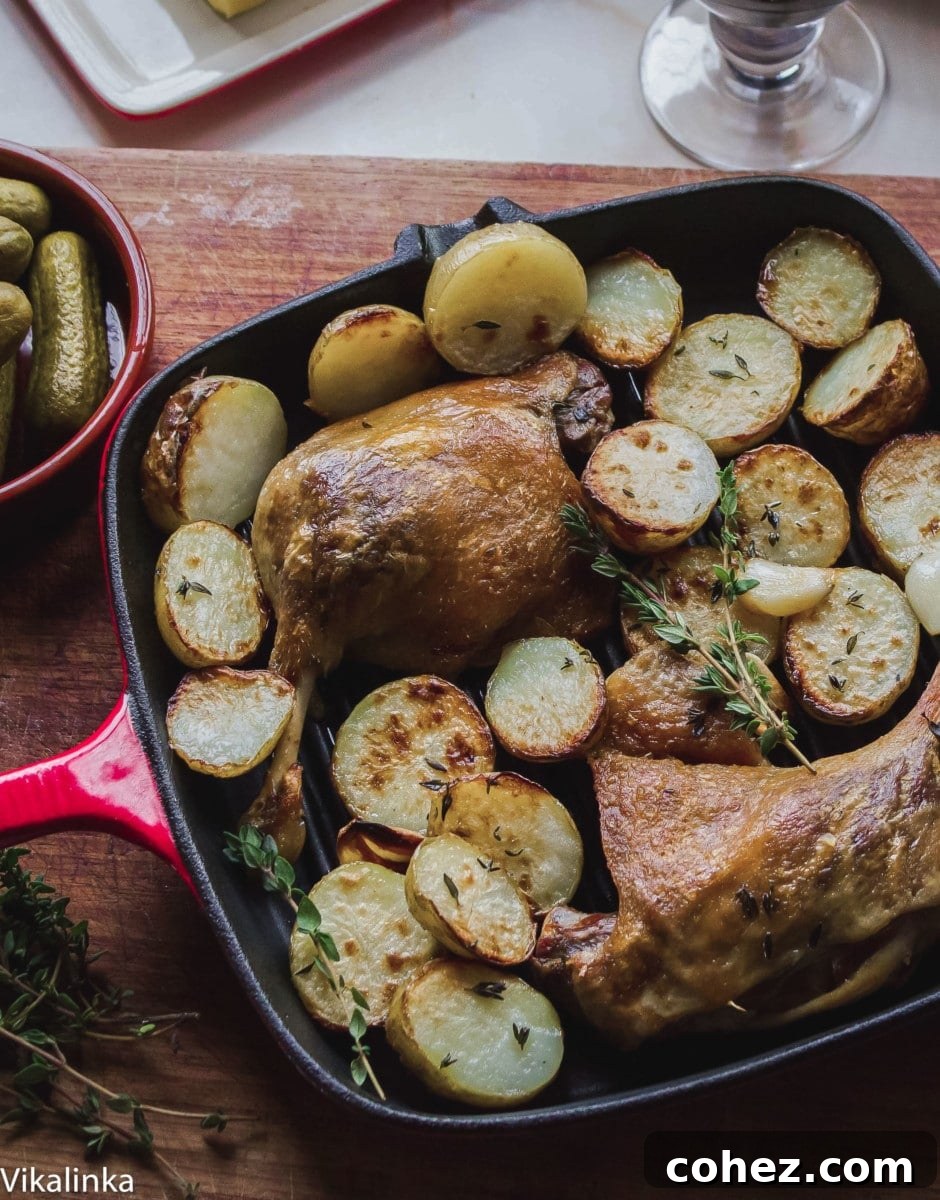
Note: This recipe for traditional Duck Confit was lovingly adapted from “Jamie Does France” by Jamie Oliver, a testament to his accessible and delicious approach to global cuisine.