
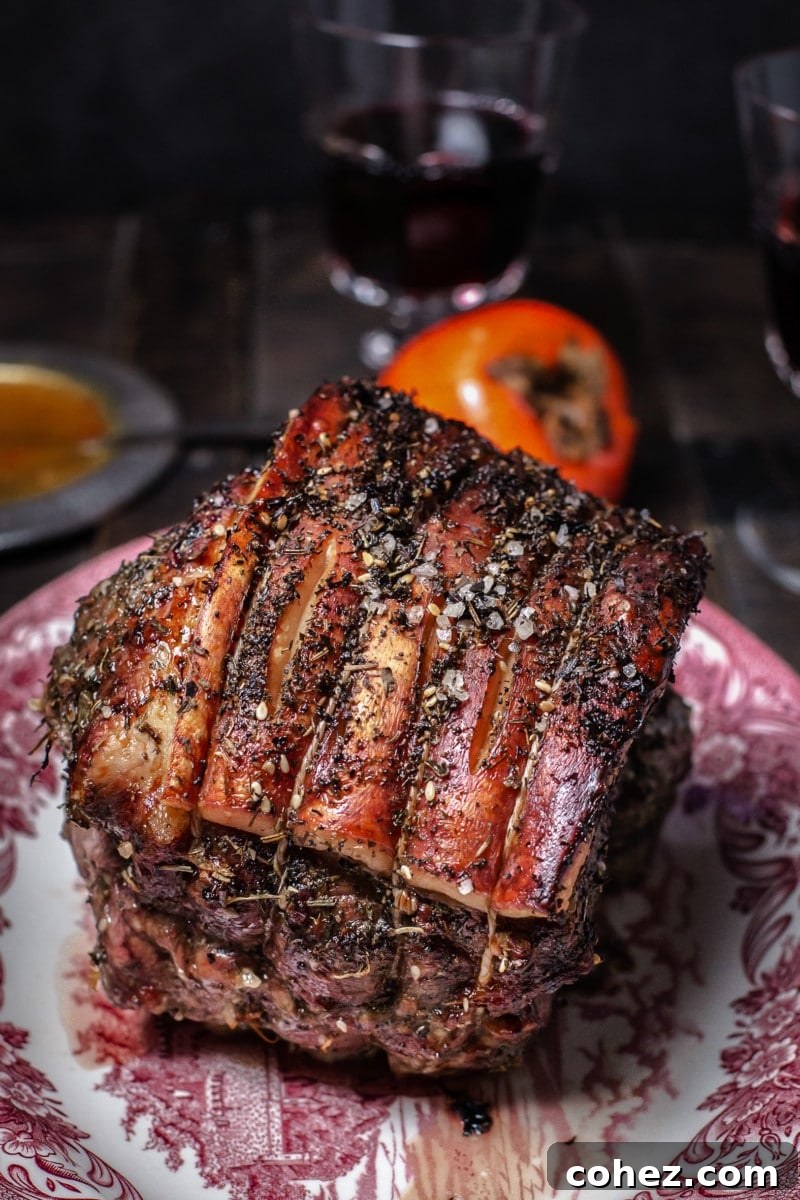
Embark on a culinary adventure this holiday season by elevating your traditional pork roast with an exquisite, warm persimmon sauce. This tender, juicy pork roast, expertly seasoned with an aromatic blend of herbs, flowers, and seeds, promises to be the show-stopping centerpiece that will delight your friends and family!
For more festive culinary inspiration, explore our curated Christmas Collection of holiday-ready recipes.
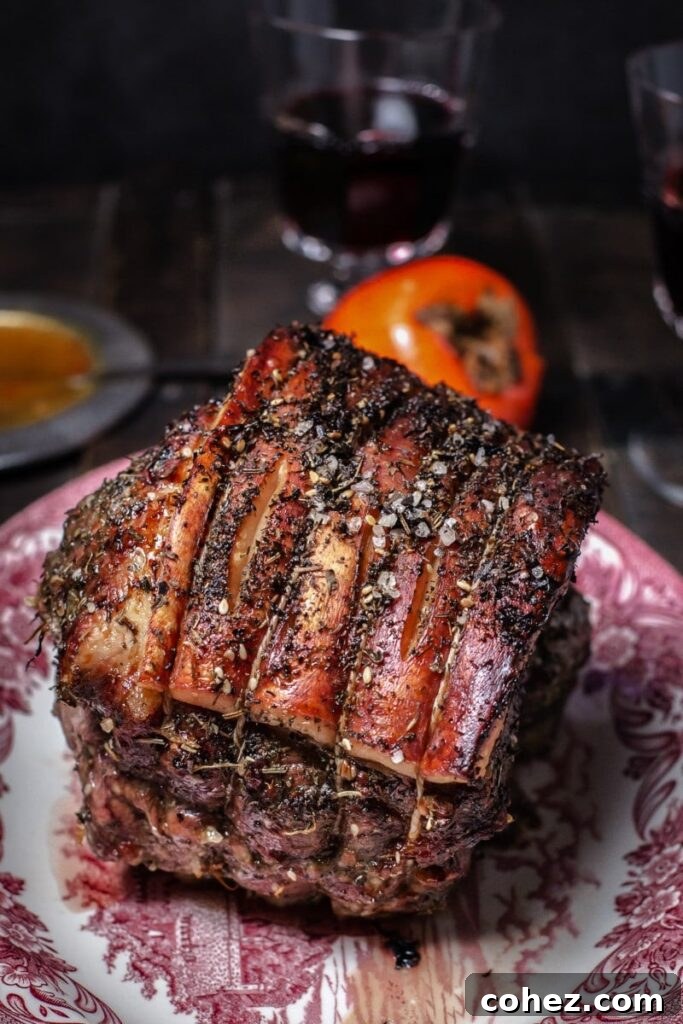
When the festive season approaches, the excitement of planning a Christmas dinner is palpable. Yet, it often comes with the delightful dilemma of choosing the perfect main course. From the classic turkey to succulent duck, elegant goose, rich beef, or tender pork, the options seem endless. Each contender vies for the spotlight on the holiday table, making the decision both thrilling and challenging.
However, amidst this array of choices, one method of preparation remains a steadfast favorite: roasting. Roasting is, without a doubt, one of the most rewarding cooking techniques, consistently delivering incredible results. Among all the meats, a pork roast stands out as particularly forgiving and easy to master, especially for those special occasions.
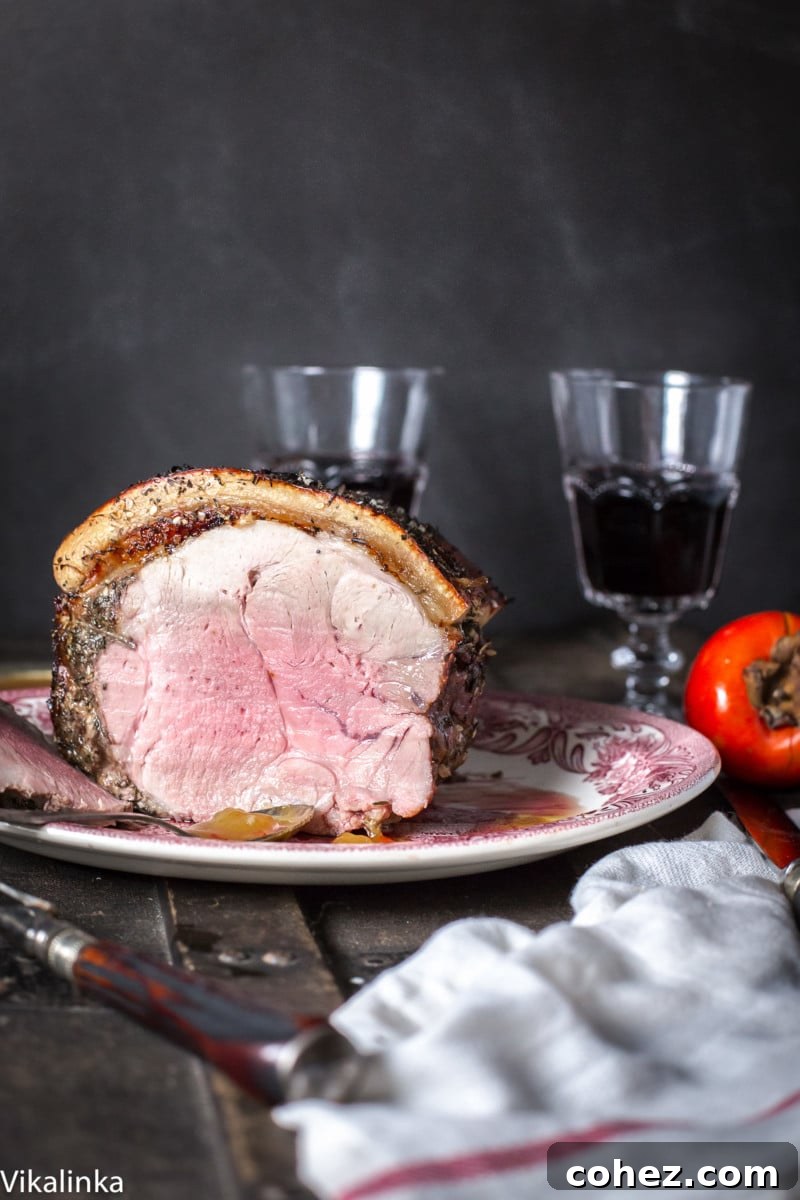
The magic of high-temperature oven cooking transforms pork into something truly extraordinary. Imagine meat that is incredibly tender and succulent on the inside, encased in a marvelously crispy, golden crackling on the outside. This perfect contrast of textures and flavors is what makes a roasted pork shoulder an unforgettable meal.
Crafting the Best Tasting Pork Roast
For a truly exceptional holiday meal, it’s worth investing in a high-quality cut of pork. While daily cooking often calls for cost-conscious choices, Christmas is the perfect time to splurge a little. Opting for a superior piece of pork allows its natural, rich flavor to be the star, requiring fewer heavy-handed additives.
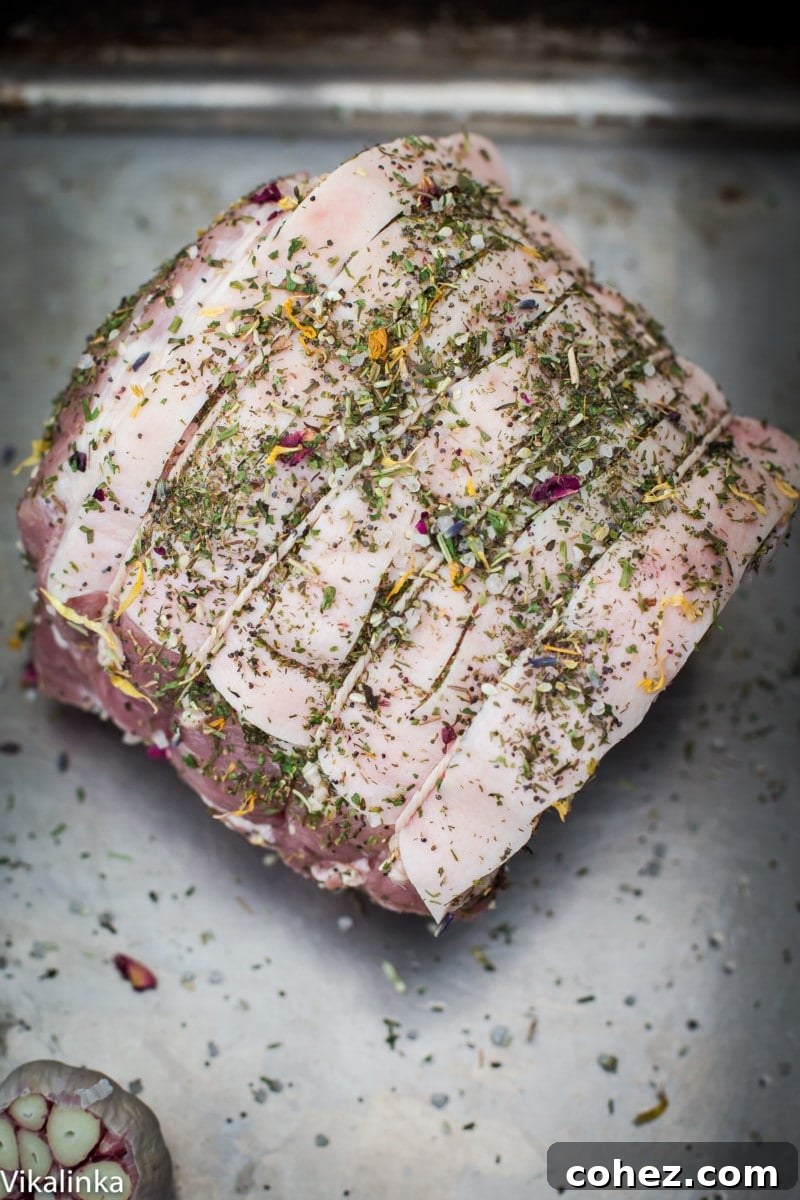
To highlight the magnificent taste of the pork, a simple yet effective approach is best. For this recipe, a pork shoulder (also known as pork butt) is rolled in a unique herb, flower, and seed mix, inspired by a special blend from Scotland. This type of rub infuses the meat with subtle, complex notes without overshadowing its inherent deliciousness. Common herbs that pair wonderfully with pork include rosemary, thyme, sage, fennel seeds, and garlic powder, all contributing to a rich, earthy aroma.
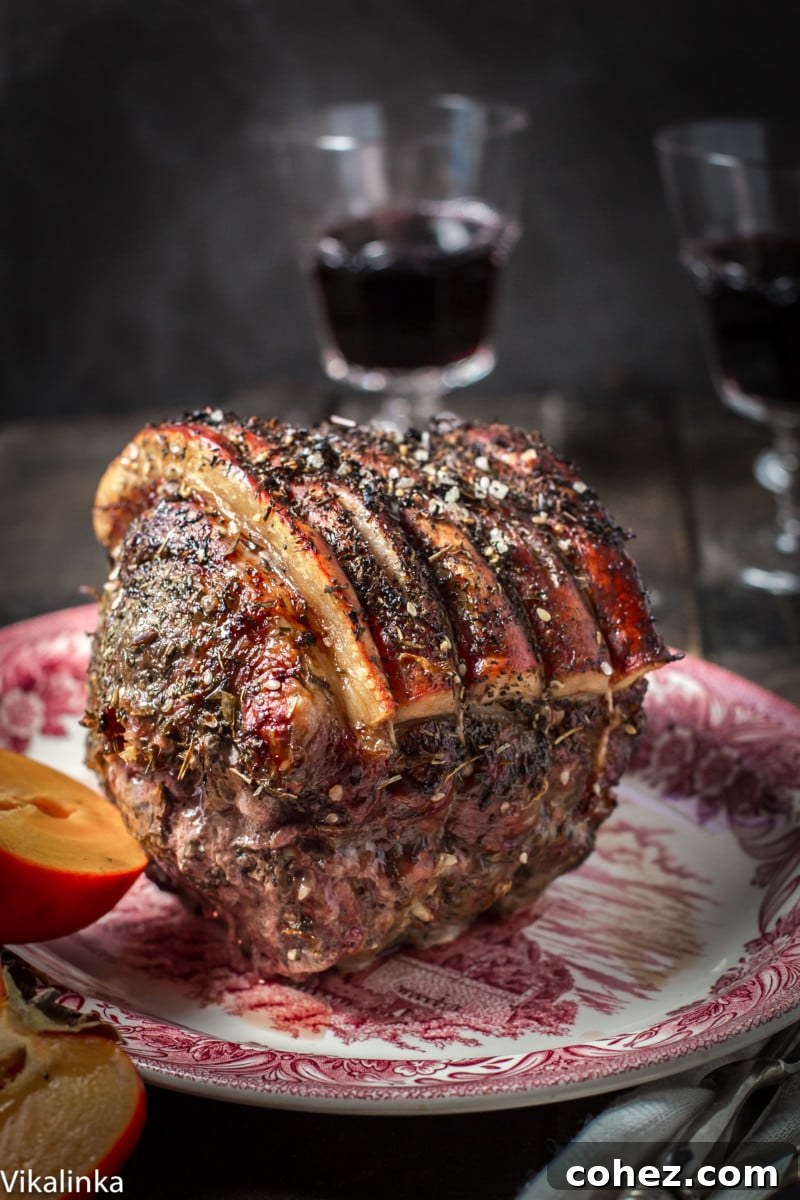
The anticipation builds as the pork roasts slowly in the oven, filling your home with an irresistible fragrance. When it finally emerges, glistening and golden, the results are consistently satisfying. The pork shoulder, known for its marbling, yields a roast that is incredibly tender, bursting with juices, and deeply flavorful from the inside out. The star attraction, of course, is the crispy crackling, a highly sought-after delicacy that forms a delectable crust over the succulent meat.
To complement this magnificent roast, a unique seasonal sauce offers a delightful twist. Drawing inspiration from traditional English plum sauces often served with pork, a vibrant persimmon sauce was created. This innovative pairing introduces a fresh, fruity counterpoint to the savory richness of the pork, making the dish truly distinctive and memorable.
The Enchantment of Persimmon Sauce
In many parts of the world, the persimmon fruit is deeply intertwined with the essence of autumn. A single taste reveals why: their texture is wonderfully jammy, their flavor delicate, often hinting at notes of honey and sweet melon. This unique profile makes persimmons an extraordinary ingredient for a seasonal sauce.
Botanically speaking, the persimmon is classified as a berry, with its origins tracing back to China. Today, it flourishes across Asia, particularly in Japan and both Koreas, where it holds significant cultural and culinary importance. Persimmons display a remarkable range of colors, from vibrant warm yellow to deep, dark orange, and come in both astringent and non-astringent varieties.
For this delightful recipe, the Fuyu persimmon is the ideal choice. Fuyu is a non-astringent variety, widely recognized and available. It typically resembles a small, squat tomato in shape, with a beautiful color that can range from a sunny yellow to a rich orange. Unlike its astringent cousin, the Hachiya (which must be jelly-soft ripe to be edible), Fuyu persimmons can be enjoyed while still firm, though for the sauce, extreme ripeness is key.
The importance of using very ripe persimmons cannot be overstated. An underripe persimmon will impart a chalky texture and a distinctly bitter, unpleasant tinge to the sauce, entirely compromising its flavor. Conversely, when you exercise patience and slice into a perfectly ripe persimmon, you’ll be rewarded with a fruit incomparable in its fragrant sweetness. It’s no wonder that in many cultures, particularly in East Asia, the persimmon is affectionately known as “the honey fruit,” a testament to its naturally sweet and captivating essence. This warm, sweet, and slightly tangy sauce offers a refreshing and unexpected complement to the savory depth of roasted pork, creating a truly harmonious flavor experience.
Expert Recipe Tips and Notes for Success
- Choose Ripe Persimmons Wisely: As highlighted, the ripeness of your persimmons is paramount for the sauce. Ensure they are incredibly soft to the touch; if they feel firm, allow them to ripen further on your countertop. Underripe persimmons contain tannins that will leave an unpleasantly chalky, bitter taste, ruining the delicate sweetness intended for the sauce.
- Secure the Roast with String: Tying the pork roast tightly with butcher’s twine before cooking is a crucial step. This not only helps the roast maintain a uniform shape, ensuring even cooking, but also compacts the meat. This compaction traps juices more effectively within the roast, resulting in a significantly more moist and tender outcome.
- Score the Skin for Flavor and Crackling: Creating shallow slits or scores in the pork skin is essential. These cuts allow the herb and salt rub to penetrate deeper into the meat, infusing it with flavor throughout. More importantly, the scoring helps the fat render out evenly during roasting, which is the secret to achieving that coveted, perfectly crispy crackling on the surface.
- The Art of Resting Your Roast: Once the pork roast is removed from the oven, resist the urge to slice into it immediately. Allow it to rest, uncovered, for at least 20 minutes (or even longer for larger roasts). During this critical resting period, the muscle fibers relax, allowing the juices that have migrated to the center of the roast during cooking to redistribute back throughout the meat. This process ensures every slice is incredibly tender, moist, and flavorful.
- Precision with a Meat Thermometer: One of the most common pitfalls leading to dry pork is overcooking. Oven temperatures can vary, and roast sizes differ, making cooking times an approximation. The best way to guarantee a perfectly cooked, juicy roast is to use an instant-read meat thermometer. Insert it into the thickest part of the meat, avoiding bone.
- Target Internal Temperature: For pork, the safe internal temperature is 145°F (65°C). This temperature ensures food safety while preserving the juiciness of the meat. Historically, the recommended temperature was higher (160°F), which often led to dry, unappetizing pork. The updated guideline allows for a more tender and enjoyable result without compromising safety.
Delightful Serving Suggestions
This magnificent pork roast with warm persimmon sauce is truly a dish fit for a celebration. Whether it’s the centerpiece of your holiday feast or a comforting meal on a crisp autumn evening, it promises to be a culinary highlight. The rich, savory pork finds a perfect partner in the sweet and subtly tangy persimmon sauce, creating a balanced and exciting flavor profile.
To complete this festive meal, consider pairing it with complementary side dishes. A classic choice that never disappoints is delicious rosemary potatoes au gratin. The creamy, cheesy potatoes with aromatic rosemary offer a wonderful textural and flavor contrast to the roast. For a seasonal twist and an equally comforting gratin, how about a rich and creamy Butternut Squash Gratin? Its subtle sweetness and velvety texture would beautifully echo the flavors of the persimmon sauce.
Beyond these specific suggestions, roasted root vegetables like parsnips, carrots, and sweet potatoes would also make excellent companions, soaking up the savory pan juices and balancing the richness of the meat. A crisp green salad with a light vinaigrette could offer a refreshing contrast. For even more inspiration, explore our comprehensive collection of Christmas side dishes, ensuring your holiday table is nothing short of spectacular.
Storage and Creative Leftover Solutions
One of the true joys and practical benefits of holiday meals is the abundance of delicious leftovers. These culinary gifts mean your next few days can be delightfully stress-free, allowing you to relax and savor meals that are already prepared and just as flavorful the second time around. Proper storage is key to enjoying these extended delights.
Leftover pork roast should be stored promptly to maintain its quality and safety. Once cooled to room temperature (within two hours of cooking), transfer the slices or larger pieces into an airtight container or wrap them tightly with plastic wrap. Stored in the refrigerator, the pork roast will remain fresh and delicious for 3-4 days, ready to be reheated and enjoyed.
For longer storage, freezing is an excellent option. Wrap the leftover pork tightly in plastic wrap, then again in aluminum foil, or place it in a freezer-safe bag or container. This double-layer protection helps prevent freezer burn. Frozen pork can be safely stored for up to three months. While it can technically be kept longer, its quality, especially texture and flavor, may start to diminish after this period. To reheat, thaw in the refrigerator overnight and then warm gently in the oven or microwave.
Leftovers can also be transformed into exciting new dishes! Think savory pork sandwiches, delicious pork tacos, a hearty pork hash for breakfast, or even a flavorful stir-fry. The versatility of roasted pork ensures that no delicious bite goes to waste.
More Holiday Main Courses to Inspire Your Feast
- Honey Mustard Crusted Prime Rib Roast
- Roast Turkey: Your Ultimate Christmas Guide
- Blackcurrant Compote Glazed Ham
- Baked Salmon with Rose Wine Cream Sauce
Pork Roast with Warm Persimmon Sauce
Pin
Ingredients
For the pork roast
- 1.5 kg/3 lbs pork shoulder roast
- 2 tbsp herb mix of your choice (rosemary, thyme, garlic, etc.)
- 1 tbsp sea salt
For the warm persimmon sauce
- 3 persimmons, very ripe
- 50 g/1/4 cup sugar
- 125 ml/ 1/2 cup water
- 1/4 tsp chilli flakes, optional
Instructions
-
Preheat your oven to its highest temperature setting (often around 500-550°F / 260-290°C). Remove the pork roast from the refrigerator approximately 30 minutes before you plan to cook it to allow it to come closer to room temperature, which promotes more even cooking. Unwrap all packaging and carefully score the skin in a criss-cross pattern with a very sharp knife, making sure not to cut too deeply into the meat itself.
-
Generously rub your chosen herb and sea salt mix all over the pork roast. Pay special attention to working the rub deep into the scored slits in the skin, as this will enhance both flavor and crackling. Place the seasoned pork into a sturdy roasting tray and immediately transfer it to the preheated oven.
-
As soon as the pork is in the oven, reduce the oven temperature to 450°F (220°C). Roast for approximately 1.5 hours, or until the internal temperature of the pork reaches 145°F (65°C) when measured with a meat thermometer in the thickest part of the roast. This initial high heat helps create the crispy skin, while the lower temperature ensures the meat cooks through evenly.
-
While the pork is roasting, prepare your warm persimmon sauce. In a small saucepan, combine the water, sugar, and the peeled and chopped very ripe persimmons. Bring the mixture to a gentle boil over medium heat, then reduce the heat to low and let it simmer for about 10 minutes, stirring occasionally, until the sauce thickens to your desired consistency. If you enjoy a little heat, stir in the chilli flakes during the last few minutes of simmering.
-
Once the pork roast is cooked and rested (remember the crucial resting period!), carefully cut the crispy crackling away from the meat. Slice the crackling separately into individual pieces using a very sharp knife, as it can be quite firm. Then, thinly slice the tender pork meat.
-
Serve the succulent sliced pork alongside generous spoonfuls of the warm, aromatic persimmon sauce. Enjoy this exquisite pairing as the star of your holiday table.
Nutrition
Nutrition information is automatically calculated and should be used as an approximation.