
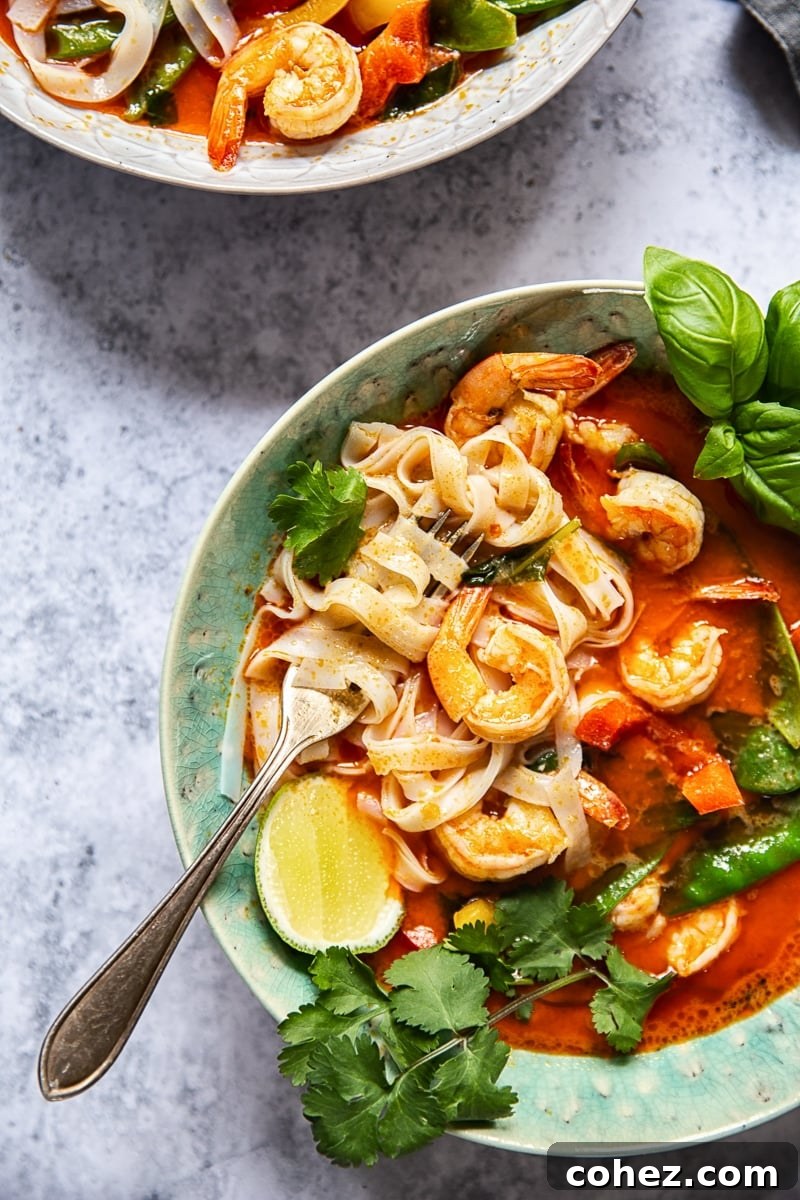
Experience the delight of homemade Thai Red Curry with Shrimp and Snow Peas – a dish so quick and effortlessly delicious, it’ll make you rethink your takeout habits! Not only is it faster to prepare in your own kitchen, but it’s also remarkably more budget-friendly.
If you’re already a connoisseur of authentic Thai flavors, be sure to explore our Instant Pot Chicken with Thai Glaze for another fantastic recipe that brings the vibrant taste of Thailand to your table.
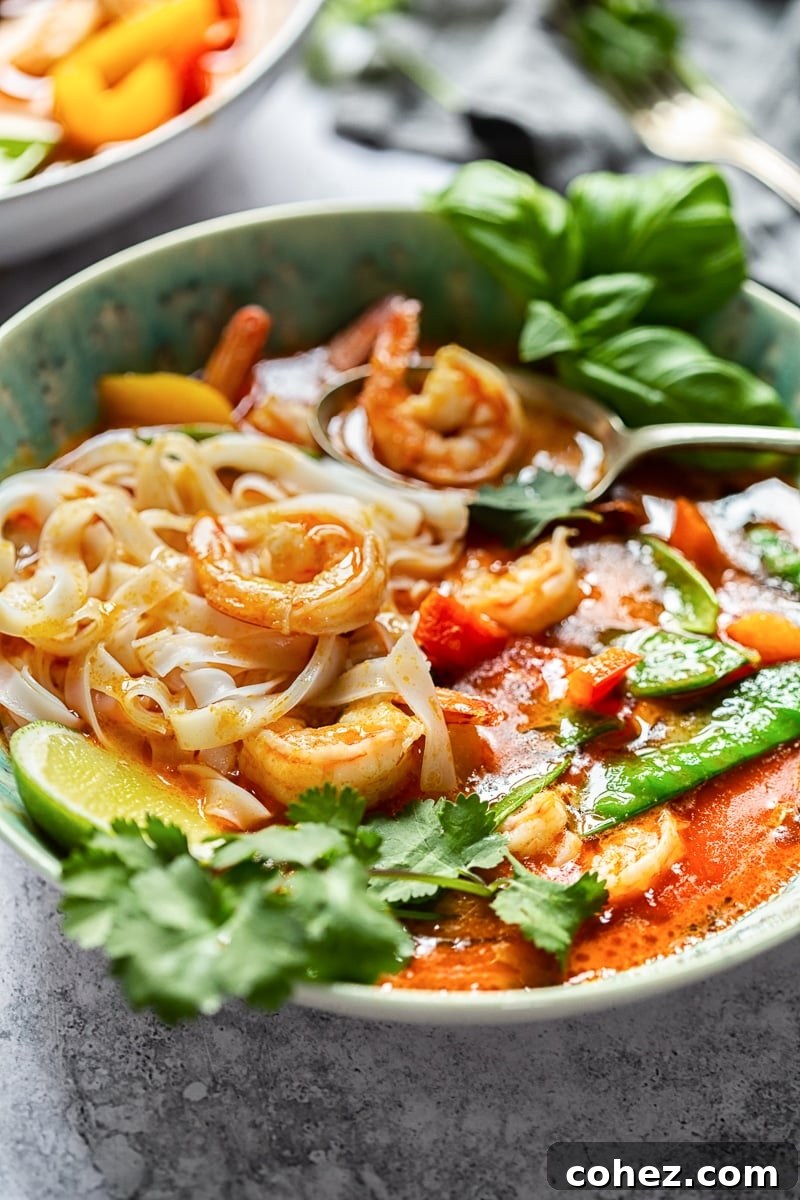
This Thai red curry recipe is designed to captivate your senses and nourish your soul. It’s the quintessential comfort food, perfect for warming you from the inside out on a chilly evening, yet surprisingly light and never heavy. Its vibrant colors promise a feast for the eyes, while its rich, complex flavors deliver an unforgettable culinary experience.
What truly sets this dish apart is its incredible speed and simplicity. You can have this gourmet-quality meal ready in just 15 minutes, with minimal chopping required. Imagine the convenience: toss your rice into a rice cooker, and by the time it’s perfectly fluffy and ready, your aromatic, restaurant-worthy curry will be waiting to be served. It’s the ultimate solution for a busy weeknight when you crave something extraordinary without the fuss.
Why This Easy Thai Red Curry Recipe is a Must-Try
In a world bustling with demanding schedules, finding a recipe that balances speed, flavor, and health can feel like striking gold. This easy Thai Red Curry with Shrimp and Snow Peas is precisely that golden recipe. It stands out not only for its authentic taste but also for its accessibility to home cooks of all skill levels. Here’s why you’ll want to make this dish a regular in your rotation:
- Unbelievably Fast: From start to finish, this curry takes only about 15 minutes. This makes it an ideal choice for busy weeknights when you want a nutritious and delicious meal without spending hours in the kitchen.
- Effortless Preparation: We’ve streamlined the cooking process to minimize chopping and complex techniques. The beauty of this recipe lies in its straightforward steps, ensuring a smooth and enjoyable cooking experience.
- Budget-Friendly Alternative: Skip the expensive takeout! Crafting this curry at home is significantly cheaper, allowing you to enjoy gourmet Thai flavors more often without breaking the bank.
- Warm & Comforting: With its rich coconut milk base and aromatic spices, this curry provides a comforting warmth that is perfect for any season, especially cooler evenings. It’s hearty without being heavy.
- Vibrant & Flavorful: The combination of red curry paste, fresh chili, bell peppers, and fresh herbs creates a visually stunning and intensely flavorful dish that will impress both family and guests.
- Highly Customizable: While shrimp and snow peas are star ingredients, this recipe offers immense flexibility. Easily swap proteins, add your favorite vegetables, or adjust the spice level to suit your palate.
- Nutrient-Rich: Packed with lean protein from shrimp, healthy fats from coconut milk, and vitamins from fresh vegetables, this curry is a wholesome meal that supports a balanced diet.
- Less Cleanup: With most of the cooking happening in a single pan or wok, cleanup is a breeze, adding another layer of convenience to this already easy recipe.
Understanding Thai Curries and the Magic of Red Curry Paste
Thai curries are a cornerstone of Thai cuisine, celebrated worldwide for their intricate balance of sweet, sour, salty, and spicy flavors. Each curry type, distinguished by its paste, offers a unique culinary adventure. While making curry pastes from scratch is a revered art form, requiring significant time, a diverse array of fresh ingredients, and a deep understanding of Thai culinary traditions, we’re taking a smart shortcut for this quick and easy dinner. Our secret weapon? A high-quality, pre-made Thai red curry paste!
You’ll typically encounter two primary types of curry pastes in most supermarkets: red and green. Thai red curries are generally characterized by a medium-hot spice level and a rich, slightly sweet profile, often incorporating dried red chilies. Green curries, on the other hand, are traditionally spicier, deriving their vibrant color and fiery kick from fresh green chilies. For this recipe, we lean into the inviting warmth and robust flavor of red curry paste.
The quality of your pre-made paste is paramount. A good paste isn’t just a convenience; it’s a treasure trove of authentic spices and aromatic compounds. It comes loaded with flavors like galangal, lemongrass, kaffir lime zest, and dried chilies, meaning you can achieve an incredible depth of taste in your dish without needing to track down a long list of obscure ingredients. This simplifies the cooking process immensely, allowing you to focus on assembly rather than sourcing rare spices.
It’s important to remember that not all curry pastes are created equal. Investing in the best quality paste you can afford will significantly elevate the authenticity and richness of your curry. While more expensive often implies better, it’s worth experimenting with a few different brands to discover your personal favorite. Look for pastes with minimal additives and a strong, fresh aroma. The difference a superior paste makes to the final dish is truly remarkable.
One of the most appealing aspects of Thai curry is its inherent versatility. Once you master the basic technique, a world of variations and customizations opens up. Take a look at our Thai Fish Curry, for instance. You’ll recognize similar ingredients and a familiar approach, but the outcome is distinctively different. This foundational knowledge empowers you to get creative, experimenting with various proteins, vegetables, and spice levels to craft your unique curry masterpieces.
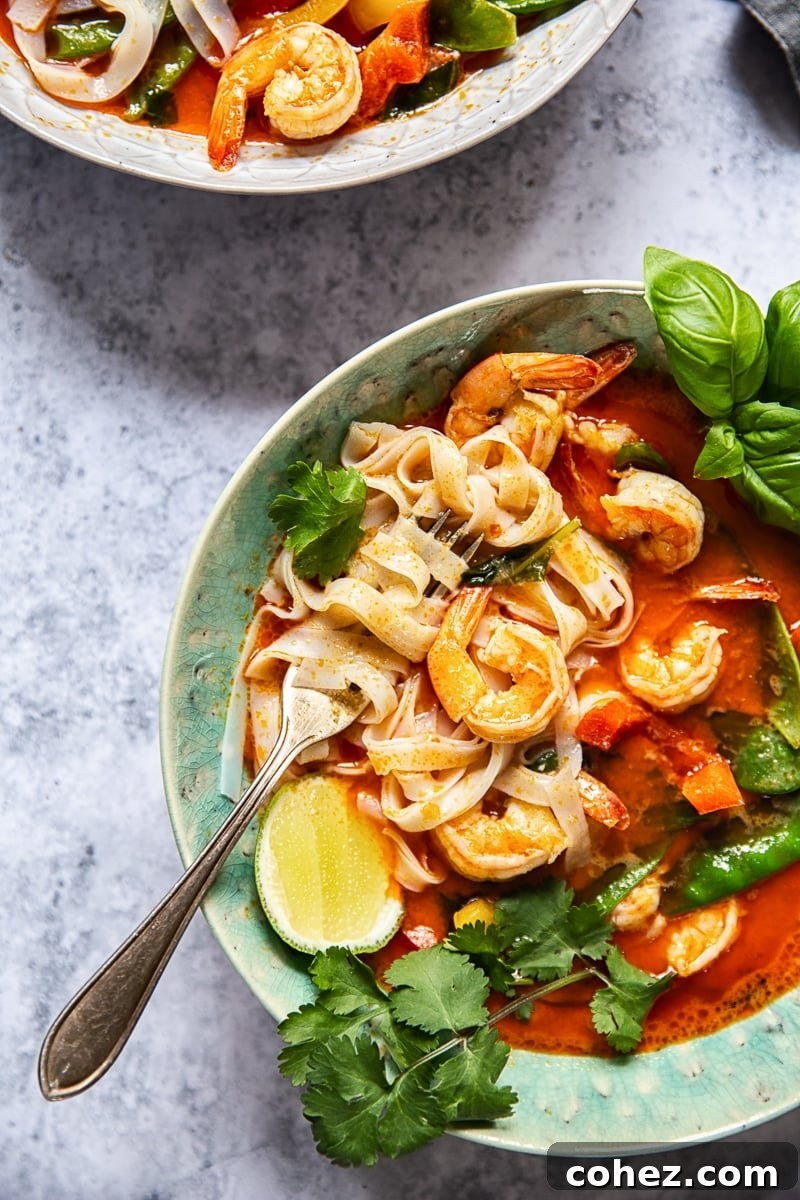
Key Ingredients for Your Thai Red Curry
This particular Thai red curry highlights the delicate flavors of shrimp, also known as prawns, combined with the crispness of snow peas. However, the beauty of this recipe lies in its flexibility. You can easily adapt it to your preferences or what you have on hand. For instance, chicken makes an excellent alternative to shrimp, offering a heartier texture. Or, if you prefer a plant-based meal, converting it to a vegetarian curry is simple and delicious, a modification I often embrace.
The choice of vegetables is equally adaptable. While snow peas are fantastic for their quick cooking time and delightful crunch, feel free to incorporate any vegetables you enjoy. Some excellent additions include green beans, sliced mushrooms, asparagus spears, bok choy, and zucchini. These all absorb the curry flavors beautifully and add wonderful textures.
A crucial tip for vegetable selection is to choose ingredients that cook at roughly the same pace. This thoughtful approach simplifies the cooking process significantly, ensuring that all your vegetables reach a perfect tenderness simultaneously. No one wants some veggies raw while others are mushy! If you’re incorporating heartier vegetables like sweet potatoes or pumpkin, remember they’ll need a head start, so add them earlier to ensure they soften properly.
For those who adore soup, this versatile curry base can effortlessly be transformed into a soulful broth. Simply add more chicken or vegetable broth to achieve your desired consistency, turning it into a comforting dish much like our Thai Noodle Soup. Just a splash more liquid, and you’re golden, ready to enjoy a warm, flavourful soup that’s both filling and refreshing.
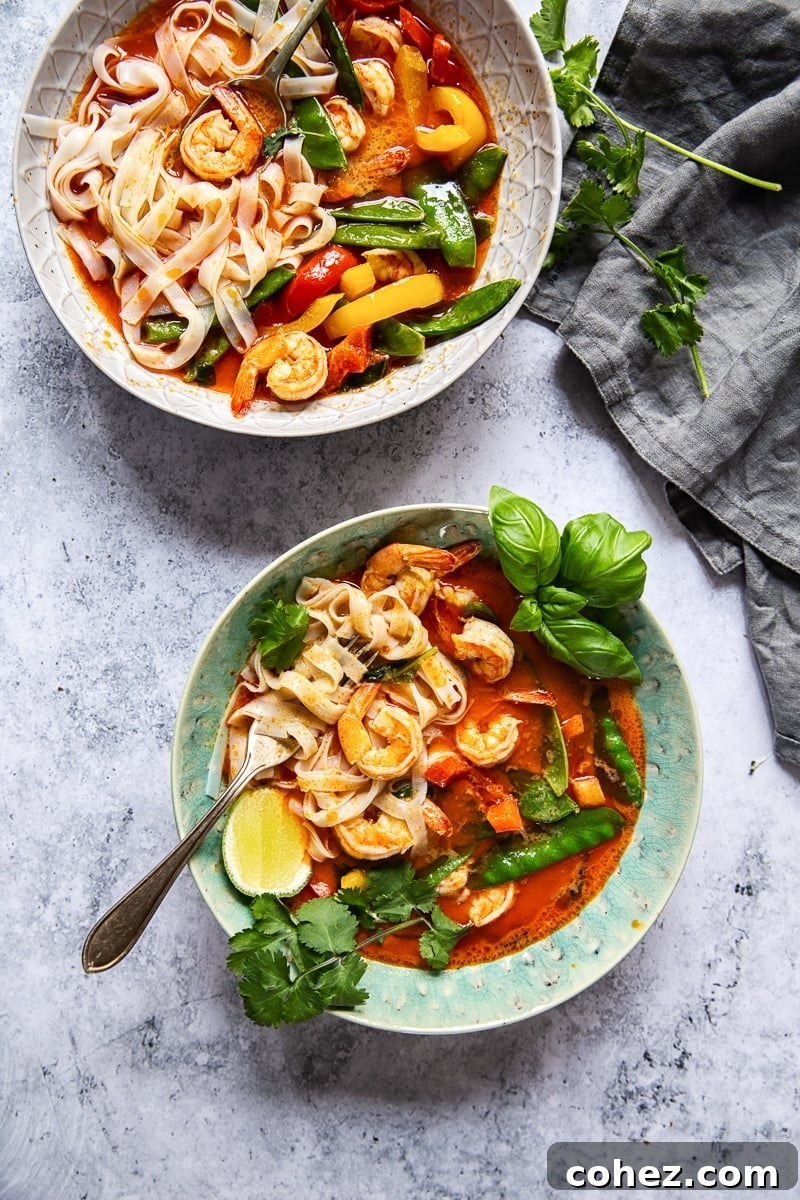
Expert Tips for the Perfect Thai Red Curry
- Mise en Place is Key: In a fast-paced recipe like this, preparation is everything. Get all your ingredients prepped and laid out on your countertop before you begin cooking. This ensures a smooth, stress-free process once the heat is on.
- Protein Versatility: For a swift dinner, shrimp or chicken breasts are ideal. If using chicken, cut it into bite-sized pieces to ensure quick and even cooking. For a vegetarian option, firm tofu or a mix of hearty vegetables works wonderfully.
- Quality Curry Paste Matters: The flavor foundation of your curry hinges on the paste. Always opt for the best quality Thai red curry paste you can find. This investment guarantees an authentic and deeply flavorful dish. Remember, green curry paste is an option if you prefer a spicier kick.
- Coconut Milk Choice: For the richest flavor and creamiest texture, full-fat unsweetened coconut milk is highly recommended. However, if you’re looking for a lighter, lower-calorie alternative, light coconut milk can be used without sacrificing too much flavor.
- Synchronized Vegetable Cooking: As mentioned, select vegetables that cook at a similar rate. Snow peas are excellent for this, retaining their crisp-tender texture. If adding a variety, introduce harder vegetables first and softer ones later.
- Don’t Overcook the Shrimp: Shrimp cooks very quickly. As soon as it turns opaque and pink, it’s done. Overcooked shrimp becomes rubbery and tough, so keep a close eye on it.
- Taste and Adjust: Before serving, always taste your curry. Thai cuisine is all about balancing flavors. You might want to add a little more fish sauce for umami, a pinch of sugar for sweetness (if your paste isn’t sweet enough), or an extra squeeze of lime for brightness.
- Garnish for Freshness: Elevate your curry with fresh, aromatic garnishes. Fresh cilantro, Thai basil leaves, and wedges of lime squeezed over the top add incredible layers of flavor and a burst of freshness. A sprinkle of chopped peanuts can also add a delightful crunch.
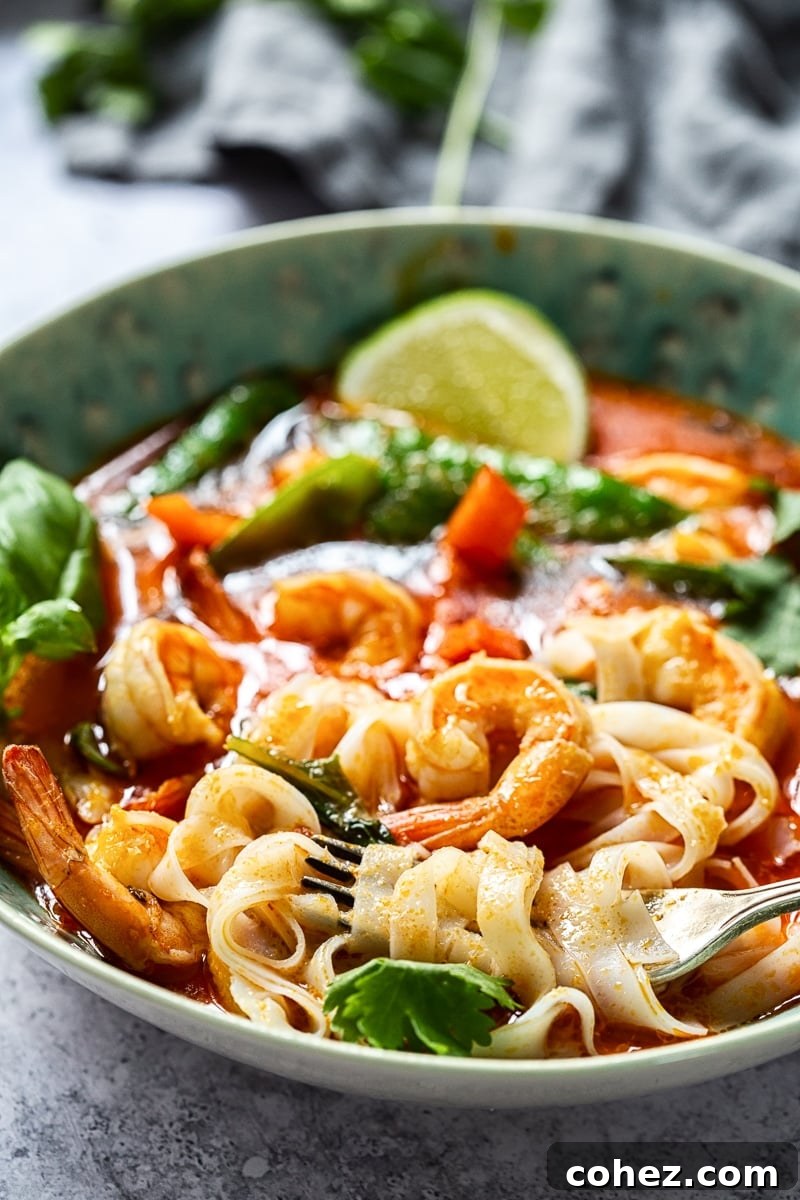
Serving Suggestions for Your Thai Red Curry
A magnificent curry deserves a perfect accompaniment, and when it comes to Thai red curry, the choices are both delicious and complementary. While I’m a steadfast enthusiast of serving this vibrant curry over plain steamed rice, I also appreciate the versatility that noodles offer for a delightful change of pace. If you choose rice, traditional jasmine rice is an excellent choice; its delicate fragrance and fluffy texture do an exceptional job of absorbing all the rich, spicy, and creamy flavors of the curry.
However, if you’re like me and believe that every component of your meal deserves a touch of extra attention, I highly recommend elevating your rice game. Since rice often fills a significant portion of the bowl, it’s absolutely worth the minimal extra effort! My ultimate pairing with Thai red curry is aromatic coconut rice. It’s gently flavored, adds another layer of Thai authenticity, and is incredibly easy to prepare in an Instant Pot or a standard rice cooker. The subtle sweetness and creamy undertones of coconut rice harmonize beautifully with the robust profile of the red curry.
For those who prefer noodles, thin rice vermicelli or even wider rice noodles can create a wonderful texture contrast and a different kind of satisfying meal. Just ensure they are cooked al dente before adding the curry.
And for that essential final flourish, don’t forget a fresh squeeze of lime. A generous squeeze of lime juice introduces a bright, tangy acidity that cuts through the richness of the coconut milk and awakens all the flavors, adding an indispensable burst of citrusy freshness.
Storage and Leftovers Tips
This Thai red curry is almost as delicious the next day, making it an excellent candidate for meal prep or enjoying a second round. Cooked curry can be safely stored in an airtight container in the refrigerator for 3-4 days. For longer storage, it freezes beautifully for up to 3 months. However, due to the delicate nature of shrimp, it’s advisable to consume refrigerated leftovers within 4-5 days at most. If you plan to freeze, ensure the curry is completely cooled before transferring it to freezer-safe containers.
When you’re ready to enjoy your leftovers, reheating is simple. You can warm the curry gently in a microwave, stirring occasionally, or transfer it to a saucepan on the stovetop over medium-high heat. If you notice the curry has thickened slightly during storage, add a splash of water or a little extra coconut milk to achieve your desired consistency. Stir well as it warms to ensure even heating and to re-emulsify the sauce.
More Easy Curry Recipes to Explore
- Indian Butter Chicken
- Chinese Chicken Curry
- Chickpea and Butternut Squash Curry (Vegetarian)
- Easy Cauliflower and Potato Curry (Vegetarian)
★
★
★
★
Thai Red Curry with Prawns and Snow Peas
Julia Frey of Vikalinka
5
10
15
4
Print Recipe
Ingredients
- 1 tbsp vegetable oil
- 1 tsp Sesame oil, optional
- 1/2 fresh red chilli , sliced or 1/4 tsp dried chilli flakes
- 1 large yellow or red bell pepper, sliced
- 2 tbsp Thai red curry paste, if using very thick, concentrated paste; use 1/2 cup (190g) if using a runnier paste
- 1 lbs prawns/shrimp, peeled and deveined
- 400ml/14 oz full-fat coconut milk
- 1 tbsp fish sauce
- 65g/1 cup snow peas
- 10g/3 tbsp fresh cilantro, chopped
- 1/2 lime, juice only
- 2-3 basil leaves , Thai basil is preferred, torn
Instructions
-
Begin by preparing your ingredients: slice the bell pepper and fresh chili. Separate cilantro leaves from their stalks; finely chop the stalks.
-
Heat a large frying pan or wok over medium heat. Once hot, add both vegetable oil and optional sesame oil. Add the chopped cilantro stalks, sliced bell pepper, and chili. Stir-fry for a couple of minutes until the vegetables begin to soften and become fragrant.
-
Stir in the Thai red curry paste and cook, stirring constantly, for about one minute to “bloom” the spices and release their full aroma. Then, pour in the coconut milk and fish sauce, mixing thoroughly to combine into a smooth, creamy sauce. Bring to a gentle simmer.
-
Add the prawns/shrimp and snow peas to the simmering curry. Cook for approximately 3 minutes, or until the shrimp turn opaque and pink. Both ingredients cook very quickly, so be careful not to overcook them. As soon as the shrimp are done, turn off the heat. Stir in the fresh cilantro leaves and torn basil leaves.
-
Taste your curry and adjust seasonings as needed. Squeeze in fresh lime juice to brighten the flavors. Serve immediately over plain steamed jasmine rice, aromatic coconut rice, or your favorite noodles. Garnish with extra fresh herbs if desired.
Nutrition
Carbohydrates: 7g |
Protein: 26g |
Fat: 27g |
Saturated Fat: 22g |
Cholesterol: 286mg |
Sodium: 1251mg |
Potassium: 451mg |
Fiber: 1g |
Sugar: 3g |
Vitamin A: 2523IU |
Vitamin C: 63mg |
Calcium: 207mg |
Iron: 7mg
Nutrition information is automatically calculated, so should only be used as an approximation.
Frequently Asked Questions
- What’s the main difference between red and green Thai curry?
- The primary difference lies in the type of chilies used in their respective pastes. Red curry paste typically uses dried red chilies, giving it a vibrant color and a medium level of heat. Green curry paste, on the other hand, is made with fresh green chilies, which usually results in a spicier and brighter-tasting curry.
- Can I make this Thai Red Curry vegetarian or vegan?
- Absolutely! To make it vegetarian, simply omit the shrimp and fish sauce. Replace the shrimp with firm tofu (pressed and cubed), chickpeas, or extra vegetables. For the fish sauce, use a vegetarian or vegan fish sauce substitute, or a dash of soy sauce and a pinch of sugar to balance the flavors.
- How can I adjust the spice level?
- To make the curry spicier, you can increase the amount of fresh chili or dried chili flakes added at the beginning, or opt for a spicier red curry paste. To make it milder, reduce or omit the fresh chili/flakes, and use a milder curry paste. You can also add an extra splash of coconut milk to mellow out the heat.
- What kind of shrimp should I use?
- Fresh or frozen raw shrimp both work well. If using frozen, make sure to thaw them completely before adding to the curry. Medium to large shrimp are ideal for this dish, as they remain tender and juicy. Peel and devein them, but you can leave the tails on for presentation if you wish.
- Can I add other vegetables?
- Yes, this curry is incredibly versatile with vegetables! Beyond snow peas and bell peppers, consider adding sliced bamboo shoots, baby corn, mushrooms, green beans, carrots, or broccoli florets. Just remember to add vegetables that take longer to cook (like carrots or broccoli) earlier in the process so they soften properly.
- How long does homemade Thai Red Curry last?
- Stored in an airtight container, this curry will keep well in the refrigerator for 3-4 days. It can also be frozen for up to 3 months. When reheating from frozen, thaw in the refrigerator overnight and then warm gently on the stove or in the microwave, adding a little liquid if needed.
- My curry is too thin/thick, how do I fix it?
- If your curry is too thin, let it simmer uncovered for a few extra minutes to allow some of the liquid to evaporate and the sauce to reduce. If it’s too thick, simply stir in a splash more coconut milk or a little water or broth until it reaches your desired consistency.
There you have it – a phenomenal Thai Red Curry with Shrimp and Snow Peas that’s both incredibly simple and bursting with flavor. We hope this enhanced guide inspires you to create this delightful dish in your own kitchen, proving that authentic Thai cuisine can be both quick and satisfying. Enjoy the process, savor the flavors, and relish the satisfaction of a homemade meal!