
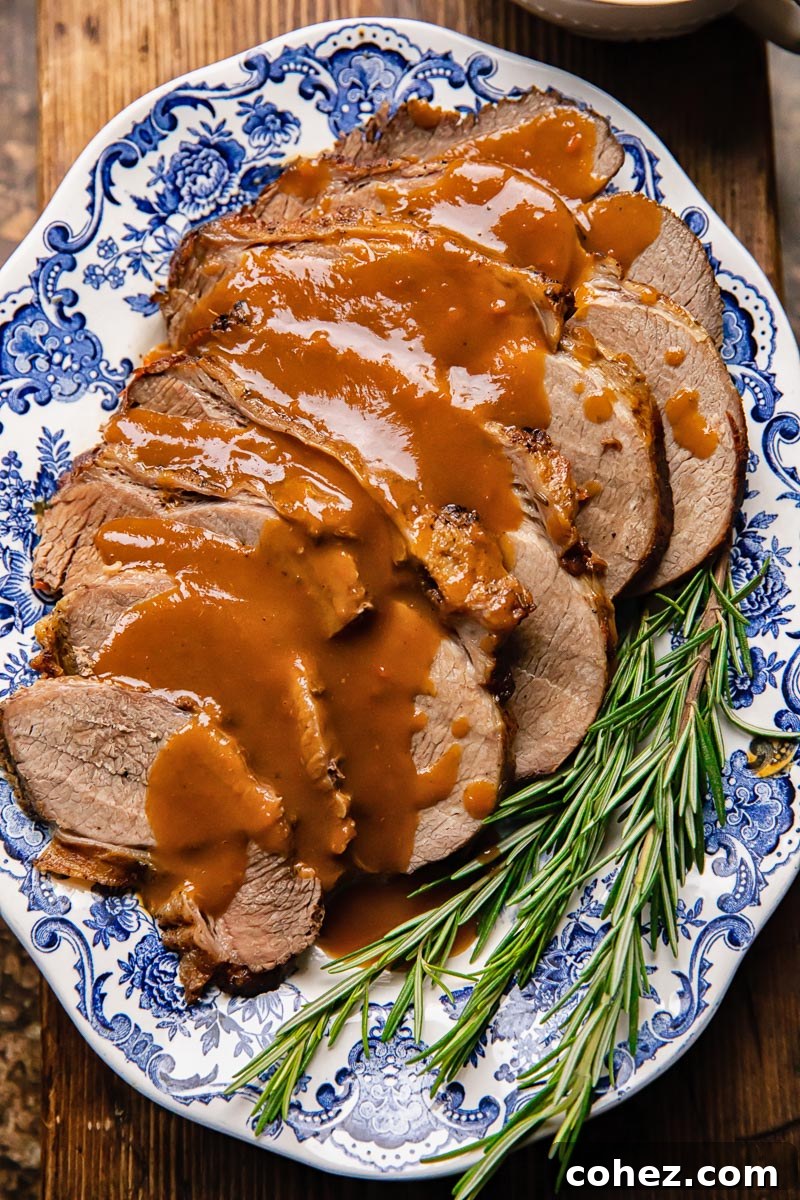
Imagine a roast beef so incredibly tender it melts in your mouth, swimming in its own rich, deeply flavored gravy. What if we told you this culinary dream isn’t just for Sundays? With our fuss-free slow cooker roast beef recipe, you can enjoy a show-stopping roast any day of the week, with minimal effort and maximum flavor. Say goodbye to oven-hogging, high-stress cooking and hello to effortless perfection.
This classic slow cooker roast beef recipe embraces simple, traditional flavors like robust red wine and earthy root vegetables. However, if you’re feeling adventurous and want to explore more exotic profiles, consider trying a coffee-rubbed top round roast (topside beef). It uses the same economical cut of beef but promises a vibrant and unique crust that’s sure to impress.
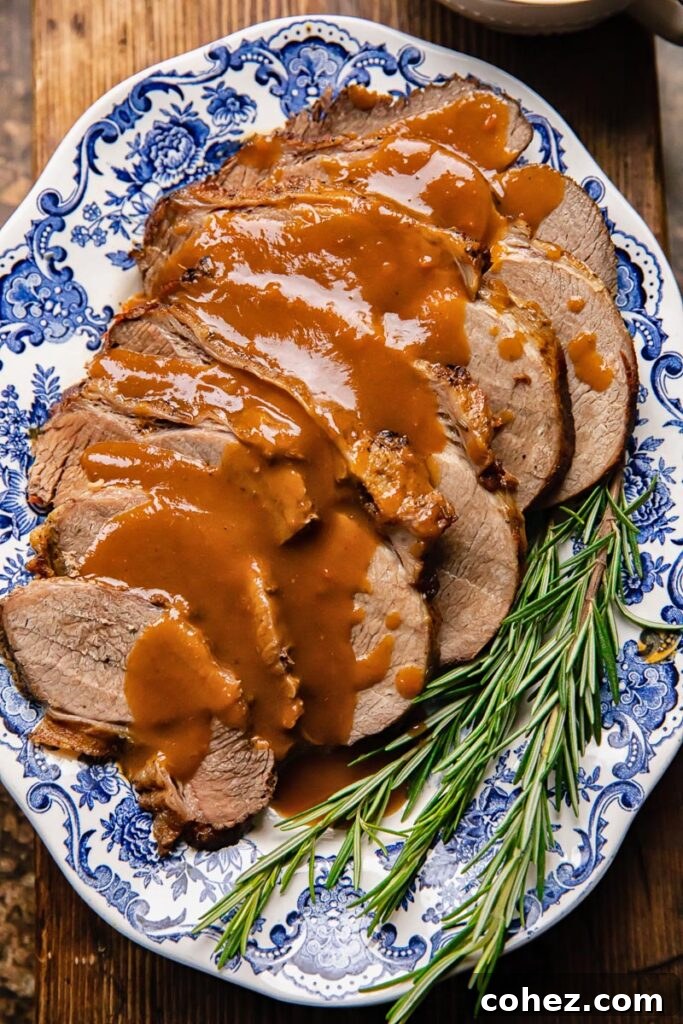
The Ultimate Slow Cooker Roast Beef Recipe: Tender, Juicy & Effortlessly Delicious
For many, the thought of preparing a traditional roast dinner conjures images of stress, endless hours in the kitchen, and a mountain of washing up, all for a meal that vanishes in minutes. People often opt for expensive restaurant meals rather than tackling what they perceive as a daunting culinary challenge. This perception, however, couldn’t be further from the truth when you enlist the help of a slow cooker.
But what if there was a way to achieve that quintessential roast dinner experience without any of the hassle? That’s where the magic of the slow cooker comes in. Let’s debunk some common myths and fears surrounding roast beef and discover how your trusty slow cooker can transform your kitchen experience, making succulent roast beef an achievable reality any day of the week.
Why Choose Slow Cooker Roast Beef? Busting Common Fears
Many home cooks shy away from roast beef, intimidated by the process and potential pitfalls. Here’s how slow cooking addresses those concerns, offering a stress-free path to a perfect roast:
Fear: “I’ll dry out my roast.”
Solution: Impossible! The slow cooker environment, much like a classic pot roast, inherently ensures a moist cooking process. Your beef joint is continuously bathed in a flavorful liquid of stock and red wine. This consistent moist heat gently breaks down tough connective tissues and keeps the meat incredibly succulent and tender, actively preventing any dryness often associated with oven roasting. The low and slow cooking ensures a forgiving environment, resulting in a fall-apart texture that is simply divine.
Fear: “My roast will go cold while I make the gravy.”
Solution: Gravy is built-in! One of the greatest advantages of slow cooker roast beef is that your deeply flavored gravy is developing alongside your meat. The savory cooking liquid and aromatic vegetables surrounding the beef naturally transform into a rich sauce. Once the meat is cooked and resting, a quick blend and a minor thickening adjustment are all it takes to finalize your magnificent gravy – no last-minute scrambling or cold roasts required. It’s truly a “set it and forget it” component.
Fear: “I don’t have room in my oven for my roast beef, roast potatoes, carrots, parsnips, and cauliflower cheese!”
Solution: Oven freedom! With your beef happily simmering away in the crock pot, your oven is completely free to handle all your favorite side dishes. This is an absolute game-changer, especially during holidays, Sunday dinners, or when preparing a larger meal for guests. It allows you to perfectly time and cook multiple components without the usual juggling act and ensures everything comes to the table hot and fresh.
Fear: “The timings are confusing and I’m afraid of under or overcooking.”
Solution: Set it and forget it! Precision timers, constant monitoring, and worrying about internal temperatures become a thing of the past. Simply set your slow cooker to the recommended time (either low for longer or high for a quicker cook) and let it do its work. The forgiving nature of slow cooking means less stress about exact timings, allowing you to relax and attend to other tasks, confident that your roast will be perfectly cooked.
Fear: “I feel overwhelmed by all the elements of a roast dinner.”
Solution: Simplicity redefined! Take a deep breath. The slow cooker significantly reduces the hands-on effort required for a traditional roast. Most of the arduous work is done for you over several hours, leaving you with just a few simple, manageable steps at the beginning and end. It streamlines the entire process, making a complex, impressive meal feel incredibly manageable and accessible for even novice cooks.
Fear: “And the washing up?”
Solution: Streamlined cleanup. While searing the beef requires an initial frying pan, the slow cooker itself is often easier to clean than a large, stubborn roasting pan. And with the gravy made directly in the same pot where the beef cooked, you eliminate the need for extra saucepans, leading to a much more manageable cleanup after enjoying your delightful meal. Fewer pots, less fuss!
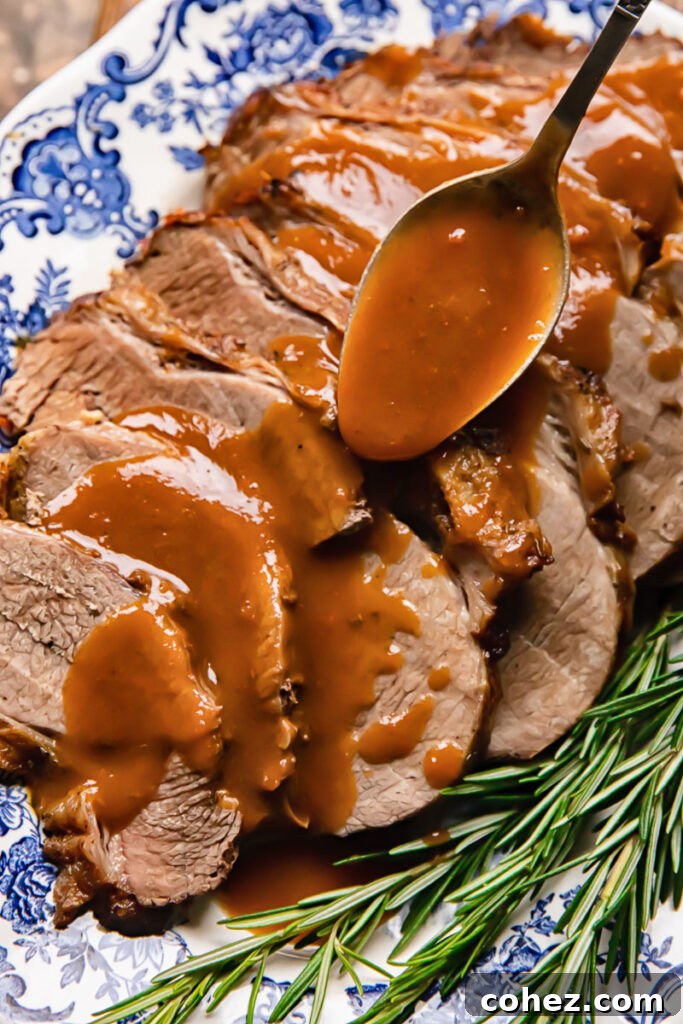
Selecting the Perfect Beef Cut for Slow Cooking
The true genius of slow cooking lies in its remarkable ability to transform leaner, tougher, and often more economical cuts of beef into incredibly tender, flavorful masterpieces. The long, gentle cooking process, combined with ample liquid and moisture-releasing vegetables, works wonders to break down tough connective tissues and collagen, tenderizing the meat until it’s spoon-tender. Our slow cooker roast beef recipe is specifically designed to maximize these qualities, bathing your chosen cut in a rich blend of red wine and beef stock.
For this recipe, we’ve opted for topside (also known as top round in the US). Topside is celebrated for its robust, beefy flavor and relatively lean profile, making it a fantastic candidate for slow cooking methods. However, other excellent and equally economical choices include silverside (bottom round) or brisket. These less fatty joints are typically more budget-friendly than premium cuts like tenderloin or prime rib, yet they yield spectacular results when slow-cooked.
These cuts are ideal for pot roasts, braising, and stewing – essentially any method that involves prolonged, low, and moist heat. The collagen within these tougher cuts slowly melts into gelatin during the extended cooking time, infusing the meat with moisture and rich flavor. The result is consistently soft, succulent, and juicy slices of beef that are a joy to carve and eat. When selecting your joint, look for a piece with good shape that will fit well into your slow cooker. Don’t hesitate to ask your butcher for recommendations; they can often guide you to the best value and quality cuts for your slow cooker adventures.
Crafting the Irresistible Roast Beef Gravy
A roast dinner simply isn’t complete without a generous pour of rich, savory gravy. Even the juiciest slow-cooked beef benefits immensely from a deeply flavored lake of homemade gravy. It’s not just about adding moisture; it’s about enhancing the entire dining experience, tying all the robust flavors of the meal together beautifully.
Our gravy recipe is ingeniously convenient, almost like a culinary secret weapon! It all begins directly in the same pan you used to sear your beef, making brilliant use of those caramelized bits and beef juices – known as “fond” – that cling to the bottom. This is where the magic starts. Sautéing onions, carrots, garlic, and fresh rosemary in these flavorful remnants establishes an incredibly solid and aromatic base for your gravy. This initial step is absolutely critical for building complex layers of flavor that will distinguish your gravy.
Next, the dry red wine and rich beef stock are added, creating a flavorful liquid that deglazes the pan and incorporates all those delicious browned bits into the sauce, further deepening the earthy foundations. A touch of tomato paste or ketchup adds essential umami and a subtle sweetness, balancing the richness. Finally, the succulent beef joint and aromatic bay leaves are nestled into this liquid. As the beef slowly cooks, the flavors meld and infuse over hours, creating a harmonious and concentrated broth. By the time your beef is perfectly tender, your gravy base is already a rich, complex work of art in progress.
Once the meat is cooked and removed to rest, and the bay leaves discarded, I prefer to blend the cooking liquid and softened vegetables directly in the crock pot using an immersion blender. This creates a luxuriously smooth and velvety sauce that clings beautifully to the beef. For perfect consistency, a small cornstarch slurry is then stirred in and simmered until the gravy has thickened to your desired texture. However, if you prefer a more rustic, “rough-and-ready” gravy with delightful texture, feel free to skip the blending step – the finely diced vegetables will have cooked down beautifully, offering a pleasant, chunky bite without being obtrusive.
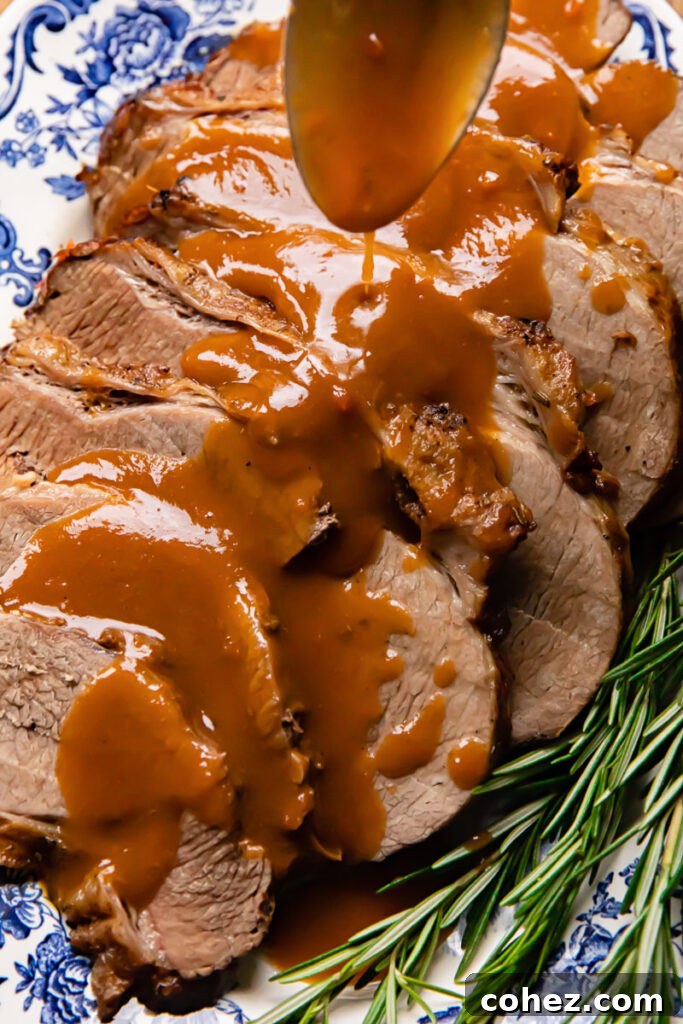
Essential Tips for Slow Cooker Roast Beef Success
- Choose Your Cut Wisely: For the ultimate melt-in-the-mouth, fall-apart texture and maximum flavor, opt for topside (top round in the US) or silverside (bottom round). More affordable options like beef shin (shank) or brisket are also excellent choices, benefiting greatly from the slow cooking process as their connective tissues break down beautifully.
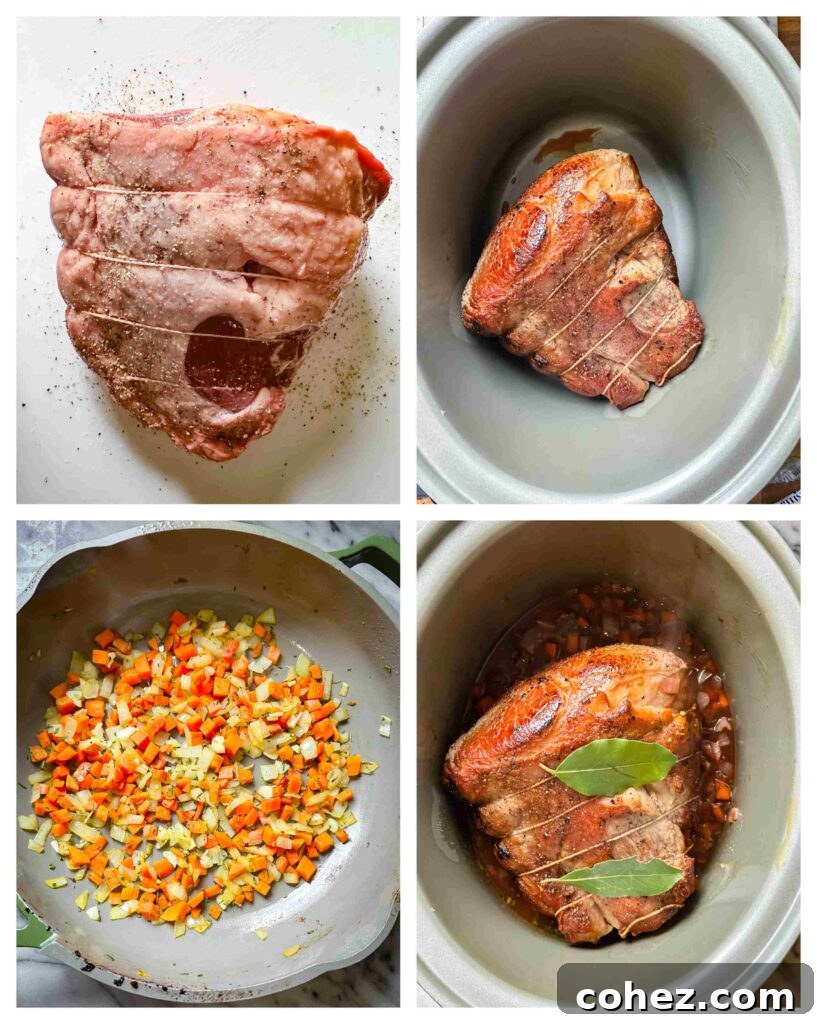
- Don’t Skip the Searing: This crucial first step, though it requires an extra pan and might cause a little mess, is non-negotiable for superior flavor and appearance. Heating 1 tablespoon of oil in a large frying pan and browning the beef joint on all sides for about 10-15 minutes caramelizes its surface. This process, known as the Maillard reaction, achieves three vital things:
- It seals in the juices, contributing to a more succulent roast by creating a flavorful crust.
- It develops that tempting, rich dark brown color on the meat, enhancing visual appeal.
- It adds a complex, slightly sweet, and charred full-bodied flavor that permeates the entire dish.
Yes, it might cause some splattering and a lingering aroma of oil. But trust me, the incredible depth of flavor it adds is absolutely worth the minor inconvenience. Just make sure your extractor fan is on full blast, and perhaps light a scented candle afterward!
- Sauté the Aromatics: After searing the beef, use the same frying pan (without cleaning it!) to quickly sauté the chopped carrots, onions, and garlic. They will soak up all the flavorful fond left behind by the beef, forming the robust foundation of your gravy. This step elevates the gravy from good to truly outstanding, adding layers of savory depth.
- Blending for Smoothness (or Not!): At the end of cooking, use an immersion blender to effortlessly whiz up the cooked vegetables directly in the meaty liquid to create a silky-smooth gravy. If you prefer a more rustic gravy with some texture, simply leave it as is. The finely sliced vegetables will have softened sufficiently to create a pleasant, chunky consistency.
- Adhere to Cooking Times: While “the longer, the better” might seem intuitive for slow cooking, it is absolutely not true for roast beef. Overcooking, even in a moist environment, can cause the beef muscle fibers to seize up and push out moisture, turning your perfectly soft and succulent roast into something surprisingly dry and chewy. Stick to the recommended cooking times to ensure optimal tenderness and juiciness.
- Resist the Urge to Peek: Every time you lift the lid of your slow cooker, you release precious steam and lower the internal temperature. This disrupts the consistent, low-heat environment that gently cooks and tenderizes your beef. Your roast is perfectly happy and working its magic in its cozy cooking cocoon, so leave it undisturbed until the cooking time is complete.
- Rest Your Meat: Once cooked, always remove the beef joint from the slow cooker and let it rest, loosely covered with foil, for at least 15-20 minutes before slicing. This crucial step allows the meat fibers to relax and the juices to redistribute evenly throughout the roast, resulting in a significantly more succulent and flavorful experience when you cut into it.
Complementary Side Dishes: Making Your Roast a Feast
One of the true joys of slow cooker roast beef is the incredible freedom it grants you. With your main course gently cooking in the crock pot, your oven is wide open, giving you the luxury of time and space to prepare an array of delectable side dishes. This flexibility means you can tailor your meal to your mood or schedule, whether you’re aiming for an elaborate Sunday feast or a quick weeknight dinner.
Are you leaning towards option A, feeling inspired to “spend some time in the kitchen” this Sunday? These recipes will allow you to flex your culinary muscles and typically require at least an hour of prep and cooking time, promising truly spectacular results:
- Creamy Scalloped Potatoes with Caramelised Shallots: Layers of thinly sliced potatoes baked in a rich, velvety cream sauce with sweet, savory caramelized shallots for an utterly indulgent side dish.
- Hasselback Potatoes with Gremolata: These beautifully fanned potatoes boast crispy edges and soft, tender interiors, elegantly elevated by a vibrant, zesty garlic, lemon, and parsley gremolata. A feast for the eyes and the palate!
- Cauliflower Gratin: Tender florets of cauliflower baked in a bubbling, decadent cheesy sauce, offering a comforting, satisfying, and flavorful vegetable option that even vegetable skeptics will love.
- Miso Roasted Carrots: Sweet carrots roasted to perfection with a savory, umami-rich miso glaze that adds incredible depth and complexity, transforming a simple vegetable into something extraordinary.
Or perhaps you’re in the “just got home from work and need dinner on the table ASAP” camp (Option B)? These speedy super sides are designed for efficiency and can be ready in around 30 minutes, providing delicious accompaniment without the extra stress:
- Crispy Air Fryer Potatoes: Achieve perfectly crispy, golden-brown potatoes with minimal oil and time using your air fryer, making them a fantastic alternative to traditional roast potatoes.
- Sweet Potato and Swede Mash or Herb and Garlic Mashed Potatoes: Choose between a subtly sweet and earthy root vegetable blend or a classic, aromatic garlic and herb infusion for creamy, comforting mashed potatoes.
- Easy Roasted Parmesan Brussels Sprouts and Carrots: A delightful and nutritious medley of roasted vegetables, made irresistibly savory with a sprinkle of Parmesan cheese. Quick, simple, and packed with flavor.
- Roasted Tenderstem Broccoli with Lemon Garlic Vinaigrette: Simple yet elegant, tenderstem broccoli roasted until slightly charred and tender-crisp, then dressed with a bright, zingy lemon and garlic vinaigrette.
Storage and Creative Leftover Ideas
One of the best parts about making a large roast is the promise of delicious leftovers, extending the joy of your culinary efforts. Any remaining slow cooker roast beef can be stored in an airtight container in the fridge for 3-4 days. But don’t just reheat it; transform it into exciting new meals that are often even quicker to prepare than the original!
You’ll soon hear that succulent beef calling to you, begging to be repurposed into something equally delicious. Consider making a warm and melty hot roast beef sandwich, perhaps topped with melted provolone cheese, caramelized onions, and a smear of horseradish sauce for an elevated experience. Or, for a lighter but equally flavorful option, try a fresh and peppery watercress and roast beef salad with horseradish dressing, perfect for a quick and satisfying lunch.
And remember to save that incredible gravy too! With leftover beef and gravy on hand, you have all the makings for my absolute favorite hot sandwich: the mouth-watering French Dip. Just warm the beef slices in some of the leftover gravy, pile them onto a crusty roll, and serve with a side of extra gravy for dipping. Add a slice of your favorite cheese, and you’ve got a quick, gourmet-level meal in minutes. For longer storage, both the cooked beef (sliced or shredded) and the gravy can be frozen separately in airtight freezer-safe containers for up to 3 months. Thaw overnight in the fridge before reheating gently on the stovetop or in the microwave.
Other Beef Recipes to Try
- Slow Cooker Italian Beef Stew
- Beef Fillet with Easy Bearnaise Sauce (Tenderloin)
- Honey Mustard Crusted Prime Rib Roast (Rib of Beef)
- Braised Beef Short Rib
Slow Cooker Roast Beef Recipe
By Julia Frey of Vikalinka
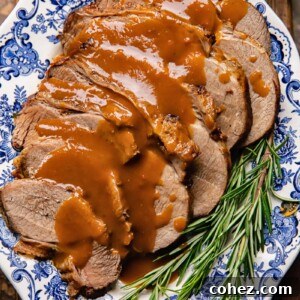
This mouth-wateringly tender and juicy slow cooker roast beef is bathing in its own deeply flavoured gravy and goes with absolutely anything. Enjoy a perfect roast any day of the week with this easy-to-follow recipe.
Recipe Summary
- Prep Time: 15 minutes
- Cook Time: 4 hours 30 minutes (on HIGH) or 8 hours (on LOW)
- Total Time: Approximately 4 hours 45 minutes to 8 hours 15 minutes (including resting time)
- Yields: 8 servings
Equipment Needed
- Slow Cooker (or Crock Pot)
- Large frying pan or cast-iron skillet
- Immersion blender (optional, for smooth gravy)
- Whisk (if using cornstarch for gravy)
Ingredients
- 1.5kg / 3.3-3.5lbs topside or silverside beef joint (top round in US)
- Salt and freshly ground black pepper, to taste
- 1 tbsp olive oil or vegetable oil
- 1 medium onion, chopped
- 1 medium carrot, diced
- 2 cloves garlic, thinly sliced
- 2 sprigs fresh rosemary or 1 tsp dried rosemary
- 125ml / 1/2 cup dry red wine (e.g., Merlot, Cabernet Sauvignon)
- 125ml / 1/2 cup good quality beef stock
- 1 tbsp ketchup or tomato paste
- 2 bay leaves
- 2 tbsp cornstarch (for thickening gravy, optional)
- 2 tbsp cold water (for cornstarch slurry, if using)
Instructions
- Prepare and Season the Beef: Thoroughly pat the beef joint dry with paper towels. Season generously all over with salt and freshly ground black pepper.
- Sear the Beef: Heat 1 tablespoon of oil in a large frying pan or cast-iron skillet over medium-high heat until shimmering. Carefully place the seasoned beef joint in the hot pan and brown it on all sides, turning occasionally, for approximately 10-15 minutes, until a deep golden-brown crust forms. This crucial step adds immense flavor. Transfer the seared beef to your slow cooker.
- Sauté Aromatics and Deglaze: To the same frying pan (do not clean it, as the caramelized bits are essential for flavor!), add the chopped onion, diced carrot, and fresh or dried rosemary. Sauté for about 5 minutes over medium-low heat until the vegetables begin to soften. Add the sliced garlic and cook for just a few seconds more, stirring constantly to prevent burning.
- Build the Gravy Base: Pour the dry red wine into the hot pan, scraping the bottom vigorously with a wooden spoon to release all the delicious caramelized bits (fond). Stir in the beef stock and ketchup (or tomato paste) until well combined. Bring the mixture to a gentle simmer for 1-2 minutes. Remove the pan from the heat.
- Slow Cook: Pour the aromatic liquid mixture directly over the seared beef joint in the slow cooker. Add the bay leaves. Secure the lid on your slow cooker and cook on the LOW setting for 8 hours, or on the HIGH setting for 4 hours, until the beef is incredibly tender and easily pierced with a fork.
- Rest the Meat: Carefully remove the cooked beef joint from the slow cooker and transfer it to a cutting board. Tent it loosely with aluminum foil and allow it to rest for at least 15-20 minutes before slicing. This resting period is vital for the juices to redistribute, ensuring a more succulent roast.
- Finish the Gravy: While the beef rests, remove and discard the bay leaves from the cooking liquid in the slow cooker. For a super smooth gravy, use an immersion blender to blend the cooked vegetables directly in the slow cooker until the sauce is velvety smooth. If you prefer a chunkier gravy, skip this blending step.
- Thicken Gravy (Optional): If you desire a thicker gravy, prepare a cornstarch slurry by whisking 2 tablespoons of cornstarch with 2 tablespoons of cold water in a small bowl until smooth. Stir the slurry into the gravy in the slow cooker. Set the slow cooker to HIGH (if not already on it) and simmer for 5-10 minutes, stirring occasionally, until the gravy has thickened to your desired consistency.
- Slice and Serve: Slice the rested roast beef against the grain into desired thickness. Serve generous portions with the rich, homemade gravy and your chosen side dishes. Enjoy your stress-free, delicious slow cooker roast beef!
Nutrition information provided is an approximation and should be used as a guideline only. It is calculated by third-party tools and may vary depending on specific ingredients and preparation methods.