
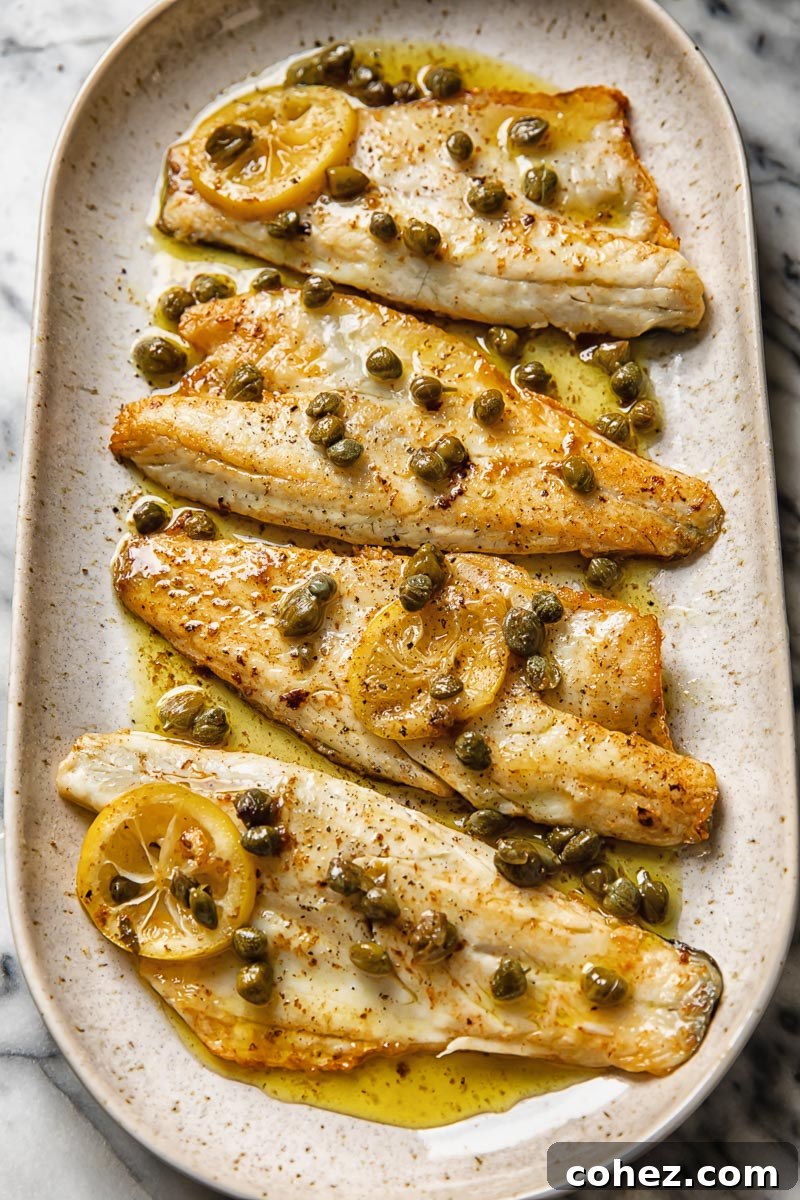
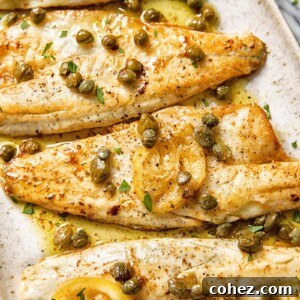
Imagine a dish that effortlessly brings the elegance of a high-end bistro to your dining table, yet takes mere minutes to prepare. This pan-fried sea bass, enveloped in a rich, nutty brown butter caper sauce, is precisely that. A harmonious blend of tender, flaky fish, bright citrus, and briny capers, all kissed by the golden warmth of browned butter, creates a culinary experience that is both sophisticated and surprisingly simple to achieve. In just 10 minutes from start to finish, you can craft a meal that rivals restaurant quality, leaving you with extra time (and budget!) to savor with a fine bottle of white wine. Cheers to gourmet dining made easy!
For those who prefer poultry, the essence of this delectable sauce can be enjoyed with lemon butter chicken cutlets. It features the same vibrant lemon, luxurious butter, and tangy capers, simply swapping the sea bass fillets for succulent chicken breast.
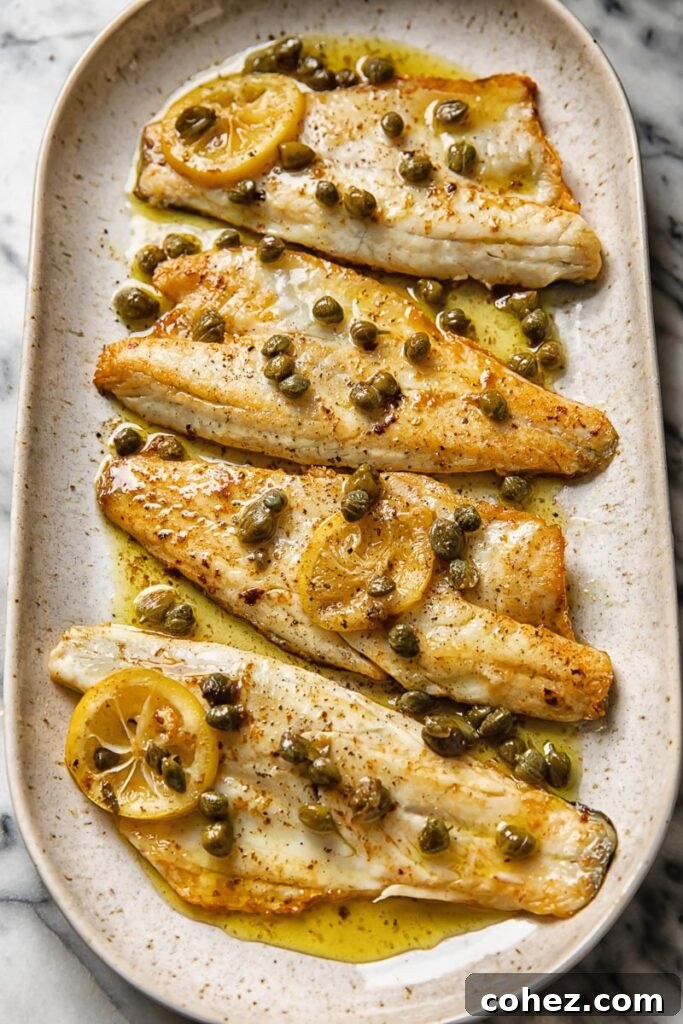
Mastering Pan-Fried Sea Bass for a Flawless Finish
Sea bass, a prized white fish, is celebrated for its delicate flavor and remarkably fine, flaky texture. Unlike some stronger-tasting seafood varieties, its mild profile makes it an excellent choice for those new to fish or anyone seeking a subtle, elegant seafood experience. Its versatility in cooking methods is well-known, from baking and roasting to steaming en papillote.
However, my preferred method for preparing sea bass is pan-frying, and for good reason. The magic happens beneath the skin, where a natural fatty layer resides. Pan-frying accomplishes two crucial tasks: first, it expertly renders this jelly-like fat, transforming it into a rich, flavorful element; second, it develops an exquisitely thin and crispy skin. This perfectly textured skin, especially when seasoned generously with salt, adds an irresistible crunch and depth of flavor that baking or steaming simply cannot replicate. The direct heat of a hot pan ensures a beautiful golden-brown crust, locking in the fish’s natural moisture for an incredibly tender interior.
Choosing Your Fish Wisely: A Guide to Sustainable Seafood
In an era of increasing environmental awareness, making informed choices about the fish we consume has become paramount. The topic of sustainability in seafood can often feel overwhelming, with questions arising about whether to opt for wild-caught or farmed fish, and which certification labels truly signify responsible sourcing. It’s a complex landscape, but by adopting a few simple principles, you can contribute to healthier oceans and ensure you’re enjoying seafood responsibly.
I adhere to two guiding rules that I hope will empower your seafood selections:
- Moderation and Diversity: I limit my fish consumption to once, or at most twice, a week. Crucially, I make an effort to vary the types of fish I purchase. This small act plays a significant role in preventing the overfishing of any single species, allowing fish populations to recover and thrive. Exploring different varieties not only supports ecological balance but also introduces you to a wider spectrum of flavors and textures in the culinary world.
- Trustworthy Certifications: When it comes to identifying responsibly sourced fish, I place my trust in the Marine Stewardship Council (MSC) and Aquaculture Stewardship Council (ASC) labels. These are internationally recognized organizations dedicated to promoting sustainable fishing practices and responsible aquaculture. The blue MSC label indicates that fish comes from a wild-capture fishery certified to the MSC’s environmental standard for sustainable fishing. Similarly, the ASC label signifies that farmed seafood has been raised in an environmentally and socially responsible manner. By looking for these labels, you can be confident that your purchase supports practices that minimize environmental impact and ensure seafood availability for future generations.
The Art of Selection: How to Spot Fresh Fish
Beyond sustainability, ensuring the freshness of your fish is key to a delicious meal. Whether you’re buying a whole fish or pre-cut fillets, a keen eye and your senses can guide you to the best quality. For whole fish, the eyes are a primary indicator: they should be clear, bright, and bulging, not sunken or cloudy. The gills should be a vibrant red, a sign of fresh blood flow, not pale or brownish. Scales should be intact and shiny, firmly attached to the skin, and the tail stiff, not floppy. Pressing gently on the flesh should leave no indentation; it should spring back immediately. Most importantly, trust your nose: fresh fish should smell clean, like the ocean, not overtly “fishy” or ammoniac.
When selecting fillets, look for neat, well-trimmed cuts with moist, firm flesh. Avoid any fillets that appear ragged, discolored, or dry around the edges. Again, the smell test is vital. If anything about the fish looks or smells questionable, it’s always best to err on the side of caution and pass on the purchase. Your culinary experience will be all the better for it.
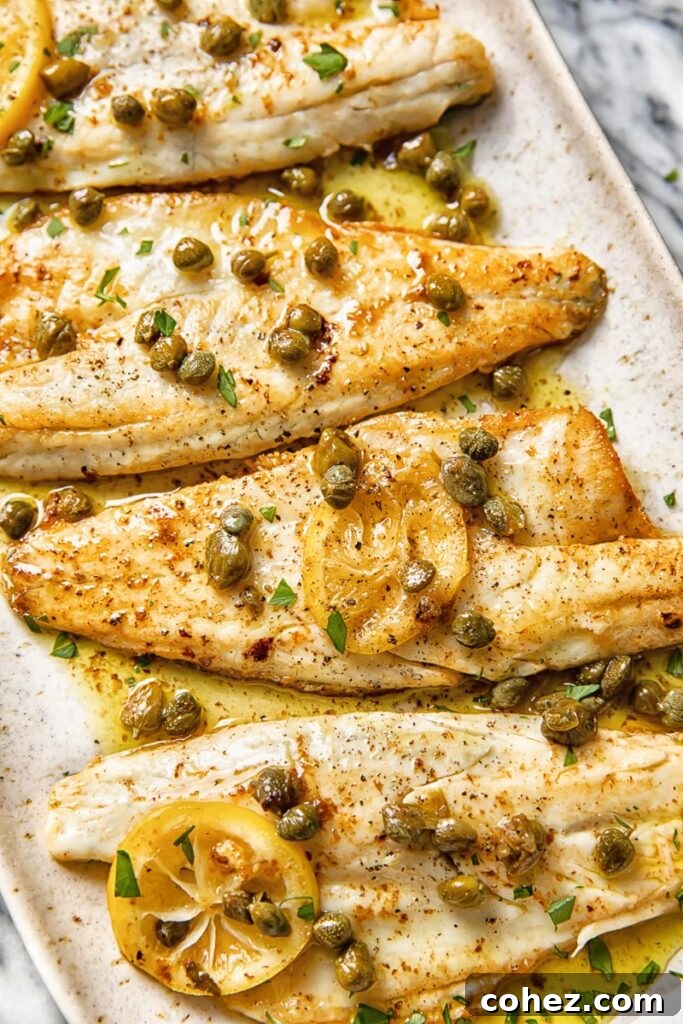
The Golden Touch: Crafting Brown Butter Caper Sauce
The brown butter caper sauce is the unsung hero of this dish, creating a dynamic interplay of flavors and textures that perfectly complements the mild sea bass. Capers and butter, though seemingly opposites, form a beautiful partnership: the sharp, salty, and tangy pop of capers provides a vibrant contrast to the smooth, rich, and nutty depth of the browned butter. This delicate balance elevates the fish from a simple ingredient to a gourmet masterpiece.
What is Brown Butter (Beurre Noisette)?
Brown butter, known in French as beurre noisette (hazelnut butter), is a culinary marvel achieved through a simple yet transformative cooking process. It’s far more than just melted butter. When butter is gently heated in a saucepan – crucially, not merely microwaved – its milk solids begin to separate from the butterfat. As heating continues, these milk solids undergo the Maillard reaction, a complex chemical process responsible for browning and flavor development. They caramelize, turning a beautiful golden-brown color and releasing an intoxicating aroma reminiscent of toasted nuts or hazelnuts. This transformation imparts a profound depth of flavor and a rich, complex character that plain melted butter simply cannot offer.
Building the Perfect Sauce
Once your butter has reached that alluring, nutty brown stage, the sauce truly comes to life. To this liquid gold, you’ll introduce bright lemon slices and a squeeze of fresh lemon juice. The acidity of the lemon cuts through the richness of the butter, providing a necessary zing that awakens the palate. Immediately after, the capers are added, contributing their distinct briny and tangy notes, along with a delightful chewiness. Traditionally, this versatile sauce is spooned generously over delicate white fish, as demonstrated in this sea bass recipe or classics like sole meunière. However, its applications are endless: it can beautifully enhance shrimp, lobster, or even pan-seared chicken.
For vegetarian guests, this unmissable sauce can be drizzled over fresh ravioli or a plate of homemade pasta for an incredibly decadent experience. It also has the power to elevate simple vegetable side dishes, transforming humble offerings like baby new potatoes, steamed broccoli, or even roasted beetroot into something truly special. Its ability to complement a wide range of ingredients makes it a staple in any home cook’s repertoire.
Essential Recipe Tips for Success
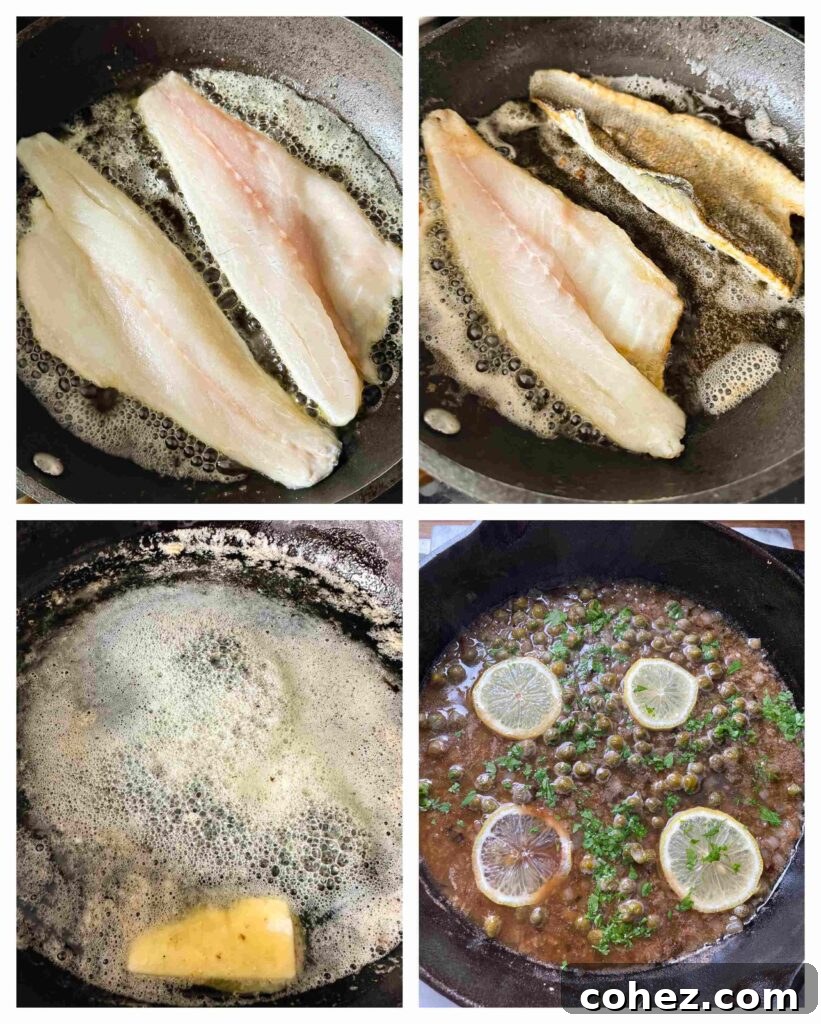
- Avoid Overcooking the Fish: This is arguably the most critical tip when preparing any fish, and especially delicate sea bass. Overcooked fish quickly becomes dry, tough, and rubbery, losing its desirable tender, flaky texture. While packaging instructions might suggest longer cooking times, I’ve found that sea bass fillets typically require only about 4 minutes of pan-frying – 2 minutes per side – to reach perfection. The key is to watch for the flesh to turn opaque and begin to flake easily with a fork.
- Monitor Your Butter Closely: Achieving brown butter requires attention. The transition from melted butter to perfectly browned butter, and then to burnt butter, can happen very quickly. Stay at the stovetop and watch the butter constantly. You’re looking for a nutty aroma and a golden-brown color in the milk solids, not a dark, acrid burn.
- Use a Light-Colored Pan: For those new to making brown butter, a light-colored saucepan is incredibly helpful. It allows you to clearly see the color change of the milk solids, making it easier to gauge when the butter has reached that ideal nutty stage without overdoing it.
- Adjust Capers to Your Taste: The suggested 2 tablespoons of capers cater to those who love their bold, briny flavor. However, if you prefer a more subtle tang, feel free to reduce the amount. The beauty of cooking is making it your own!
- Embrace Mise en Place: This entire recipe is designed to be incredibly fast, taking just 10 minutes from start to finish. To ensure a smooth and stress-free cooking experience, prepare all your ingredients and equipment beforehand. Have your fish patted dry, salt ready, lemon sliced, and capers measured. This “everything in its place” approach will allow you to execute the dish flawlessly and enjoy the process.
Delectable Serving Suggestions
This elegant pan-fried sea bass with brown butter caper sauce is incredibly versatile when it comes to pairings. Whether you’re aiming for a casual weeknight meal or a sophisticated dinner party, there’s a perfect accompaniment.
Potato Perfection: From Casual to Chic
Absolutely, you can enjoy this dish with chips! There’s no judgment here. If you have an air fryer, use it to make crispy fries with minimal effort. My air fryer Parmesan truffle fries recipe offers a fantastic guide for a gourmet twist on a classic side. For those aiming to maintain the high-end restaurant illusion, consider serving your sea bass with creamy scalloped potatoes with caramelized shallots or rustic oven-fried potatoes with mushrooms and onions. The rich, savory notes of these potato dishes beautifully complement the delicate fish and tangy sauce.
Vibrant Vegetable Pairings
Given that lemon and butter are already central to the sauce, lemon butter green beans are a natural and delicious choice, harmonizing perfectly with the main dish. However, if you feel you’ve had enough butter for one meal, a refreshing alternative is tenderstem broccoli with lemon garlic vinaigrette. Its crisp texture and bright, zesty flavors offer a lovely counterpoint to the richness of the fish. Other excellent vegetable options include asparagus, steamed spinach with a touch of garlic, or roasted root vegetables for a heartier side.
And, of course, no elegant meal is complete without the perfect wine pairing. A crisp, dry white wine like a Sauvignon Blanc, Pinot Grigio, or an unoaked Chardonnay will beautifully enhance the flavors of the sea bass and its vibrant sauce, creating a truly memorable dining experience.
Storage and Leftovers: Best Enjoyed Fresh
The magic of this pan-fried sea bass in brown butter caper sauce lies in its immediate textures: the slippery, rich, liquefied butter and the tender, flaky fish. These elements are at their peak when the dish is served hot and fresh. As the dish cools, the butter solidifies and can become greasy, and the delicate fish can take on a rubbery texture. Therefore, for the best culinary experience, I highly recommend savoring this dish immediately after it’s prepared.
While you can technically store leftovers in the refrigerator for up to one day, reheating may compromise the texture and overall quality. If you do have leftovers, consider repurposing the flaked fish into a cold salad or a light fish sandwich, rather than attempting to reheat it to its original pan-fried glory.
More Exquisite Fish Recipes to Explore
- Baked Cod with Mustard Sauce
- Salmon Burgers with Spicy Carrot Cucumber Slaw
- Easy Fish Pie
- Salmon Piccata with Lemon Caper Sauce
Sea Bass in Brown Butter Caper Sauce
Ingredients
- 4 sea bass fillets, 360g/12.5 oz
- ½ tsp salt
- 4-5 tbsp butter
- 1 lemon, halved
- 2 tbsp capers
- 1 tbsp parsley, chopped
Instructions
- Pat the fish dry with a paper towel, then season with salt on each side.
- Preheat a frying pan and melt 2 tbsp of butter in it. Fry the fish fillet in butter on medium heat for approximately 2 minutes on each side. Then remove from the pan and keep warm.
- To the same pan add the rest of the butter and allow it to melt. Soon it will turn frothy, start whisking it at this point and after a few seconds you will see the froth subside and reveal brown butter that smells a little nutty. (If it’s your first time making brown butter, it’s best to use a light coloured pan to see the change in the colour of butter.)
- Now add the juice of half a lemon and slices of the other half. Cook for a few seconds, then add the capers and chopped parsley (if using). Stir and take off the heat. Spoon the sauce all over the fish and serve.
Nutrition
Calories: 190 kcal | Carbohydrates: 1g | Protein: 16g | Fat: 14g | Saturated Fat: 8g | Polyunsaturated Fat: 1g | Monounsaturated Fat: 4g | Trans Fat: 0.5g | Cholesterol: 102mg | Sodium: 554mg | Potassium: 243mg | Fiber: 0.3g | Sugar: 0.1g | Vitamin A: 521 IU | Vitamin C: 3mg | Calcium: 22mg | Iron: 1mg
Nutrition information is automatically calculated, so should only be used as an approximation.