Unlock the secrets of Saint Petersburg and embark on an unforgettable journey through Russia’s imperial heart! This comprehensive guide offers essential tips on what to see, where to go, and how to make the most of your visit to this magnificent city.
Saint Petersburg, often hailed as the cultural capital of Russia, has long captivated the imaginations of travelers worldwide. For many, it stands as a cherished bucket-list destination, a city steeped in dramatic history, breathtaking architecture, and world-class cultural institutions. Having longed to revisit its grand avenues and explore its hidden gems, we finally made our way back, and it proved to be an utterly rewarding experience. Despite facing unpredictable weather and even a minor injury, the city left an indelible impression, not only with its dramatic layout and opulent buildings but also with the remarkable warmth and hospitality of its people. Prepare to be amazed by the sheer scale and beauty that awaits you in this majestic imperial city.
To truly appreciate Saint Petersburg, we recommend leaving preconceived notions behind. Let the city reveal its grandeur and unique charm at its own pace. Built literally from the marshlands by Peter the Great, Saint Petersburg was meticulously designed to be a grand declaration to the world – a testament to Russia’s burgeoning wealth and power, and a gateway for European sophistication to enter Russia. While I am no historian, the city’s very existence, rising from nothing to become such a magnificent metropolis, speaks volumes about its pivotal role in ushering in the golden age of the Russian Empire. It’s a place where every bridge, canal, and palace tells a story of ambition and artistic triumph.
Centuries have passed since its founding, and Saint Petersburg has endured immense challenges, including the devastating Great Patriotic War (World War II) and the Soviet era. Yet, against all odds, the city has maintained its stunning beauty, exuding an undeniable aura of class and culture. Its resilience is as impressive as its architectural splendor.
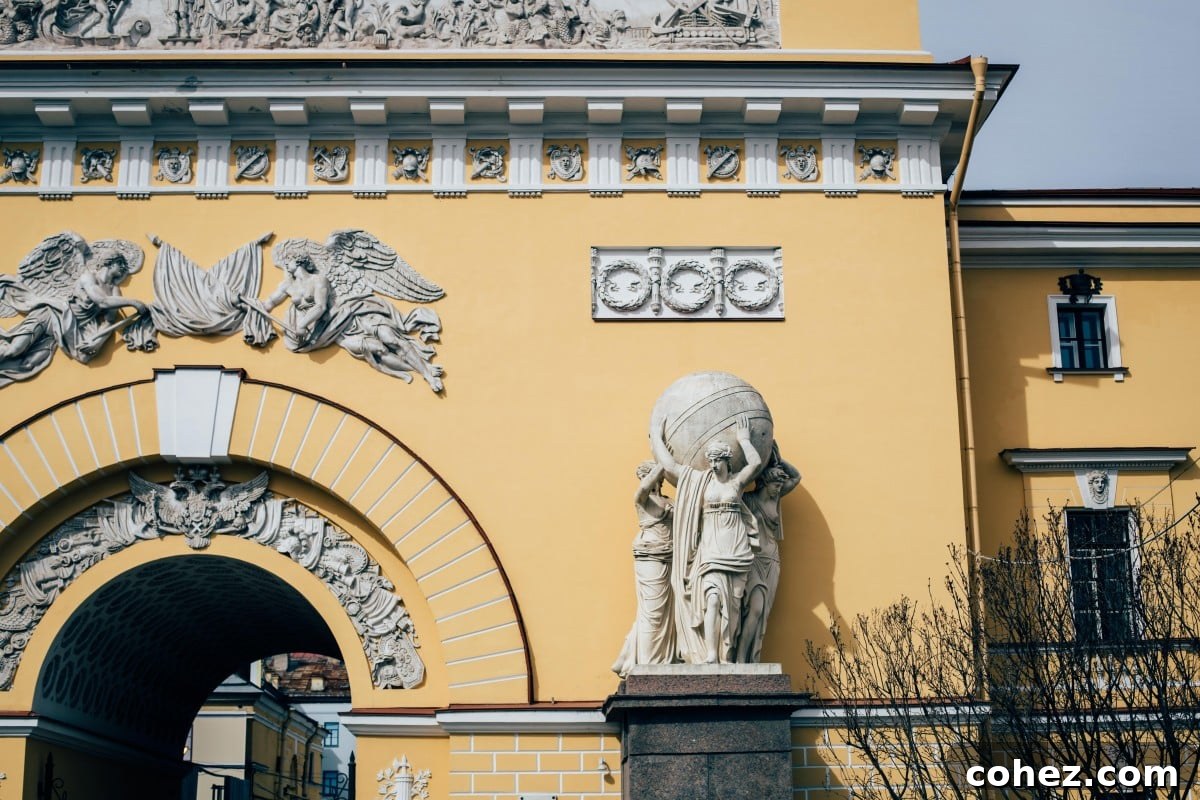
The city’s challenging natural setting, built on extensive marshlands, is a testament to Peter the Great’s unwavering vision. While the engineering marvels have largely conquered the swampy foundations, the weather remains a significant aspect of life here. Though famously complaining about our own London weather, we acknowledge that Saint Petersburg residents have even more reason. Yet, they seem to thrive, adapting to the cool, often damp conditions with remarkable stoicism, as evidenced by the brave open-water swimmers we observed even on particularly cold and windy days. However, if you visit during the “White Nights” of summer, you’ll experience endless twilight and a vibrant energy that makes the city feel utterly magical.
Getting Oriented in Saint Petersburg: Navigating the Imperial City
Your first explorations of Saint Petersburg will quickly reveal its grand scale. The city boasts expansive boulevards, majestic squares, and sprawling parks, all designed to impress. While much of the central area is certainly walkable, planning your routes and allocating ample time for travel between attractions is crucial. The distances can be deceiving, and you’ll want to savor every moment without rushing.

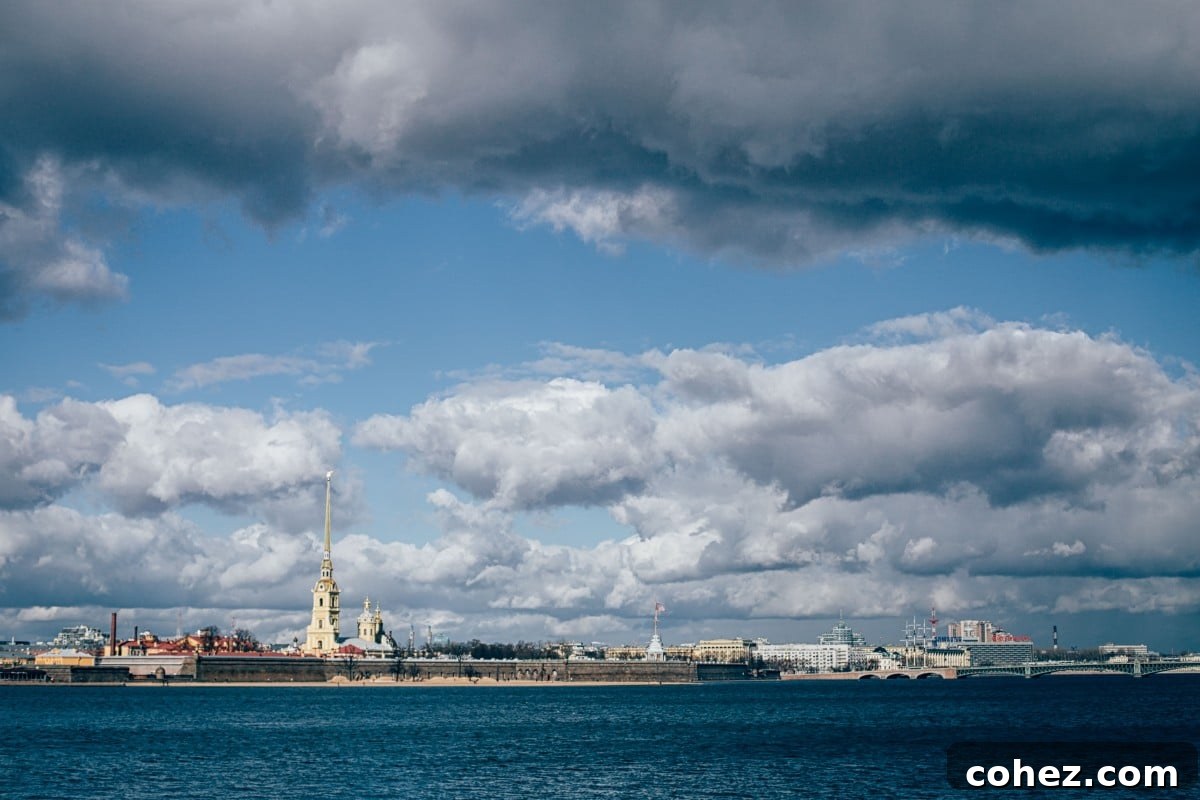
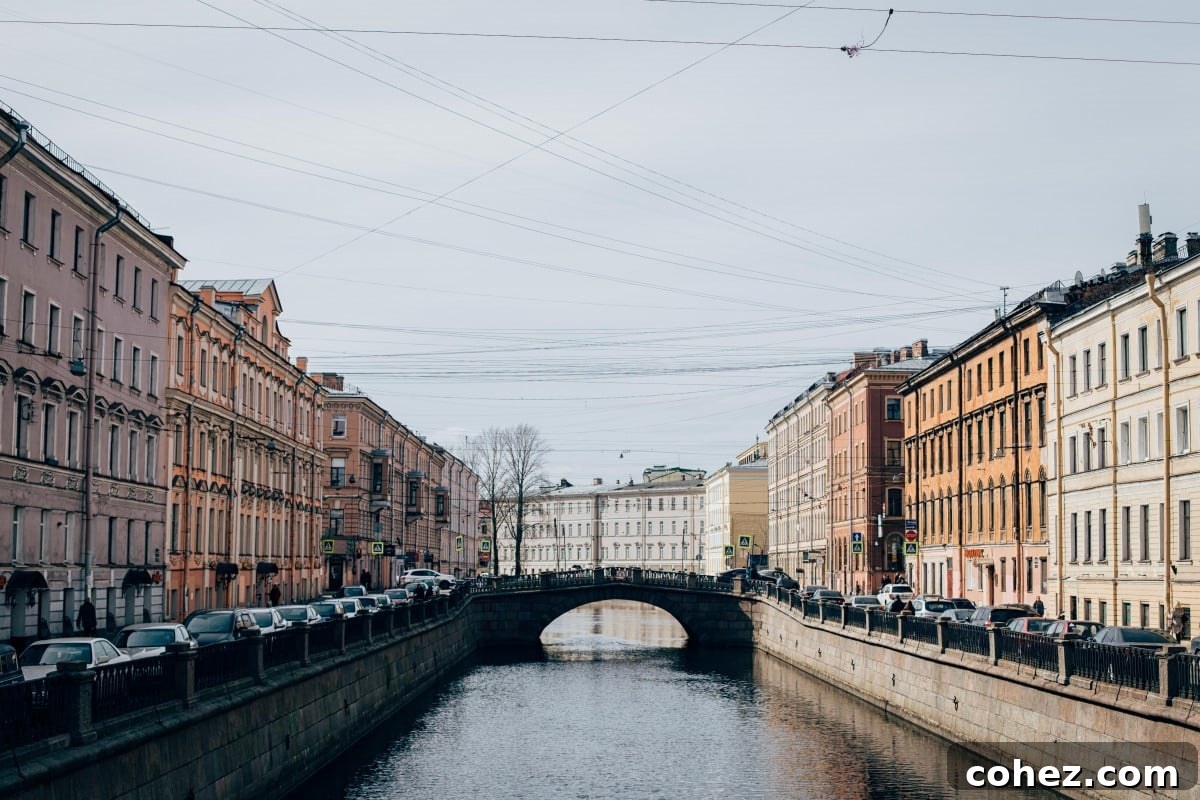
A defining characteristic of Saint Petersburg is its intricate network of waterways. Beyond the magnificent Neva River, which carves through the city’s heart, numerous smaller rivers and canals crisscross the landscape. This aquatic tapestry not only betrays the city’s marshland origins but also provides picturesque views and serves as an excellent navigational aid for pedestrians. Exploring by boat, especially during the warmer months, offers a unique perspective on the city’s stunning architecture, earning Saint Petersburg its nickname, the “Venice of the North.”
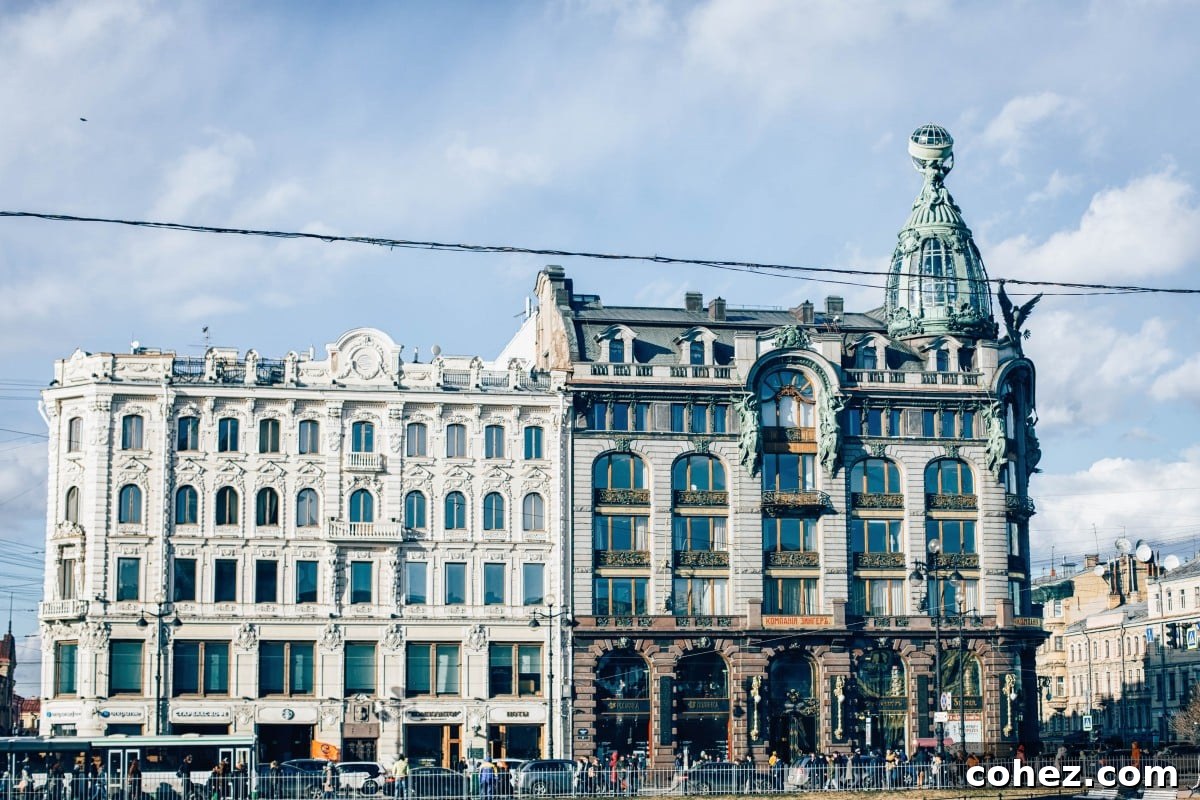
The vibrant heart of the city radiates from Nevsky Prospekt, Saint Petersburg’s bustling main avenue. This invaluable thoroughfare makes an excellent starting point for any exploration. Finding accommodation just a short walk from Nevsky Prospekt offers unparalleled convenience for reaching most major attractions. While the street itself is grand and often very busy, a welcome sense of calm can be found by veering off into the charming side streets and hidden courtyards. Nevsky Prospekt is a destination in itself, lined with shops, cafes, historic buildings, and architectural marvels.
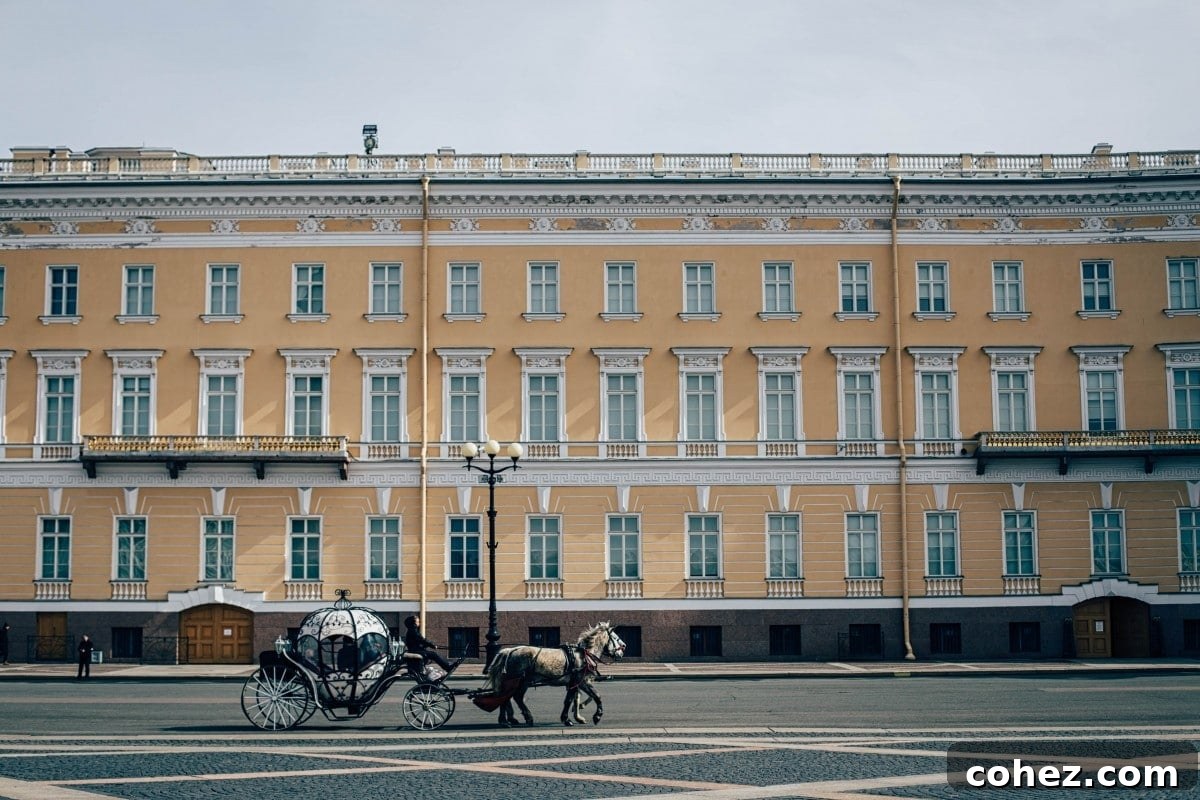
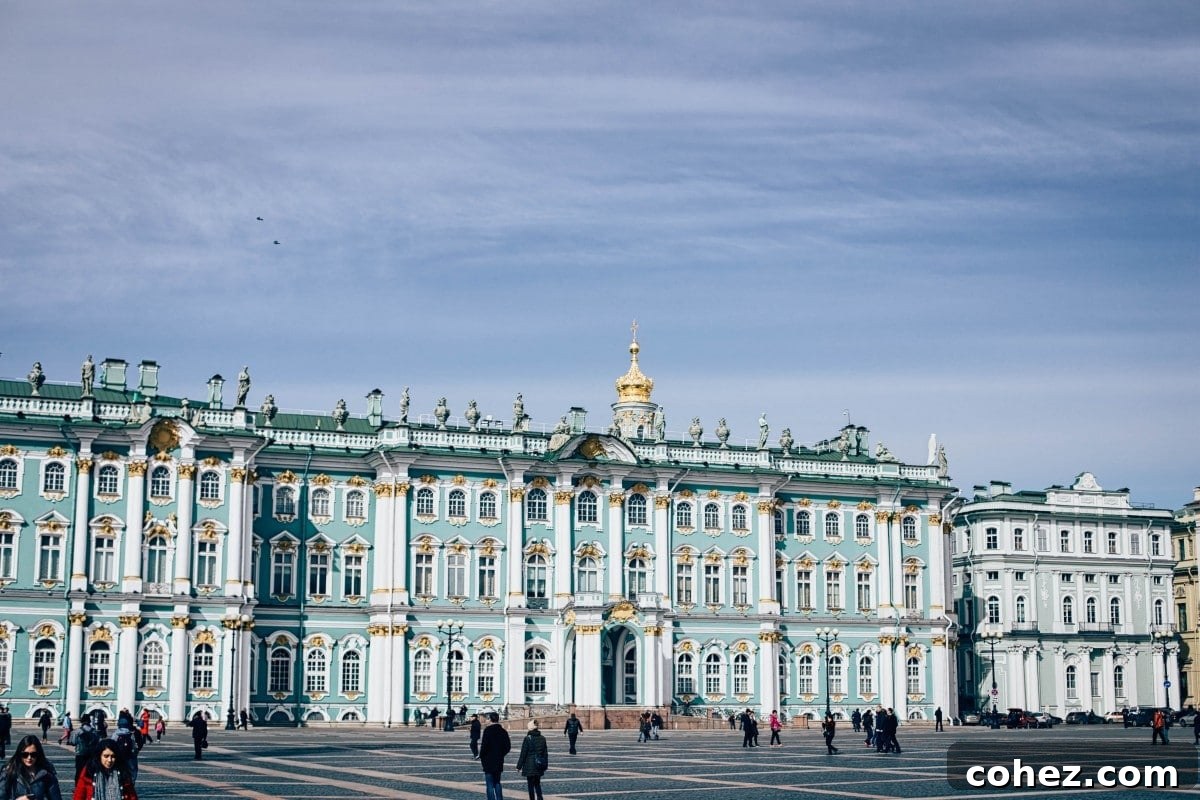
Another crucial landmark for orientation is Palace Square. Located just steps from Nevsky Prospekt and directly in front of the iconic Hermitage Museum, this vast, imposing square is impossible to miss. It serves as a majestic focal point, surrounded by architectural masterpieces like the Winter Palace and the General Staff Building, embodying the grandeur of imperial Russia. It’s a perfect spot to pause, take in the atmosphere, and truly grasp the city’s monumental scale.
Saint Petersburg’s Artistic Treasures: A World-Class Experience
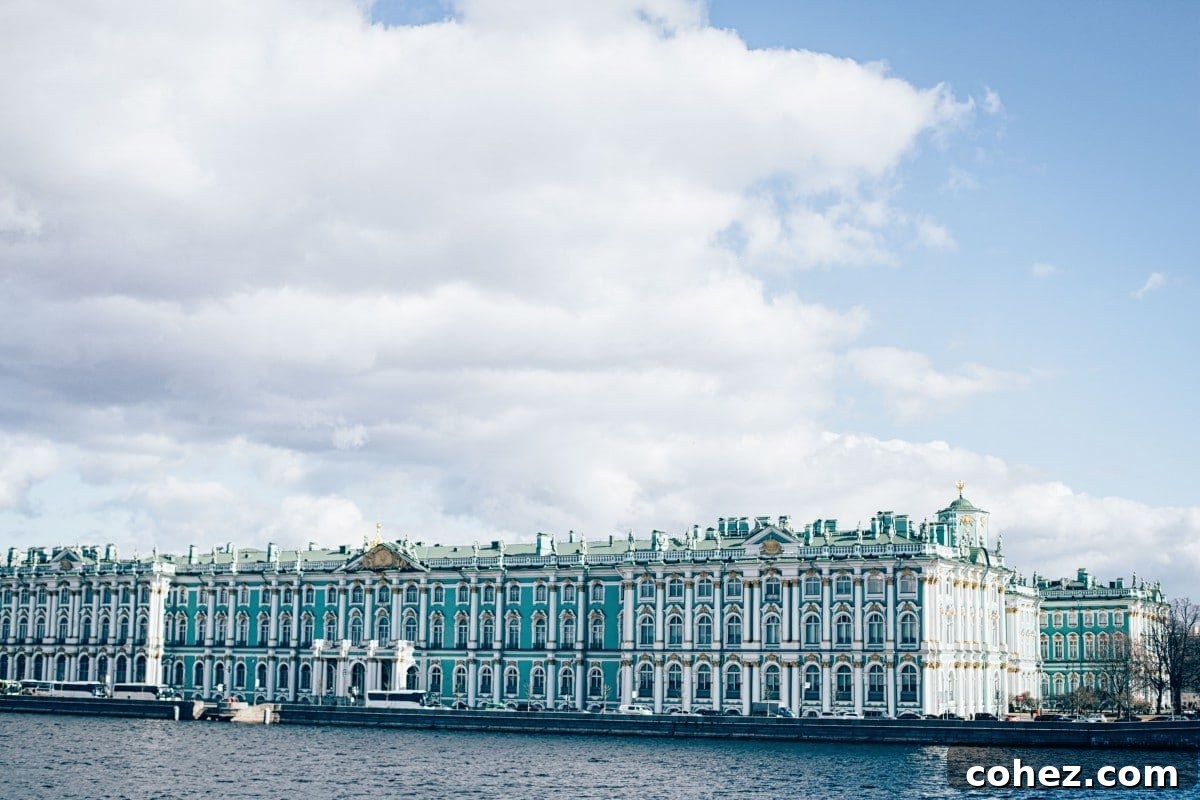
When it comes to art, Saint Petersburg offers an unparalleled experience, primarily centered around one of the world’s most renowned institutions: the Hermitage Museum. Housed within the breathtaking Winter Palace, a former residence of Russian emperors, the Hermitage collection is so vast and comprehensive that it could easily satisfy the art cravings of any enthusiast for a lifetime. Planning your entire visit around this masterpiece is a wise decision. Given its sheer scale, we highly recommend dedicating at least two full days to explore its myriad halls and galleries. Attempting to absorb too much art in one go, from Rembrandt to Renaissance masters, can lead to sensory overload, as we discovered when our eyes began to glaze over after hours of awe-inspiring viewing. It’s truly a feast for the eyes, but best enjoyed in digestible portions.

Be aware that during peak summer months, queues for the Hermitage can be notoriously long. The best way to circumvent these lines is by booking your tickets online well in advance of your visit. We managed to avoid significant waiting times, but strategic planning is key. Expect additional crowds on weekends and especially on the first Thursday of each month, when entry is typically free. Proper planning ensures you spend more time marveling at masterpieces and less time waiting.

While the Hermitage showcases international art, the Russian Museum offers a magnificent deep dive into Russian art specifically. Though we didn’t have the chance to visit on our last trip, it comes highly recommended for anyone interested in the works of Russian masters, from icons to avant-garde. It’s definitely at the top of our list for our next visit!
Exploring Saint Petersburg’s Fascinating Museums
Beyond its renowned art galleries, Saint Petersburg is home to an array of unique and captivating museums. The Museum of Zoology, for instance, offers a surprisingly engaging experience. Its premise is delightfully straightforward: a massive building filled with an extensive collection of taxidermied animals. While initially you might breeze past the numerous varieties of fish and birds, the true spectacle lies within the mammal section. Here, you’ll encounter a staggering array of creatures, many you’ve likely never heard of, displayed with an impressive level of detail. The undisputed stars of the show are the four incredibly well-preserved mammoths, a collection believed to be unmatched by any other museum globally, making it a truly unique scientific marvel. The exhibits are informative, with sufficient English labeling to ensure accessibility, and genuinely fun to explore for all ages.

Conveniently located next door is the Kunstkamera, a museum with a profound historical lineage. Established by Peter the Great himself in 1727, it’s almost as old as Saint Petersburg. The primary collection offers fascinating insights into cultures from around the world, showcasing a beautiful array of artifacts that illuminate the daily lives of peoples often overlooked by mainstream history. However, the Kunstkamera is perhaps most famously, or infamously, known for its unique collection of “natural and human curiosities and rarities.” This includes a display of preserved human and animal fetuses with various deformities, a collection Peter I originally intended to combat superstition and promote scientific understanding in 18th-century Russia. While his motives were noble and educational, this particular exhibition is certainly not for the squeamish. Our children, though initially curious, quickly felt uneasy, and Julia chose to skip it entirely. Be prepared for a thought-provoking, albeit potentially unsettling, experience.
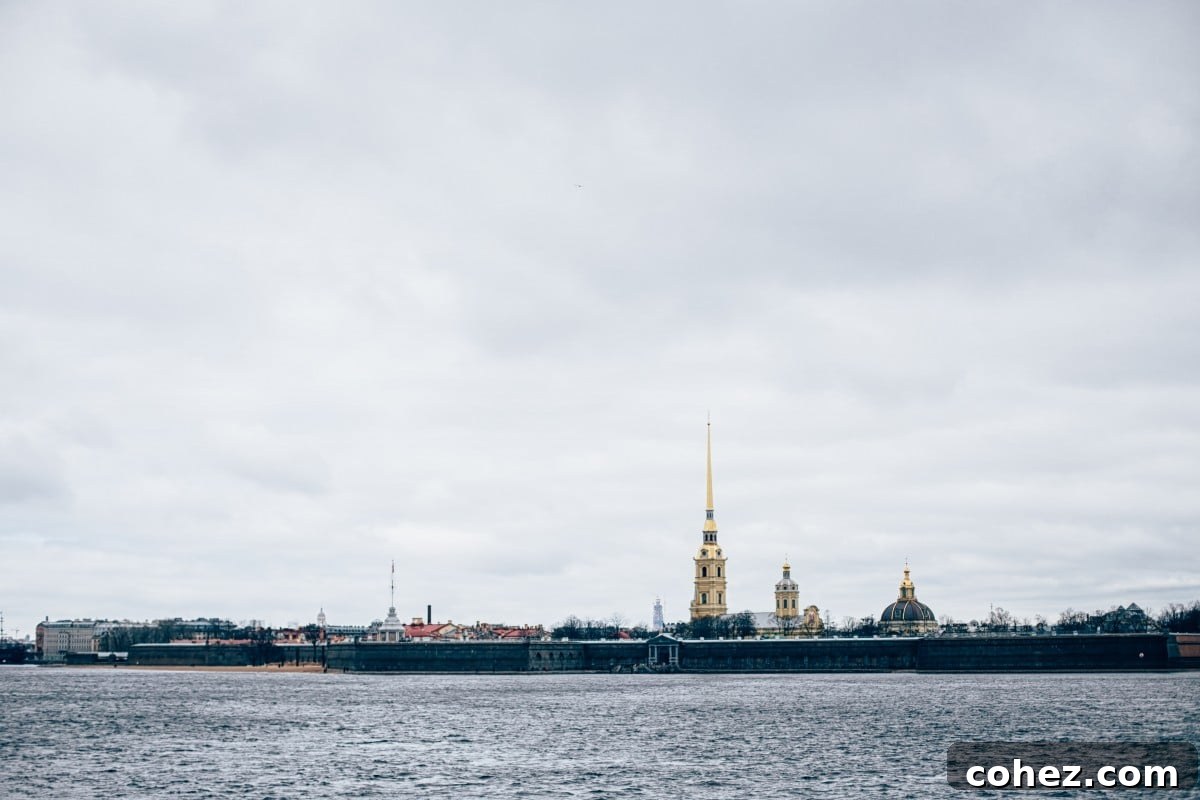
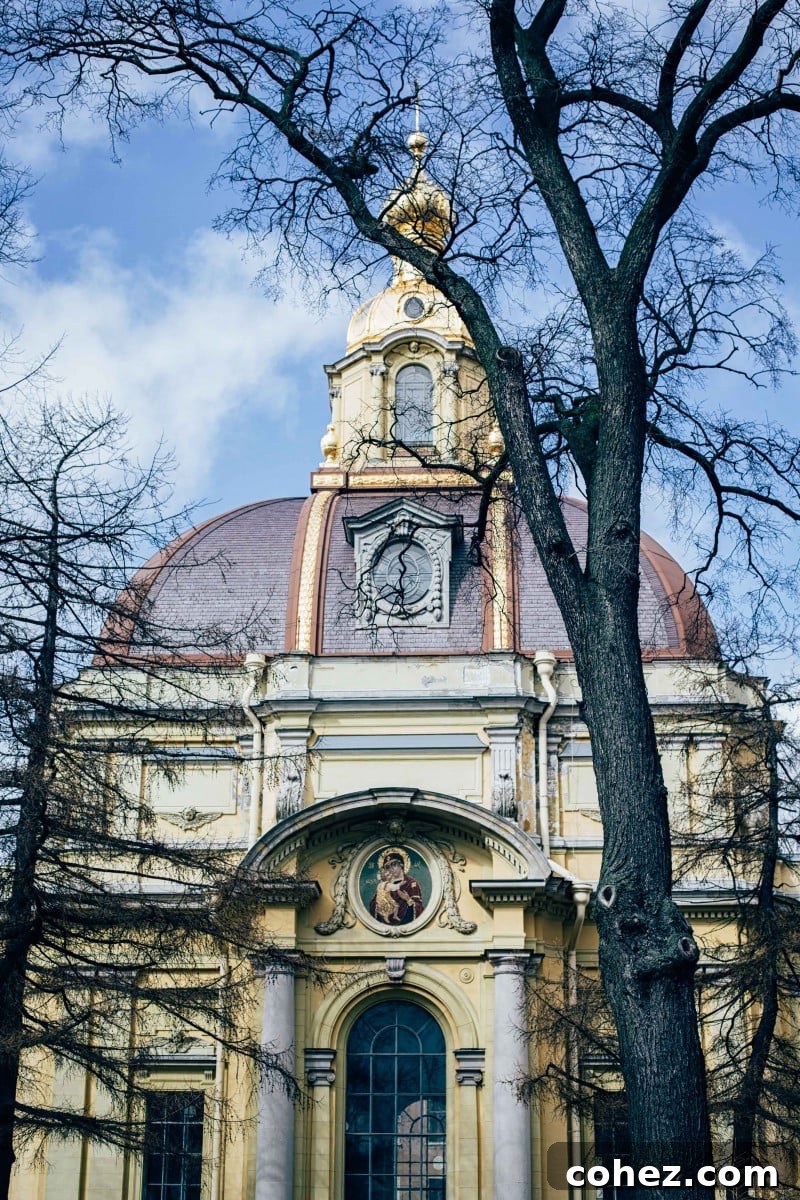
Just across the Neva River, on an island, you’ll discover the historic Peter and Paul Fortress, the very birthplace of Saint Petersburg. This expansive complex offers a captivating journey back to the city’s origins. While you won’t need an entire day, it’s well worth exploring for a few hours. Key highlights include the stunning Saints Peter and Paul Cathedral, the final resting place of the Romanov emperors and many other prominent figures. The fortress also houses a former prison, which provides a sobering and harrowing account of a less pleasant chapter in Russian history. Don’t miss the opportunity to walk along the fortress walls for panoramic views of the Neva and the city skyline.
The Fabergé Museum, conveniently located just a couple of blocks from our accommodation, proved to be an absolute highlight. The legendary Imperial Fabergé Eggs are, of course, magnificent and live up to every expectation, showcasing unparalleled craftsmanship and artistic detail. However, the museum’s collection extends far beyond these iconic eggs, featuring a stunning array of Russian decorative arts, jewelry, and historical artifacts. The opulent setting within the Shuvalov Palace perfectly complements the grandeur of the exhibits, making it a truly immersive and luxurious experience.
Saint Petersburg’s Iconic Churches and Cathedrals
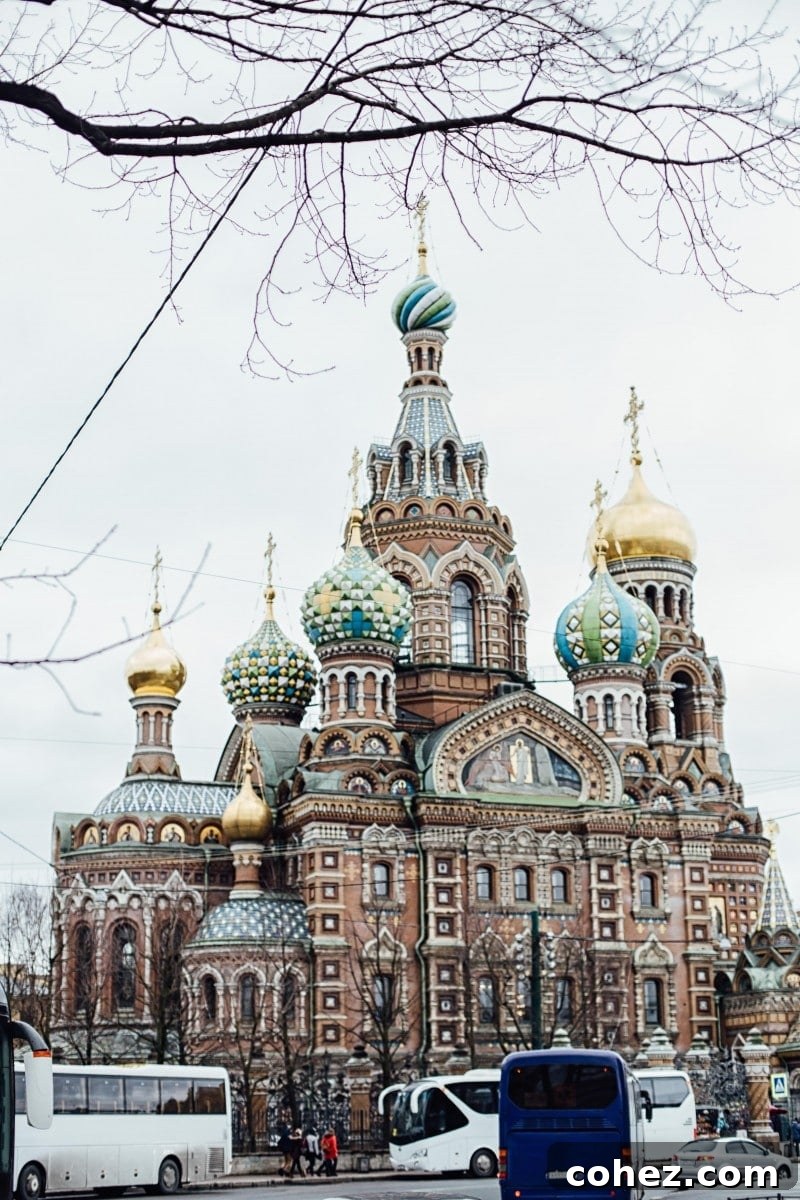
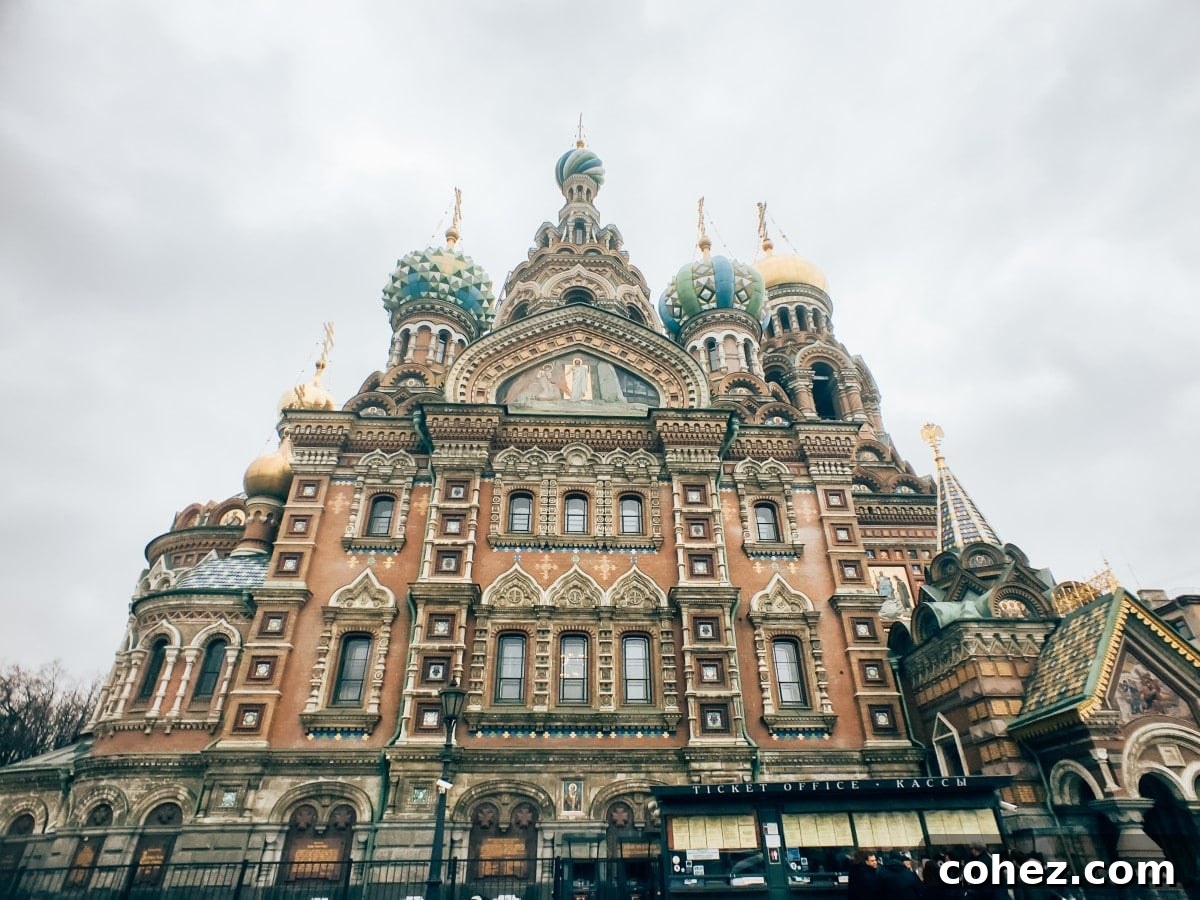
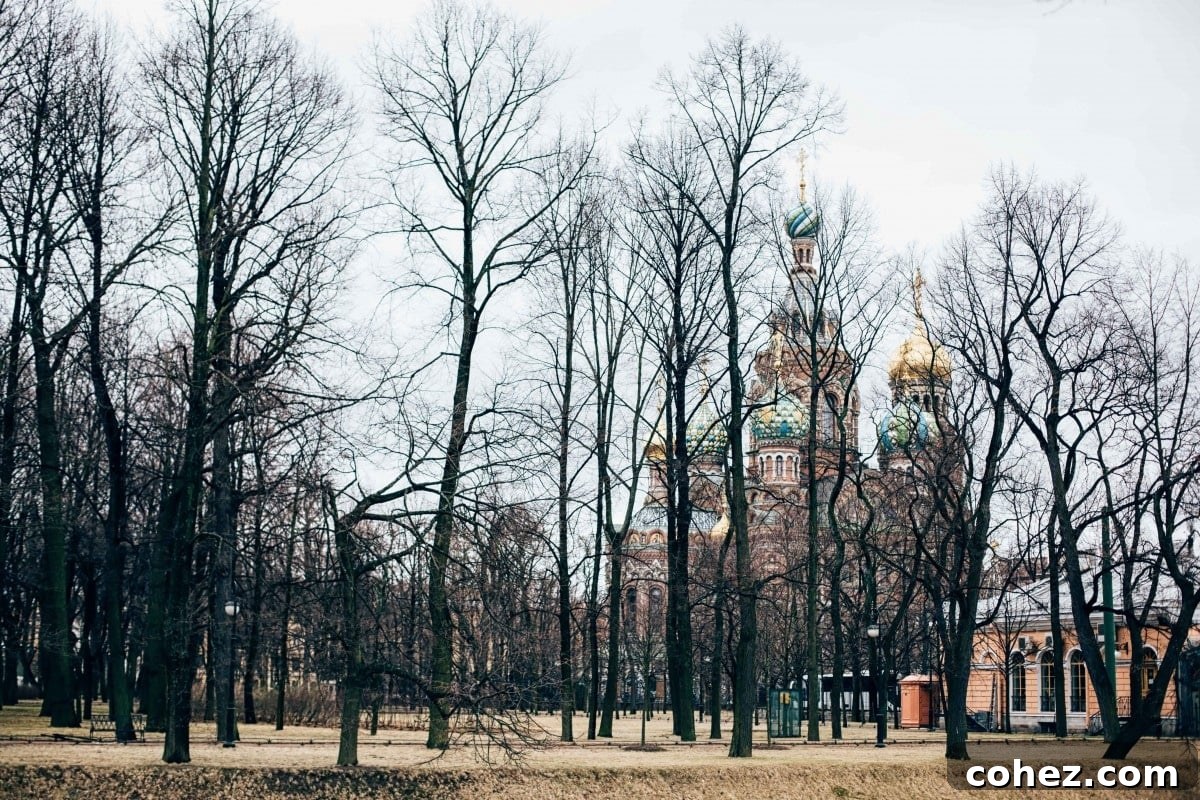
As you might expect from a city of imperial grandeur, Saint Petersburg boasts an abundance of magnificent churches and cathedrals, each with its own unique story and architectural style. The most visually striking, especially from the outside, is undoubtedly the Church of the Savior on Blood. Its vibrant, onion-domed exterior, inspired by Moscow’s St. Basil’s Cathedral, is a riot of color and intricate mosaic work, making it one of the city’s most iconic landmarks. The church stands on the very spot where Emperor Alexander II was fatally wounded in 1881, lending it a dramatic and poignant history. While it now functions as a museum rather than an active place of worship, its exterior alone is a breathtaking masterpiece and a must-see for any visitor.
A stop at Kazan Cathedral is highly recommended, especially given its central location along Nevsky Prospekt and its free admission. Modeled after St. Peter’s Basilica in the Vatican, its impressive semi-circular colonnade dominates the streetscape, though it’s a pity visitors cannot walk along its full length. Inside, you’ll find a vibrant, active church where tourists respectfully mingle with worshippers, contributing to its authentic and spiritual atmosphere. Its grand interior houses the revered icon of Our Lady of Kazan, a significant religious artifact for Orthodox Christians.
Though not free to enter, Saint Isaac’s Cathedral is undeniably stunning, both inside and out. Its colossal golden dome is a prominent feature of the Saint Petersburg skyline. The interior is lavishly decorated with intricate mosaics, murals, and sculptures, reflecting the immense wealth and artistic talent of its era. However, the true highlight for many is the opportunity to ascend to the colonnade encircling the dome. From this vantage point, you’re treated to breathtaking, panoramic views of the city that simply cannot be found elsewhere, making the entrance fee well worth it for the unforgettable vista.
What and Where to Eat in Saint Petersburg: A Culinary Journey
Dining in Saint Petersburg is an experience to be savored. A crucial tip for visitors: take your time. Russians approach meals as social occasions, opportunities to relax, converse, and enjoy the company of fellow diners, rather than simply a quick refuel. Restaurant staff are generally attuned to this pace, refraining from hovering or subtly urging you to finish. You’ve earned your spot at the table, so feel free to linger and fully embrace the culinary and social experience.

No trip to Saint Petersburg is complete without indulging in traditional Russian pies, and Stolle is an excellent place to do so. With a convenient location along Nevsky Prospekt and several other branches across the city, we found ourselves returning multiple times. Their pies, available in both savory and sweet varieties, are exceptional and perfectly capture the essence of Russian comfort food. Beyond the pies, their a la carte menu offers other delicious traditional dishes worth exploring.
For a fantastic array of dumplings from Russia and other former Soviet republics, make a beeline for Pelmenya. This restaurant was a huge hit with our entire group, offering a delightful selection of pelmeni (meat dumplings) and vareniki (vegetarian dumplings), each bursting with flavor and served with various traditional toppings. It’s a perfect spot for an authentic and satisfying meal.
Naturally, Saint Petersburg boasts a vast culinary scene with countless other options. While we often prepared meals in our apartment kitchen, we did sample a few local eateries. Keep an eye out for “Stolovaya” establishments, cafeterias reminiscent of the Soviet era, which often provide hearty, good-quality food at incredibly low prices. As a general rule, we advise avoiding any restaurants that appear overtly designed for tourists, as they often sacrifice authenticity and quality for mass appeal. Seek out places that feel genuinely local for the most rewarding gastronomic adventures, perhaps exploring modern Russian cuisine or international fare in the city’s vibrant dining districts.
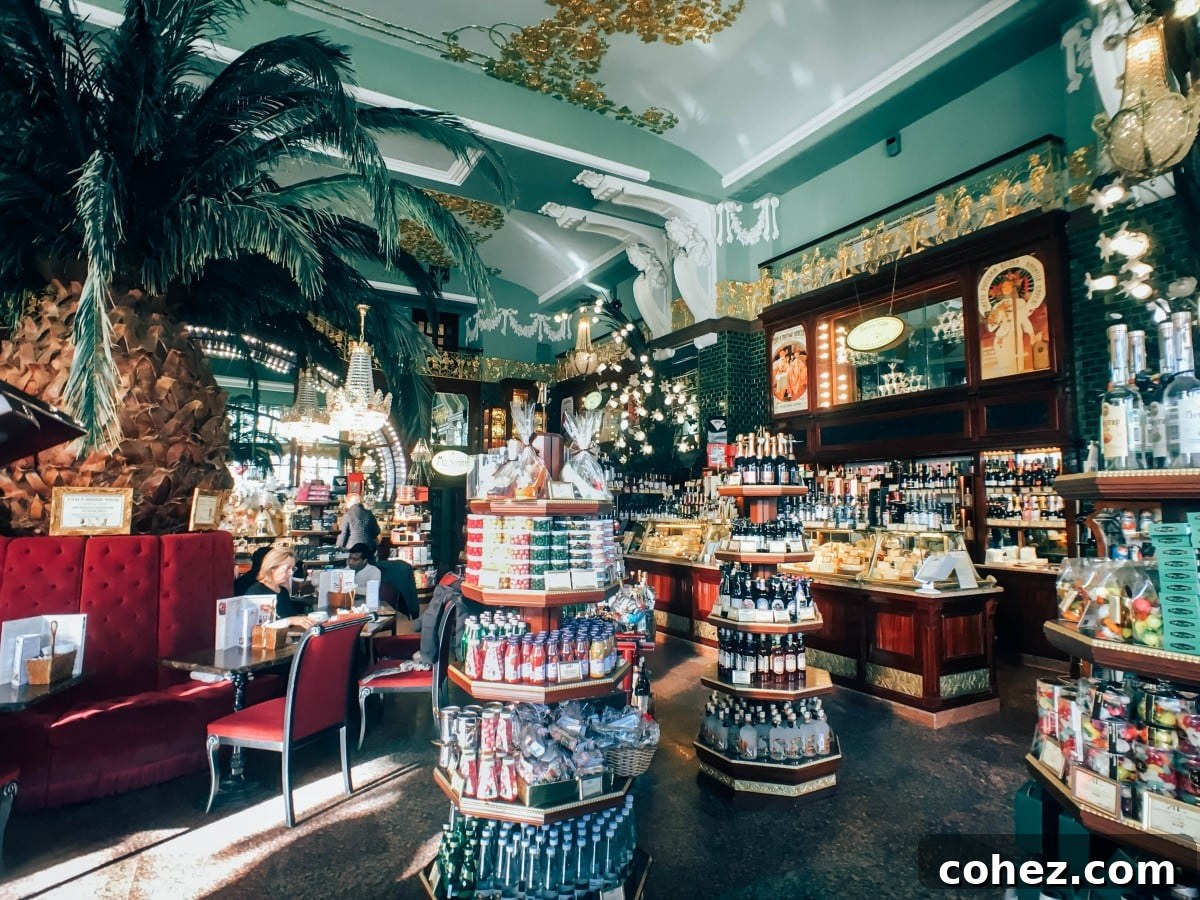
For a truly unique food stop that’s as much a visual spectacle as a culinary one, visit the Elisseeff Emporium, also located on Nevsky Prospekt. Stepping inside this legendary establishment is like traveling back in time to an era of opulent luxury. The Emporium sells an exquisite range of gourmet goods, from decadent desserts and pastries to a highly appetizing deli counter filled with artisanal produce. While prices can be a bit steep, consider it an opportunity for an indulgent treat and an appreciation of its stunning, historically preserved interior – a true architectural gem.
Looking Forward: What to Explore on Your Next Saint Petersburg Visit
A city as rich and expansive as Saint Petersburg is impossible to fully experience in a single visit. It’s not merely a matter of time, but also the sheer volume of magnificent sights and experiences. The city was a resounding success with our entire family, so we fully anticipate a return trip. On our next adventure, we’d certainly dedicate more time to the Hermitage – there’s simply too much to see in one day. We also hope to explore several other fascinating museums, venture further into the city’s diverse neighborhoods, and, crucially, journey beyond its immediate boundaries.
The areas surrounding Saint Petersburg are home to some of Russia’s most spectacular imperial palaces, including the majestic Catherine Palace, which houses the breathtaking Amber Room, a marvel we are particularly keen to see. Peterhof, with its incredible fountains and grand cascades, also beckons. These day trips offer a glimpse into the lavish lives of the tsars and are an essential extension of the Saint Petersburg experience.
Beyond historical sites, the city offers a wealth of cultural activities. Attending a performance at the renowned Mariinsky Theatre, whether it’s world-class ballet or opera, is an unforgettable highlight. There are also numerous sporting events, classical concerts, and vibrant nightlife options to explore. During the summer, experiencing the phenomenon of the White Nights, when the sun barely sets, is a unique draw that creates a magical, almost surreal atmosphere throughout the city.
We sincerely hope this guide has inspired you to plan your own visit to the magnificent cultural capital of Russia and provided you with valuable tips on what to see and do in Saint Petersburg. It’s always a pleasure to discover a city that not only lives up to its grand reputation but often surpasses it. Saint Petersburg truly deserves to be seen, explored, and cherished.
(Loving your visit to Saint Petersburg? Why not continue your journey to Moscow, with our tips to guide you through Russia’s bustling capital!)