Embracing the Spirit of Slavic Easter: A Journey of Joy, Tradition, and Culinary Delights
This past Easter was truly a magnificent celebration, filled with warmth, tradition, and boundless joy. Looking back at the previous year, when my Easter weekend was consumed by the demanding task of writing a paper for my Cambridge Delta diploma, I can’t help but pause and reflect on the incredible changes and blessings that have unfolded in our lives over the last twelve months. This profound sense of gratitude makes every moment of this past Easter even more special and cherished.
A Season of Renewal and Deep Gratitude
Easter, for me, embodies more than just a holiday; it represents a powerful message of new beginnings, hope, and rejuvenation. Its arrival signals the vibrant return of spring, a period of rebirth both in nature and in spirit. This inherent promise of renewal, coupled with the sheer joy it brings to our family and community, makes it an incredibly significant time of year. Naturally, I embrace every opportunity to immerse myself in the preparations and festivities, eager to celebrate this profound holiday with all the devotion it deserves. It’s a chance to step away from daily routines, connect with loved ones, and appreciate the rich tapestry of life and tradition that defines our existence.
The Enduring Heart of Slavic Easter Traditions
As I’ve shared in previous years, specifically detailing Easter celebrations in Slavic households, this holiday holds an unparalleled significance. It is, by far, the most important Christian holiday in countries like Russia and Ukraine, surpassing even Christmas in its cultural and spiritual importance. This profound reverence is beautifully expressed through an astonishing array of delicious dishes that are traditionally prepared and savored during this sacred time of year. From elaborate baked goods to savory meat dishes and intricate desserts, the Easter table is a testament to the deep-rooted culinary heritage and the celebratory spirit of the Slavic people. The preparations often begin days in advance, turning kitchens into bustling hubs of activity and aromatic delights, all culminating in a feast that nourishes both body and soul.
Culinary Cornerstones: The Festive Feast Begins
Our Easter weekend kicked off in the most delightful way, with a hearty breakfast of sweet cheese fritters, affectionately known as Syrniki. These golden-brown pancakes, made with farmer’s cheese, are subtly sweet and incredibly satisfying, offering a perfect, comforting start to a day filled with festivities. As soon as the last Syrniki was devoured and breakfast cleared, my attention turned to the centerpiece of our Easter table: Kulich. This majestic Russian Easter bread is more than just a baked good; it’s a symbol of resurrection and renewal, and preparing it is a ritual in itself.
Kulich: The Regal Russian Easter Bread
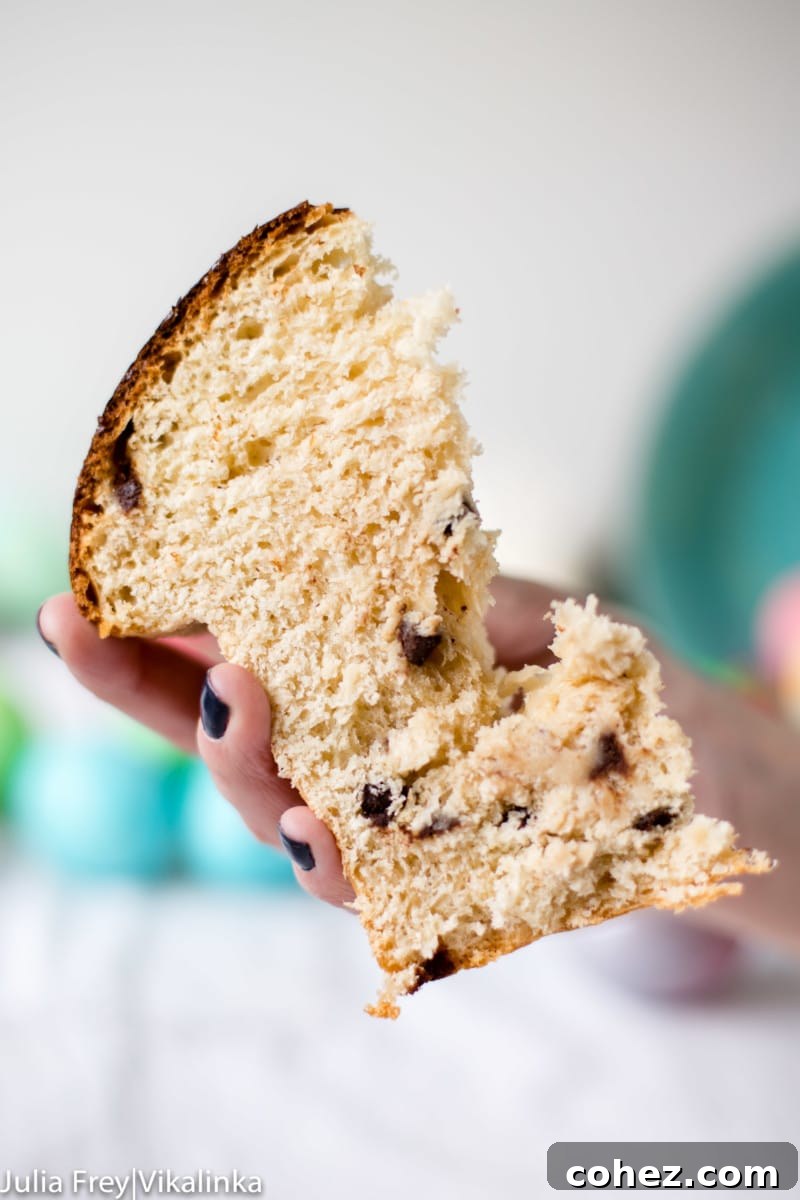
Kulich is a sweet, brioche-like bread, exceptionally rich and tender, elevated by generous amounts of eggs, butter, and sour cream. While traditionally studded with raisins, this year I made a delightful substitution: chocolate chips. Because, let’s be honest, chocolate makes everything better! The process of making Kulich is a labor of love, requiring patience as the dough slowly rises, filling the kitchen with an intoxicating aroma that promises deliciousness. The anticipation builds with every stage, from kneading the elastic dough to watching it transform into towering, golden loaves. The taste is truly indescribable until you experience it yourself—a perfect balance of sweetness and richness with a delicate, fluffy crumb that melts in your mouth. For those eager to recreate this magic, I shared the detailed recipe for Kulich last year, making it accessible for everyone to enjoy this magnificent tradition.
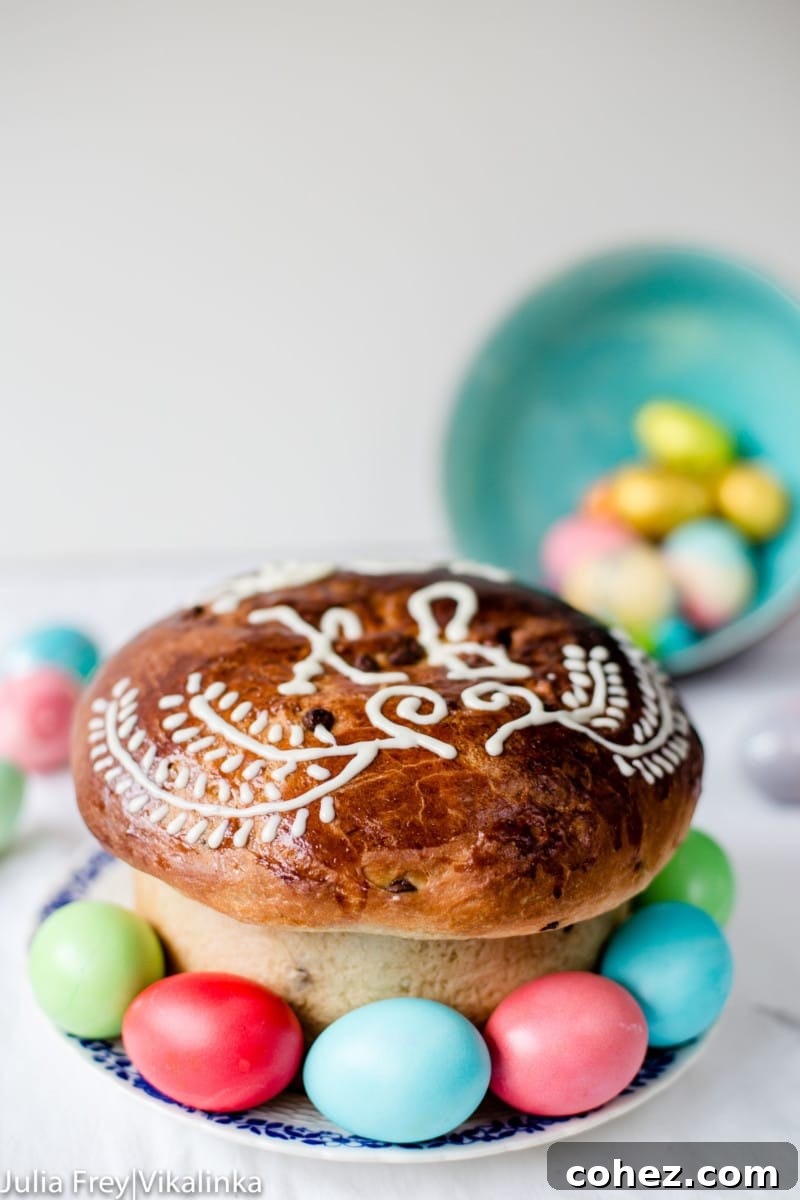
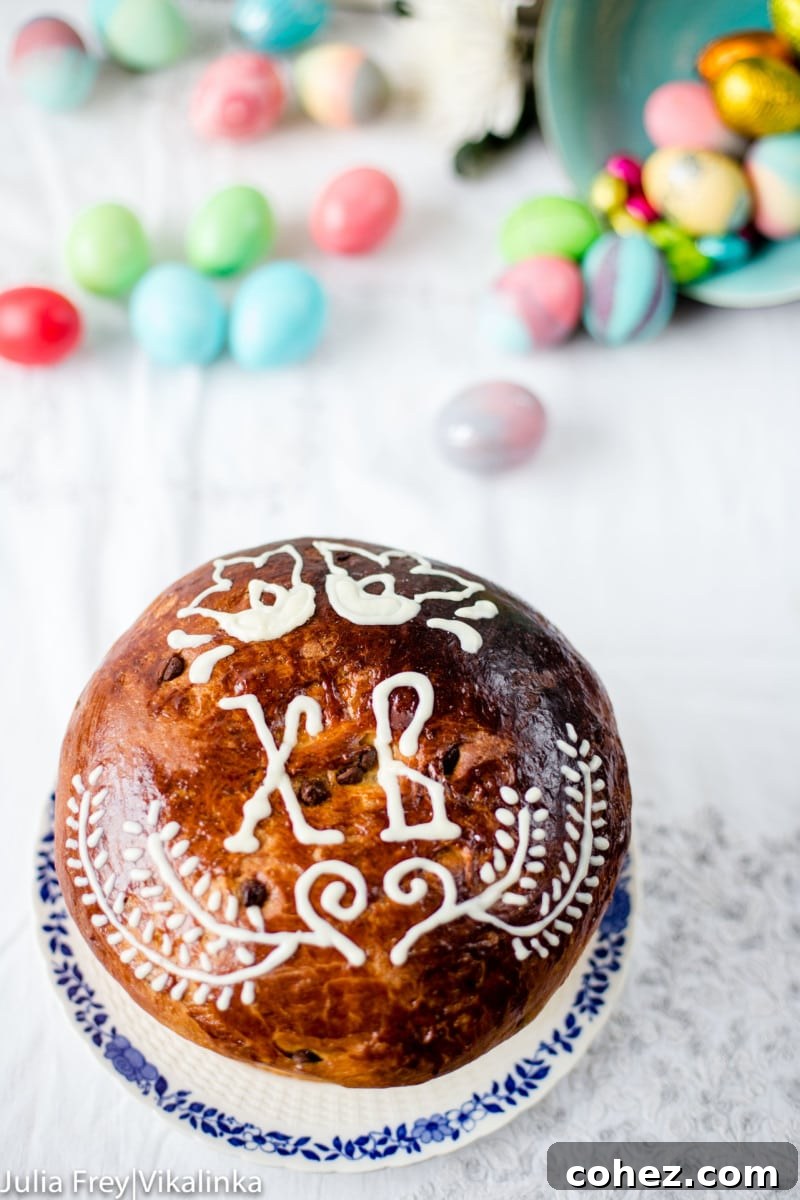
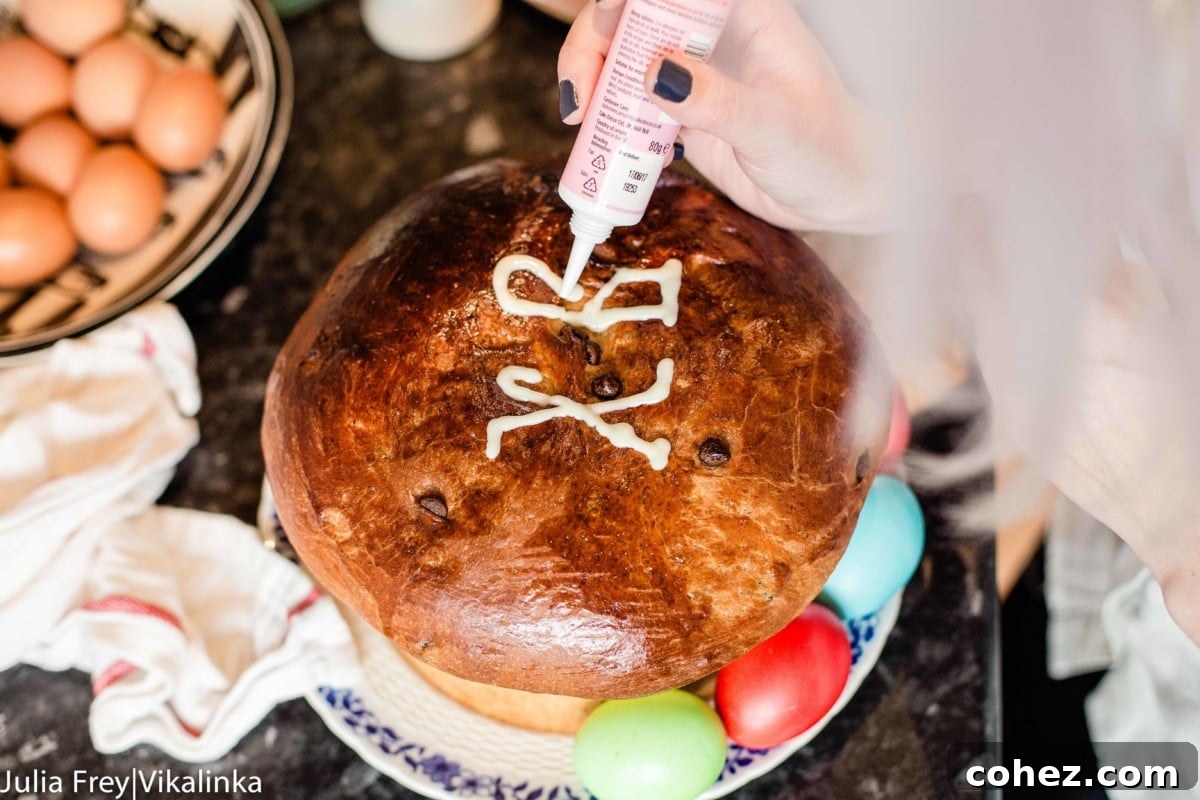
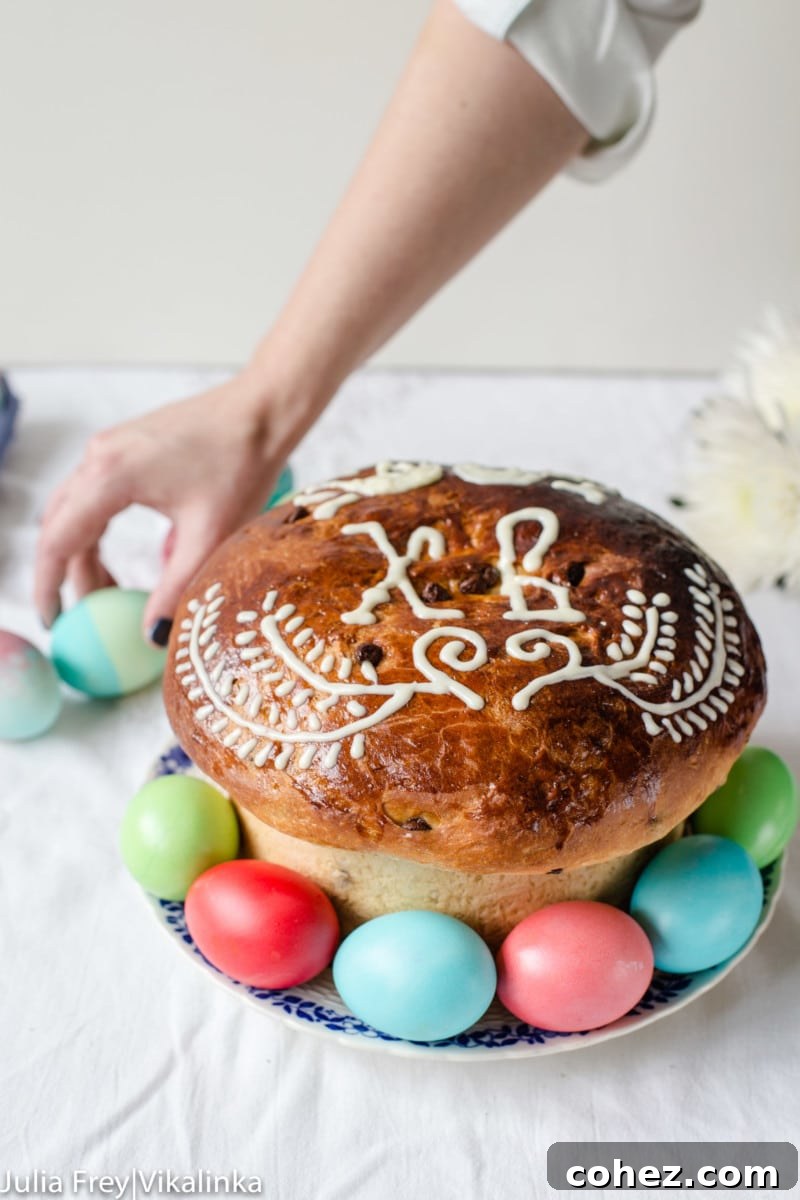
Traditionally, Kulich is adorned with a thick sugar glaze, often drizzled decoratively. However, this year, I opted for a slightly different, more artistic approach. I decided to leave the bread “naked” in terms of glaze, choosing instead to decorate the top with elegant white chocolate piping. This allowed for more intricate designs and a cleaner aesthetic. It was a joy to watch our dear friend Carmen, with her steady hand and artistic flair, meticulously pipe the letters “XB” – the Russian acronym for “Christ is Risen” (Христос Воскресе). She also added beautiful Russian folk designs, turning each Kulich into a unique edible masterpiece. These decorations are not merely aesthetic; they carry profound symbolic meaning, celebrating the core message of Easter in a visually stunning way.
Paskha: A Divine Cheese Pudding Delicacy
While the Kulich dough was undergoing its miraculous transformation, patiently rising to perfection, I busied myself with preparing another essential Slavic Easter delicacy: the sweet cheese pudding known as Paskha. This creamy, rich dessert is a traditional staple, often shaped in a special wooden mold that imprints religious symbols onto its surface. This year marked my inaugural use of a beautiful new Paskha mold, which had traveled all the way from Ukraine, arriving just in the nick of time for Easter. The excitement was palpable as I carefully pressed the cheese mixture into its intricate design, eagerly anticipating the moment it would be unveiled. After a period of setting in the refrigerator, ensuring its firm, delicate texture, the Paskha was ready to be revealed.
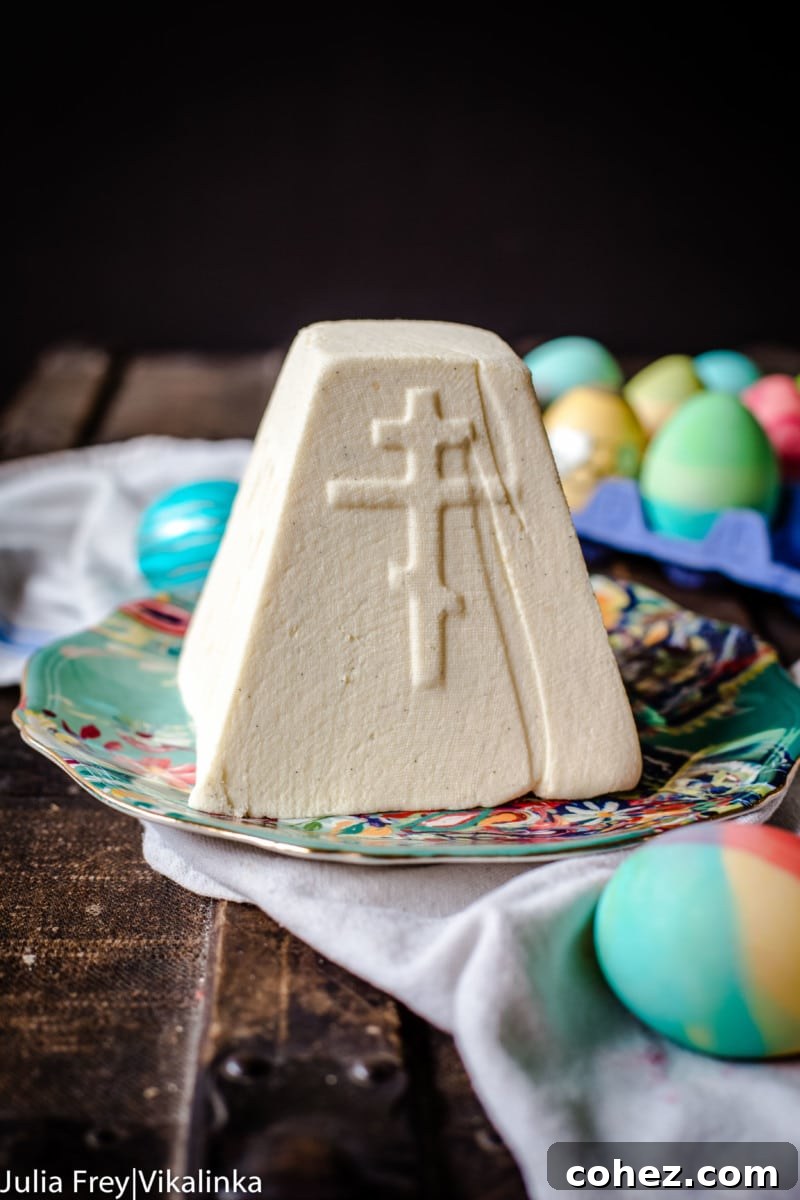
I was absolutely thrilled to discover that the Paskha had turned out exquisitely, both in appearance and taste! Imagine the most incredibly flavorful cheesecake you’ve ever tasted, but with an even richer, creamier texture and a distinct, delicate tang from the farmer’s cheese – that’s the experience of Paskha. Its dense, sweet, and velvety consistency is simply divine, making it an unforgettable treat. The intricate designs from the mold were perfectly preserved, adding to its visual appeal as a true masterpiece of the Easter table. For those eager to try their hand at this delightful dessert, the recipe for Paskha will be shared very soon, so keep an eye out!
The Art and Soul of Easter Egg Decorating
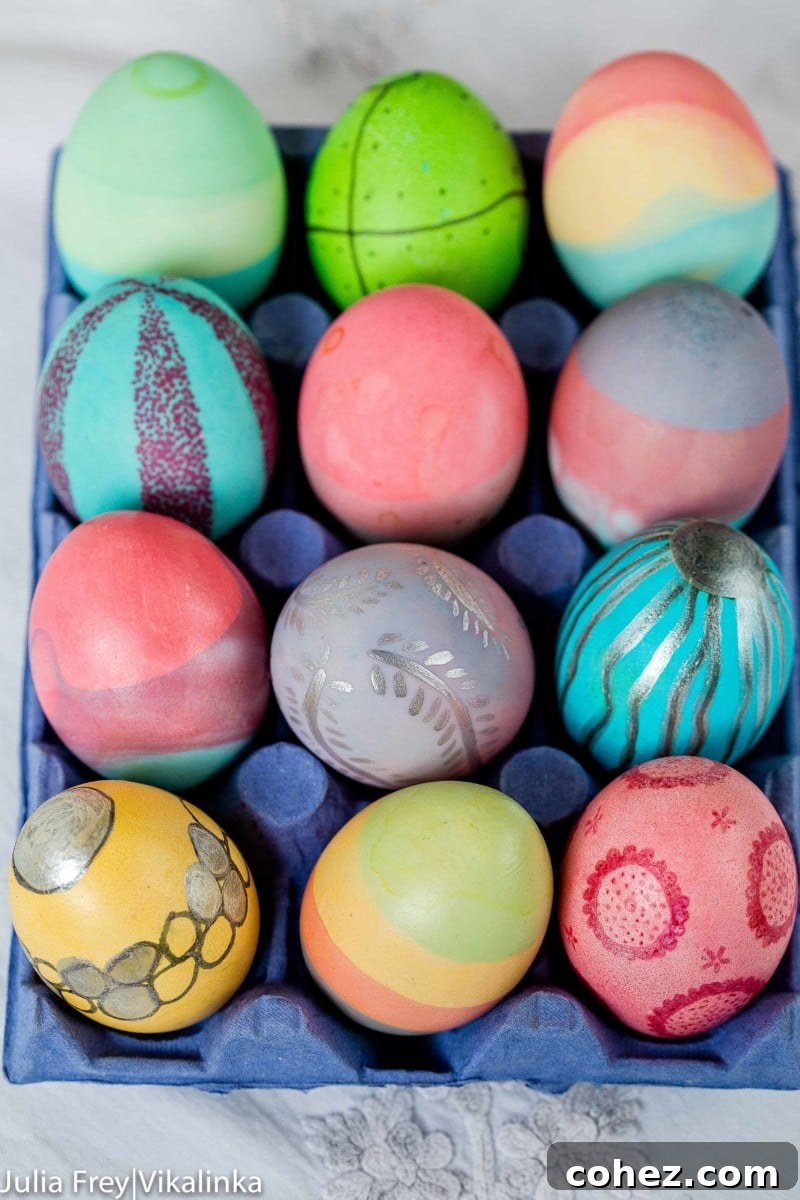
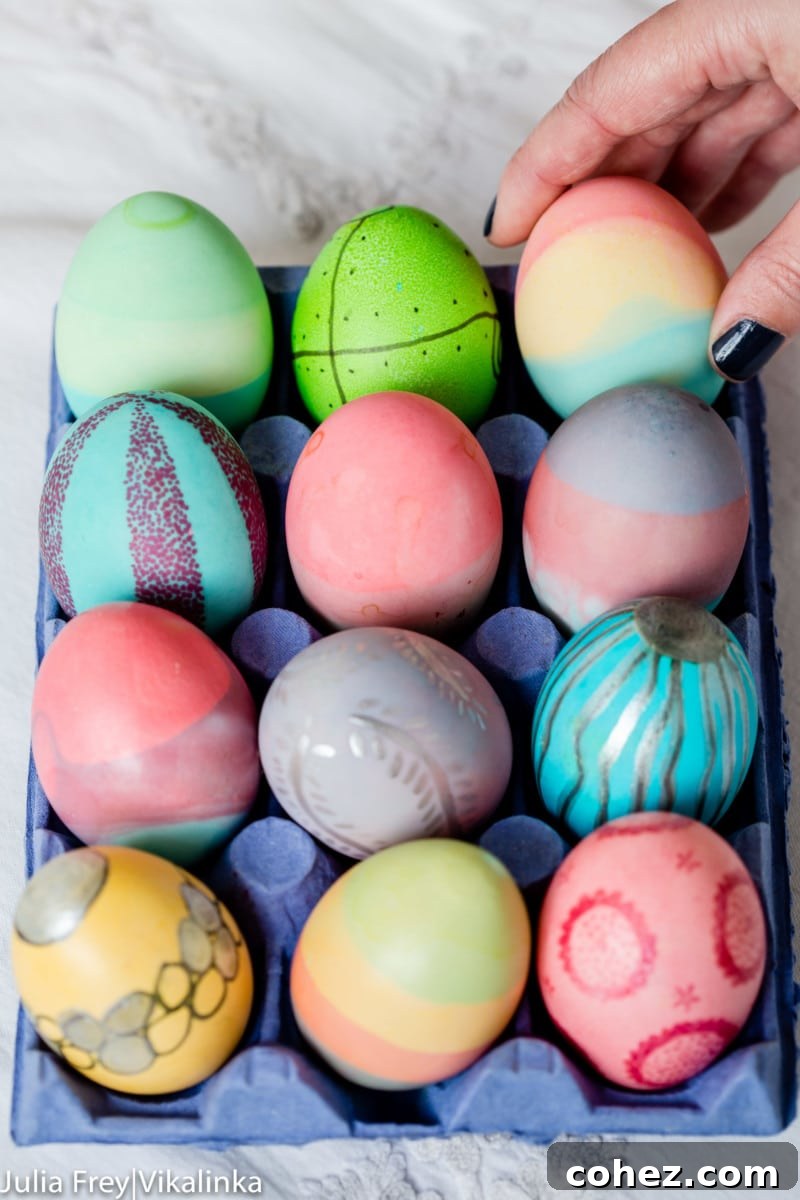
As evening descended, the children, Carmen, and I gathered for another beloved Easter tradition: coloring eggs. While our usual method involves using onion peels to dye the eggs, imparting them with beautiful, rustic earthy tones, this year I decided to venture into something a little different. And no, it had absolutely nothing to do with a sudden, late realization that we had run out of onions! This departure from tradition allowed for a burst of creative freedom and unexpected artistry that truly elevated the experience.
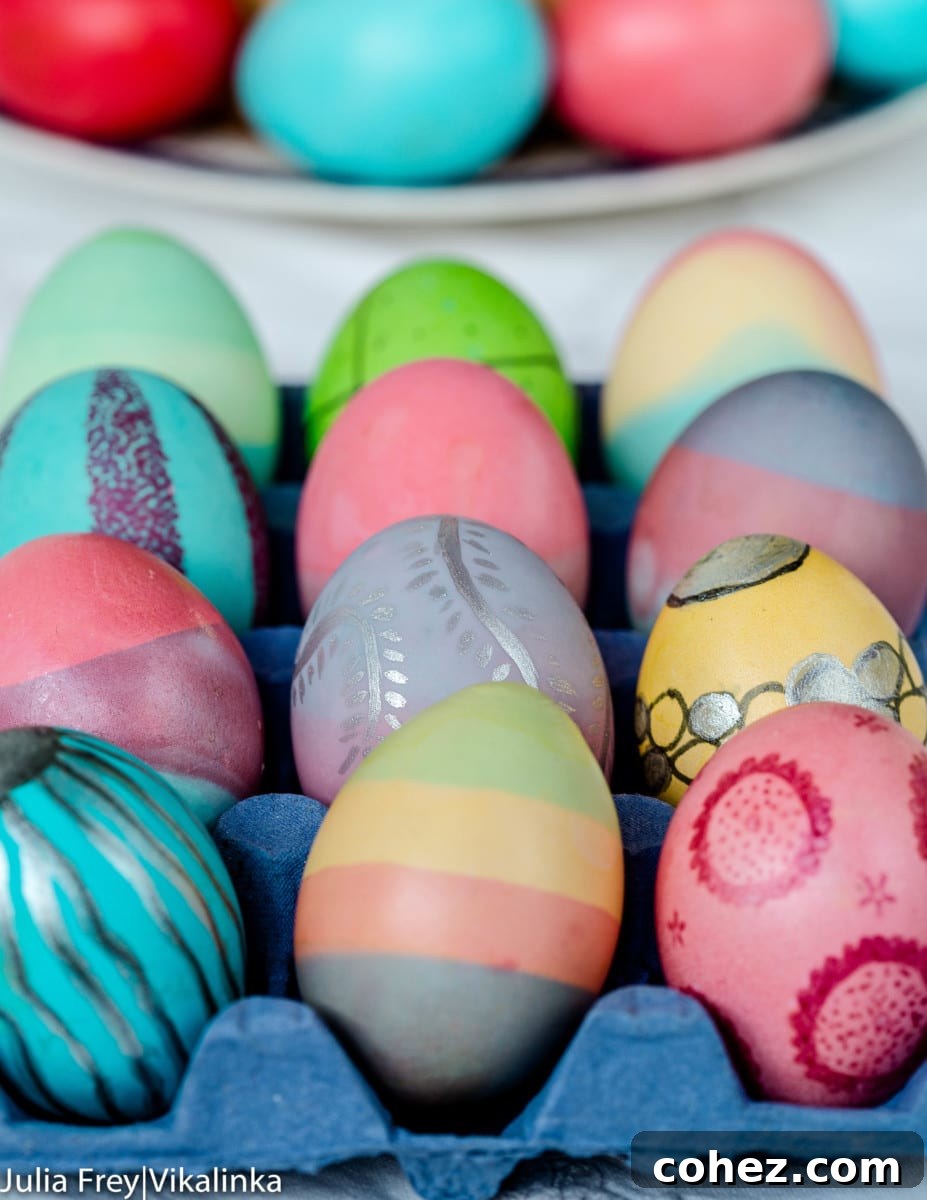
What began as a simple activity of solid-color dyeing quickly evolved into a much more elaborate and imaginative session than I had anticipated. Somewhere halfway through, we embraced our inner artists and started experimenting, hand-dipping eggs into various colors to create whimsical and fun designs. The children’s laughter and concentrated expressions filled the room as they carefully swirled and dipped, watching the colors blend and transform. Once the kids had retired for the evening, Carmen and I, still buzzing with creative energy, grabbed edible paints and fine brushes. We continued our artistic endeavor, transforming plain eggs into miniature canvases. It was such a wonderfully therapeutic and engaging process that even Vika, drawn back by the creative atmosphere, rejoined us to add her unique touch, coloring a yellow egg with striking black and silver circles, and a green one with intricate black lines. The act of creating, of bringing color and design to these simple forms, proved to be incredibly soothing and joyful – art truly is therapeutic!
Cherished Moments and Lasting Memories
This Easter, much like the years before, was a profound reminder of the beauty of tradition, the joy of togetherness, and the blessing of new beginnings. From the fragrant aroma of freshly baked Kulich to the vibrant hues of our hand-painted Easter eggs, every detail contributed to an atmosphere of heartfelt celebration. These moments, shared around the table with family and friends, crafting and cooking together, are the ones that truly enrich our lives and create lasting memories. It’s in these shared experiences, steeped in culture and love, that the true spirit of Easter shines brightest. The sounds of laughter, the exchange of stories, and the collective effort in preparing the festive spread all weave together to form a beautiful tapestry of family connection and cultural continuity. Each dish, each decorated egg, becomes a tangible representation of our heritage and the love we share.
Share Your Easter Joy
I sincerely hope that your Easter was equally blessed and filled with wonderful times spent with your loved ones. Whether your traditions involve grand feasts, quiet reflection, or lively egg hunts, the essence of this holiday remains universal: hope, renewal, and the warmth of human connection. I would absolutely love to hear about your own Easter celebrations! Please share in the comments below how you marked this special occasion, what traditions you uphold, and what made your holiday memorable. Your stories inspire and connect us all, reinforcing the beautiful tapestry of global Easter traditions.