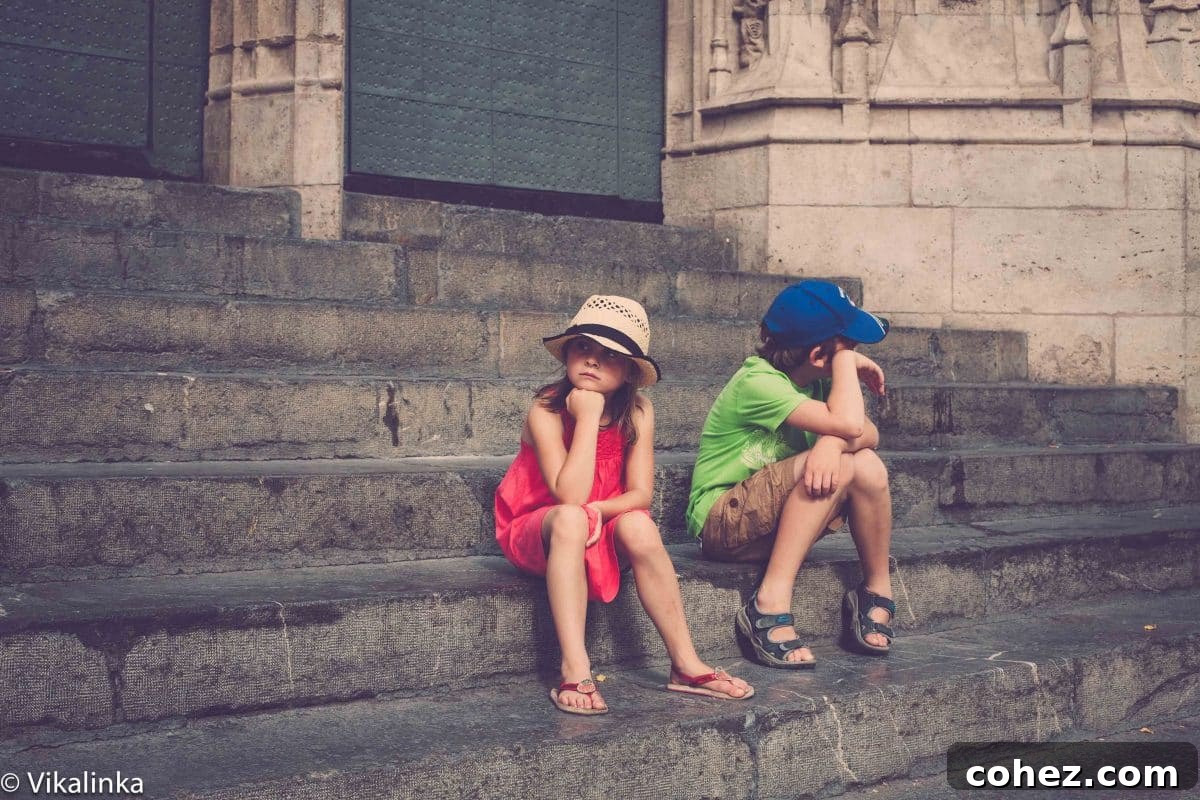
Few experiences are as profoundly rewarding, yet equally challenging, as embarking on a journey with children. At its heart, family travel offers unparalleled opportunities for bonding, learning, and creating indelible memories that will last a lifetime. However, the path to a seamless family vacation often comes with its own unique set of hurdles, from navigating unfamiliar airports to keeping little ones entertained during extended periods. Over years of globetrotting with our own kids, we’ve gathered a wealth of insights, turning lessons learned from both triumphs and tribulations into practical advice. This comprehensive guide is designed to empower you with strategies to transform your next family adventure into everything you envision it to be – and more.
Whether relocating to a new country or simply exploring a vibrant city for a short holiday, introducing our children to different cultures and landscapes has consistently been among the most enriching chapters of our family life. These shared adventures foster curiosity, resilience, and a broader understanding of the world. Yet, it’s naive to ignore the inherent difficulties. Travel can be taxing, exhausting, and at times, even frustrating for adults, let alone the younger members of the family who are still developing their coping mechanisms and sense of patience.
Regrettably, the prospect of these challenges often deters many families from venturing out and discovering the world together. The fear of meltdowns, discomfort, and logistical nightmares can overshadow the immense joy and educational value that family travel offers. However, we firmly believe that with thoughtful planning, a flexible mindset, and a few clever strategies, every family trip has the potential to be a truly great one. It’s not about eliminating all obstacles, but rather equipping yourselves to navigate them with grace and confidence.
Here, we share our most valuable, hard-earned lessons derived from countless journeys, transforming potential pitfalls into stepping stones for memorable family travel. From involving kids in the packing process to mastering long flights, and from sensible sightseeing to ensuring health and safety, these tips are designed to make your next travel with kids experience not just tolerable, but truly enjoyable for everyone.

Empowering Kids: Share Packing Duty for a Great Start
You might have heard the common wisdom that allowing children to pack their own suitcases is a recipe for disaster. And indeed, if you’ve ever witnessed the eclectic mix of toys, mismatched socks, and utterly non-essential items our kids have attempted to squeeze into their bags, you’d understand the undeniable logic behind such a warning! Yet, paradoxically, we’ve discovered that involving kids in the packing process is a phenomenal way to ignite their excitement and sense of ownership for the upcoming trip.
When children feel truly invested in the journey, they become far more cooperative and resilient. Enthusiastic kids are easier to rouse in the mornings, more tolerant of those seemingly endless long flights, and arrive at your destination in a significantly better mood. By giving them a voice and a role in the initial planning and decision-making, even something as simple as choosing a few outfits or a special teddy bear, they feel a valued part of the adventure. This sense of agency translates into a happier, more engaged travel companion, making the entire experience smoother for everyone.
To strike the right balance, provide them with guidelines. Give them a specific list of items they are responsible for, perhaps a certain number of shirts, pants, and their favorite pajamas. Let them pick their own toothbrush or a small selection of cherished toys. Once they’ve made their selections, ensure you carve out dedicated time to meticulously review their packing efforts before departure. You absolutely, unequivocally, should go through their suitcases! This is your opportunity to remove unnecessary clutter, ensure all essentials are present, and prevent any surprise discoveries of pet rocks or impractical items once you’re thousands of miles away. It’s a collaborative effort that teaches responsibility while ensuring practicality.

Mastering the Skies: Enjoying the Flight with Kids
For many brave parents, the mere thought of long-distance flights with children has historically conjured images of daunting challenges and public meltdowns. While air travel may never be the undisputed highlight of any trip, it certainly doesn’t have to be a dreadful experience. With the right strategies, flying with children can be manageable, even enjoyable, paving the way for fantastic family vacation planning.
As with so many aspects of successful family travel, a smooth flight hinges significantly on thorough preparation. If you’re embarking on a particularly long journey, it’s crucial to openly communicate with your children about what to expect. Explain that there will be periods of boredom, that seats can feel a bit uncomfortable, and that patience will be key. Setting realistic expectations can preempt disappointment and frustration. We’ve witnessed more than one young traveler lose their composure mid-flight simply because the reality didn’t align with their imaginative, often unrealistic, expectations.
While the advent of seat-back entertainment systems with their vast selection of movies and games is undoubtedly a blessing, relying solely on screens can lead to overstimulation or quickly diminishing returns. A diverse range of activities is far more effective for keeping kids entertained while traveling. We’ve cultivated a habit of preparing a special “activity kit” for each child, filled with novelties like small puzzles, coloring books and crayons, sticker books, miniature travel games, and perhaps a new chapter book. The magic lies in presenting these items as surprises to be opened exclusively on the plane, giving them a renewed sense of wonder.
Remember, a busy child is almost always a happy child! Providing them with engaging tasks can significantly reduce restlessness and potential conflicts. Headphones are also indispensable for screen time or listening to audiobooks, creating a personal bubble of entertainment. For younger children, a beloved comfort item like a blanket or stuffed animal can provide much-needed reassurance in an unfamiliar environment. Don’t forget to pack a change of clothes for younger kids (and perhaps a spare shirt for adults!) in your carry-on for unforeseen spills or accidents.
Snacks are another absolute must-have, serving dual purposes: not only are they excellent sources of distraction, but they also act as crucial insurance should the airline meal be unpalatable, delayed, or simply not to your child’s liking. Opt for non-perishable, easy-to-eat items like fruit snacks, crackers, granola bars, and dried fruit. While too many sugary treats can certainly upset a sensitive stomach on a long flight, we’ve learned to be a little more lenient with sweets than usual. A few extra candies can work wonders for morale and cooperation, making the journey feel a bit more like a special occasion.

Embrace the Pace: Why Going Slow is Key to Happy Family Travel
This advice is particularly directed at you, ambitious “power travelers”! Every destination worth visiting boasts an extensive list of sights, museums, and experiences you’ll undoubtedly want to absorb. However, when you embark on travel with kids, a fundamental shift in perspective is often required. It means acknowledging that some attractions might go unseen, and that’s perfectly okay. The true trick to successful family adventures is discovering a sustainable pace that your entire family can maintain throughout the day, without succumbing to exhaustion or impatience.
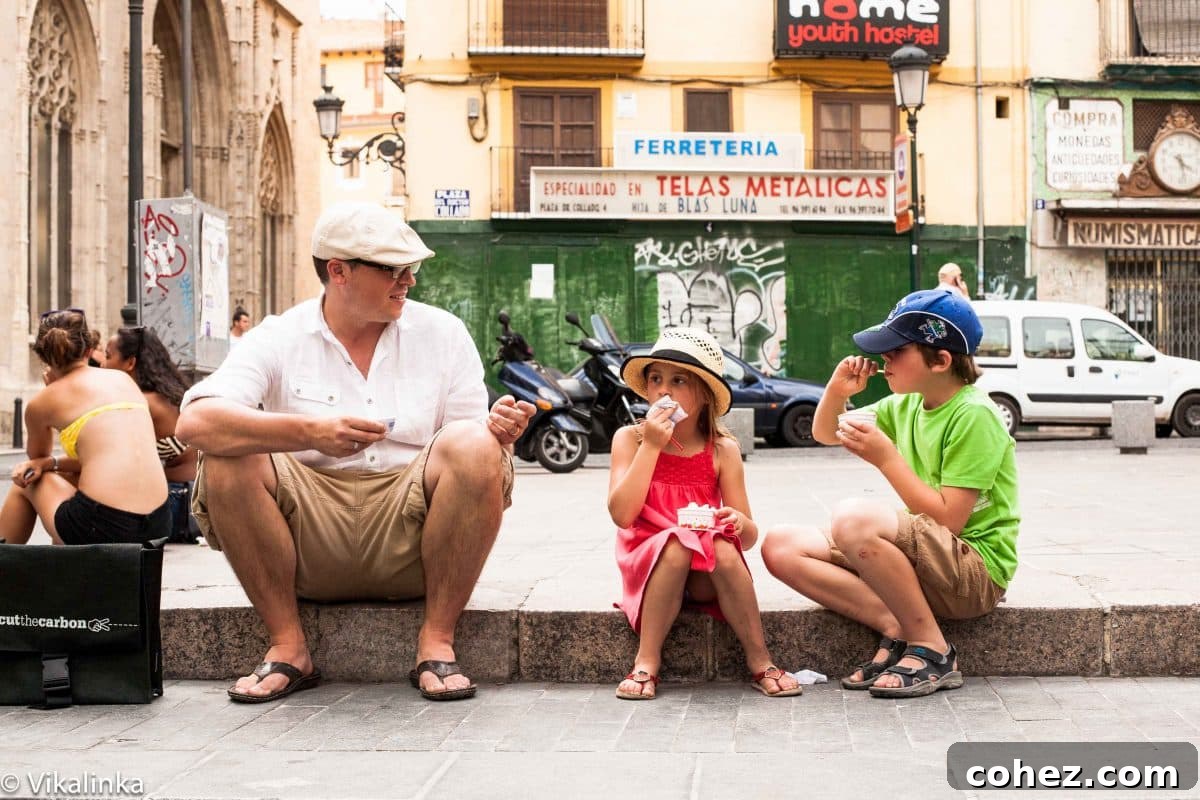
With children in tow, this almost invariably translates to integrating frequent breaks and dedicated downtime away from structured sightseeing. Intense museum visits can be wonderfully broken up by an invigorating run around a local park, a relaxing stop for an ice cream, or simply finding a bench to people-watch. Children have shorter attention spans and different energy cycles than adults, and forcing them through endless historical sites will quickly lead to boredom and protests.
We’ve learned that when it comes to traveling with children, the philosophy of “less is almost always more” holds profound truth. Instead of trying to cram every landmark into a single day, select one or two key activities and allow ample time to enjoy them without rushing. Build in flexibility for spontaneous detours, perhaps to an unexpected playground or a charming local bakery. These unscripted moments often become the most cherished memories, offering a genuine glimpse into the local way of life and providing children with opportunities for free play that are essential for their well-being and happiness.

Fueling the Adventure: Strategizing Your Family Meals
While your primary culinary goal might be to immerse yourselves in the finest local cuisine available, this noble objective may not always align with the more, shall we say, “particular” palates of your children. Simultaneously, resorting to familiar fast-food chains like McDonald’s in every city you visit completely defeats the purpose of experiencing the unique culture of France, Italy, or wherever your journey takes you. The challenge lies in finding that elusive “sweet spot” where everyone’s dining needs and desires are met. This means meal planning becomes a significantly more critical component when you travel with kids than when venturing solo or as a couple.
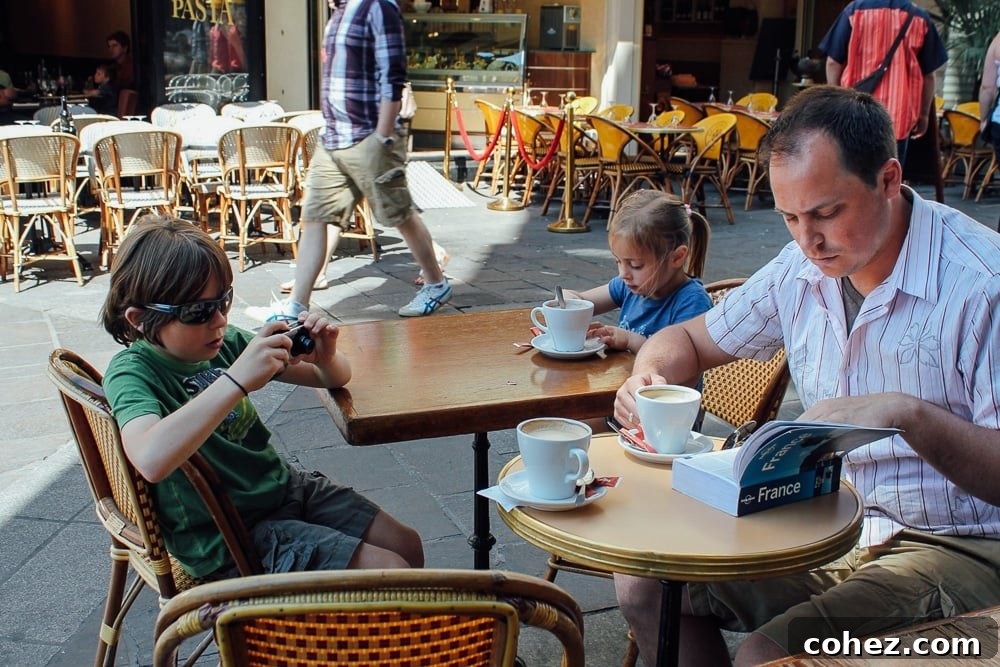
Our family, by nature, leans towards spontaneity, believing that the freedom to wander and discover is one of the greatest joys of travel. However, where this approach often comes back to bite us is precisely when hunger strikes – typically two hours past a reasonable lunch time – and we’re still frantically searching for an eatery that will satisfy everyone’s diverse preferences. The combination of overtired children, low blood sugar, and a lack of readily available options can quickly escalate a pleasant afternoon into a full-blown “hangry” crisis.
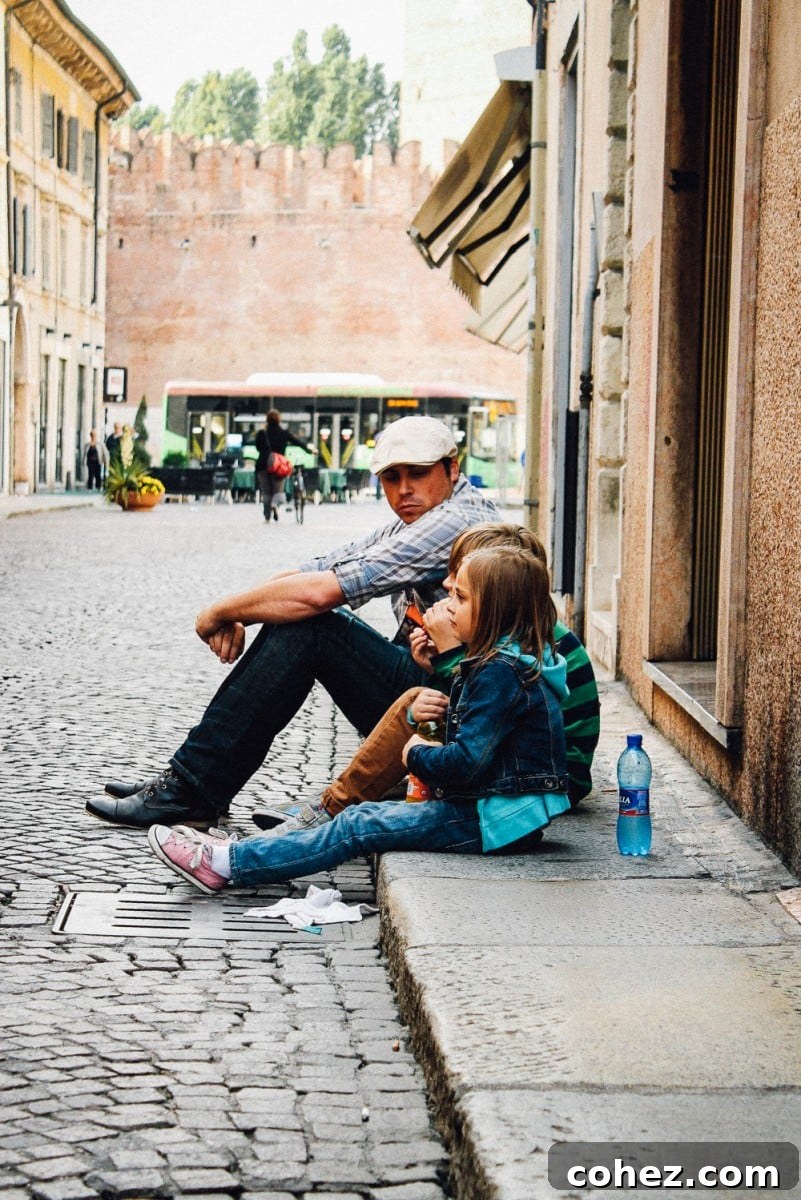
Our experience during a weekend in Paris a few years ago vividly illustrates this point. Despite thoroughly enjoying the city’s charm, the constant quest to find a meal that suited everyone’s taste almost led to disaster. What should have been a relaxed and delightful culinary exploration transformed into an overwhelming source of stress, all because we neglected to research and pinpoint a few potential dining spots before we set out each day. The beauty of Parisian streets became secondary to the urgent need for sustenance that everyone could agree upon.

Ultimately, our solution for Paris became a strategy we’ve carried forward: a fresh baguette always within reach. This simple yet effective tactic kept everyone’s hunger at bay, buying us precious time to locate a more suitable and satisfying meal, and crucially, minimizing the inevitable whining. We learned the hard way that a little foresight goes a long way. It’s always best to plan ahead by having a few potential restaurant options tucked into your back pocket. Alternatively, at the very least, understand the types of cuisine and dining styles that are generally kid-friendly in your chosen destination, as what’s acceptable or available can vary dramatically from country to country.
Consider looking for restaurants with outdoor seating, allowing kids a bit more freedom to move, or places offering simpler menu items alongside more adventurous fare. Local markets can be excellent for assembling picnic lunches, offering variety and a fun experience for the whole family. Don’t forget to pack a few familiar snacks from home, especially for picky eaters, as a comforting backup.
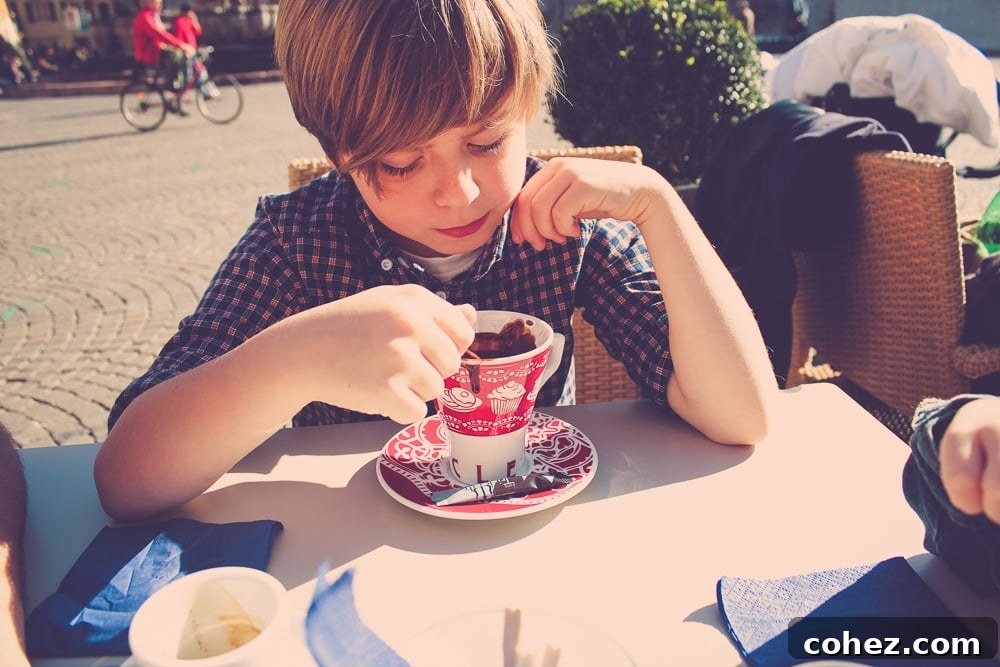
The Comfort Zone: Picking Your Family-Friendly Accommodation Wisely
When you’re engaged in the adventure of traveling with children, the importance of a comfortable, welcoming sanctuary to return to each day cannot be overstated. A well-chosen place to stay becomes more than just a room; it’s a crucial hub for rest, relaxation, and rejuvenation for the entire family. Having a bit of extra space to decompress after a day of sightseeing, to let kids stretch out and play, or simply to enjoy some quiet family time, is often worth paying a little extra for.
Traditional hotels are an option, but for families, exploring alternatives like house rental services such as Airbnb, Vrbo, or HomeAway can offer significant advantages. These platforms often provide accommodations with separate sleeping areas, full kitchens, and living spaces, offering a “home away from home” feel. A kitchen, in particular, can be a game-changer, allowing you to prepare simple meals, store snacks, and save on dining out expenses, making your family vacation planning more budget-friendly and convenient.
Beyond the amenities, the location of your lodging is paramount. It’s absolutely worth investing a little more to find a place situated conveniently close to the main attractions, public transport hubs, or local parks. Being able to easily pop back to your accommodation for a mid-afternoon nap, a quick snack break, or a change of clothes can be a lifesaver in the midst of a long, busy day. More than once, we’ve found ourselves rescued from impending overtired meltdowns by the luxury of a short, restorative rest. This chance to recharge and find your “second wind” can elevate an otherwise average day into something truly amazing and memorable for everyone.
When selecting your accommodation, consider factors like proximity to a grocery store, a playground, or even a pool, which can provide excellent opportunities for kids to burn off energy. Read reviews from other families to gauge how kid-friendly a particular place truly is. Thoughtful selection of your home base can dramatically enhance the overall quality of your family travel experience.
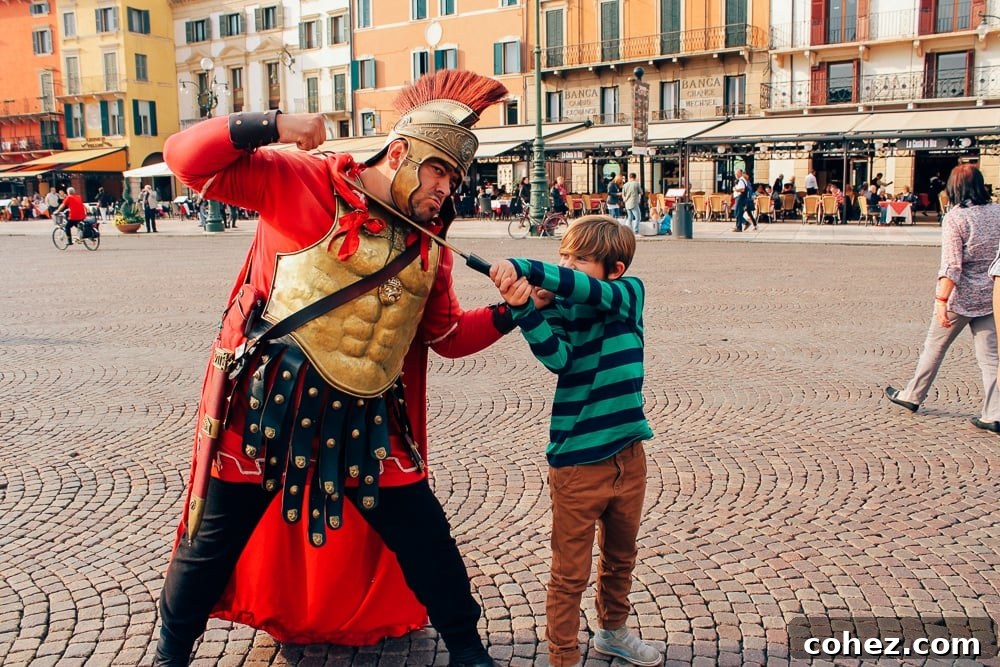
Engaging Little Explorers: Making Sightseeing Fun for Everyone
Even the most enthusiastic adult traveler can eventually suffer from “museum fatigue” or “monument overload,” with endless galleries, piazzas, and winding historical streets blending into a blur. For children, whose natural inclination is towards active exploration and play, being passively dragged through yet another collection of medieval art can quickly lead to glazed-over eyes, restless fidgeting, and ultimately, a complete disengagement from the experience. It’s difficult not to feel a pang of pity for their polite but clear boredom.
Over the years, we’ve developed a repertoire of simple yet highly effective tricks that have transformed these potentially tedious touring moments into genuinely fun and educational experiences for the entire family, enhancing our kid-friendly travel approach.

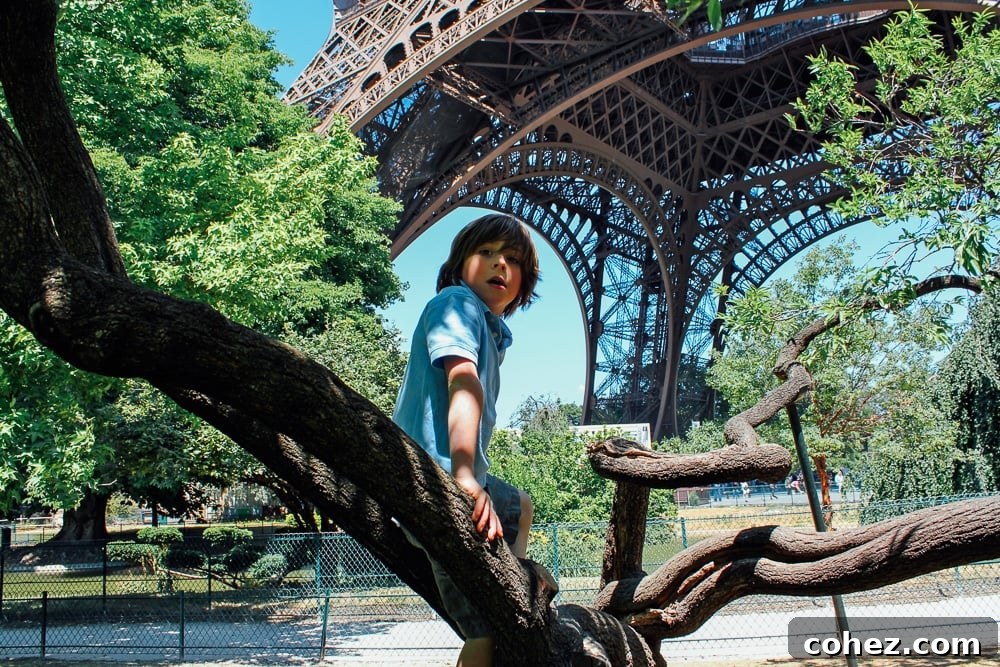
When we first visited Paris with our young children, we made a grand event out of purchasing special notepads and art supplies. Their mission? To record the magnificent sites they encountered. While their artistic renditions of the Arc de Triomphe might not have earned a spot in the Louvre, the activity gave them a tangible reason to truly observe the monuments. What might have otherwise been a meaningless structure became a subject for their creative endeavors, sparking conversations and observations. Crucially, this engaging task also bought us, the adults, the uninterrupted time to fully appreciate and enjoy these historical landmarks ourselves.
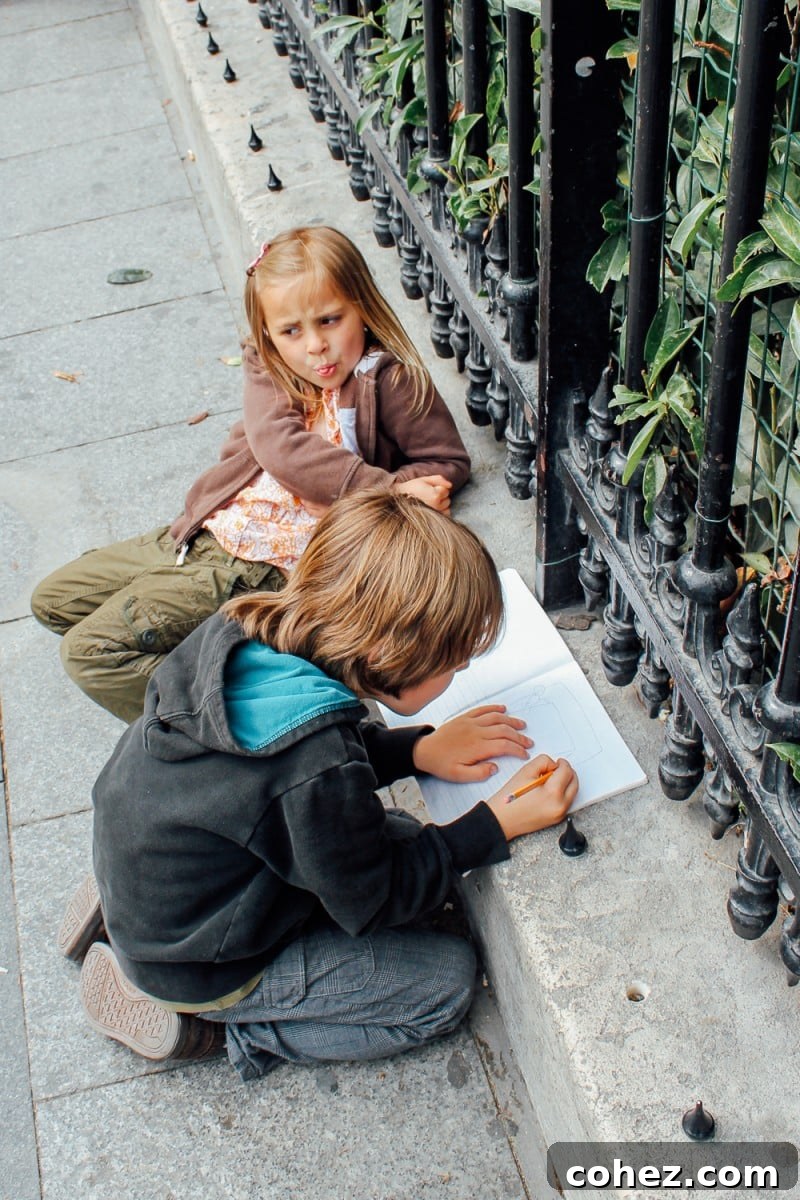
Our absolute go-to solution for museums and art galleries is the versatile scavenger hunt. These are particularly brilliant because they require minimal preparation and can be tailored to any age group or location. Before entering, or even on the spot, give your children a list of things to find: “a painting of a shipwreck,” “someone wearing a halo,” “a statue with a sword,” “a blue vase,” “an animal in a portrait”—anything goes! You can adjust the difficulty level to suit their age and attention span, and if they complete the list too quickly, simply add more items. A small reward at the end of a successful hunt is always a powerful motivator, especially if it’s something you were already planning to get for them, like a treat or a souvenir. This turns passive viewing into an active, exciting quest.

A little foresight can also reveal that many cultural institutions are actively working to be more child-friendly. Some cities, particularly in Europe, boast museums and galleries that go above and beyond to cater to younger visitors, transforming them into excellent family-friendly attractions. For instance, in London, the renowned Victoria & Albert Museum frequently offers engaging family trails and even provides its own themed scavenger hunts. The National Maritime Museum in Greenwich provides a huge array of interactive exhibits and special activities for kids, especially during school holidays. Even historic sites like Windsor Castle offer specially designed audio guides for younger visitors, which our children absolutely adored and couldn’t get enough of.

Before your trip, always check the websites of major attractions for “families” or “kids” sections. You might uncover special workshops, interactive exhibits, or guided tours tailored for little ones. And once you arrive, it’s always worth making a quick stop at the information desk. Friendly staff can often provide invaluable tips on kid-specific resources, maps, or activities that might not be prominently advertised online. Involving children in the selection of activities and ensuring a good balance of adult and child-focused entertainment will lead to a more harmonious and enriching experience for everyone.
Prioritizing Well-being: Medicines and Safety While Traveling with Kids
When we are in our familiar home environment, we often take for granted the ease with which we can access essential items like bandages, over-the-counter medicines, or a doctor. However, when you’re traveling internationally or in less developed regions, these seemingly simple necessities can become surprisingly difficult to locate, regardless of how well-stocked a local pharmacy might appear to be. Language barriers, unfamiliar brands, and differing regulations can turn a minor ailment into a major source of stress when you’re far from home.
Given that scraped knees, minor cuts, insect bites, or bouts of hay fever are almost guaranteed occurrences when active children are involved, you will be exceptionally glad you came equipped with the basics. A thoughtfully assembled, compact first aid kit is an indispensable item for any family travel itinerary. It means that minor injuries or discomforts can be swiftly addressed, preventing a small inconvenience from escalating into a disruptive crisis and allowing your kids to get back to enjoying their adventure without delay.
Our family never ventures anywhere without a carefully curated selection of essentials: a variety of bandages, antiseptic wipes, children’s pain relievers (like ibuprofen or acetaminophen), disinfectant cream, and cough medicine or decongestants. We also include any prescription medications our children regularly take, along with copies of their prescriptions. Sunscreen and insect repellent are also vital depending on your destination. We have never once regretted the effort of traveling prepared; in fact, there have been numerous instances where having these items immediately on hand has saved us considerable time, stress, and discomfort. Beyond medicines, always carry copies of important documents (passports, visas, travel insurance information, emergency contacts), and know the local emergency numbers. Teach children basic safety rules, like staying close in crowded places and knowing what to do if they get separated. Prioritizing health and safety ensures that the only surprises you encounter are good ones.
Embrace the Adventure: Concluding Thoughts on Family Travel
Traveling with children, while demanding, is an unparalleled journey of growth, discovery, and profound connection. It forces you to slow down, see the world through fresh eyes, and appreciate the simple joys that often get overlooked in the rush of daily life. The challenges transform into shared family stories, and the triumphs become deeply cherished memories. By embracing careful planning, maintaining flexibility, and prioritizing the well-being and engagement of your little explorers, you can unlock the full potential of every adventure.
The world is brimming with incredible opportunities for families to explore together, fostering a lifelong love for travel and learning in your children. If you’re looking for inspiration on where to embark on your next adventure, consider two destinations that our family absolutely adored and found incredibly rewarding: the stunning coastlines and rich history of Wales, and the captivating natural beauty and welcoming culture of Sweden! Each offers unique experiences perfectly suited for making lasting family memories. So pack your bags, prepare your little adventurers, and get ready to create some extraordinary moments together.