
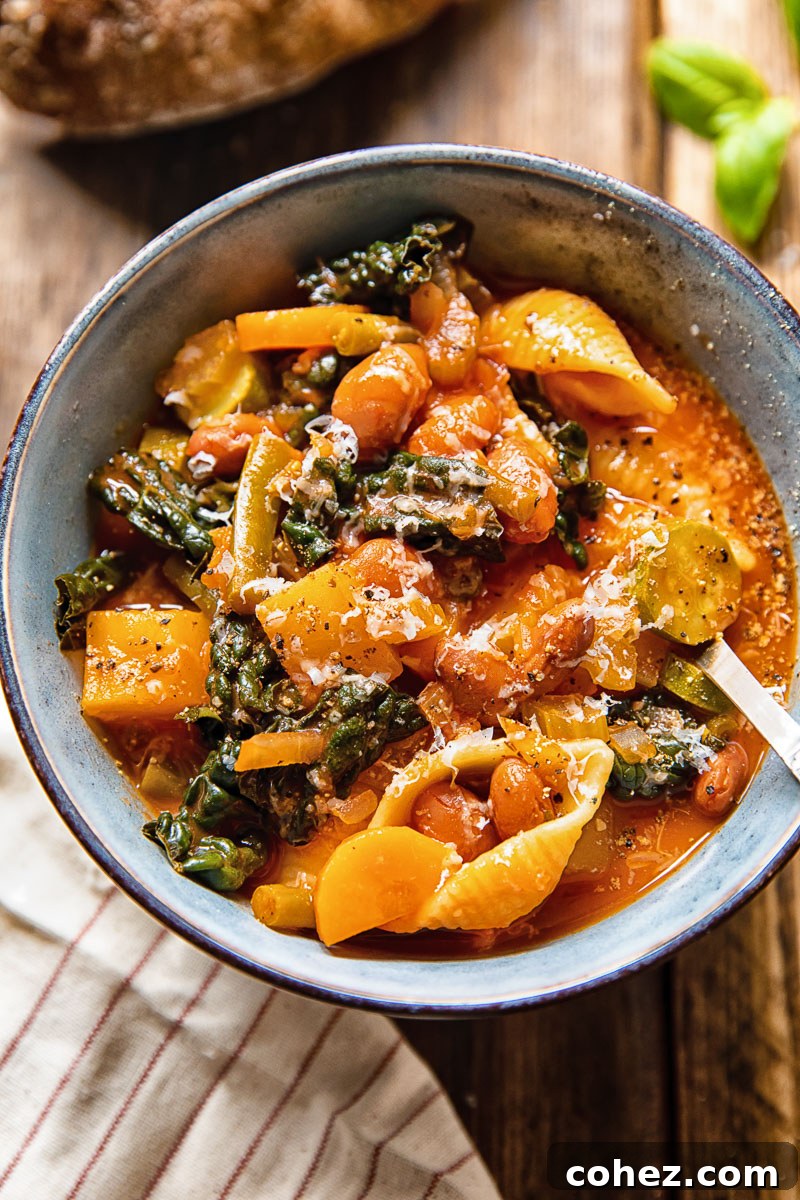
Minestrone: The Quintessential Italian Vegetable Soup for Every Season
Minestrone, a name synonymous with wholesome Italian comfort, is undeniably the ultimate vegetarian soup recipe. It effortlessly ticks all the boxes for a winning dish in any kitchen. From being incredibly cost-effective to profoundly nutritious, offering low prep and cooking times, proving immensely filling, and boasting an irresistibly delicious flavor profile, this soup is a culinary champion. More than just a soup, this hearty creation comfortably bridges the gap between a robust soup and a flavorful vegetable stew. Its thick, satisfying consistency makes it a complete, nourishing meal, perfect for a steaming pot on a crisp autumn evening or any time of year.
This magnificent, meat-free soup is a powerhouse of nutrition, rich in plant-based protein thanks to a generous portion of pulses. However, should you crave a meaty touch while still embracing these classic Italian flavors, you might explore options like a chicken meatball soup, which offers a different take on hearty and comforting broth-based meals.
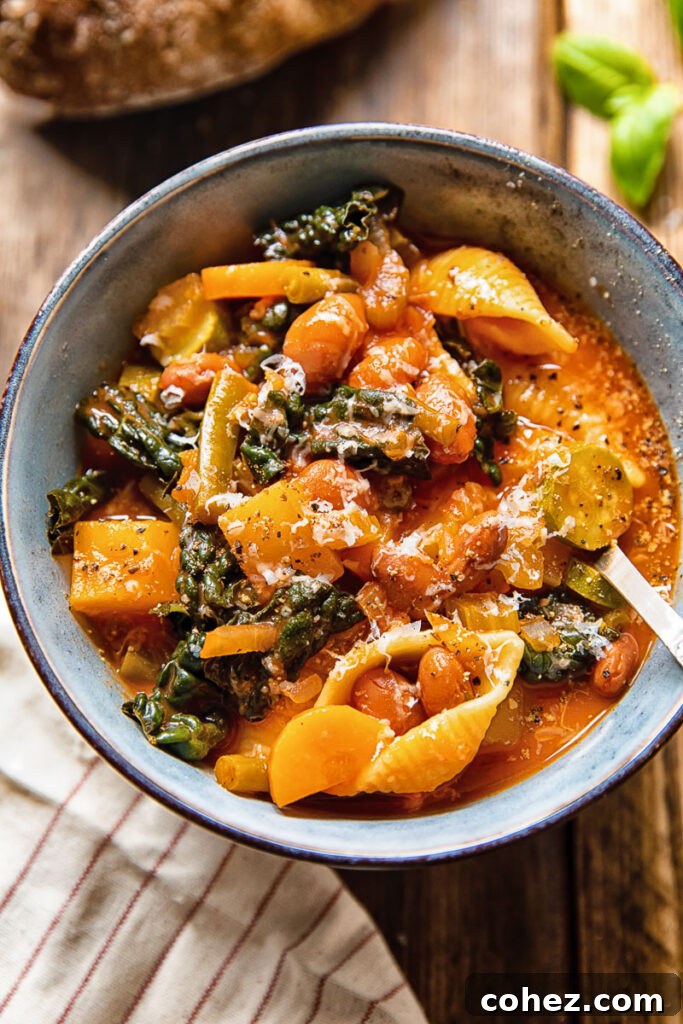
There’s a unique satisfaction that comes from transforming forgotten vegetables, half-used pasta packets, and various tins haunting your pantry into something truly extraordinary. It’s a culinary triumph, turning potential waste into a wholesome, flavorful, and incredibly filling family meal. This philosophy of using what you have on hand is at the very heart of minestrone, making it an excellent recipe for practical and resourceful cooking. Dive into your kitchen, gather those sundry ingredients, and embark on a delicious journey of resourcefulness.
What is Minestrone Soup? A Journey Through Italian Heritage
This world-renowned Italian soup boasts origins as humble as they are ancient, tracing its roots back to the days of the Roman Empire. For centuries, before its comparatively recent surge in global popularity, minestrone was fundamentally considered a peasant food. It epitomized a frugal yet ingenious approach to cooking, designed to maximize the use of seasonal grains, pulses, and vegetables readily available to common folk. Historically, meat was a rare and precious commodity, so it seldom featured in traditional minestrone, underscoring its primarily vegetarian nature.
Minestrone is a quintessential example of *cucina povera*, a culinary philosophy that literally translates to ‘poor kitchen’ or ‘kitchen of the poor’. This enduring cooking tradition, celebrated for its resourcefulness, aims to ensure that nothing edible goes to waste. It transforms simple, often overlooked ingredients into dishes that are both deeply nourishing and incredibly flavorful. My various minestrone recipes, much like a hearty Tuscan chickpea soup or the vibrant Spring Minestrone, are modern homages to this timeless approach, each celebrating seasonal produce and pantry staples. The enduring legacy of *cucina povera* is evident in minestrone’s adaptability and its ability to deliver a delicious, varied, and complete one-pot meal, a testament to why this recipe has thrived for centuries across Italy and beyond.
The Versatility of Ingredients: A Seasonal Symphony
While minestrone’s essence remains true, typically featuring pasta, legumes, tomatoes, an assortment of vegetables, and a finishing touch of Parmesan cheese, the beauty of this dish lies in its boundless adaptability. There truly is no single, rigid recipe for minestrone. In the days before refrigeration and global transport, the ingredients were entirely dictated by what was seasonal and locally available. This historical constraint is now a celebrated trend, allowing for endless creativity in the modern kitchen.
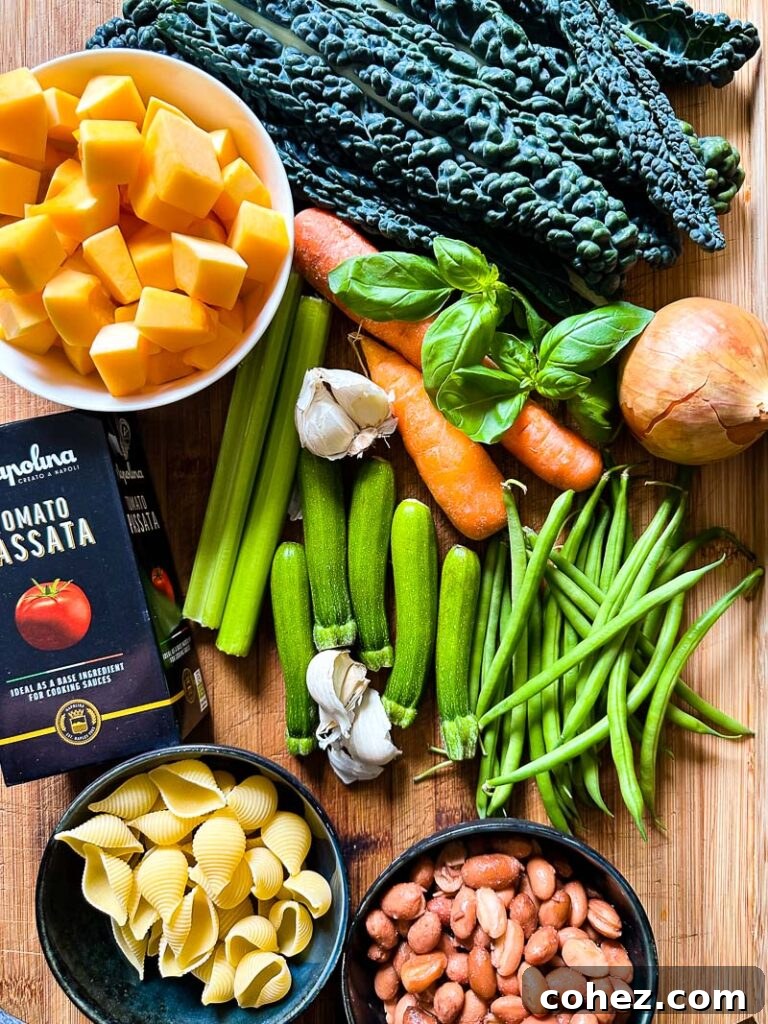
For instance, my recipe today might feature small pasta, hearty borlotti beans, crisp green beans, sweet butternut squash, tender zucchini, and nutrient-rich Tuscan kale. Yet, on another occasion, the same spirit of minestrone could manifest with broken pieces of fusilli pasta substituting for small pasta, creamy cannellini beans, vibrant spinach, plump broad beans, and starchy potatoes. This inherent flexibility means you can effortlessly tweak and tailor the soup to suit your personal tastes and, more importantly, the ingredients you currently have on hand. Embrace this tradition by letting your pantry and the season guide your choices.
While traditionally a vegetarian dish, minestrone graciously welcomes the addition of meat if that aligns with your preference. A few strips of crispy bacon, savory pancetta, or even a spicy kick from chorizo can transform the flavor profile. For those feeling adventurous and truly embodying the *cucina povera* spirit, exploring less common additions like sweetbreads (a historical delicacy) speaks to the dish’s roots as a meal of necessity and innovation.
Crafting Your Perfect Bowl: Expert Tips for Success
- Embrace Flexibility: Minestrone is more a method than a strict recipe. This liberating fact means you can confidently go off-script, using up any lonely or aging vegetables that might be sadly waiting in the bottom of your fridge. Think of it as a delicious clean-out meal.
- Meat or No Meat: While originally, and generally, a vegetarian soup, this is one rule that’s perfectly fine to break. If a meal isn’t complete for you without meat, or if you have leftover bacon or pancetta that needs using, these additions will be warmly welcomed. Pancetta offers a wonderful salty depth, while sausage or sliced chicken can provide a more substantial protein component.
- The *Cucina Povera* Philosophy: My personal philosophy aligns closely with *cucina povera*. I truly appreciate this meat-free soup for what it fundamentally is: a low-cost, incredibly efficient meal that minimizes waste while maximizing flavor. Therefore, I rarely buy ingredients specifically for minestrone, preferring instead to utilize what I already have available. This approach not only saves money but also sparks creativity.
- Start with Fresh (if preferred): For newcomers to minestrone making, it’s absolutely fine to buy fresh ingredients initially. This can feel safer and help you get comfortable with the process. However, I have a strong suspicion that after a few attempts, you’ll quickly get the hang of minestrone’s adaptable nature and find yourself confidently going freestyle, inventing delicious combinations with whatever your pantry holds.
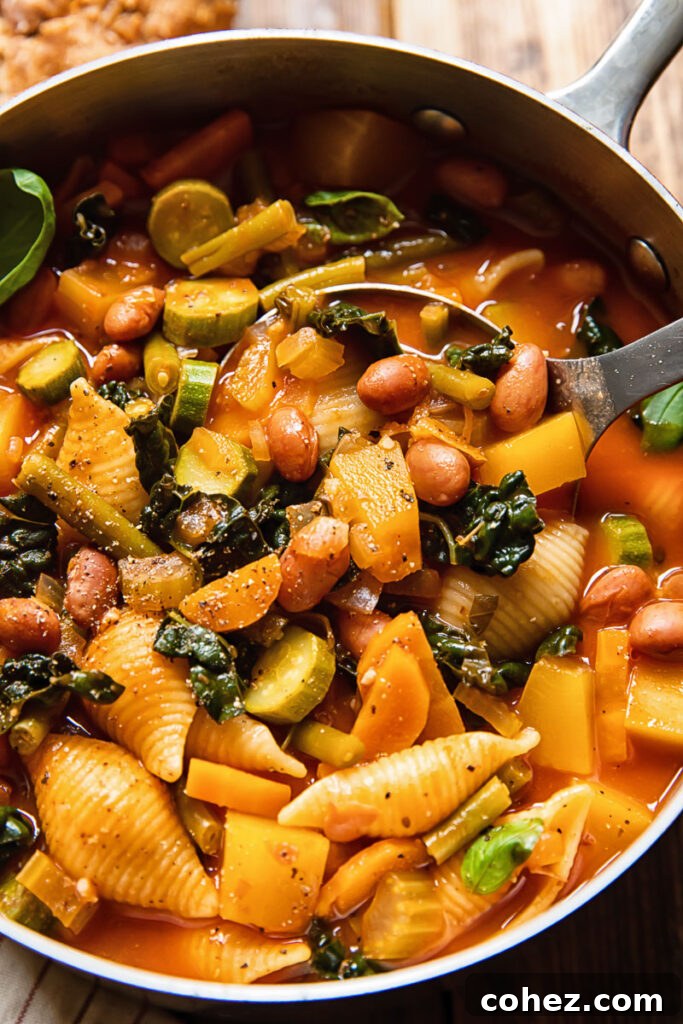
- Layer for Texture and Flavor: Do not be tempted to throw all your ingredients into the pot at the same time! Your dense squash and delicate pasta have vastly different cooking times. Be considerate of your legumes, root vegetables, and pasta, adding them in stages according to their required cooking duration. This careful layering will reward you with a soup rich in varied textures and distinct flavors, rather than an unappetizing minestrone mush.
- The Perfect Companion: Nothing complements a hearty bowl of minestrone better than a substantial piece of rustic bread. A light and airy focaccia bread, with its inherent Italian charm, speaks the same culinary language. Alternatively, a dense and chewy sourdough loaf is perfect for soaking up every single soupy, flavorful drop. If you prefer a more complete meal, perhaps a flavorful sandwich served alongside your soup is more your style.
- Achieving Desired Consistency: Minestrone is characteristically a thick, stew-like soup, brimming with ingredients. If you prefer a lighter, more brothy consistency, simply increase the amount of vegetable or chicken stock you add. Adjust the liquid to achieve your ideal bowl.
Storage & Enjoying Leftovers: Maximize Your Minestrone
In the true, resourceful spirit of *cucina povera*, if you find that your culinary efforts have resulted in clearing your fridge and cupboards of all the delightful odds and ends, yielding a vat of minestrone soup large enough to nourish a small Italian village, rejoice! This soup is an excellent candidate for freezing. Simply transfer the cooled minestrone into freezer-safe containers, leaving a little headspace for expansion. It will happily keep in the freezer for up to three months, ensuring you have a convenient, homemade meal ready whenever cravings strike.
When you’re ready to enjoy it, thaw the frozen minestrone overnight in the refrigerator. Then, reheat it gently on the stove top over medium heat. To ensure food safety and optimal enjoyment, make sure the soup comes to a full boil and then simmers for a few minutes before serving. This ensures it’s heated thoroughly throughout.
For more immediate consumption, any leftovers can be refrigerated for 2-3 days in an airtight container. It’s worth noting that the pasta in minestrone tends to absorb some of the liquid during refrigeration (or freezing). If you prefer a more traditional soup consistency rather than a thicker stew, simply add a couple of splashes of water or extra stock when reheating to achieve your desired texture.
Other Hearty Soup Inspirations
- Beef Cabbage Soup
- Potato and Sausage Chowder
- Borscht
- Corn Chowder
Harvest Minestrone

Ingredients
- 1 tbsp olive oil, extra virgin
- 1 stalk celery
- 1 carrot
- 1/2 onion
- 3 cloves garlic
- 500ml / 2 cups canned tomato passata or crushed tomatoes
- 4-5 basil leaves , or ½ tsp dried basil
- 1/2 tsp dried oregano
- Salt to taste
- 1 litre / 4 cups vegetable or chicken stock
- 350g / 2 cups butternut squash, peeled and diced
- 100g / 1 cup green beans
- 400g / 14oz canned borlotti beans, drained
- 100 g / 5 baby zucchini, sliced
- 70g / 1 cup small pasta
- 50g / 1½ cups cavolo nero/tuscan kale
- 1-2 tbsp parmesan cheese, grated
Instructions
-
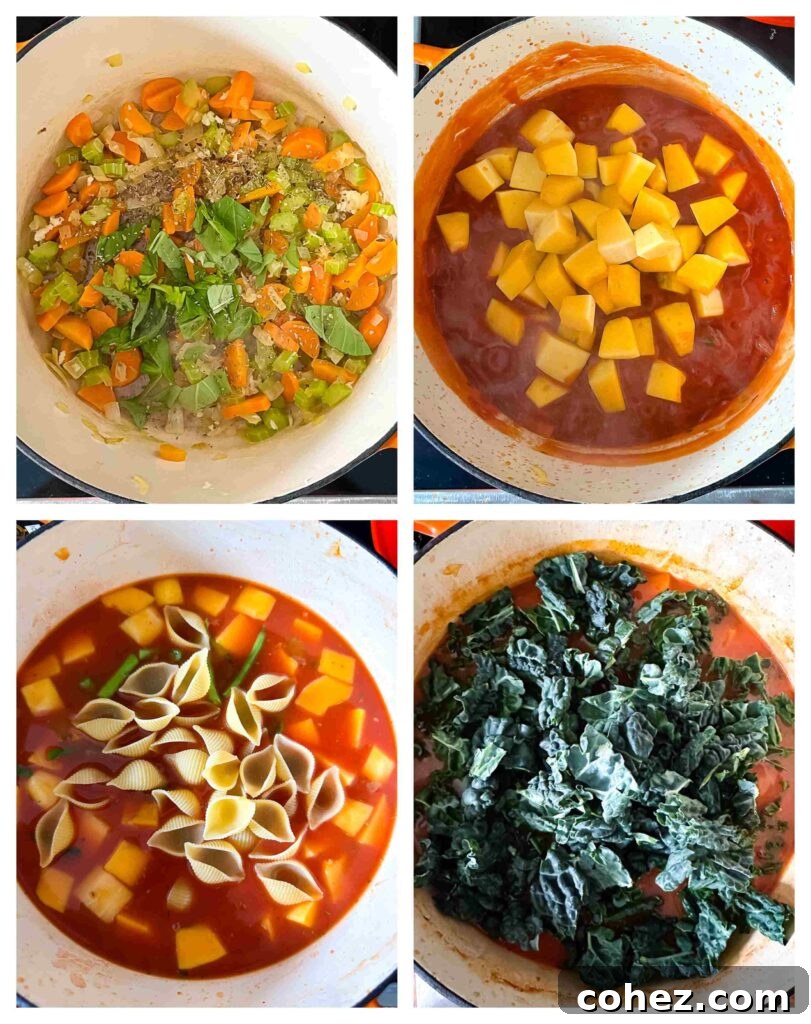
Heat the olive oil in a large soup pot over low heat. Add the chopped onion, sliced carrot, and celery, and sauté for 5 minutes until softened. Then, stir in the minced garlic and cook for another 30 seconds until fragrant.
-
Pour in the canned chopped tomatoes or passata, diced butternut squash, fresh basil leaves (or dried basil), and dried oregano, along with a pinch of salt. Mix all ingredients well to combine. Cover the pot and let the vegetables cook for 5-7 minutes. This step allows the tomatoes to break down and the flavors to deepen and meld beautifully.
-
Add the vegetable or chicken stock, green beans, canned borlotti beans (drained), and small pasta to the pot. Bring the mixture to a boil, then reduce the heat and simmer for 10 minutes, or until the pasta is nearly al dente.
-
Finally, add the diced zucchini and kale to the soup. Continue to cook for another 5 minutes, allowing these tender vegetables to soften without becoming mushy. Taste the soup and adjust seasoning with salt and pepper as needed.
-
Serve your Harvest Minestrone hot, generously topped with grated Parmesan cheese for an authentic touch.
Nutrition
Nutrition information is automatically calculated, so should only be used as an approximation.