Ultimate Rome Travel Guide: Discover the Best Places to Visit in the Eternal City
Journey into the heart of history and culture. Here’s our definitive guide to the best places to visit in Rome, ensuring an unforgettable experience in the Eternal City.
After immersing yourself in Rome’s ancient wonders, why not extend your Italian adventure? Consider a breathtaking journey along the magnificent Amalfi Coast, famous for its dramatic cliffs, charming villages, and exquisite wines. Planning a self-guided exploration? Discover our expert advice for an authentic do-it-yourself wine tour of this legendary coastal region!
Having embarked on numerous adventures across Italy, it’s almost a marvel that our visit to Rome took so long to materialize. Yet, the Eternal City stands undeniably as one of the globe’s indispensable travel destinations, gracing every serious explorer’s bucket list. For many, the allure of Rome begins long before arrival, perhaps kindled by the timeless romance of Audrey Hepburn and Gregory Peck in ‘Roman Holiday,’ or simply by the sheer weight of its historical significance and profound cultural heritage.
Rome isn’t merely a city; it’s a living monument to an empire that shaped the Western world, a place where every road once converged. Its iconic landmarks, like the colossal Colosseum, are so deeply ingrained in our collective consciousness that they often appear as desktop backgrounds or wall calendars long before we ever set foot on its ancient streets. This pre-existing grandeur builds an immense sense of anticipation, creating a unique challenge for any first-time visitor hoping to reconcile imagination with reality.
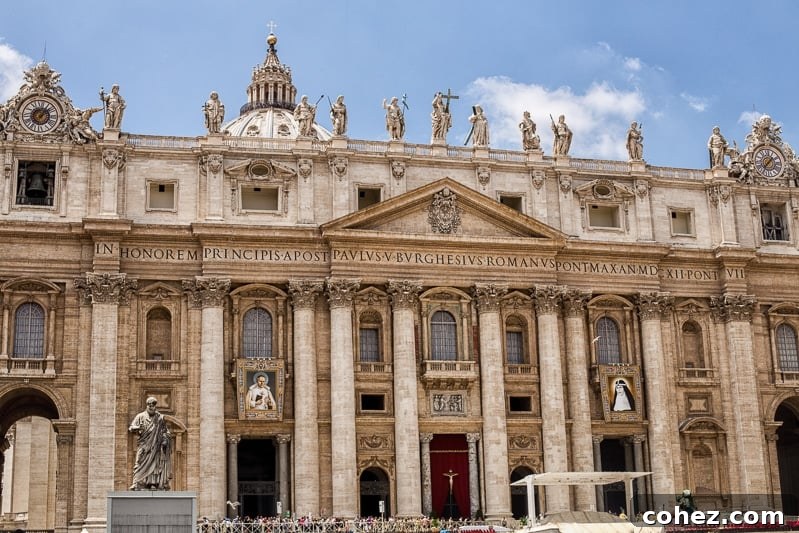
Indeed, such widespread recognition comes with its own set of complexities. Upon arrival, visitors often find themselves swept into a well-oiled tourist machine. The sheer volume of people passing through means that efficiency sometimes takes precedence over the opportunity to truly absorb the profound mystery and intricate intrigue that should emanate from such a historically rich locale. While the setting is undeniably grand, this bustling atmosphere sometimes overshadows the intimate charm found in Italy’s smaller, less well-known cities, which often offer a more tranquil and personal experience.
As seasoned independent travelers who prefer to explore at our own pace, navigating Rome presented its unique set of challenges. The omnipresent long queues for nearly every major attraction made spontaneous exploration difficult. We quickly realized that investing in guided tours was a practical solution to bypass these formidable lines, saving precious time and energy. While this did increase the overall cost, and tour groups could be quite large, making it hard to catch every detail in crowded spaces, the trade-off for skipping hours in the scorching sun was often worthwhile. Planning ahead and strategically choosing tours becomes paramount for a smoother Roman holiday, allowing you to maximize your time and minimize frustration.
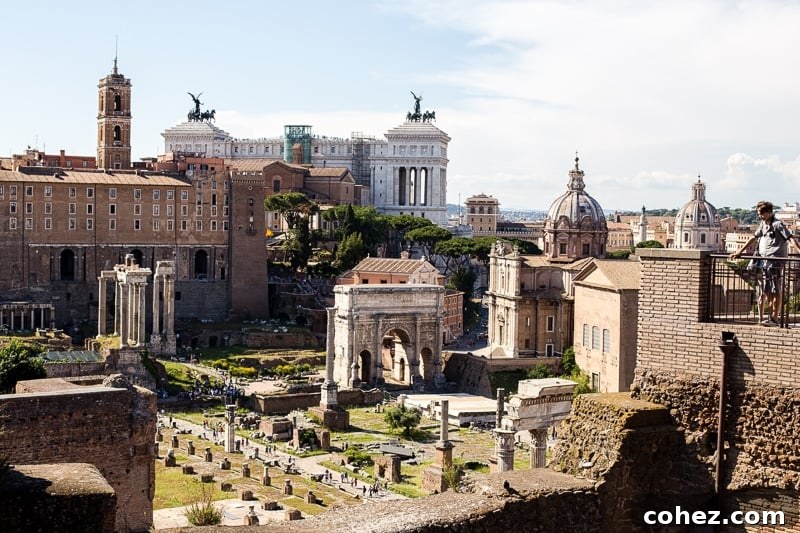
Essential Sights: What to See in Rome
The true challenge when visiting Rome isn’t finding things to see, but rather curating a manageable itinerary from an overwhelming list of historical sites, artistic masterpieces, and vibrant urban spaces. To help you plan your perfect Roman adventure, we’ve highlighted the absolute must-sees, offering tips to enhance your experience.
Ancient Rome: Colosseum, Roman Forum, and Palatine Hill
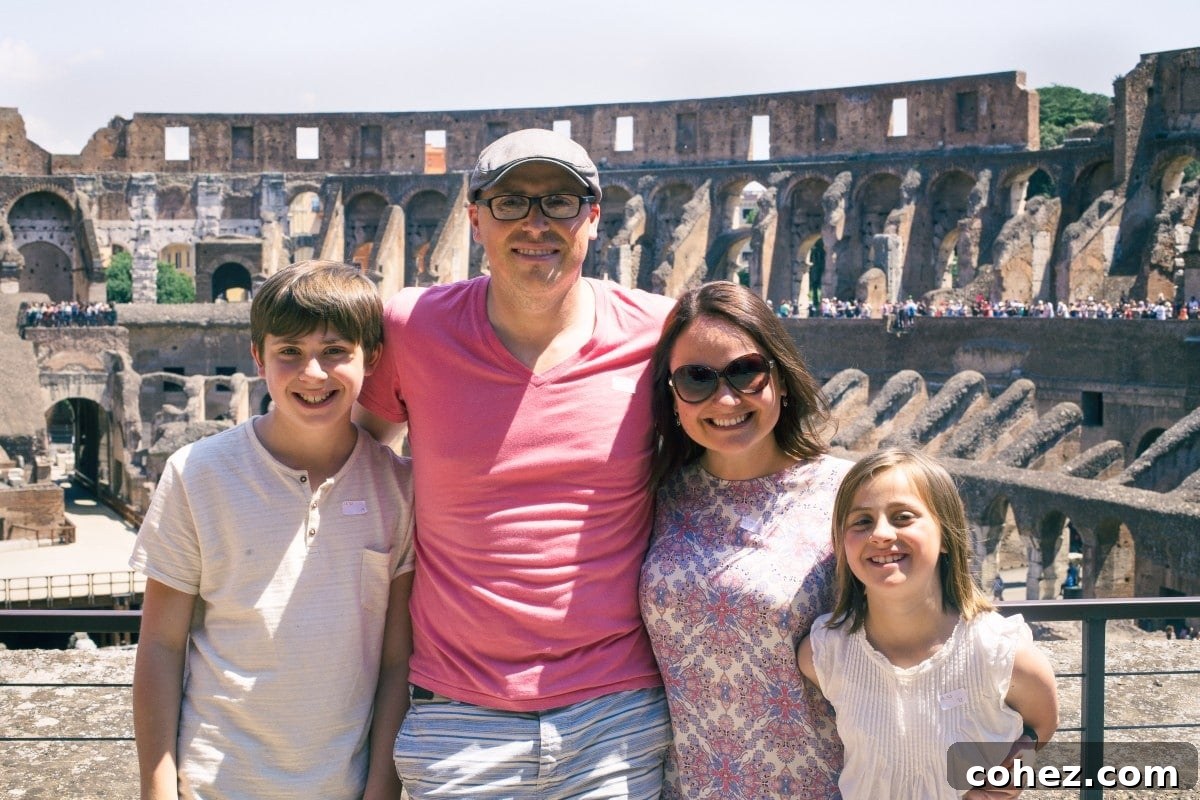
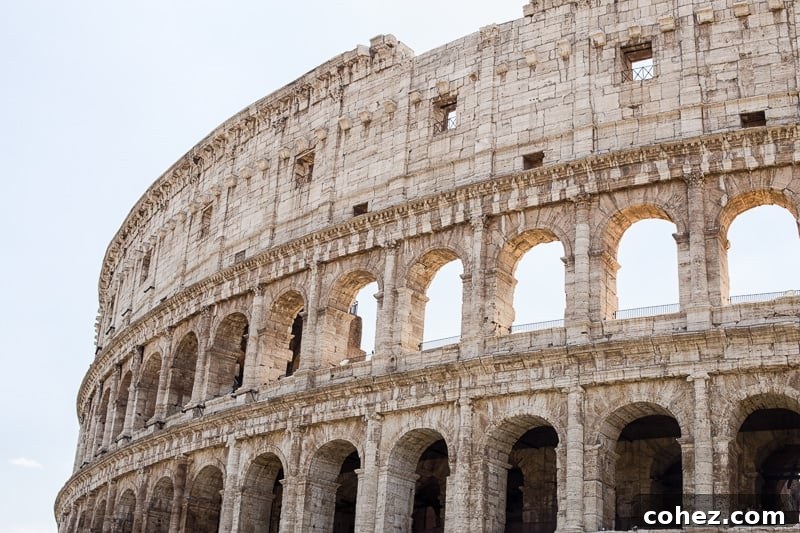
A journey to Rome would be utterly incomplete without experiencing the grandeur of the Colosseum. This iconic amphitheater lives up to its legendary reputation, a breathtaking testament to ancient Roman engineering and spectacle. Its sheer scale and dramatic history, where gladiators once battled and emperors presided, are guaranteed to leave an indelible impression. Be warned, however: the lines to enter are as epic as the structure itself. To maximize your time and avoid long waits under the intense Italian sun, consider booking skip-the-line tickets or joining a guided tour in advance. While it adds to the cost, the convenience and comfort are invaluable, allowing you more time to explore inside.
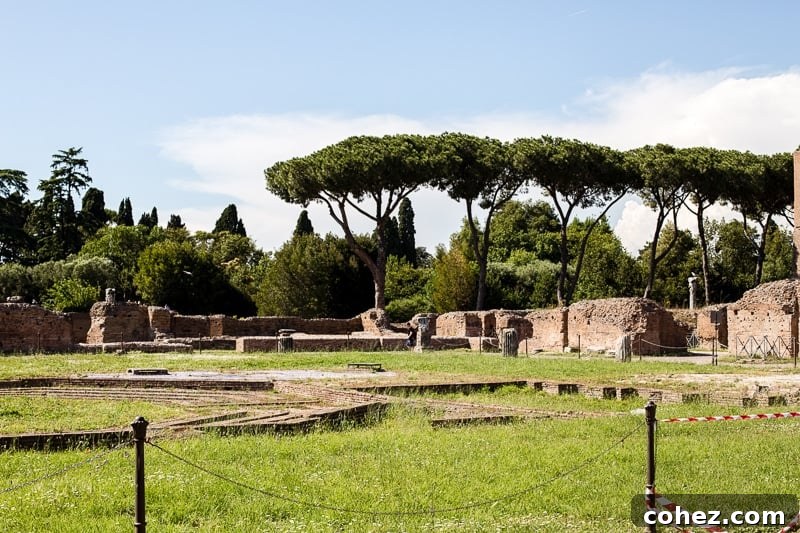
Adjacent to the Colosseum, your exploration should continue up the Palatine Hill, one of Rome’s seven hills and believed to be the spot where Romulus founded the city. This archaeological site offers stunning panoramic views of the Colosseum and the Roman Forum below. From here, you’ll descend into the sprawling ruins of the Roman Forum, the ancient civic heart of Rome, once a bustling marketplace, political center, and religious hub. Both sites offer wide-open spaces, providing a welcome sense of freedom after the bustling Colosseum. Crucially, they also offer pockets of shade among the ruins, a true blessing on warm days.
For these extensive archaeological areas, a guided tour proves exceptionally beneficial. Without expert narration, the scattered ruins can sometimes appear as just stones. A knowledgeable guide, however, can breathe life into the marble, offering context to the temples, basilicas, and public spaces that once buzzed with activity. Allocate ample time and energy to wander through these historic grounds, imagining the daily life of a thriving empire and the great minds who once walked these very paths.
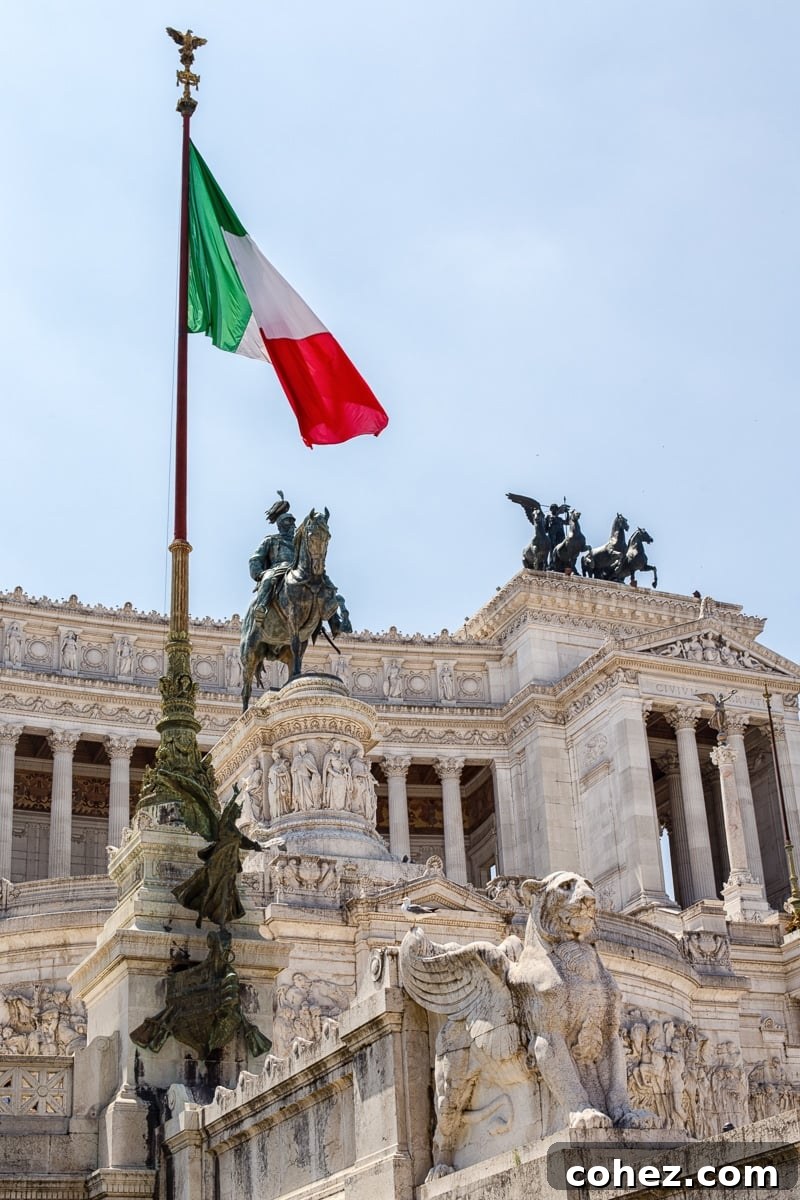
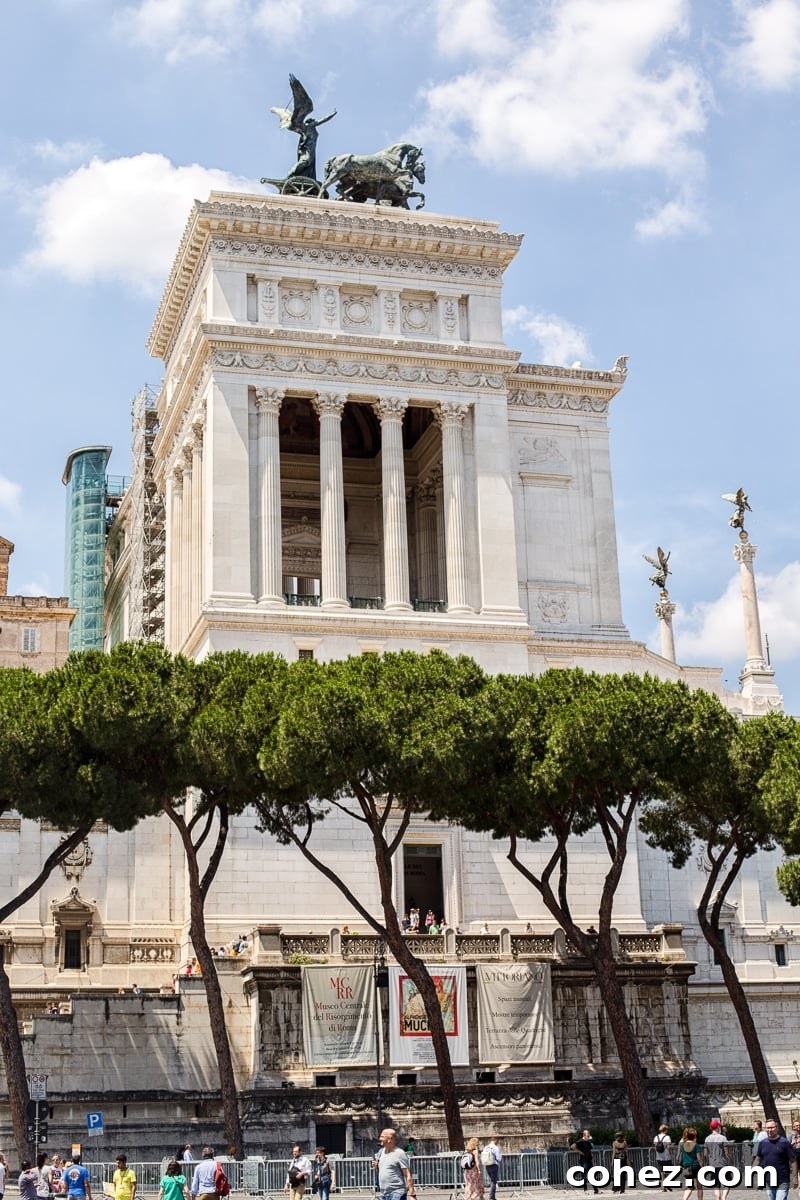
Dominating Piazza Venezia is the colossal Altare della Patria, also known as the Monumento Nazionale a Vittorio Emanuele II, or more informally, the “Wedding Cake.” This rather imposing, brilliant white marble structure serves as a national memorial to Victor Emmanuel II, the first king of unified Italy, and to the soldiers who perished in World War I. While some Romans have playfully (or perhaps derisively) dubbed it the “typewriter” or “wedding cake” due to its tiered design, its sheer scale and intricate details are undeniably impressive. A climb to the top rewards visitors with some of the most spectacular panoramic views of Rome, stretching from the Colosseum to the Tiber River, offering a fantastic photo opportunity and a different perspective of the city.
Vatican City: The Spiritual Heart of Rome
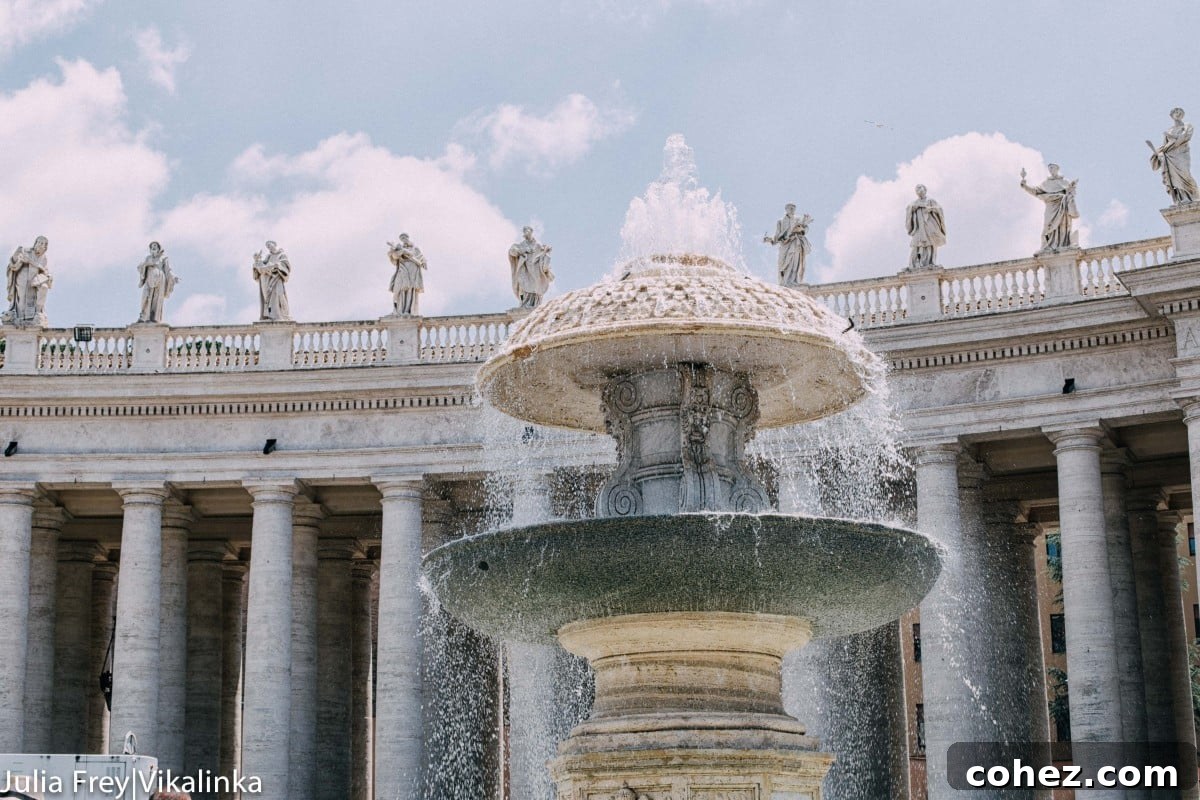
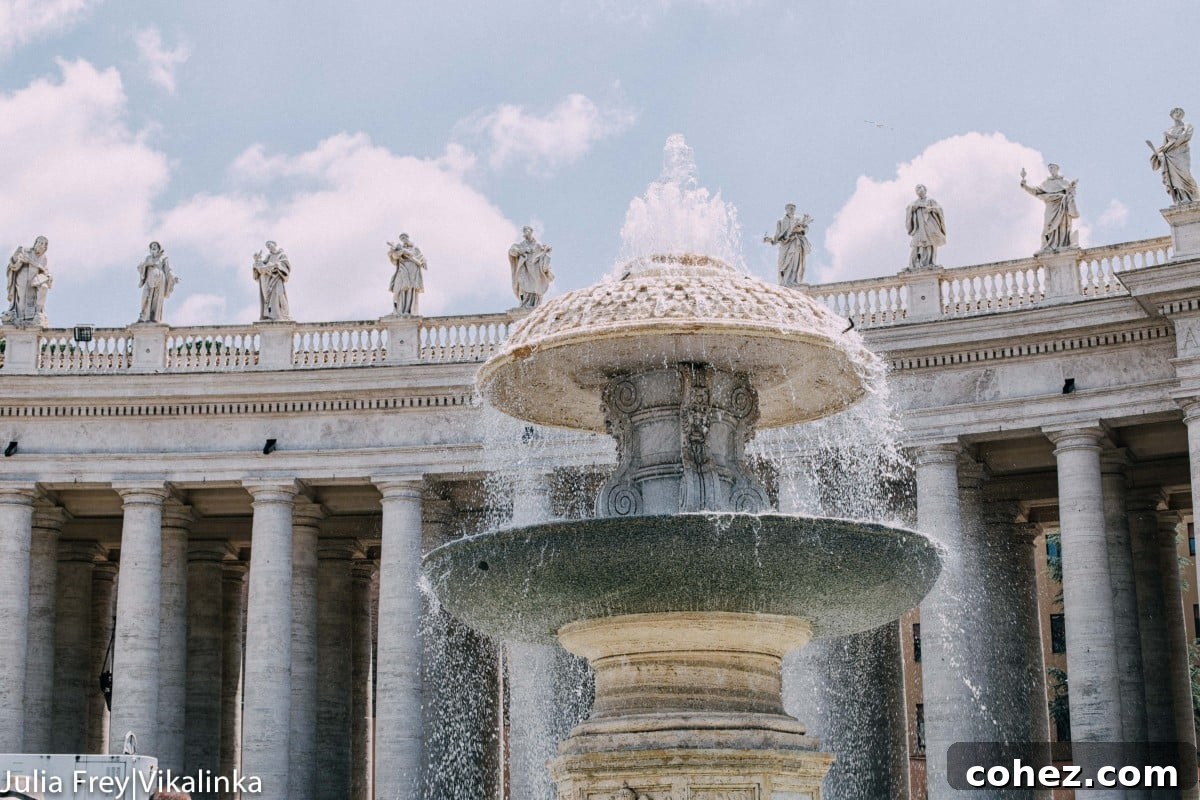
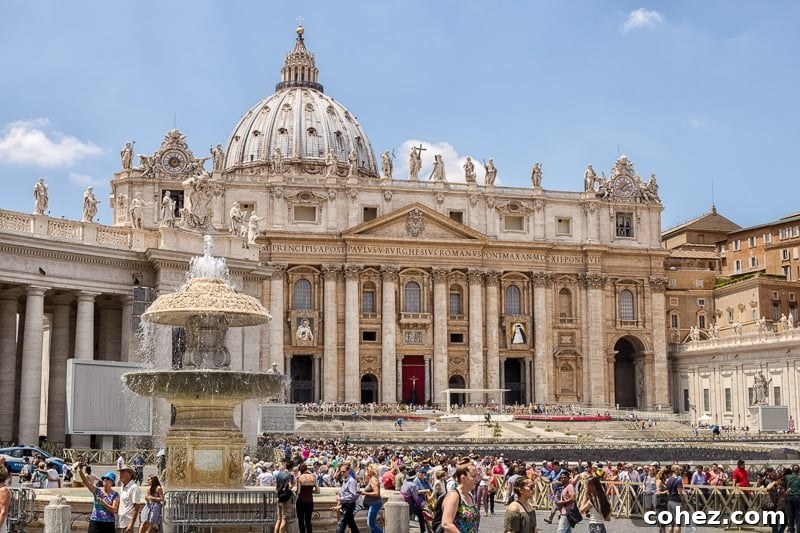
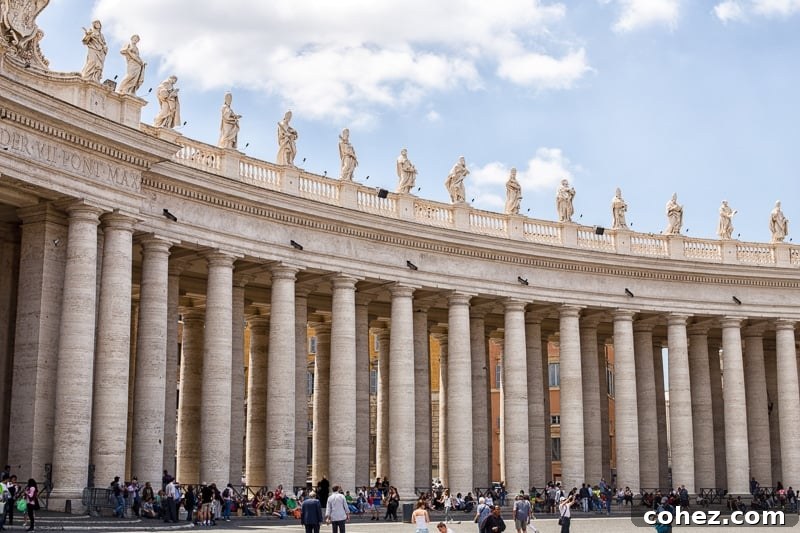
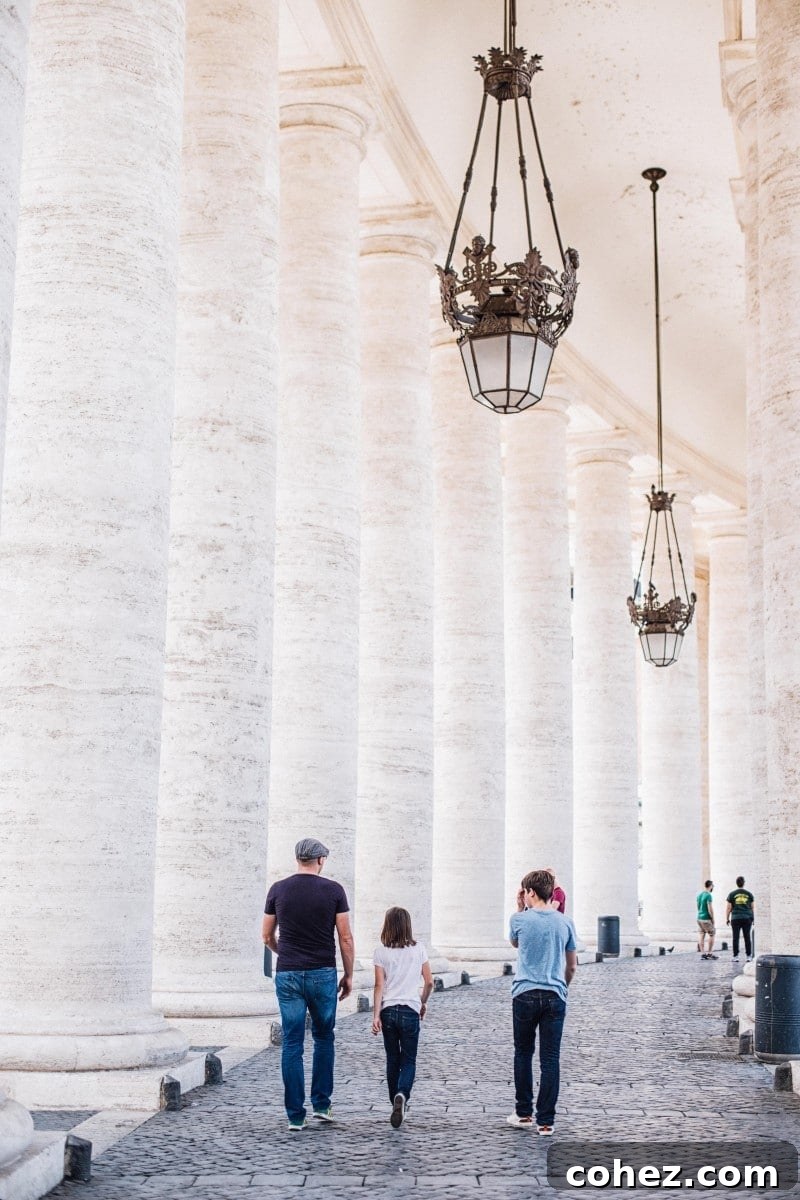
A visit to Vatican City, the smallest independent state in the world and the spiritual heart of the Roman Catholic Church, is undoubtedly near the top of every Rome visitor’s itinerary. This microstate houses unparalleled artistic and religious treasures, including St. Peter’s Basilica, the vast Vatican Museums, and the breathtaking Sistine Chapel. However, its immense popularity also makes it one of the most overwhelmingly crowded destinations. The sheer number of visitors often detracts from what should be a serene and deeply moving experience.
The primary focus for many visiting the Vatican becomes navigating the dense throngs. The experience can feel less like an artistic pilgrimage and more like an exercise in crowd management. It’s not uncommon for visitors to be so preoccupied with moving through the masses that they might, tragically, forget to truly look up and absorb the magnificence, as was the case for one of our companions in the Sistine Chapel. To make the most of your visit, consider booking the earliest possible entry time, opting for small-group tours that offer skip-the-line access, or even exploring evening tours if available. While the Vatican itself remains a remarkable and beautiful complex, careful planning is essential to mitigate the impact of the crowds and allow for genuine appreciation of its wonders.
Beyond the Classics: Pantheon, Trevi Fountain, and Spanish Steps
Stepping away from the monumental ancient sites, Rome continues to enchant with equally impressive, yet often more accessible, wonders that define its character.
The Pantheon, a marvel of ancient Roman architecture, offers a dramatic and surprisingly free experience. Originally a temple dedicated to all Roman gods, it was later consecrated as a Catholic church, serving as a mausoleum for notable Italians, including Raphael. Its most astounding feature is the massive, unreinforced concrete dome with its central oculus—a testament to the engineering prowess of its builders, defying the passage of nearly two millennia. Standing beneath the open ‘eye’ to the heavens, feeling the elements enter this sacred space, is an awe-inspiring moment, reminding visitors that ancient Romans truly “did things right.”

Just a short, picturesque stroll from the Pantheon lies the magnificent Trevi Fountain, a Baroque masterpiece and undoubtedly one of Rome’s most beloved attractions. This is a place so captivating it warrants multiple visits – seeing it in the soft glow of daytime and then again dramatically illuminated in the evening offers two entirely different, equally magical experiences. Regardless of the hour, the fountain is perpetually alive with a vibrant energy, drawing in tourists and locals alike. Tradition dictates you toss a coin over your shoulder into its waters to ensure a return to Rome, a ritual enjoyed by millions. We particularly enjoyed people-watching here, savoring a gelato and observing everything from excited first-timers to the occasional resourceful backpacker attempting to retrieve tossed coins. Arrive early in the morning for fewer crowds and better photo opportunities.
The elegant Spanish Steps (Scalinata di Trinità dei Monti), connecting Piazza di Spagna with the Trinità dei Monti church, are another iconic Roman landmark. While our visit unfortunately coincided with construction, preventing us from fully appreciating their charm, online photographs reveal their undeniable beauty and grandeur. Historically a gathering place for artists, poets, and travelers, they remain a popular spot for people-watching and soaking in the Roman atmosphere, often beautifully adorned with flowers in spring. When accessible, they offer a lovely ascent and impressive views over the bustling piazza below. It’s a perfect spot to pause and soak in the vibrant street life.
For a refreshing escape from the urban hustle and summer heat, head a little further north to the serene Villa Borghese. This expansive public park is a verdant oasis, perfect for leisurely strolls, picnics, or more active pursuits. Rent a bicycle, a pedal-powered go-kart, or even a rowboat on its tranquil lake to explore its vast grounds. Within the park, you’ll also find the prestigious Borghese Gallery and Museum, home to an exquisite collection of art, including masterpieces by Bernini, Caravaggio, and Raphael. Be sure to book tickets well in advance if you plan to visit the gallery, as entry is timed and limited.
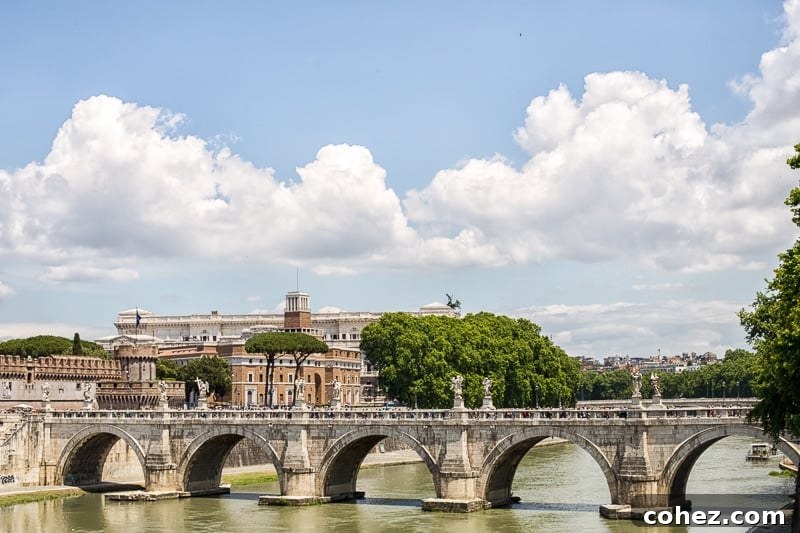
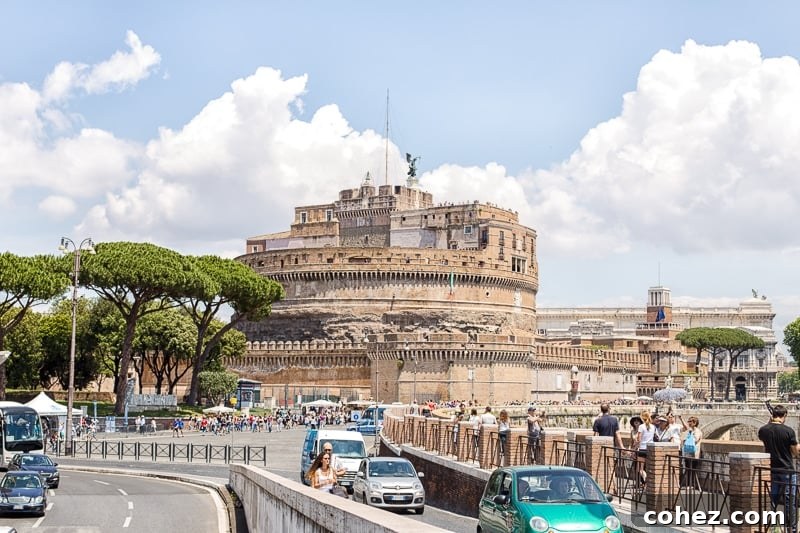
Of course, Rome’s treasures extend far beyond this list. You could delve into the mysterious underground world of the Catacombs, explore the formidable Castel Sant’Angelo—once Hadrian’s Mausoleum, then a papal fortress with a secret escape tunnel—or discover countless other museums, art galleries, and vibrant piazzas, such as the grand Piazza Navona or the charming Campo de’ Fiori. The key to a successful Roman holiday lies in meticulous planning. Research thoroughly to identify your top priorities before you arrive, and always budget for considerable time spent in lines. Crucially, allow plenty of unstructured time to simply wander Rome’s charming streets and hidden alleys; often, the most memorable discoveries are found off the beaten path, far from the pages of any guidebook. Don’t forget comfortable shoes and a reusable water bottle!
Roman Cuisine: What to Eat in Rome
Navigating the culinary landscape of Rome can be a surprisingly nuanced affair. In many other global cities, the food served in the main tourist-heavy areas might be considered perfectly acceptable and reasonably priced. However, this is Italy—a nation whose very identity is intricately woven with its unparalleled culinary traditions. Here, “decent” simply isn’t good enough; Italian food should be nothing short of amazing, a celebration of fresh ingredients and time-honored techniques.
Regrettably, cities swarming with international tourists often fall victim to culinary shortcuts. With a constant stream of new customers, there’s less incentive for establishments in prime locations to consistently deliver exceptional quality. It’s an unfortunate reality that food can sometimes be prepared with minimal effort and served with a substantial mark-up, falling short of Italy’s renowned gastronomic standards. To truly savor Roman cuisine, a little strategic planning is required.
Where to Find Authentic Roman Flavors
If your quest is for the absolute pinnacle of Italian cuisine, central Rome’s most trafficked areas might not be where you find it. But this doesn’t mean your mealtimes in the Eternal City will be anything less than delightful. Rome offers a wealth of incredible dining experiences if you know where to look and are willing to venture slightly off the main tourist drag.
For an unforgettable atmosphere, consider dining al fresco in the vibrant Piazza Navona. Surrounded by Bernini’s Fountain of Four Rivers and other Baroque masterpieces, enjoying a meal amidst street performers and artists is a truly memorable Roman evening. Similarly, the Piazza della Rotonda, directly facing the majestic Pantheon, provides an unbeatable backdrop for your dinner. Even if the food at these highly scenic spots might occasionally be geared towards tourists, the sheer magic of the setting makes it a worthwhile experience for drinks or a light meal, before seeking out a more authentic dinner elsewhere.
For an unequivocally authentic Roman culinary experience, ask any local, and they will invariably point you towards Trastevere. This charming, bohemian neighborhood, a walkable distance from the city center for the energetic, or a short taxi ride away, is well worth the journey. Trastevere (meaning “across the Tiber”) is a labyrinth of narrow, cobblestone streets, ivy-clad buildings, and bustling trattorias where the true spirit of Roman dining comes alive. Look for places packed with locals, often slightly tucked away from the main thoroughfares.
While I might struggle to recall the names of specific restaurants we visited, it almost doesn’t matter. Trastevere boasts innumerable eateries, each offering down-to-earth, authentic, and utterly delicious food at sensible prices. Every establishment seems to exude an inviting charm, and while our personal sample size was limited, the neighborhood’s stellar reputation suggests you’re unlikely to go wrong. Restaurants here are wonderfully unpretentious, often loud with lively chatter, and provide brilliant value. Come to Trastevere to savor classic Roman dishes like rich Cacio e Pepe (cheese and pepper pasta), hearty Pasta alla Carbonara (eggs, hard cheese, cured pork, and black pepper), flavorful Amatriciana (tomato, guanciale, pecorino romano), and crispy Supplì (fried rice balls with mozzarella). Here, you’ll truly feel like you’ve experienced Roman gastronomy the right way, finishing with a perfect gelato.
(Inspired to bring the taste of Italy into your own kitchen? Explore our collection of Italian recipes to get started on your culinary journey!)
Making the Most of Your Rome Visit: Managing Expectations
It feels almost unfair to express anything but unbridled adoration for a city as profoundly legendary as Rome. Indeed, any comprehensive visit to Italy – and arguably to Europe itself – would be incomplete without a pilgrimage to the Eternal City. The sheer volume of remarkable places to visit in Rome ensures that every traveler will find something to captivate their imagination and leave a lasting mark, from ancient ruins to Renaissance art, and vibrant modern life.
The historical sites themselves possess a grandeur and significance that is truly breathtaking, permanently etching themselves into memory. Beyond the ancient stones, the Romans themselves are every bit as charming, passionate, and energetic as their reputation suggests, adding another layer of richness to the experience. We are profoundly grateful for the opportunity to have walked its ancient streets and witnessed its enduring splendor, a city that seamlessly blends millennia of history with a dynamic present.
However, for those planning to follow in our footsteps, a word of advice: manage your expectations. Rome is an unparalleled destination, but it is also a city that hosts millions of tourists annually. Be prepared for the inevitable challenges that come with such popularity—the crowds, the queues, and the occasional feeling of being part of a larger, impersonal system. Embrace flexibility, plan strategically to mitigate the busiest times (like visiting popular attractions early in the morning or late afternoon), and always remember to step back and simply soak in the atmosphere. With a well-prepared mindset, comfortable shoes, and an open heart, your visit to Rome will undoubtedly be a truly unforgettable journey into the heart of history, culture, and Italian charm.