
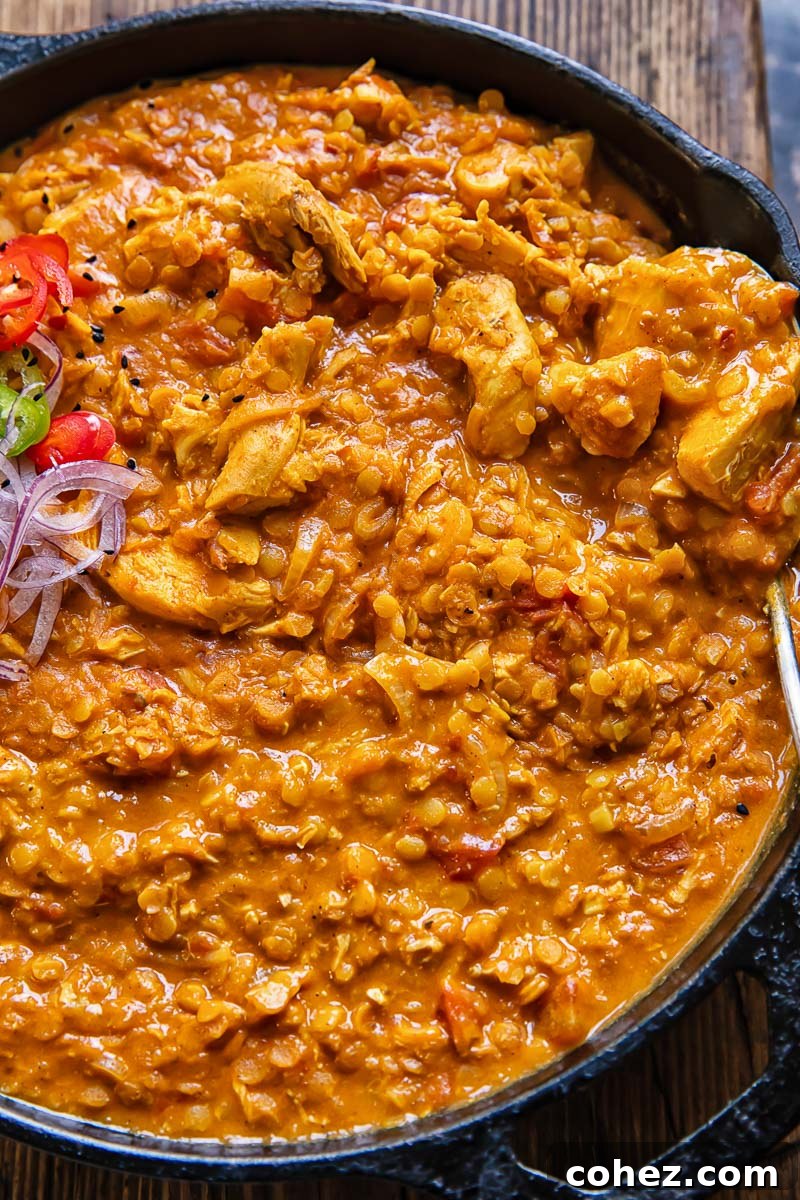
Transform Your Holiday Leftovers: The Ultimate Leftover Turkey and Lentil Curry
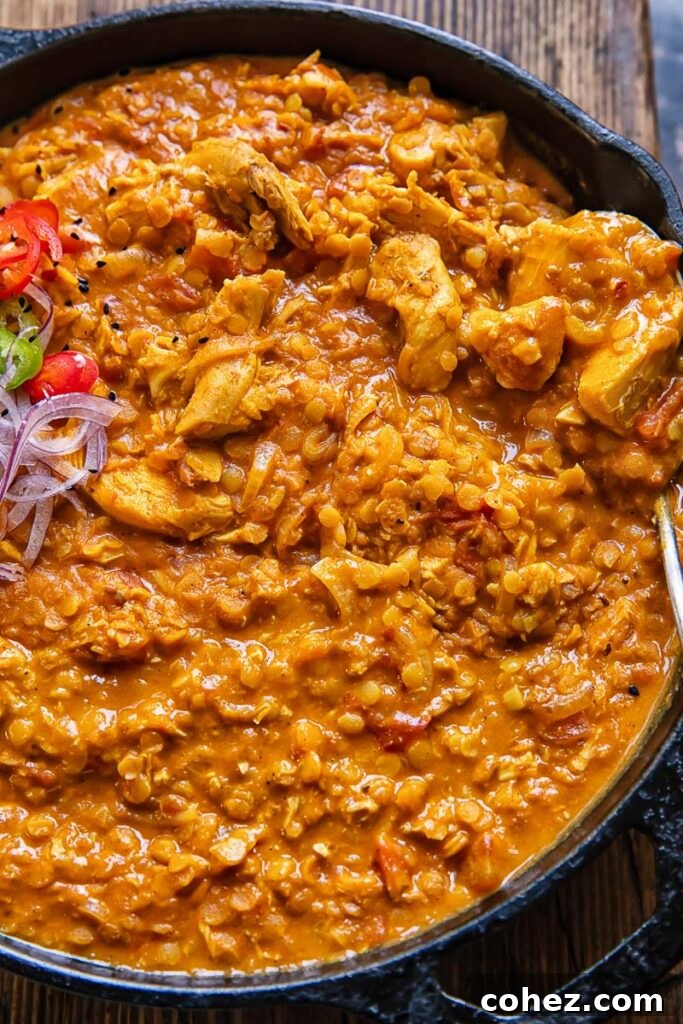
The post-holiday slump often brings a refrigerator full of delicious, yet daunting, leftovers. But what if you could transform that festive turkey into something utterly new, incredibly flavorful, and astonishingly simple? Enter the Leftover Turkey and Lentil Curry – a culinary hero designed to satisfy on multiple levels. This belly-filling, budget-friendly dish leverages a genius hack: skipping the endless array of individual spices and going straight for the convenience and balanced flavor of curry paste. The result? A perfectly harmonious, thick, and hearty lentil curry that will make a significant dent in your leftover turkey stash, proving that delicious meals don’t have to be complicated.
Beyond its fantastic taste, this recipe embodies a spirit of culinary creativity and resourcefulness. It’s a warm, comforting hug in a bowl, perfect for chilly evenings and an excellent way to extend the holiday cheer without the fuss. Whether you’re a seasoned chef or a kitchen novice, this recipe empowers you to create a gourmet-worthy meal with minimal effort.
Looking for another brilliant way to utilize leftovers and cater to diverse dietary needs? Don’t miss this delightful peas and potato curry, which also brilliantly uses a jar of curry paste to achieve rich, complex flavors with ease. It’s a fantastic vegetarian option that can help use up those extra roast potatoes, too!
The Art of Reimagining Holiday Leftovers
I am a firm believer in the nose-to-tail dining philosophy whenever possible, a practice that not only minimizes waste but also maximizes flavor and value. A holiday turkey, with its impressive size and versatility, truly lends itself to this sustainable approach. Perhaps we could even call it “beak-to-tail-feather” dining! Making the most of every part of your turkey, from the succulent meat to the rich bones, transforms potential waste into a bounty of future meals. It’s an economical and environmentally conscious way to enjoy your festive bird long after the main event.
Beyond the main course, consider the sheer variety of dishes you can create. This Leftover Turkey and Lentil Curry is just one shining example of how a little creativity can turn ordinary leftovers into extraordinary culinary experiences. It’s about more than just reheating – it’s about reinvention.
Savory Turkey Meat Creations
The cooked turkey meat is, of course, the star of many leftover dishes. Its lean texture and mild flavor make it incredibly adaptable to a range of cuisines. Don’t let it dry out; instead, embrace its potential for new and exciting meals:
- Hearty Leftover Turkey Soup: This nourishing soup is a perfect antidote to cold weather. Packed with an assortment of vegetables, substantial giant couscous, and of course, plenty of protein-rich turkey, it’s a warming and wholesome meal that feels like a comforting hug.
- Luxurious Turkey Marsala Pot Pie: Elevate your turkey leftovers with deep, complex flavors from Marsala wine. Crowned with a golden, buttery, flaky pastry, this pot pie is an impressive dish that’s deceptively easy to make, offering a touch of gourmet elegance.
- Classic Turkey á la King: A super quick, retro-inspired dish that bathes leftover turkey in a rich, creamy sauce infused with sherry. Traditionally served over rice, toast, or puff pastry, it’s a delightful trip down memory lane that comes together in minutes.
Beyond these specific recipes, diced turkey can be added to salads, sandwiches, tacos, stir-fries, or even quesadillas. The possibilities are truly endless when you start thinking creatively about this versatile protein.
The Hidden Treasure: Giblets
Never discard the giblets that often accompany your turkey (the bird’s innards like the heart, kidneys, and neck). These small but mighty components are a powerhouse of flavor. I always recommend adding them to the vegetable trivet at the bottom of the roasting pan before the turkey goes into the oven. As they cook, they release incredibly rich, meaty, and earthy flavors, forming the base for the most luscious homemade gravy imaginable. This simple step elevates your gravy from good to truly exceptional, adding depth that store-bought versions simply can’t match.
The Mighty Carcass and Bones
Once the turkey meat has been carved, don’t view the leftover bones as waste – treat them as culinary treasure! Boiling down the carcass and bones is the secret to creating nutrient-rich bone broth or an indispensable turkey stock. Stock is one of the most useful and frequently used ingredients in any kitchen. Making your own from scratch ensures you avoid the excessive salt and preservatives often found in commercial varieties, and the flavor is incomparably superior. My recipe offers a speedy version that yields this “liquid gold” in just about 4 hours, ready to be used in countless dishes.
Homemade turkey stock is foundational for so many recipes:
- Enhancing the flavor of rice, couscous, or quinoa.
- Creating rich bases for soups, stews, and sauces.
- Deglazing pans to capture flavorful fond.
- Braising meats and vegetables for added moisture and depth.
It’s a simple act of culinary alchemy that transforms potential waste into a pantry staple, ready to infuse your cooking with unparalleled flavor and goodness.
Versatile Vegetable and Potato Leftovers
And let’s not forget the abundance of leftover vegetables and potatoes! Besides the beloved Cockney classic, bubble and squeak, there are countless creative ways to repurpose these delicious remnants. Remaining cooked carrots and potatoes, for instance, are perfect for throwing into hearty soups or robust stews, adding body and flavor. You can also mash up any roast potatoes and combine them with flaked salmon for fluffy fishcakes, creating a delightful new meal. Alternatively, mix them with spare parsnips, carrots, and Brussels sprouts to form an instant, flavorful topping for a comforting shepherd’s pie. Consider making vegetable fritters, adding them to omelets or frittatas, or simply sautéing them with herbs for a quick side dish. Every vegetable leftover can find a new purpose, reducing waste and expanding your culinary repertoire.
Recipe Tips and Notes for Perfect Curry
- The No-Waste Philosophy: Adopting a no-waste approach to your turkey (or chicken) leftovers is not only incredibly economical but also yields wonderfully delicious results. It’s about being mindful and creative with every component of your meal, stretching your ingredients further and discovering new favorite dishes.
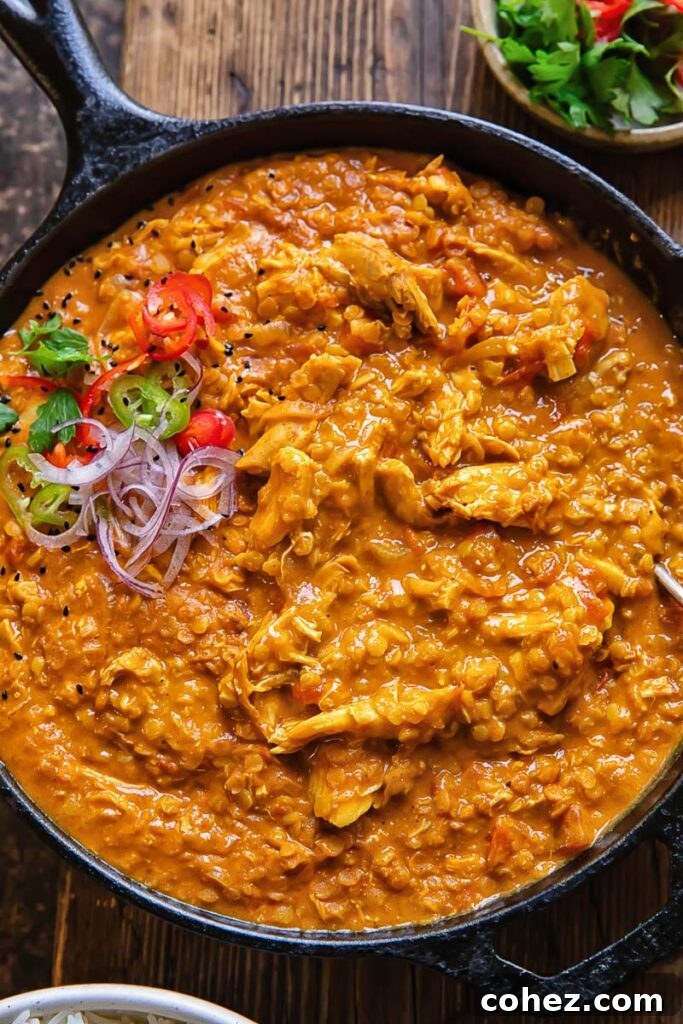
- Frugal and Flavorful: This leftover turkey recipe masterfully combines two of my favorite ingredients: red lentils and curry. Red lentils are quick-cooking, budget-friendly, and provide a fantastic source of plant-based protein and fiber, making this dish both wholesome and satisfying. The curry element adds vibrant flavor without breaking the bank or requiring a long list of expensive spices.
- The Curry Paste Advantage: Here’s a cheeky kitchen shortcut I wholeheartedly endorse: curry paste. In my culinary book, using curry paste is NEVER cheating! Especially during the busy holiday season, even the most dedicated home cooks deserve a day off from grinding and measuring individual spices. High-quality curry paste provides a perfectly balanced blend of aromatics and heat, ensuring a consistently delicious curry every time with minimal effort.
- Choosing Your Paste: The brand I frequently reach for is Patak’s, but you should absolutely use whichever brand you prefer and trust. For this particular recipe, I found that This is an affiliate link.Madras Spice paste offers an ideal balance of robust aromatics and a pleasant chili kick. Just be sure to read the label to understand its spice level.
- Paste vs. Sauce: Crucially, look for concentrated curry paste, not a pre-made cooking sauce. These are two distinct products! Curry paste typically comes in a smaller jar and is a potent blend of ground spices, herbs, and oils, designed to be sautéed and built upon. A cooking sauce, on the other hand, is usually a larger jar and is already a diluted, ready-to-use sauce. The paste offers much more control over the final flavor and thickness of your curry.
- Lentil Choices: I recommend using dried red lentils for this recipe, as they cook down beautifully to create a creamy, thick texture. However, if you have drained canned lentils on hand, they can certainly be used in a pinch. Just be aware that the texture will be slightly different, and they will require less cooking time. Adjust water and cooking time accordingly to achieve your desired consistency.
- Creamy Base: For a fragrant and wonderfully creamy gravy, coconut milk is my top choice. Its subtle sweetness and richness complement the curry spices beautifully. While you could use light (single (UK)) cream if you prefer a dairy-based option, coconut milk adds an authentic depth of flavor that is hard to beat in an Indian-inspired curry. Full-fat coconut milk will yield the richest, most luxurious result.
- Customization is Key: Feel free to customize this curry to your liking! Add a handful of spinach at the end, toss in some leftover roasted vegetables, or adjust the chili level with a pinch of cayenne pepper if you desire more heat.
Serving Suggestions for Your Turkey Lentil Curry
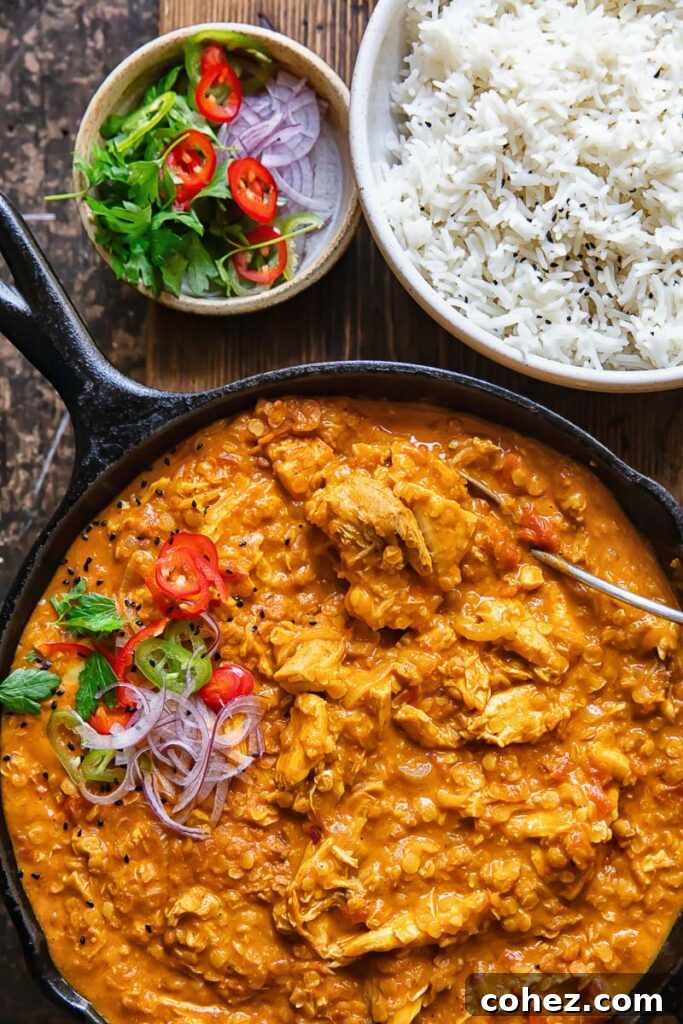
If you’re making this leftover turkey curry, chances are you’ve already spent a considerable amount of time in the kitchen during the holidays! So, let’s keep the serving suggestions delightfully simple and fuss-free. This rich and flavorful curry pairs perfectly with fluffy white rice, allowing its complex spices to shine. For an added layer of flavor and aroma, consider making coconut rice – its subtle sweetness provides a wonderful contrast to the savory curry. And don’t forget the essential accompaniment: warm, soft flatbreads. They’re surprisingly easy to make from scratch, so much so that you might never buy store-bought again! They are perfect for scooping up every last bit of that delicious sauce.
However, if you’re feeling a burst of renewed culinary energy or are taking over cooking duties for this particular meal, why not add a flourish with a couple of authentic Indian-style sides? Roasted spiced baby potatoes (known as aloo chaat) offer a delightful texture and a burst of savory flavor. Additionally, a vibrant, meat-free chickpea and butternut squash curry can be served alongside. This vegetarian option is wonderful for sharing as a side dish, or it can stand alone as a flavorful main course for any vegetarian diners at your table, creating a truly memorable and diverse meal experience.
Storage and Food Safety Guidelines
Recipes that cleverly utilize holiday turkey leftovers are truly a godsend, helping to prevent food waste and extend the enjoyment of your festive feast. However, it’s crucial to exercise good judgment and adhere to food safety guidelines when it comes to prolonging the life of cooked poultry. Proper storage and reheating are key to ensuring your leftover turkey dishes remain safe and delicious. To help you navigate food safety with confidence, here are some general rules of thumb:
- Initial Storage: Ensure any cooked turkey meat is cooled as quickly as possible (within 2 hours) after cooking and then stored in airtight containers in the refrigerator.
- Refrigeration Limit: Cooked, cooled turkey meat should be kept in the fridge for no longer than 3 to 4 days. While the original content suggested 5 days, 3-4 days is a more universally recommended safe limit to prevent bacterial growth.
- Reheating Only Once: For optimal food safety and to maintain quality, any leftover turkey dish (like this curry) should only be reheated once. When reheating, always ensure the food reaches an internal temperature of 165°F (74°C) and is piping hot throughout.
- “Round Two” Leftovers: The phrase “round two leftovers are thrown away” means that if you have reheated a portion of the curry, any remaining portion of *that reheated meal* should not be cooled and reheated again. It’s safest to discard any food that has been reheated and then left uneaten. To avoid waste, reheat only the amount you intend to consume immediately.
- Freezing for Longer Storage: If you have a large quantity of turkey curry, consider freezing portions. Allow the curry to cool completely, then transfer it to freezer-safe containers or bags. It can be safely stored in the freezer for up to 2-3 months. Thaw frozen curry in the refrigerator overnight before reheating thoroughly as per the “reheating once” rule.
By following these simple guidelines, you can safely enjoy your delicious Leftover Turkey and Lentil Curry and other turkey creations without worry. I hope that helps you manage your holiday bounty efficiently and safely!
More Creative Holiday Leftover Recipes to Try
Don’t stop the leftover magic here! Explore these other fantastic recipes to continue your culinary journey and transform your holiday remnants into exciting new meals:
- Hot Roast Beef Sandwich: A classic comfort food, perfect for using up leftover roast beef.
- Chicken and Bacon Pasta: A quick and satisfying meal that can easily adapt to cooked turkey.
- Hearty Mulligatawny Soup: A flavorful Anglo-Indian soup that welcomes leftover poultry.
- Beef in Truffled Cream Sauce: Indulgent and delicious, easily made with leftover roast beef.
Leftover Turkey and Lentil Curry

Ingredients
- 2 tbsp ghee or oil
- 1 onion, sliced
- 2 cloves garlic, crushed
- 2 inch piece ginger , grated (about the size of your thumb)
- 3 tbsp This is an affiliate link.Madras curry paste, or your favorite
- 225g / 1 cup dry red lentils , washed
- 500ml / 2 cups water
- 400g / 14 oz This is an affiliate link.canned chopped tomatoes
- Salt to taste
- 600g / 4 cups diced cooked turkey meat
- 400ml / 14 oz This is an affiliate link.coconut milk, or single cream
- 2 tbsp chopped coriander leaves, or cilantro for garnish
Instructions
-
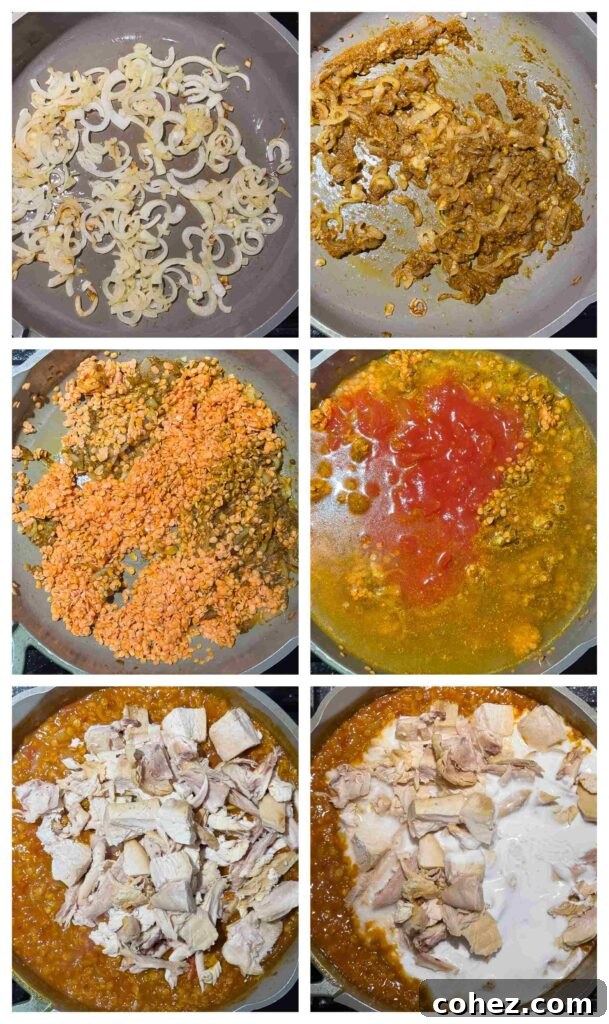
Heat the ghee or oil in a large and deep pan and add the sliced onions. Sauté over low-medium heat for 10 minutes until slightly colored and softened. Add the minced garlic and grated ginger and sauté for 30 seconds longer, until fragrant. Then, add the curry paste to the pan and stir-fry for a few seconds to release its aromas.
-
Add the washed and drained red lentils to the pan and stir-fry for 30 seconds, ensuring they are well coated in the fragrant spice mix.
-
Pour in the water and the canned chopped tomatoes. Bring the mixture to a boil, then reduce the heat to low, cover with a lid, and let it simmer gently for 10 minutes, allowing the lentils to begin softening.
-
Add the diced cooked turkey and the coconut milk to the pan. Stir everything to combine well, then cook uncovered for an additional 15 minutes, allowing the flavors to meld and the curry to thicken to your desired consistency. Top generously with fresh coriander leaves before serving for a burst of freshness.
Nutrition
Nutrition information is automatically calculated, so should only be used as an approximation.