
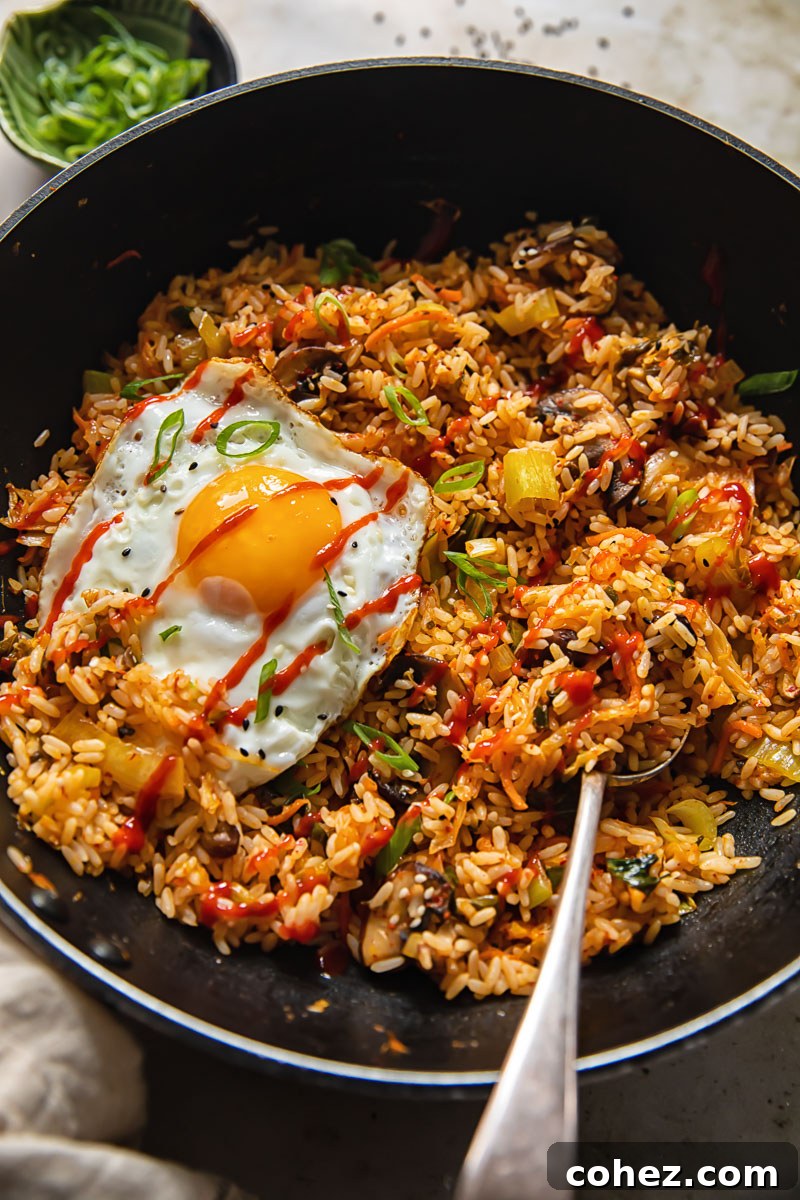
Experience the vibrant fusion of flavors in this Korean-inspired take on a beloved comfort food classic. Our Kimchi Fried Rice recipe is a quick, easy, and incredibly satisfying way to transform leftover rice into an unforgettable meal that bursts with spicy, savory, and tangy notes.
Looking to round out your meal with more Asian-inspired delights? Consider pairing this delicious fried rice with my Sticky Asian Chicken for a truly indulgent takeout-style experience at home. If you’re captivated by the unique charm of kimchi, don’t miss out on my Easy Kimchi Noodles for another quick and flavorful dish!
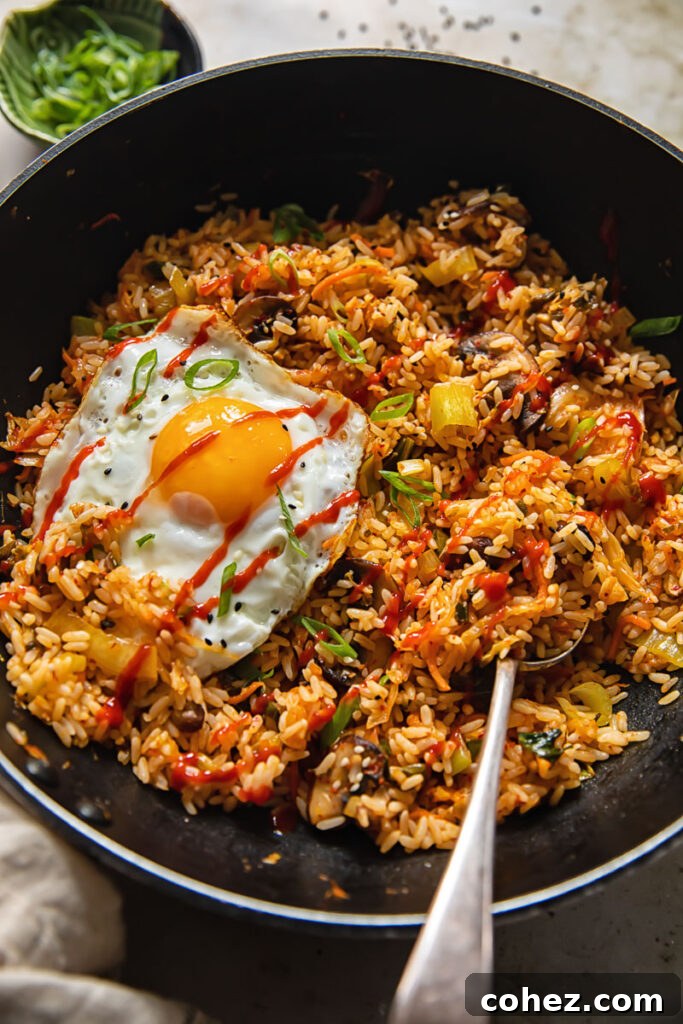
The Irresistible Allure of Kimchi Fried Rice
For many, fried rice is a universal language of comfort, a dish capable of countless variations, each reflecting local tastes and available ingredients. It’s the ultimate leftover hero, taking humble day-old rice and elevating it into something extraordinary. But when you introduce the bold, fermented magic of kimchi, fried rice truly comes alive in an explosion of Korean-inspired taste and texture.
Discovering the Magic of Kimchi
My journey into the world of kimchi began a little later than some, but I’ve been making up for lost time ever since. This staple of Korean cuisine is more than just a condiment; it’s a superfood packed with nutritious ingredients and an astounding depth of flavor. Kimchi, typically made from fermented Napa cabbage and other vegetables, delivers a complex profile that is simultaneously spicy, sour, umami-rich, and slightly sweet. It’s a culinary powerhouse that can transform even the simplest dish.
Beyond its incredible taste, kimchi is celebrated for its health benefits. As a fermented food, it’s rich in probiotics, which are beneficial bacteria that can support gut health and boost immunity. It’s also a fantastic source of vitamins (A, C, and K) and minerals, making it a flavorful and nutritious addition to any diet. Its versatility allows it to be enjoyed on its own, as a side dish, or as a key ingredient in countless recipes, from stews to pancakes and, of course, fried rice.
The Art of Perfect Fried Rice
Fried rice is a global phenomenon, cherished across cultures for its adaptability and delicious simplicity. The beauty of fried rice lies in its ability to be a blank canvas, ready to absorb and showcase the flavors of whatever ingredients you choose to add. While it appears simple, achieving that perfect texture – separate, slightly chewy grains with a delightful char – is an art form.
The secret to truly exceptional fried rice lies in using day-old, chilled rice. When rice sits overnight in the refrigerator, it loses some of its moisture and firms up, preventing it from clumping together and turning mushy when stir-fried. This ensures each grain maintains its integrity, resulting in that signature fluffy yet firm texture. While basmati is often a household favorite, for fried rice, I find long-grain rice varieties like jasmine or even a good quality American long-grain white rice work best, as their individual grains hold up beautifully under the heat of the wok.
Kimchi Fried Rice: A Symphony of Flavors
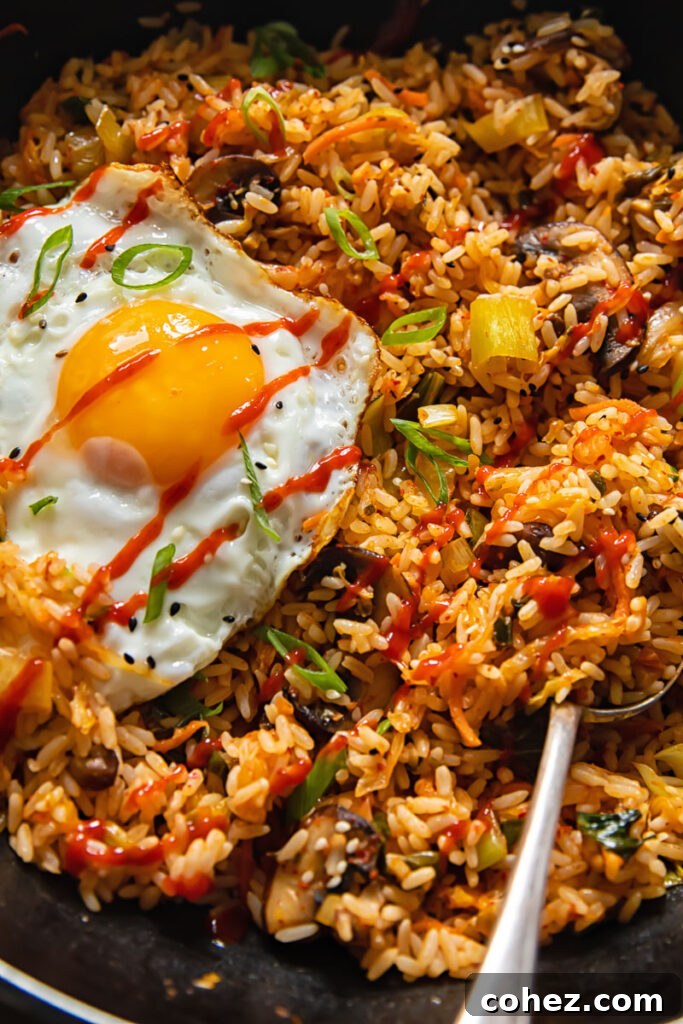
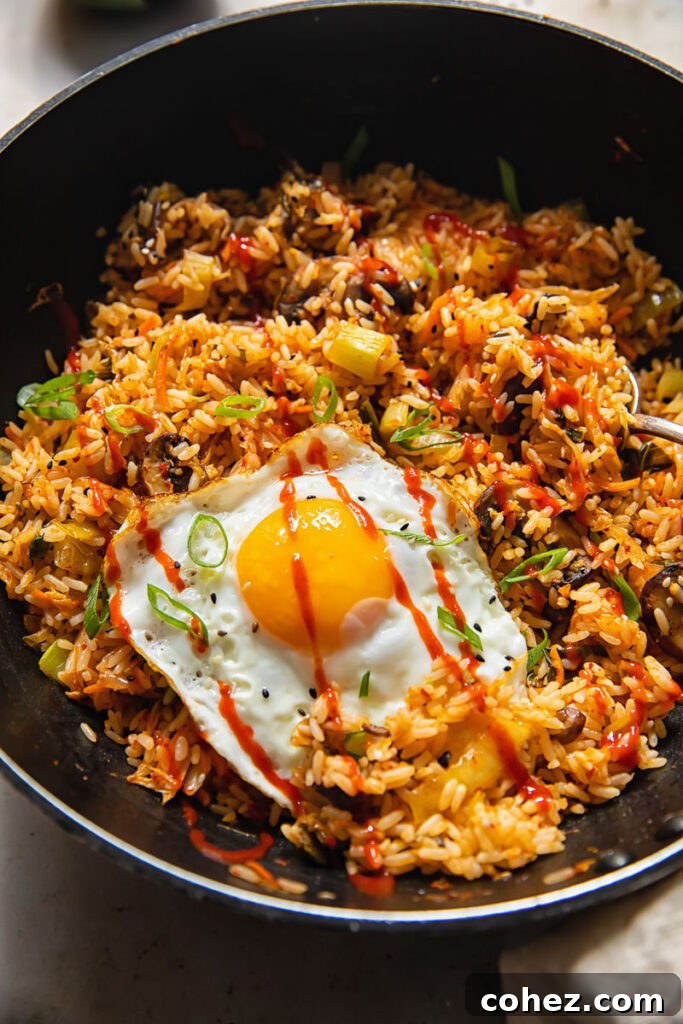
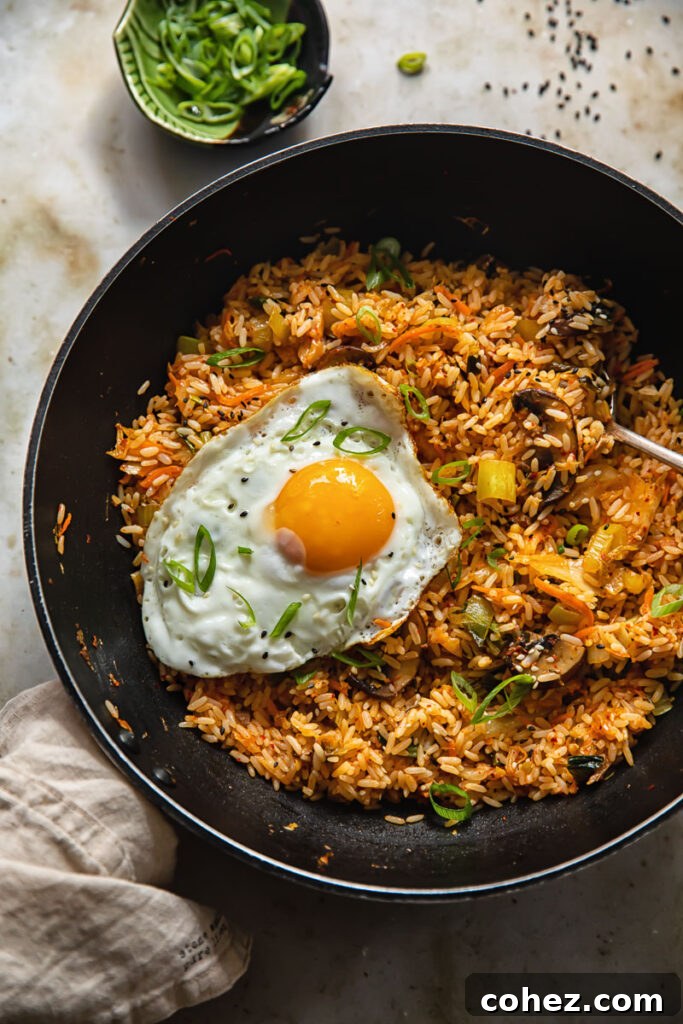
Combining the comforting heartiness of fried rice with the distinctive punch of kimchi creates a dish that is truly special. The fermentation in kimchi adds an incredible tang and an umami depth that elevates the entire meal, making it taste remarkably fresh and intensely satisfying. It’s a harmonious blend of textures and temperatures, especially when crowned with a perfectly fried egg, its runny yolk creating a rich sauce that coats every grain.
This recipe transforms humble leftovers into a culinary highlight. It’s ideal for busy weeknights when you crave something flavorful yet quick to prepare, offering a taste of authentic Korean comfort right in your own kitchen.
Crafting Your Kimchi Fried Rice: A Step-by-Step Guide
The key to successful stir-frying is preparation, or “mise en place.” Since this dish comes together quickly, having all your ingredients prepped and ready before you even turn on the stove is crucial. Slice your mushrooms and bok choy, mince your garlic, grate your ginger, and have your kimchi, rice, sauces, and garnishes within arm’s reach. This methodical approach ensures a smooth and enjoyable cooking process, allowing you to focus on technique rather than scrambling for ingredients.
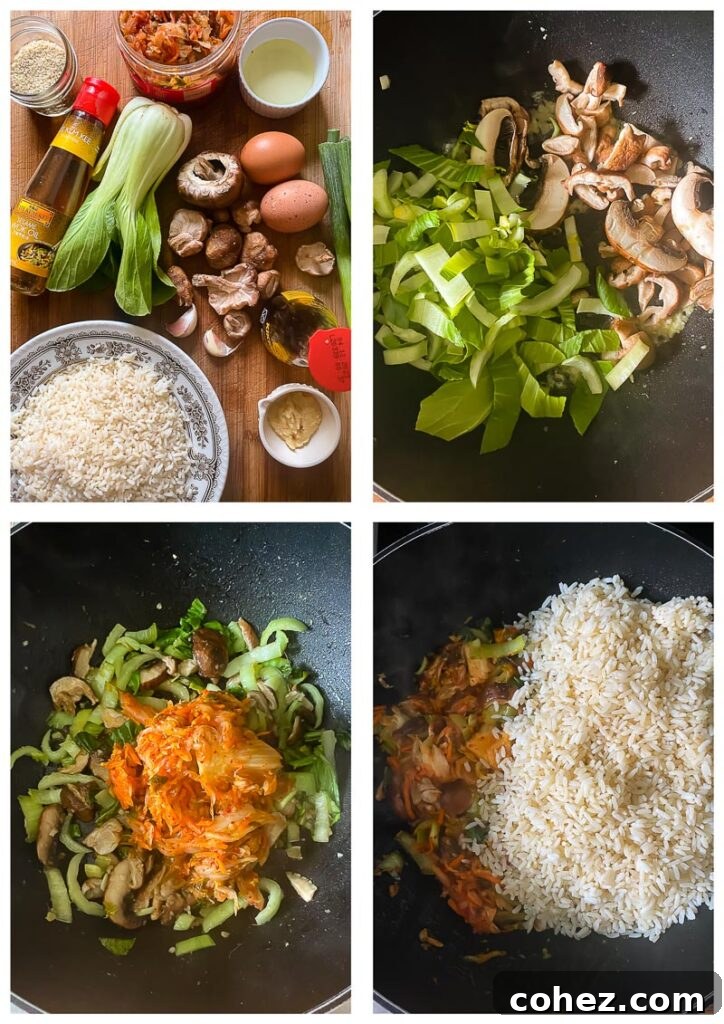
Begin by heating your vegetable oil in a large skillet or, ideally, a wok over medium-high heat. A wok’s sloped sides are perfect for stir-frying, allowing for even heat distribution and easy tossing of ingredients. Once the oil shimmers, add the minced garlic and grated ginger. Stir-fry these aromatic powerhouses for about 30 seconds until fragrant. This step builds a foundational layer of flavor that will permeate the entire dish.
Next, introduce the sliced mushrooms and bok choy to the wok. Continue to stir-fry for about 5 minutes, or until the bok choy has softened and brightened in color. The mushrooms will release their moisture and develop a deeper flavor. Now, it’s time for the star ingredient: the kimchi. Add the kimchi to the vegetables and cook for a few more minutes, stirring occasionally, until most of its liquid has evaporated. This concentrates the kimchi’s flavor and prevents the rice from becoming soggy.
Finally, add your day-old cooked rice, along with the soy sauce and sesame oil. Using a spatula or wok shovel, mix everything thoroughly, breaking up any clumps of rice, ensuring it’s evenly coated with the flavorful sauce and vegetables. Continue to cook, stirring frequently, until the rice is heated through and slightly toasted. Then, reduce the heat to low and let it sit for a couple of minutes, allowing a slight crust to form at the bottom, which adds another layer of texture.
While the rice finishes cooking, prepare your fried eggs in a separate pan with a little fresh vegetable oil. For this dish, a runny yolk is highly recommended, as it acts as a rich, creamy sauce when broken over the hot rice. Fry the eggs until the whites are set but the yolks remain wonderfully molten.
Once everything is ready, spoon the steaming kimchi fried rice onto serving plates. Top each portion with a freshly fried egg, a generous sprinkle of sliced green onions for a fresh, pungent bite, and a scattering of toasted sesame seeds for added crunch and nutty aroma. Serve immediately and savor the delightful combination of flavors and textures.
Expert Tips for the Best Kimchi Fried Rice
- Prep Ahead is Key: As this recipe cooks quickly, ensure all your vegetables are chopped, garlic minced, and sauces measured before you begin. Stir-frying requires constant attention, and you won’t have time to prep ingredients once you start cooking.
- The Wok Advantage: While a large skillet can work, a traditional wok is ideal for fried rice. Its high, sloped sides allow for efficient tossing and even cooking, preventing ingredients from spilling out and ensuring consistent heat distribution.
- Day-Old Rice is Essential: This is arguably the most critical tip for perfect fried rice. Cook your rice a day in advance and chill it thoroughly. The refrigeration process dries out the rice grains, making them firm and less sticky, which is crucial for achieving distinct, fluffy grains instead of a mushy texture. Using freshly cooked, warm rice will likely result in a clumpy, wet dish.
- Rice Measurement: Long-grain rice typically triples in volume when cooked. If the recipe calls for 3 cups of cooked rice, you’ll generally need to start with 1 cup of uncooked rice.
- Mind the Oil: Too much oil can make your fried rice greasy and heavy. Use just enough to coat the bottom of your wok and facilitate stir-frying. You can always add a tiny bit more if needed, but it’s hard to remove excess.
- Check Your Kimchi for Dietary Needs: Not all kimchi is vegetarian or vegan. Many traditional kimchi recipes include fish sauce or shrimp paste for an added layer of umami. If you are preparing this dish for vegetarian or vegan guests, be sure to seek out certified vegan kimchi. Additionally, the spice level of kimchi varies greatly; adjust to your preference!
- Seasoning Savvy: Both kimchi and soy sauce are naturally salty. It’s best to taste your fried rice when it’s almost done cooking and then adjust with additional salt if necessary. Often, no extra salt is needed.
- Crispy Rice Bonus: After mixing in the rice, let it sit undisturbed on medium-low heat for a couple of minutes to develop a slightly crispy texture at the bottom. This adds a delightful textural contrast.
Serving Suggestions for Kimchi Fried Rice
One of the many wonderful aspects of Kimchi Fried Rice is its completeness. It truly shines as a standalone, one-pan meal, offering a satisfying blend of carbohydrates, vegetables, and protein (especially with the fried egg). There’s no need to overcomplicate things when it’s this delicious on its own.
However, if you’re hosting or simply desire a little something extra, shrimp makes an excellent companion. The subtle sweetness and tender texture of shrimp beautifully complement the bold flavors of the fried rice. My Salt and Pepper Shrimp or Honey Garlic Shrimp are both fantastic choices. They cook quickly, adding minimal extra time to your meal preparation while enhancing the overall dining experience.
For an even lighter side, a simple cucumber salad with a light vinegar dressing or some steamed edamame can offer a refreshing contrast to the richness of the fried rice. A bowl of miso soup can also provide a comforting and traditional complement.
Storage and Reheating Leftovers
Kimchi Fried Rice makes for excellent leftovers. Store any uneaten portions in an airtight container in the refrigerator for up to 4-5 days. This will prevent it from absorbing other smells and flavors in your fridge, keeping its vibrant taste intact. For longer storage, it can be frozen for up to 6 months. When freezing, ensure the rice is completely cooled before transferring it to freezer-safe containers or bags.
To reheat, simply place the fried rice in a microwave-safe dish with a tiny splash of water (about a tablespoon per serving) to help rehydrate the rice and prevent it from drying out. Heat until steaming hot. Alternatively, you can reheat it in a skillet over medium heat, adding a touch of oil if needed, stirring frequently until warmed through. It is crucial to reheat leftover rice thoroughly until piping hot and to avoid reheating it more than once, as improperly stored or reheated rice can become a breeding ground for harmful bacteria.
More Delicious Fried Rice Recipes to Explore
If you’ve fallen in love with the versatility of fried rice, here are a few more recipes to add to your culinary repertoire:
- Chicken Fried Rice
- Crab Fried Rice
- Nasi Goreng (Indonesian Fried Rice)
- Shrimp Fried Rice
Kimchi Fried Rice Recipe
By: Julia Frey of Vikalinka
Prep Time: 5 mins
Cook Time: 15 mins
Total Time: 20 mins
Servings: 4
The perfect blend of comforting fried rice and the spicy, tangy kick of kimchi creates a delightful Korean twist on a classic.
Equipment
- Carbon steel wok (or large non-stick skillet)
Ingredients
- 2 tbsp vegetable oil
- 2 cloves garlic, minced
- 1 tbsp grated ginger or ginger paste
- 1-2 bok choy, sliced
- 2-3 mushrooms, sliced (e.g., cremini or shiitake)
- 180g / 1 cup kimchi, chopped (plus a little kimchi juice for extra flavor)
- 500g / 3 cups day old cooked long grain rice
- 1 tbsp light soy sauce
- 1 tsp sesame oil
- 1 tbsp vegetable oil (for eggs)
- 2 eggs
- 2-3 green onions, sliced (for garnish)
- Sesame seeds, for garnish
Instructions
- Heat 2 tbsp vegetable oil in a large wok or skillet over medium-high heat. Add the minced garlic and grated ginger and stir-fry for 30 seconds until fragrant.
- Add the sliced mushrooms and bok choy to the wok and cook for 5 minutes, stirring occasionally, until the bok choy is softened.
- Stir in the chopped kimchi and continue cooking for a few more minutes, stirring, until most of the liquid from the kimchi has evaporated.
- Add the day-old cooked rice, soy sauce, and sesame oil to the wok. Mix everything together thoroughly, breaking up any rice clumps, until the rice is heated through and evenly coated. Lower the heat to medium-low and let the rice sit for 2-3 minutes to develop a slight crust.
- While the rice finishes, heat 1 tbsp vegetable oil in a separate small pan over medium heat. Fry the eggs until the whites are set but the yolks are still wonderfully runny.
- Serve the kimchi fried rice hot, topped with the fried eggs, sliced green onions, and a sprinkle of sesame seeds.
Notes
Day-old, chilled rice is crucial for the best fried rice texture, preventing mushiness. Cook your rice the day before for optimal results. Kimchi and soy sauce are both quite salty, so taste the dish before adding any extra salt. Adjust seasoning only if necessary.
Nutrition
Calories: 247kcal | Carbohydrates: 43g | Protein: 11g | Fat: 4g | Saturated Fat: 1g | Polyunsaturated Fat: 1g | Monounsaturated Fat: 1g | Trans Fat: 0.01g | Cholesterol: 82mg | Sodium: 646mg | Potassium: 742mg | Fiber: 4g | Sugar: 4g | Vitamin A: 9603IU | Vitamin C: 96mg | Calcium: 269mg | Iron: 4mg
Nutrition information is automatically calculated and should be used as an approximation.
Tried this recipe? We’d love to hear your thoughts! Let us know how it turned out in the comments below!