Journey to the Eternal City: Unveiling Rome’s Timeless Wonders
Few cities ignite the imagination quite like Rome. Revered as the heart of an empire that shaped Western civilization, it’s a destination etched into our collective memory long before we ever set foot on its ancient cobblestones. From the dramatic silhouette of the Colosseum gracing desktop backgrounds to the romantic allure of ‘Roman Holiday,’ Rome calls to every serious traveler. But beyond the iconic images, what truly awaits in this legendary city? How does one navigate its magnificent chaos and truly experience its profound beauty?
If your Roman adventure sparks a desire for more Italian magic, why not extend your journey? The breathtaking Amalfi Coast, with its panoramic vistas and exceptional wines, offers an unforgettable continuation of your Italian odyssey. Discover our guide for crafting your own immersive wine tour in this legendary southern Italian region!
Having explored Italy numerous times, it’s a wonder we hadn’t prioritized Rome sooner. Its magnetic pull is undeniable, promising a journey through millennia of history, art, and culture. Yet, visiting a city so globally celebrated comes with its own set of challenges. The sheer volume of visitors often transforms Rome into a well-oiled tourist machine, designed for efficient throughput rather than leisurely immersion. This can sometimes overshadow the mystery and profound intrigue that should emanate from such an ancient and storied place.
For independent travelers like us, who prefer to explore at our own pace, Rome proved to be quite demanding. The omnipresent long queues at every major attraction quickly convinced us that guided tours were not just a convenience, but a necessity to maximize our time. While this added to the cost, it spared us hours of waiting under the Roman sun. Though tour groups could be large, often making it difficult to fully absorb every detail in crowded areas, the ability to bypass lines made it a worthwhile investment. Despite its grandeur, Rome didn’t quite capture our hearts in the same way smaller, more intimate Italian cities have, largely due to the overwhelming crowds.
Iconic Landmarks: Must-See Places to Visit in Rome
The true challenge when planning a trip to Rome isn’t finding things to see, but rather curating a manageable itinerary from an almost endless list of spectacular sights. Every corner reveals another layer of history, a breathtaking ruin, or an exquisite work of art. To help you navigate, here’s a guide to the unmissable highlights and how to make the most of your visits.
Exploring the Ancient Heart of Rome: Colosseum, Roman Forum & Palatine Hill
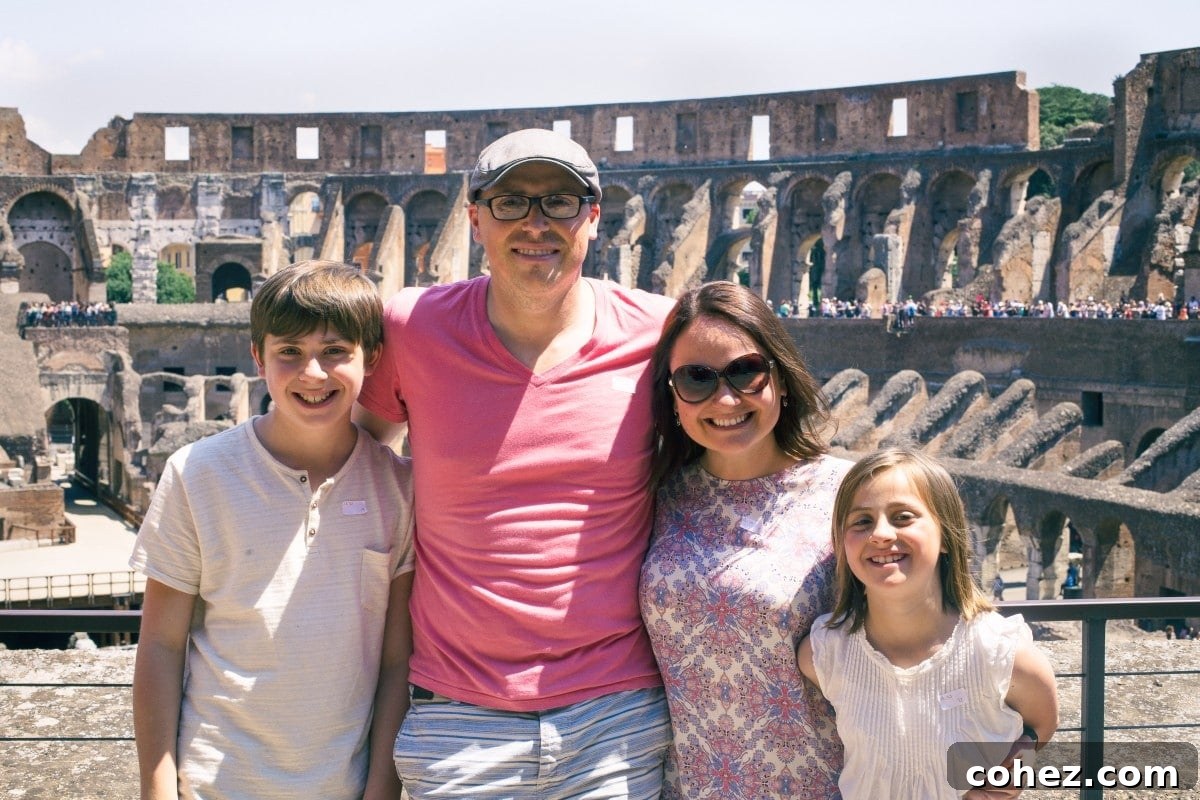
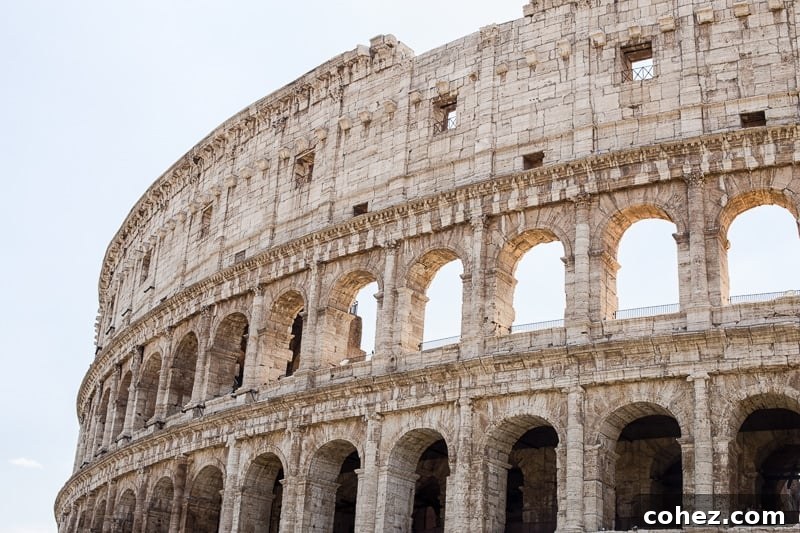
No journey to the Eternal City is complete without a pilgrimage to the Colosseum. This colossal amphitheater, an architectural marvel of the ancient world, is every bit as stunning and dramatic as its formidable reputation suggests. Walking through its arches, you can almost hear the roar of the crowds and imagine the gladiatorial contests that once unfolded within its walls. It’s a truly humbling experience, connecting you directly to Rome’s glorious past.
Be prepared for equally epic queues. Opting for a guided tour or booking skip-the-line tickets well in advance is highly recommended. While it adds to the cost, it significantly enhances the experience by saving you from lengthy waits under the intense sun, allowing more time for exploration and appreciation. Consider purchasing a combined ticket for the Colosseum, Roman Forum, and Palatine Hill, as they are geographically linked and historically intertwined.
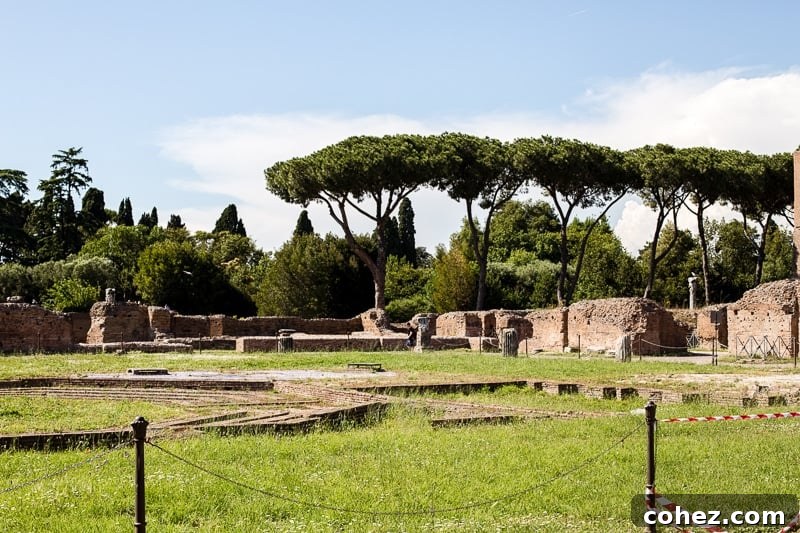
From the Colosseum, your path naturally leads you up the Palatine Hill, one of the seven hills of Rome, believed to be the earliest inhabited part of the city. As you ascend, you’ll discover the sprawling ruins of imperial palaces, offering fascinating glimpses into the lives of Roman emperors. The elevated position also provides magnificent panoramic views of the adjacent Roman Forum, the ancient civic heart of Rome.
Wandering through the vast expanse of the Roman Forum feels like stepping back in time. This was once the vibrant epicenter of public life, lined with temples, basilicas, and bustling marketplaces. Given the sheer scale and fragmented nature of the ruins, a guided tour here is particularly invaluable. Expert commentary transforms scattered stones into vivid narratives, providing crucial context that brings the ancient city to life. The wide-open spaces of both the Palatine Hill and Roman Forum, coupled with surprisingly available pockets of shade, make for a pleasant exploration, but remember to allocate ample time and energy to truly soak in the atmosphere.
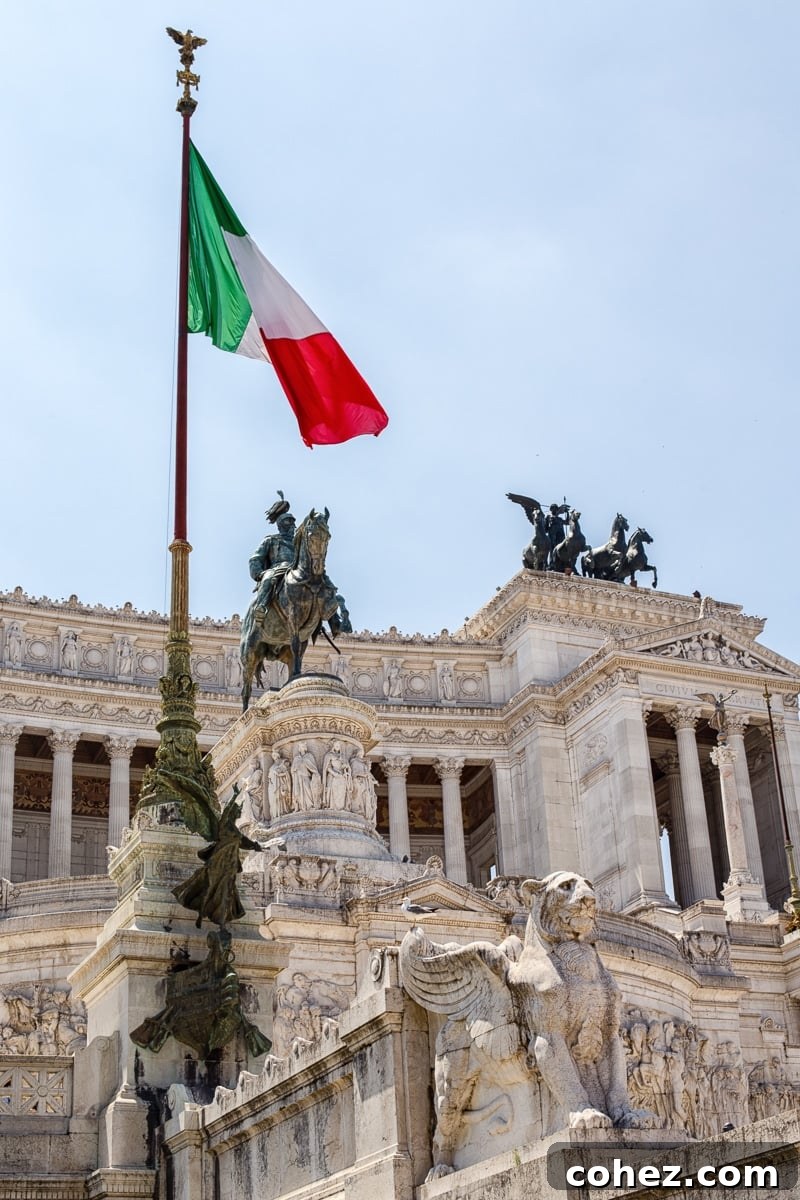
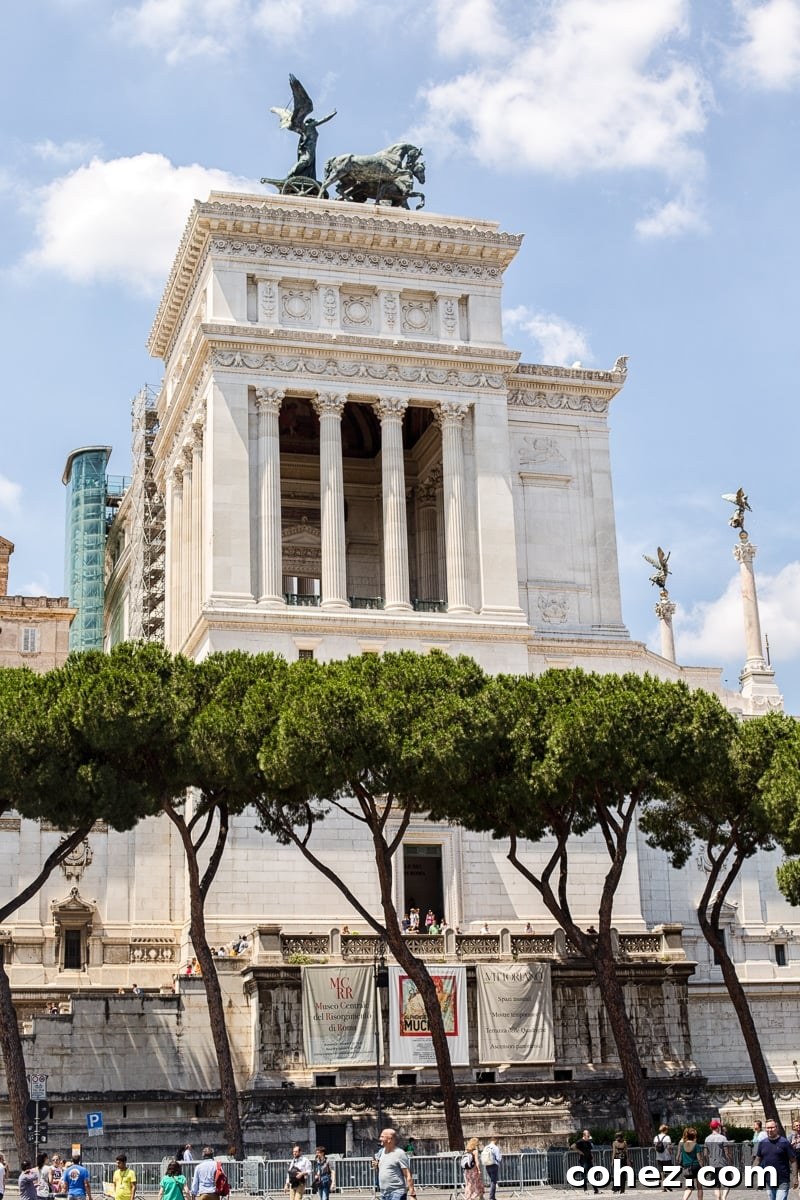
Not far from these ancient sites stands the imposing Altar of the Fatherland (Altare della Patria), a striking monument dedicated to Victor Emmanuel II, the first king of unified Italy, and to soldiers who perished in the First World War. Its brilliant white marble and grand scale have earned it the affectionate, if sometimes derisive, local nickname of “The Wedding Cake” or “The Typewriter.” Despite its controversial popularity among Romans, it undeniably offers some of the best panoramic views of the city from its upper terraces. Climbing to the top is well worth the effort for breathtaking vistas across Rome’s historic skyline, including the Colosseum and the Roman Forum.
Vatican City: A Spiritual and Artistic Powerhouse
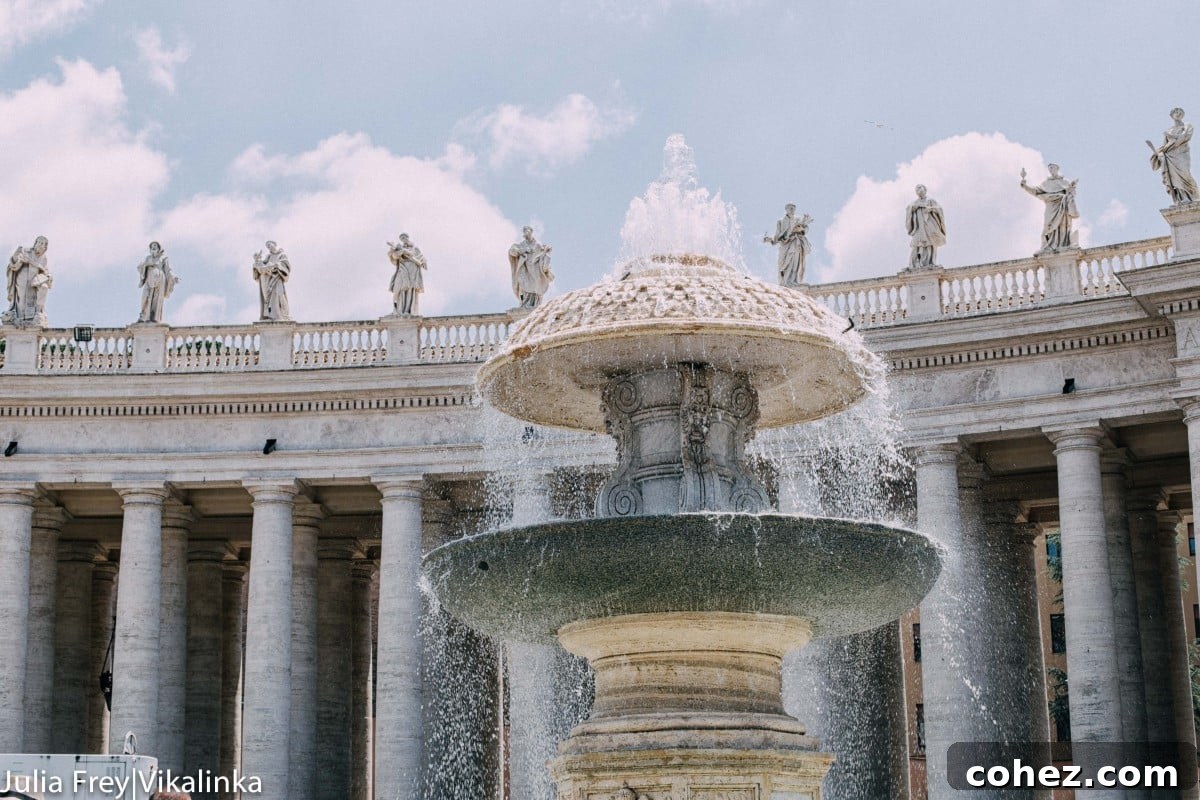
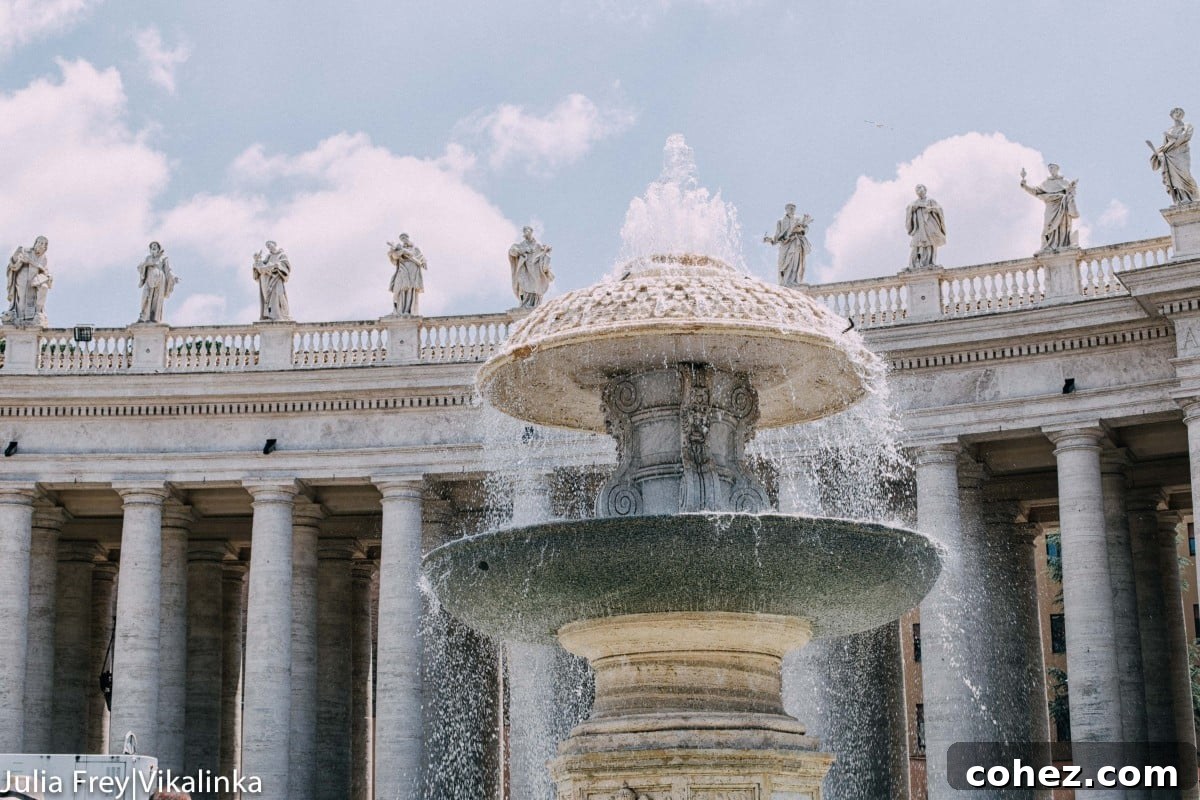
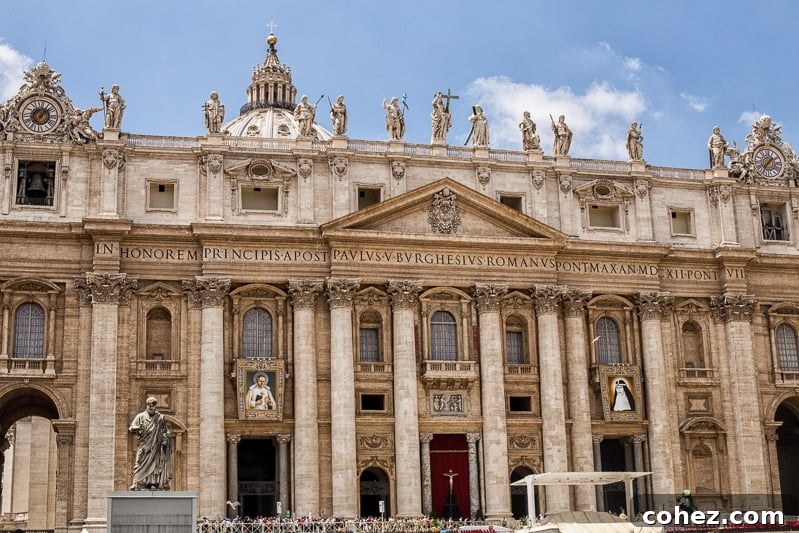
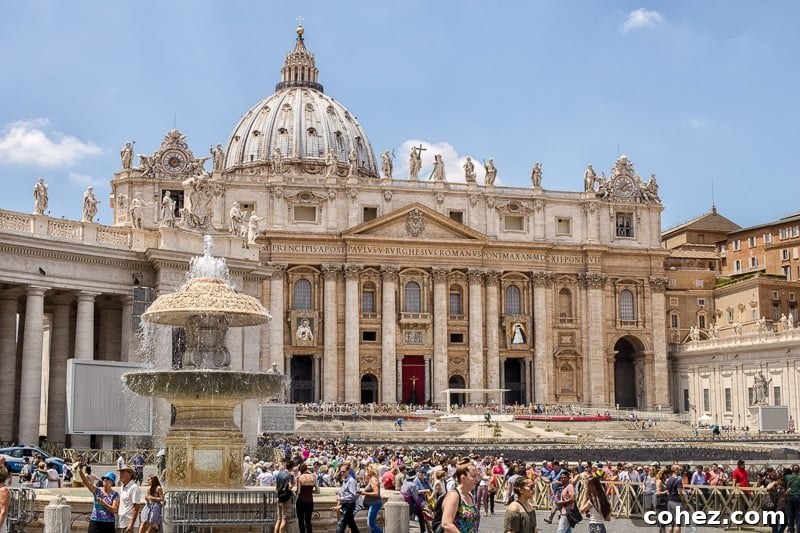
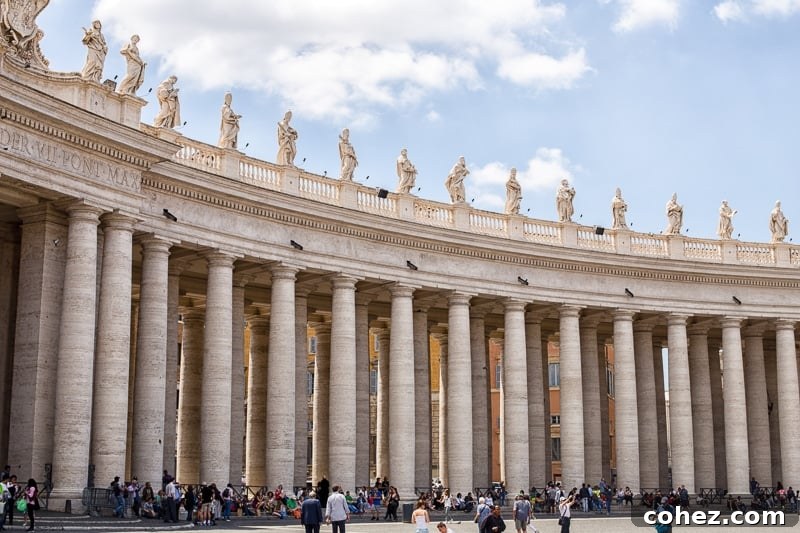
A visit to the world’s smallest independent state, Vatican City, is high on nearly every Roman itinerary. However, this popularity comes with a price: immense crowds. While the spiritual and artistic significance of the Vatican is unparalleled, the sheer volume of visitors can make for an overwhelming experience. The primary goal often feels like moving as many paying customers through the doors as efficiently as possible, leading to dense, sometimes oppressive crowds in every room of the Vatican Museums and St. Peter’s Basilica.
It’s easy to get lost in the shuffle. One traveler recounted being so focused on navigating the throng that she tragically forgot to look up at Michelangelo’s masterpiece, the Sistine Chapel ceiling. While the Vatican itself, with its breathtaking art, magnificent architecture, and profound religious importance, is undeniably remarkable and beautiful, the overall visiting experience can sometimes leave much to be desired. To mitigate this, consider visiting early in the morning or late in the afternoon, booking tickets for specific entry times well in advance, or joining a specialized small-group tour for a more intimate experience.
Beyond the Ruins: Pantheon, Trevi Fountain & Spanish Steps
Stepping away from the ancient heart, you’ll find the majestic Pantheon, an architectural marvel and a truly dramatic stop. What’s more, entry is surprisingly free. Originally a temple dedicated to all Roman gods, it was later consecrated as a church and now also serves as a mausoleum. The Pantheon’s freestanding concrete dome, an engineering triumph of the ancient world, remains the largest unreinforced concrete dome to this day. Its oculus, a circular opening at the dome’s apex, floods the interior with natural light, creating an awe-inspiring atmosphere that truly makes you appreciate the genius of Roman builders. They truly understood how to do things right.

A short, picturesque stroll through Rome’s charming streets will lead you to the iconic Trevi Fountain. This Baroque masterpiece is a personal favorite and a place worth visiting more than once. Be sure to witness its splendor both during the vibrant daytime and under the magical glow of evening lights. Whenever you arrive, the fountain will be teeming with life and energy, a beloved gathering spot for both tourists and locals alike. It’s a wonderful place for people-watching, perhaps over a delightful gelato, observing the age-old tradition of tossing a coin into the fountain to ensure a return to Rome, and even spotting the occasional budget backpacker attempting to retrieve some change. Its sheer artistry and lively atmosphere are simply captivating.
The Spanish Steps, a grand staircase connecting the Piazza di Spagna with the Trinità dei Monti church, are another famous Roman landmark. Unfortunately, during our visit, they were undergoing restoration and were largely obscured by builder’s walls. However, online photos confirm their reputation as a beautiful and elegant architectural feature, a popular spot for resting and observing the chic Roman street life. Even if under restoration, the surrounding area is vibrant with high-end boutiques and charming cafes, making it a pleasant place to explore.
A little further afield, but providing a welcome escape from the city’s heat and hustle, is the sprawling Villa Borghese. This magnificent public park offers lush greenery, serene pathways, and stunning views. It’s a perfect spot to rent a bike or a pedal-powered go-cart and explore at your own pace, enjoying a refreshing break from sightseeing. Within the park, you’ll also find the Borghese Gallery, housing an incredible collection of Bernini and Caravaggio masterpieces – a must-visit for art lovers, though booking tickets far in advance is essential.
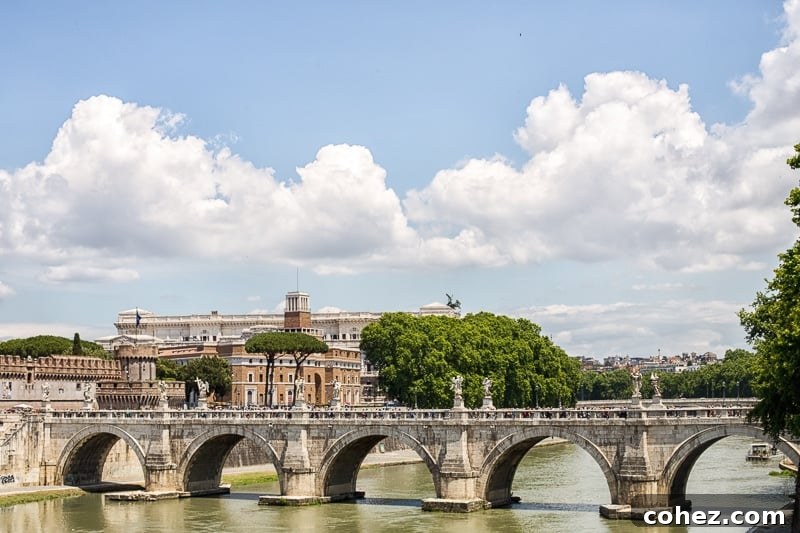
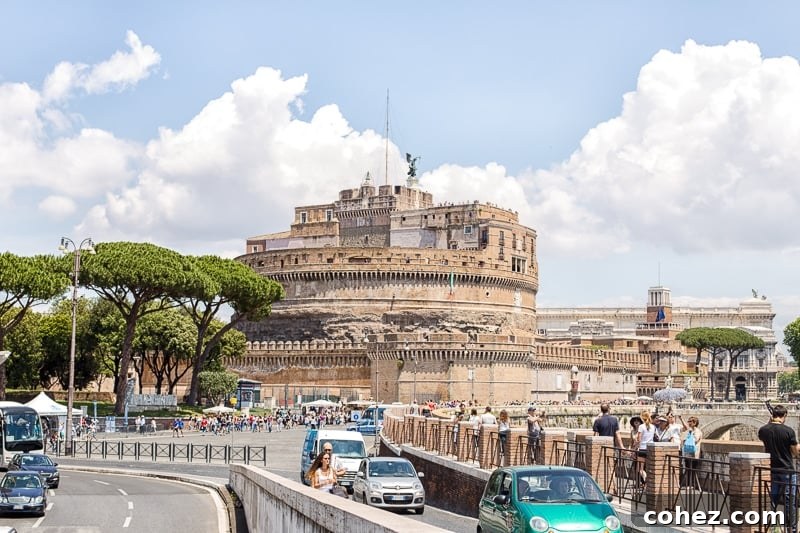
Of course, Rome’s treasures extend far beyond these highlights. Consider delving into the ancient underground passages of the Catacombs, exploring the fortress-turned-museum of Castel Sant’Angelo, or losing yourself in countless other museums, art galleries, and vibrant piazzas. It would be impossible to list every wonder, so our key recommendation is to plan your stay meticulously. Thorough research before your trip will ensure you prioritize what truly interests you, and always factor in plenty of time for queuing. Crucially, allow ample spontaneous time to wander the winding streets and hidden alleys, as Rome’s most charming discoveries are often found off the beaten path, away from the main guidebooks.
Savoring Rome: A Culinary Journey
Food in Rome presents a nuanced challenge for discerning travelers. In many other global cities, the fare found in central, tourist-heavy areas might be considered decent and reasonably priced. However, this is Italy, a country whose very identity is inextricably linked to its world-renowned cuisine. In Italy, “decent” isn’t good enough; Italian food should be nothing short of amazing, a symphony of flavors and fresh ingredients.
Regrettably, cities inundated with tourists often yield to the temptation of culinary shortcuts. In such high-traffic locations, the incentive to produce truly exceptional food can diminish when there’s a constant stream of customers willing to pay a healthy markup for almost anything placed on a plate. This often results in a proliferation of mediocre eateries catering to transient visitors, rather than passionate food experiences.
Where to Find Authentic Roman Flavors
If your quest is for the absolute pinnacle of Italian gastronomy, you might find that Rome’s busiest areas don’t always deliver. But this doesn’t mean your mealtimes will be a letdown. Far from it, Rome offers unique dining experiences, even if the food isn’t always Michelin-star quality in the most central spots.
Picture this: a delightful dinner al fresco in the enchanting Piazza Navona. Surrounded by Bernini’s Fountain of Four Rivers and other Baroque masterpieces, with talented street performers adding to the ambiance, it’s a truly memorable experience for the atmosphere alone. The same holds true for the Piazza Rotonda, where you can savor your meal while gazing directly upon the ancient grandeur of the Pantheon. In these iconic settings, the experience and unbeatable location often transcend the food itself, making for an unforgettable evening.
For those seeking the true heart of Roman cuisine, locals will unanimously steer you towards Trastevere. Located just across the Tiber River, it’s a wonderfully walkable distance from the city center for the energetic, or a short, inexpensive taxi ride away. This vibrant, bohemian neighborhood is well worth the journey, offering a stark contrast to the tourist-centric eateries elsewhere.
While I struggle to recall the specific names of the trattorias we visited in Trastevere, it almost doesn’t matter. The area is brimming with innumerable, unpretentious places to eat, offering down-to-earth, authentic, and truly delicious Roman food at sensible prices. Every establishment seemed inviting, and even with our limited sample size, Trastevere’s strong reputation suggests you’re unlikely to go wrong. Here, restaurants are typically noisy, lively, and incredibly welcoming – just as they should be – and they represent brilliant value. Head to Trastevere for classic Italian dishes like crispy Roman-style pizza, rich risotto, authentic pasta alla carbonara, cacio e pepe, and supplì, and you’ll feel like you’ve truly experienced the city’s culinary soul.
(Inspired to recreate the Italian culinary experience in your own kitchen? Explore these ideas to begin your delicious journey!)
Embracing the Roman Experience: Final Thoughts and Travel Tips
Reflecting on our visit to Rome leaves me with a complex mix of awe and a desire to manage expectations for future travelers. It feels almost sacrilegious to voice any reservations about such a legendary city, a true cornerstone of human history and culture. Indeed, a trip to Italy – and arguably to Europe itself – would feel profoundly incomplete without experiencing Rome’s unique grandeur. The sheer number of remarkable places to visit in Rome ensures that every moment is filled with discovery.
The monumental sites, from the ancient ruins to the magnificent basilicas, are so stunning in their scale, artistry, and historical importance that they leave an indelible mark on your soul. They are truly beyond compare. And the Romans themselves, with their vibrant energy, passion for life, and inherent charm, live up to every aspect of their reputation. We are profoundly grateful for the opportunity to have walked their streets and witnessed their enduring legacy.
However, if you plan to follow in our footsteps, it is crucial to temper expectations and prepare for the realities of visiting a global hotspot. Rome, while magnificent, can be demanding. Be ready for the inevitable challenges that come with a city swarming with millions of tourists: the lengthy queues, the dense crowds, and the occasional frustration. Plan strategically, book in advance, consider off-peak seasons, and most importantly, cultivate a resilient and patient attitude. Approach Rome not just as a checklist of sights, but as an immersive experience, allowing yourself to be swept away by its undeniable magic while navigating its practicalities. With careful planning and an open mind, Rome will undoubtedly captivate you and leave you yearning for a return.